
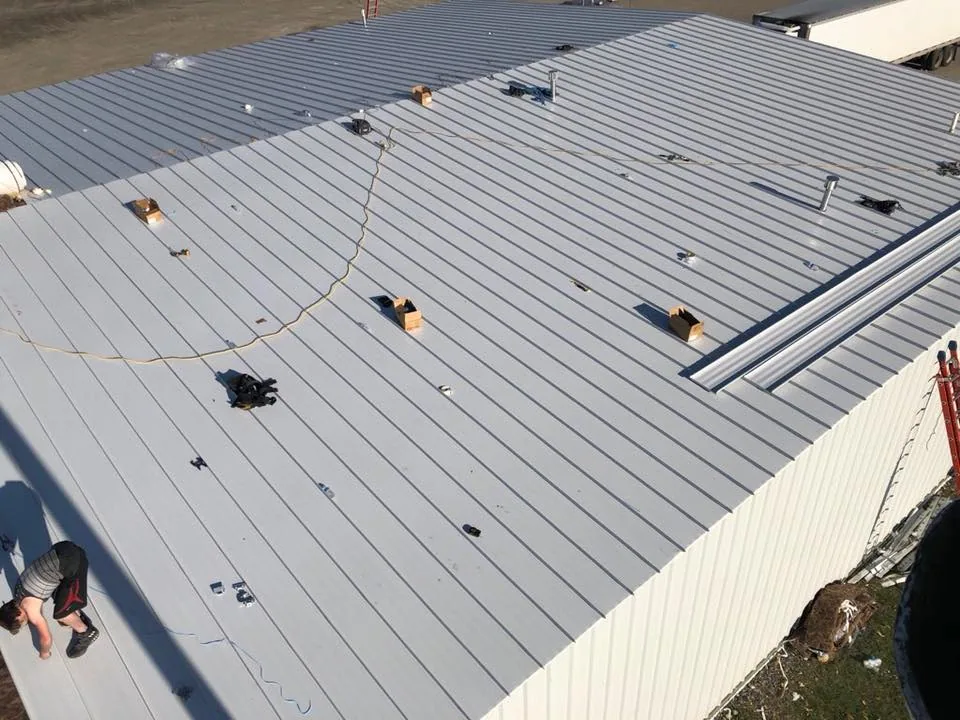
Commercial Roofing Services in Rock Hill
Commercial roof work starts with the condition in front of the owner: a leak, a storm report, aging membrane, equipment change or a capital plan. Commercial Roofing Rock Hill inspects low-slope and metal assemblies, documents the affected zones and defines a repair boundary before work begins. The right service depends on the roof system, water path, access, occupancy and how much material is sound.
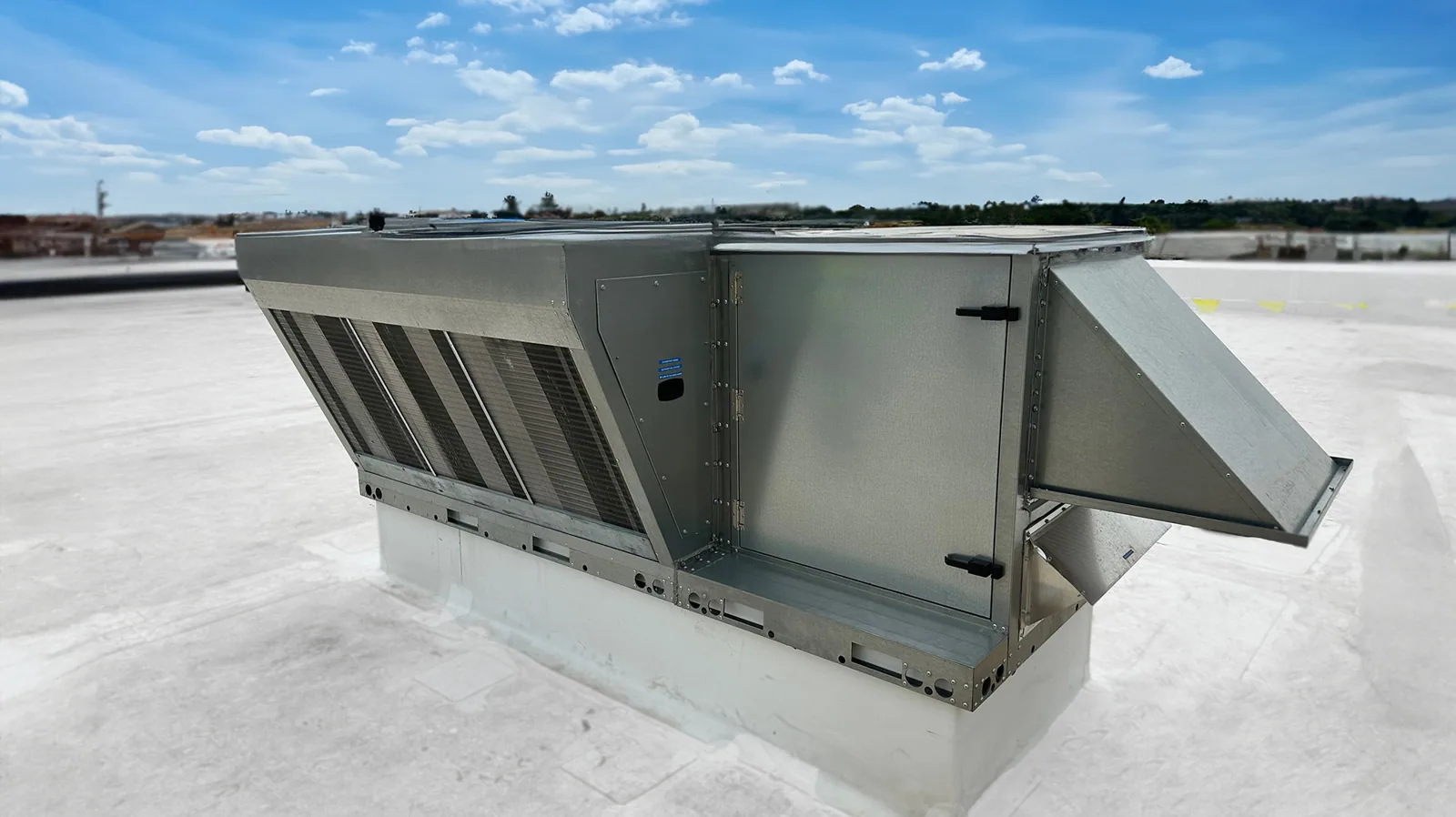
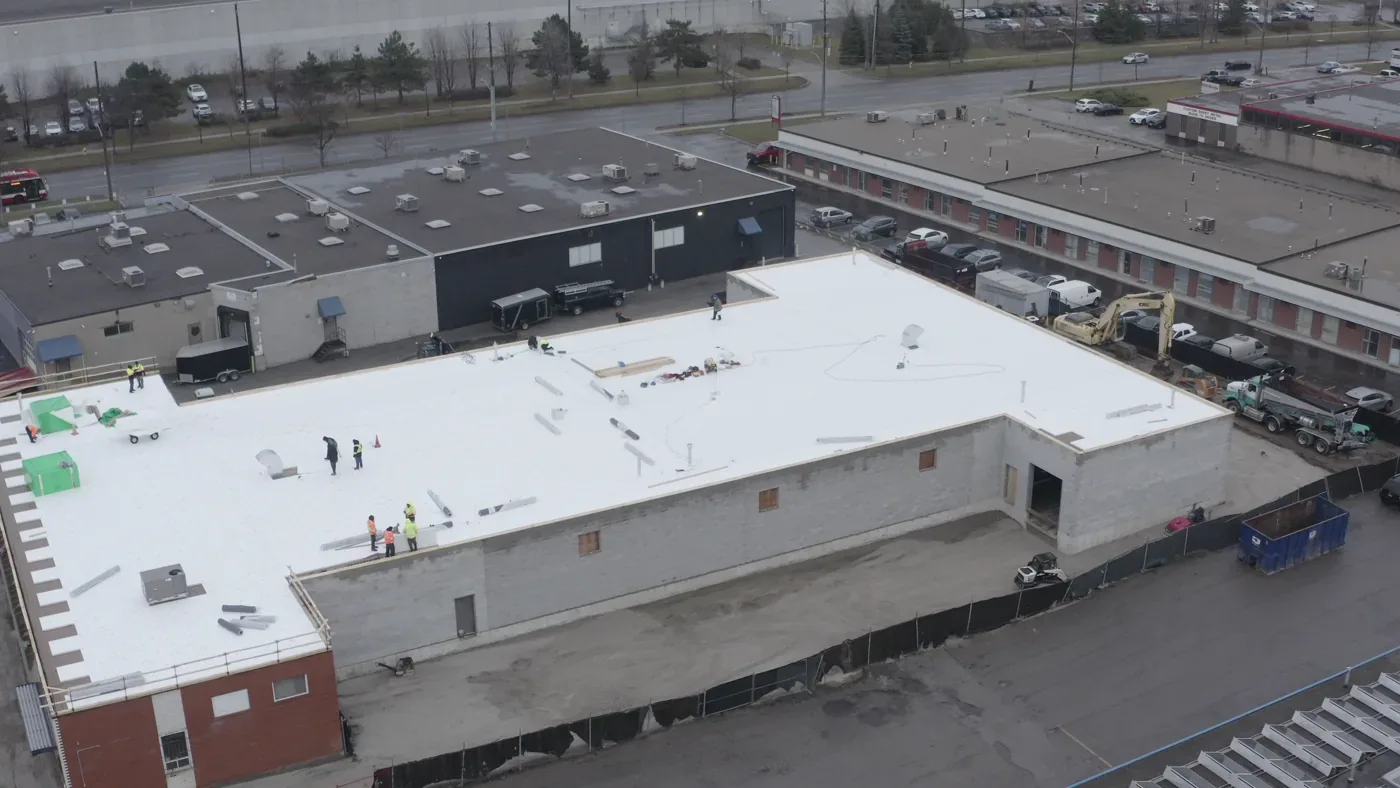
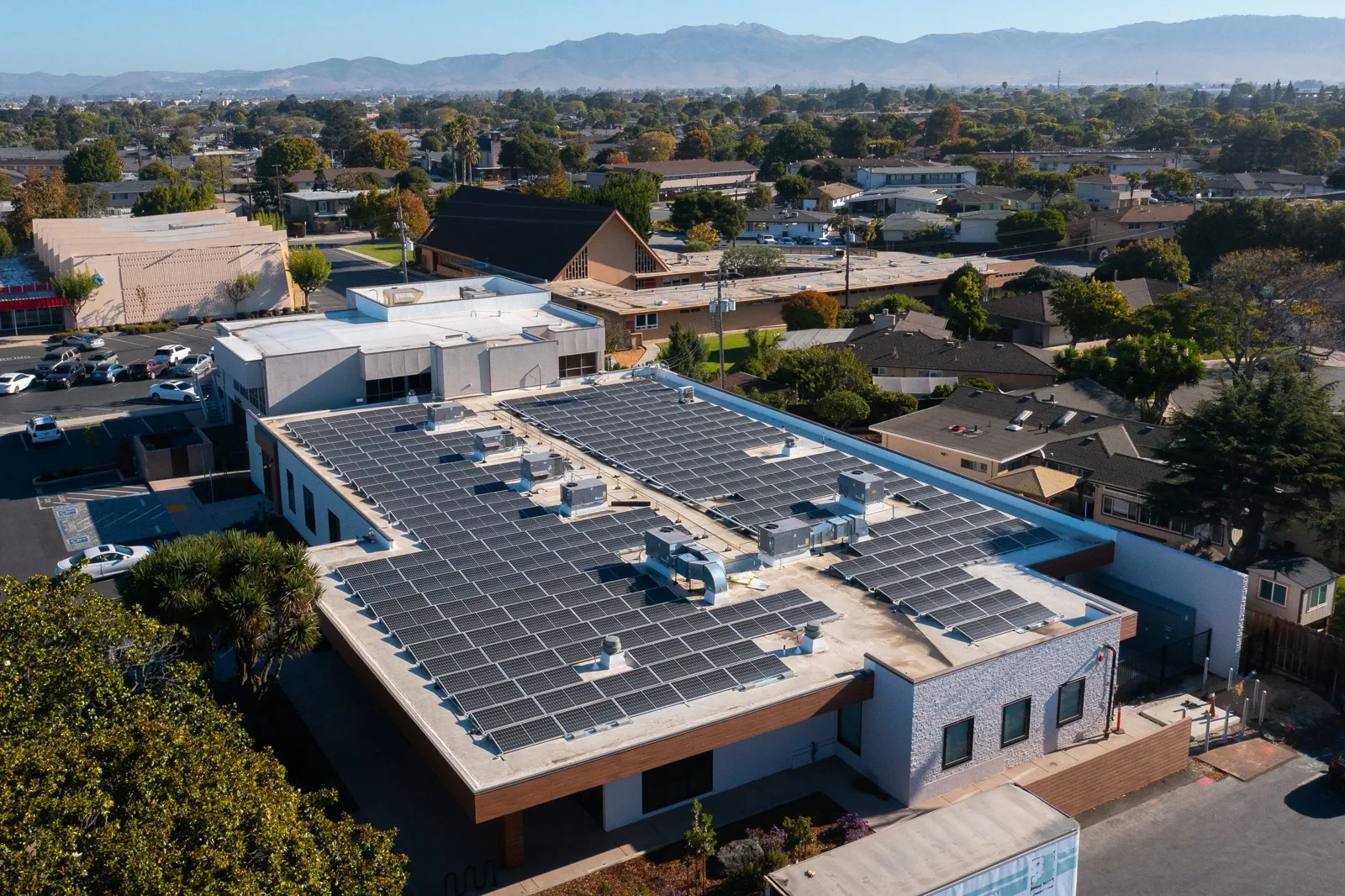
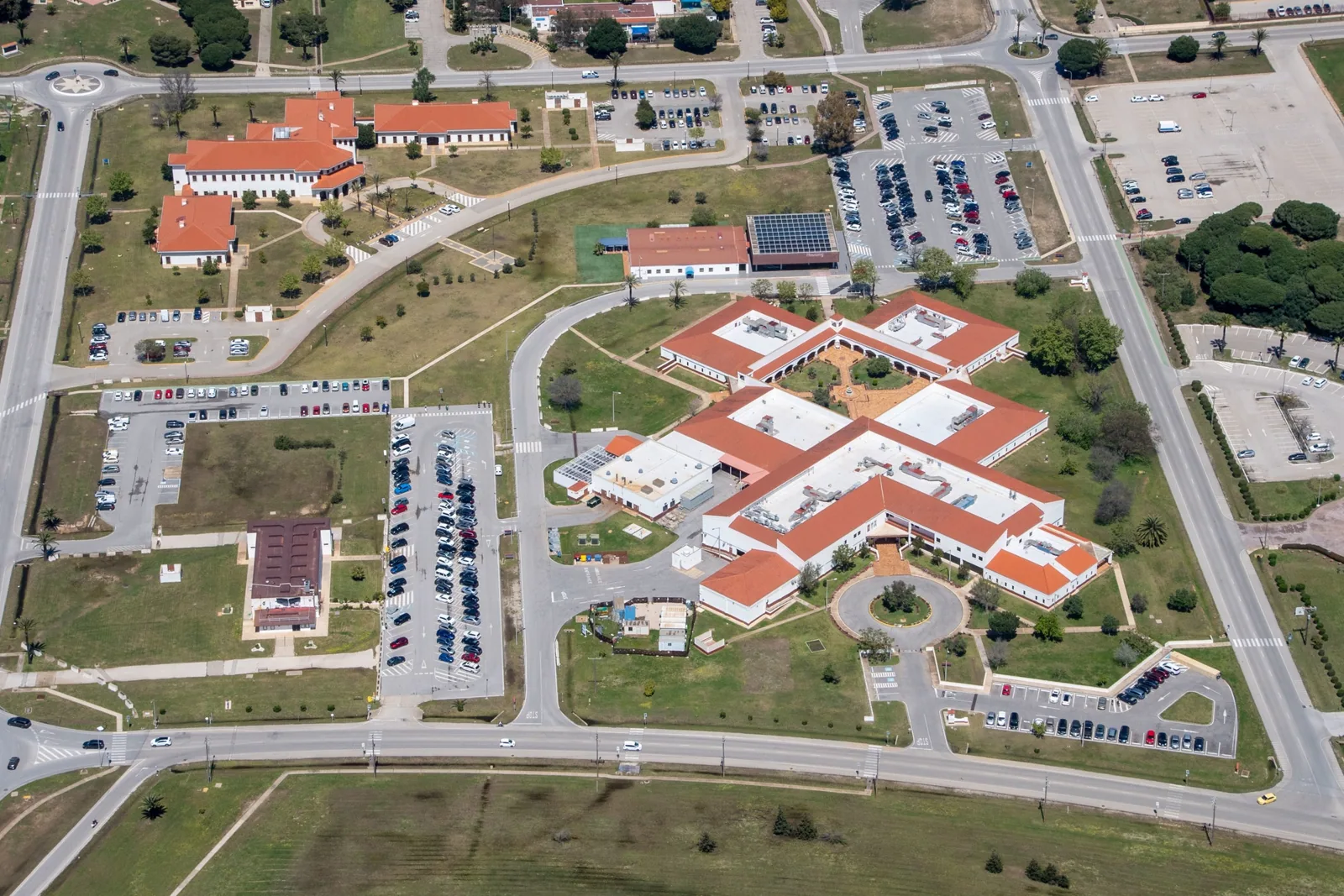
Respond to an active roof condition
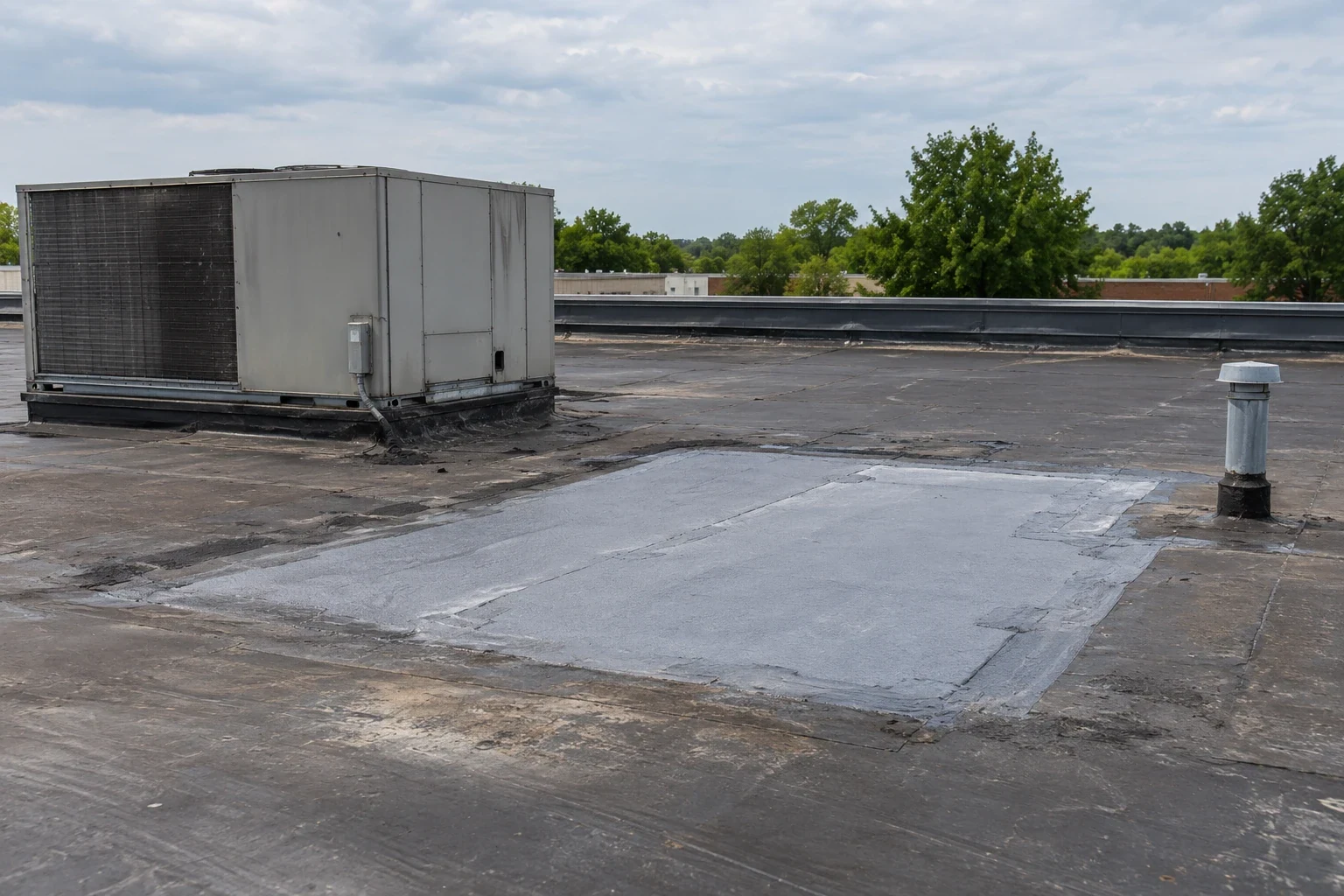
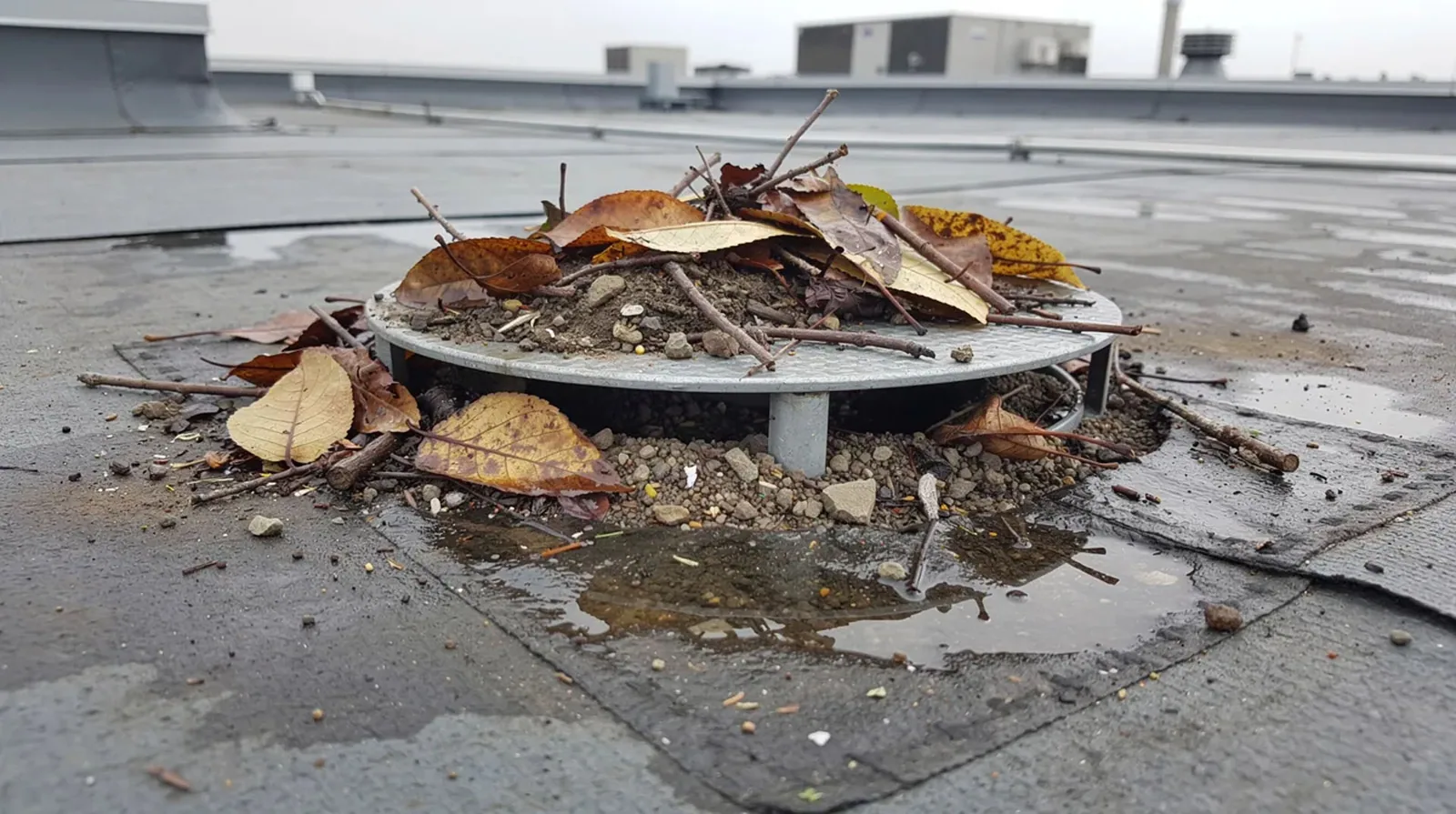
A leak investigation follows the water path from the interior symptom to roof seams, drains, walls and penetrations. A commercial leak repair identifies the likely entry point and documents where testing stopped. A split lap, loose flashing or puncture may need a localized fix, while wet insulation or damaged deck can extend the scope. For urgent exposure, emergency roof repair can stabilize the opening before permanent material work is scheduled. Temporary protection and completed repair are recorded separately.
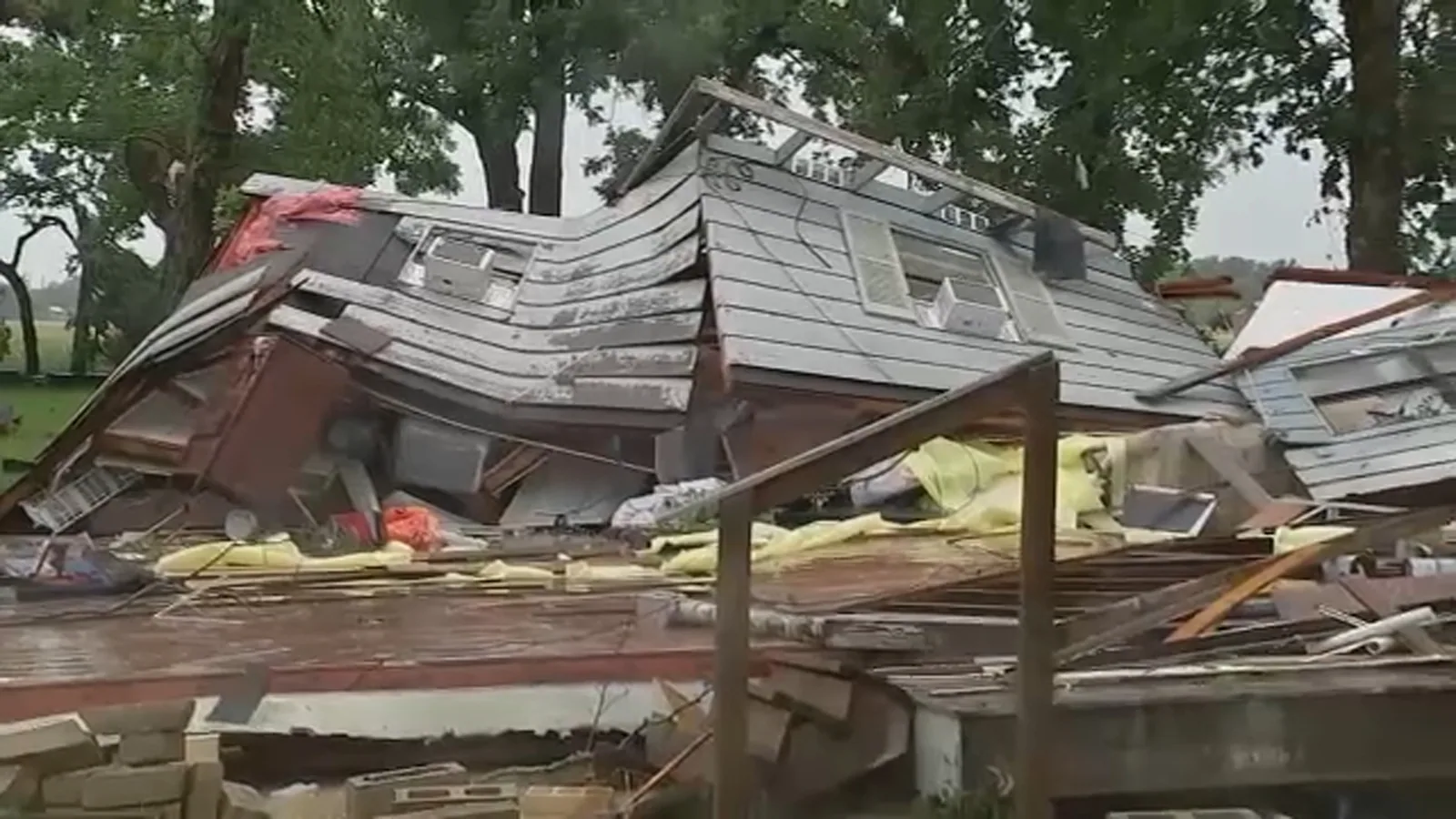
After hail, wind or tornado reports, the inspection distinguishes visible marks from functional roof damage. Storm-damage repair checks edges, seams, equipment supports and drainage by roof zone. After a reported storm, inspect the property for displaced edges, punctures, and open flashing before setting a repair scope. Photos, test locations and access limits help the owner decide whether repair, monitoring or a broader assessment is justified.
Understand the assembly before choosing work
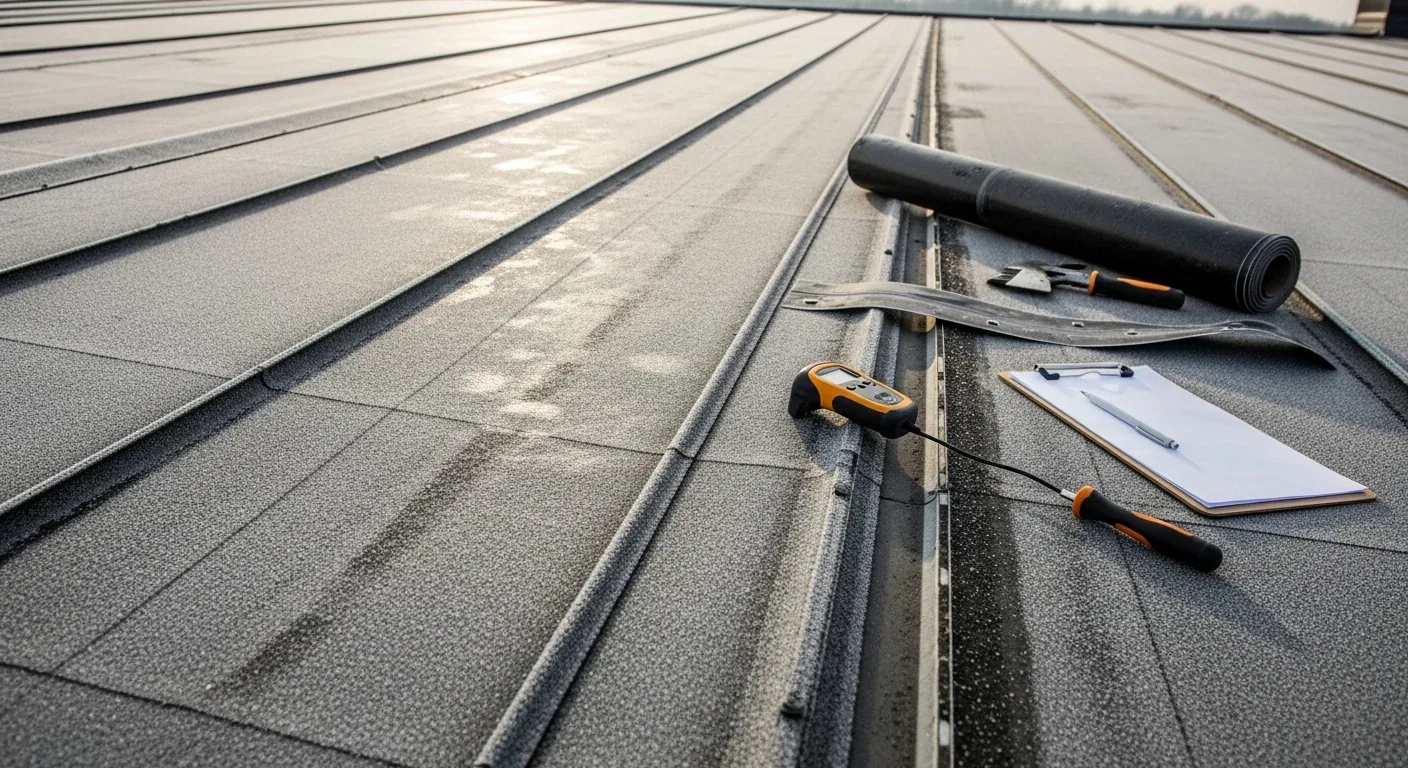
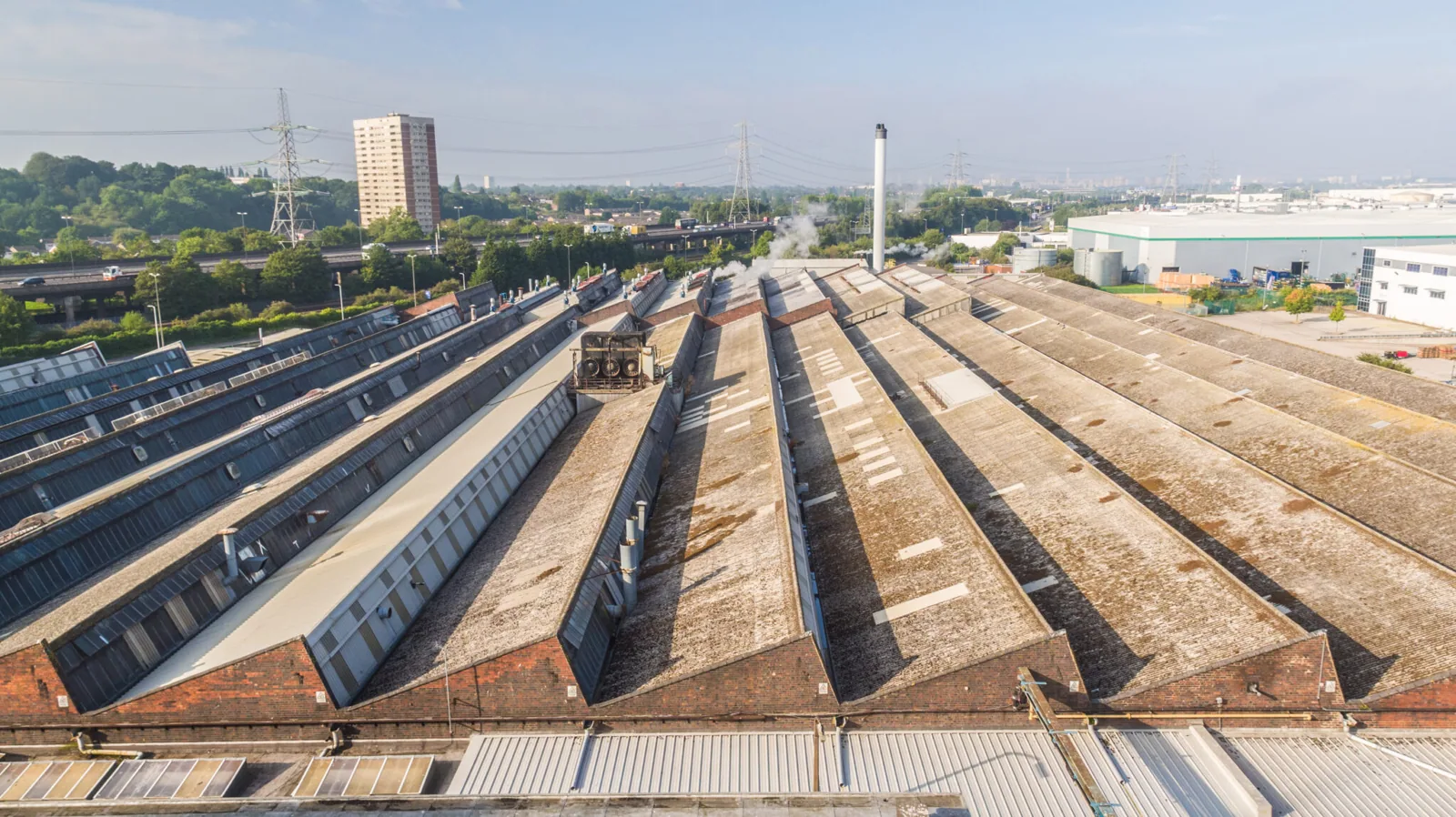
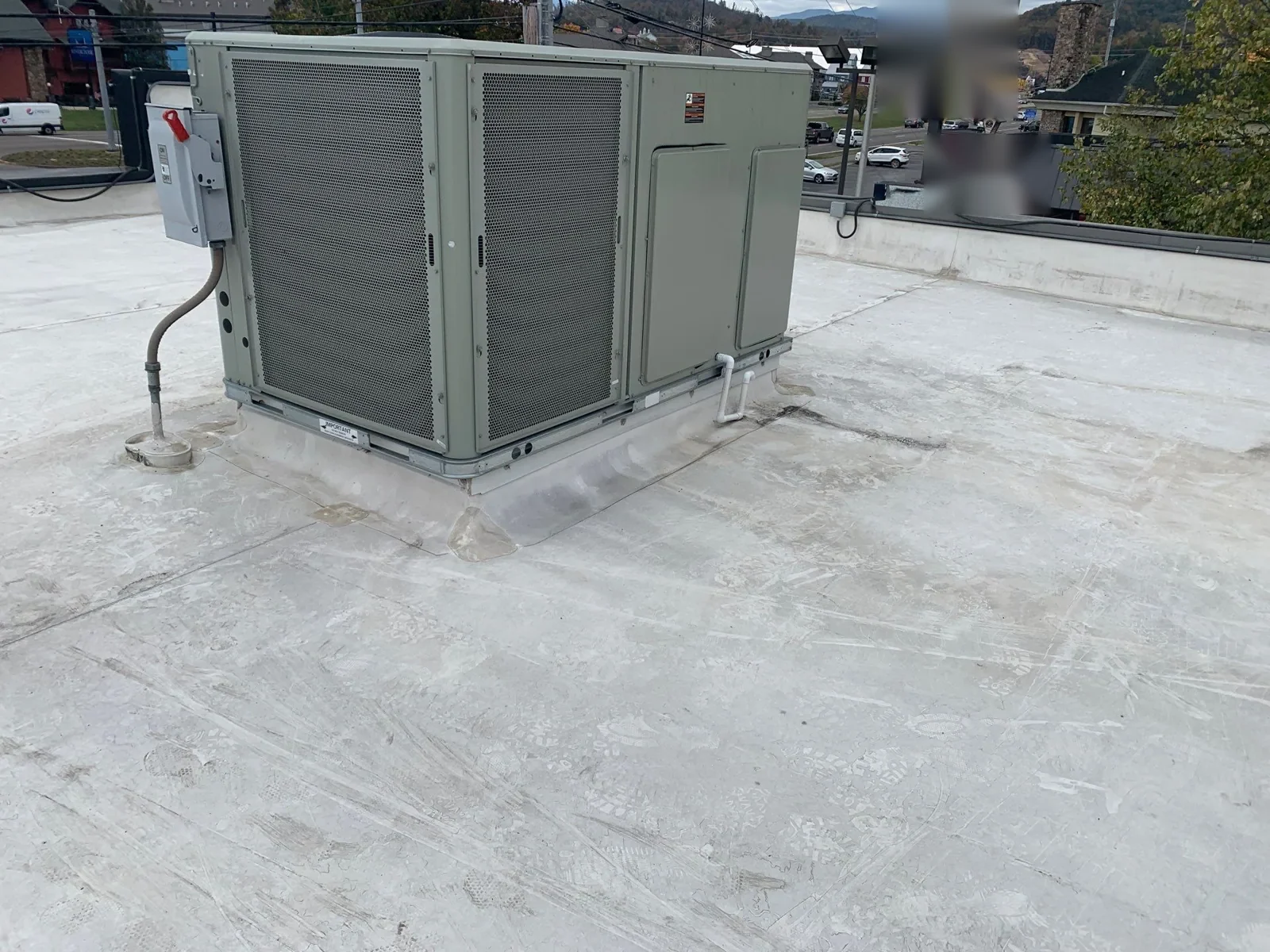
A commercial roof inspection records system type, visible defects, drainage and prior patches. Drone or infrared methods may add coverage where the roof is large or moisture is suspected beneath the surface. Each test has a defined area and limits. If the roof has multiple layers, later additions or obscured details, selected openings may be needed to confirm the deck and insulation. The report separates what was observed from what remains unknown.
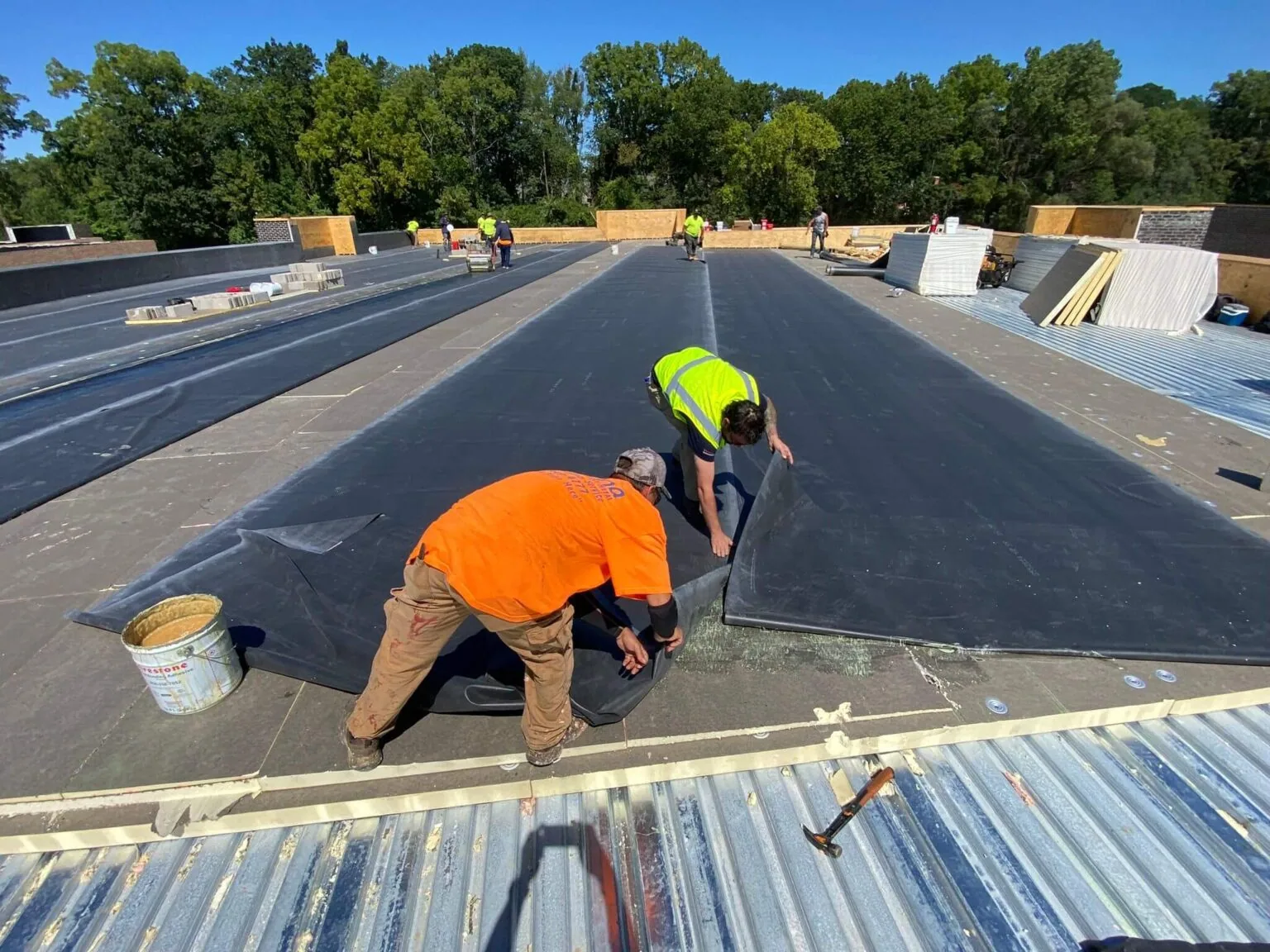
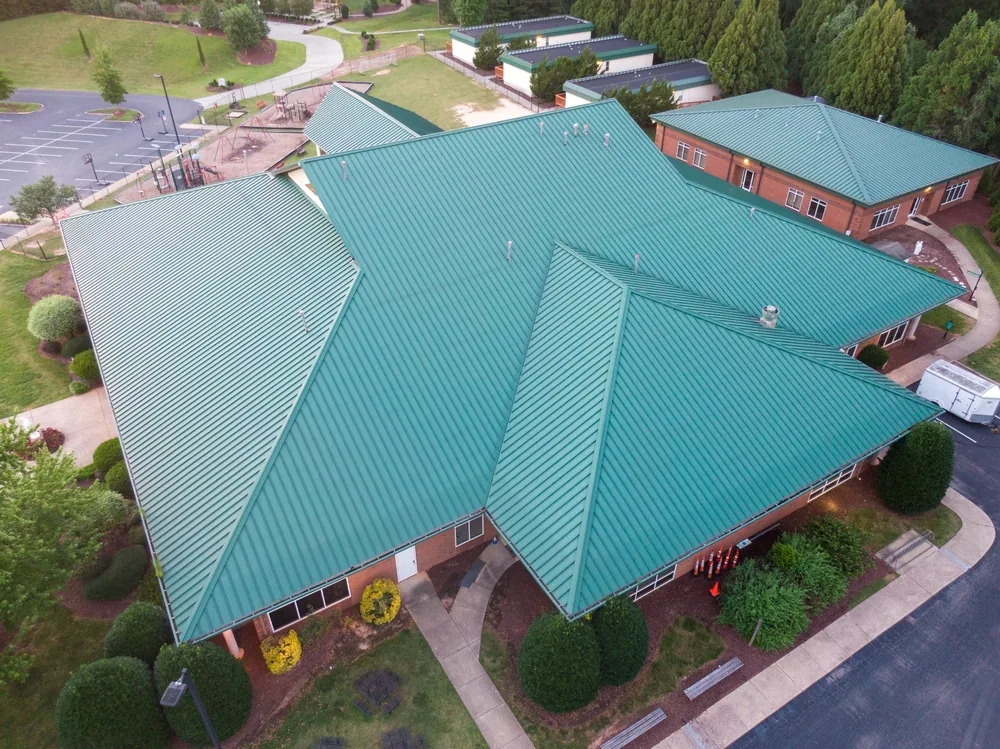
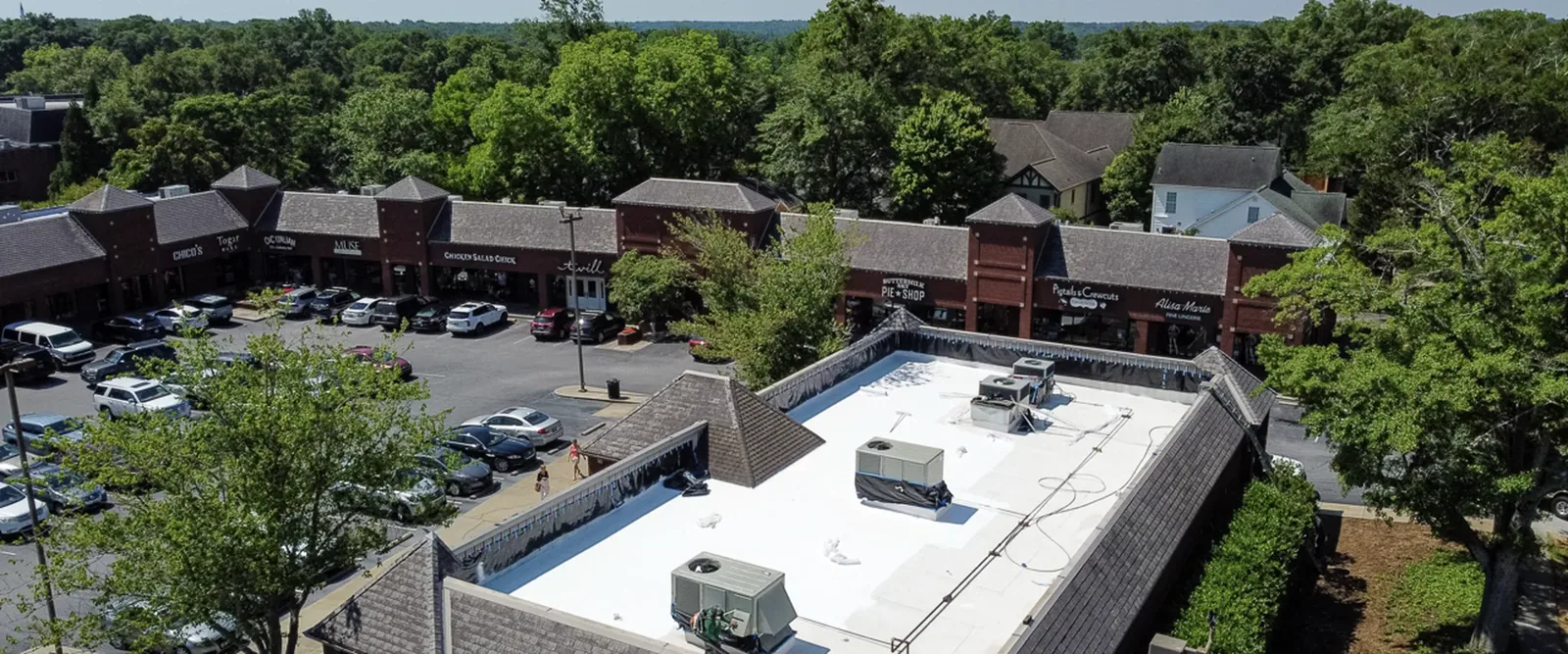
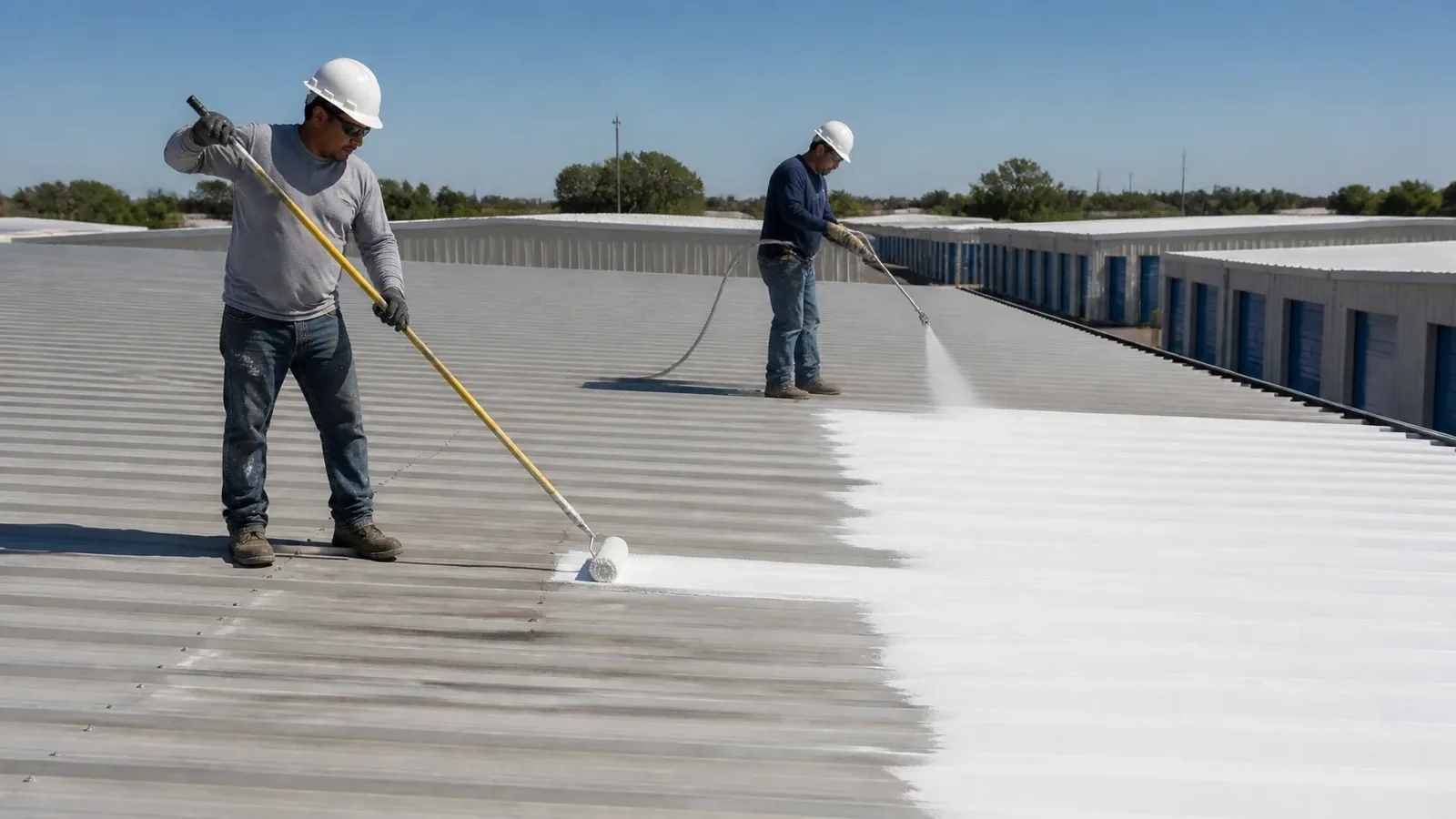
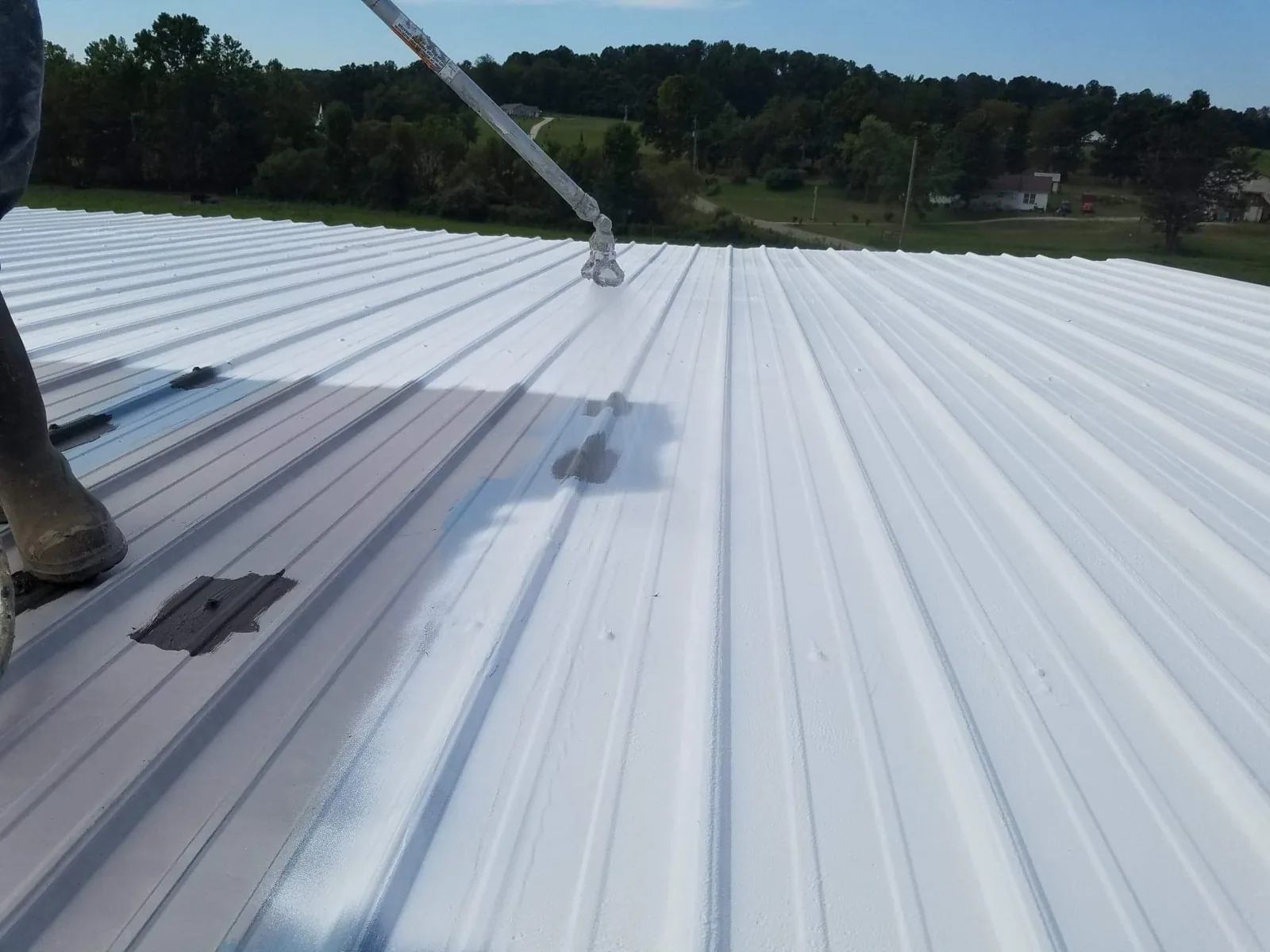
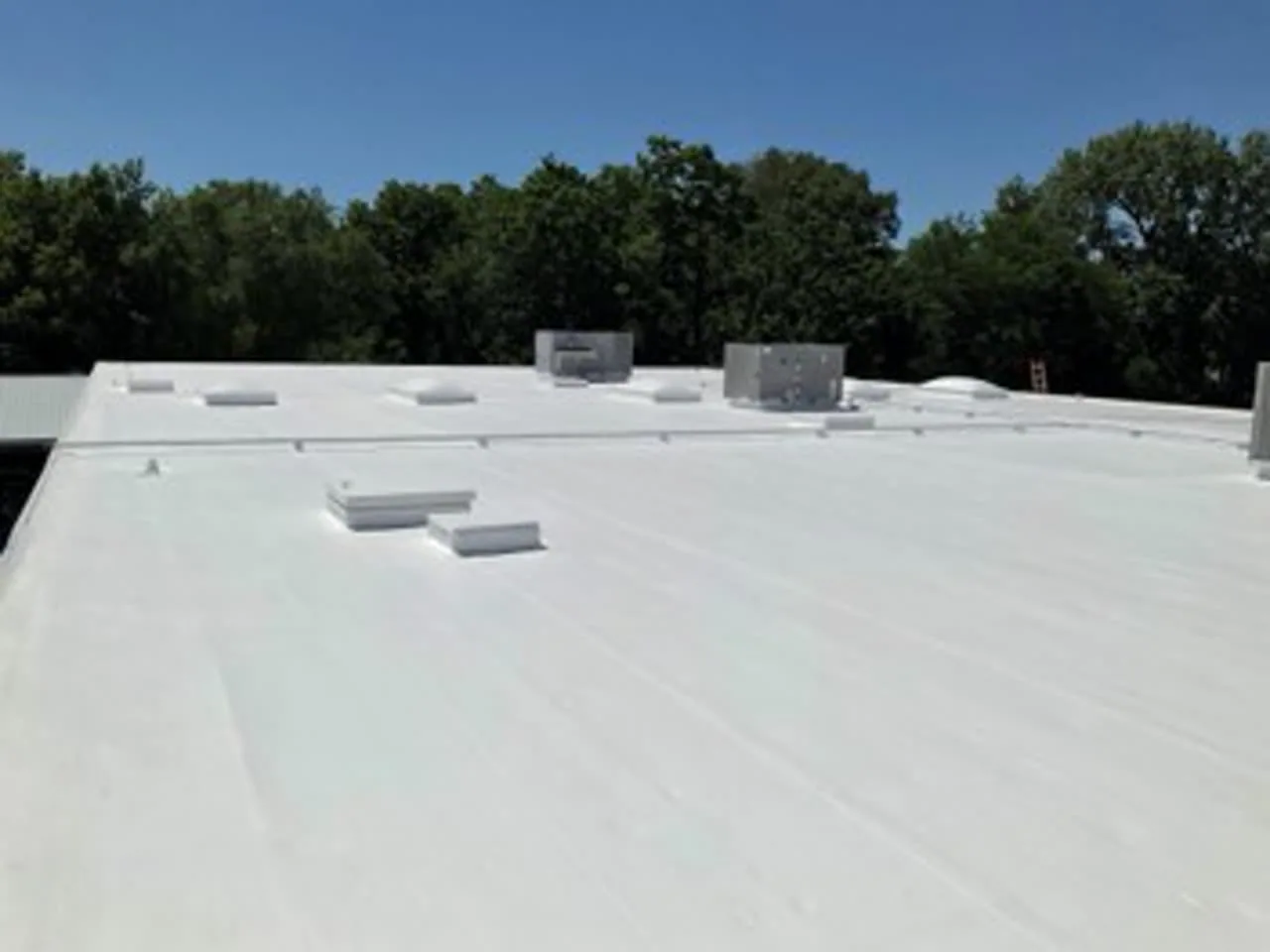
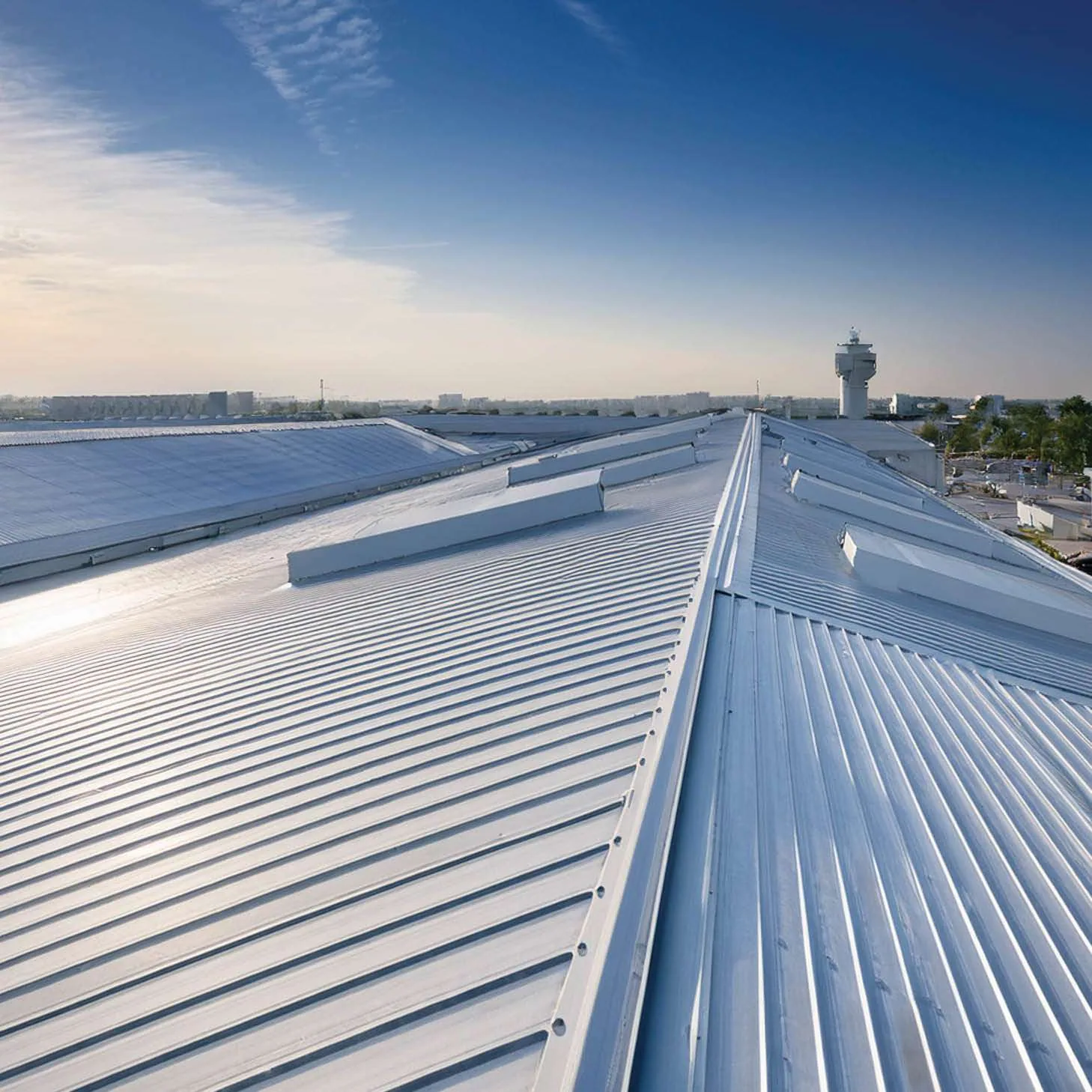
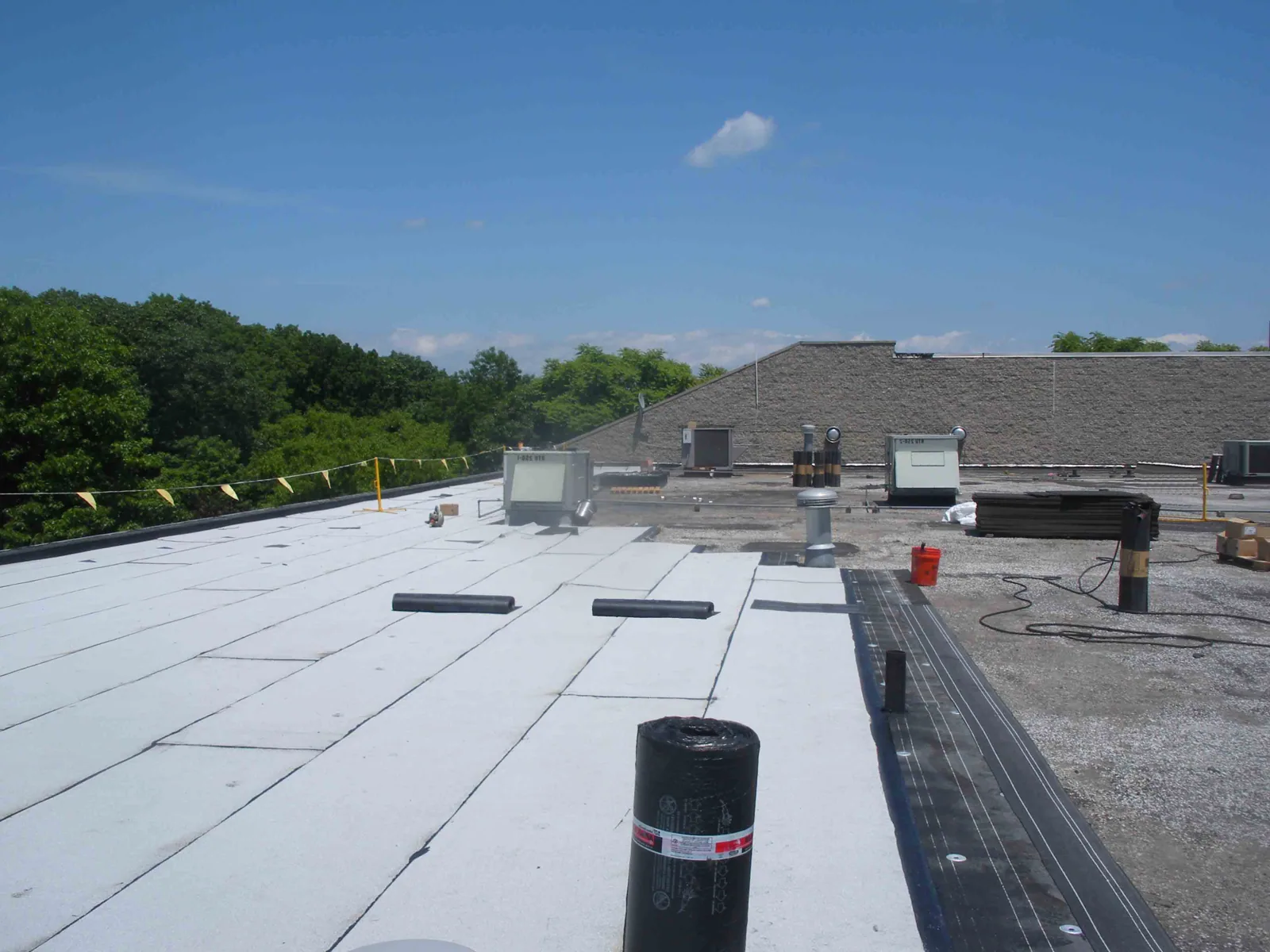
Owners comparing a patch with larger work can review replacement options against the same roof map. A recover or coating may be considered only when the existing surface, attachment, drainage and finished height support the assembly. Coating restoration needs a suitable substrate and compatible preparation. Each proposal lists access, removal assumptions, transition details and any decisions that could change quantity.
Keep drainage and records current
Preventive work aims to find small changes before they interrupt building operations. A maintenance visit can check seams, flashings, drains, debris, equipment supports and earlier repairs. Clear drainage paths, photographs and a dated roof sketch make the next inspection more useful. If standing water returns after an outlet is cleared, the owner may need a slope or structural review rather than another surface patch.
Occupied buildings need a clear sequence for access, protection and stopping points. Occupied-building reroofing plans around tenants, deliveries, sensitive rooms and weather closure. The property contact confirms which routes stay open and who approves an added scope if opening the roof reveals wet material. At every handoff, the closeout identifies completed work and any follow-up that remains.
Arrange a building-level review
Choose the service that matches the current question, then provide the property address, roof area, reported condition, photos and access contact. Records such as prior proposals, roof drawings, warranty documents and maintenance logs can help trace earlier work. A facility contact should identify escorts, equipment restrictions and operating windows. The inspection then marks the building and roof zone, states the method used, and explains which repair or planning decisions the available findings support.
Questions About Commercial Roofing Services
Provide the building use, symptom or project goal, roof plan if available, recent repair records and access contact. Note any areas that cannot be entered or times when work is restricted.
Sometimes. The crew needs to identify the assembly, reach the defect and confirm the surrounding material is sound. If moisture or concealed damage changes the scope, the report will identify the next test or approval needed.
Replacement may be worth comparing when wet layers, repeated failures, broad membrane wear or deck concerns extend beyond a repair boundary. Inspection findings, not age alone, support that decision.
Often, with a defined sequence. The facility contact and roofing crew agree on access, protection, noisy work and a watertight stopping point for each phase.
Set the next roof decision
Share the building use, reported condition, records and access limits. We will inspect the affected roof zone and define a supported next step.
