
Repair commercial roof edges, coping, gutters, and downspouts in Rock Hill with attachment checks, water-path review, and documented detail limits.
A loose coping joint or lifted edge can open the roof perimeter to wind-driven water. We inspect the metal, attachment, laps, cleats, and membrane termination, then check how runoff moves into gutters or scuppers. York County's storm record includes tornado and hail activity, but regional weather history is not proof that a particular roof edge was struck. The condition at the building determines the repair. Around the Legacy Park employment area and the Gold Hill Road corridor, facility access and roof details vary by property. We mark the affected perimeter and explain which edge, coping, gutter, or downspout work is included.
Inspect the Roof Perimeter
At the edge, we check the termination bar or fascia, metal condition, visible fasteners, joints, and connection to the roof membrane. At a parapet, we inspect coping laps, cleats, corners, end dams, and attachment along accessible sections. Loose or displaced metal can leave an opening beneath the cap, while corrosion or an open joint may direct water into the wall or roof assembly. We photograph the condition from enough distance to identify its location and close enough to show the detail.
Before choosing a repair, we look at adjacent membrane and wall conditions. A replacement coping cap will not correct a failed flashing turn below it, and sealant applied over loose metal may not restore secure attachment. We note whether the issue is isolated or continues along the perimeter. If access is blocked by equipment or building operations, the scope identifies the uninspected section. The repair boundary follows the observed detail and any adjoining membrane needed to complete the transition.
Check Attachment and Movement
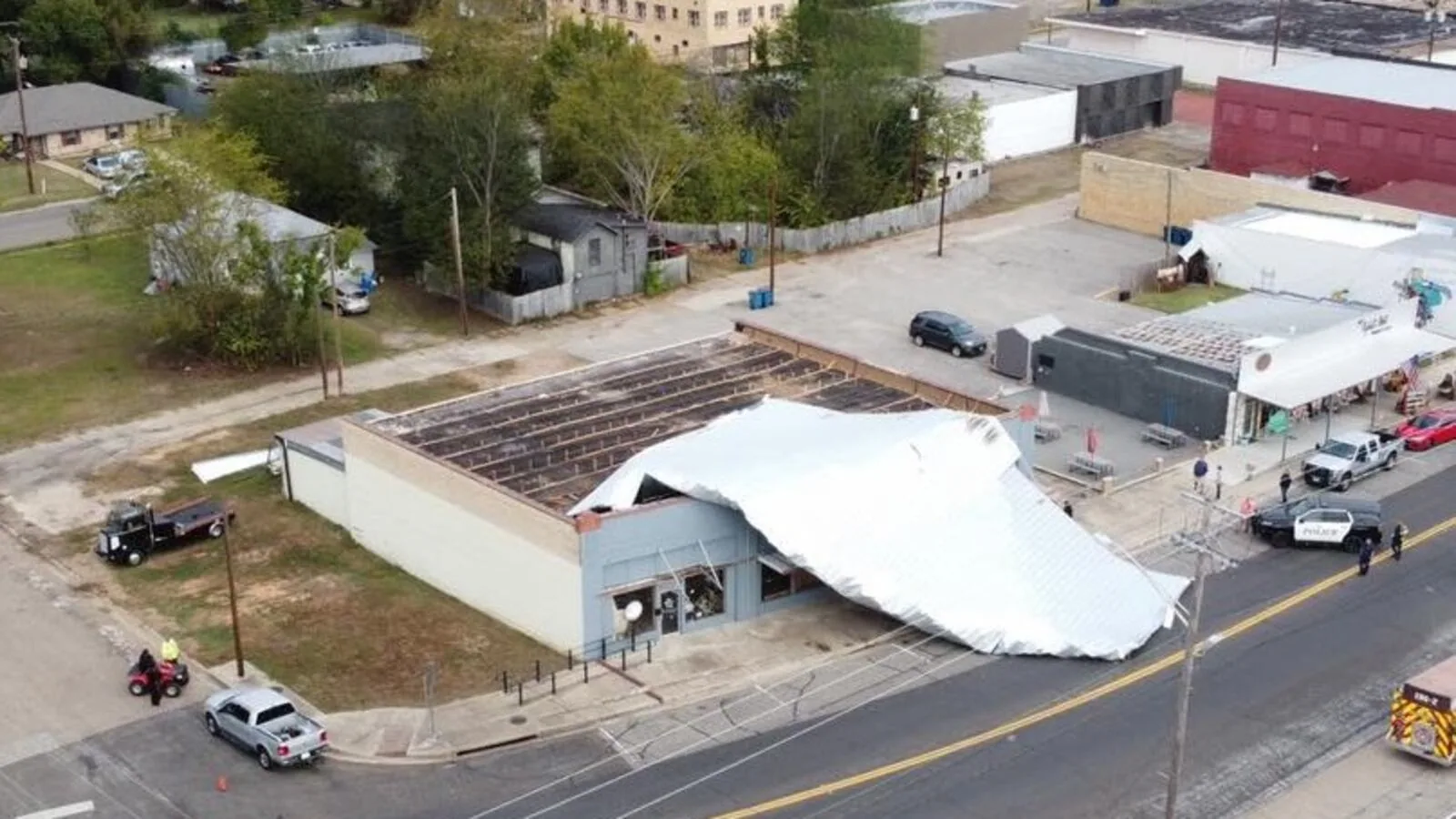
Wind pressure can act on exposed metal and roof edges, so attachment and continuity matter. We look for lifted corners, separated joints, missing or loose fasteners, bent sections, and movement where the metal meets the membrane or wall. After a reported storm, we photograph the actual displacement and distinguish it from older corrosion, patching, or routine wear. A regional event can guide the inspection route, but the roof record stays tied to conditions visible at this property.
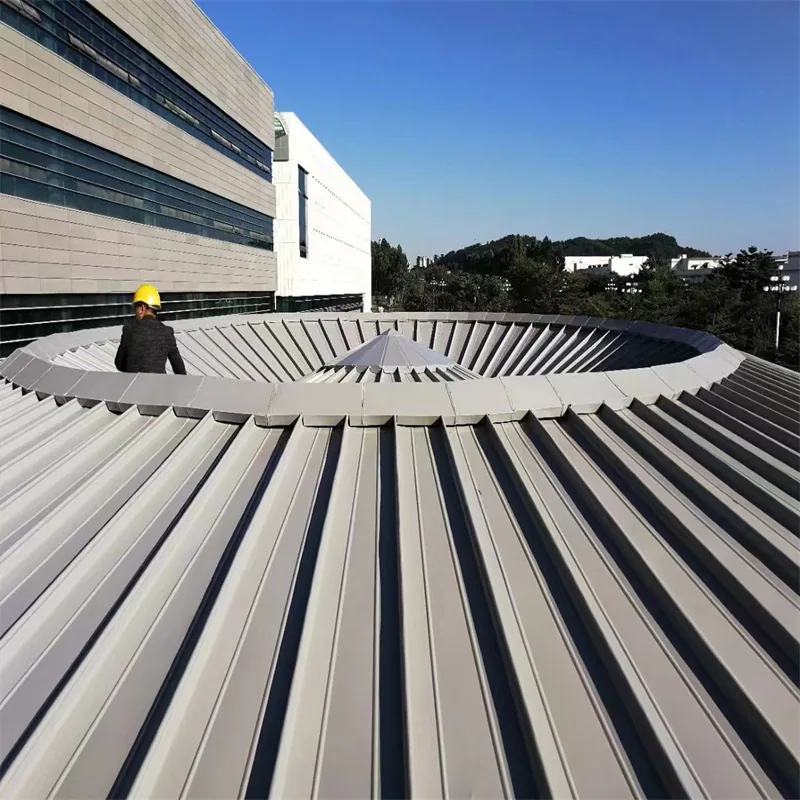
A November 2011 tornado crossed Chester and York counties. That history is relevant to regional storm awareness; it does not show that a roof in Rock Hill received a particular wind load or impact. At an affected edge, we inspect the fastening and the connected roof assembly before setting a repair. For a wider event review, wind damage roof repair can document associated conditions in other zones. Where the roof system is standing seam metal, a compatible standing seam metal detail should be selected for the existing assembly.
Follow Gutters and Downspouts
A gutter must collect water from the roof edge and move it to a functioning downspout and discharge point. We check visible hangers, seams, end caps, outlets, and connections for separation, obstruction, corrosion, or sagging. We also compare the gutter position with the roof edge and nearby drainage details. A damaged section can spill water against a wall or keep runoff near the perimeter. We record where the route changes and which downstream portions were visible during inspection.
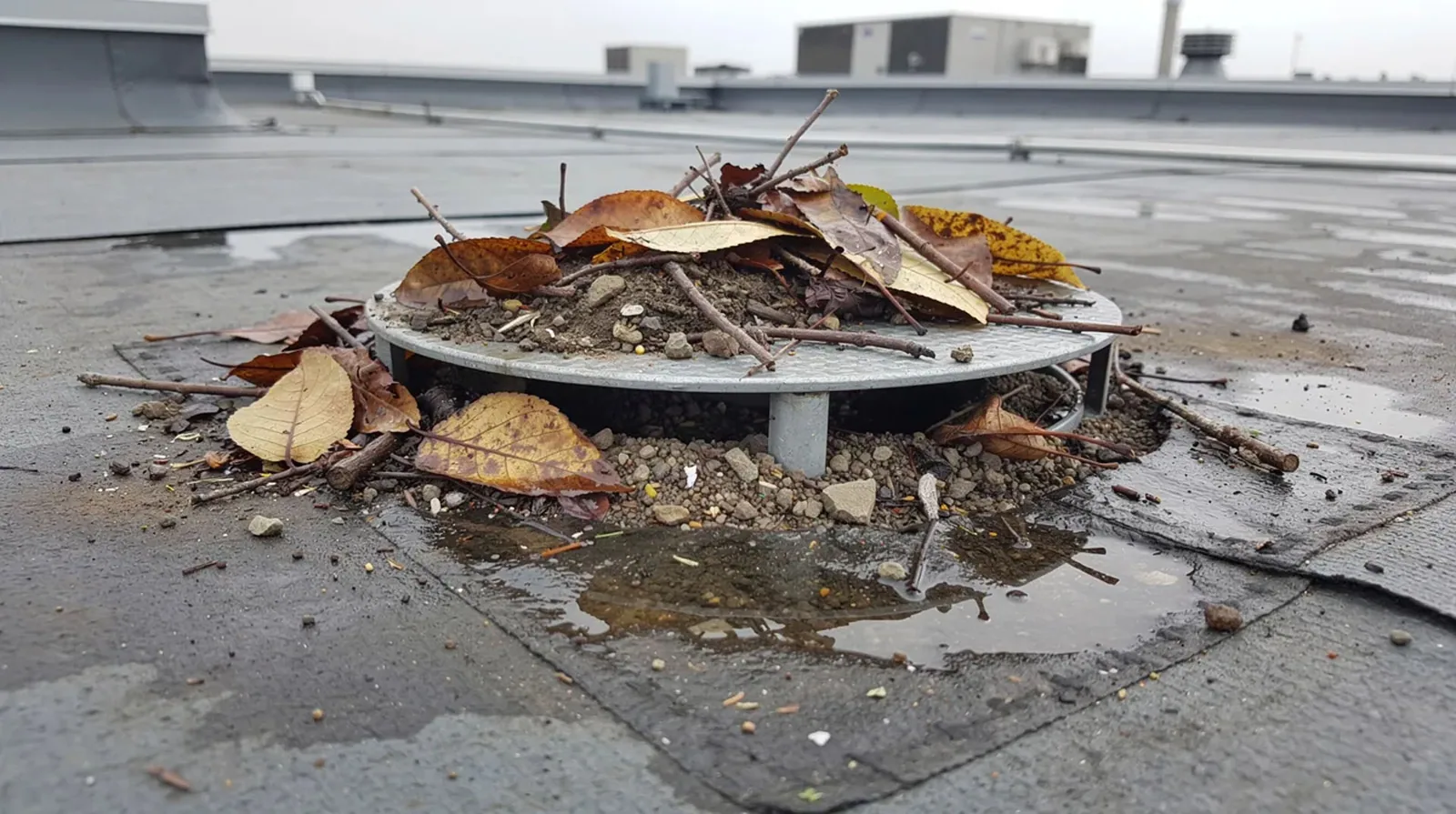
If the gutter is clear but water still overflows, the cause may be capacity, slope, outlet blockage, or a broader roof drainage issue. We note the observed condition without assuming the pipe below grade is clear. Where the roof discharges into a scupper or bowl, drain and scupper repair can address that transition as a separate scope. Rock Hill's regular rainfall makes a complete runoff route useful to review, from edge to discharge, before a local metal repair is treated as the whole answer. We also look for staining, peeling finishes, or deterioration at the wall below an overflow point, then record those observations separately from the roof metal work. That helps the property contact identify where a building-envelope review may be needed.
Set the Metal and Flashing Repair
Repair can involve re-securing an attached section, replacing damaged coping or edge metal, closing a joint, correcting a gutter connection, or renewing the membrane transition. We match the repair material and fastening approach to the existing assembly and exposure. When sections are replaced, the scope identifies length, corners, transitions, and tie-ins. We protect open roof edges during the sequence and keep any temporary closure separate from the permanent detail. The order of work follows the water path and the connection points, so a new section does not leave an open end or redirect runoff behind the fascia.
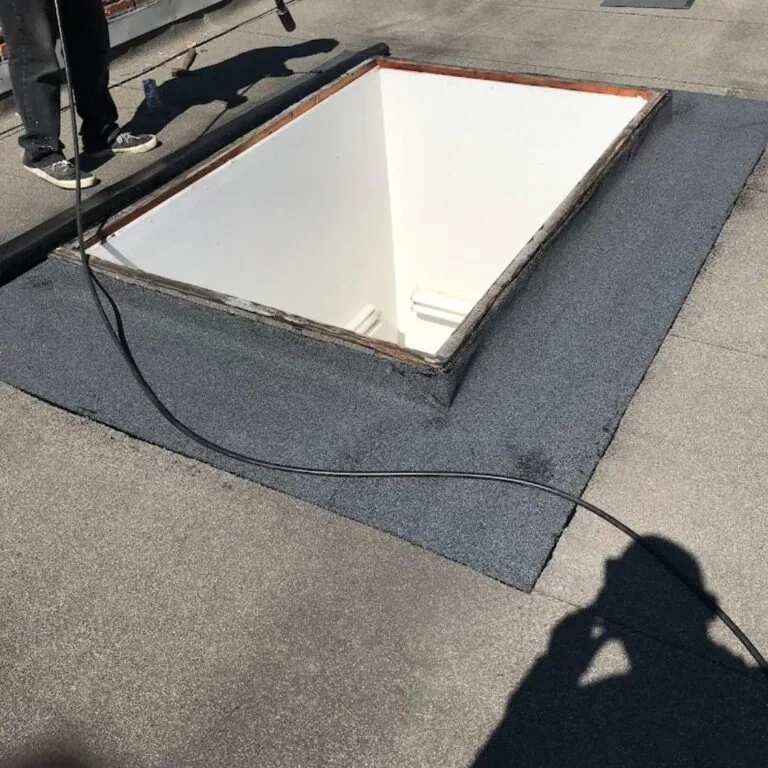
Rock Hill's industrial and business parks have I-77 access, and the I-77 South corridor includes major commercial and industrial development. Before ordering coping or edge metal, we measure the actual perimeter, roof build-up, and attachment at the building. We confirm the actual parapet, eave, and gutter arrangement before pricing or starting. Access, lift needs, roof height, equipment, and the amount of connected membrane repair can affect schedule and cost. If the metal detail meets a skylight curb or pipe, penetration flashing work can be defined at that transition. Routine roof maintenance can keep perimeter joints and runoff details in the future inspection route.
Document the Completed Edge
At closeout, we inspect repaired laps, corners, fasteners, and connections to the roof membrane. Photos and notes identify the perimeter zone, material installed, and any adjoining detail that remains outside the work boundary. If a gutter or downspout section was inaccessible, we state that limit. A follow-up check after rainfall may help observe whether the repaired route carries water as expected, while the record remains limited to the sections inspected.
Share the location of any leak or overflow, prior edge repairs, roof plans, and access limits before the visit. We will check the coping, roof edge, gutter, and visible discharge route, then separate the repair from unrelated wall or below-grade drainage concerns. The written boundary helps facility staff coordinate later roof work and compare any movement or staining at the same field mark. Where a larger roof condition is involved, the inspection can note that context without broadening the edge repair beyond the authorized scope.
Questions About Commercial Roof Edge Metal, Coping, and Gutter Repair
Loose attachment, movement at joints, damaged cleats, corrosion, and storm displacement can affect coping. We inspect the actual connection and adjacent flashing before choosing a repair. A surface seal alone may leave a loose section or an opening beneath the metal.
It can address a failed gutter or outlet when that is the source of overflow. We also inspect the roof termination, fascia, and nearby membrane because water may enter at a separate edge detail. The written scope identifies which parts of the runoff route were repaired.
The scope follows the condition found and the transitions needed for a complete repair. We mark affected sections, inspect adjoining joints, and explain when a longer run is necessary to maintain a sound connection. Areas outside the agreed work boundary are identified separately.
After severe weather, we inspect the roof perimeter for displaced metal, opened joints, or damaged flashing and record each affected area. We inspect for visible movement, lifted corners, open joints, and related damage at the property. If the evidence is uncertain, we state what needs closer inspection rather than assigning a cause without support.
Inspect a Roof Edge or Gutter
Share the affected edge, coping, or gutter location, any interior leak or overflow, roof access limits, and available repair history. We will inspect the connection and define the metal and drainage work supported by the findings.
