
Commercial roof inspection, repair, and renewal in Fort Mill, with scopes matched to the building, roof condition, access, and operating needs.
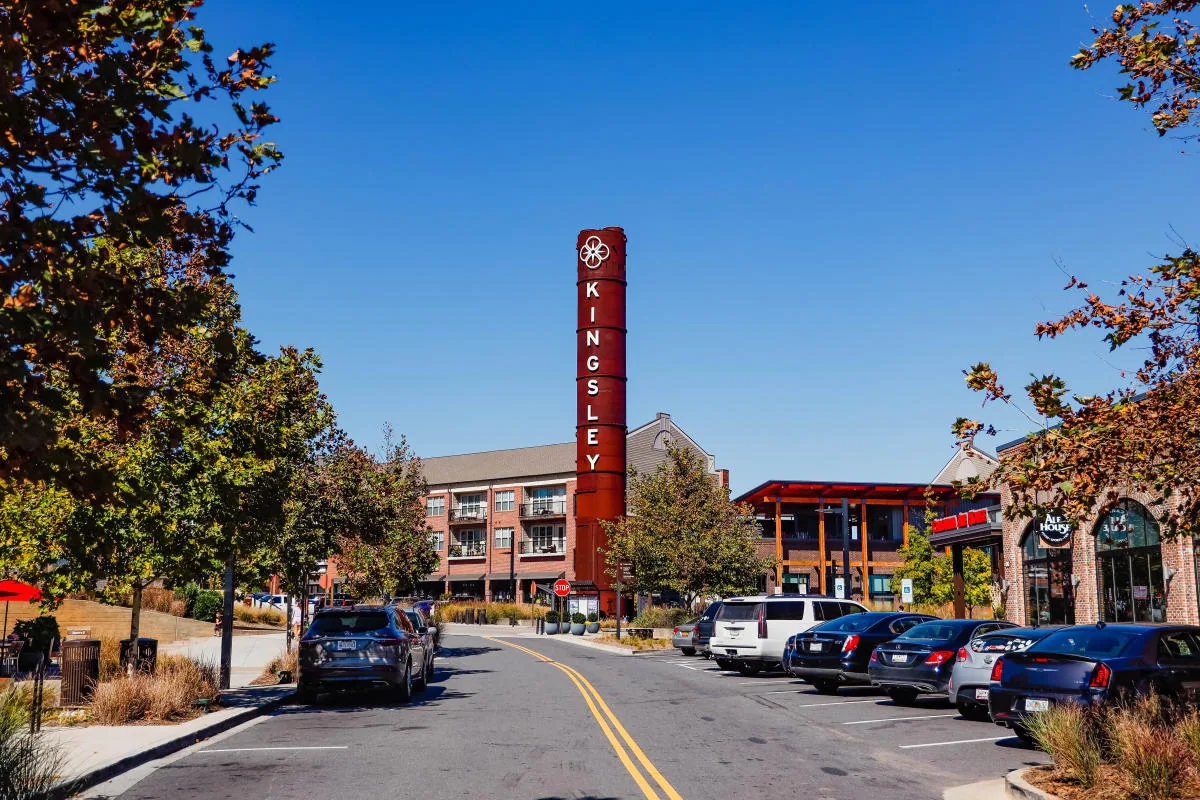
A commercial roof in Fort Mill can sit over an older Main Street property or a facility connected to healthcare, manufacturing, finance, or corporate services. The inspection has to begin at that building, not with a presumed system. We identify the surface, drainage, transitions, and access limits before choosing work. Our regional service area also covers Kingsley Town Center and the Gold Hill Road corridor.
Trace the Roof Zone Before Scoping Work
The first walk checks visible membrane or metal, seams, curbs, drains, parapets, edge metal, penetrations, and prior repairs. We mark the route and note where height, equipment, or access rules prevent a close look. A commercial roof inspection can document findings by roof zone and distinguish observed defects from questions that require testing. Owner drawings help identify additions and drainage areas before the crew moves across the roof.
Fort Mill's employment base includes healthcare, manufacturing, finance, and corporate services. For each Fort Mill facility, record the roof assembly and access limits, then set protection and staging to match its use. We check available roof plans and maintenance records against the surface. Where a past repair or overlay hides the original layer, the report identifies the uncertainty and whether a sample could affect the method.
A stain or drip can point toward an inspection area, but water may travel before appearing inside. We compare the room, timing, and any equipment history with roof seams, outlets, wall transitions, and curbs. A leak investigation records the details examined and whether a source is confirmed. If the evidence is incomplete, we name the next access or test that could narrow the water path.
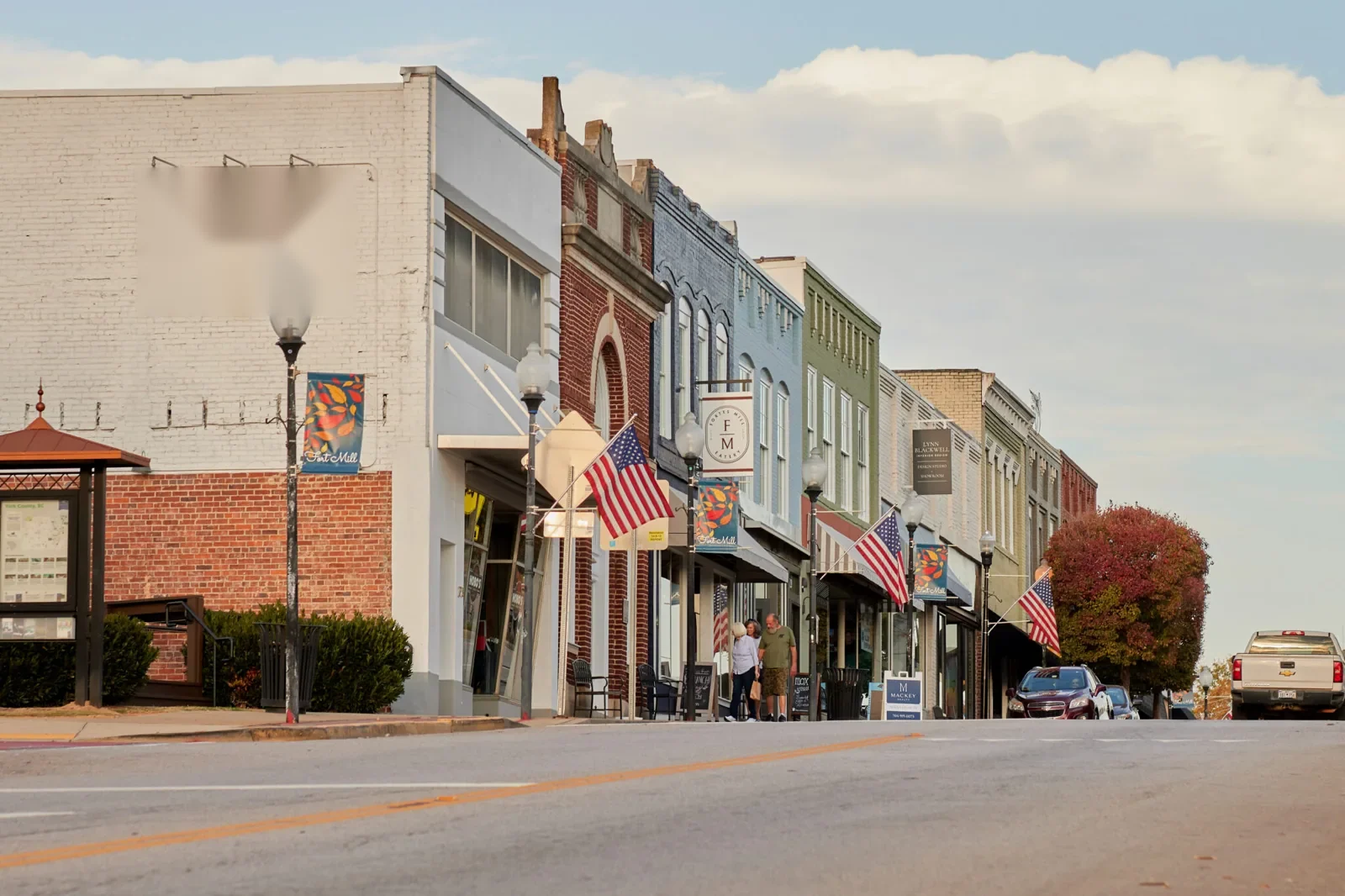
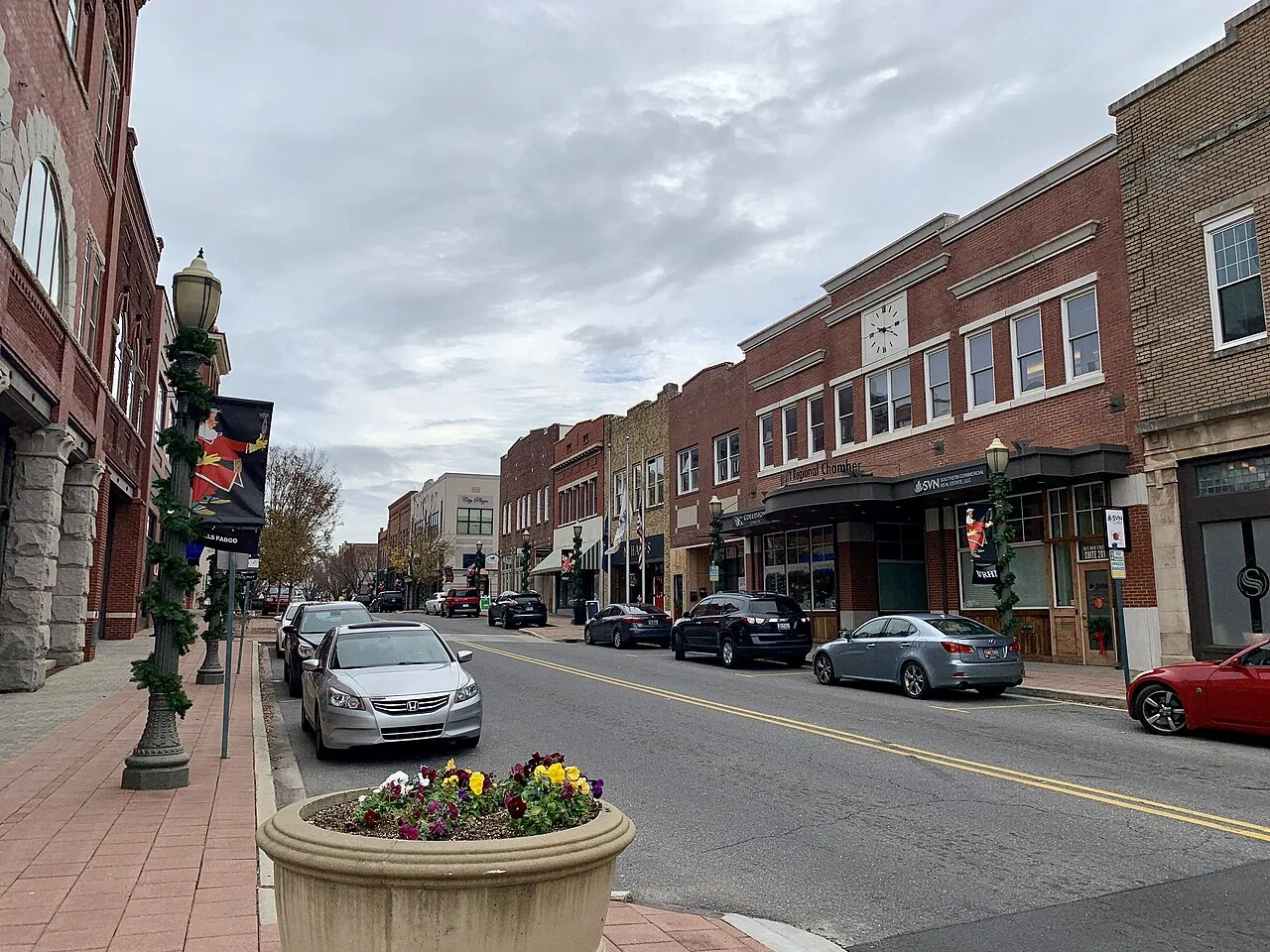
Fort Mill's Main Street business district retains commercial buildings dating to the 1800s. Use available project records and a field inspection to identify the roof material, visible wear and moisture condition. We inspect accessible transitions and existing repair edges, then compare them with owner records before specifying a tie-in. If a façade or interior renovation is planned, the project team can identify the roof-to-wall details that must remain accessible through closeout.
Check Drainage and Perimeter Details
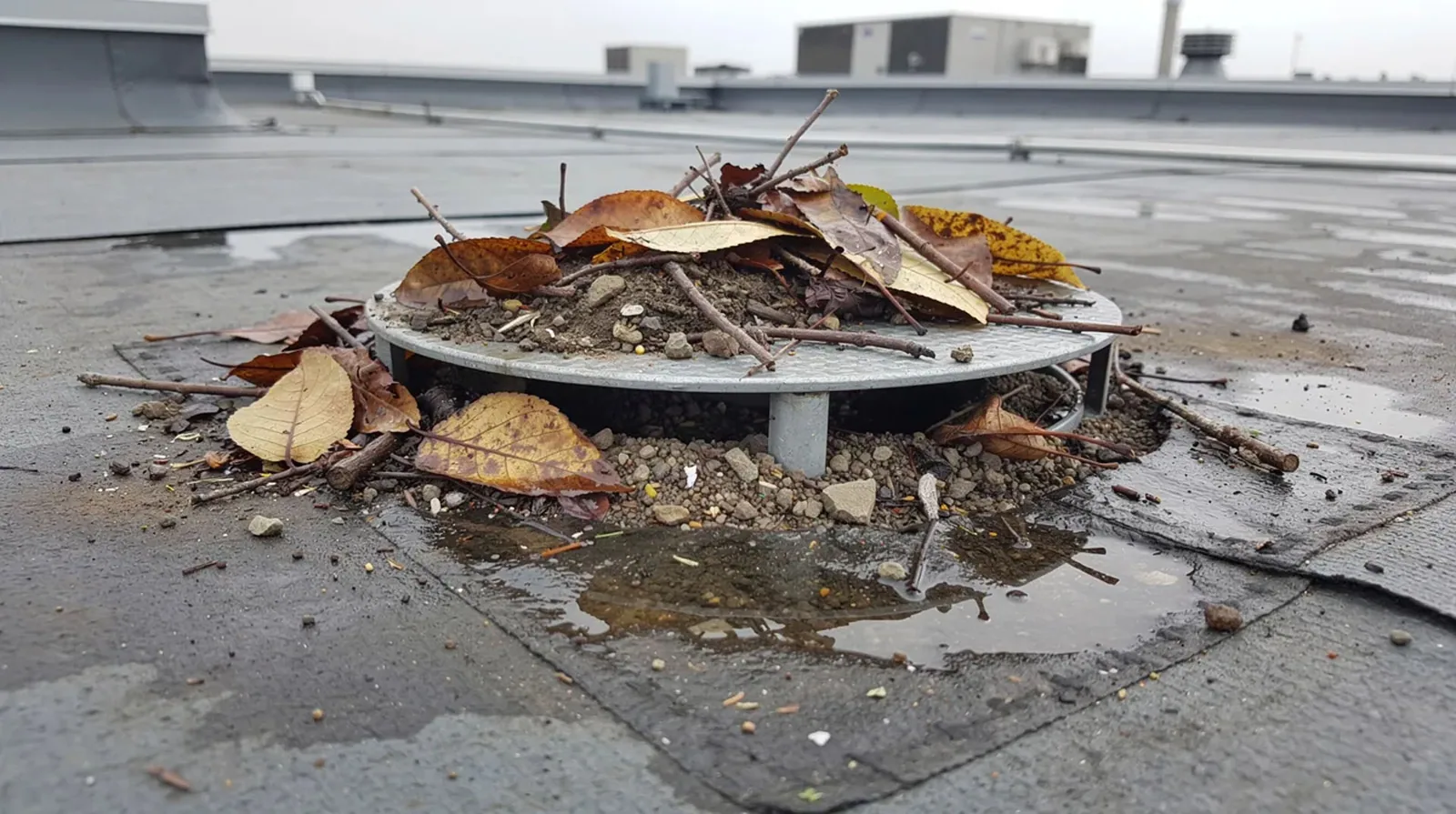
At each outlet, we examine the drain bowl, scupper, gutter, overflow route, and surrounding membrane. Debris, a separated connection, and a low area that holds water need different responses. A drain and scupper repair addresses a verified roof-side detail. When piping disappears inside the building, we note where the visible review ends and whether a plumbing trade should inspect the concealed route.
At a roof edge, coping, metal attachment, sealant, and membrane termination form one water-control detail. We check for open laps, loose fasteners, and evidence that water reached the wall or deck. A nearby interior mark is a symptom, not proof that the nearest edge is the entry point. The report connects the geometry and observed condition, then distinguishes confirmed repair work from further investigation.
Rock Hill's warm, humid Carolina Piedmont climate brings regular rainfall through a long warm season. That market context makes outlet checks and temporary protection important when a roof is open. After a reported event, inspect the Fort Mill roof for impact, open seams or displaced edge metal before selecting repairs. We use the property's slope, discharge path, and visible material to set the actual repair approach, including how the opening will be secured if weather interrupts work.
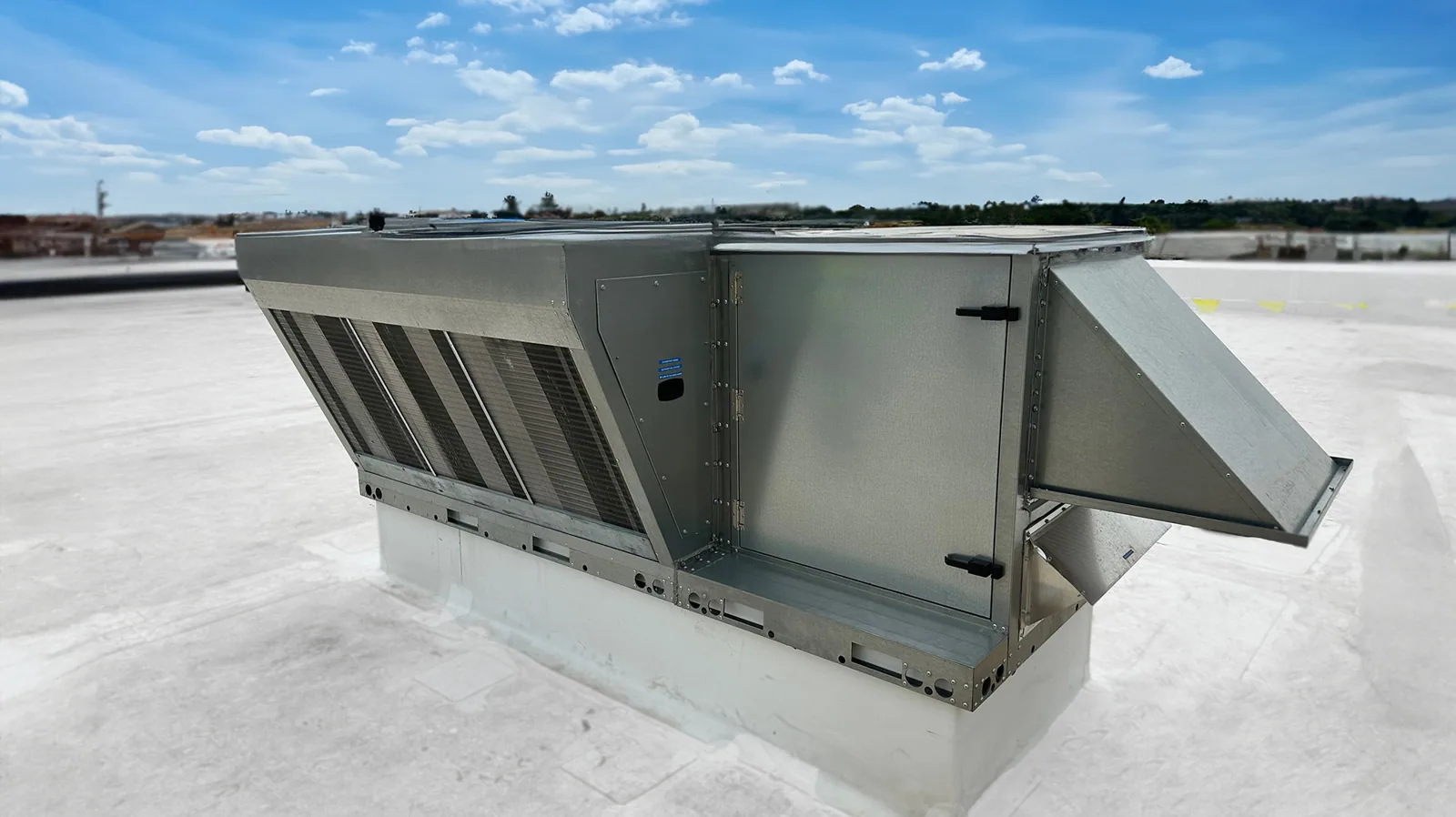
Where a unit or line crosses the membrane, we inspect the curb corners, flashing, nearby seams, and attachment that can be reached. If equipment service is planned, the facility contact identifies which contractor handles shutdown and restoration of the roof connection. A curb and support repair can address the roofing detail after the system and trade sequence are confirmed.
Coordinate Access With Building Use
Fort Mill connects with Rock Hill and Charlotte through US 21 and I-77, and its regional history also includes rail freight. Those routes provide area context, while delivery access and roof entry are controlled at each property. Before staging material, we confirm the contact, gate or escort rules, lift location, truck path, overhead clearance, and any customer or staff entrance that needs to stay open.
Work above an occupied suite, treatment area, production space, or office needs a defined protection and closure plan. We identify the area below each roof zone and agree how an opening will be covered at a pause. Weather, material preparation, and concealed conditions affect the sequence, so the proposal sets work assumptions without promising that operations continue unchanged. The owner or manager coordinates notices unless the written scope assigns that duty to us.
If several repairs are close together, we can group them into a visit while listing each location as a separate item. The property contact can prioritize an active leak and decide which maintenance findings to authorize. We document the condition and materials for every approved zone, then keep unapproved items out of the completed-work record. That helps facility staff compare a new symptom with the correct detail later.
When removal exposes wet insulation or damaged decking, the crew secures the opening, photographs the area, and reviews the new boundary with the authorized contact. Added work proceeds only after that decision. Structural evaluation, mechanical service, and interior finishes remain separate unless the agreement includes them. Keeping each trade's responsibility visible is useful when multiple contractors work in the same facility.
Compare a Local Repair With Renewal
A patch may suit an isolated defect when surrounding material remains sound and accepts a compatible tie-in. Repeated leaks, broad moisture, open seams, or weakened edge attachment may justify testing or comparing a larger renewal. A commercial repair scope lists the affected area, preparation, material, flashing, access, protection, and closeout, with limits for any section not inspected.
Cost and timing depend on roof system, repair size, detail count, equipment, access, staging, disposal, interior protection, and concealed conditions. A recover or replacement proposal should identify existing layers, drainage, penetrations, perimeter work, and assumptions that still need confirmation. If a survey or test could change the choice, we describe what it establishes before pricing the larger option.
A broader renewal may be worth comparing when separate zones show related age or repair patterns, but that conclusion needs inspection beyond one leak location. We identify the areas reached, evidence for each option, and what remains unknown. The owner can then choose whether to proceed with a defined repair, authorize testing, or evaluate a larger roof program.
Leave a Record the Next Team Can Use
Closeout records the area inspected, visible condition, material installed, photographs, completed repairs, and any access or test limits. If the property has roof-zone labels, we can use them to place each finding. The record distinguishes work completed from an open recommendation and makes it easier to compare future leak reports with the same transition.
A maintenance visit can return to outlets, seams, equipment bases, edge metal, and earlier patches. Share roof plans, repair history, warranty documents, equipment changes, and access procedures before scheduling. A follow-up route should match the actual roof and operating needs, with inaccessible sections listed instead of treated as inspected.
Questions About Fort Mill
The inspection records the actual roof layers, edges, and transitions. A building's age does not identify its current assembly, so we use field evidence and available repair records before recommending work.
Yes. We can schedule multiple locations, with separate findings, access plans, and work boundaries for each property.
System type, repair area, number of transitions, access, protection, staging, and hidden conditions affect the scope. We define those items from the requested inspection zone.
Send the roof plan, building use, leak location, repair history, equipment schedule, and any access limits. Those details help set the first route and protection plan.
Set a Fort Mill Roofing Scope
Share the building use, symptom, roof plan, repair history, and access limits. We will inspect the defined area and prepare a next-step scope from the roof conditions found.
