
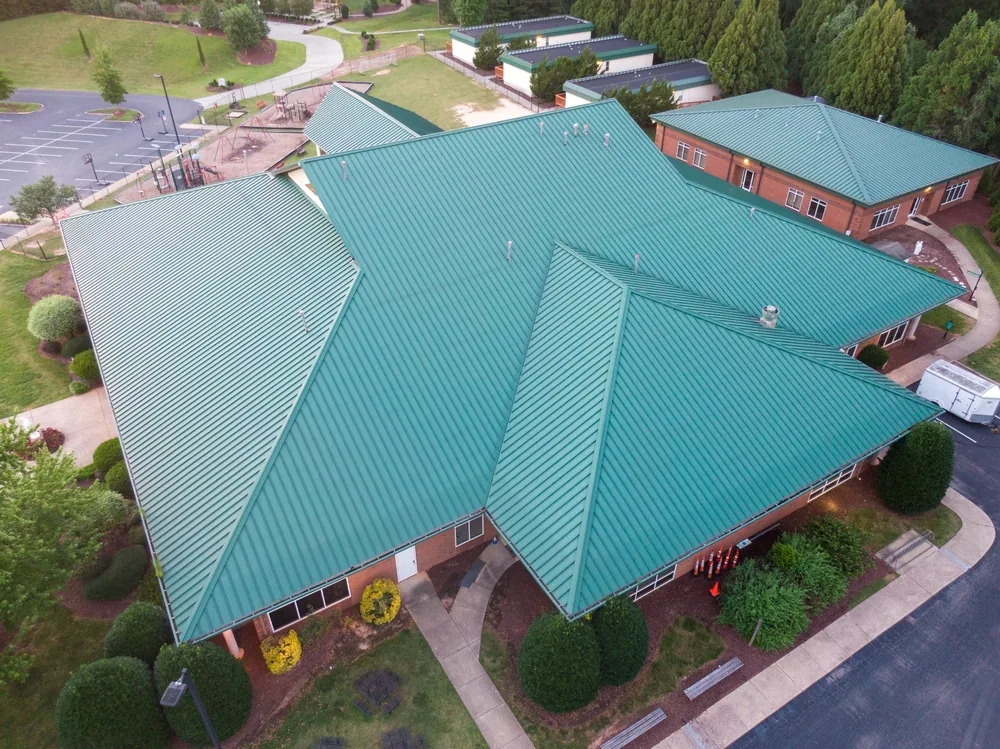
A Rock Hill roof recover can avoid full tear-off when moisture, attachment, deck condition, and code allow. We inspect first and define the recover limits.
The top membrane can look ready for another layer while the insulation below it is wet or the attachment has loosened. Before approving an overlay in Rock Hill, we inspect the roof zones, check drainage, and confirm what the existing assembly can support. Riverwalk Business Park serves manufacturing, distribution, and office occupants, and the Waterford area connects into Rock Hill's southern employment district. An overlay decision should account for the building use, equipment access, and how another assembly will affect drains and roof edges. We mark the existing layers and the test areas, then state what the inspection can confirm and what remains concealed. If those conditions do not support a recover, we can define a full replacement scope with the deck exposed for review. The decision follows the roof evidence, not the appearance of the surface alone.
Conditions for Another Layer
A recover starts with the existing assembly, not the new membrane sample. We identify the substrate, count the roof layers, inspect attachment, and look for areas that move underfoot or hold water. The deck condition, insulation, cover board, and existing membrane all matter because the new system must attach to a stable base. We also review where earlier patches, repairs, and penetrations have changed the surface. If the records are incomplete, selective test openings can show what is under a representative roof zone before the scope is set.
Rock Hill's climate includes regular rainfall and a long warm season. That means a recover review should look carefully at drain bowls, low areas, seams, and existing flashing transitions where water can remain after a storm. A blocked drain or a soft, wet section does not improve when concealed beneath another layer. The inspection distinguishes dry, sound areas from areas needing removal or repair. We describe any layer limits and any areas that could not be checked, so the owner can compare an overlay with a tear-off using the same facts. A hands-on roof inspection can document those starting conditions.
Moisture and Drainage Checks
Water entry does not always leave a stain directly below the opening. We trace the water path from roof seams, penetrations, curbs, and edge transitions toward the interior report, while checking whether drainage or trapped moisture may explain the symptom. At each drain, we examine the bowl, the membrane tie-in, and the surrounding surface for ponding or soft areas. A moisture survey or test opening can confirm conditions that cannot be judged from a visual walk alone. The results need a location, method, and boundary to remain useful.
A November 2011 tornado crossed Chester and York counties; after reported severe weather, inspect the roof for actual impact, open seams and displacement before considering an overlay. After a reported event, we inspect the actual roof for displaced edge metal, punctures, open seams, and changed flashing. If water reached insulation, that affected area may need to be removed rather than covered. The recover scope should identify where wet materials end and dry, serviceable material begins. Where moisture findings are uncertain, we state that uncertainty and recommend additional testing before covering the roof. Compare roof survey methods when concealed layers need a more complete review.
Attachment and Added Assembly
A second roof adds material, thickness, and weight, and it changes how fasteners or adhesive reach the supporting assembly. We verify whether the existing system and deck provide the required attachment path for the proposed recover. Curbs, drains, parapets, and equipment supports may need extensions or detail changes so that the new membrane can turn up and terminate correctly. The review also accounts for any transitions where the added height meets doors, rooftop equipment, metal edges, or adjacent roof sections. Those details belong in the scope before materials arrive.
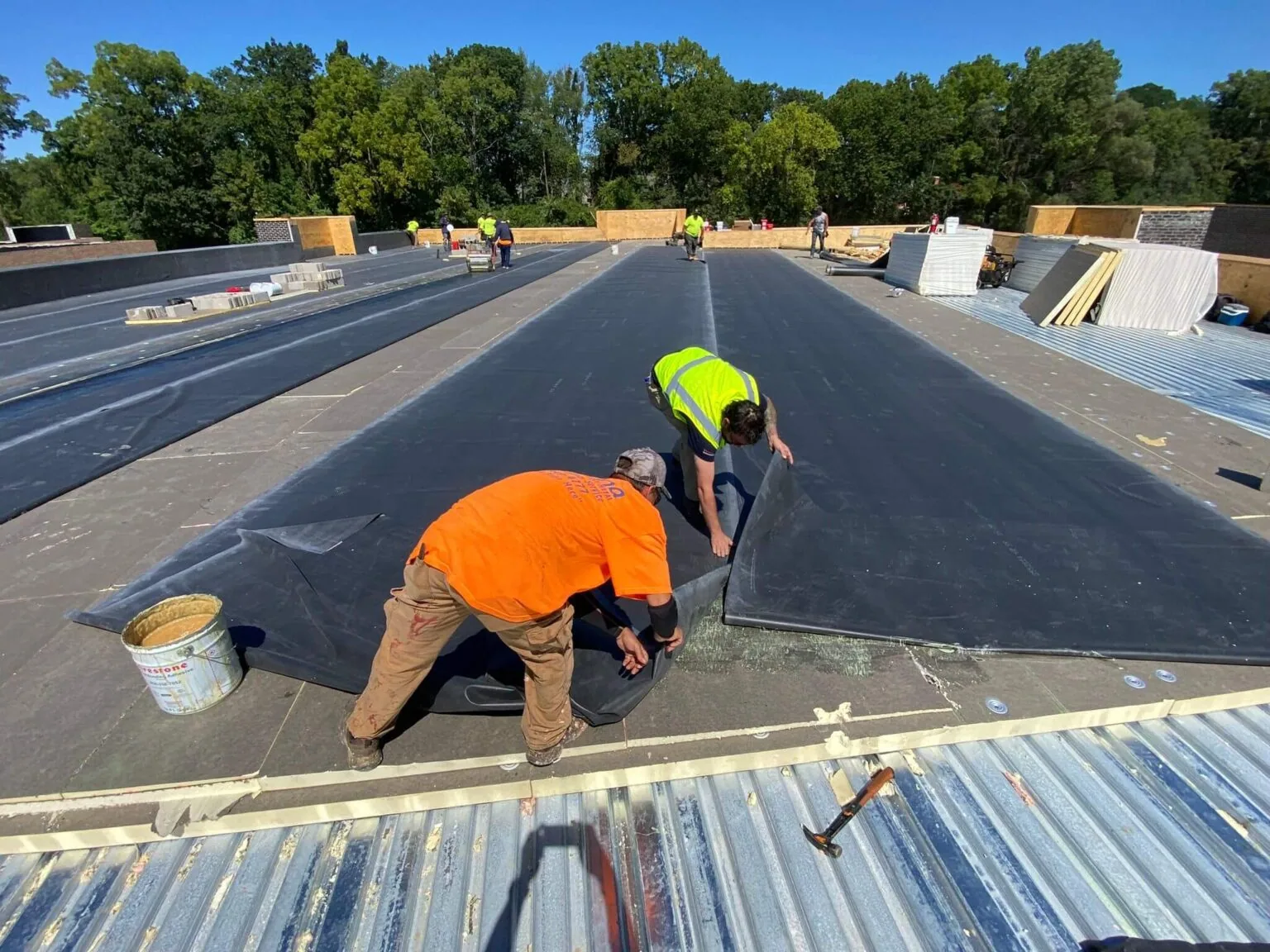
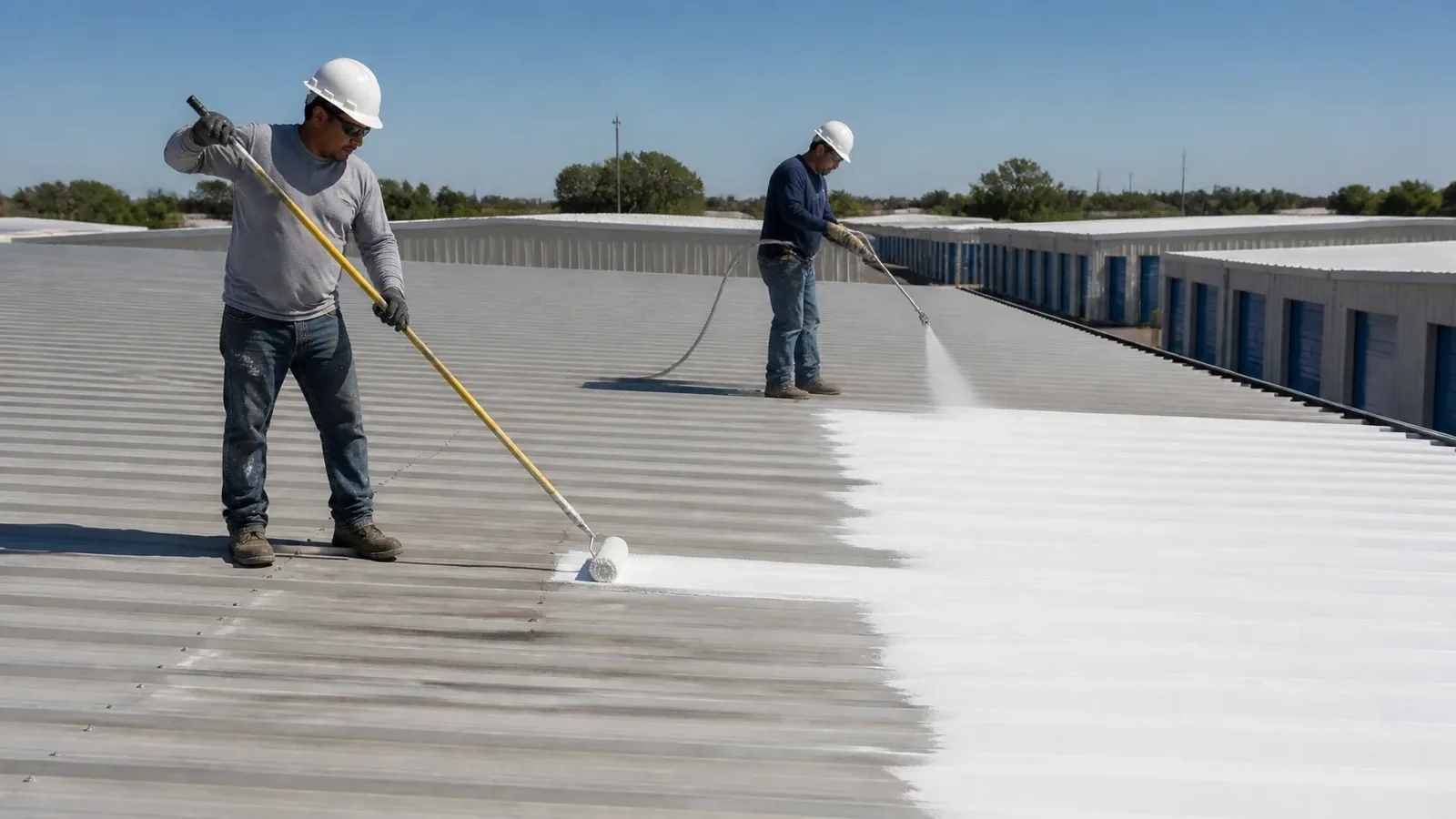
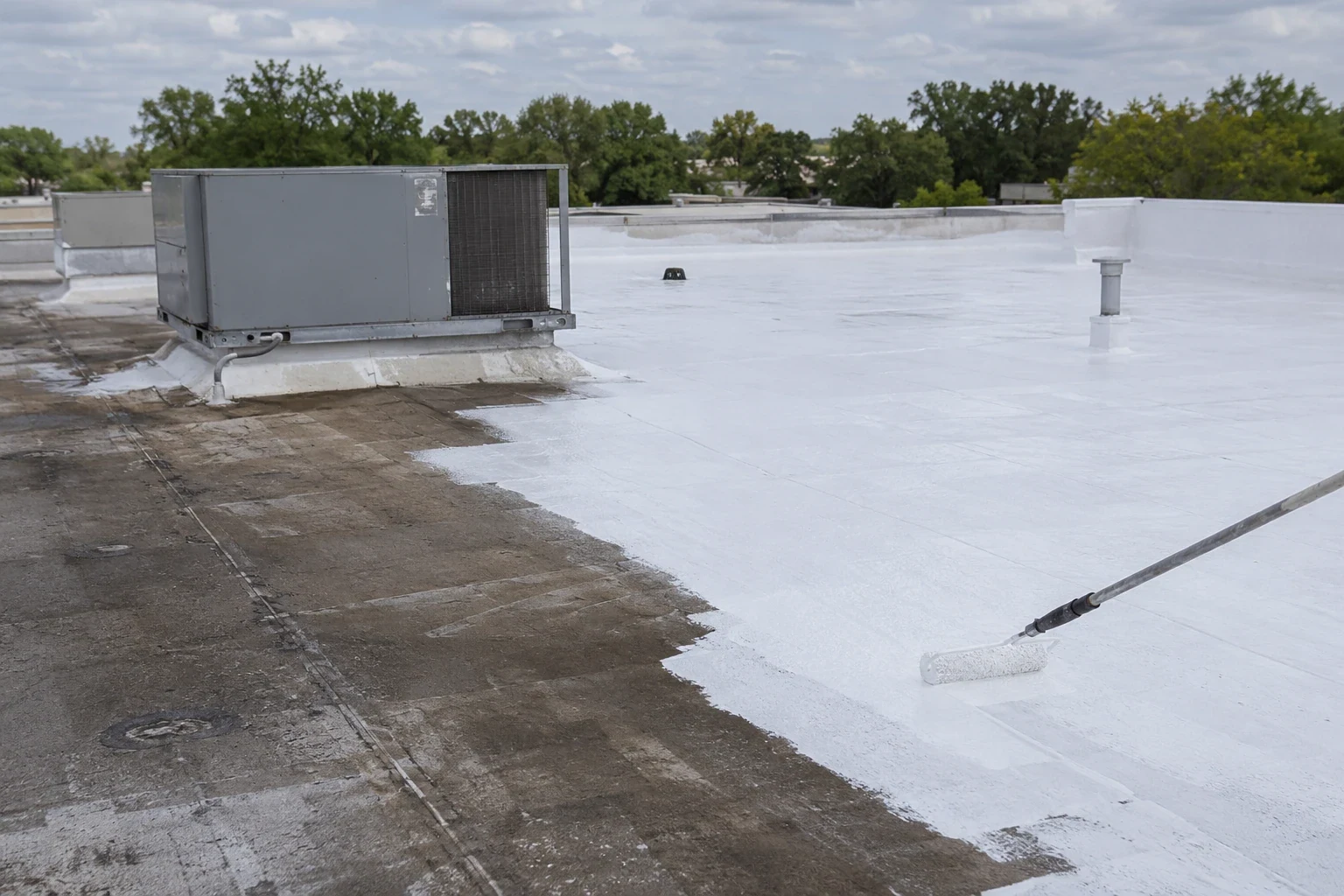
The new membrane choice does not settle whether the existing roof can remain. TPO, PVC, EPDM, KEE, modified bitumen, and coatings use different attachment and flashing methods, so the proposed assembly needs to match the base and project requirements. Coating is not a way to bridge wet insulation or correct poor drainage. If a coating restoration is considered, the surface must be clean, stable, and suitable for the selected product. We can compare TPO recover assemblies with silicone restoration only after checking the roof conditions they require.
Roof Zones and Work Access
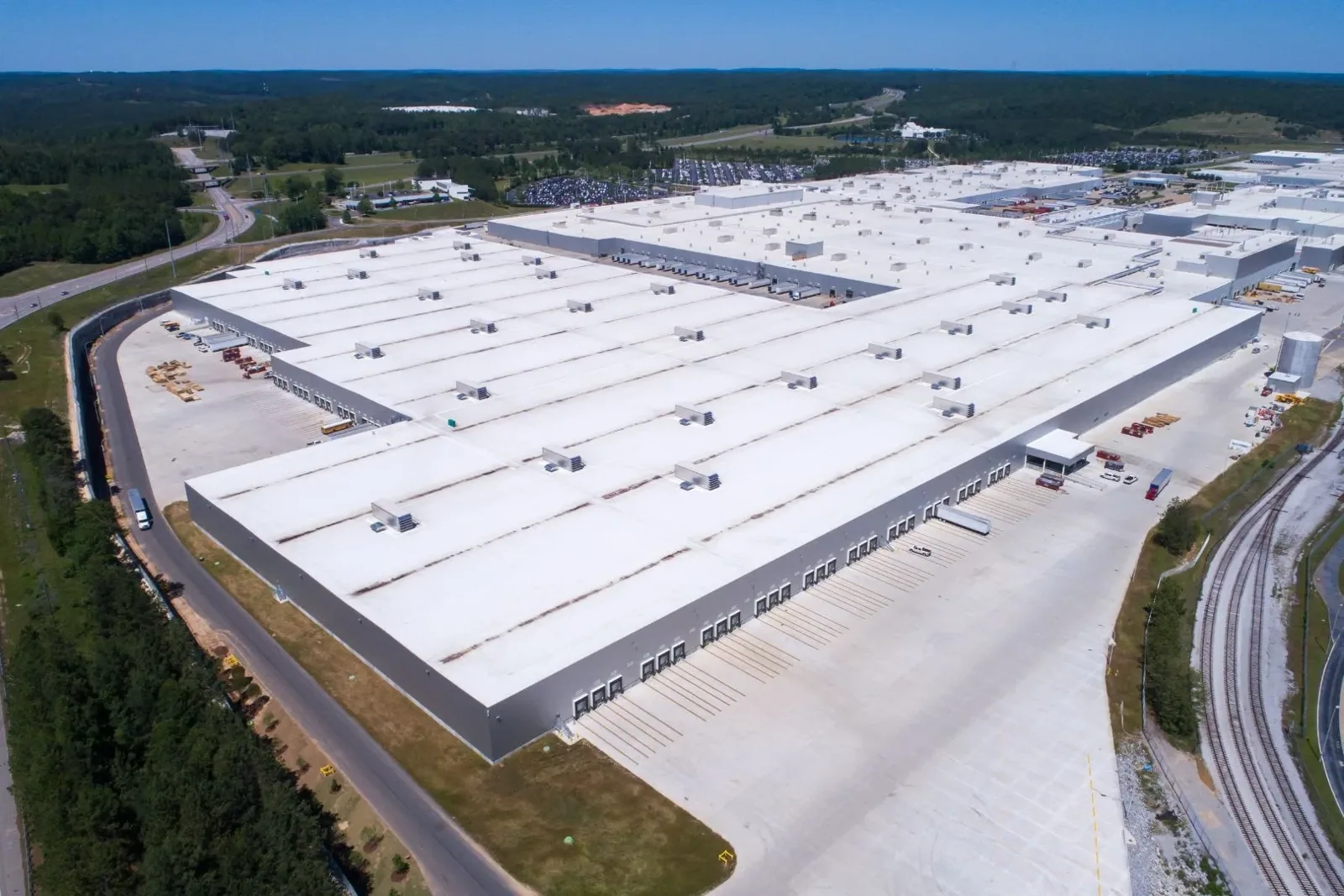
Riverwalk Business Park accommodates manufacturing, distribution, and office uses. The roof plan for an active site should show where equipment access must remain open, how material will reach the roof, and what zones can be worked without interrupting operations. Waterford sits in the same southern Rock Hill employment area, connected to the Riverwalk and Waterford trail network. We mark the work boundary and note which roof sections remain available during the installation.
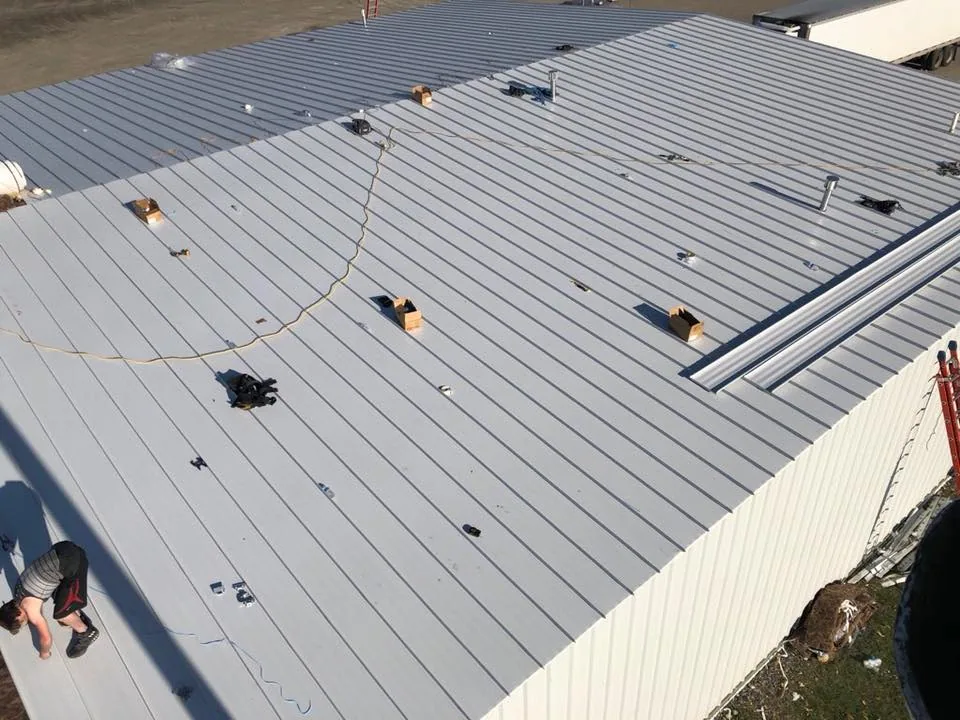
A recover can reduce tear-off, but the crew still has to prepare the surface, correct approved defects, and install new flashings and edge details. We set a daily work boundary and protect open transitions before leaving the roof. Forecast rain can change how much surface is prepared at once, especially where drains or active penetrations are nearby. At a parapet or curb, the detail must remain continuous across the old and new assembly. Clear staging and closeout notes help facility staff keep deliveries, tenants, and rooftop service work coordinated. A recover assessment at Riverwalk Business Park or Waterford's business area still needs a building-specific moisture, attachment, and drainage check.
Recover Limits in Writing
The final recommendation should state why a recover is acceptable or why removal is needed. We record the observed layers, moisture findings, attachment review, test openings, drain condition, and the boundary of the proposed work. Any excluded area remains identified as excluded, rather than implied to be included because the new membrane will pass nearby. If test results change the recommendation, the owner can review the evidence and choose the next scope before installation begins. That keeps the recover decision tied to what the roof can support.
After the work, we photograph seams, flashings, drains, penetrations, and edge terminations and provide written findings for the completed zones. A follow-up check can compare those areas after rain and make a useful baseline for later maintenance. Share the roof's known history, building use, access limits, and any leak locations with us. We will inspect the relevant sections and mark where an overlay remains a sound option. If the roof cannot support another layer, replacement planning begins with the same documented boundary.

Questions About Commercial Roof Recover
A visual check alone may not show moisture inside the assembly. We look for soft areas, ponding, staining, failed seams, and other indicators, then use test openings or moisture survey methods where needed. The findings identify the areas checked and the limits of the test. Wet insulation that cannot remain in the new assembly needs a removal plan before the roof is covered.
The added height can affect drain and edge transitions, so we review bowls, scuppers, parapets, and low points before approving the detail. A drain extension or related work may be needed, depending on the roof layout. The proposal should show how the new membrane connects to the discharge point and where water is expected to flow. An overlay does not correct a blocked drain or an underlying slope problem by itself.
No. The existing layers, deck, attachment, moisture, added weight, and project requirements all affect that choice. We inspect those conditions and open representative areas if the assembly cannot be confirmed from the surface. The result may support a recover in some zones and removal in others, or it may show that a complete tear-off is the appropriate scope.
We mark the opening and the affected area, photograph the exposed layers, and explain what needs removal or further testing. The repair boundary is then revised to include the confirmed condition. If moisture extends beyond the initial test, additional openings can help set a more accurate limit before work proceeds. The remaining roof should not be described as dry unless it was actually checked.
Check the Existing Assembly First
Tell us the building use, known roof layers, reported leak or moisture areas, and access limits. We will inspect the assembly, note what a recover can retain, and define any removal or repair required before a new layer is installed.
