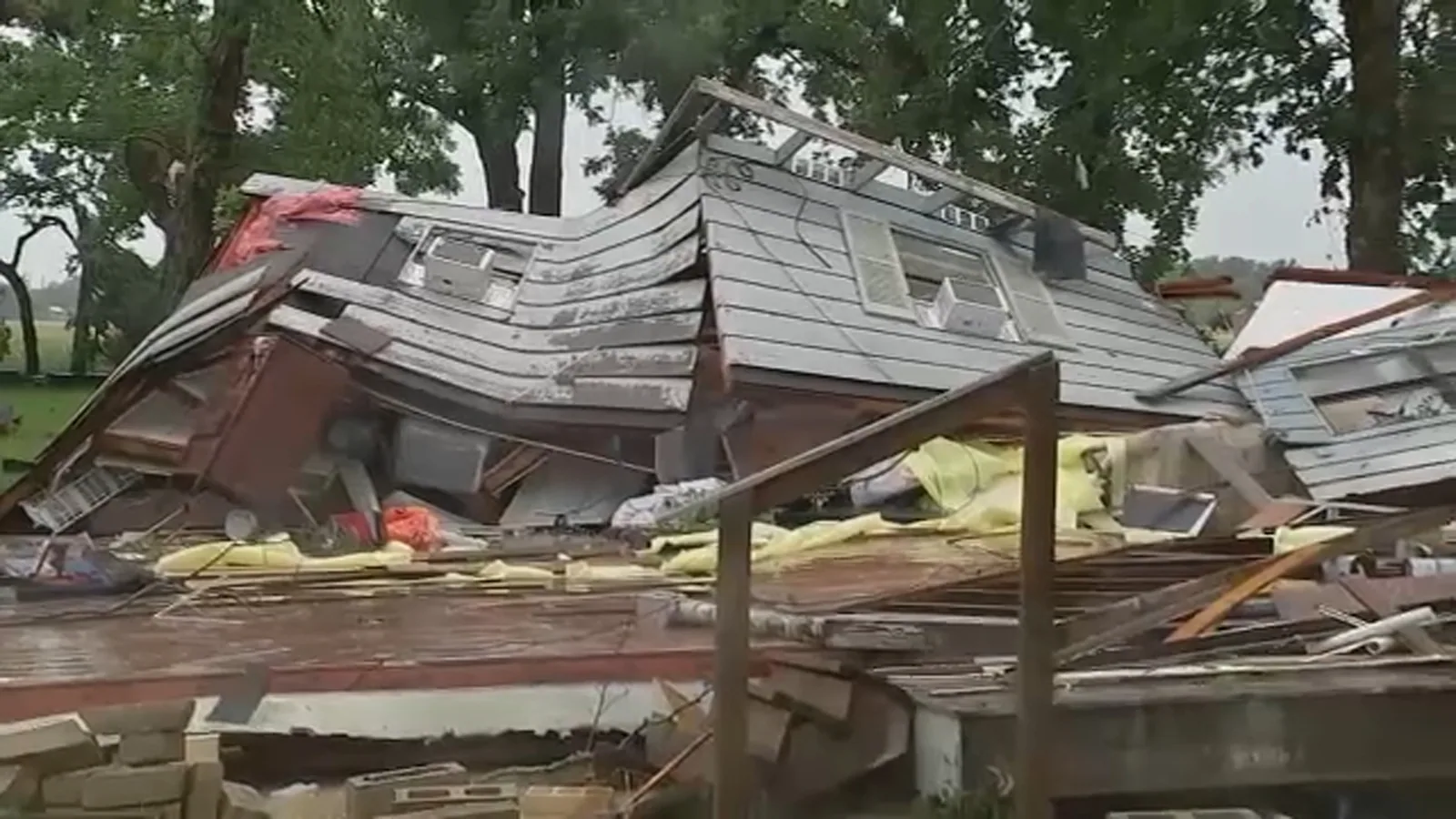
Assess commercial storm damage in Rock Hill with roof-zone photos, a defined temporary protection plan, and repairs tied to visible conditions.
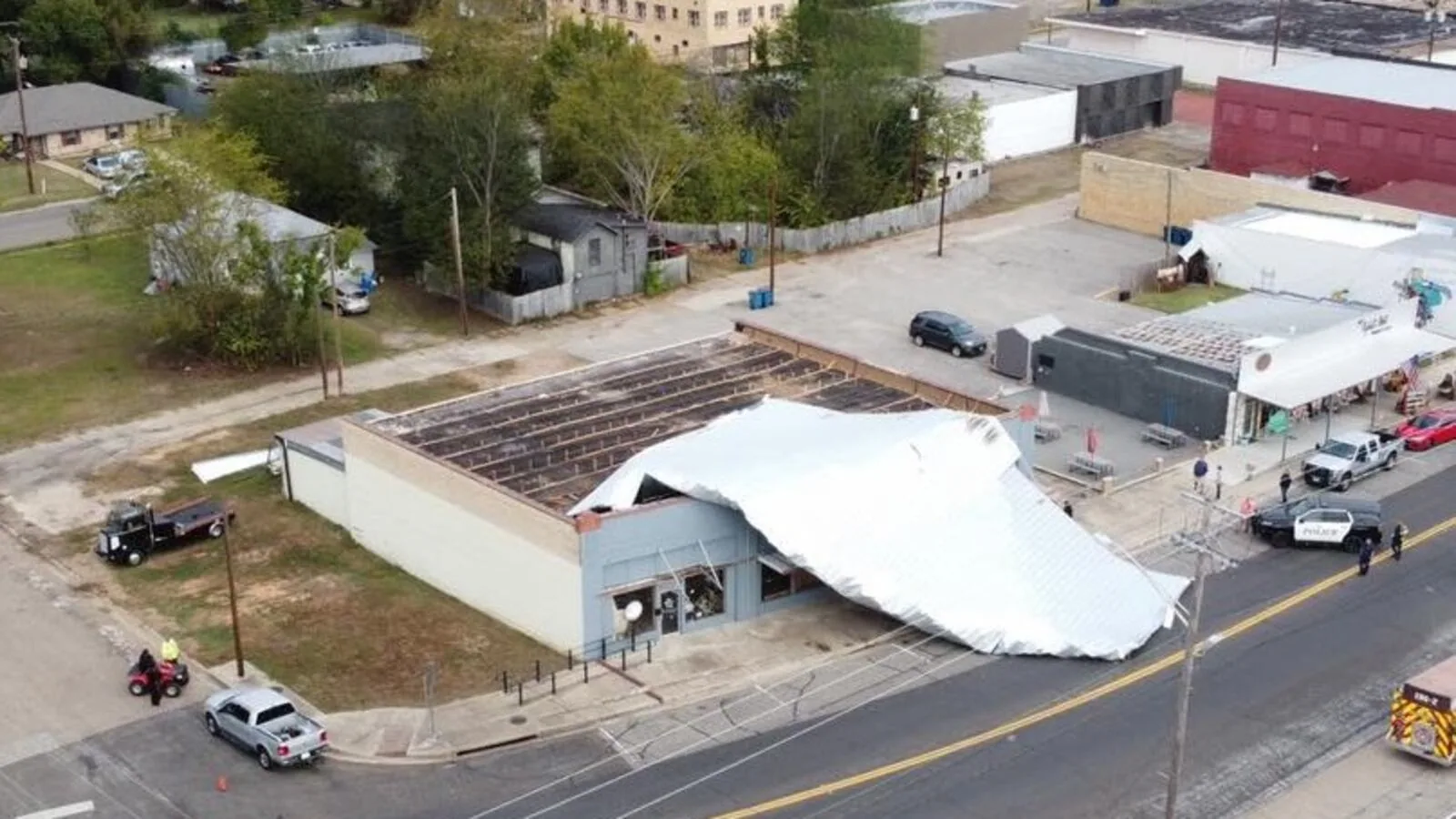
After a storm, a lifted edge, puncture, or open seam matters because it changes where water can enter. We inspect the roof directly, photograph visible conditions, and keep the reported event separate from what the surface shows. A 2011 tornado crossed Chester and York counties, but that regional history cannot establish impact at one Rock Hill property. The roof needs its own assessment. We start with the affected building areas, access limits, and active water entry, then identify temporary protection or permanent repair supported by the findings. Facilities along the Dave Lyle Boulevard corridor and near Celanese Road can share the affected roof zones and site constraints so the inspection route is set around the actual condition.
Protect the Building Before Roof Access
Keep occupants clear of wet ceilings, loose materials, and areas where water may reach electrical equipment. Follow facility safety procedures and contact the person responsible for building operations. Do not send staff onto a roof that may be wet, unstable, or affected by displaced equipment. Wind and hail can leave sharp metal, lifted edges, and concealed damage; any access decision should account for the conditions present at the property.
When contacting us, describe when the event occurred, whether water is still entering, and which rooms or operations are affected. Provide roof access and check-in requirements, known hazards, and any prior repair notes. If urgent protection is needed, we can discuss emergency response within confirmed service terms. The initial discussion sets the inspection route; roof observations and any agreed testing determine the damage and repair scope. A temporary measure may limit further entry while a closer inspection and permanent repair plan are prepared.
Inspect the Roof for Physical Evidence
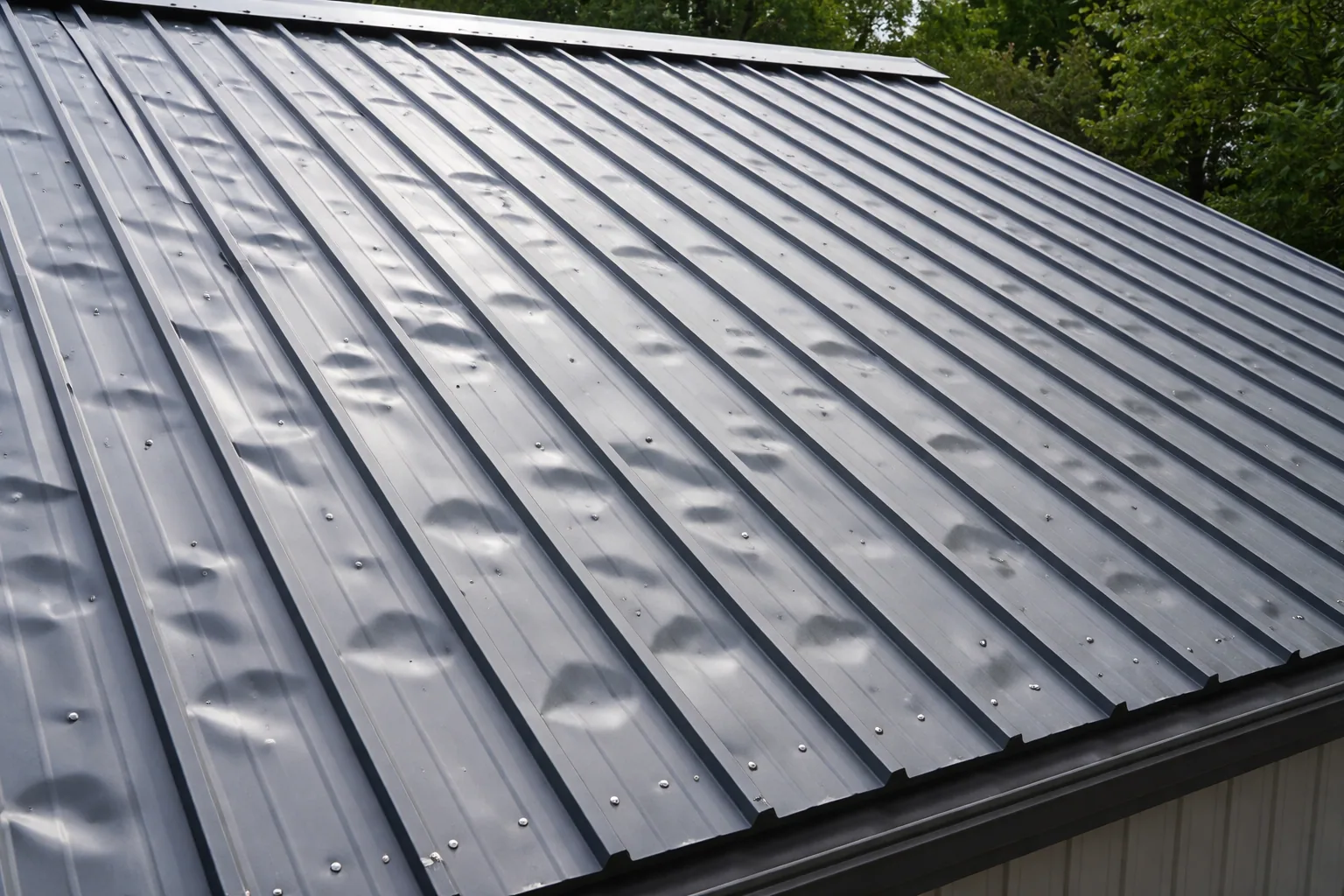
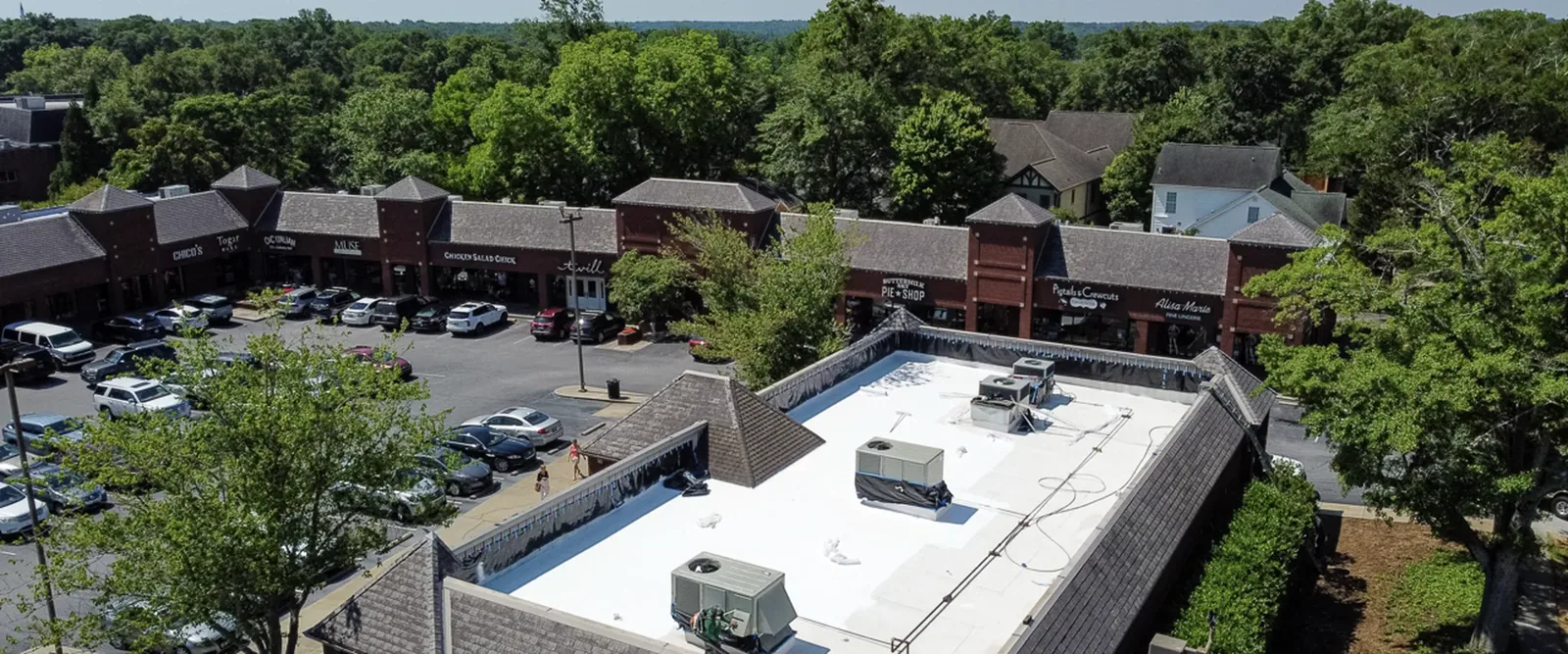
We begin at the reported area and expand across nearby roof zones. The inspection checks membrane seams, patches, penetrations, curbs, flashing, roof edges, metal panels, drains, and visible rooftop equipment. We look for displaced edge metal, punctures, open seams, impact marks, loosened attachments, and debris-related damage. Photographs show the location and scale of each finding. If the roof surface is inaccessible or unsafe, we identify the boundary and describe what remains unexamined.
York County appears in the western Carolinas' tornado history, and local hail and wind records include events across the region. The observations are not complete for every location, and a countywide event does not identify what struck a particular roof. We connect a storm to a repair only when property-specific evidence supports that connection. A dent or surface mark may need closer inspection before it is labeled damage. Where the reported leak path is unclear, leak tracing can follow the water path through the roof details and distinguish the interior symptom from the entry point.
Set Temporary Protection Limits
If an opening is active, temporary protection can reduce additional water entry while permanent work is organized. Depending on the roof and conditions, the protection may involve a secured cover, temporary seal, or dry-in at an exposed zone. We identify how it will attach, what area it covers, and which conditions remain outside the boundary. The measure has to fit the roof surface and wind exposure; a loose or poorly placed cover can create another hazard.
Temporary protection is not a complete repair or a finding about concealed layers. The record names the zone protected, the method used, and the follow-up work still required. If interior materials are wet, the facility team may have a separate drying or remediation process. The roofing scope addresses the roof-side opening and any approved repair, while the owner coordinates other building response. An urgent defect may also need a temporary emergency roof response under the confirmed request terms. We keep that response distinct from the permanent repair scope so the owner can see what remains.
Repair the Observed Failure
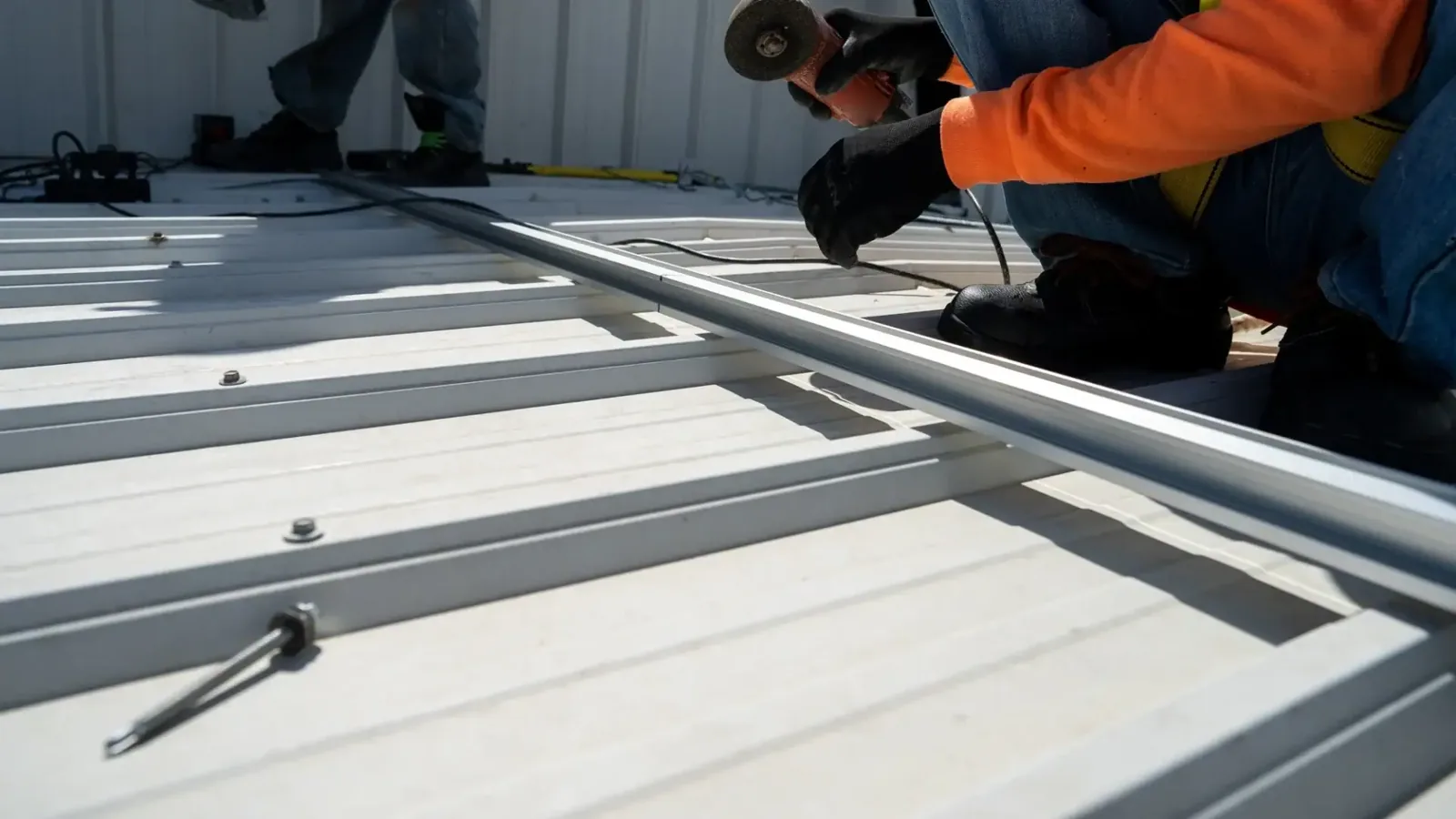
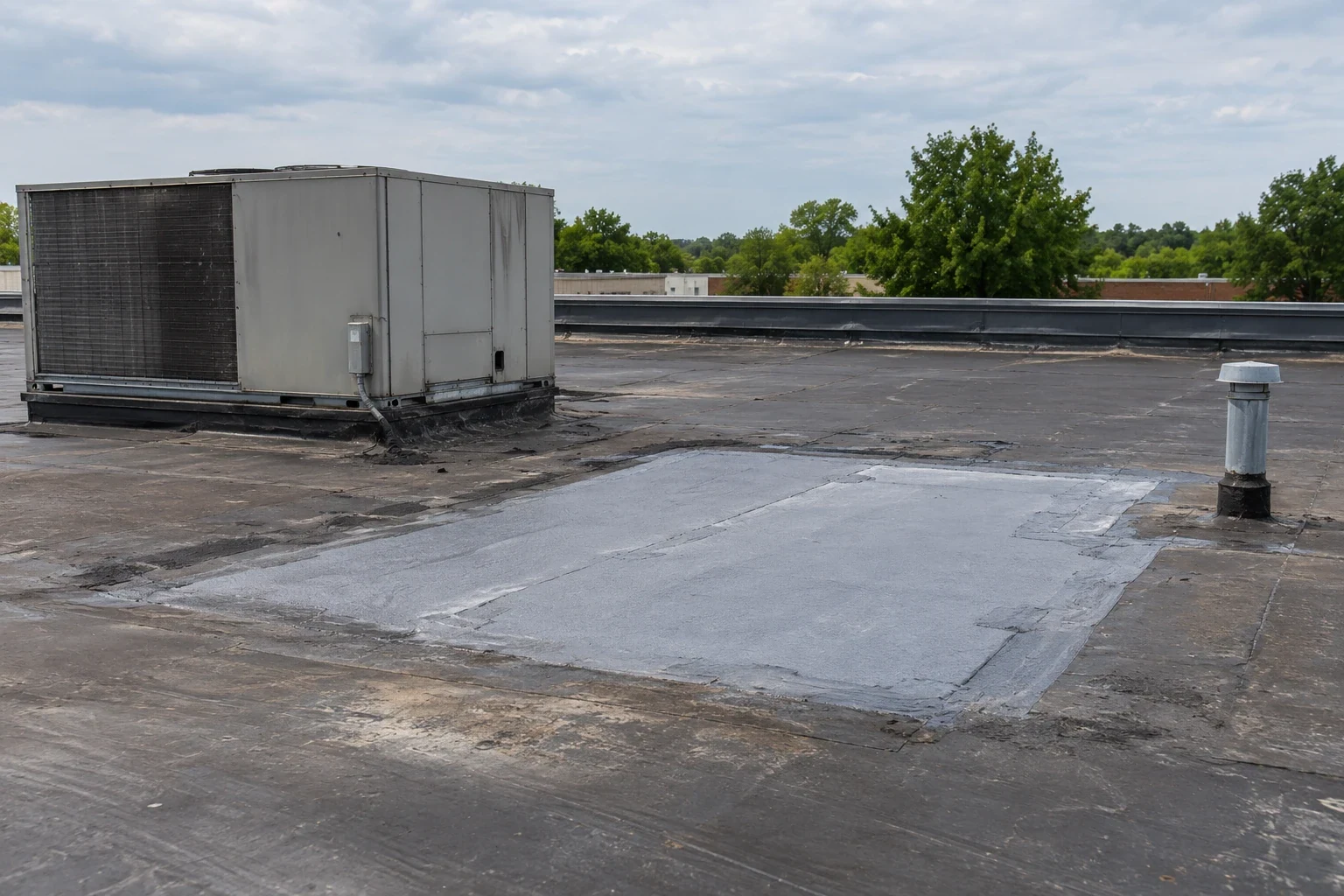
Once the physical condition is clear, we select a repair compatible with the existing assembly. A membrane puncture may require surface preparation and a bonded or welded patch. An open seam needs repair along the failed portion, while displaced metal or flashing may require resetting or replacement of the affected detail. We check attachment, nearby transitions, and drainage before closing the work area. If removal exposes wet or deteriorated material, we photograph it and confirm whether the approved boundary should change before continuing. The repair sequence and cost depend on the roof system, access route, material compatibility, and how far damage extends beyond the visible opening. If several layers or transitions need work, we separate those items so the owner can see what drives the scope.
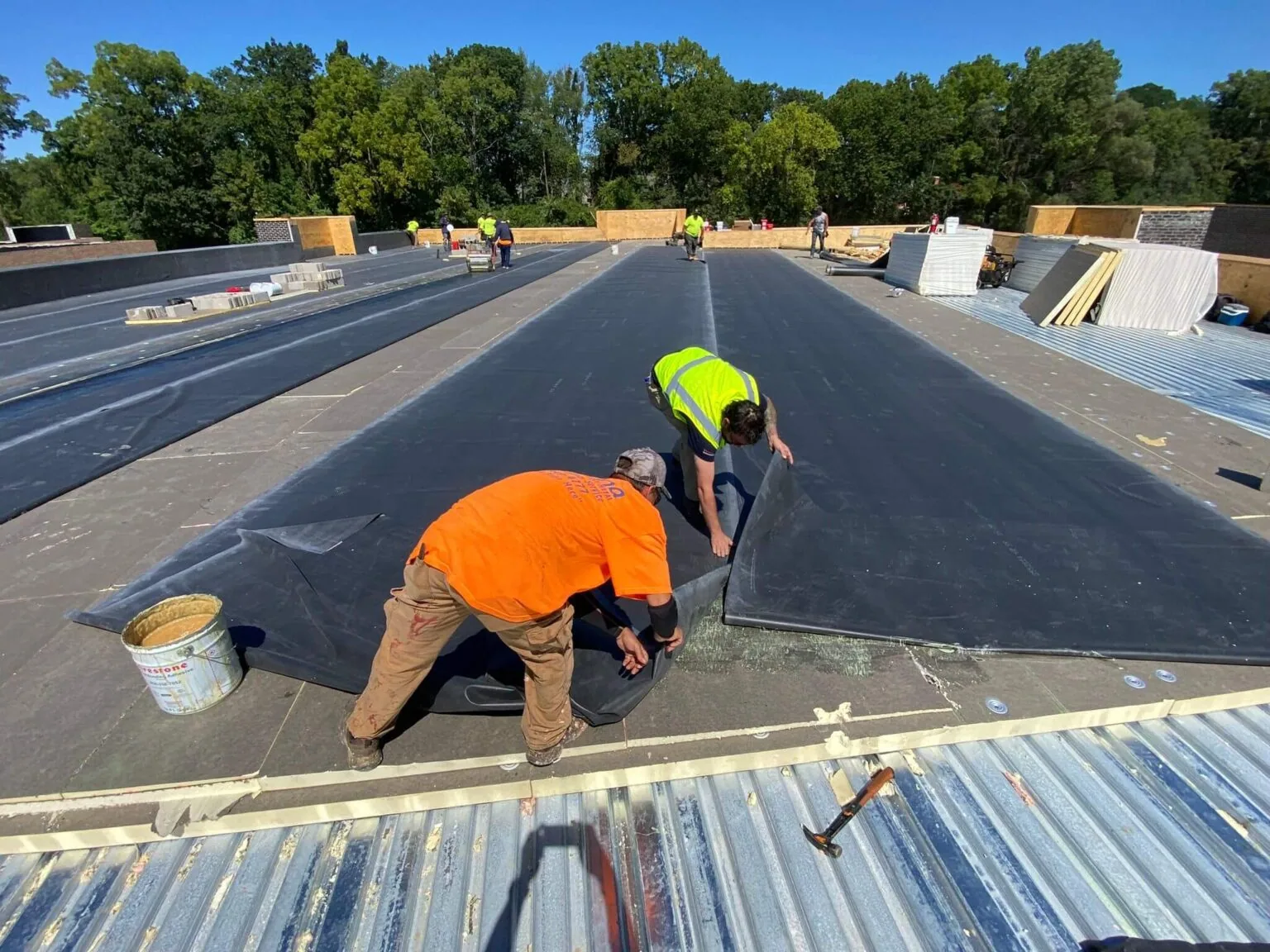
Rock Hill's building mix includes industrial parks, retail centers, institutional campuses, sports facilities, and mixed-use redevelopment. Different facilities may have different access needs, but use alone does not reveal the roof system or damage. We confirm the assembly and coordinate staging, equipment access, and work areas with the property contact. If the storm reveals recurring defects across several zones, a commercial roof repair scope can address the specific observed conditions. More extensive deterioration may call for an evaluation of replacement options based on the roof's condition and the owner's project goals. We also coordinate protection around active operations and clearly mark any area where access must stay restricted during the work.
Keep a Clear Storm Record
The repair record should show the reported event, inspection date, accessible roof zones, visible conditions, photographs, and work completed. We identify temporary protection separately from permanent repair and note any suspected condition that still needs testing. This gives the facility and its advisers a consistent set of observations to review. If a condition cannot be confirmed, we state the missing evidence and the next inspection method rather than extending a conclusion beyond the inspected area.
Owners handling a claim may need their own notice, policy review, or adjuster coordination. We can provide roofing observations and repair documentation within the agreed scope, but coverage and claim decisions belong to the insurer and policy process. Our claim documentation support can organize roof findings without predicting an outcome. For ongoing property records, a photo-backed condition report can preserve the repair boundary and follow-up notes for the next review.
Questions About Storm Damage Roof Repair
No. Rock Hill's tornado history and the western Carolinas' hail exposure call for post-event roof checks. We document only conditions observed at the affected property. We inspect the roof for visible impact, displacement, openings, and related signs, then tie repair recommendations to the evidence documented at that building.
Keep people away from affected areas and follow the facility's safety procedures, especially around electrical equipment or wet ceilings. Avoid roof access while surfaces or edges may be unsafe. Tell us which areas are affected and whether water is still active so protection and inspection can be coordinated.
Temporary protection may be used at a defined exposed area when the roof and conditions allow it. We record the method and its limits, then identify permanent work that remains. Temporary protection does not verify concealed materials or replace the lasting repair.
We can document visible roof conditions, photographs, and repair work within the agreed roofing scope. Coverage and claim decisions depend on the policy and insurer. Our findings describe what was inspected and what the roof evidence supports, without promising a claim result.
Arrange a Storm Condition Review
Share the event date, affected building areas, current water entry, known hazards, and roof access requirements. We will document visible conditions, discuss any temporary protection, and define the repair boundary supported by the inspection.