Coordinate school roof inspections, leak response, maintenance, and phased renewals around calendars, campus access, and student safety.
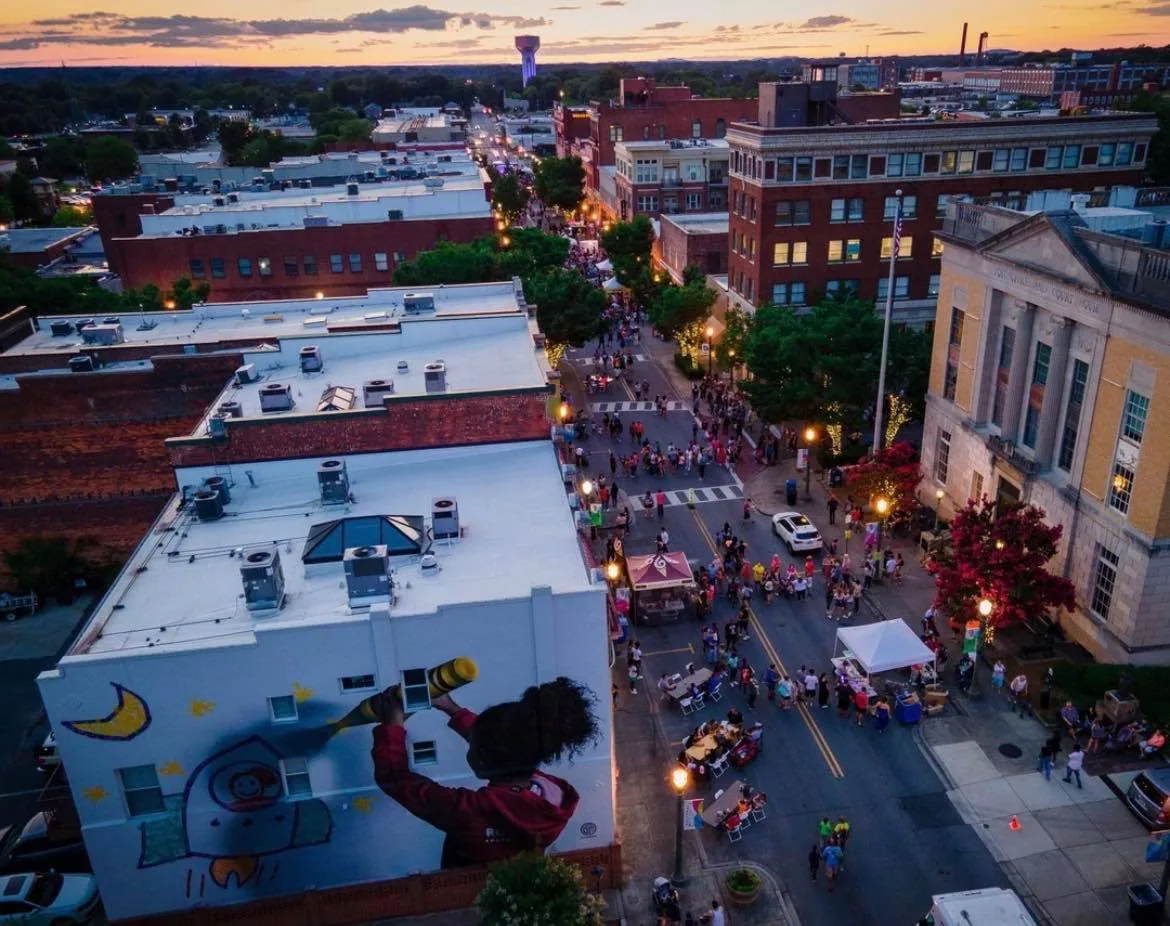
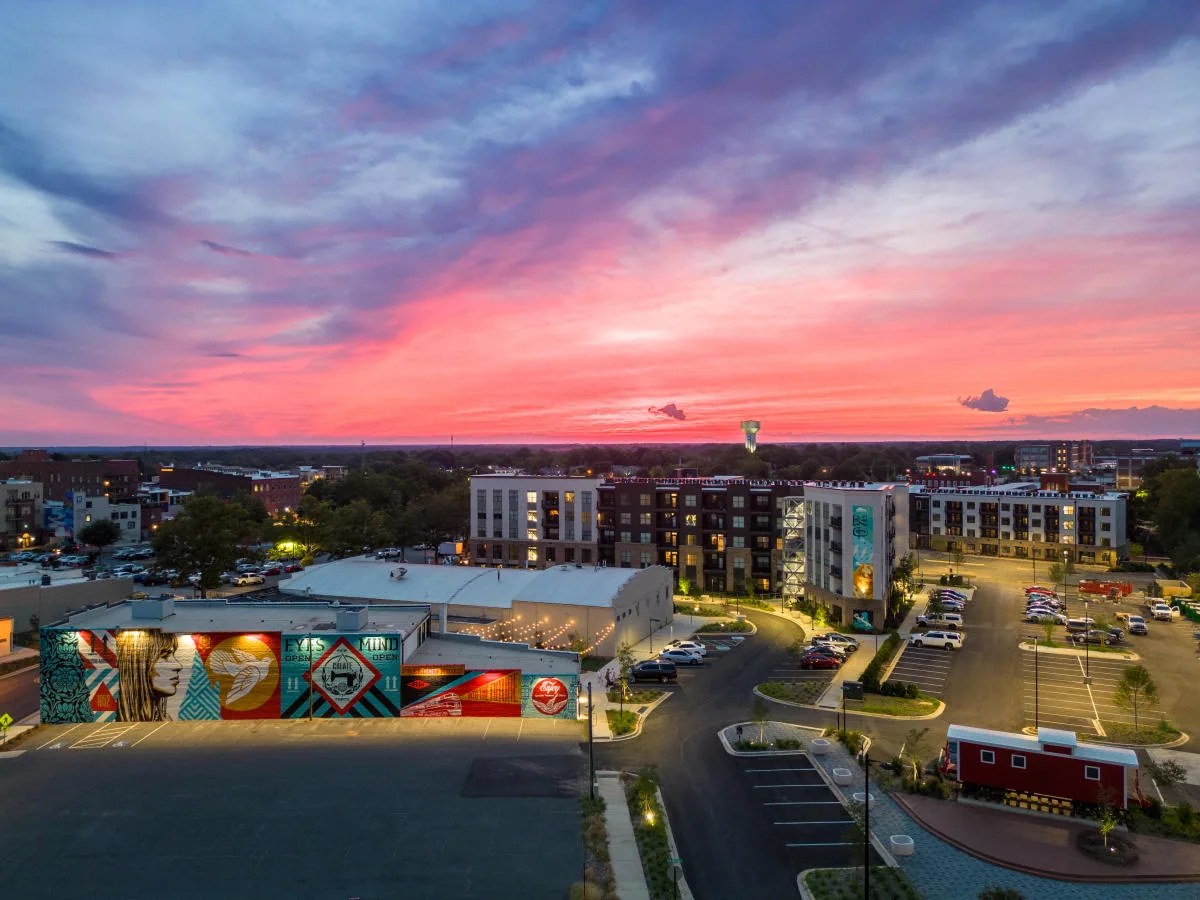
A district roof program needs more than a list of leaks. Each school has its own access route, roof zones, building history, and calendar, so we document conditions by campus and define which decisions are needed next. Rock Hill's institutional and mixed-use setting includes Winthrop University and the Knowledge Park district, while Fort Mill serves as another growing community in York County. We coordinate roof work near Knowledge Park or across the Fort Mill area with the district contact and campus-specific rules.
Create a Campus-by-Campus Roof Inventory
District teams can provide building names, roof plans, leak history, repair records, and upcoming equipment projects. We use those records to label the roof areas reached and note where plans differ from visible construction. An inspection can record membrane type, seams, drains, penetrations, edge details, prior patches, and access restrictions. Findings remain attached to the specific campus rather than copied across buildings that may have different additions or materials.
A commercial roof inspection can establish a condition snapshot for budget planning. We identify observed defects, possible follow-up testing, and any areas we could not access. A visual survey is not a destructive examination of concealed layers. If a test opening could resolve the system or moisture condition, we define the location and temporary closure before proceeding.
Rock Hill's commercial setting includes institutional campuses, downtown redevelopment, sports facilities, and retail centers. Those varied uses make campus-by-campus roof records useful; district plans and field inspection identify each school's construction and assembly before a project is scoped.
Respond to Classroom, Gym, and Common-Area Reports
A ceiling mark in a classroom can originate at a roof detail farther up the slope or on an adjoining wing. We compare the room, date, rainfall, and symptom with drains, curbs, skylights, seams, and wall transitions. For a leak investigation, we document the campus zone and state what further access is needed to confirm the leak path. The nearest roof detail is only a candidate until evidence supports it.
Facilities staff can identify whether the affected space is used for instruction, food service, athletics, storage, or administration. That helps set interior protection and access needs. Before a ceiling or roof opening, we define the test area, who will authorize it, and how it will be closed. Water may follow framing or conduit, so the report distinguishes an observed roof defect from an interior symptom that still needs tracing.
York County has a documented tornado history, while Rock Hill's long warm season and regular rainfall make drainage and weather-ready closure recurring maintenance concerns. After a storm report, we inspect accessible roof surfaces, edges, and penetrations, then document visible conditions by zone.
Use the School Calendar to Shape Work Phases
Summer, breaks, weekends, and after-class windows can provide options, but they do not remove the need for a safe access and closure plan. The district contact identifies student routes, staff entrances, bus lanes, delivery schedules, roof hatches, escorts, and spaces that must remain available. We plan material staging and lift placement with those restrictions in view. Any interior access is coordinated through the school and its own notice process.
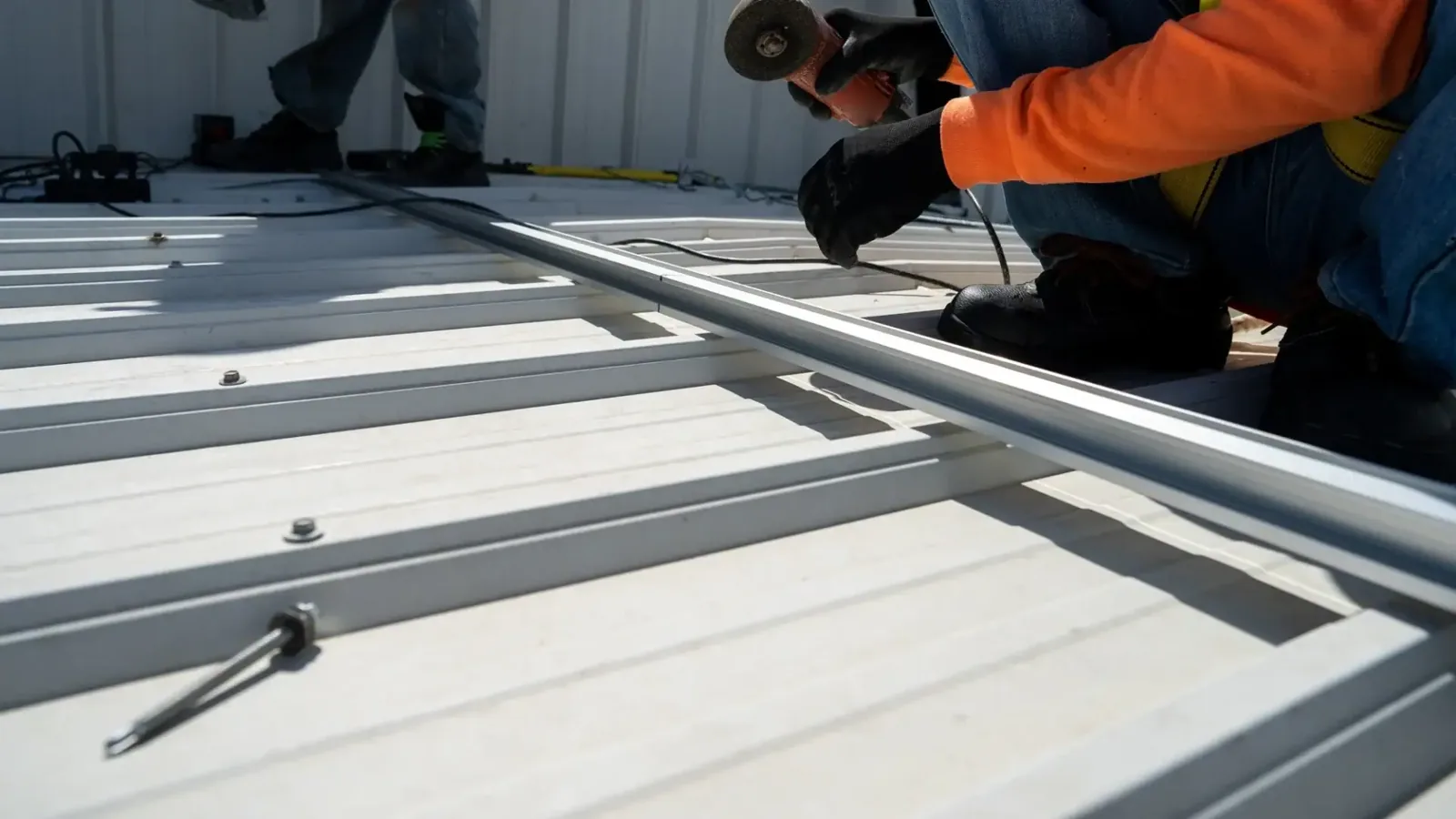
A phased occupied-building schedule can separate roof areas into work stages and make daily protection checks visible. Weather, material preparation, cure conditions, and concealed damage can affect timing. We set the work boundary before removing material and identify how an opening will be closed if a shift or weather delay interrupts the plan. The district can then coordinate any needed space restriction.
If removal exposes damaged decking or wet insulation, we secure the area, photograph the condition, and confirm added scope with the authorized district representative. Work does not expand into another wing or building without review. This is important when a project is scheduled around a school calendar and any change may affect room availability or the next phase.
Review Drains, Mechanical Details, and Edges
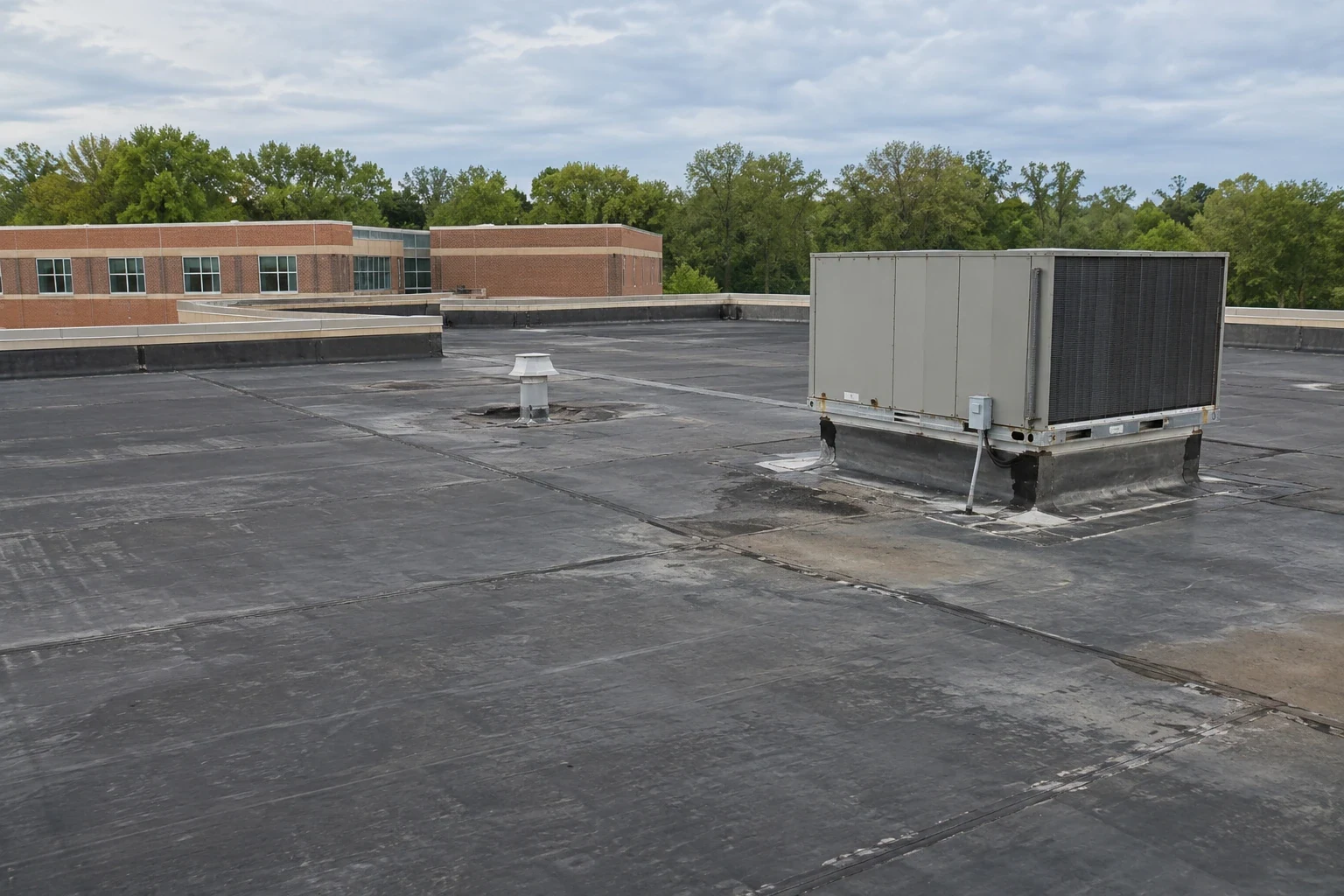
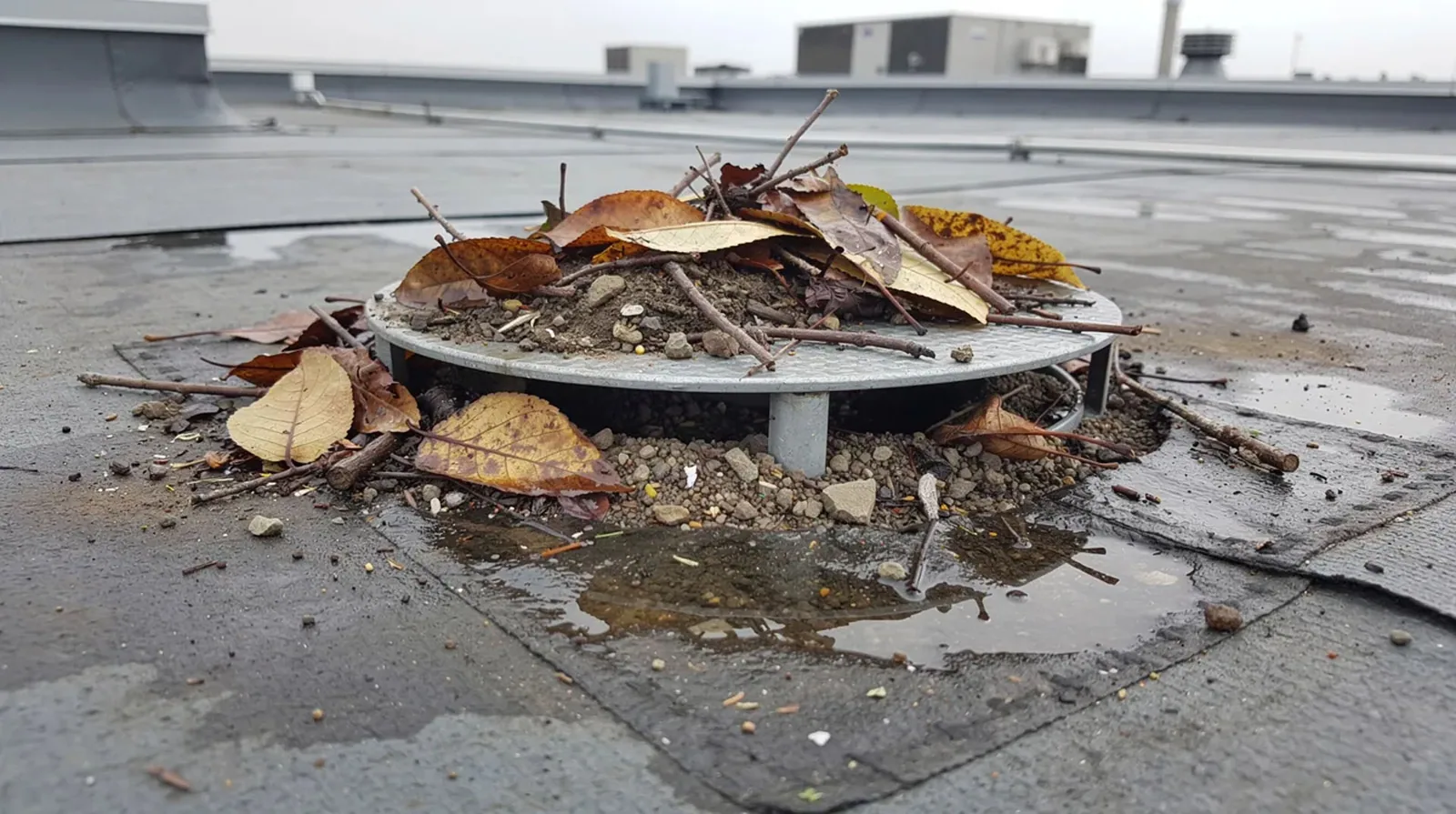
Roof drains, scuppers, gutters, HVAC curbs, vents, skylights, and parapet edges can all affect water entry. We inspect the detail tied to the reported condition and document the roof area it serves. A blocked outlet, a failed membrane connection, and a low spot require different follow-up. A drain or scupper repair can address a confirmed outlet defect; debris clearing is recorded separately.
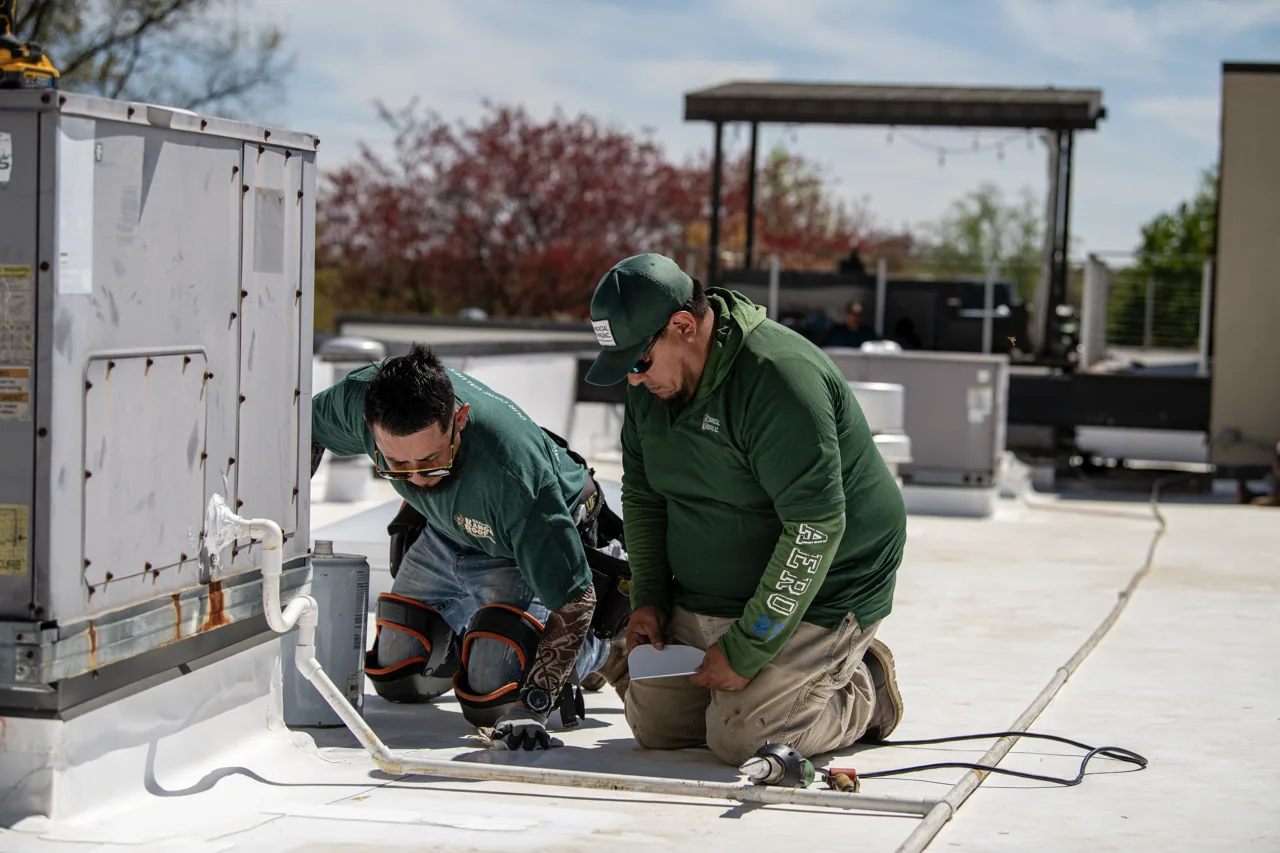
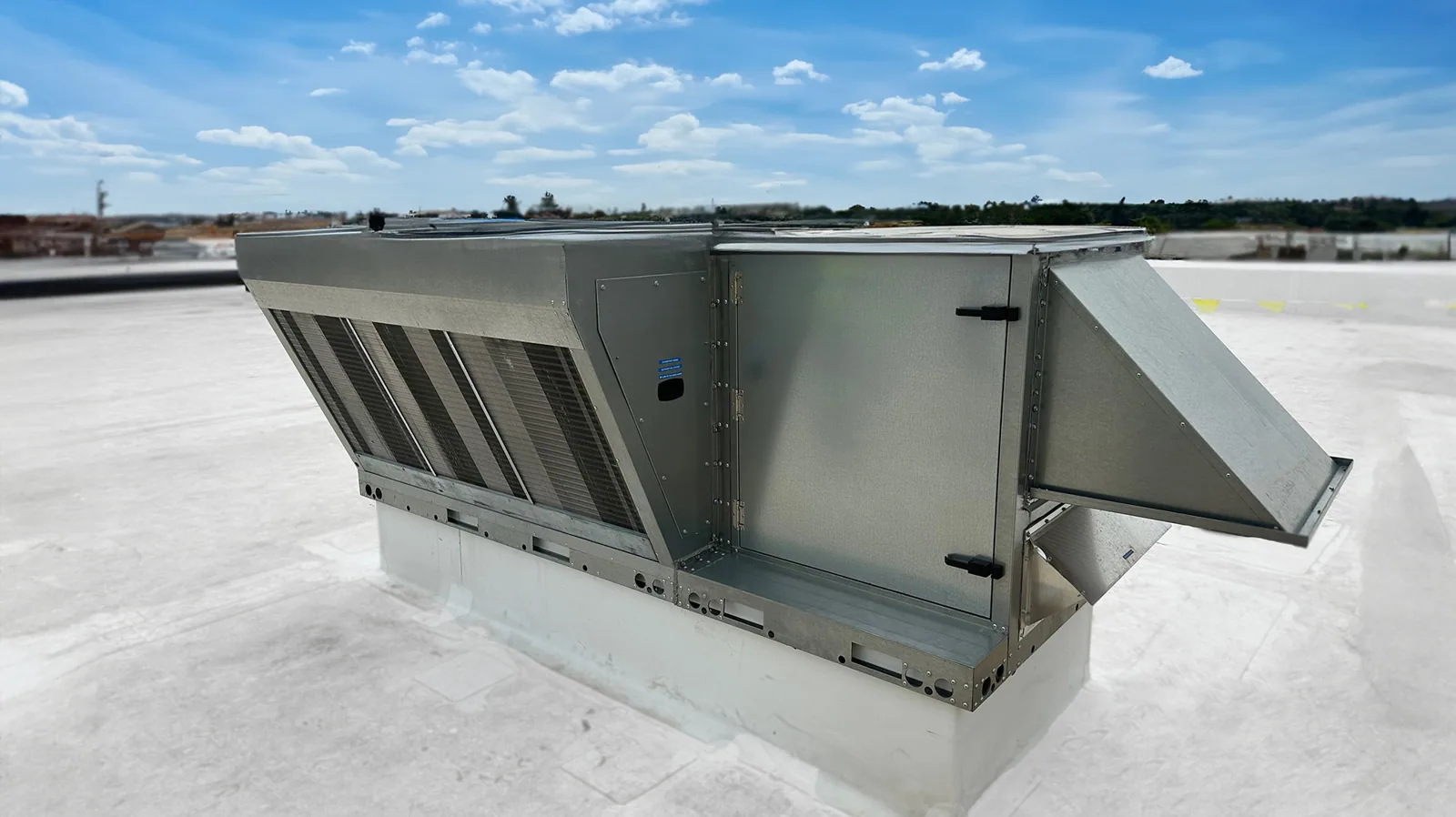
Equipment work can also disturb roof flashing. We look for separated curb corners, loose attachment, open seams, and unused penetrations left after a unit change. A curb and support repair can restore a roof transition after the system and base are identified. Mechanical contractors remain responsible for equipment service unless the district's written scope assigns that work.
Rock Hill's regular rainfall makes water control and weather-ready closure practical issues during any repair. At the roof edge, we check coping and metal attachment when included in the inspection zone. The district's roof plan can show which drains serve the inspected section and where access was restricted, helping staff prioritize future maintenance and schedule the next visit.
Prepare Repair and Renewal Options for Approval
When a defect is limited and the surrounding material is sound, a targeted repair may address it. Recurring seam failure, widespread moisture, or deteriorated attachment can support a broader comparison. We explain the evidence and unknowns behind the recommendation rather than making a roof-wide conclusion from one classroom report. A repair proposal identifies preparation, compatible materials, access, interior protection, and closeout.
A larger scope should list roof sections, membrane layers, insulation assumptions, penetrations, edge conditions, drainage, staging, and areas that must remain in service. Cost and duration depend on material, quantity of details, access, disposal, weather, and concealed conditions. If the work requires design or code review, the district can involve its architect and authority having jurisdiction. The roofing report provides field observations and scope limits, not a permit determination.
A public agency roof program may need formal procurement records, while a property management portfolio may focus on lease and tenant coordination. A school district has its own capital approval and calendar process. We can format findings by campus, roof zone, priority, and follow-up so the facilities team can prepare a clear request for decision.
Maintain a Useful Record Between School Years
After work, the district receives a record of inspected zones, repairs, materials, photos, tests, and access limitations. A campus map can help maintenance staff connect later leak reports or equipment work to the correct roof section. We mark open follow-up items separately from completed work so a repair at one building is not confused with district-wide coverage.
A maintenance visit can revisit accessible drains, seams, curbs, edges, and earlier repairs. The district can share annual calendar restrictions, access contacts, building plans, mechanical schedules, and past proposals to set the route. We note any part of the roof that needs escort, an interior appointment, or a separate test.
Knowledge Park links downtown Rock Hill and Winthrop University, while Fort Mill has its own public and commercial services. Recommendations for a school still follow its roof, records, and safety boundaries. Before another phase is scheduled, we identify the next step supported by field evidence at each campus.
Questions About School Districts
A break can offer scheduling flexibility, but access, weather, material preparation, and roof condition still determine the sequence. We define the work zones and secure each opening before leaving the site.
A portfolio visit can cover multiple schools when each building and roof zone is in scope. Findings are recorded by campus, and no condition is generalized to a building that was not inspected.
Provide the building and room, date, whether water is active, photos, recent equipment work, and roof plans if available. Also identify access rules and any room that cannot be entered during instruction.
We identify the rooms below the work zone and agree on covering and closure steps with the district contact. If concealed damage expands the repair, we document it and confirm the new boundary before continuing.
Coordinate a District Roofing Program
Share campus roof plans, leak history, project calendar, access restrictions, and budget priorities. We will document conditions by building and define repair, testing, or renewal options for facilities review.