Install or repair a PVC commercial roof in Rock Hill with welded seam checks, chemical compatibility review, flashing inspection, and drainage planning.
PVC roof seams are heat-welded, so a repair depends on a clean surface, suitable welding conditions, and a sound tie-in to the existing sheet. We inspect welds, flashing, attachment, and drain transitions before setting the repair boundary. Rock Hill's warm, humid Piedmont climate brings regular rainfall, making water movement part of the roof review. Commercial retail and business improvements continue along Dave Lyle Boulevard, while Legacy Park is planned for industrial employment. Neither location identifies a membrane or chemical exposure at an individual property. We confirm PVC at the building and ask how the roof is used before recommending a repair or replacement.
Inspect Welds and Sheet Transitions
We examine seams for open edges, weak welds, wrinkles, contamination, and prior patches that have separated. A probe can help locate a discontinuity along a tested seam, and continue along adjoining welds and T-joints to see whether the opening continues. At corners and T-joints, the sheet geometry creates transitions where a small opening can admit water beneath the field. We follow the defect far enough to identify a practical repair limit and note nearby welds that may need separate attention.
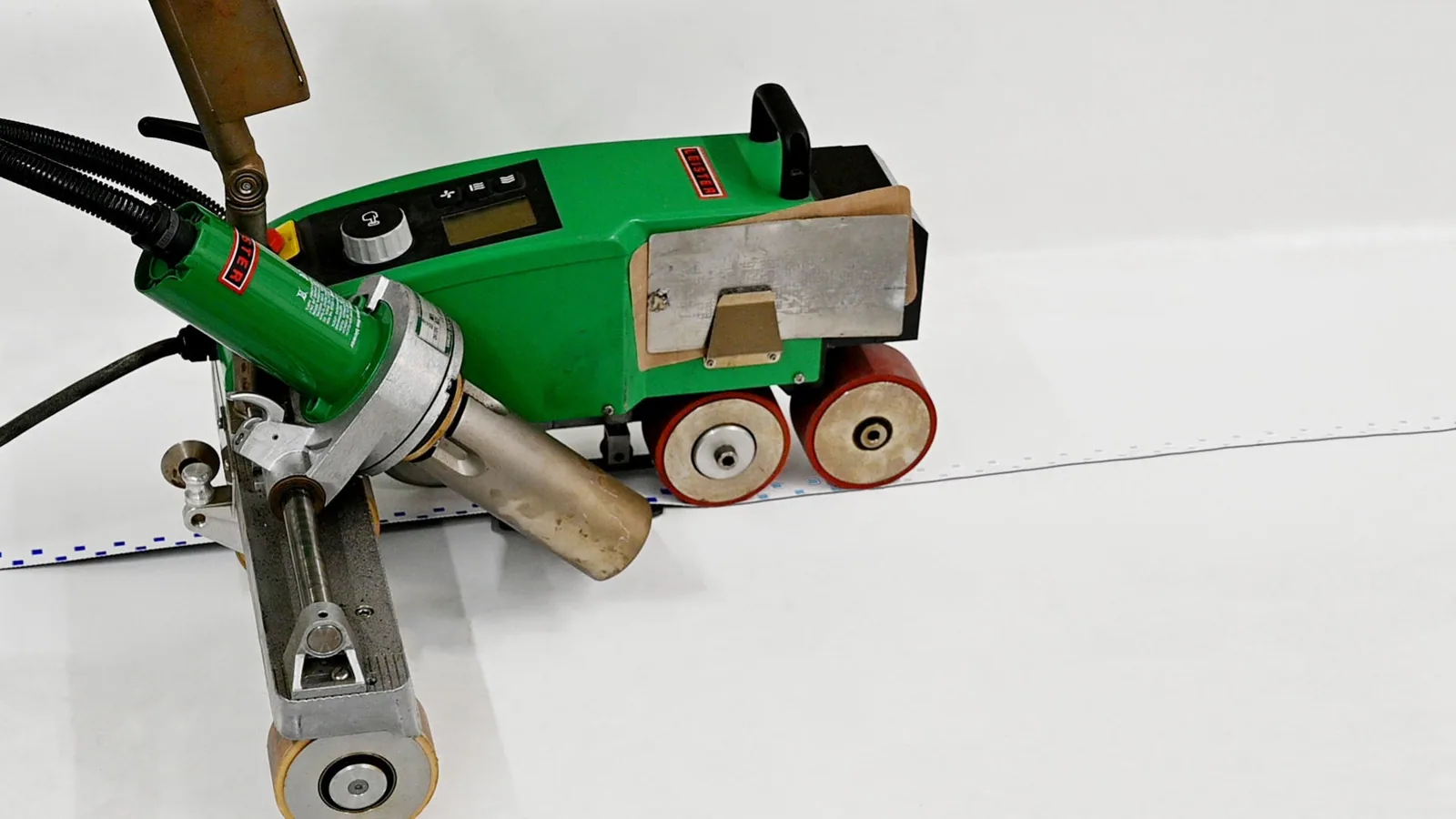
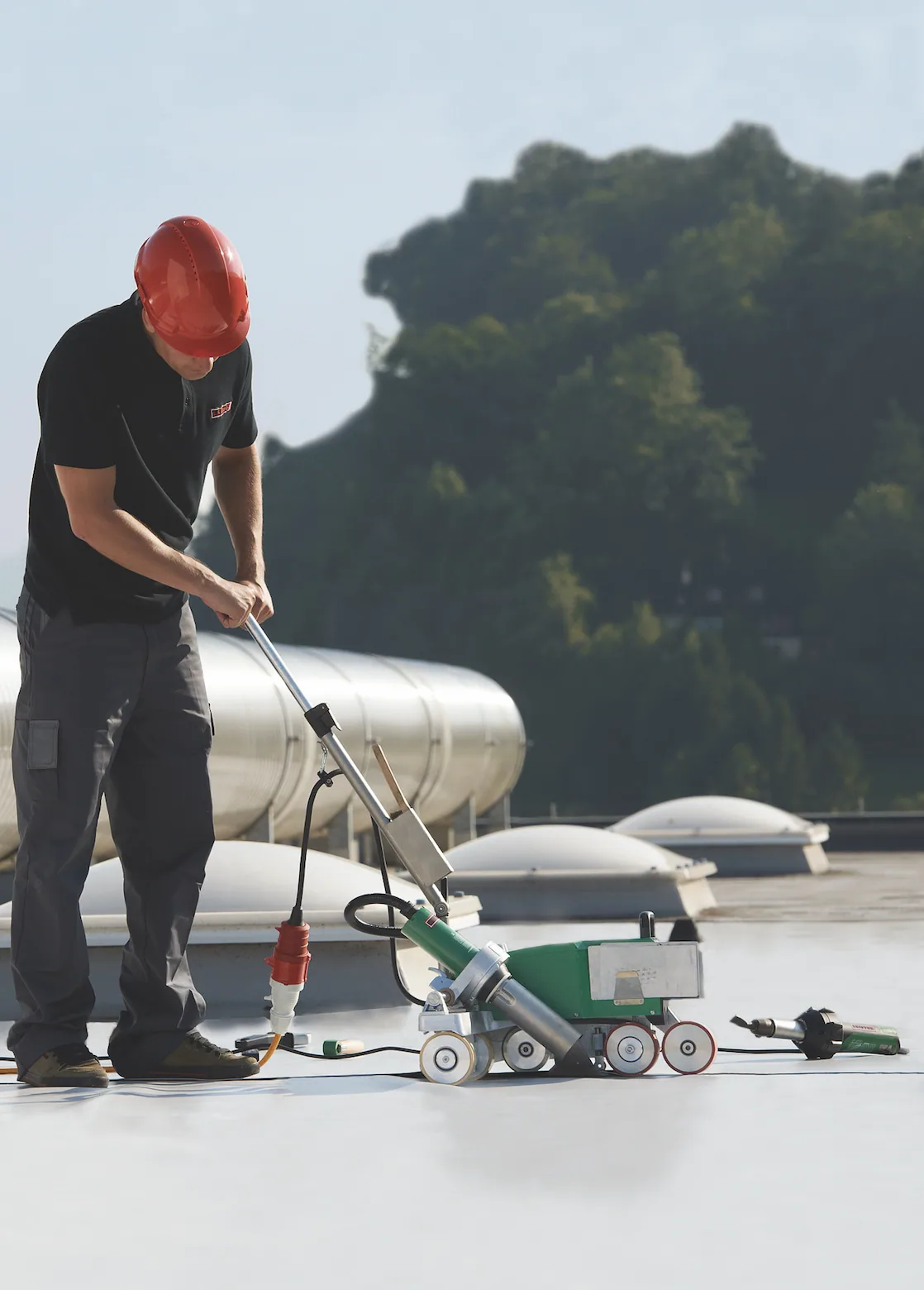
PVC welding requires clean, dry surfaces and a temperature suitable for the material. Dirt, moisture, surface aging, or a rushed repair can affect the bond. We prepare the approved area, weld compatible PVC, and check the completed edge after it cools. If the existing membrane has become brittle or layers cannot be identified, we record that uncertainty before choosing a repair. A field mark shows where the tested seam ends and which sections remain unexamined.
Review Exposure and Material Compatibility
PVC is used in roof systems where chemical resistance may be part of the selection, but the specific exposure and product formulation still matter. We ask whether exhaust, grease, oils, or other materials reach the roof and inspect affected areas for surface changes. Facility staff can identify exhaust, grease, oils, or other materials that reach the roof; we inspect those areas and compare the observed surface condition with the PVC product requirements.
At an existing PVC roof, repair materials and cleaners need to match the membrane and manufacturer instructions. An incompatible patch or coating can fail at the interface even if it appears to cover the opening. We identify the sheet and prior repair materials where possible, then choose a weld or detail suited to the assembly. For a different single-ply membrane, TPO roofing has its own material and seam requirements, while KEE membrane is a PVC alloy with separate product specifications. We do not substitute one material based on appearance alone.
Follow Flashing Around Roof Openings
At curbs, pipes, skylights, and parapets, the PVC membrane turns out of the field and joins other materials. We inspect the base flashing, corners, termination, attachment, and exposed sealant. A raised or loose edge can direct water beneath the sheet, while an unsealed curb corner may collect runoff. Reapplying sealant without checking the membrane and attachment can leave the actual opening in place.
Rock Hill receives regular rainfall in a warm season, so we check how each transition drains and whether water is held at its base. A roof opening may be above or beside the interior stain, so we compare the reported symptom with the visible water path. A leak investigation can trace the source when it is not clear. For equipment curbs, curb and support repair can coordinate flashing with the actual equipment base. We document which side, corner, or penetration was inspected and any inaccessible section.
Repair the PVC Assembly
A PVC repair begins with cleaning and preparing sound membrane around the defect. We remove loose material within the approved boundary, weld a compatible patch or flashing, and inspect the finished edge. A seam repair follows the failed weld rather than covering only the visible gap. At a penetration, the detail may require a prefabricated flashing or field-formed membrane, depending on geometry and access. If removal reveals wet insulation or a damaged deck, we pause and confirm the expanded work before closing the area. For a broader field, we keep each patch boundary tied to the sheet and note when old coating or dirt prevents a reliable weld. A second visit may be needed after the surface is cleaned and dry.
Weld quality depends on the existing sheet, surface cleanliness, and temperature during the work. We make a test weld when conditions or material age call for it, then check the finished seam after it cools. If a patch will meet an older repair or another material, we inspect that interface and record how it will be closed. The repair method should account for the adjacent membrane, not just the hole or cut that first drew attention. These checks can alter the work sequence when the surface needs additional preparation.
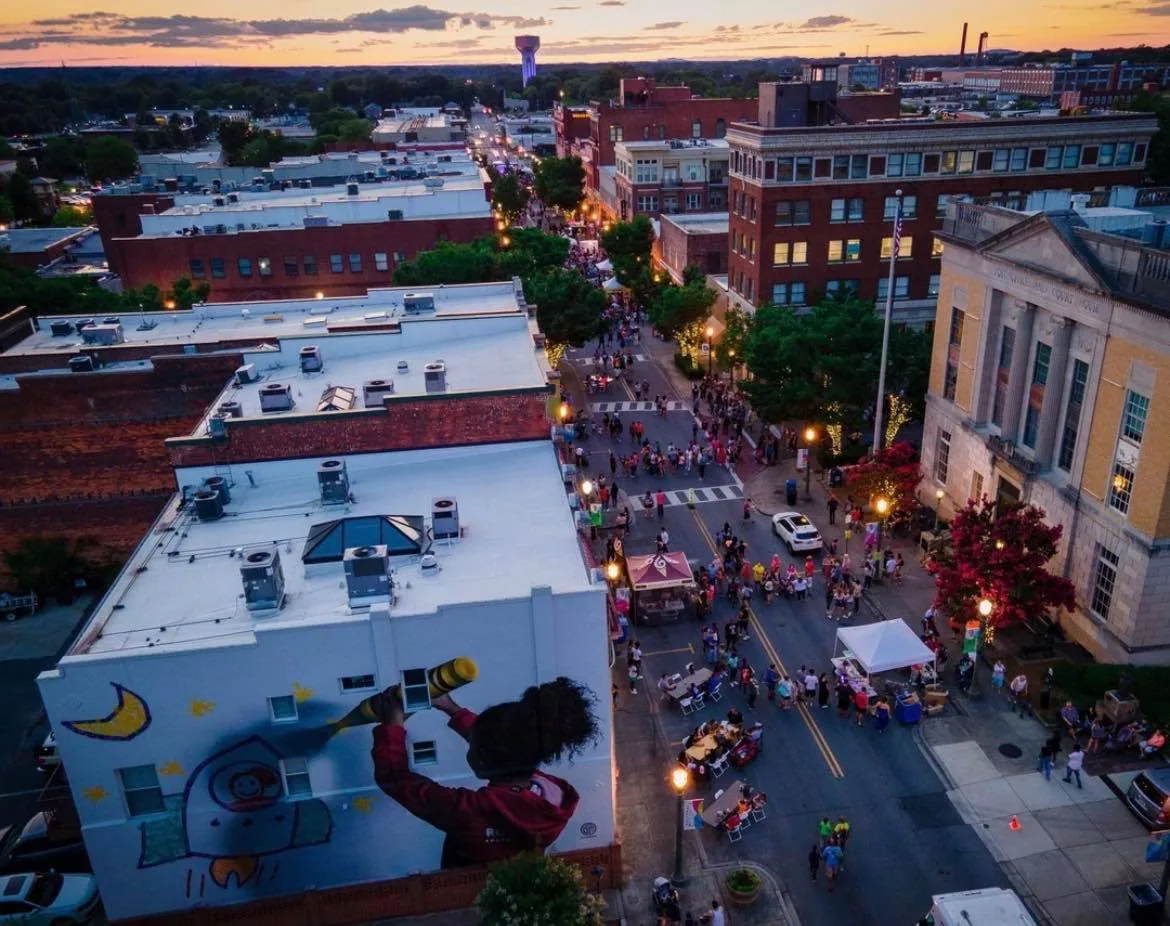
Rock Hill's commercial portfolio spans industrial parks, retail centers, institutional facilities, and mixed-use redevelopment. At the property, we confirm the roof system with the facility contact, then identify staging, equipment, and weather limits that shape the sequence. Repair length, detail complexity, material compatibility, and access all affect cost and timing. A broader commercial roof repair scope may be needed when several PVC zones show failure. If the sheet or attachment is no longer serviceable, replacement planning can define the full assembly boundary.
Document Condition and Future Checks
We record the PVC sheet, welds, flashing, attachment, repairs, and drainage conditions inspected. Photos identify the roof zone and show the completed patch or transition. The report states which areas were tested, which were not accessible, and any material question that remains open. That boundary matters when a facility compares later leakage or checks whether an earlier repair changed the condition.
For roofs near Dave Lyle Boulevard's active commercial corridor or Legacy Park's employment area, the actual maintenance route follows the building and its equipment, not a market label. Share prior repair records, leak history, roof plans, and access requirements before a visit. A preventive maintenance visit can include accessible PVC seams, penetrations, drains, and edge details. The inspection notes visible conditions on the visit date; concealed layers require a separate test before they can be evaluated. If repeated defects appear, we can compare localized repairs with recover or replacement options using the documented roof zones. The owner can retain that record for later checks.
Questions About PVC Commercial Roofing
We inspect the weld visually and may probe a section to locate an open edge. A test applies to the line checked, not every seam on the roof. We mark any weak area and set the repair limit after checking nearby transitions.
PVC can be selected for certain exposure conditions, but compatibility depends on the actual material, concentration, contact, and product specification. We ask what reaches the surface and inspect the roof before recommending a system. We do not infer chemical exposure from a building's industry.
A patch needs to be compatible with the existing membrane and attached with the correct method. PVC and TPO are different materials, so we identify the roof before repairing it. If the membrane cannot be confirmed, the scope may need testing or further documentation.
Widespread brittleness, recurring seam failures, wet insulation, or attachment problems can make isolated patches unsuitable. We inspect affected roof zones and identify which evidence supports repair, recover, or replacement. Concealed conditions remain outside the conclusion unless they were tested.
Check a PVC Roof Detail
Share the existing roof system if known, leak areas, prior repairs, possible surface exposures, and access limits. We will inspect welds and transitions, then document a repair or renewal scope based on the conditions found.