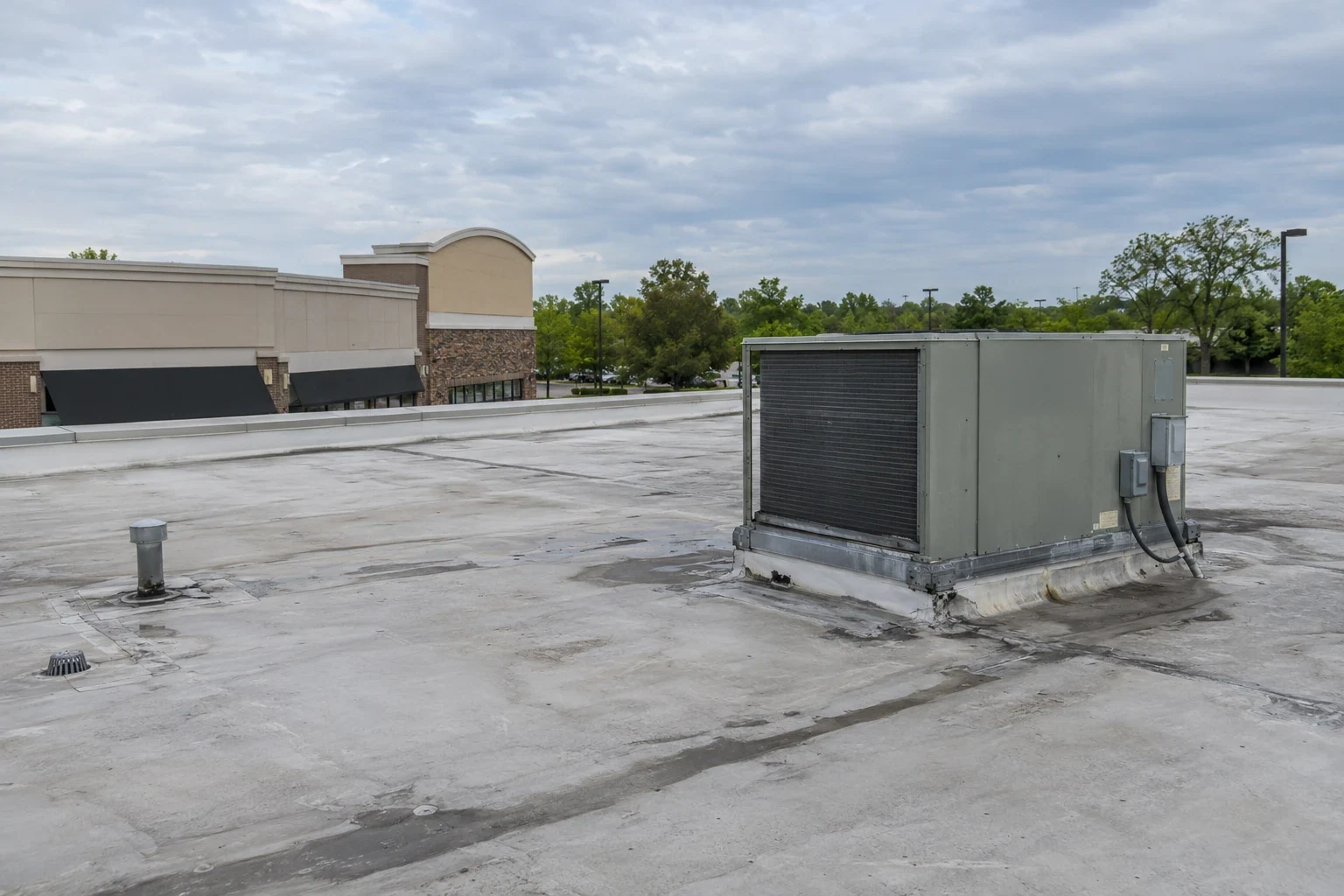
Plan data-center roof inspections and repairs in Rock Hill with controlled access, equipment-curb details, drainage, and protection for active operations.
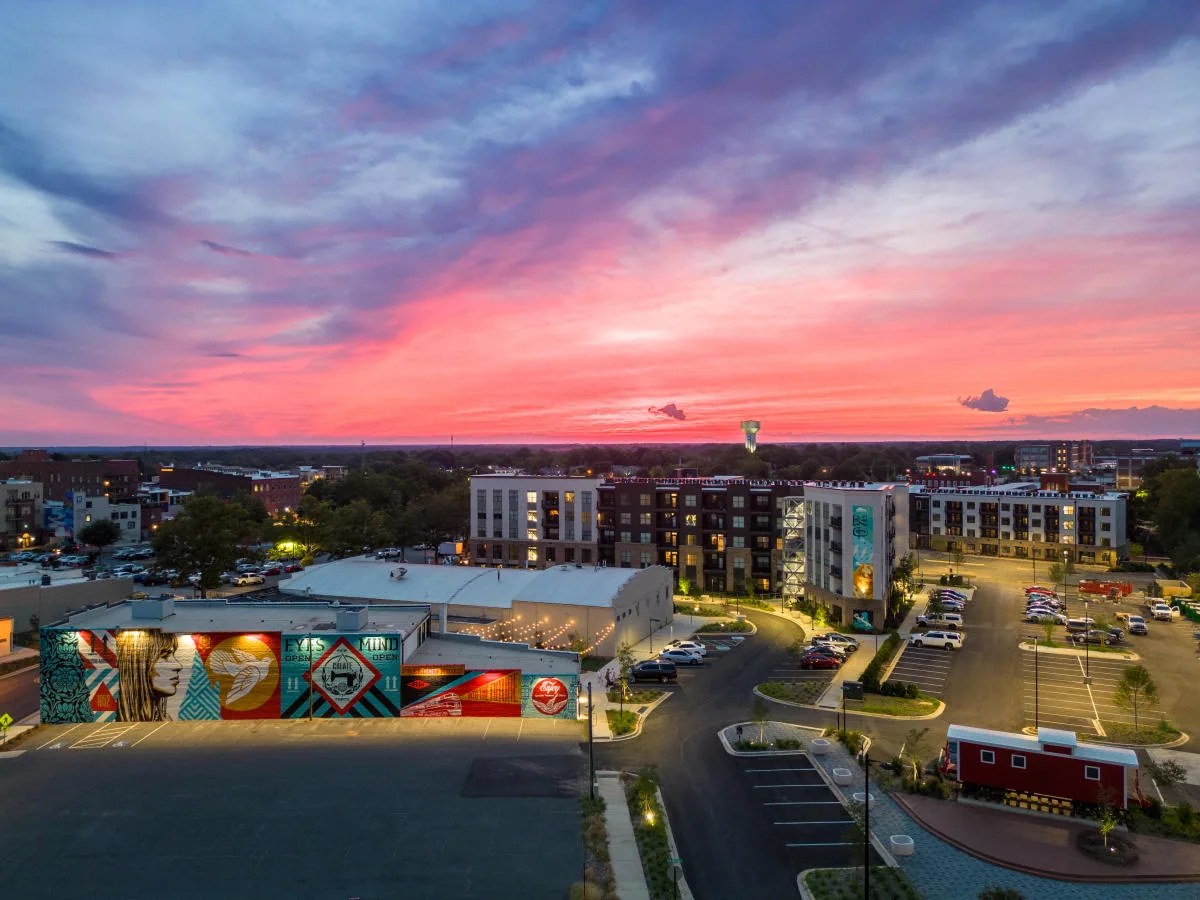
A data-center roof repair has to protect the building while keeping sensitive operations and access controls intact. We begin with the reported condition, the roof plan, and the areas the facility allows us to reach. TechPark is one of Rock Hill's industrial parks, and the city's employment mix includes technology and entrepreneurship. Knowledge Park runs between the downtown core and Winthrop University, with a developing roster of technology and creative firms. Technology districts provide a wider business context; each data center's roof and access conditions need direct review. We inspect the actual roof and coordinate access near TechPark or Knowledge Park.
Set the Inspection Boundary
Before entering the roof, we confirm check-in, escort, roof hatch, restricted zones, and any work that cannot be interrupted. The facility contact can identify sensitive equipment rooms, cooling areas, security requirements, and approved routes. We keep photos and notes tied to the authorized inspection boundary. If part of the roof is inaccessible, the record says so rather than extending the finding across an unseen section.
A leak report above a critical room needs careful tracing. We compare the interior symptom with roof drains, seams, equipment curbs, conduit penetrations, and perimeter details. Water can travel through the deck or insulation before entering the room below, so the closest roof detail may not be the source. A leak investigation can define which paths were tested and what remains a possibility.
Where available plans do not identify the membrane or attachment, we check visible edges and existing repairs first. A test opening or other investigation is proposed only with a specific location and closure method. The facility can review that boundary before any layer is exposed. No single opening establishes the condition of every roof zone.
Inspect Cooling and Penetration Details
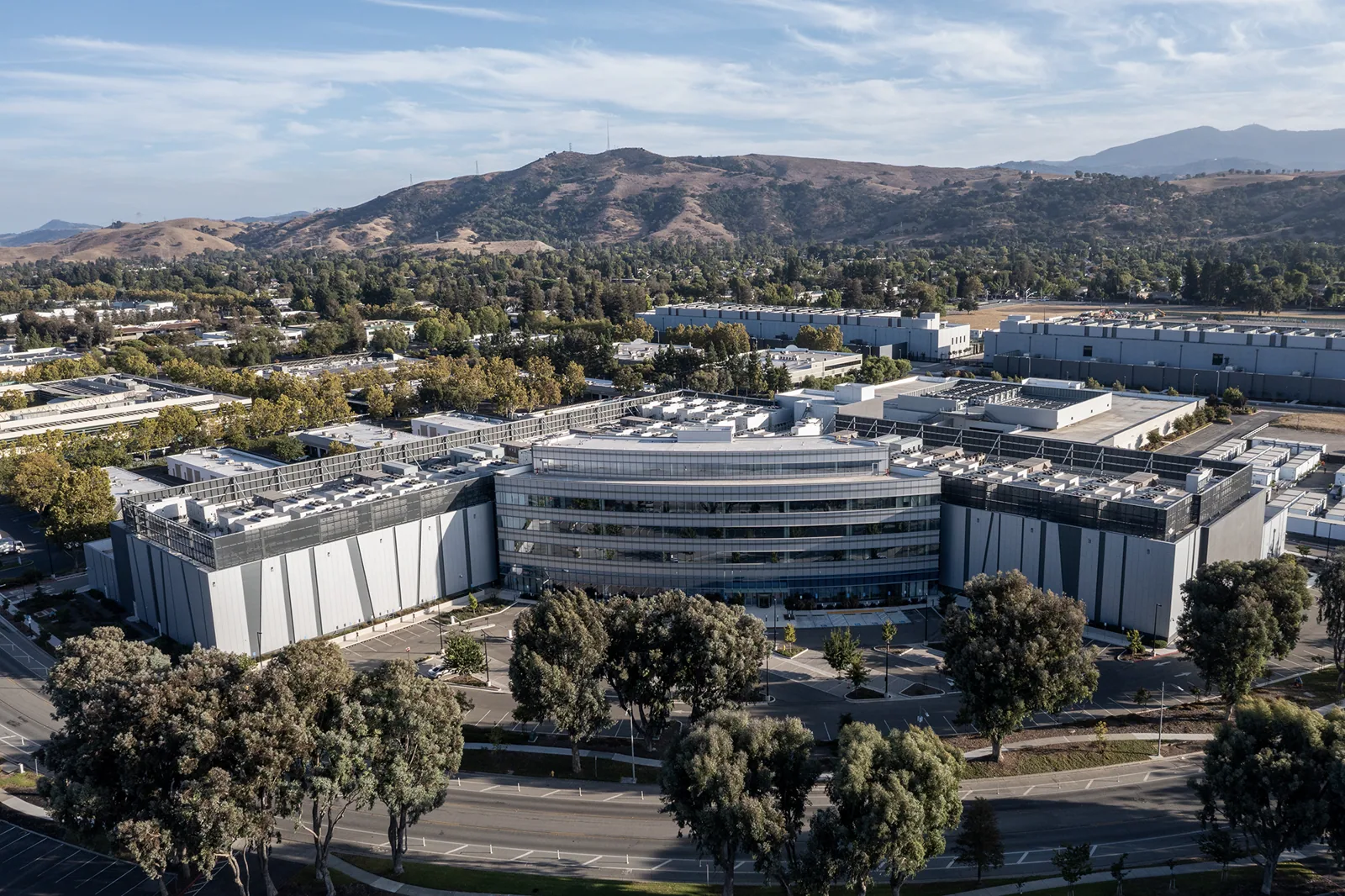
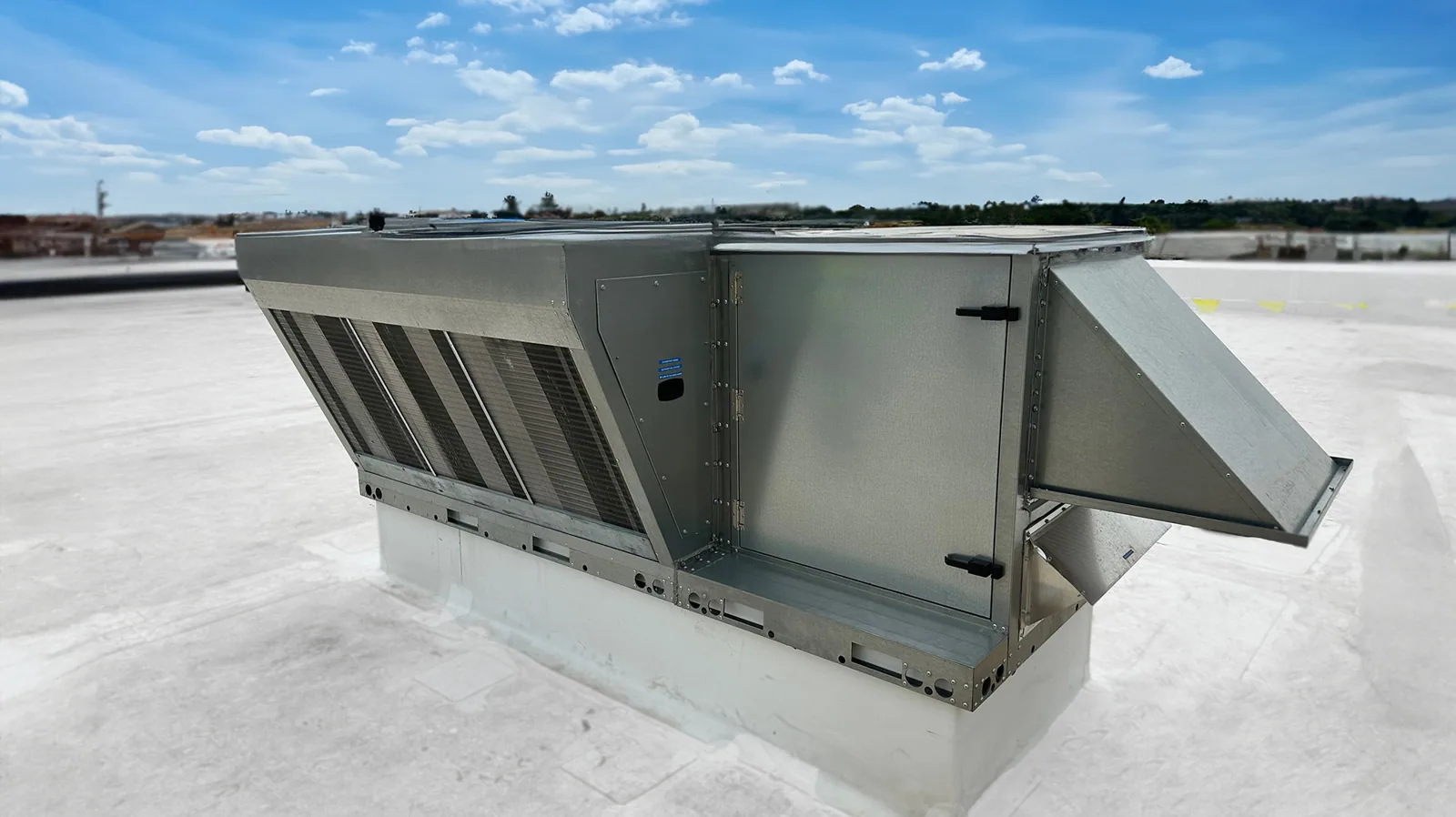
Cooling equipment, electrical conduit, piping, and support frames create multiple roof transitions. We inspect curb flashing, fasteners, seams, counterflashing, and any abandoned penetrations for openings or movement. Equipment service can disturb a membrane or leave a detail that no longer matches the roof. We distinguish roofing conditions from mechanical work and identify where coordination with the equipment provider is needed.
A curb's exterior seal may look intact while attachment or flashing below it has separated. We check the base and surrounding roof, then document the connection rather than treating sealant as the entire detail. A curb and support scope can coordinate the base with membrane work. Insulation or cover board may need repair if removal exposes damaged layers.
Rock Hill's summer heat and humidity place the roof in a warm Piedmont climate with regular rain. Heat, humidity, and regular rain make surface and drainage checks useful after an event, with findings tied to the roof inspected. We inspect the actual seams and flashings after a reported event and preserve any service restrictions during the process.
Check Drainage Without Disrupting Service
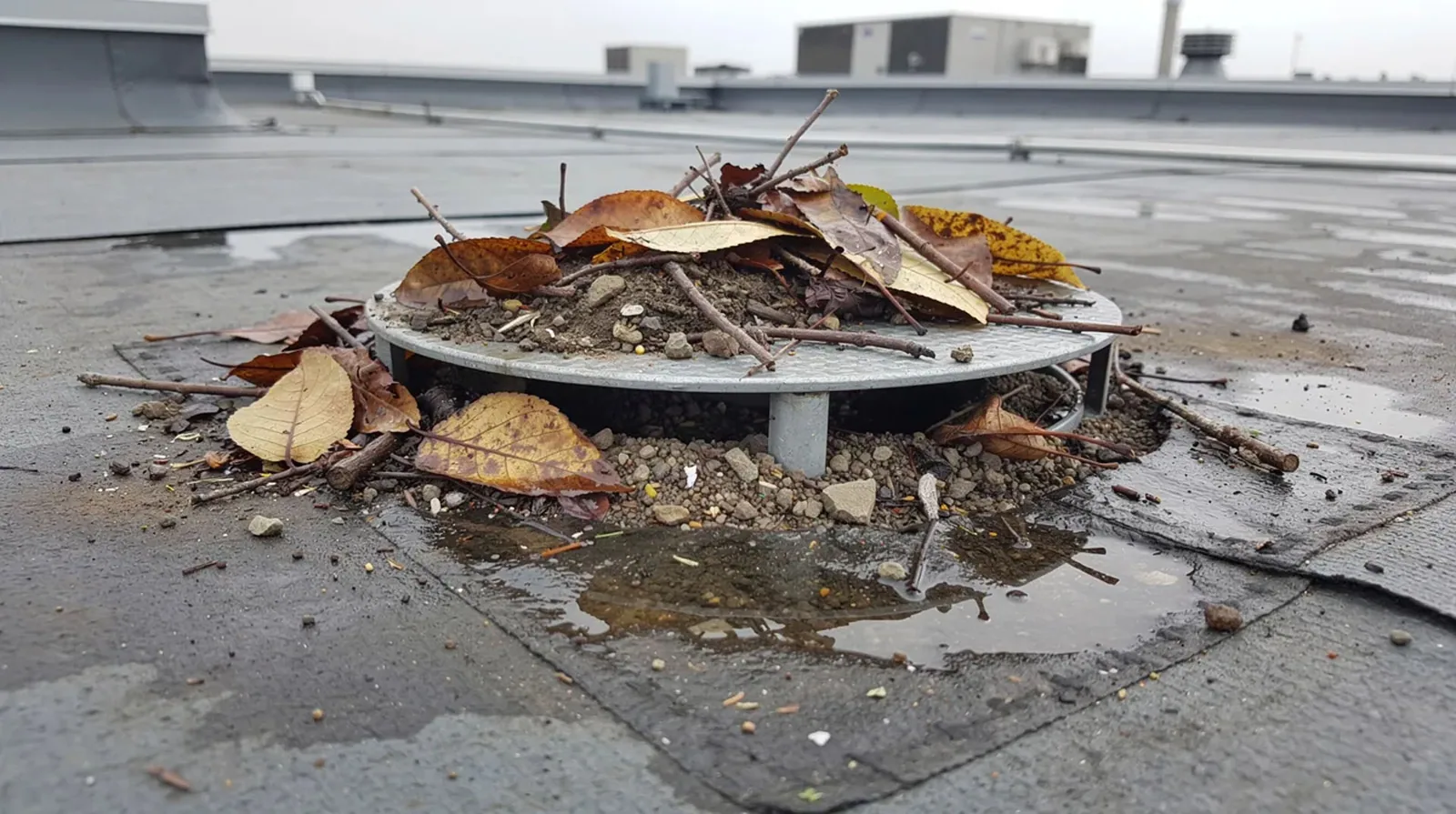
Roof drains and overflow paths need to remain open, but work around them may be subject to equipment and security limits. We inspect the bowl, surrounding membrane, visible discharge line, and nearby low area for obstruction or separation. A blocked opening, damaged connection, and a slope issue are different findings. The repair scope states what can be cleared, what requires repair, and what needs further assessment.
Rock Hill receives regular rainfall, and the roof's route to its discharge point matters even when no interior leak is active. We document standing water or overflow marks by zone and distinguish an observation from a confirmed cause. A drain and scupper repair can address the outlet connection; the facility contact can coordinate any access restrictions around discharge equipment or protected areas.
Wind can stress edge metal, corners, and mechanically attached details. York County has recorded tornado activity; local hail and wind observations are incomplete and localized. That regional history supports a property-specific inspection after a reported event, not a conclusion about a particular roof. We note loose metal, punctures, open seams, or displaced flashing where observed and keep the finding within the checked area.
Repair With Operational Controls
A repair over sensitive equipment may require temporary interior protection, controlled material handling, and a defined work window. We coordinate how the roof will be opened, protected from weather, and closed before work moves to another zone. If conditions are not suitable for a complete repair, we explain what temporary measure is possible and what remains exposed. The scope should identify the materials, sequence, and access needed to finish the work.
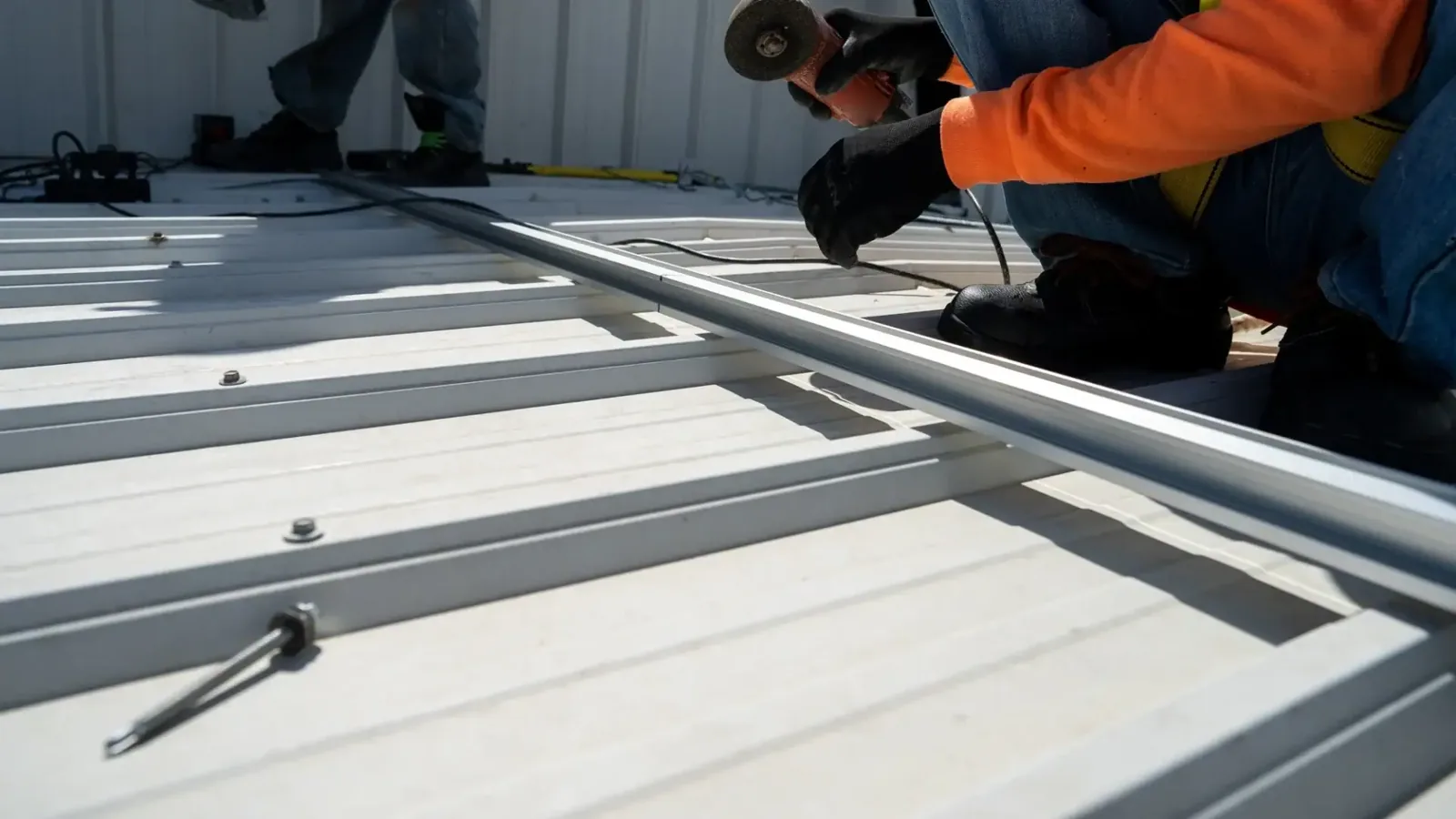
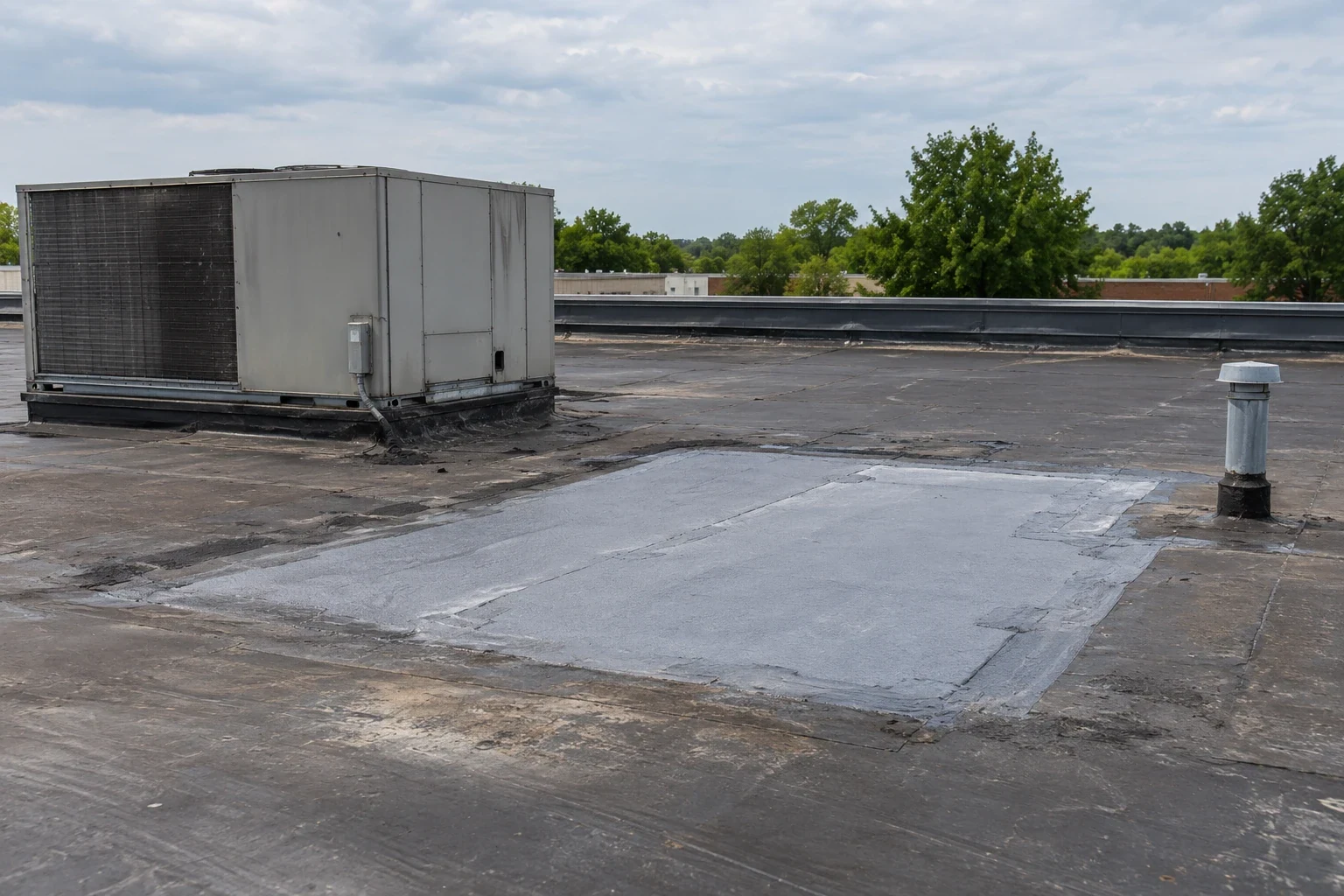
We select a compatible repair after confirming the membrane. A single-ply weld, adhered sheet patch, bitumen detail, or metal repair has different surface preparation and inspection steps. If a removal exposes wet insulation or a weak deck, we document the location and stop at the approved limit while the owner reviews added work. Cost and timing depend on materials, test requirements, access, protection, and the number of transitions involved.
A commercial repair plan can group connected deficiencies. If broader deterioration or recurring moisture makes localized work unreliable, replacement may need evaluation. Work sequencing can coordinate staging and interior protections. A commercial office roof and a manufacturing building may have different equipment and access patterns, but the actual assembly sets the repair detail.
Document Changes and Follow-Up
We provide a concise record of tested areas, completed repairs, open questions, and access limits. Photos identify roof zones, penetrations, drain connections, and edges included in the work. For a facility team managing change control, that location record can connect a roof repair to later equipment service or leak observations. It does not declare untested layers or restricted spaces sound.
A preventive maintenance visit can revisit accessible membrane, drains, and curb details according to the facility's access plan. Share roof plans, prior reports, equipment work, and active restrictions before that visit. We will set the route around the current condition and coordinate any inspection area that requires an escort or approval. When equipment is moved or upgraded, compare the new penetration layout with the roof record and note whether flashing was disturbed.
Rock Hill's business parks and technology districts include varied commercial uses. Our findings stay tied to the roof observed. If several zones need review, we list them separately so the facility can prioritize work without treating the full roof as one confirmed condition.
Questions About Data Center Roofing
Yes. We coordinate check-in, escorts, approved routes, and areas that cannot be photographed or entered with the facility contact. The report states where access stopped. Conditions outside that boundary remain unverified unless a separate inspection is arranged.
Curbs, conduit, piping, support frames, and service penetrations interrupt the roof field. We inspect flashing, attachment, seams, and abandoned openings at each detail. The exact repair depends on the membrane and the equipment base we find.
Not necessarily, but access and discharge controls need review first. We identify whether the issue is debris, a damaged tie-in, or a broader slope concern, then coordinate the work zone. The facility determines any restricted access or operations window.
We record the exposed condition, protect the opening, and define the additional area before proceeding beyond the approved scope. Wet insulation or a damaged deck may require a different sequence. The facility reviews the finding and authorizes the next step.
Plan a Data-Center Roof Inspection
Share the reported condition, roof plans, access and photo rules, equipment schedule, prior repairs, and restricted areas. We will define the inspection boundary, coordinate the route, and document a repair scope tied to verified roof conditions.