
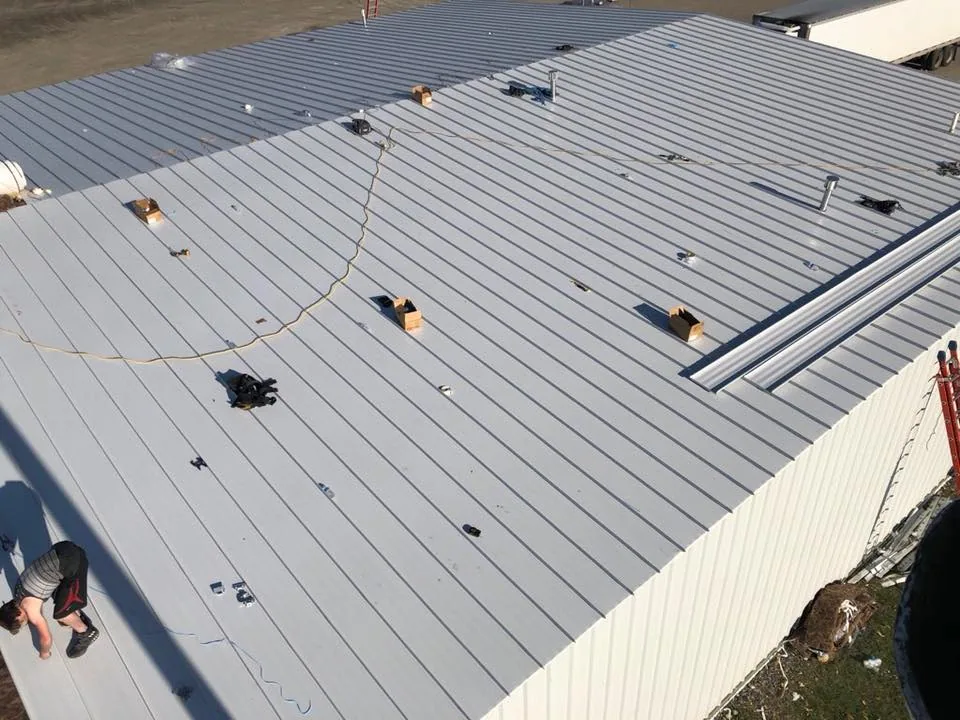
Get a hands-on commercial roof inspection in Rock Hill with photos, condition findings, access limits, and repair priorities tied to roof zones.
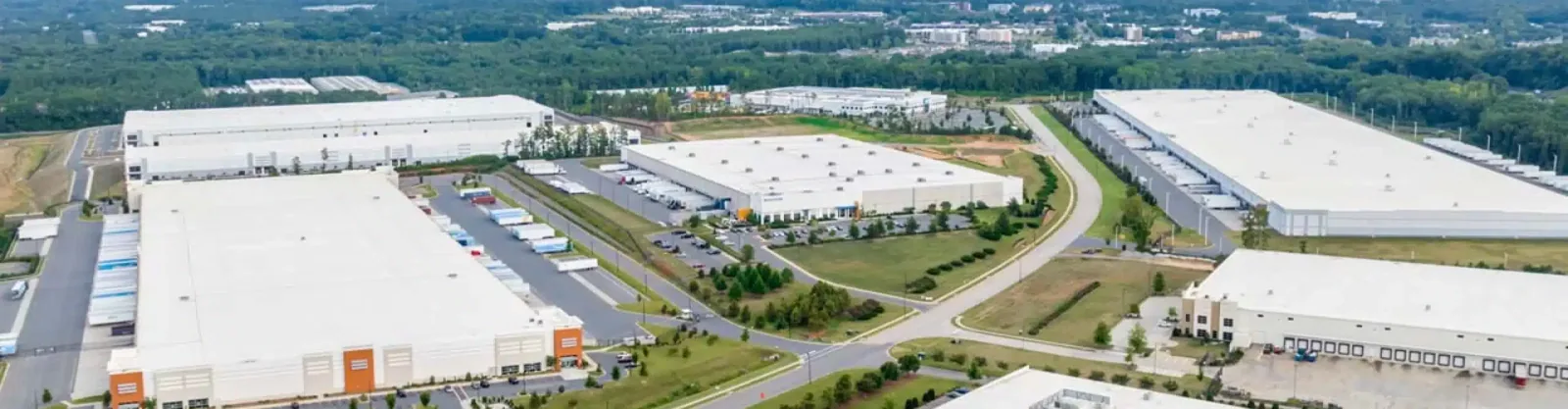
A roof inspection is useful when it answers a building question: where water may enter, which detail needs attention, or what can wait for the next maintenance cycle. We walk accessible roof areas, identify the assembly where it can be confirmed, and record findings by zone. A hands-on review checks visible membrane or panel conditions, seams, flashings, edge metal, drains, curbs, and rooftop equipment. We note the test performed and any area that could not be reached. In Rock Hill, commercial properties range from manufacturing and distribution buildings to retail, campus, and mixed-use sites. The inspection method has to fit the roof and the facility's access plan. Near Legacy Business Park or Riverwalk Business Park can use the resulting record to connect roof observations with their maintenance decisions.
Set the Inspection Boundary
Before walking the roof, we confirm the property contact, access route, known hazards, and reason for the visit. A leak investigation may focus on a reported water path, while a routine condition review may sample broader roof zones. We identify whether access requires escort, safety equipment, or coordination around operating machinery. If weather or surface conditions make an area unsafe, we note that boundary rather than treating it as inspected.
The facility contact can share previous repair records, roof drawings, warranty information, and recurring interior symptoms. These materials help orient the visit. A roof plan or old project record may describe a previous assembly; later work could have changed it. We compare the documents with visible transitions and identify layers that need an opening before they can be confirmed. The written scope says which sections were walked, which were viewed from a safe point, and which were outside the agreed inspection. The report separates walked sections, safe views, and areas that need a later visit.
Walk the Roof Zones
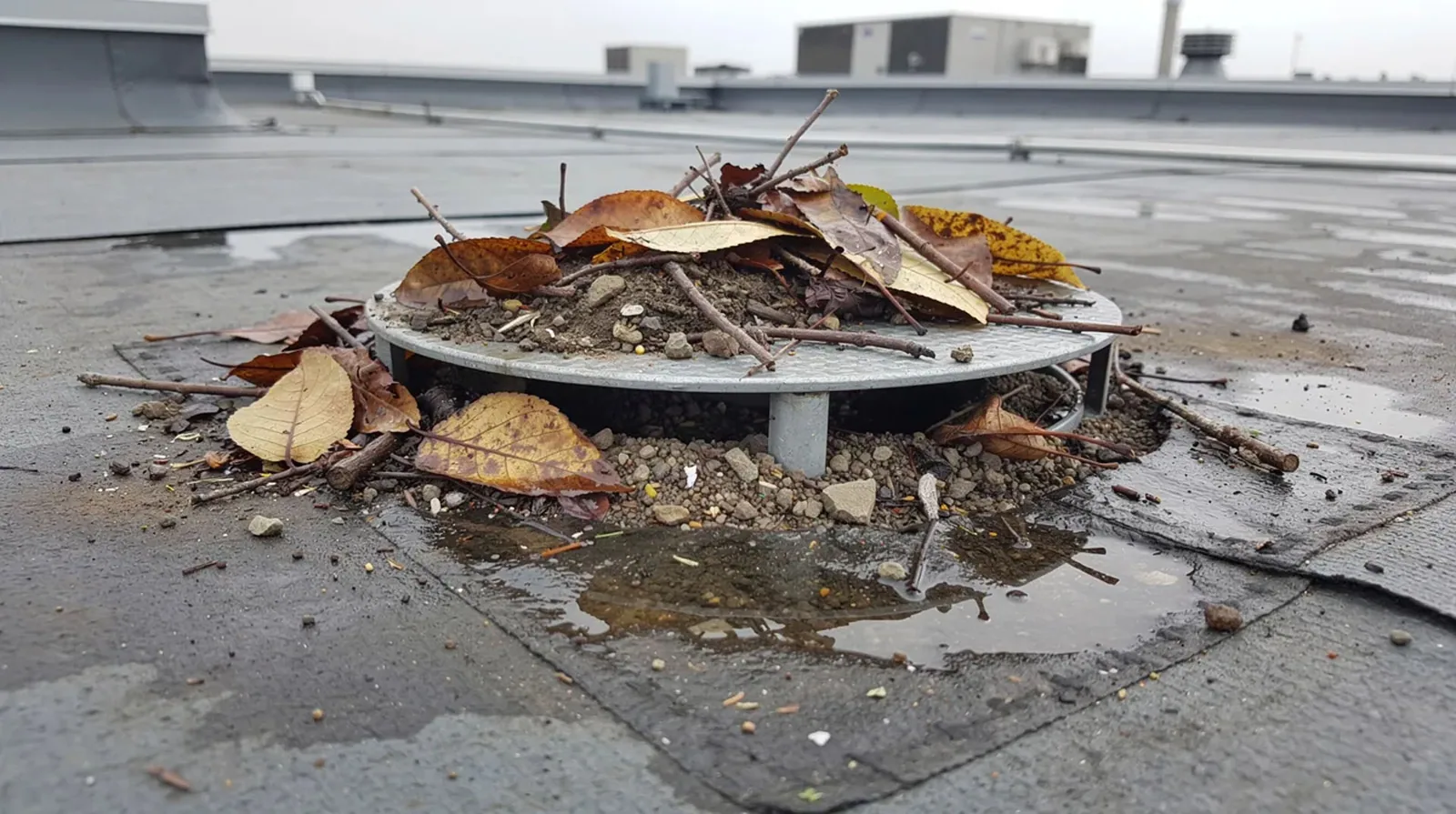
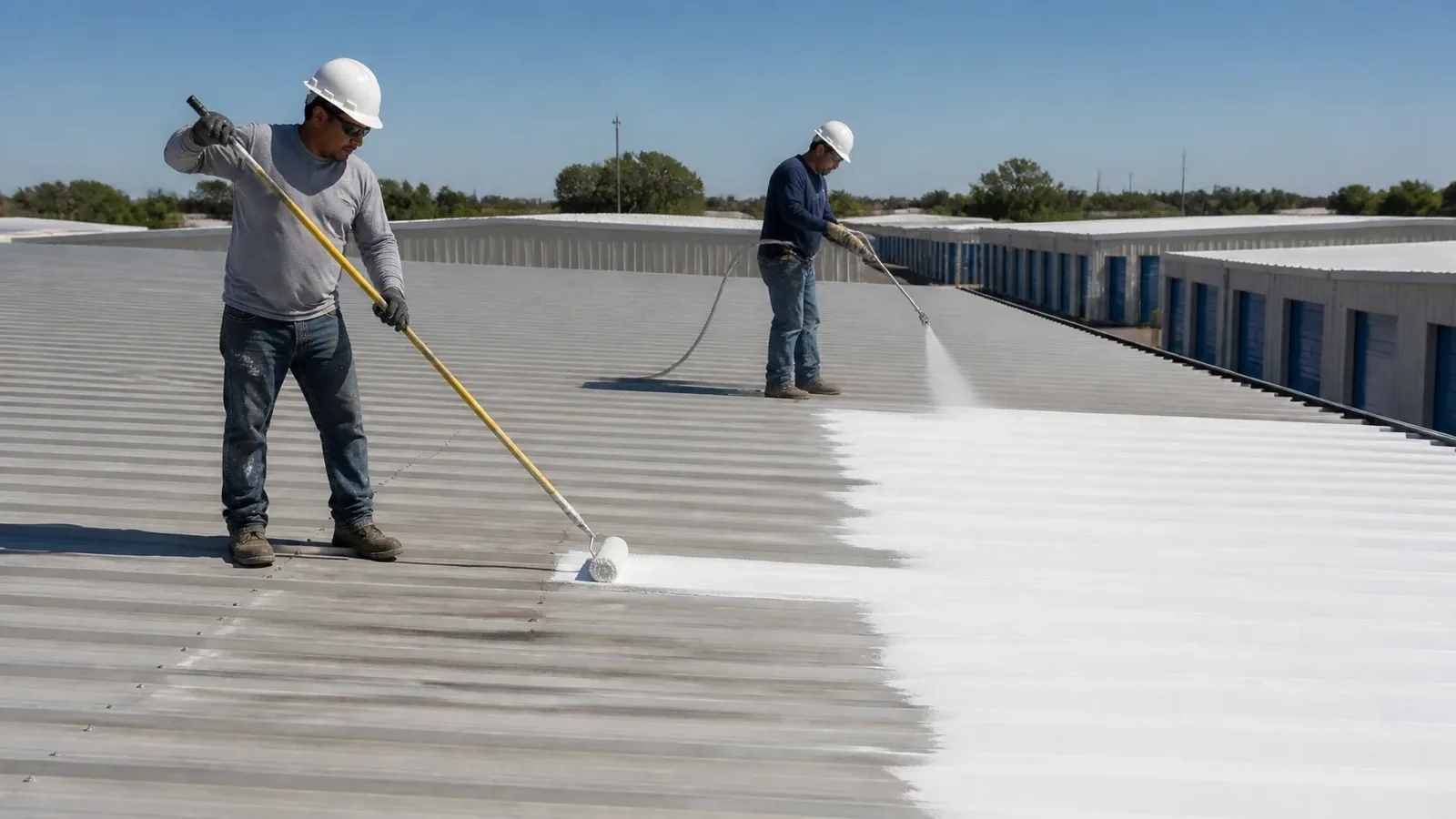
During the walk, we examine representative details across the agreed boundary. On a membrane roof, that may include seams, patches, penetrations, flashing turns, and terminations. On metal, we look at panel laps, fasteners, closures, and transitions. At roof edges and parapets, we check visible attachment and exposed conditions. Around mechanical units, we review curbs, pipe penetrations, and nearby membrane. At drains and scuppers, we check the bowl, tie-in, debris, and discharge path. The inspection follows the physical detail instead of using one checklist as proof that every roof behaves the same way.
Rock Hill's humid Piedmont climate brings regular rainfall and a long warm season. Water management details therefore matter during inspection. We look for ponding evidence, blocked drainage, open transitions, blistering, punctures, corrosion, or movement and record what is visible. If a stain or soft area needs a closer look, we can recommend targeted testing or a repair investigation. A separate roof drain and scupper review may be appropriate when drainage details are the main concern. Findings are tagged by roof zone so another visit can return to the same location.
Use Tests to Answer Specific Questions
Visual inspection is the starting point, but some questions require a focused check. We may probe a membrane seam, inspect a weld, review an exposed fastener, or discuss a test opening when surface conditions leave a material question unanswered. Testing is selected to answer a defined question and performed only within the agreed scope and site conditions. A single reading or opening represents that location; it does not show the condition of the entire roof.
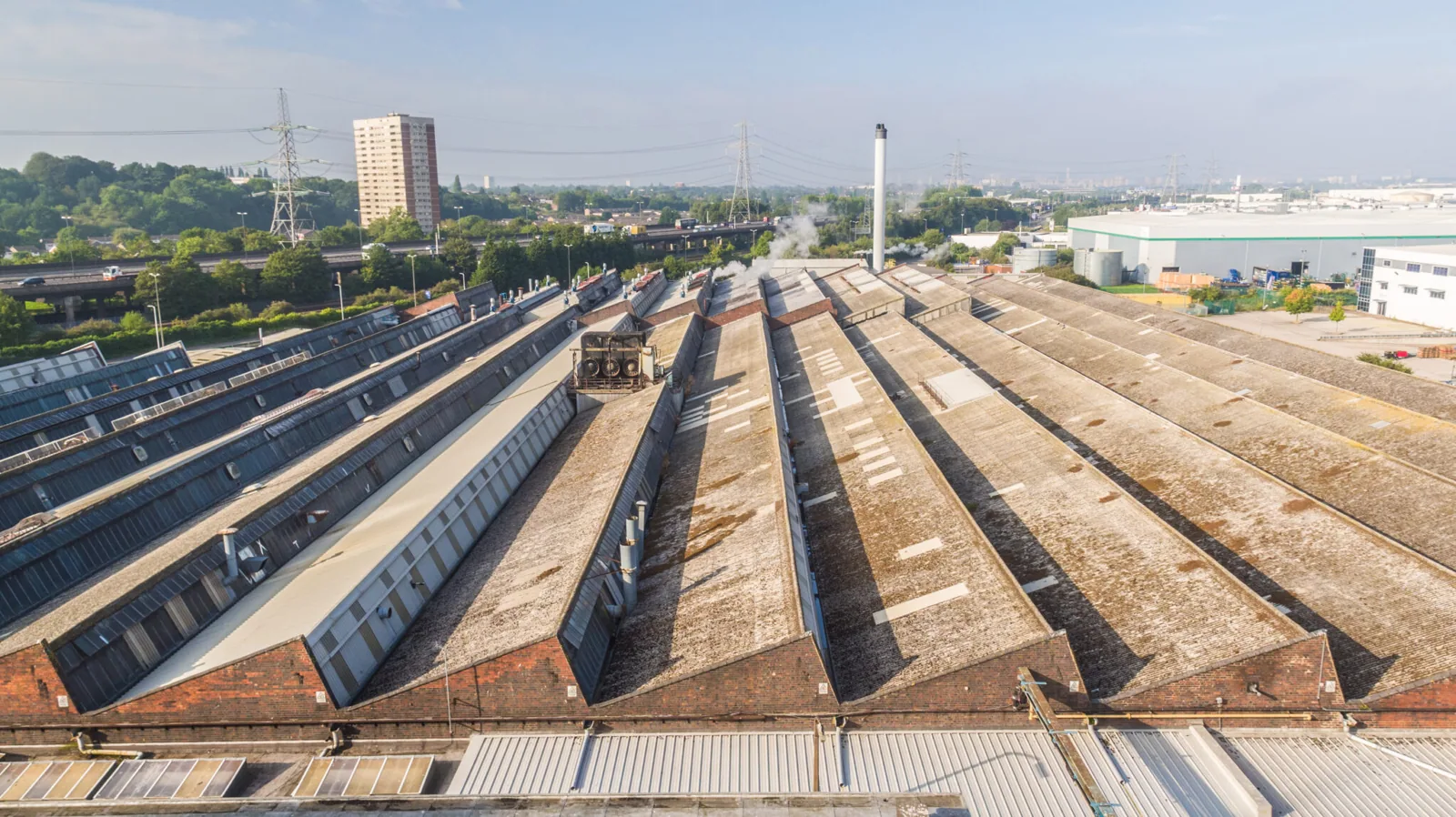
Moisture concerns can call for additional methods, including infrared screening when roof conditions support useful thermal comparison or a core cut to inspect layers directly. Each method has limits. Surface temperature, recent rain, insulation type, and roof construction affect what a result can show. We explain the proposed method, location, and decision it may inform before proceeding. For larger roofs or areas that are difficult to reach, drone roof imaging can provide a visual overview, though it does not replace close inspection of seams and flashings. An infrared moisture survey is a separate diagnostic scope rather than an automatic part of every roof walk.
Translate Observations into Findings
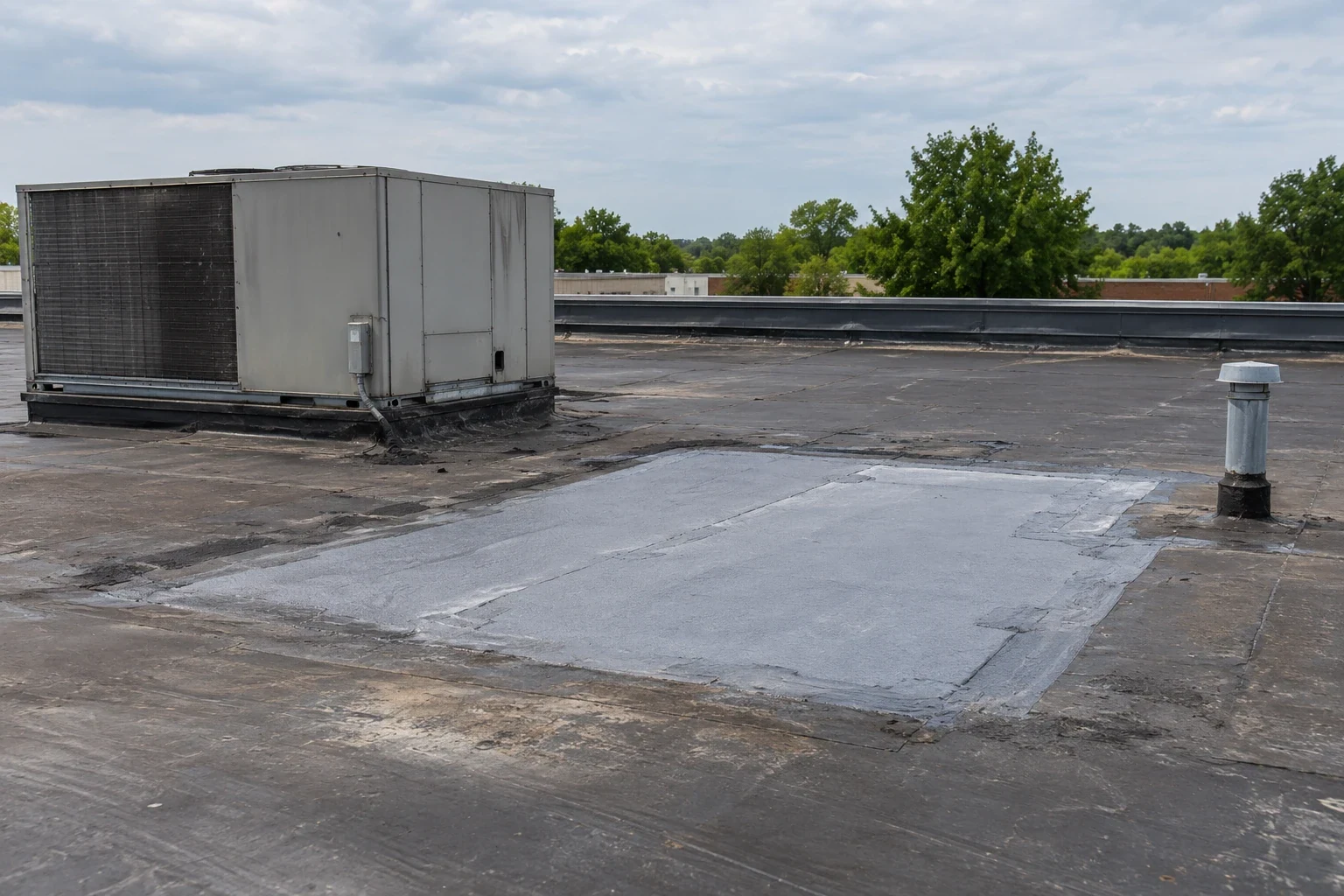
The report separates observed conditions from interpretation and recommended next steps. Each entry names a roof zone, describes the physical evidence, and includes a photograph when it helps locate the detail. We can group findings as active water entry, repair candidate, maintenance item, or monitor condition when the evidence supports that label. If a cause is uncertain, the report says what remains unknown and what test or access would help resolve it.
South Carolina's 2021 International Building Code with state modifications is in effect. Inspection notes help owners organize roof work. Design, structural, permitting, and code-compliance questions belong with the appropriate design professional and permitting authority; our report identifies roof conditions observed during the visit. In a diverse market that includes Rock Hill's business parks, downtown redevelopment, and institutional sites, a clearly bounded record gives each facility a practical starting point without assuming common construction details.
When we identify a repair candidate, commercial roof repair can define the work boundary and compatible method. If the findings point to broader renewal, an assessment for commercial roof replacement can compare the condition evidence with the owner's project priorities.
A marked photograph should show enough surrounding material to orient the next person, not just a close-up of a crack. We connect the detail to its drain, curb, parapet, or roof-zone label and state whether it was viewed, probed, or opened. That makes a future comparison useful even when a different facility contact receives the report.
Plan the Next Review
An inspection report records accessible conditions on the visit date. It can support budgeting, repair sequencing, and comparison at a later walk. We note the visit conditions and identify useful follow-up, such as a check after a repair, a recurring leak report, or a storm that may have changed the roof.
For an owner managing multiple areas, a roof condition report can keep photographs and repair boundaries together for future review. We can also focus an inspection on a leak, a planned project, or a specific concern raised by maintenance staff. Before scheduling, share roof access requirements, the reason for the review, and any history that may change what should be checked. The findings will name what we observed, what we tested, and where further investigation may be needed so the next maintenance decision can start from the same roof-zone record.

Questions About Commercial Roof Inspection
The agreed inspection can include accessible roof zones, seams, flashings, penetrations, edges, drains, curbs, and visible rooftop conditions. We record findings and access limits. The exact scope depends on the roof, the reason for the visit, and site conditions, so the report identifies areas that were not inspected.
A visual walk may identify clues, but concealed moisture usually requires a focused diagnostic method. Infrared screening or a core cut can answer certain questions when construction and conditions allow. We explain the method and mark its location, then inspect other zones when the first result points to a broader concern.
No. The report documents roof conditions observed within its boundary. It is not a code-compliance certification, structural evaluation, or substitute for design and permitting review when a project requires those steps. We can distinguish roof findings from questions that need another qualified reviewer.
A follow-up can make sense after a repair, recurring leak, storm concern, or planned roof project. The timing depends on what the first inspection finds and the facility's maintenance needs. We can identify specific zones to revisit so the next check compares the same conditions.
Arrange a Roof Condition Review
Share the property access plan, the reason for inspection, and any available roof history. We will set an inspection boundary, walk accessible details, and provide findings tied to roof zones and next steps.
