
Roof Systems in Rock Hill
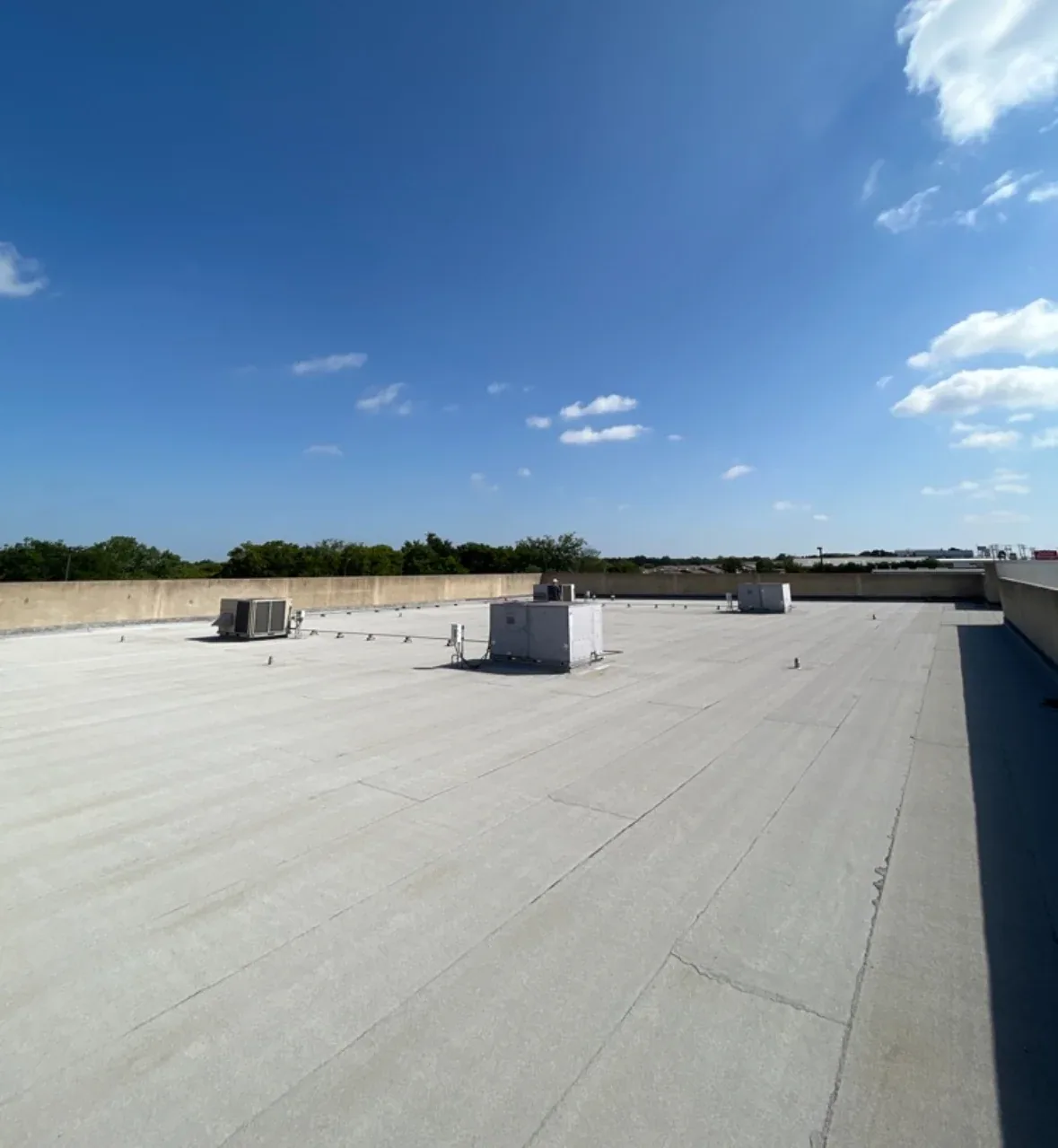
Roof-system selection starts with the assembly already on the building. The deck, insulation, attachment, drainage, edge details and repair history all influence what can be installed or repaired. Commercial Roofing Rock Hill inspects low-slope and metal roofs, records the material by zone and explains where more testing could change the recommendation. A product name or color alone is not enough to identify a system.
Single-ply membranes
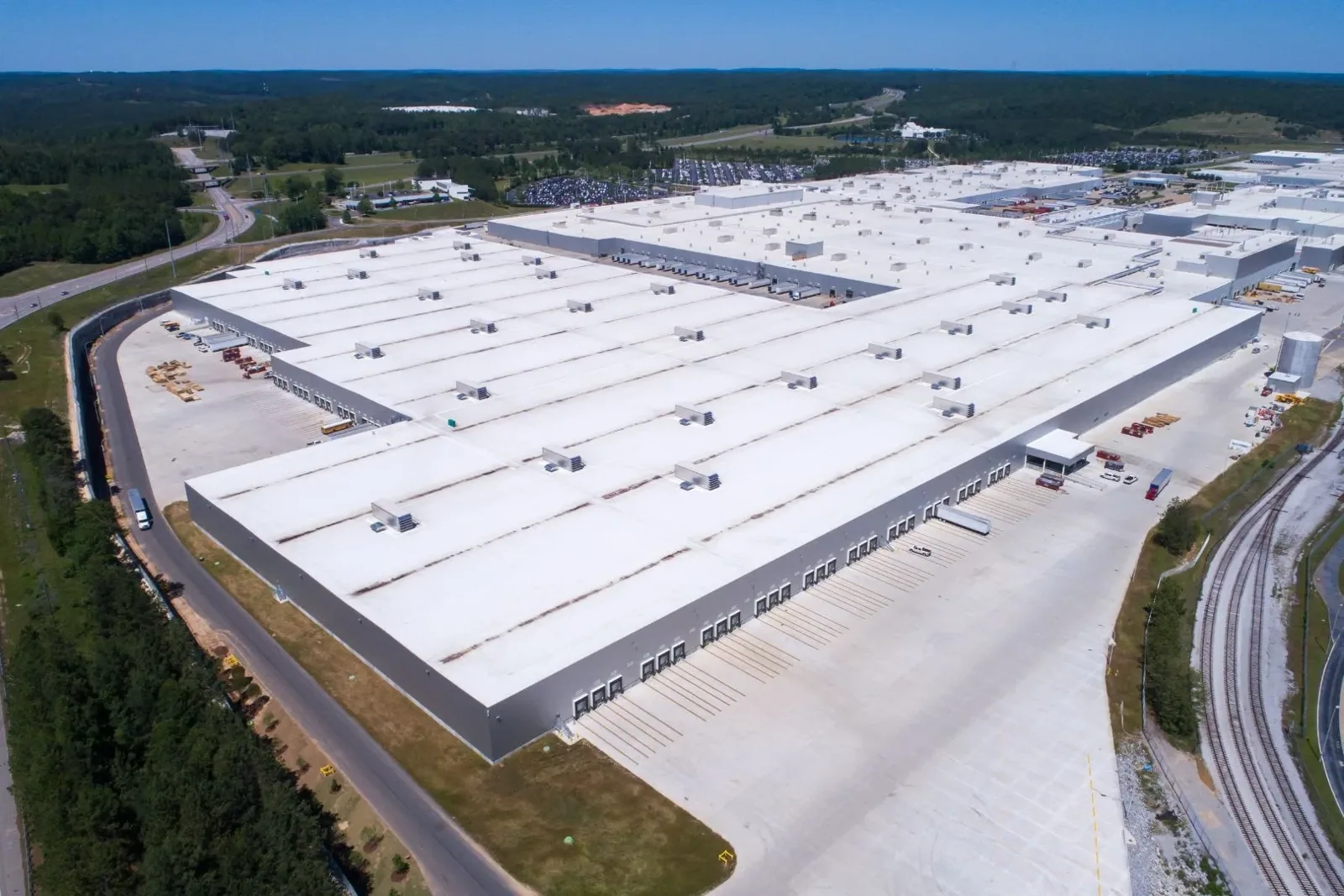
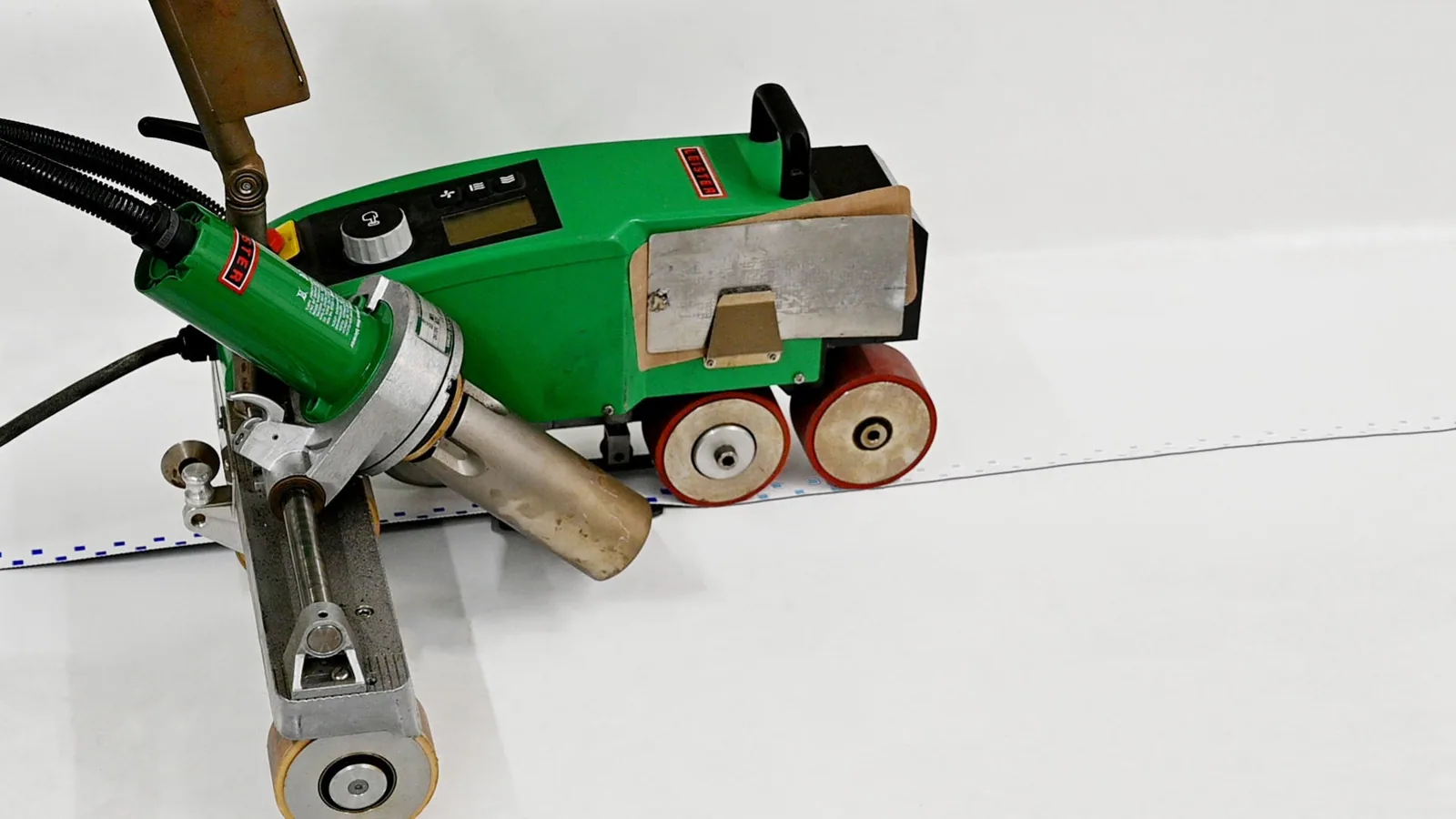
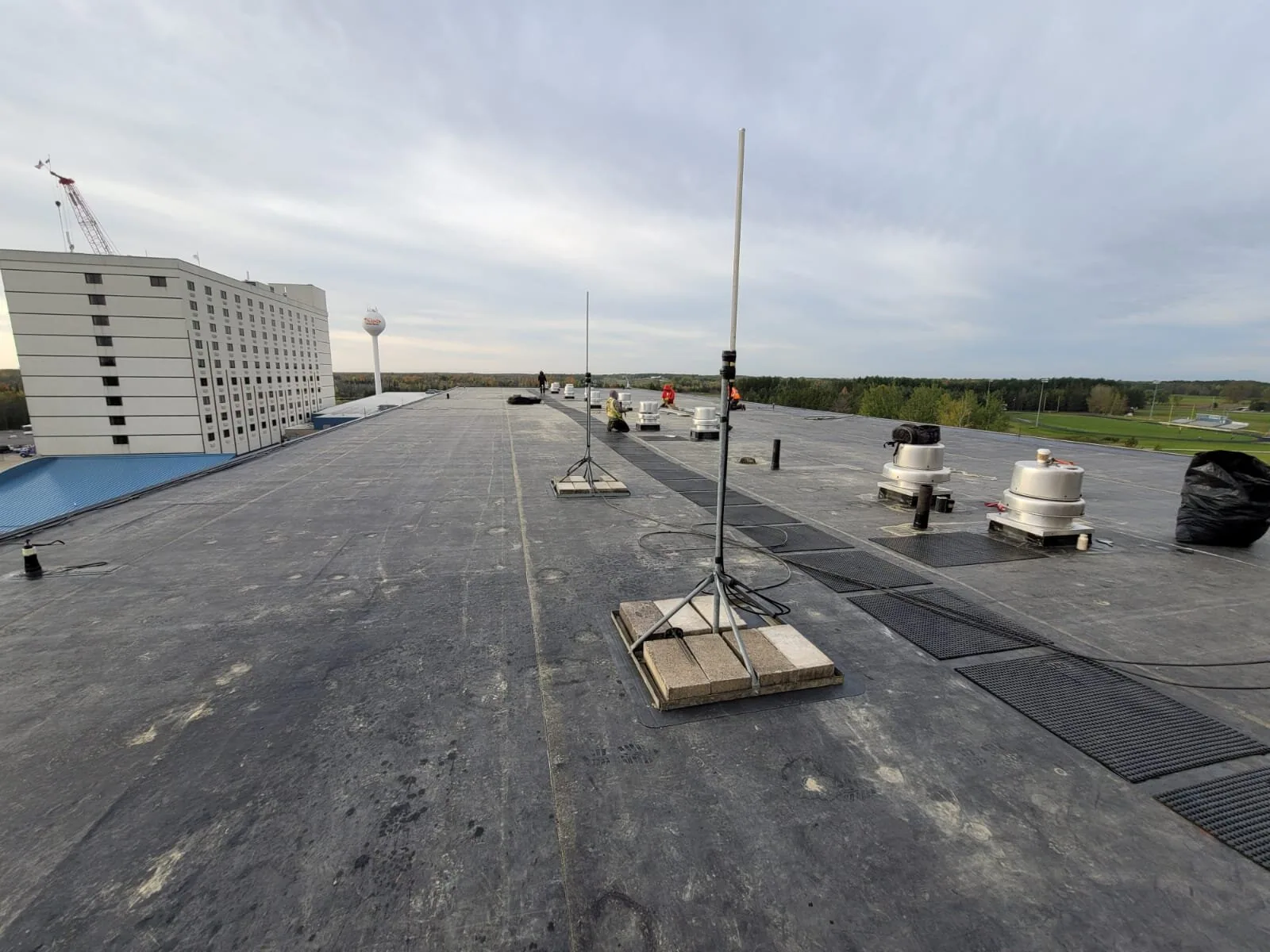
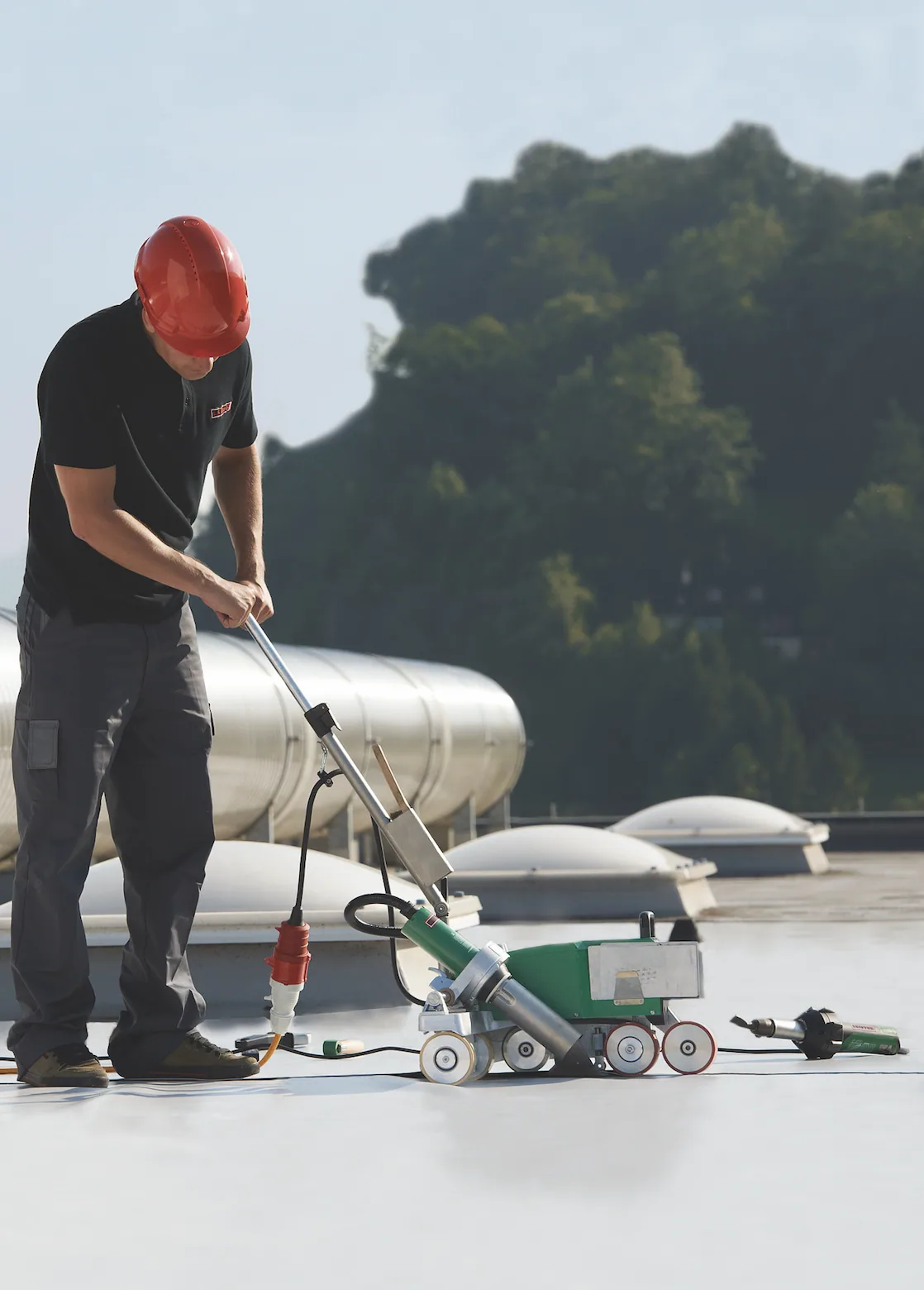
TPO, PVC and EPDM have different seams and repair materials. TPO and PVC use heat-welded connections in many assemblies; EPDM uses compatible adhesive, tape and flashing. KEE systems are a distinct membrane formulation. Inspection should identify the installed sheet, attachment and transition rather than treating every white membrane alike.
Built-up, modified bitumen and metal
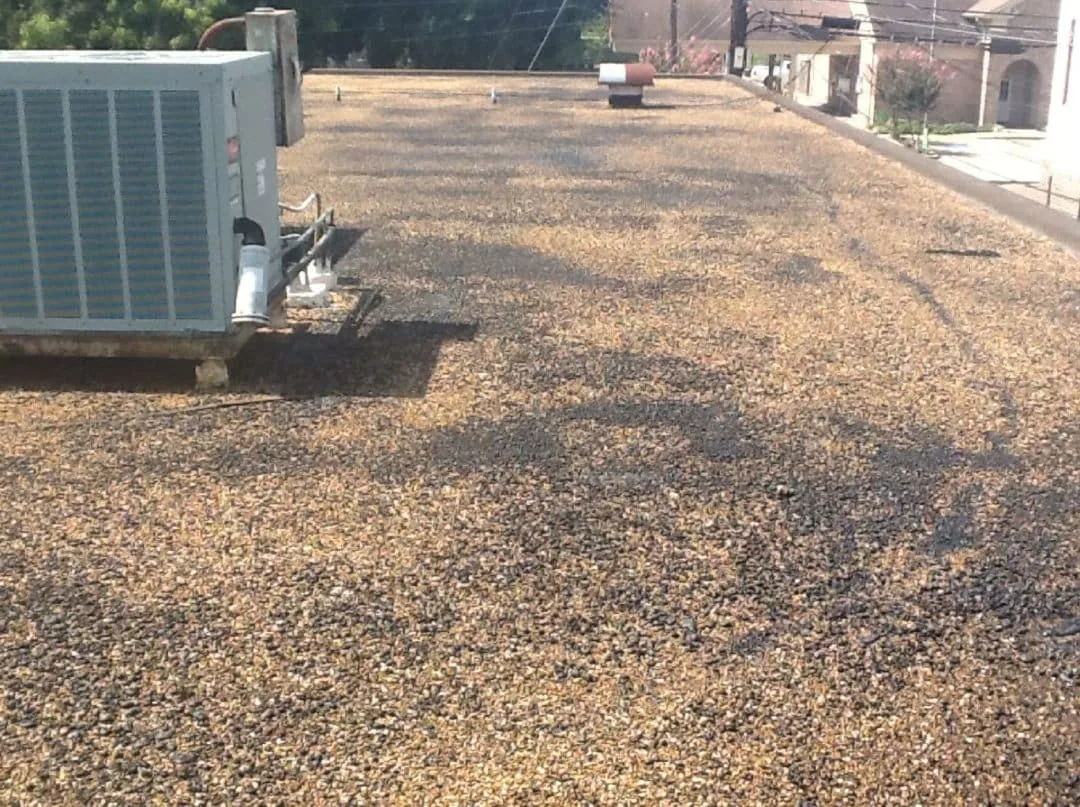
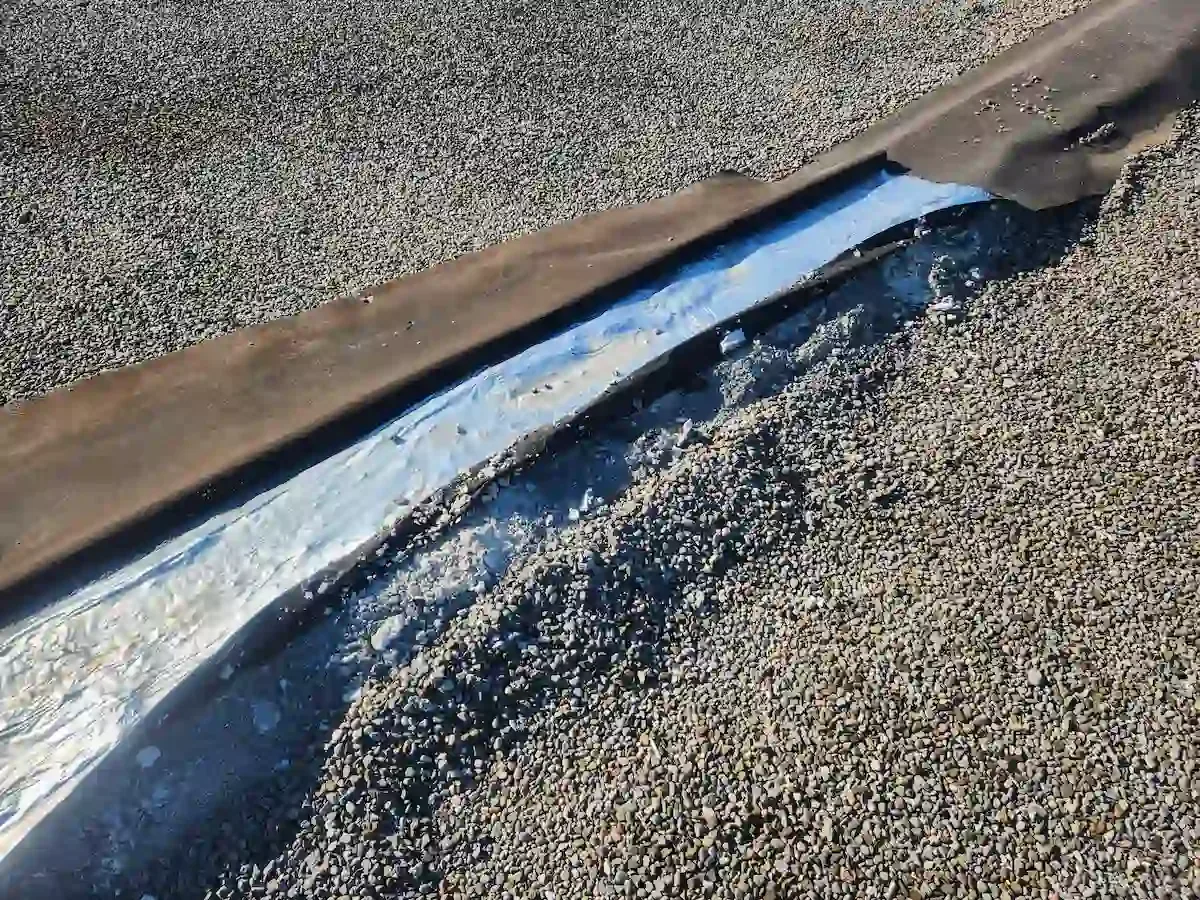
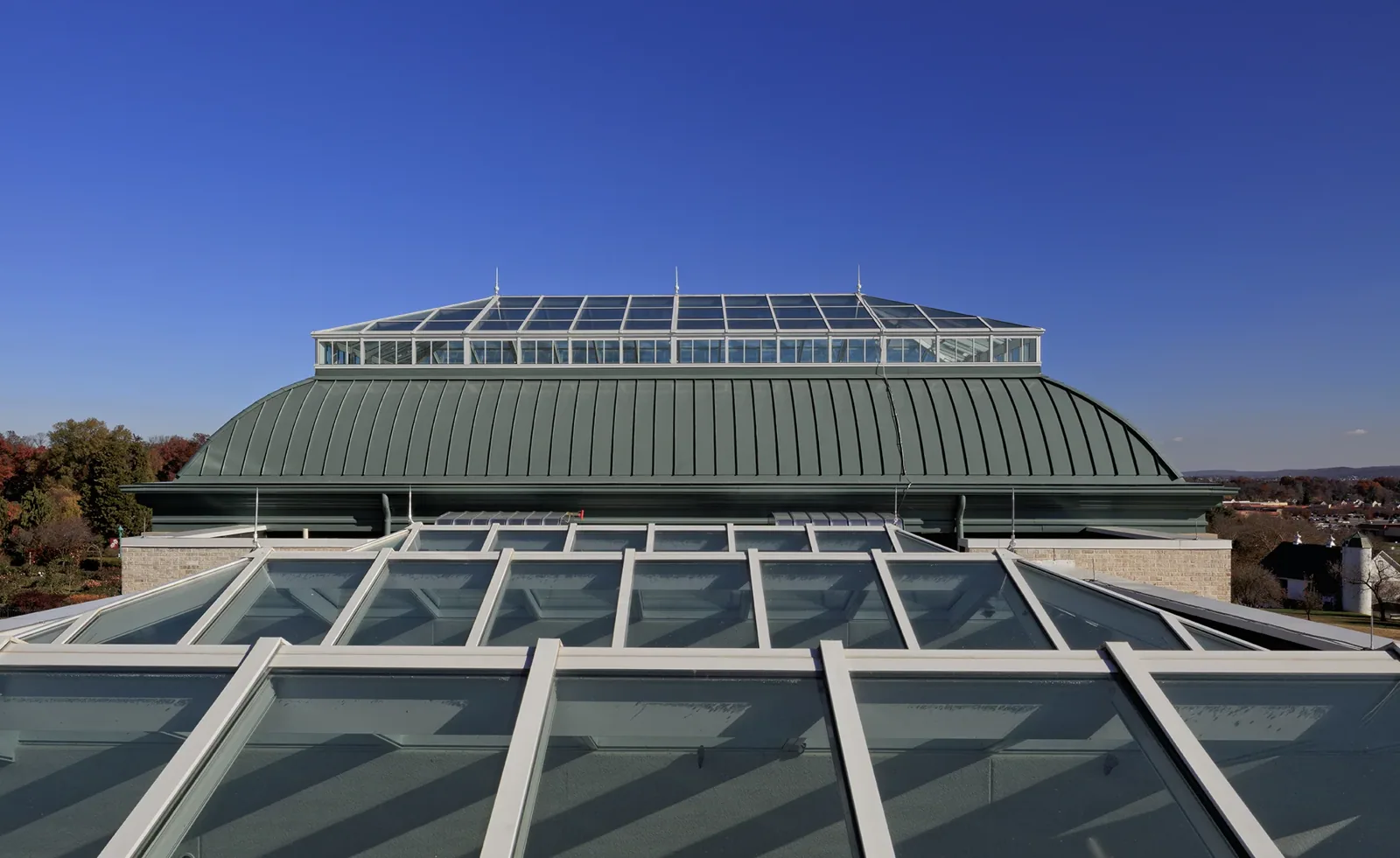
Multi-ply systems layer asphaltic materials and surfacing; modified bitumen and built-up roofing need checks for laps, blisters, granule loss and flashing. Standing-seam metal depends on panel seams, clips, fasteners and movement at transitions. A metal retrofit may be considered when the existing roof can support the proposed assembly and drainage and height remain workable.
Coatings and restoration
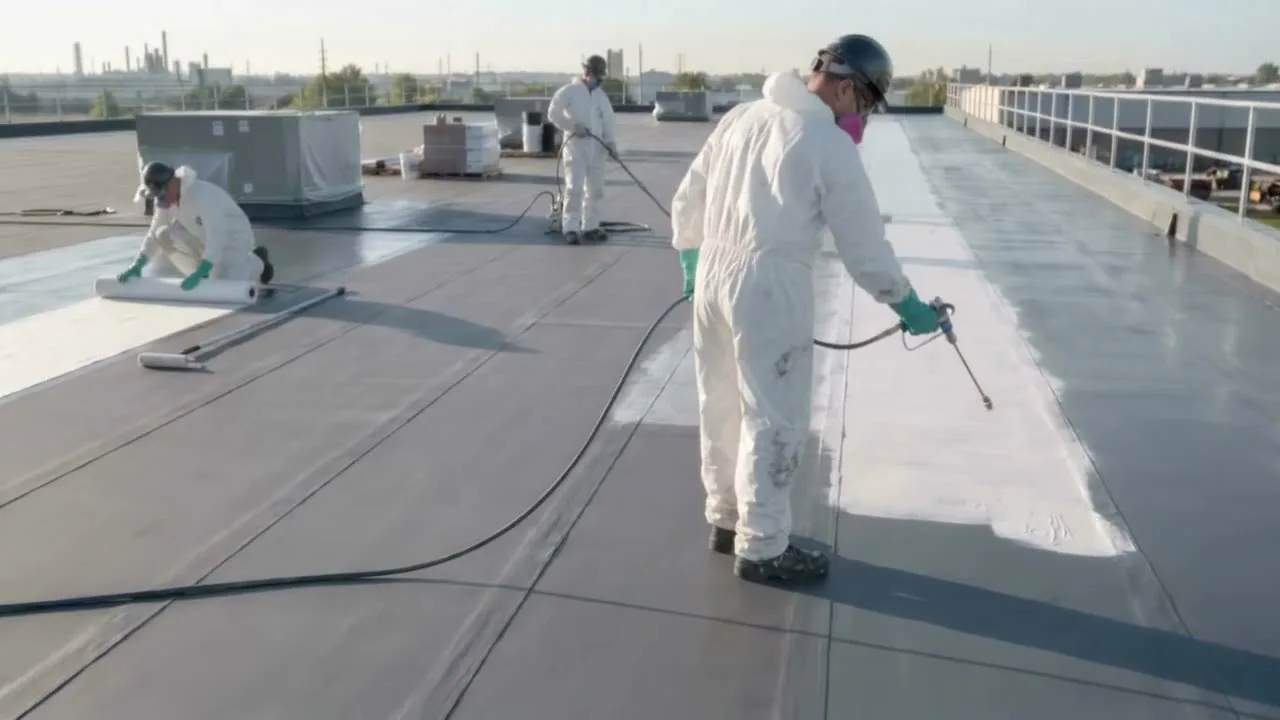
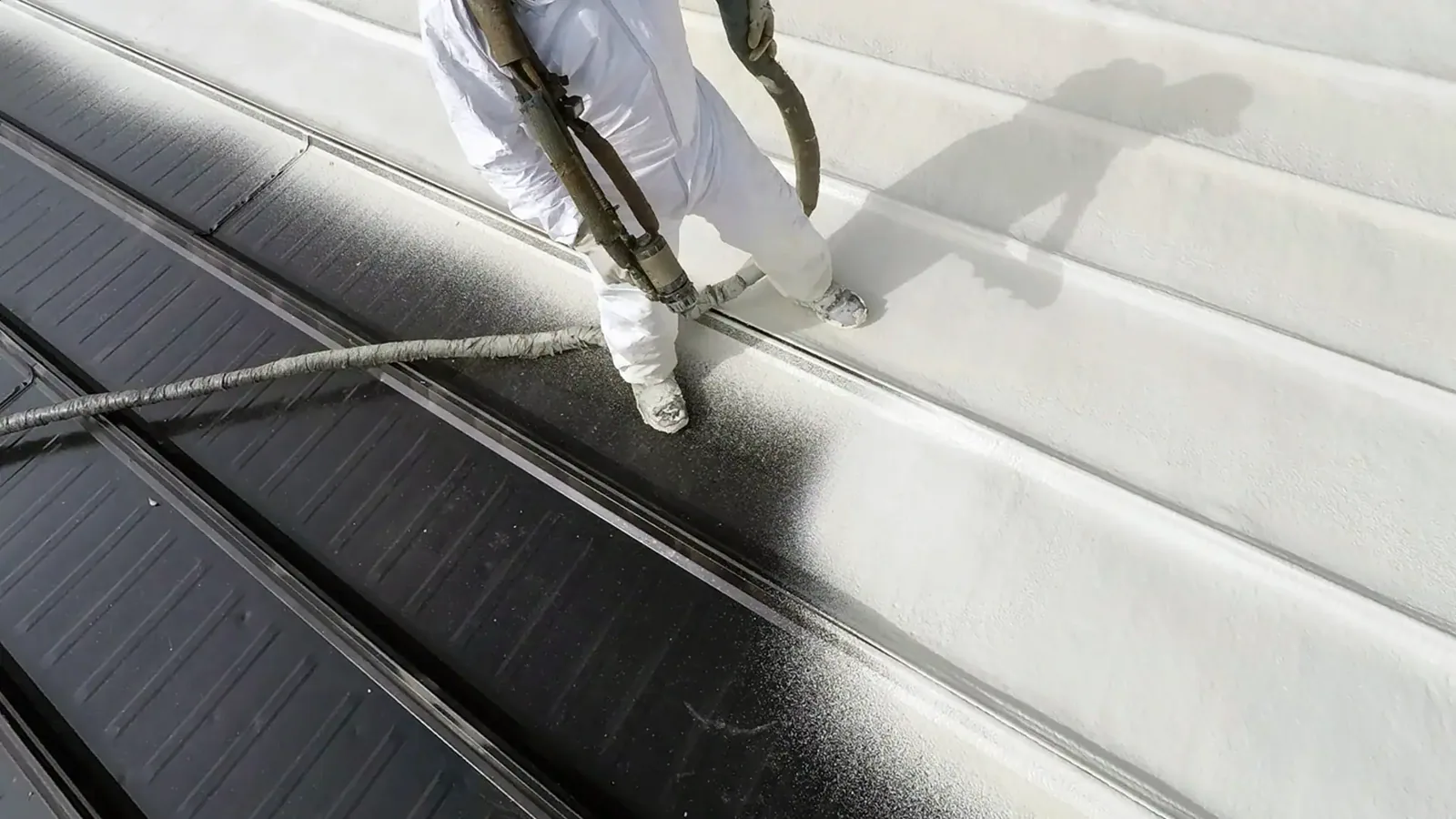
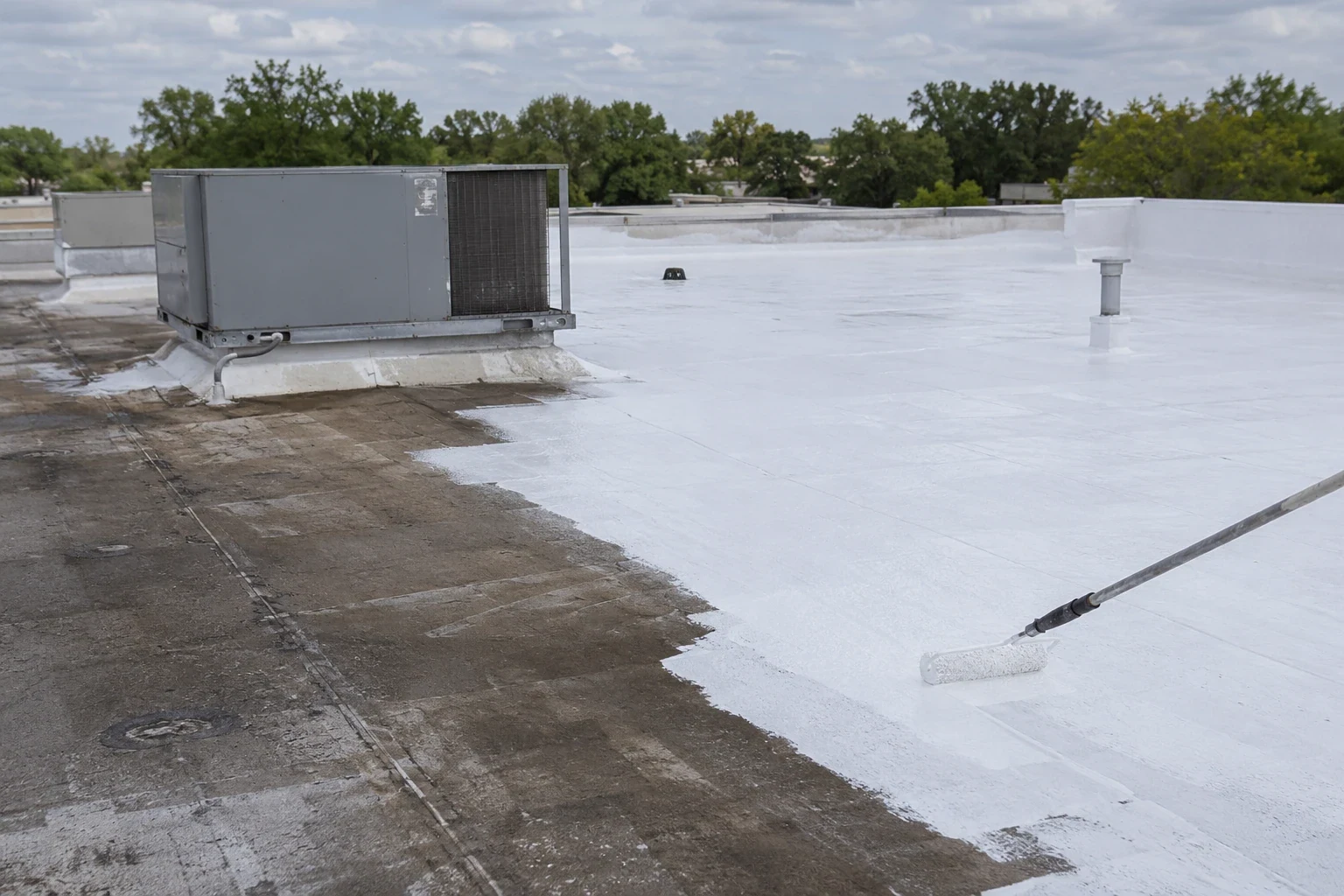
Coatings and spray foam can restore or add performance only when the substrate is sound and compatible with the system. Silicone coatings, acrylic coatings and spray polyurethane foam require attention to adhesion, thickness, drainage, flashings and finish. After a test patch, check adhesion and surface preparation in the roof zones with different exposure, drainage or repair history before extending the work.
Compare options from field conditions
A localized repair may fit a bounded defect. Recover or replacement needs review of wet insulation, deck, attachment, roof height, drains and equipment curbs. We identify observed facts, test limits and access conditions in the inspection record. If the roof has additions or several layers, the plan marks transitions and unknown areas rather than assuming one system across the building. A sound choice fits the assembly, use and work sequence.
When comparing bids, confirm that each one defines the same work area and removal assumptions. A price for exposed membrane may not include wet insulation, deck repair, edge metal or equipment coordination. Ask how the crew protects the opening if conditions change and how the finished tie-in will be checked. Those details make a repair, recover and replacement comparison useful to the owner and the facilities team.
Schedule also depends on access, weather and the building's operation. A facility with active shipping may need a different staging route than an office property. The agreed scope should identify quiet hours, deliveries, interior protection and a watertight stopping point. If the first opening reveals additional damage, photographs and measured limits help the owner decide whether to proceed with added work or secure the roof and pause.
Questions About Roof Systems
No. Similar colors appear across different manufacturers and system types. We verify markings, seam construction, accessories and available installation records.
Not by itself. Drainage, slope, outlets and overflow routes need inspection before coating work is considered.
Broad moisture, repeated failures, unstable attachment or deck damage may support a replacement comparison. Inspection defines the area and evidence behind that decision.
Share the roof plan, existing material, leak history, building use and access limits. Test results and records help confirm which assemblies can remain or change.
Identify the installed roof system
Provide the building use, roof concern, prior records and access limits. We will map the assembly and explain which repair or replacement options fit the observed condition.
