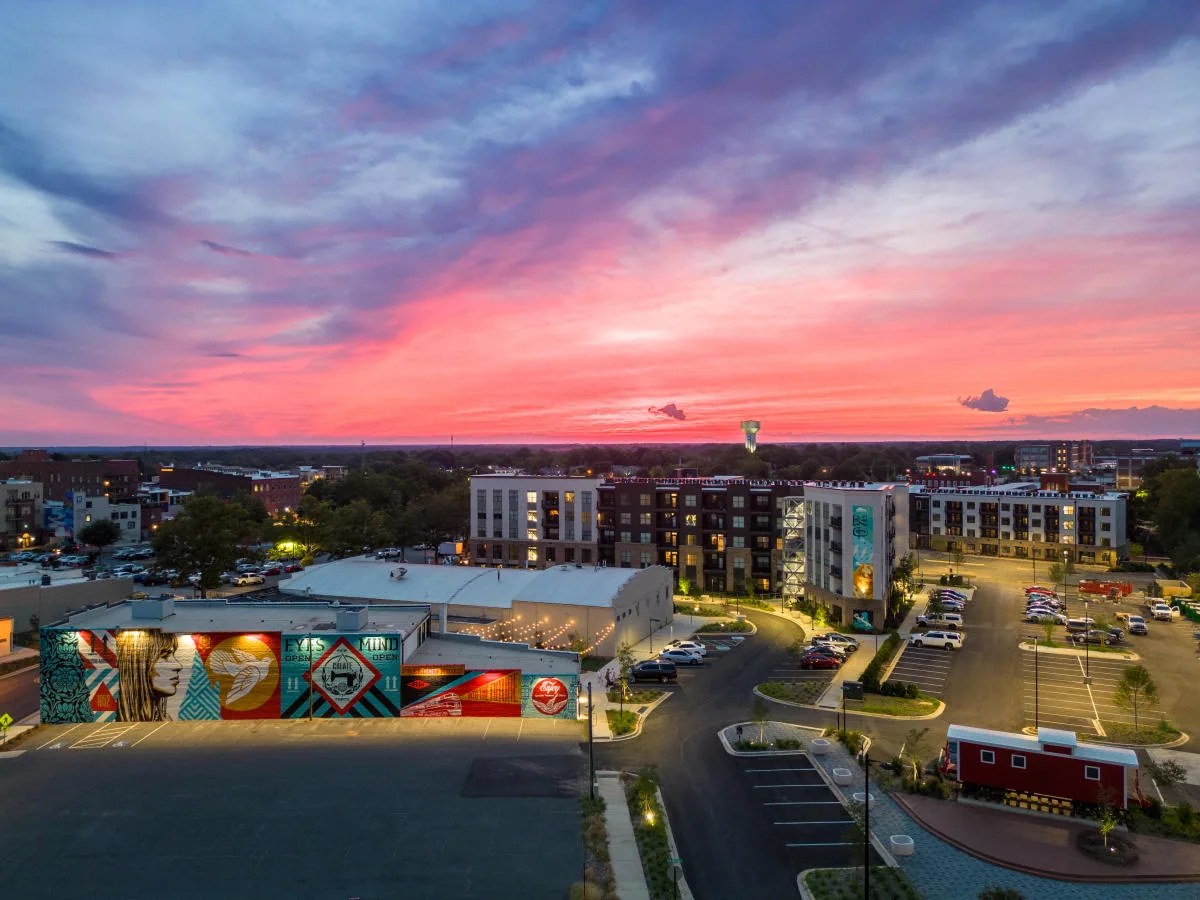
Inspect and repair commercial roofs in TechPark with building-specific recommendations for equipment, drainage, access, and maintenance.
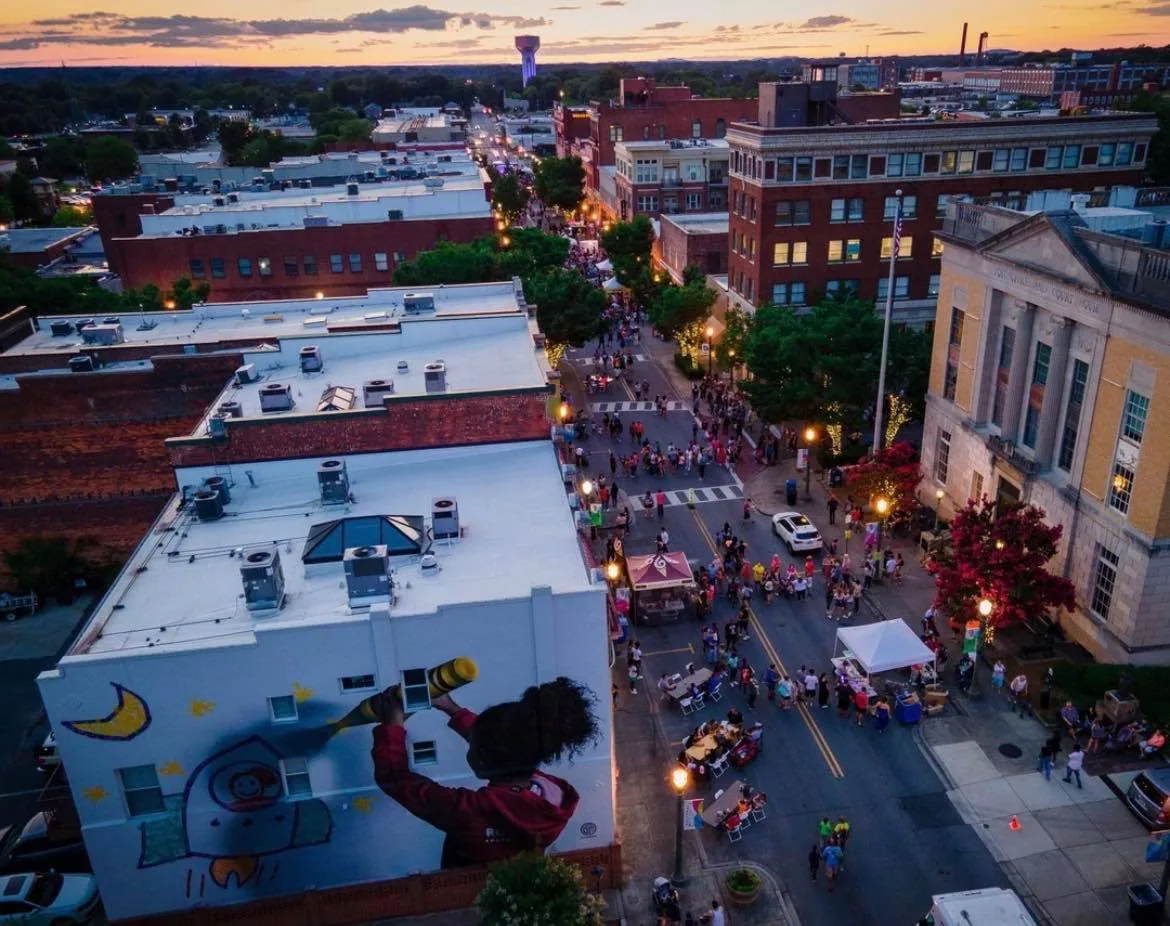
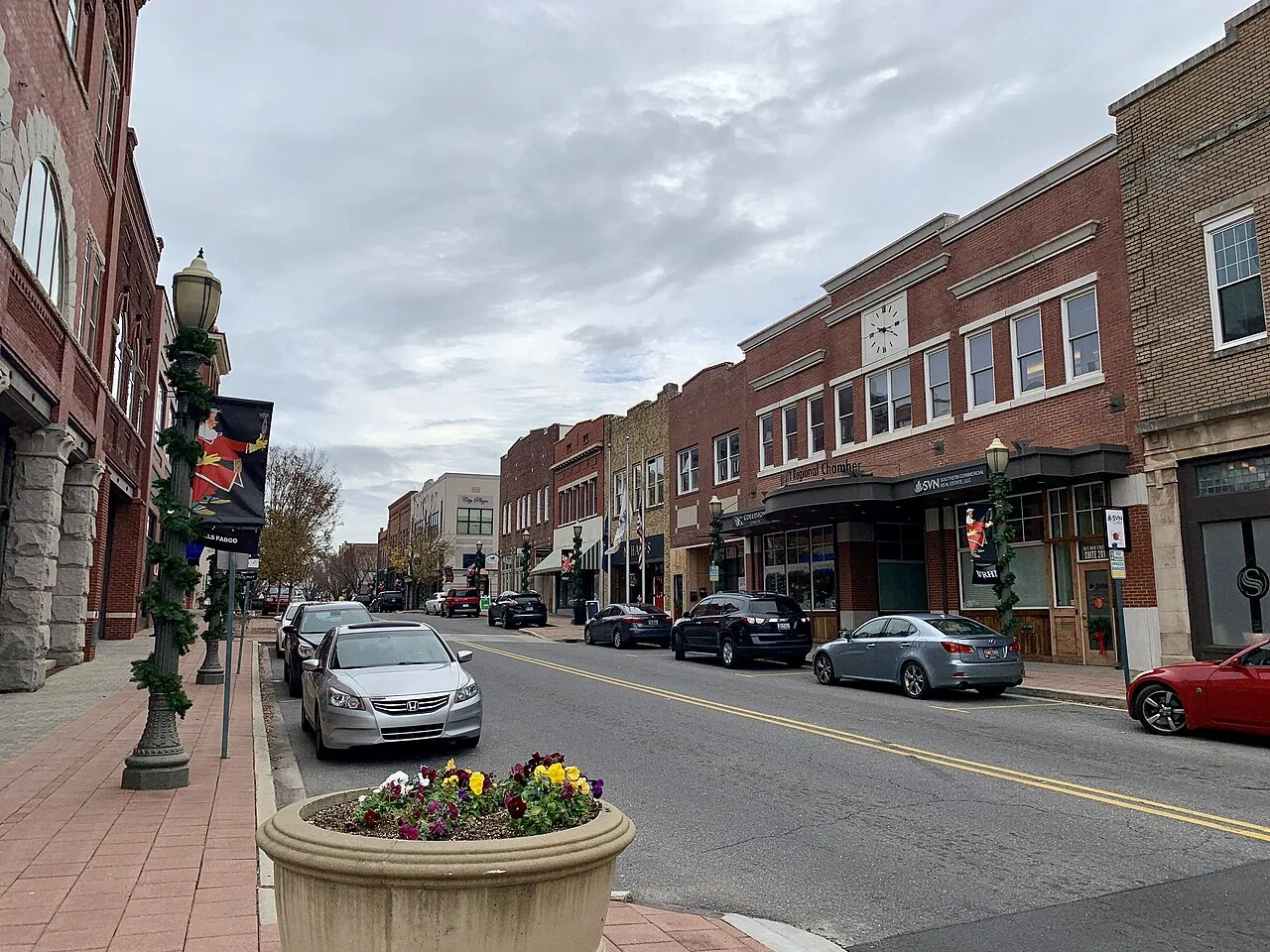
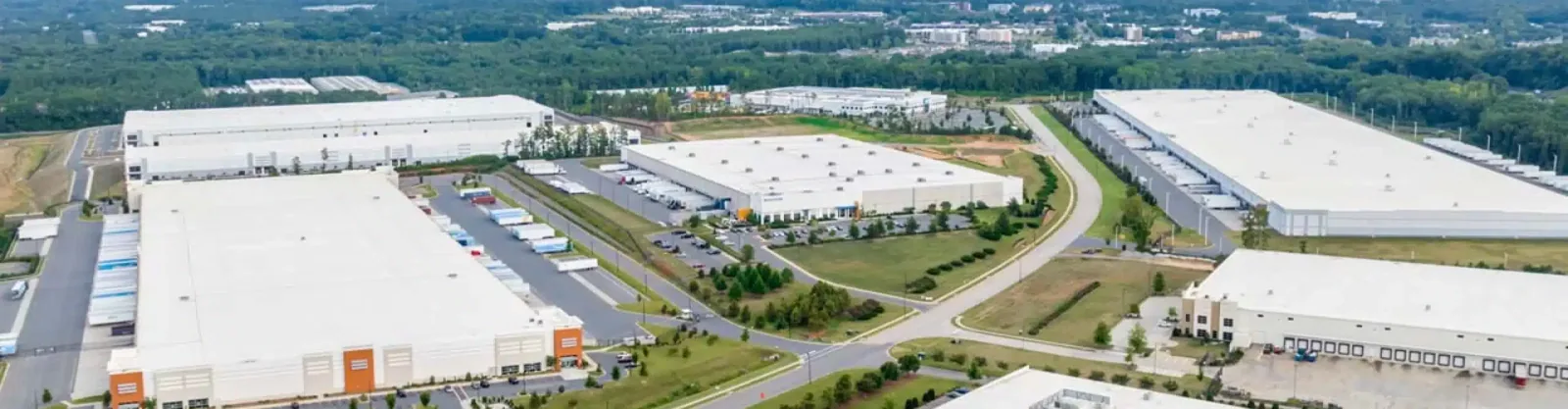
Roof work in TechPark depends on what the facility's plans and roof surface show. Rock Hill lists TechPark among its business and industrial parks and describes the broader employment base as spanning technology, industry, and entrepreneurship. Those categories provide area context, not a specification for any one building. We inspect the actual roof and coordinate access with its facility contact. Our Rock Hill service area also includes Waterford Business Park and Riverwalk Business Park.
Inspect Materials and Roof Connections
The first visit checks the surface, seams, drains, curbs, penetrations, edge details, and previous work within the agreed zone. We identify the system when the membrane, metal, and available records support it. A commercial roof inspection can document conditions reached and note questions that call for testing or more access.
We do not infer roof age or condition from TechPark's business designation. If the surface includes a coating, recover layer, or addition, we record the transition and verify what material is exposed. A test opening may help identify hidden layers or moisture, but its findings apply to the sample point. The owner decides whether that information changes the scope.
When staff report an interior leak, we compare the room, timing, and equipment history with roof seams, drains, curbs, and wall transitions. Through a commercial leak investigation, we document the roof details examined and distinguish observed entry from a suspected path. Water may travel before showing inside, so the nearest penetration is not automatically responsible.
The city describes its business parks as having I-77 access and nearby lodging, restaurants, and conference facilities. That context may matter to a service visit, but a building's entry, staging, and delivery rules are set by its owner. We confirm the route before bringing materials or lifts to the site.
Review Drainage Before Water Enters the Building
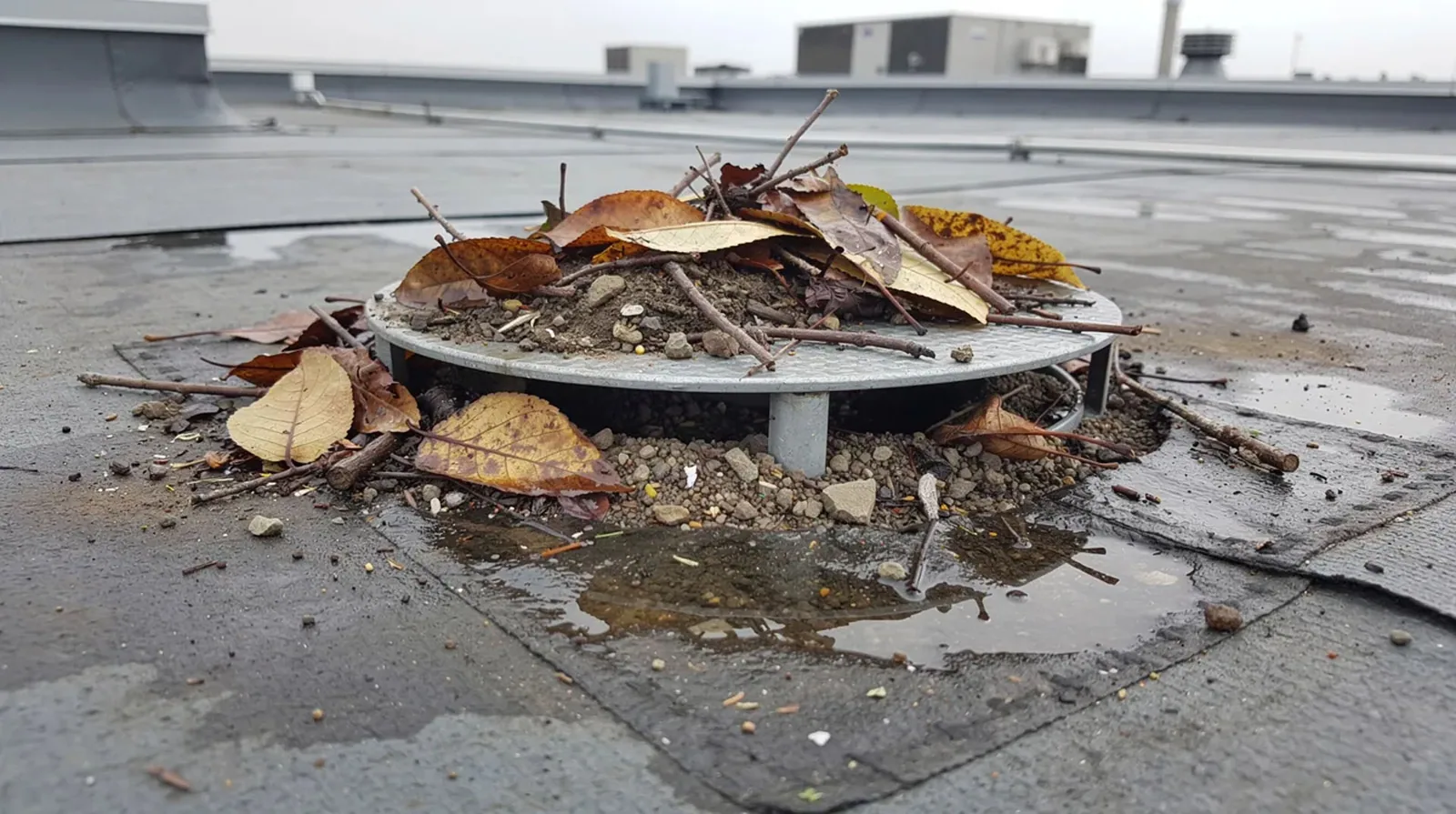
We inspect outlets, scuppers, gutters, overflow paths, and low areas included in the work. A blocked strainer, failed drain connection, and roof slope issue require different responses. A drain and scupper repair can correct a verified membrane connection. Routine cleaning is listed separately from changes to the roof assembly.
At parapets and edges, we look at coping, attachment, sealant, and membrane termination. A stain near a wall could relate to an edge detail, an outlet, or water movement from another roof section. We compare the interior report with roof geometry, mark each zone inspected and list any follow-up opening needed to complete the assessment.
Rock Hill's humid Piedmont setting brings recurring rain, so an opening needs a defined temporary cover and closeout plan. Weather informs that protection step; the roof inspection determines whether a leak source is established. If a drain or discharge route is not visible, the report notes that access limitation and any next check required.
Where several roof sections feed the same outlet, we identify which accessible areas connect to it. If the route includes concealed piping, a plumber or other qualified contractor may need to trace that portion. We do not estimate drain capacity from a surface inspection alone.
Coordinate Rooftop Equipment and Access
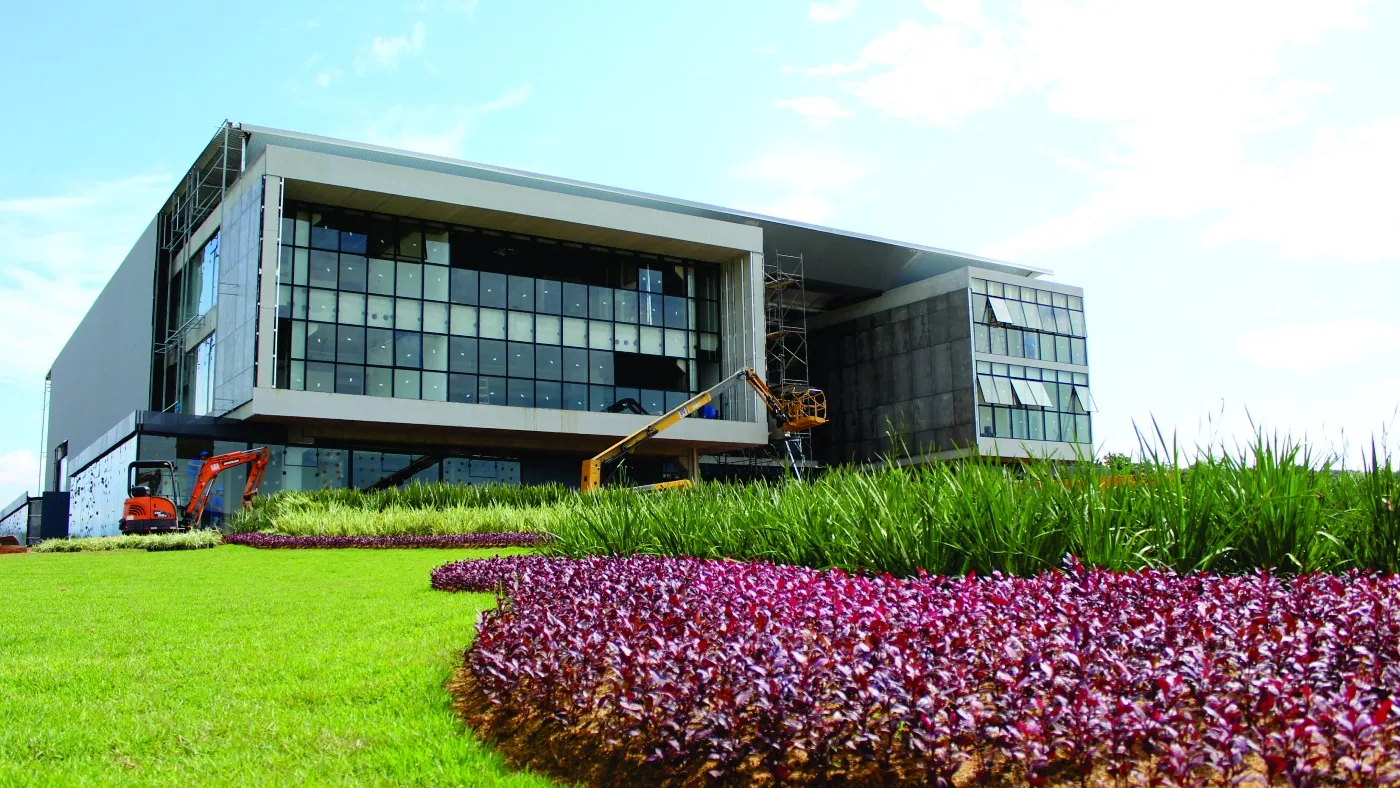
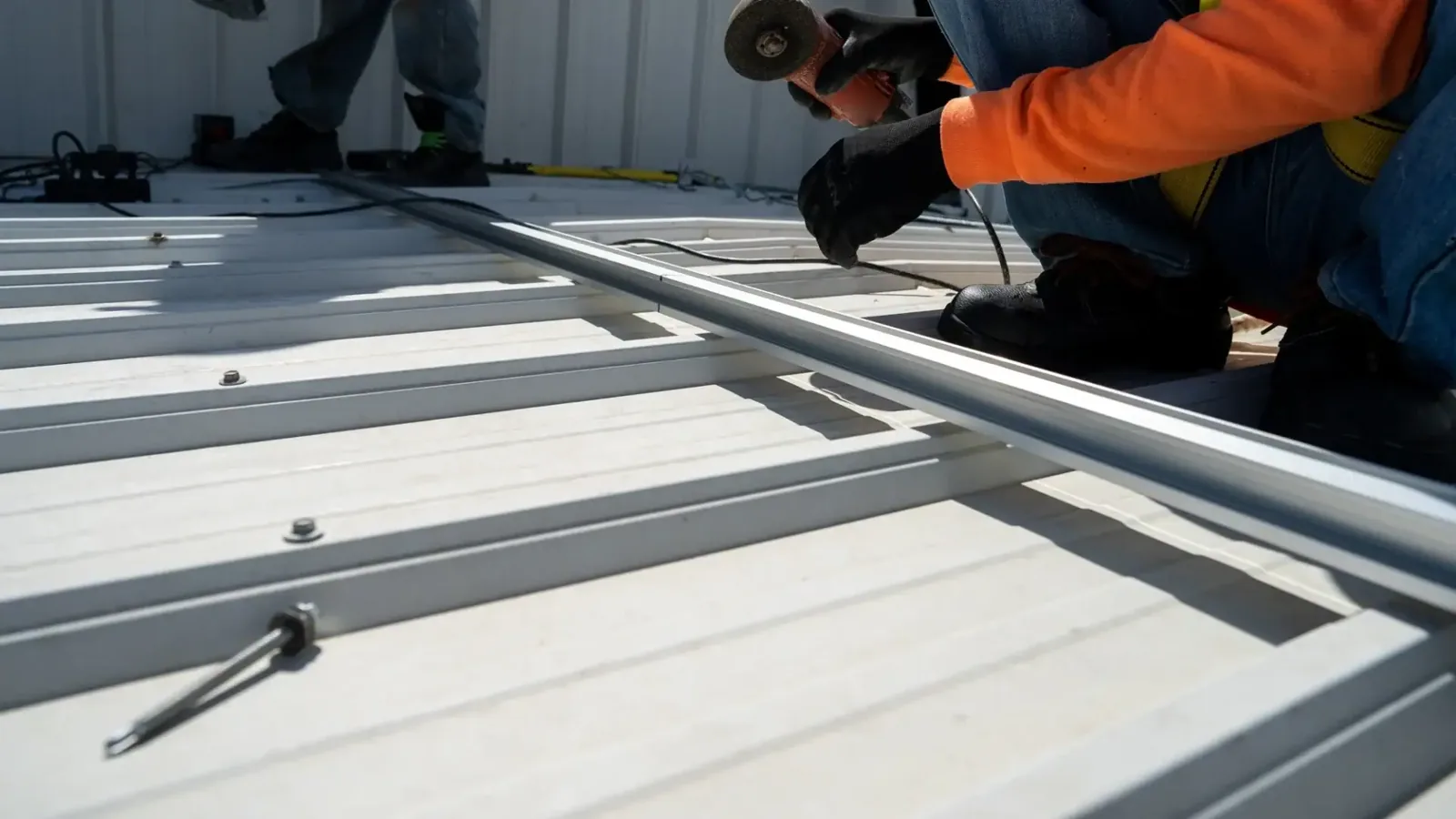
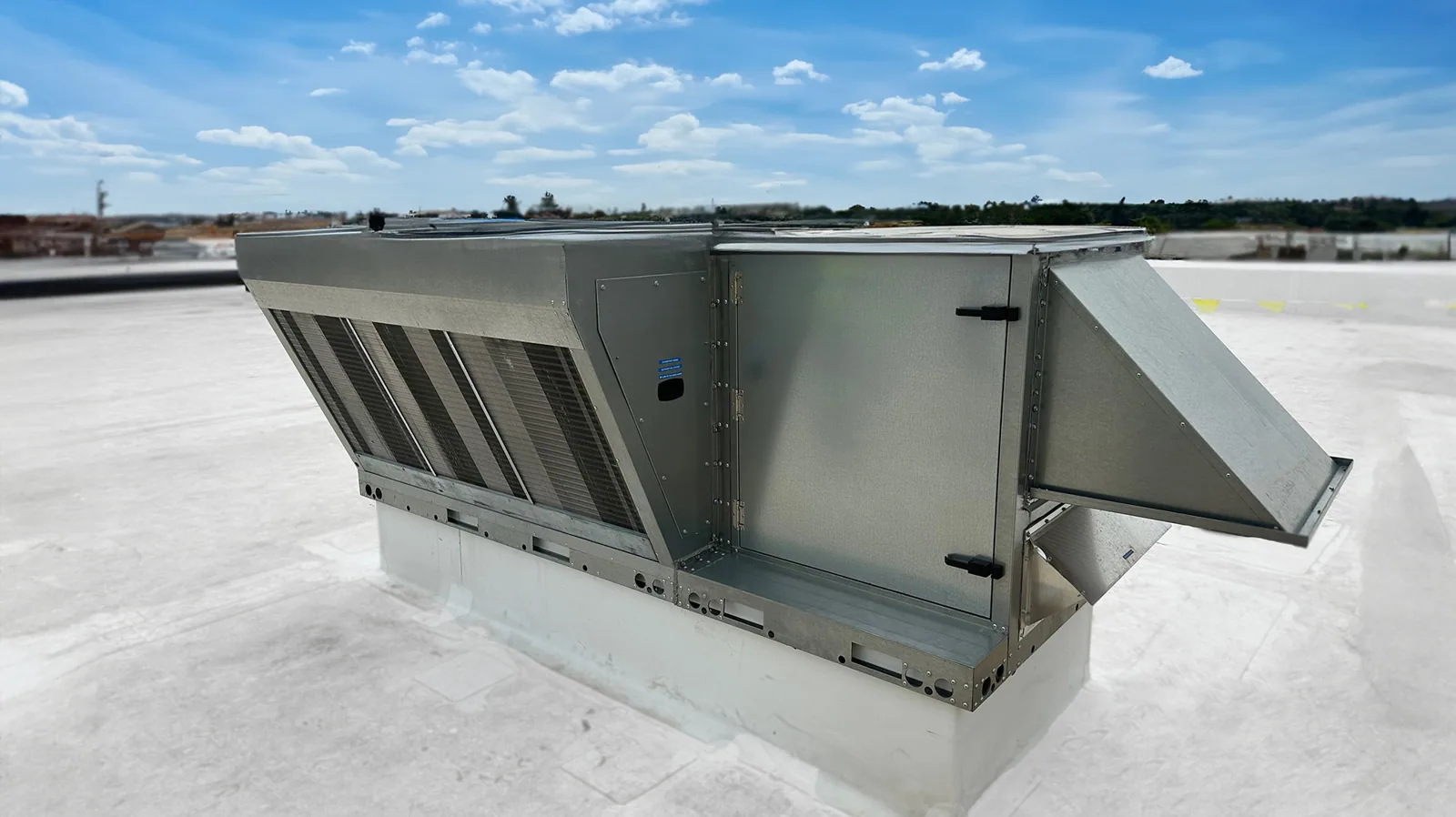
HVAC units, fans, vents, wiring, and piping interrupt roof surfaces. We check flashing, curb corners, fasteners, and membrane around those details when they are part of the inspection. If a unit is moved or replaced, the equipment vendor and roofing crew need a defined handoff for temporary covering and final restoration.
A curb and support repair can reconnect a roof detail after the base and system are confirmed. Mechanical work, electrical isolation, and equipment service remain with the responsible trade unless the written contract says otherwise. We note when the roof condition cannot be verified until a unit or line is moved.
Access may require a key, escort, lift, or passage through an occupied suite. We confirm roof hatches, staging, loading routes, overhead clearance, and any area the facility needs to keep open. If an opening is above equipment or a work area, the owner identifies protection requirements before removal begins.
If concealed wet insulation or damaged decking appears, we stop at the approved boundary, secure the opening, and document the finding. The property contact reviews additional work before the crew extends the repair. This keeps unforeseen substrate work separate from the initial roof detail.
Choose a Compatible Repair or Renewal
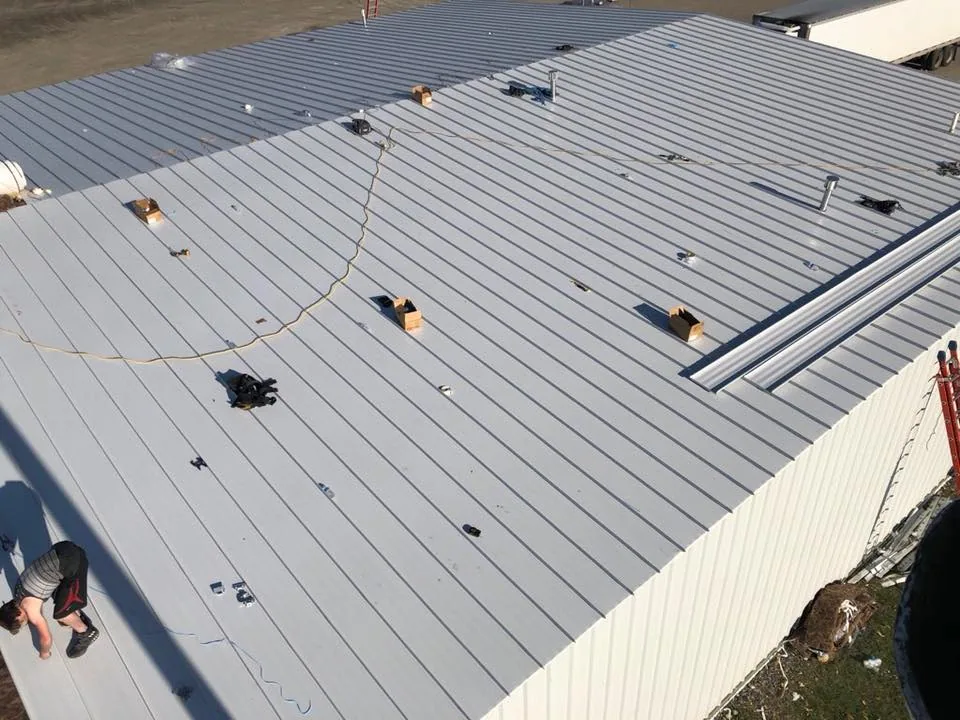
A patch depends on the actual roof system. TPO, PVC, EPDM, bitumen, metal, and coatings require different preparation and tie-ins. A commercial repair defines the affected zone, materials, flashing, access, protection, and closeout. If an overlay hides the original assembly, we state what remains uncertain before specifying products.
Recurring leaks, widespread seam separation, or broad moisture can call for comparing localized repair with testing, recovery, or replacement. We explain the evidence behind each option and identify areas that were not inspected. A coating does not correct a low roof section or failed attachment unless that defect is included and addressed.
Cost and timing depend on roof material, detail count, access, equipment coordination, staging, disposal, and concealed conditions. If opening the roof changes the known scope, the crew protects the area and shares photos before requesting authorization. A proposal should state what is included so an owner can compare it with other work or a capital plan.
Rock Hill's technology and industrial employment mix can involve different building functions, but the roof decision follows each property's assembly and use. We do not infer the roof system or business operations from a district name. The facility's plan and field conditions guide the inspection and repair method.
Keep a Clear Record of Work and Follow-Up
Closeout notes identify which roof area was reached, what was repaired, what material was used, photographs, and any access restriction. If testing was not performed or a section stayed inaccessible, the report says so. This gives the facility a clear reference if a leak returns or rooftop work changes a connection.
A maintenance visit can revisit drains, seams, curb bases, edges, and earlier patches. The appropriate route depends on the roof system, visible condition, access, and owner priorities. Share repair history, roof plans, equipment work, and warranty records before scheduling the next inspection.
Records for each TechPark property stay distinct from work elsewhere in the city; each report names its roof zone and the limits of the inspection. Recommendations for a TechPark address remain specific to the roof inspected and the work the owner authorizes.
If future work involves replacement, equipment reset, or new penetrations, the owner can use the closeout photos to confirm which details need reopening. We identify what work was completed and what recommendation remains pending so facility records do not imply broader coverage than was provided.

Questions About TechPark
Rock Hill lists TechPark as a business and industrial park. We inspect the actual building and roof system, whatever its use, and tailor work to the facility's access needs.
We coordinate roof access, staging, interior protection, and any restricted area with the facility contact. The sequence depends on the roof condition, weather, and work boundary.
Share the roof plan, leak history, prior proposals, equipment service notes, warranty documents, and access rules. That information helps confirm the affected section and repair limits.
We document observed conditions and explain which options the evidence supports. A broader project may require sampling, design input, or review of concealed layers before an owner decides.
Coordinate Roofing in TechPark
Share the roof plan, leak or repair history, equipment details, access rules, and facility constraints. We will inspect the defined area and provide a scope based on the material and conditions found.