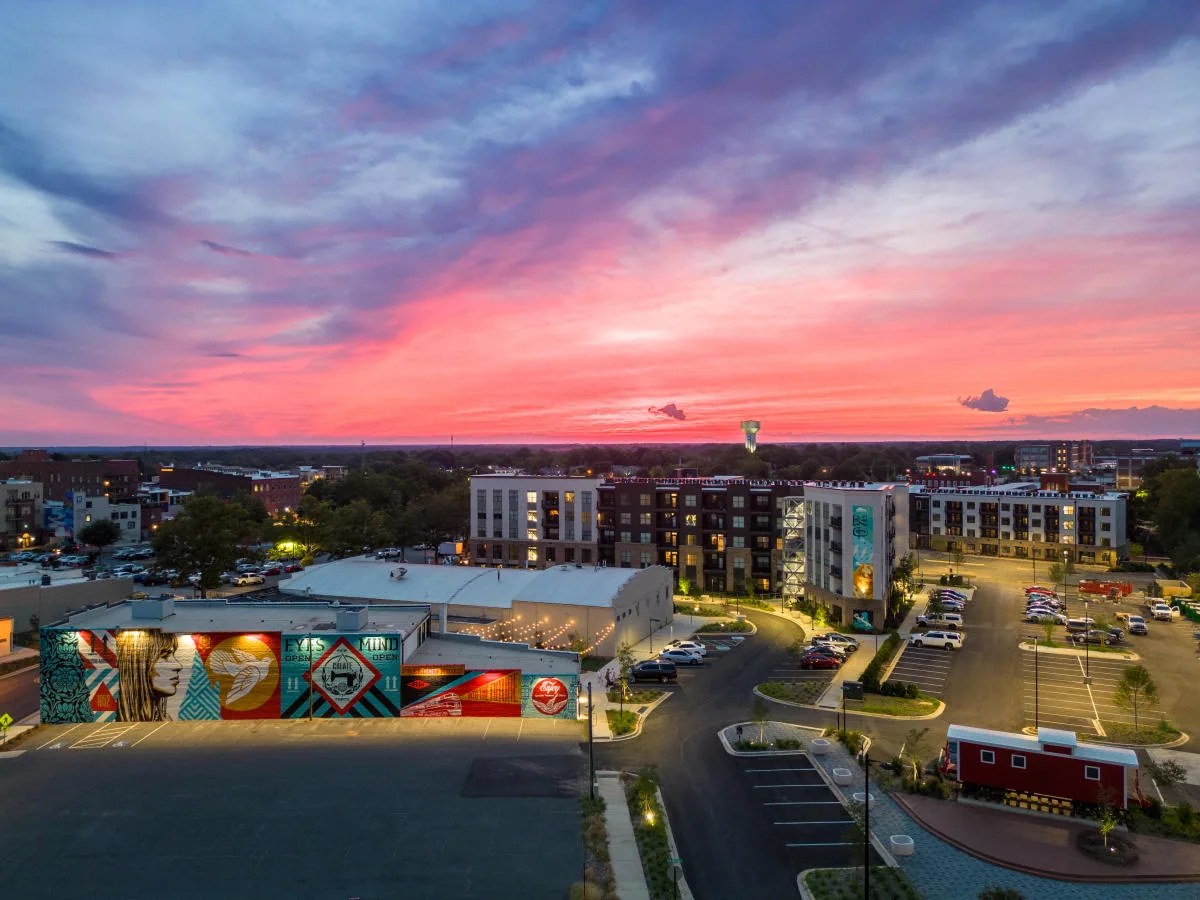
Commercial roof inspection, repair, and renewal in York, with work scoped to the property, the roof assembly, and operating requirements.
Manufacturing and processing employers around York make roof condition and access important facility records. York is an incorporated county seat northwest of Rock Hill, and US 321 is its principal north-south connection. We inspect the property itself before selecting a repair or renewal path. Our regional coverage also reaches Clover and Chester.
Map the Roof Details That Affect the Scope
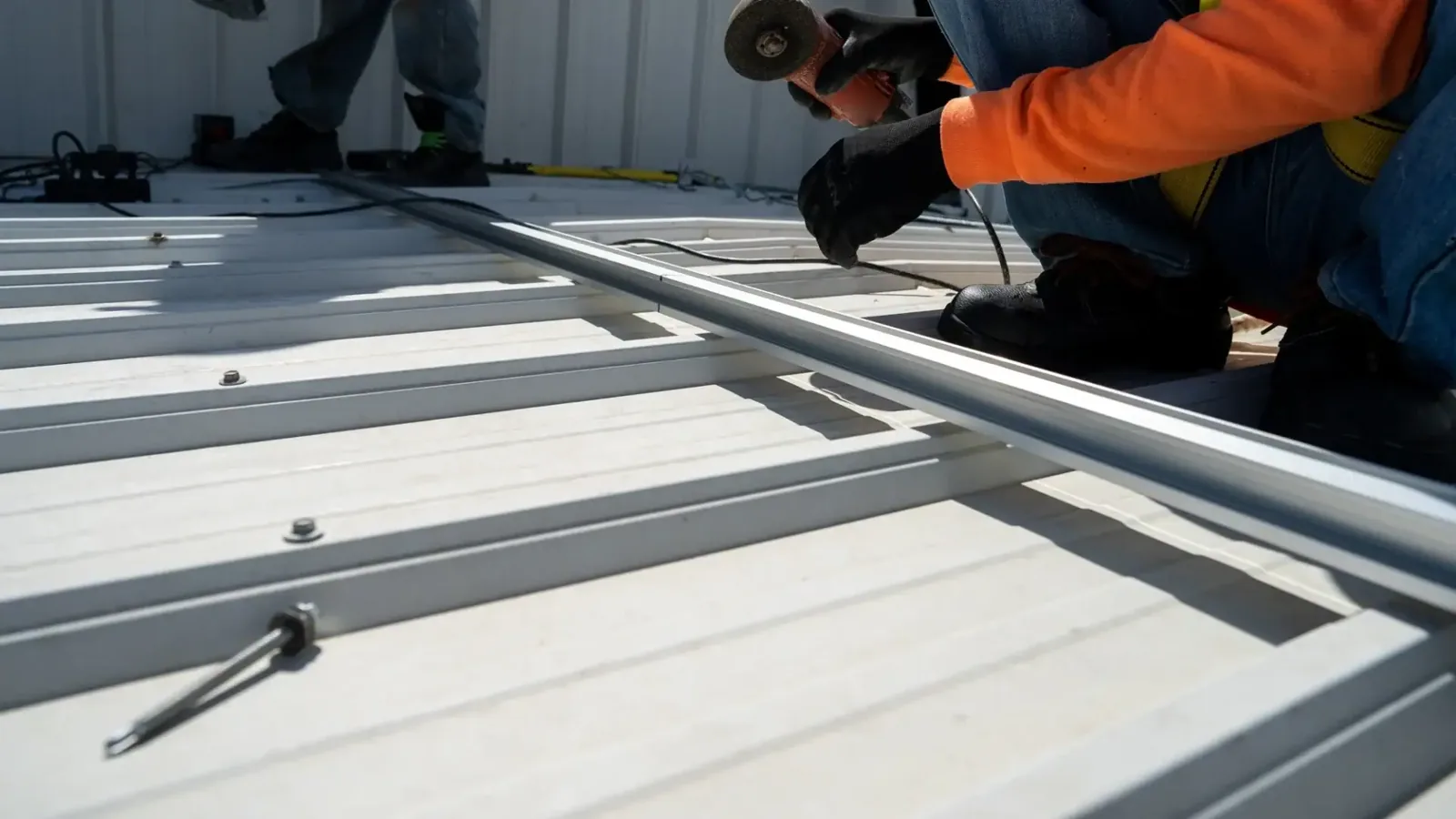
We start with the facility's roof plan, a reported symptom, and access requirements. The first walk checks visible membrane or metal, seams, attachment, drains, curbs, penetrations, edges, and past repairs. A commercial roof inspection records the zones reached and any limit caused by height, safety, equipment, or entry restrictions. If the roof changes material or elevation, the transition is noted as its own detail.
York-area manufacturing and processing employers include Meritor, Fram Filtration, Filtration Group, MacLean Power York, and Vision Metering. The area's manufacturing and processing uses can involve different delivery and operating limits. We confirm the building's actual roof material, access, and repair history before setting the work sequence. We compare the surface with owner records and identify where a coating, recover, or repair may obscure earlier layers. A sample is proposed only if it could change the method or scope.
A leak investigation begins with the affected room or production area, timing, and any recent work at roof penetrations. We compare that history with the water path, drains, seams, and wall transitions. A commercial leak investigation states which details were examined and whether an entry point was observed. If water could be moving beneath the assembly, the report identifies what test or access would be useful next.
US 321 connects York and Rock Hill through the regional road network. The route locates the regional relationship; it does not dictate how a crew enters a property. The owner or facility manager confirms gates, delivery windows, escorts, and roof access. We include those conditions in the inspection plan before scheduling a lift or bringing material on site.
Trace Outlets and Perimeter Connections
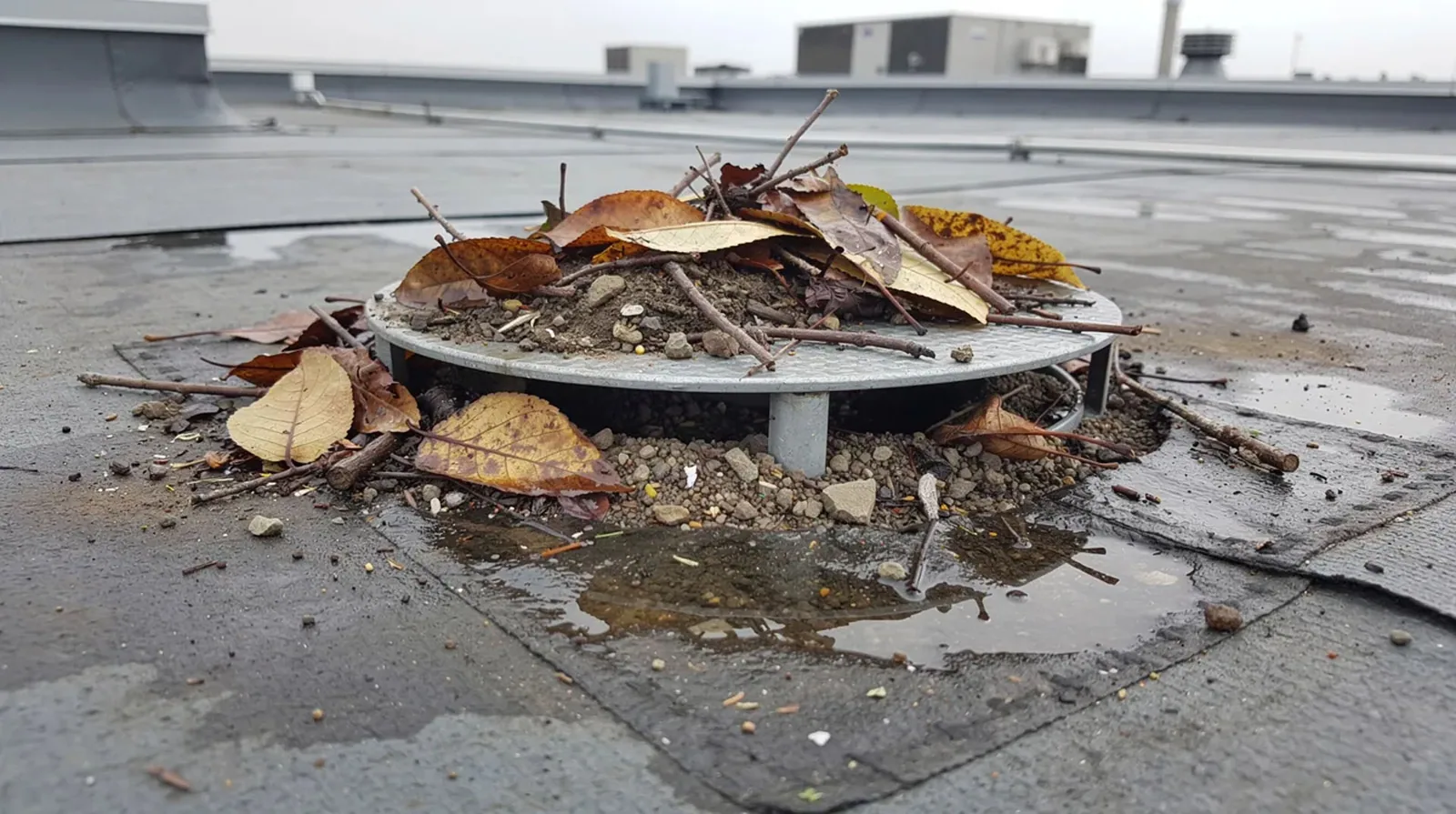
At each drain or scupper, we inspect the opening, surrounding membrane, flashing connection, and visible discharge. A blocked inlet, a failed tie-in, and a low area need different corrections. A drain and scupper repair can address the roof-side detail when the cause is established. If the outlet feeds concealed piping, we record the point where the surface inspection ends.
Roof edges, parapets, and penetrations are checked for open laps, loose fasteners, failed sealant, and movement. A mark on the interior wall can be separated from the point water entered, so we compare it with roof geometry rather than choosing the nearest flashing as the cause. The report notes whether the repair is supported by direct evidence or whether another route remains possible.
In Rock Hill's market, Piedmont humidity and recurring rain influence how we check outlets and close an opened area. They do not establish ponding or damage at a York property. We assess its actual slope, discharge, and exposed materials before choosing temporary protection.
Where equipment or a pipe crosses the roof, we inspect flashing, curb corners, support attachment, and the adjacent sheet or panel. If a production change requires equipment work, we coordinate a roof-side handoff with the responsible contractor. The scope distinguishes the membrane connection from electrical, mechanical, or process-line service unless the written agreement includes both.
Keep the Work Sequence Clear
Before mobilization, we confirm roof entry, staging, lift placement, material delivery, and any truck or employee path that must stay open. If the facility handles production, processing, or deliveries, its contact sets the operational limits that affect access. We define where the crew will work and how the property will remain protected before removing material.
If employees or equipment operate below the roof, we identify the affected zone and agree on barriers, cover, and shift timing with the site's decision-maker. Weather and material preparation can change the order. The plan names the person who can approve a scope change.
When the deck or insulation differs from what the surface suggested, we pause, cover the area, and show the owner the new condition before adding work. Structural evaluation, process equipment work, and interior repairs remain separate unless included in writing. This keeps a concealed condition visible and the repair decision attached to the right roof section.
When different crews are working on the same roof, we identify penetrations or edge transitions that must stay accessible until inspection. A final walk can compare the restored detail with the agreed scope. If another trade changes the detail afterward, the property record shows the point that needs another check.
Compare a Defined Repair With Renewal
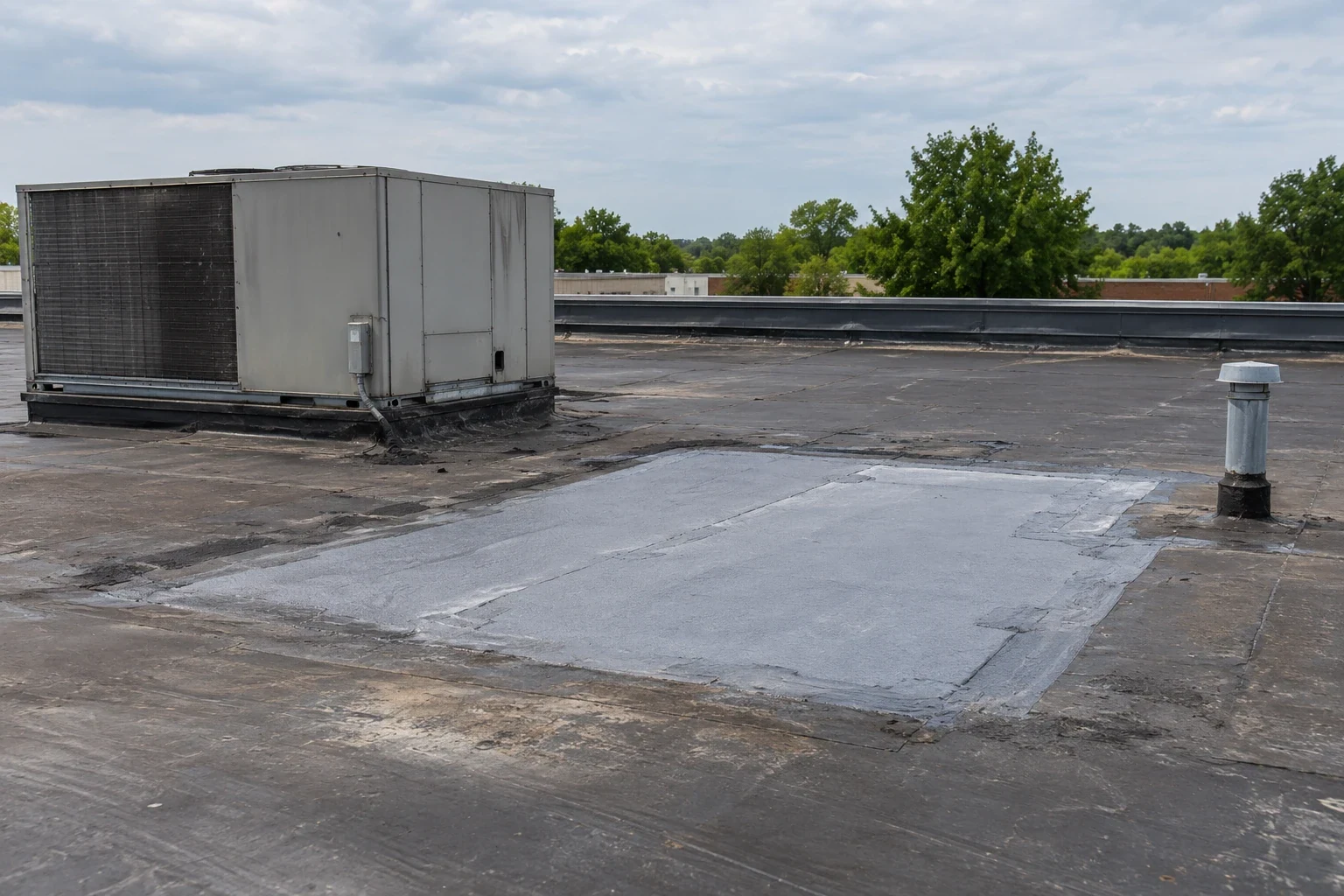
A localized repair may fit one confirmed opening when nearby material accepts a compatible tie-in. Repeating leaks, multiple open seams, widespread moisture, or loose attachment can point to testing or a broader project. A commercial repair scope names the affected zone, preparation, materials, access, protection, and closeout so the owner can compare the work with the field record.
Cost and schedule depend on roof assembly, repair length, number of transitions, staging, access, disposal, production restrictions, and conditions hidden below the surface. Recover or replacement work needs assumptions for layers, drainage, insulation, penetrations, and perimeter details. If a test or survey could change the selection, we identify the question it answers before adding broader work.
When a roof project may change an assembly, insulation, or drainage detail, the owner can confirm design and permit questions with the appropriate professional and authority. Our estimate defines the roofing scope and identifies decisions that remain outside it.
If the roof is part of a production or capital plan, we can separate an active repair from longer-term evaluation. The report identifies what was inspected, what remains concealed, and whether the proposed next step is a patch, a test, or a broader comparison. Each option keeps its own boundary and decision point.
Preserve Inspection and Repair History
Closeout notes identify the roof zones reached, material, conditions, photos, completed repairs, and testing or access limits. If the owner supplies a drawing, we can reference its section labels. Later staff can use the same marks when a new symptom appears or a production change adds a penetration.
A maintenance visit can revisit drains, seams, fasteners, edges, and previous repairs that matter to the assembly. Share the roof plan, leak reports, service history, equipment changes, and access rules before setting the route. The report distinguishes an inspected area from one that remains inaccessible.
York, Clover, and Chester are separate York County communities connected to the Rock Hill service region through its mapped road network. Each facility needs its own roof record and work boundary. We state what is complete and which recommendation remains open so a later team can continue from the documented condition.
For an inspection request, provide the building use, roof drawing, reported symptom, and access limits. We will map the first route and explain whether more testing or a separate trade is needed. The estimate then ties cost and sequence to the defined work area.
Questions About York
No. Industry context does not identify the roof at a specific facility. We verify materials, attachment, drainage, and repair history before recommending work.
We first identify the active roof zone and any operating limit. Weather, material readiness, and the work boundary shape the sequence; the written scope records these conditions before mobilization.
We inspect the curb, penetration flashing, nearby seams, and the reported water path. Equipment service and roofing restoration are assigned separately unless included in the same scope.
The crew protects and documents the added area. The authorized contact reviews the expanded boundary before work continues beyond the original scope.
Plan Commercial Roofing in York
Share the facility use, roof plan, reported condition, work history, and access rules. We will inspect the defined area and set out the next decision supported by the roof evidence.