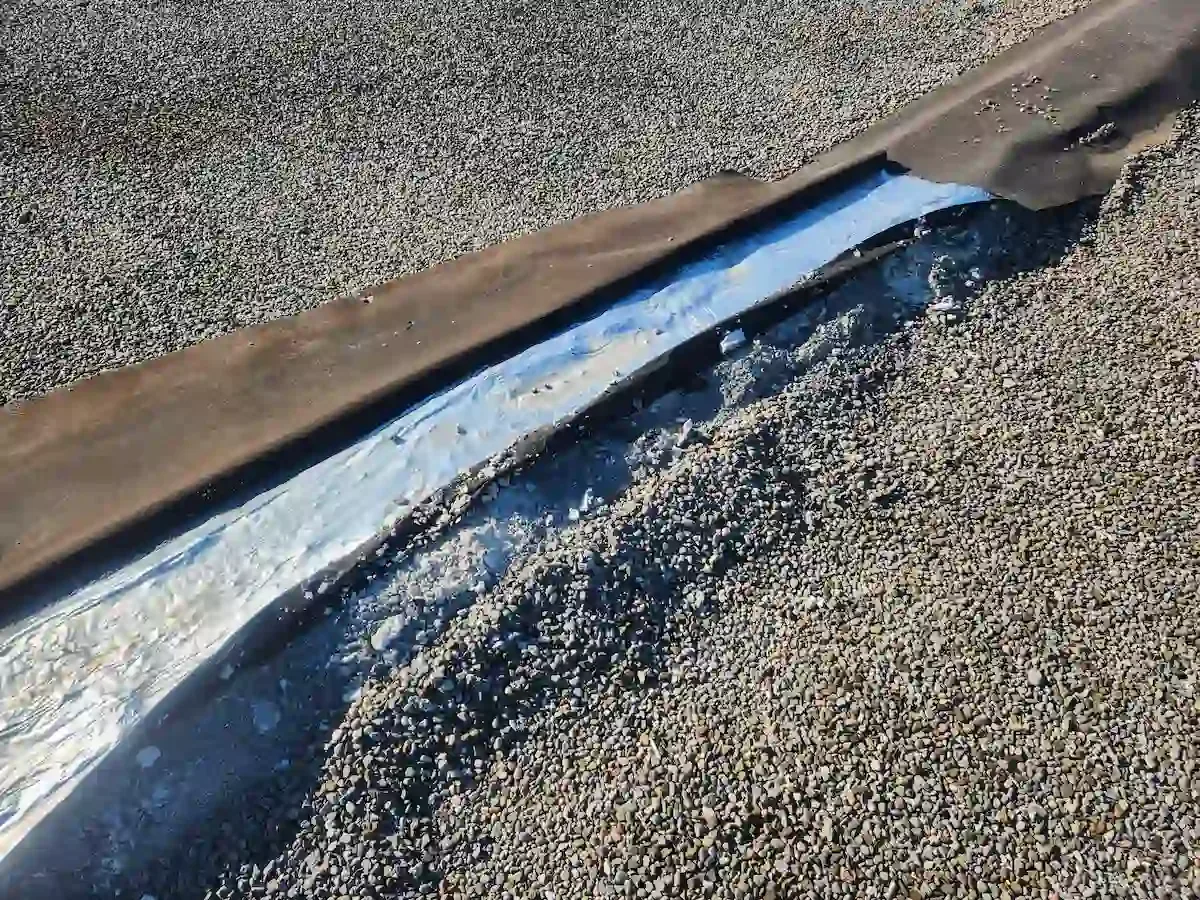
Inspect or repair standing seam metal roofing in Rock Hill with panel, clip, seam, flashing, and drainage checks by roof zone, with photos.
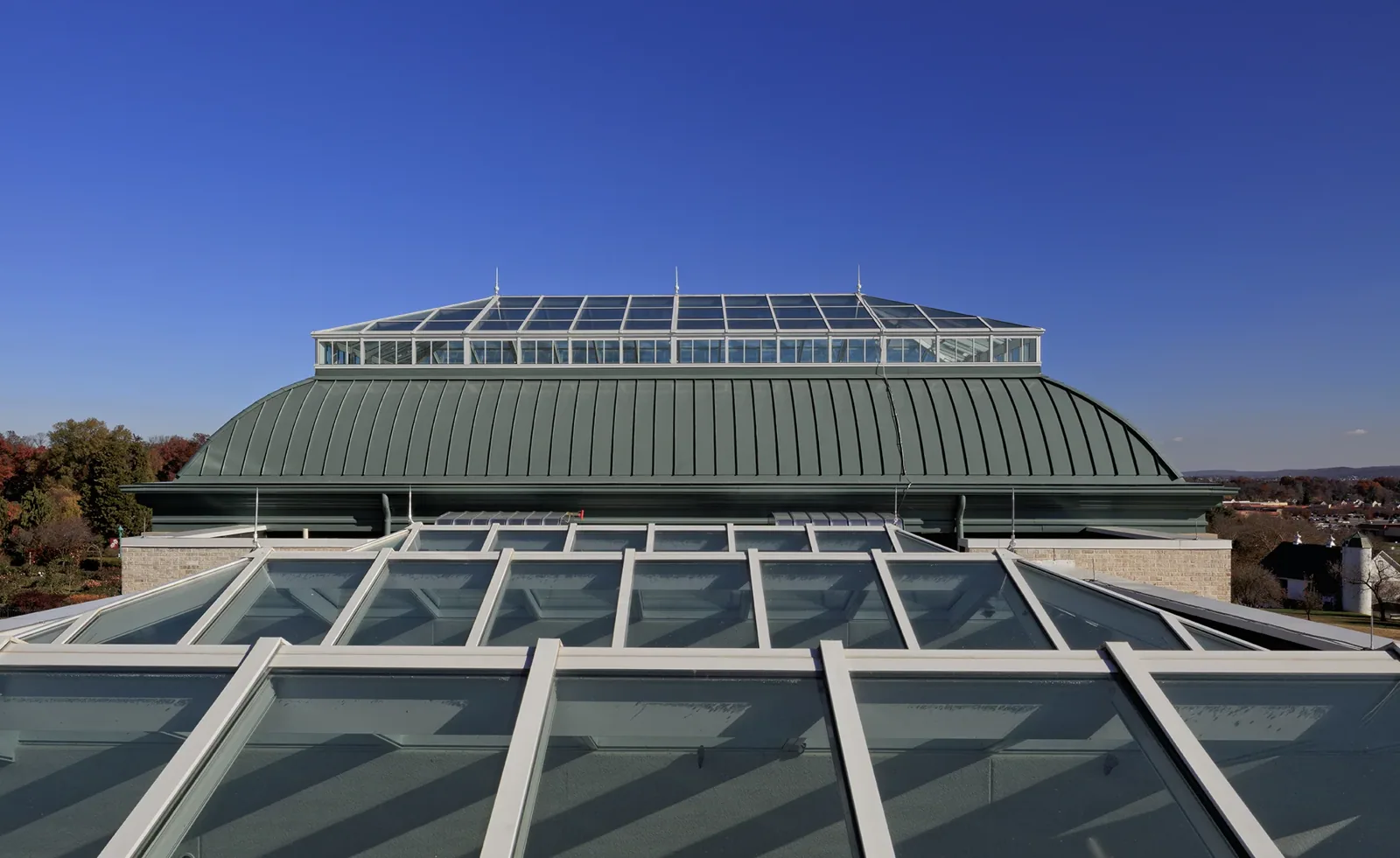
A standing seam panel has to shed water while allowing for movement at its clips and joints. We inspect seam engagement, panel condition, attachment, flashing, and transitions, then identify the detail that needs repair. Rock Hill's warm, humid Piedmont climate brings regular rainfall, so panel laps and penetrations need a clear drainage path. After a current storm report in the Chester or York County area, we inspect panel seams, edge metal, penetrations, and visible impact at the property. For properties near Riverwalk Business Park or the Gold Hill Road corridor, the metal system and its condition still need to be confirmed at the building.
Check Panels, Seams, and Clips
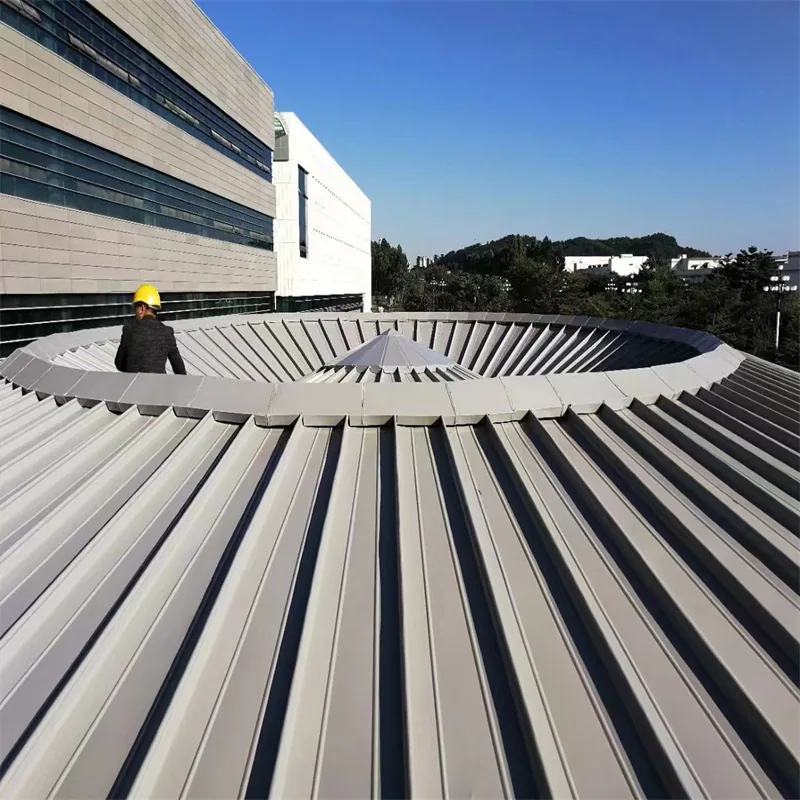
We look along each accessible panel for oil canning, dents, corrosion, open seams, and movement at the clip line. A standing seam can be mechanically seamed or formed to engage with an adjacent panel, so we identify the profile before choosing a tool or replacement section. Clips and fasteners may be concealed beneath the seam. If the panel has shifted or loosened, we inspect adjacent runs and end conditions rather than treating the visible point as the full defect. We also note whether panels move freely at clips or bind against fixed penetrations. That observation helps separate a seam repair from an attachment or thermal-movement issue.
Long metal panels move with temperature changes. A repair that pins the panel where it should slide can create stress at a joint or penetration. We check clip attachment and the available movement path before adding fasteners. Any existing sealant, patch, or repair plate is reviewed for compatibility and location. If corrosion has reduced the material at a seam or valley, replacement may be needed instead of a surface seal. We photograph the panel and mark the affected run so the repair limit follows the actual seam geometry.
Inspect Valleys, Curbs, and Roof Edges
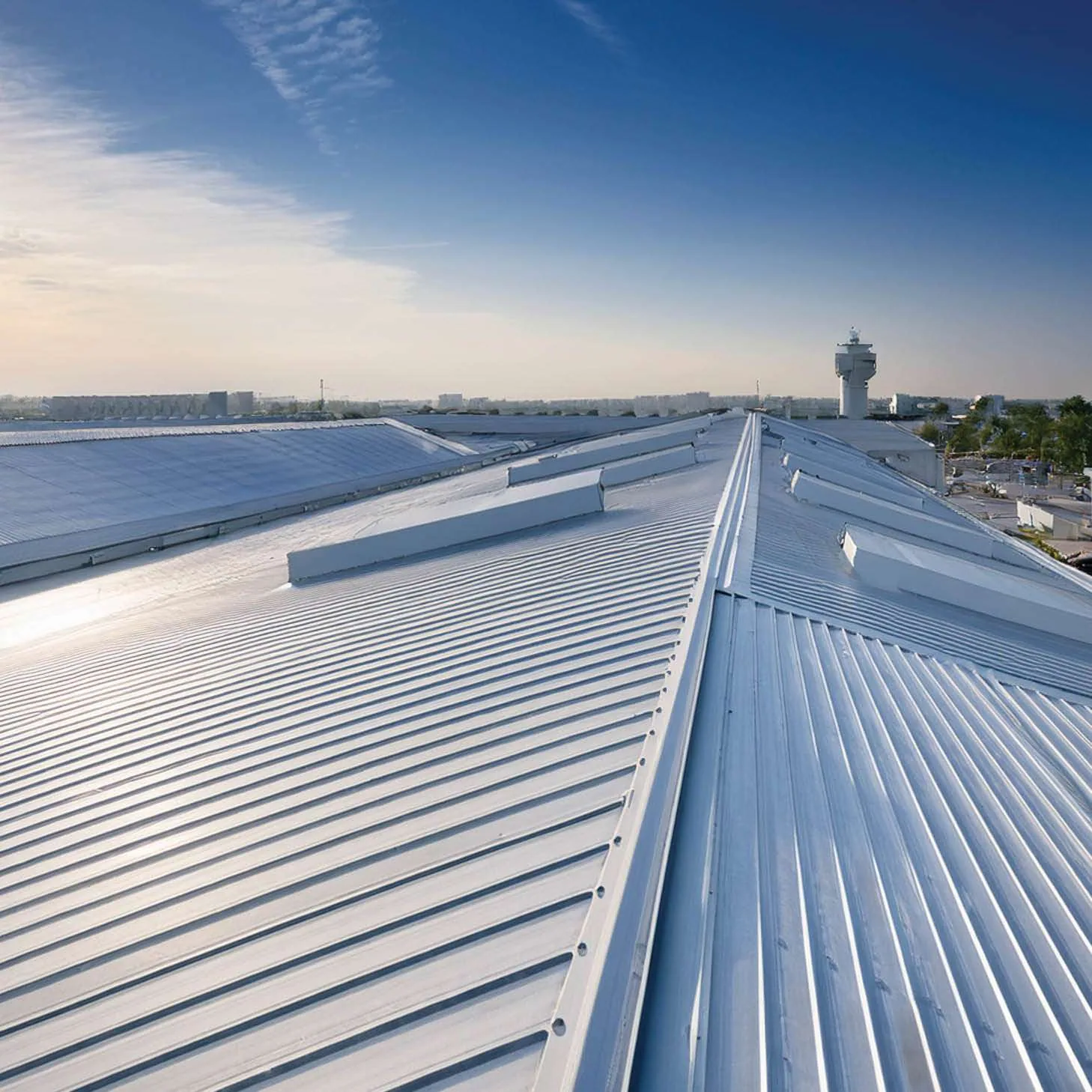
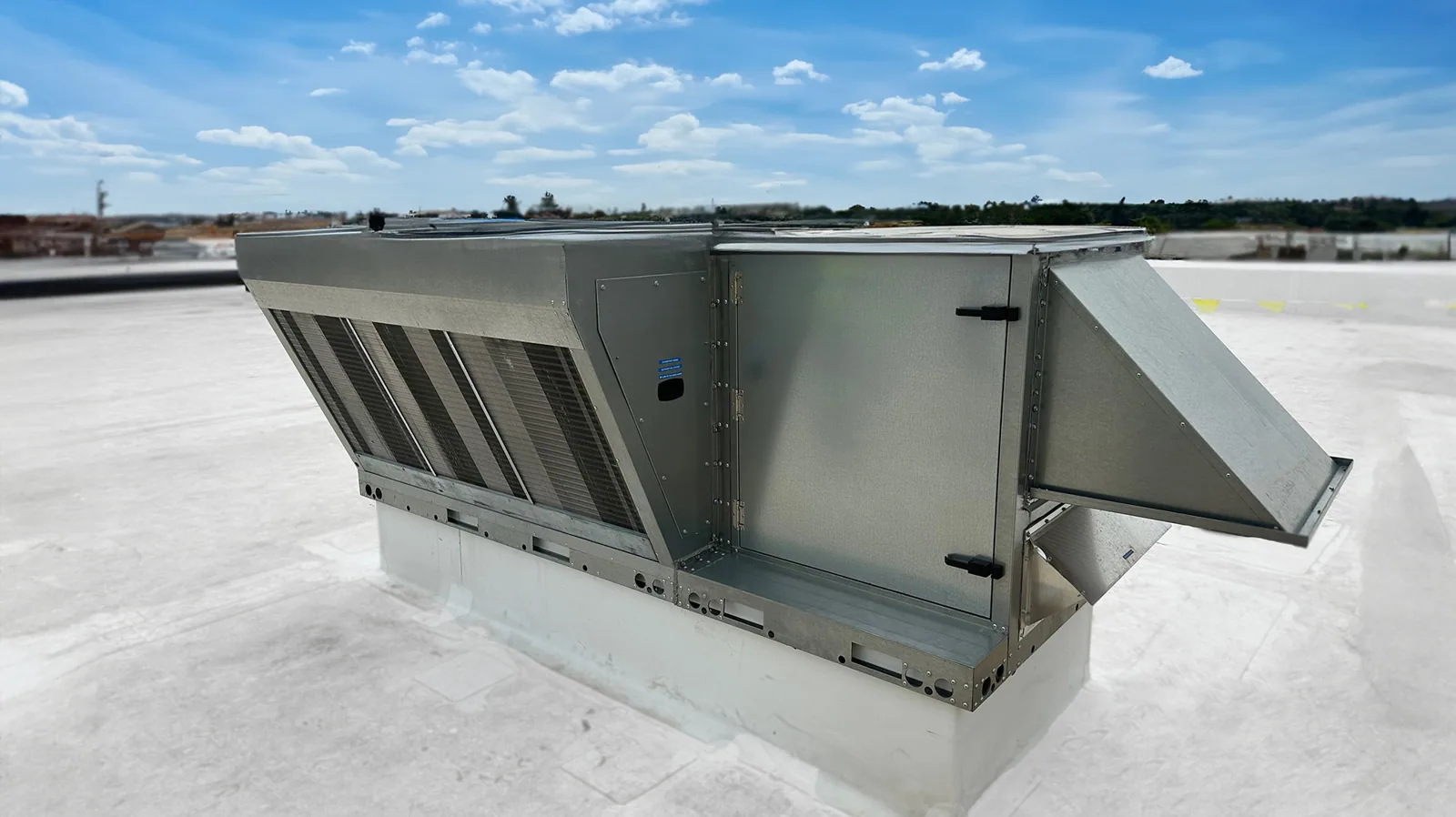
Metal roof leaks often start where panels meet flashing at ridges, valleys, curbs, walls, or eaves. We inspect the direction of the lap, closure material, fasteners, and flashing attachment. At a pipe or rooftop unit, the penetration detail must flex with the panel and remain closed to water. At the edge, we check trim, cleats, and the transition to gutters or downspouts. A bead of sealant over a moving joint may separate again if the underlying detail remains loose.
Water can travel down a panel before entering at a cut edge or fastener. We follow the slope and inspect nearby details, then compare the roof findings with any interior report. A leak investigation can trace the route when the source is not apparent. For equipment bases, curb and support repair can coordinate the flashing with the support condition. At the roof perimeter, edge metal and gutter work can address connected drainage details.
Separate Storm History from Panel Findings
After a reported storm, we inspect for dents, displaced panels, open seams, loose trim, and punctures. Photographs identify the condition and location, while the report distinguishes new observations from earlier corrosion or repair. After a reported tornado or hail event in York County, we check each building's panel seams, flashing, and attachment for visible change before setting the repair boundary.
Rock Hill's business and industrial parks have I-77 access, while Gold Hill Road is a corporate-recruitment corridor in Fort Mill. The roof system at one property still depends on its construction and maintenance history. If a panel was displaced, we check the clips, seam engagement, and adjacent panels before closing the detail. A storm assessment may document related conditions across other roof zones, while this metal inspection remains tied to the visible assembly and repair boundary.
Repair the Metal Assembly
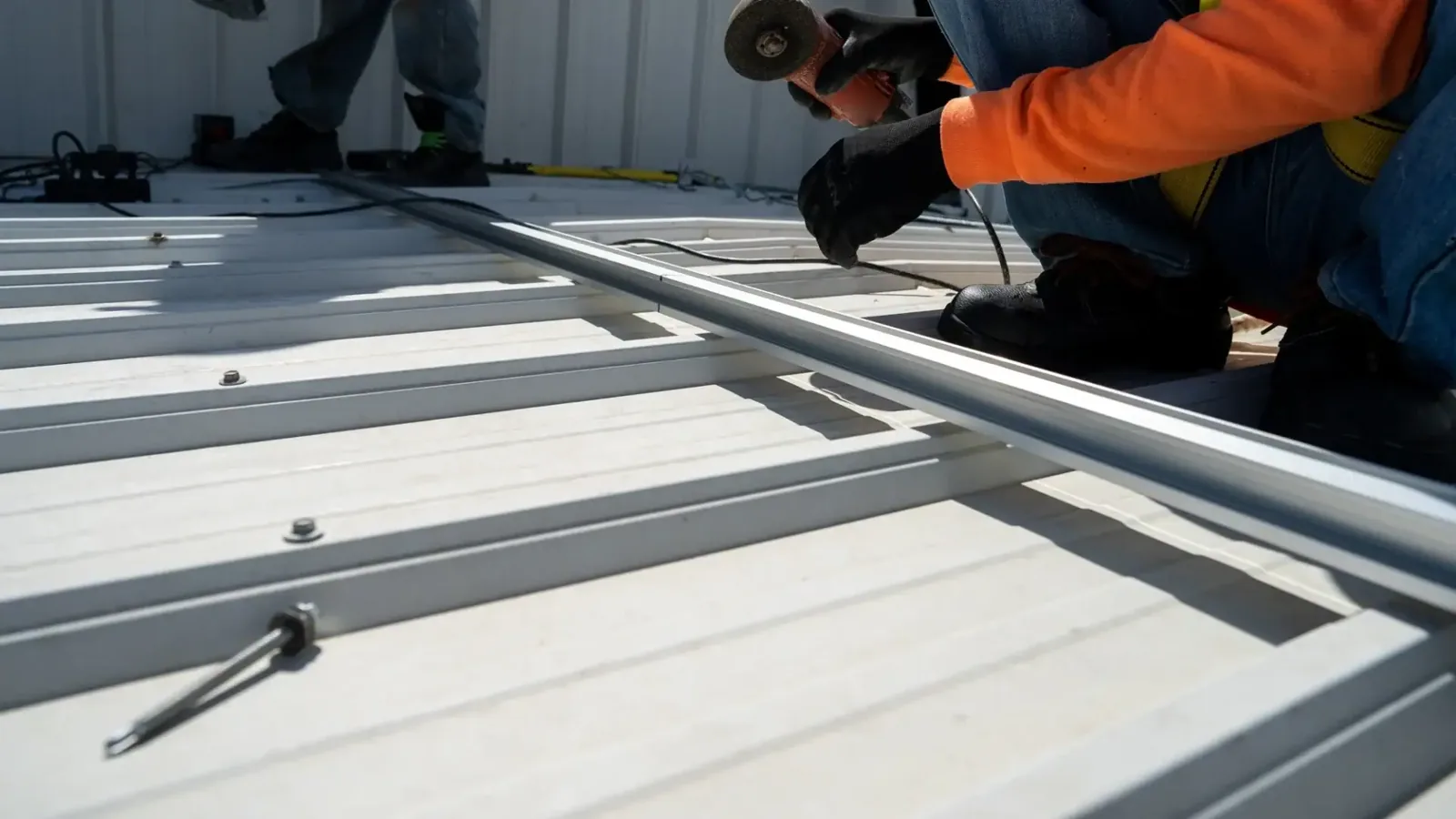
Repair may involve re-engaging a seam, replacing a panel section, renewing flashing, securing trim, or correcting a fastener. The method must preserve panel movement and maintain the water-shedding direction. We remove failed sealant or loose material within the authorized area, prepare the metal, and close the transition using compatible components. If a panel or clip is too corroded or distorted to retain a reliable connection, we mark the replacement extent and confirm it with the owner.
Panel length, gauge and profile, access, clip spacing, and flashing complexity affect the repair scope and sequence. If removal exposes deck damage or wet insulation, we document it before the work extends. A commercial roof repair can coordinate connected flashing and membrane details. An exposed-fastener roof has different attachment points and leak paths; metal roof retrofit work may be considered when the existing panel system and project needs call for a broader renewal. A low-slope membrane such as TPO roofing uses a different drainage and seam approach.
Replacement panels and trim should match the existing profile and finish as closely as the project specification allows. We confirm available dimensions, lap direction, and connection details before removing a section. A repair next to dissimilar metal or an older coating may need an isolation detail to limit incompatible contact. If the exact panel profile cannot be matched, we state the transition that will remain visible and identify whether the assembly needs a broader replacement detail. These decisions affect material lead time, staging, and the length of roof edge left open during the work.
Document Panel Movement and Repairs
At closeout, we photograph the repaired seam, panel, flashing, or edge and note which section was adjusted or replaced. The report identifies the clip or attachment condition inspected, the material used, and any adjacent run left outside the scope. If concealed fasteners could not be checked, that limit is stated. A later inspection can return to the same panel mark and compare movement or corrosion.
Share the building use, panel type if known, leak location, prior metal work, roof plans, and access limits before a visit. We will inspect the panel system, follow the drainage path, and set a compatible repair boundary. The roof record describes the sections accessible on that date, not concealed conditions elsewhere. That distinction stays in the closeout record for the facility contact. A maintenance visit can keep seams, valleys, gutters, and penetrations in the inspection route. For Fort Mill or the Riverwalk area, the facility contact should identify its access and staging requirements so the metal work can be planned at the building level.

Questions About Standing Seam Metal Roofing
Water may enter at flashing, fasteners, cut edges, closures, or a seam damaged beneath a visible cap. We inspect connected details and trace the reported water path rather than relying on appearance alone. A test may be needed if the entry point remains unclear.
We first check the seam profile, panel movement, clip attachment, and surrounding metal. A sealant bead may not hold if the panel continues to move or the connection is corroded. The repair restores the detail using an approach suited to the existing panel system.
Dents alone do not establish whether the seam, coating, or attachment has failed. We inspect affected panels, clips, flashings, and nearby transitions, then document any opening or loss of function. Replacement is considered when the condition extends beyond a localized repair.
We check the seam engagement, clips, fasteners, and adjacent panel runs to find the movement boundary. If the panel can be reset without restricting thermal movement, the repair may be localized. Corroded or distorted material may need replacement, and concealed deck conditions require separate inspection.
Inspect a Standing Seam Roof
Share the panel profile, leak or storm concern, repair history, building use, and access limits. We will check seams, clips, flashing, and drainage, then document a metal repair boundary.