Plan manufacturing-plant roof inspection, repair, or replacement in Rock Hill around equipment, exhaust, process areas, drainage, and production schedules.
A loose curb flashing beside a production exhaust can send water past equipment before a ceiling stain shows where it entered. We inspect the assembly, follow reported water paths, and identify which roof zones can be reached without disrupting plant activity. Rock Hill's employment base includes industry and technology, with TechPark, Riverwalk, and Waterford among its business parks. Rock Hill's planned Octapharma manufacturing facility is in Palmetto Research Park, where life sciences is a targeted industry. We confirm the membrane and access limits at each facility before planning work near TechPark or Palmetto Research Park.
Inspect Around Process Equipment
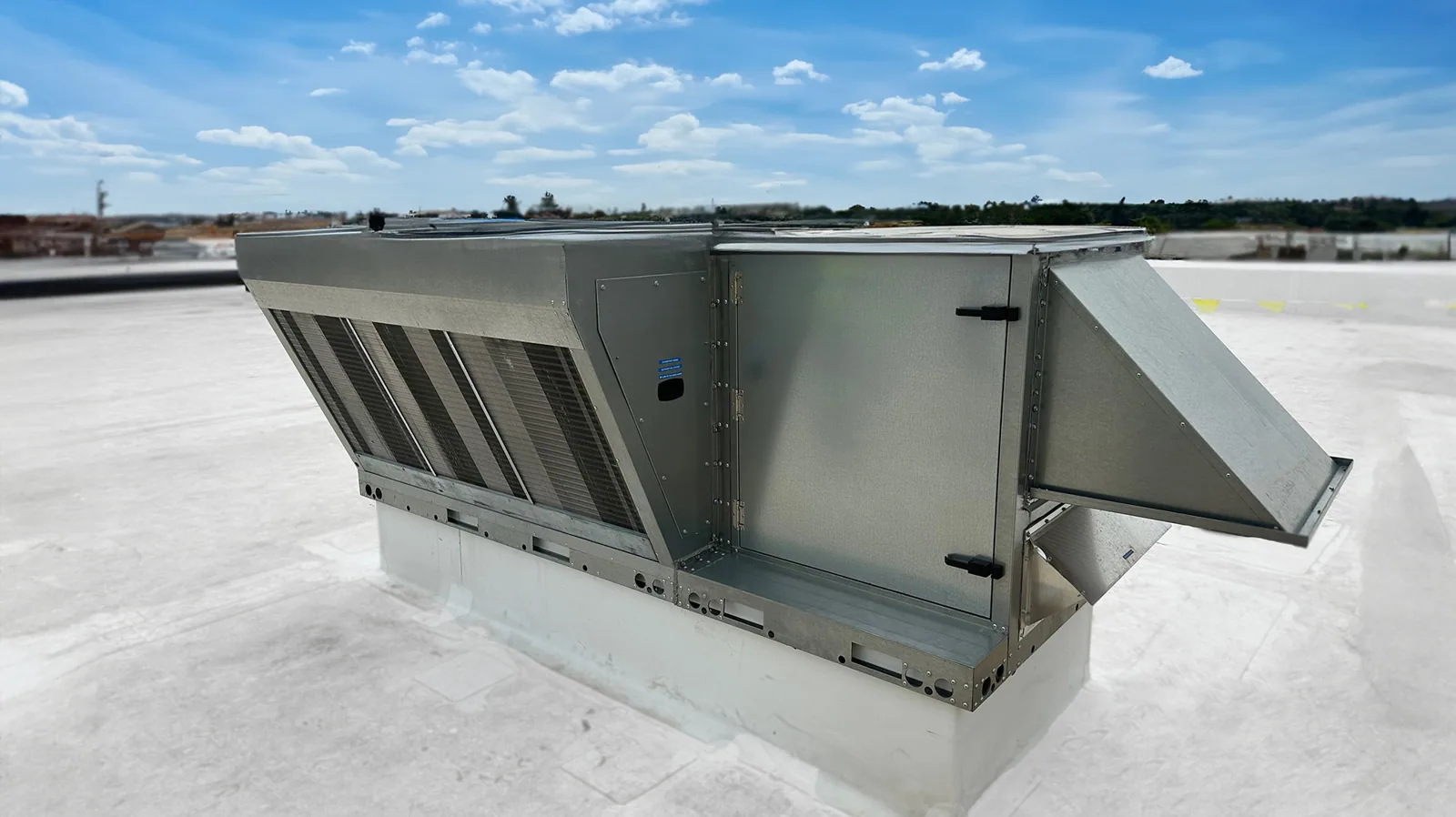
Manufacturing roofs can have exhaust fans, ductwork, pipe penetrations, equipment curbs, and utility routes that have changed over time. We compare those details with roof plans and maintenance records, then inspect flashing, attachment, seams, and nearby membrane for openings or movement. A new unit or service route can leave a cut, abandoned curb, or patch edge that needs its own review. The facility contact identifies known rooftop exposure, and we compare it with the visible surface and material compatibility requirements.
When a ceiling leak appears near a process line, the visible drip may be several roof zones away from the entry. We trace likely routes through deck transitions and insulation joints, then mark the area checked. A leak investigation can separate the confirmed roof opening from a suspected path. Where the layers cannot be identified from the surface, a test opening or moisture survey may be proposed with a defined location and closeout repair.
Manufacturing and processing firms form part of western York County's employer base, and Rock Hill has several industrial parks. We ask the facility contact about process restrictions, equipment schedules, and roof access before setting the inspection sequence. A walk with operations staff can identify which exhausts run during inspection, where roof access crosses process controls, and what temporary cover must protect below. The contact also identifies any restricted roof access or equipment shutdown needed along that route.
Check Material Compatibility at Exhaust and Details
At an exhaust or discharge, the facility contact identifies any known material that reaches the roof. We inspect the membrane and flashing for visible change, then check the selected repair product against the exposure and manufacturer requirements. Product compatibility depends on the actual exposure, concentration, duration, existing assembly, and manufacturer's requirements.
At equipment bases and penetrations, we check flashing height, corner seals, attachment, metal transitions, and any movement that can stress the membrane. If a unit has been replaced or shifted, the abandoned mounting points may leave holes or unsupported flashing. We mark each affected base and separate roofing work from equipment modifications. A curb and equipment-support repair can coordinate roof flashing with the base detail, while penetration work addresses openings that need a compatible tie-in.
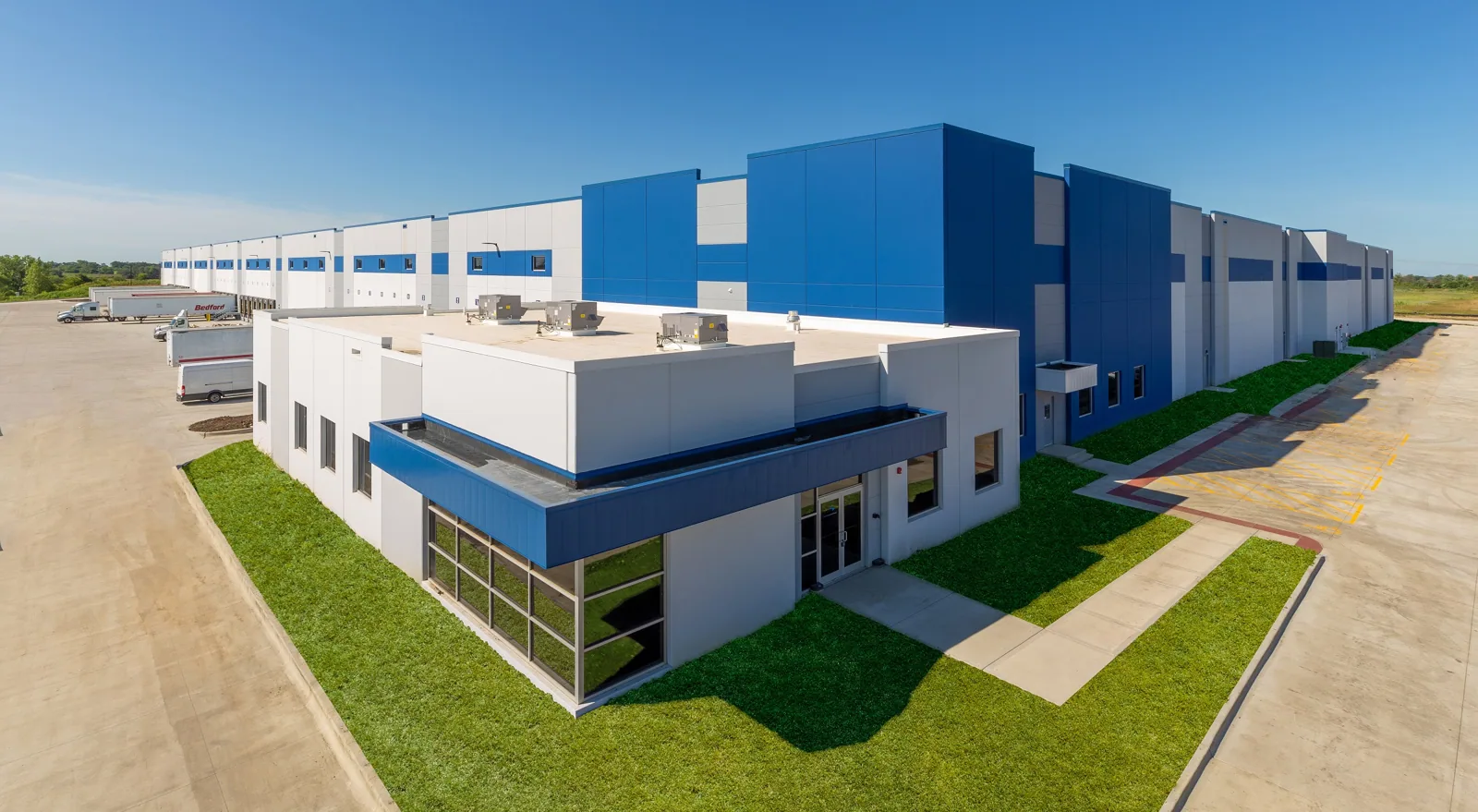
For a broad industrial roof, a warehouse roof may share membrane and drainage details, while a cold-storage assembly can place added demands on vapor control. The plant's actual conditions, rather than its label, guide which detail is applicable.
Plan Work Around Production
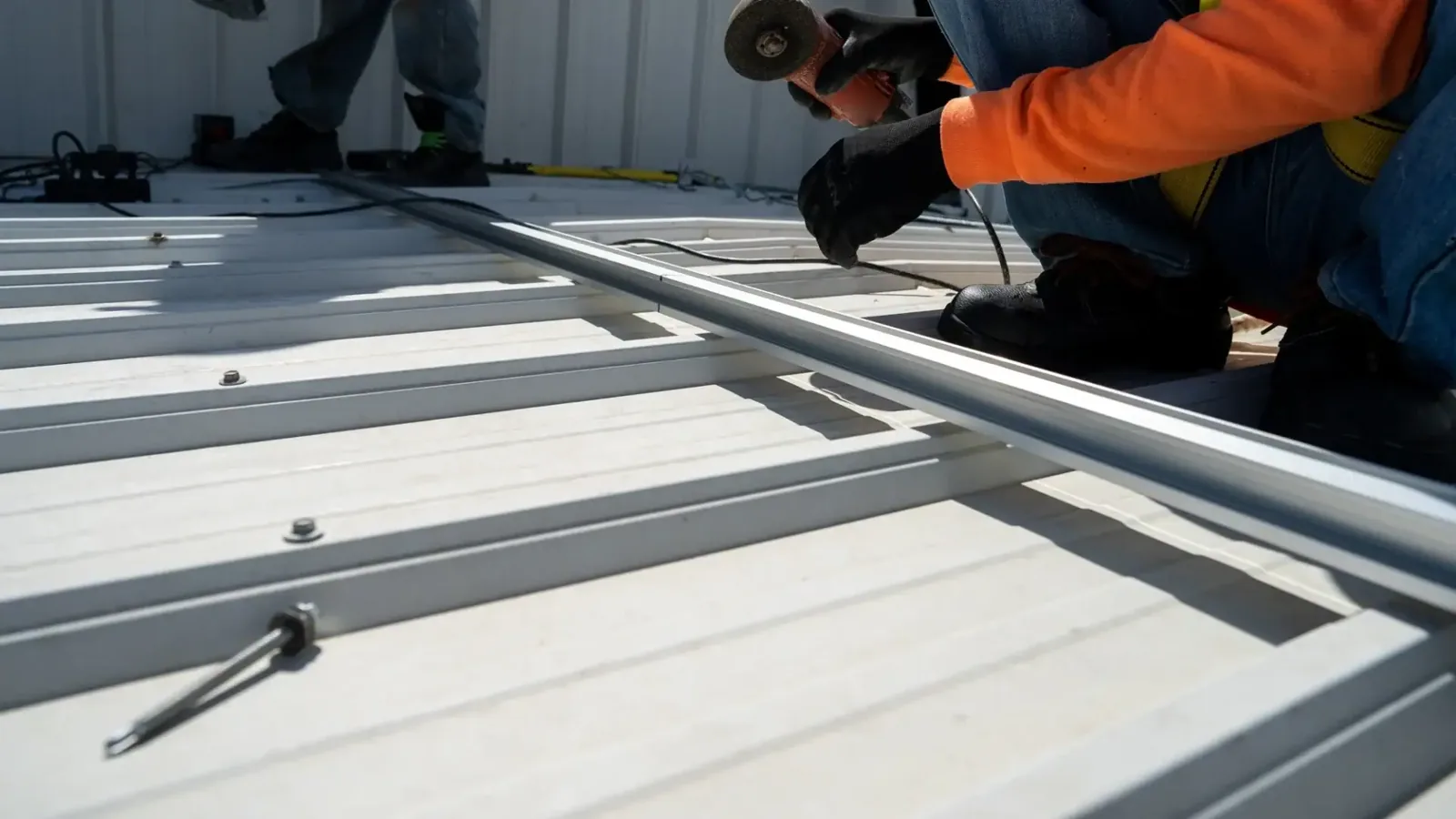
Before a repair or replacement, we coordinate work windows, roof access, crane or lift routes, material staging, and interior protection with the plant contact. Some roof zones may sit above active processes or equipment that cannot be exposed to debris or water. We define how an opening will be protected, how the work area will be closed if weather changes, and which safety or access controls apply to the route.
Sequencing depends on roof condition and plant operation. A repair above an unoccupied storage area may have different constraints from work over production equipment or an active utility room. We can divide the project into roof zones and record what was completed each shift. The work plan identifies any temporary protection and the next area scheduled, without treating the whole facility as a single open work surface.
Rock Hill's I-77-connected business parks support a mix of industry and employment uses, but each plant sets its own safety and production controls. We can coordinate interior access and roof sequencing around an active facility. Cost and timing reflect membrane type, number of details, access, material staging, and concealed conditions that appear during removal.
Separate Local Repairs from Assembly Renewal
A local repair can be appropriate when surrounding membrane, attachment, and flashing remain suitable. We remove loose material only within the approved boundary, prepare sound substrate, and use a compatible patch or detail. If an opening exposes wet insulation or a deteriorated deck, we document the finding and confirm the added work before continuing. Equipment shutdowns or interior protection may need to be coordinated when roof access overlaps a process area.
Repeated leakage, multiple failed transitions, or moisture across more than one zone can support a broader repair or renewal review. A commercial repair scope can group related defects; replacement planning can compare removal and a new assembly when the existing layers cannot remain. We state what was inspected and what requires a test, so a proposal does not imply that concealed construction has already been confirmed.
After a reported severe-weather event in York County, we photograph punctures, displaced edges, or open flashing within the zones inspected. Photos can organize repair observations for an insurance discussion without deciding coverage.
Build a Repeatable Roof Record
Plant maintenance benefits from roof records that name the zone, equipment base, penetration, or drain checked. Photos of the roof surface and flashing condition help the facility compare changes after equipment work, repairs, or storms. We note which areas were inaccessible and which conditions call for monitoring or testing. A later visit can return to the same field marks instead of treating separate roof sections as interchangeable.
A maintenance program can revisit seams, penetrations, drains, edge metal, and previously repaired details. Before that visit, share updated roof plans, process changes, recent equipment work, leak locations, and access restrictions. We will set the route around the facility's current operations and state where the inspection boundary ends. Concealed layers remain outside the finding unless opened or otherwise tested.
Rock Hill's manufacturing and employment areas continue to develop, but the next roof decision still follows the observed assembly and use of the building. We provide findings that show what changed, which repair connects to it, and what question remains before more work is approved.


Questions About Manufacturing Plant Roofing
Some exposures can affect roof materials, but we need to identify the substance and the membrane before drawing that conclusion. We inspect the surface near the discharge and check product compatibility. The facility contact identifies rooftop exhausts and process routes that belong in the inspection plan.
We coordinate interior zones, access, temporary protection, and work sequencing with the facility contact. The plan depends on the equipment below the roof and the size of the opening. If concealed conditions expand the work, we document the issue and confirm the boundary before proceeding.
We inspect the current curb, flashing, attachment, and any abandoned penetrations. Old mounting points can leave openings or unsupported details. Roofing work is defined separately from equipment changes so each connection has a clear scope.
Widespread membrane deterioration, repeated leaks, wet insulation, weak attachment, or multiple failing transitions can make isolated patches unsuitable. We inspect representative zones and identify any tests needed. The report ties repair or replacement options to the evidence found.
Plan Roofing Around Plant Operations
Share the building use, reported leaks, roof plans, process or equipment changes, prior repairs, production limits, and access controls. We will inspect the relevant zones and document a repair or renewal scope that fits the assembly and work boundaries.