
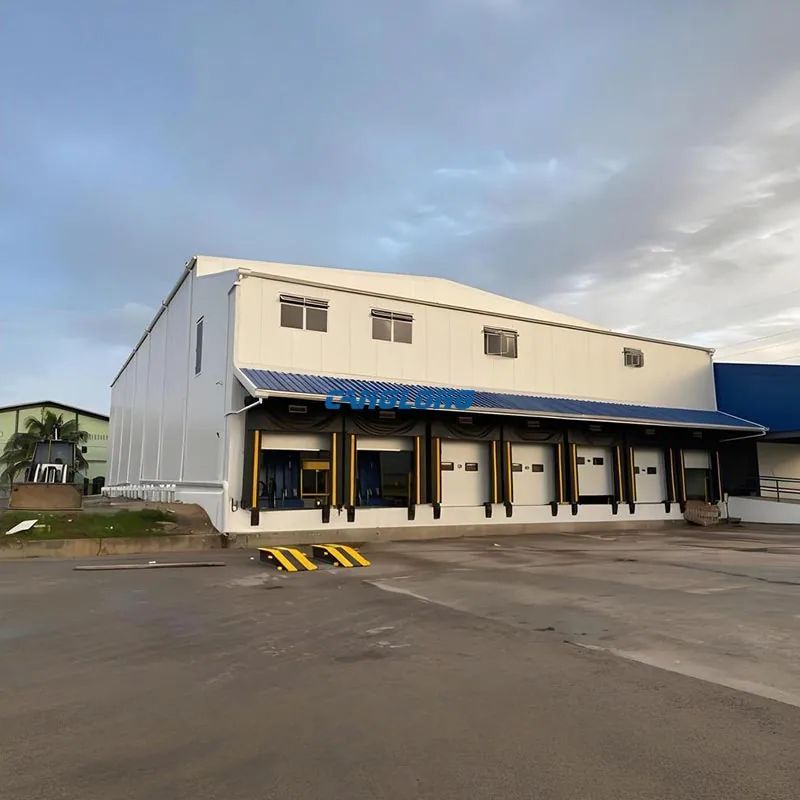

Review Rock Hill cold-storage roofs for leaks, vapor-control details, drains, insulation, and repair plans coordinated with temperature-sensitive operations.
Moisture at a cold-storage roof can come from a membrane opening, a failed flashing detail, or condensation within the assembly. The first task is to separate those possibilities before material is removed or the roof is closed again. We inspect the membrane, transitions, drains, and accessible interior signs, then mark where testing may be needed. Rock Hill's warm, humid Piedmont climate brings regular rainfall, while York County identifies warehouse and distribution growth along I-77 South. Riverwalk Business Park includes distribution among its intended uses, and Legacy is a planned industrial employment area. At either location, we confirm the building's actual roof assembly and operating limits before recommending a repair near Riverwalk Business Park or Legacy Park.
Separate Roof Leakage from Condensation
A water mark around a freezer or cooler area may reflect water entering from above, vapor movement within the assembly, or condensation at a surface where warm air meets a colder layer. We compare the location and timing of the symptom with roof details, interior conditions, and available construction records. A damp surface does not by itself establish a membrane leak. We identify what the inspection can confirm and where additional testing is needed.
On the roof, we inspect laps, flashing, penetrations, roof drains, and equipment bases for openings or movement. Below, accessible observations can show where moisture appears and whether it follows a wall, deck joint, or service opening. We do not assume that an insulation layer is wet based only on a ceiling mark. A commercial roof inspection can establish the visible condition, while an infrared moisture survey can help locate areas for follow-up verification under suitable conditions.
Cold-storage buildings can have tighter temperature and vapor-control requirements than ordinary warehouse space. We coordinate access to interior zones and ask the facility contact about operating limits before opening a roof assembly. If a test opening is proposed, we identify the exact area, temporary protection, and closure method first. The record should state whether the check found wet insulation, a membrane defect, or only a condition requiring further study.
Trace Penetrations and Vapor-Control Details
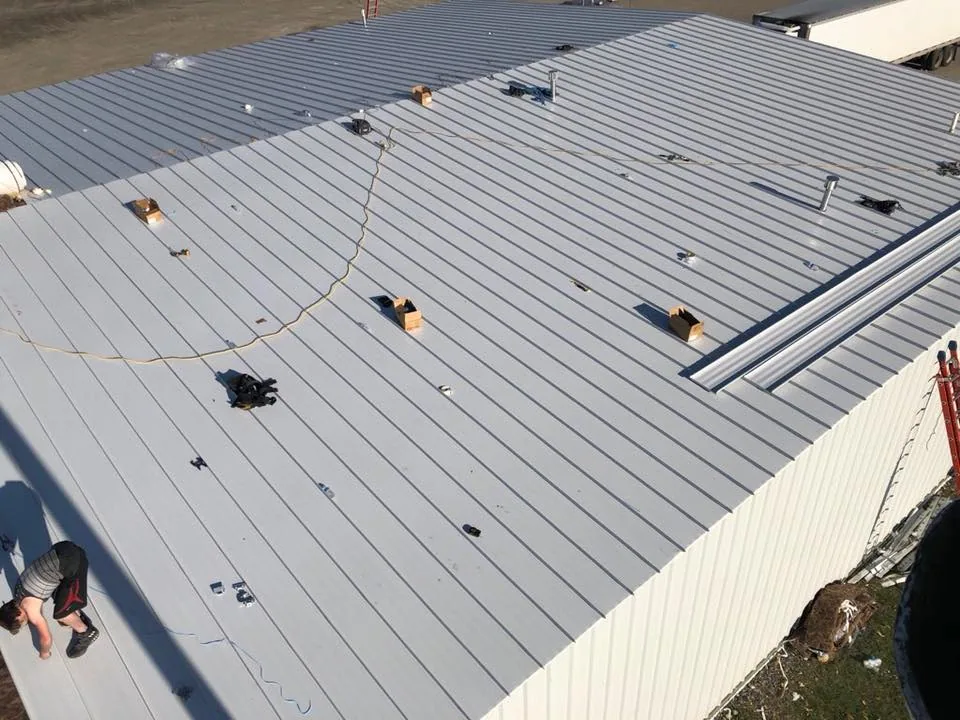
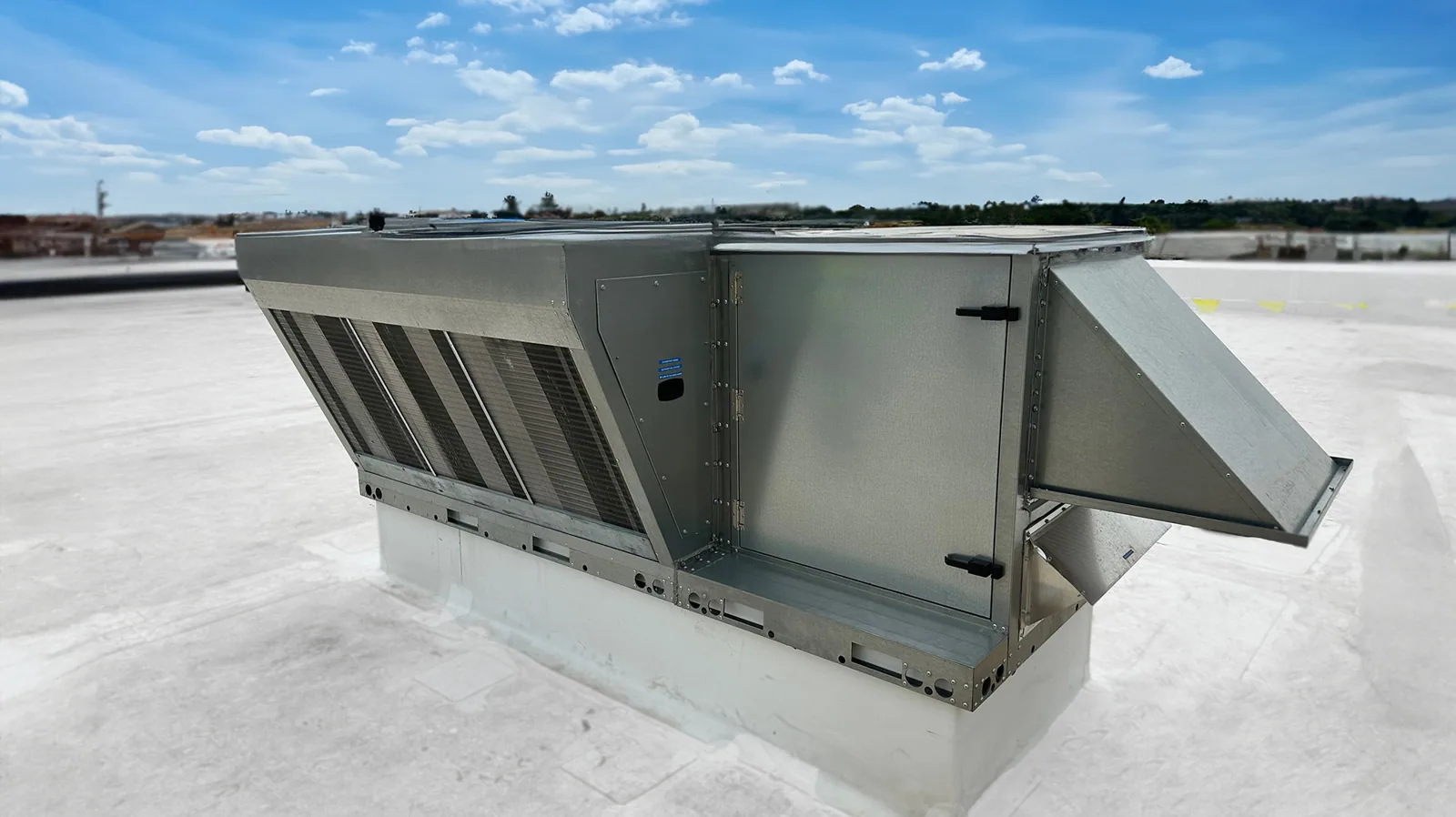
Conduits, refrigerant lines, vents, and equipment supports all cross the roof and can interrupt air or vapor control if their details are incomplete. We inspect flashing height, sealant condition, attachment, and the membrane's connection around each penetration. Equipment replacement may leave unused openings or a curb detail that no longer matches the current unit. We identify the roof work needed at each base and keep equipment modifications outside the roofing scope unless they are included.
Vapor movement can affect more than the visible interior area. A seam or edge defect may let moist air enter the roof build-up, and a thermal bridge or interrupted air seal can produce condensation without a rain leak. We review the symptoms with the facility contact and distinguish observed moisture from a presumed cause. We mark each test opening and compare its layers with nearby roof details before extending the repair boundary.
For a roof with HVAC or refrigeration equipment, a curb and support repair can coordinate flashing at the base. An insulation and cover-board scope may address material replacement when the assembly has been exposed. We document which layers are visible and how the proposed detail reconnects them.
Check Drains, Perimeters, and Rain Exposure
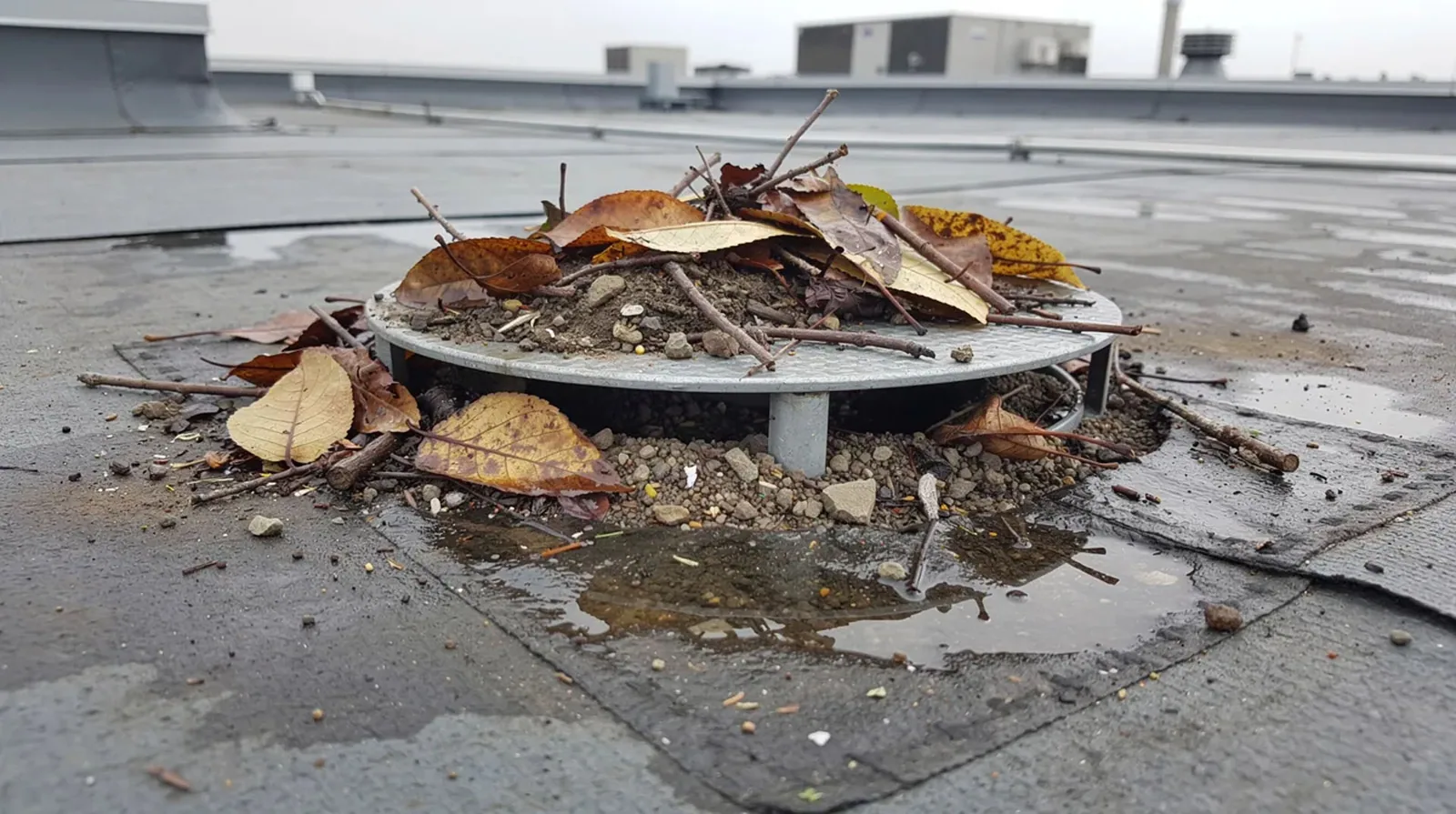
Rock Hill's regular rain makes the drain bowl and discharge route important to inspect, but clearing the outlet is only one part of the review. We check surrounding membrane, low areas, flashing, and overflow paths for signs that water has moved beneath the roof. A persistent wet location should be connected to a drainage or assembly finding before it is treated as a coating or patch issue.
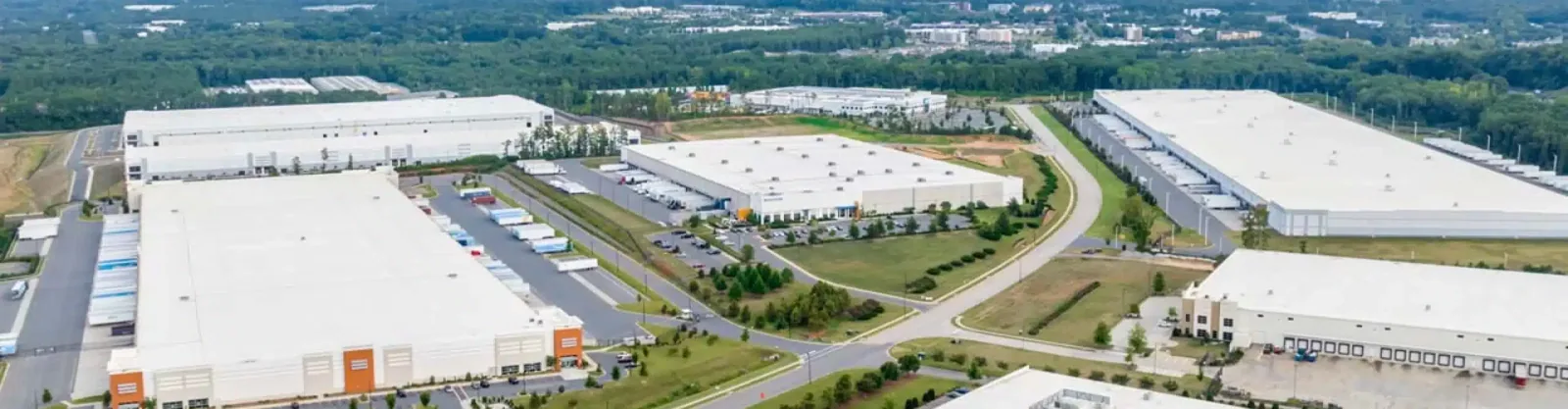
Commercial and industrial development along I-77 South includes logistics and distribution growth. Each facility's roof construction and cold-room configuration must be confirmed onsite. We plan a safe route through the actual roof zones and coordinate with operations before accessing equipment areas. A drain and scupper repair can correct an outlet defect; if the interior stain does not align with a visible roof opening, we document the suspected water path and note what remains unconfirmed.
At the perimeter, we inspect membrane termination, coping, edge metal, and wall transitions for separation. Changes in temperature across a cold-storage envelope can make continuity at the roof-to-wall junction especially important to review. The scope states what can be accessed and what would require interior or destructive testing to confirm.
Protect Temperature-Sensitive Operations
A roof opening over a chilled area can affect product, equipment, and temperature control. We plan temporary protection, material staging, and the sequence for opening and closing the roof with the facility contact. The work boundary can be divided into manageable zones so exposed insulation is not left open while another area is prepared. If rain, condensation, or substrate moisture prevents installation, the assembly remains protected until conditions allow the repair to proceed.
We select a patch, flashing, or replacement detail to match the existing membrane and assembly. If removal reveals wet insulation or a damaged deck, we record the location and confirm the added scope before it expands. Repair length, product compatibility, access, interior protection, and any needed testing affect schedule and cost. The estimate should distinguish roofing materials from work needed on refrigeration equipment or interior finishes.
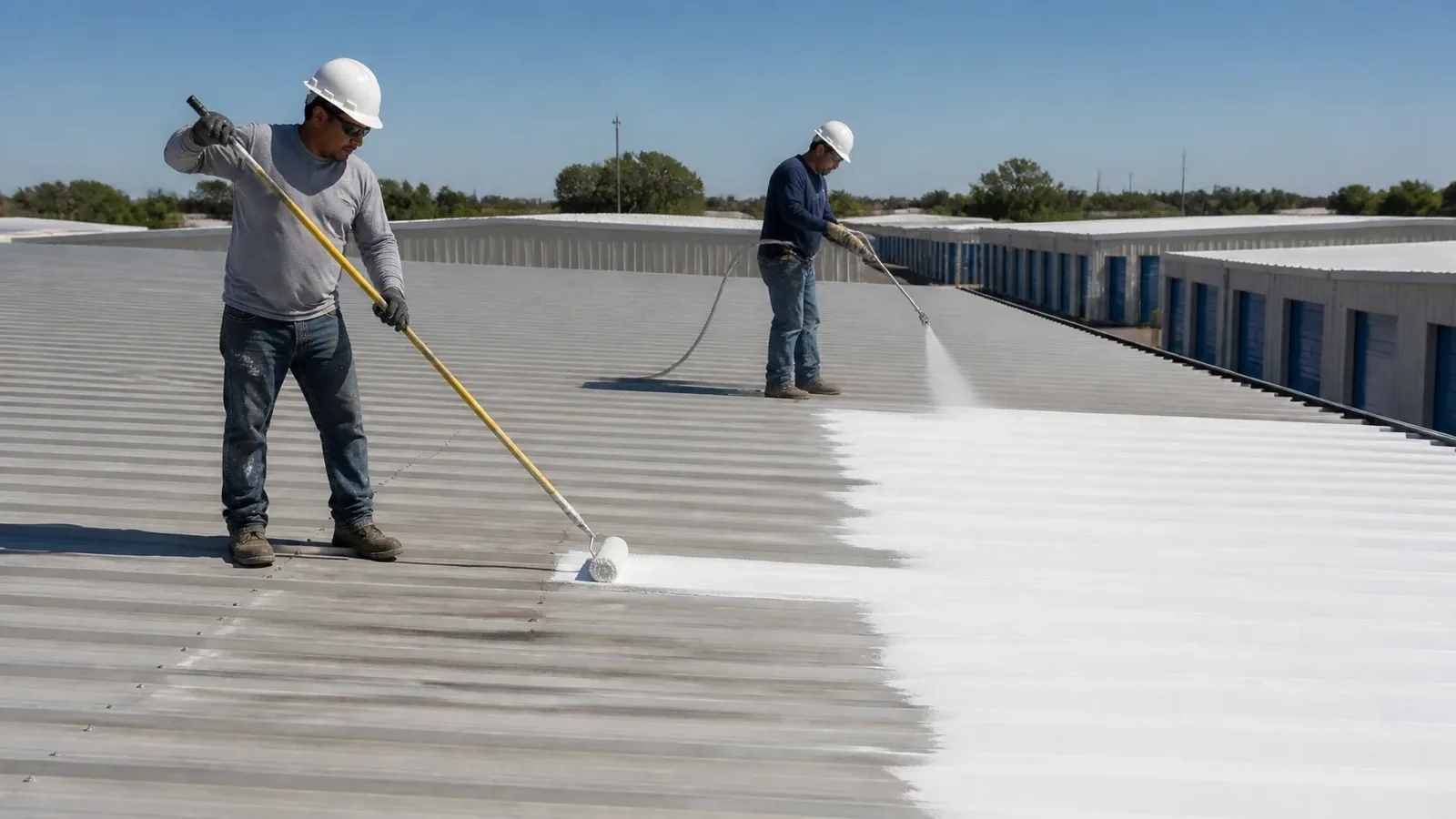
For a broader repair, we can define connected membrane and flashing work. If multiple layers are wet or the assembly no longer supports isolated repairs, a replacement review can set the removal and new construction boundary. A warehouse roof or distribution-center roof may share roof details, but cold-room vapor control and interior temperature conditions need their own inspection.
Record the Condition for the Facility Team
Closeout notes identify the roof zone, the repair or test completed, materials installed, and any limitation that remains. Photos show the penetration, seam, drain, or interior mark included in the work. We distinguish confirmed moisture from an area that only needs monitoring or a later test. This record helps refrigeration and facility staff coordinate follow-up without treating a single repaired detail as proof that the entire roof assembly is dry.
A maintenance visit can recheck accessible seams, curbs, drains, and repair edges. Share changes to equipment, roof penetrations, temperature settings, or leak patterns before that visit so the inspection route reflects current conditions. We can also compare new observations with prior test locations and confirm whether a wet area has changed.
Rock Hill's industrial parks and the I-77 employment corridor support a broad commercial base, but each cold-storage facility needs its own roof record. We will define the accessible area, explain the evidence, and state what remains uncertain before recommending additional work.
Questions About Cold Storage Roofing
We compare the symptom with roof openings, weather timing, interior conditions, and available assembly records. A targeted opening or moisture assessment can help distinguish wet insulation from condensation. We report the observed layers and use that result to choose any additional checks.
It may if the work crosses a controlled interior area or leaves insulation exposed. We coordinate temporary protection, access, and work sequence with the facility contact. The plan also identifies how an opened roof will be closed if weather changes or an unexpected condition appears.
The roof detail must preserve membrane flashing and any air or vapor-control layers that the assembly requires. We inspect the base and surrounding materials, then define the connection needed for the equipment or line. A bead of sealant alone may not restore a failed transition.
It can identify temperature patterns that help select locations for further review under appropriate conditions. It does not by itself confirm wet insulation or show the full extent of concealed moisture. We verify findings using suitable follow-up methods and record each test boundary.
Evaluate a Cold-Storage Roof
Share the roof plans, temperature-sensitive areas, leak history, equipment or line changes, prior tests, and operating limits. We will inspect the roof details, coordinate access, and define a repair boundary with any remaining questions clearly stated.
