
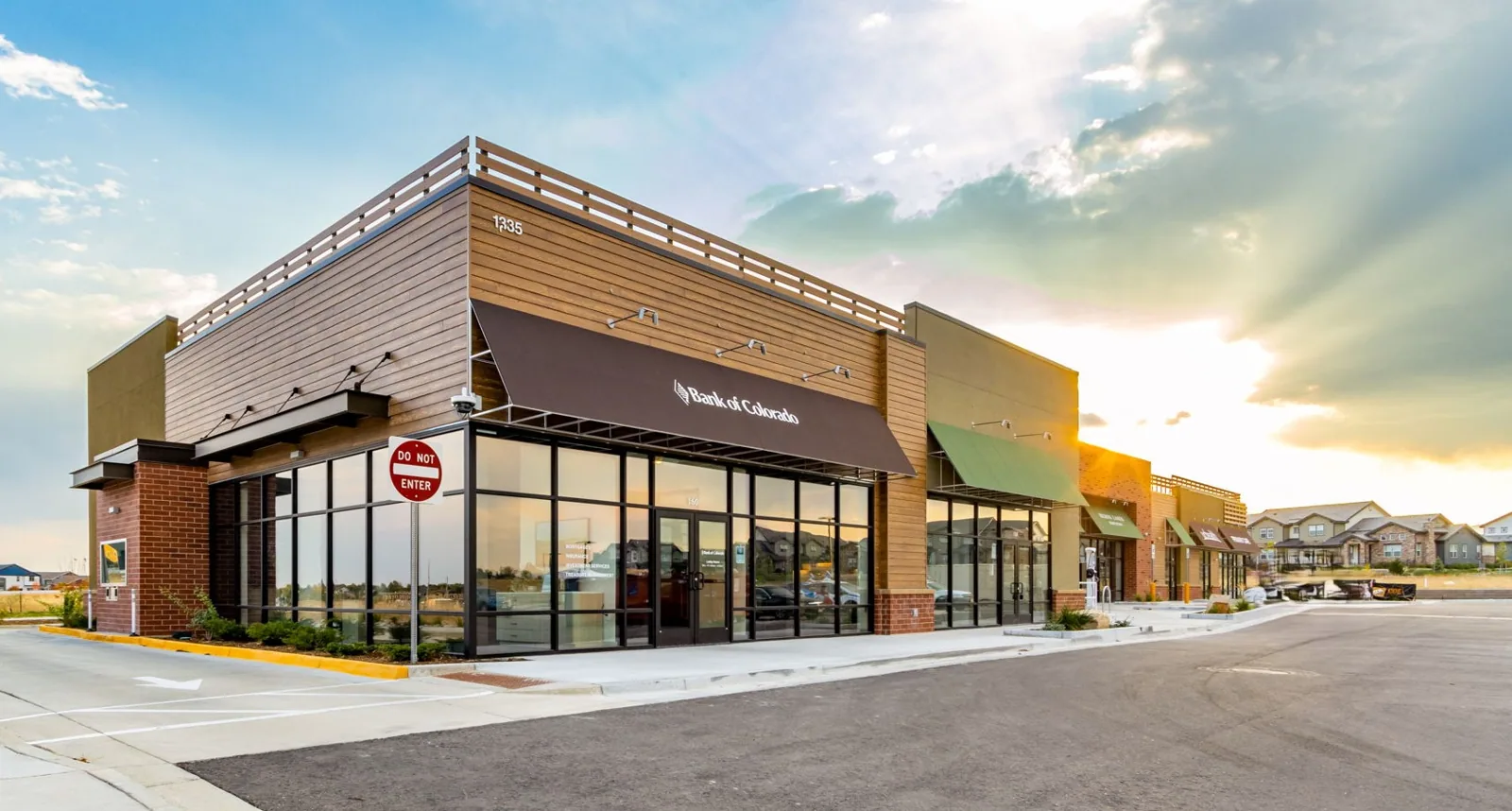
Manage roof inspections, repairs, maintenance, and capital planning across commercial properties with documented findings and clear work boundaries.
A roof call is easier to manage when the site, affected tenant, access route, and decision owner are clear before a crew arrives. We inspect the reported condition, identify roof zones, and return findings in a format a manager can use to plan repairs or budget follow-up. Rock Hill's business portfolio ranges from industrial parks to downtown mixed-use districts, including Riverwalk Business Park and Knowledge Park. We coordinate roof work around Riverwalk Business Park or Knowledge Park with the property contact, rather than assuming every building in a district has the same roof.
Build a Reliable Roof Record Across Properties
For a multi-building portfolio, we use consistent labels for the property, roof section, reported issue, and work completed. If an owner has a roof plan or asset list, we can tie observations to its building names and zones. Without a drawing, we establish clear field references and note where access stops. That makes it easier to compare one inspection with another without presenting a limited visit as a complete condition survey.
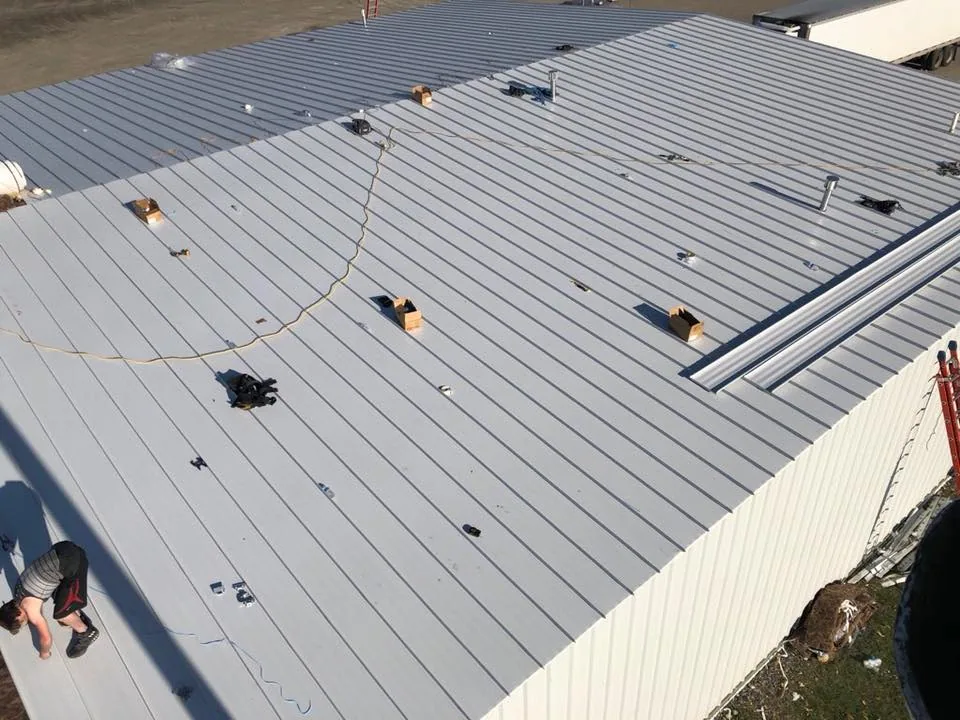
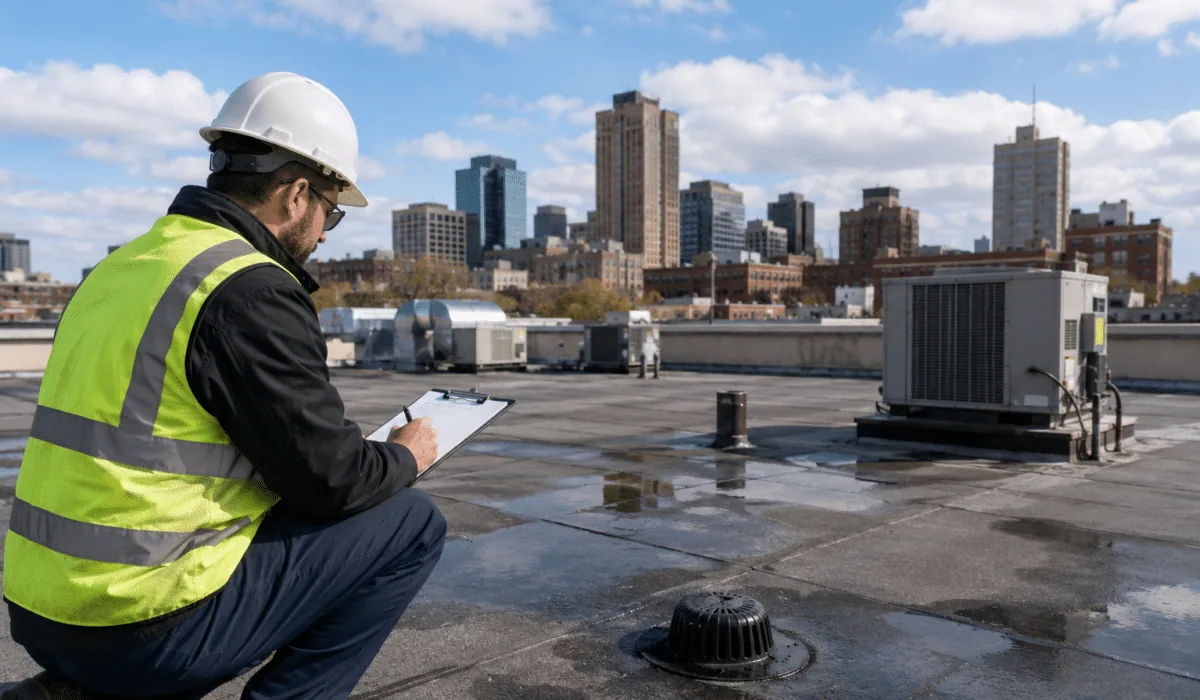
A commercial roof inspection can document visible membrane, metal, drainage, penetrations, and prior repair conditions. The report separates what was seen from what would require testing or opening the roof. We include photographs of relevant details, identify safety or access limitations, and explain which findings need a proposal. A manager can then route the information to an owner, tenant, insurer, or maintenance vendor with the scope intact.
Rock Hill's business and industrial parks serve a regional mix of technology, industry, and entrepreneurship. That variety can place different roof systems and operating needs within one local portfolio. For each building, we record the membrane, available age and warranty documents, and condition observed from accessible roof areas. We verify those items building by building and retain an uncertainty note when records or accessible edges do not answer the question.
Triage Leaks and Protect Occupied Areas
When a tenant reports water, we need the room or suite, date, weather conditions, and whether the mark is active or recurring. We compare that report with drains, seams, roof-to-wall transitions, equipment curbs, and previous repair locations. Water can travel between the entry point and interior stain, so the closest roof detail is only a lead. A leak investigation records the route examined and whether the source was confirmed, likely, or unresolved.
Property staff can identify who controls roof access and who can approve entry to a tenant space. We agree on interior protection and a closure plan before making a test opening. A test describes the assembly at its location; it does not characterize other wings or neighboring assets. If concealed wet insulation or damaged decking appears after removal, we document it and define the additional boundary for approval before extending work.
After severe weather, compare accessible roof zones with prior photos and mark any condition found at the property. Rock Hill's warm, humid climate brings a long warm season and regular rainfall, and York County has a documented tornado history. After a storm concern, we inspect accessible roof zones for visible displacement, punctures, or open flashing and tie each observation to the actual building area reached.
Set Maintenance Around Observed Conditions
Maintenance can include checking drains, scuppers, seams, curb bases, edge metal, and earlier patches. The inspection route should reflect the roof system, prior leak history, access, and owner priorities. We do not assume the same interval is right for every asset. A maintenance visit can record what was cleared, what was repaired, and which condition calls for a separate proposal, keeping routine observations distinct from capital work.
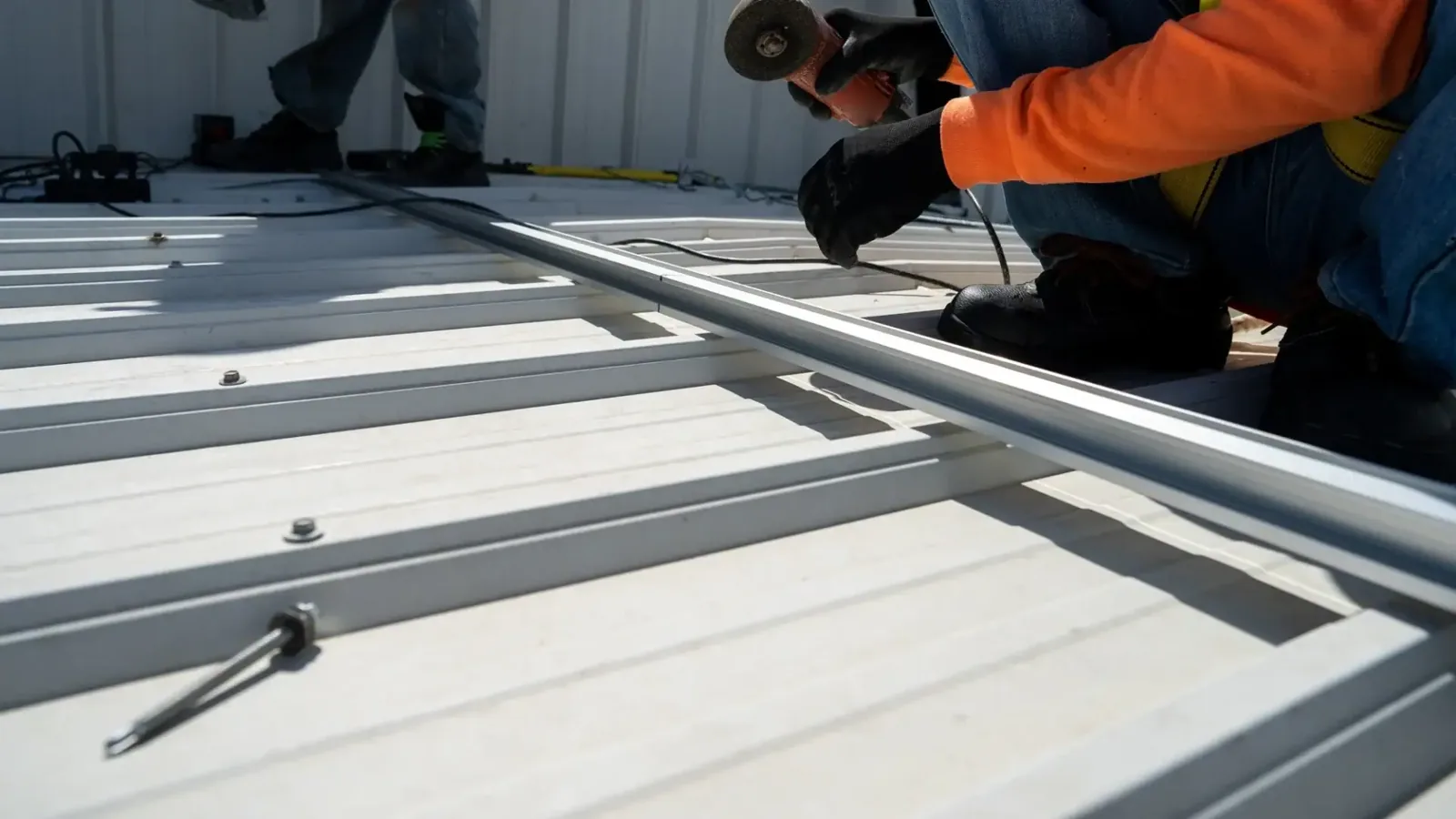
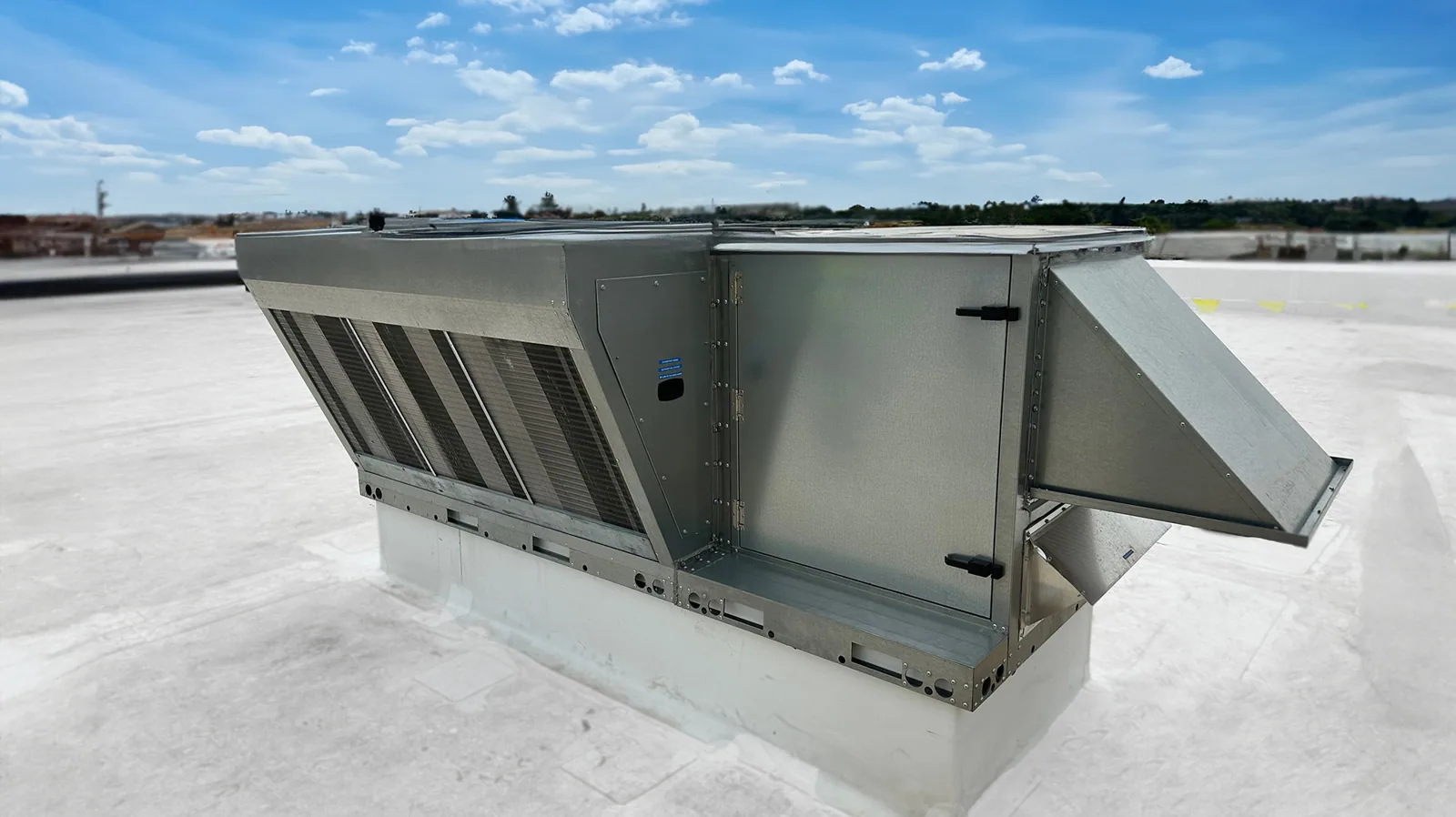
Managers may also need coordination with mechanical vendors, tenants, and building operations. We identify whether a curb or penetration issue belongs in the roofing scope and whether a unit must be isolated or moved by another trade. A curb and support repair can address the roof transition after the equipment base and membrane connection are verified. The work order should identify who will restore any detail disturbed during equipment service.
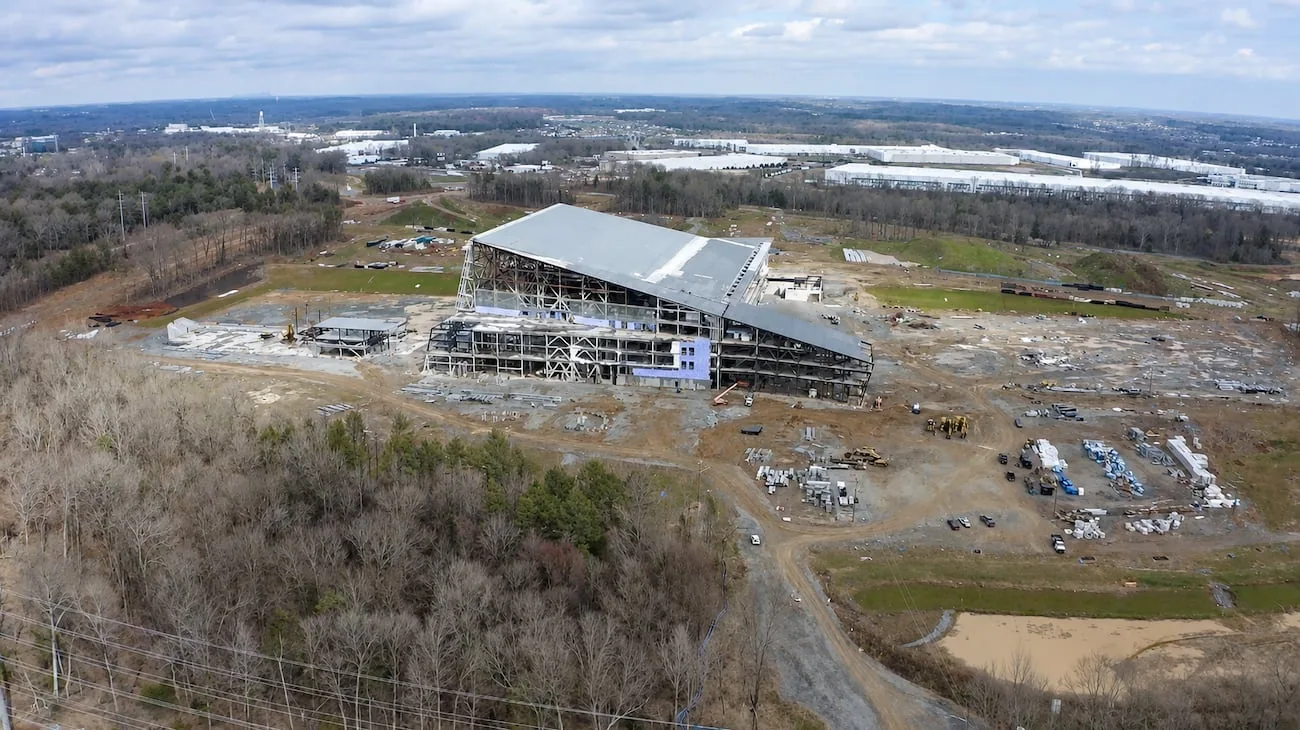
Where more than one building shares a campus, delivery lane, or service route, the work plan can identify staging areas and sequence roof sections to limit interference. A phased occupied-building plan can define temporary protection and daily closure checks. Access constraints, weather, material preparation, and any discovered substrate damage affect what can be completed in each phase.
Compare Repair, Recovery, and Replacement
A portfolio decision should start with system identification, repair history, condition evidence, and the owner's timing needs. A localized defect with sound surrounding material may support a focused repair. Repeated seam separation, broad moisture, or widespread deterioration can justify comparing repair with a larger renewal. We describe the basis for that comparison and identify what remains untested; we do not infer a roof-wide condition from one leak call.
A replacement scope should set roof areas, tear-off or recovery assumptions, insulation, edge conditions, penetrations, access, protection, and closeout. If a project may retain existing layers, the available condition information and applicable design review should support that choice. Cost and schedule depend on roof area, materials, details, operations, and concealed conditions. Each proposal states its included work and exclusions so owners can compare like scope with like scope.
A real-estate investor or REIT program may prioritize repeatable reporting across assets, while a general contractor partnership may focus on defined trade boundaries and sequencing. In either case, the property manager retains site-specific access and tenant information. We can support the handoff with photos, marked roof zones, and a concise list of decisions needed before work proceeds.
Keep Approvals and Closeout Traceable
Before mobilization, we confirm the authorized contact, approved work area, roof access, tenant notice responsibility, staging, and process for changes. If field conditions alter the repair, the crew secures the exposed area and shares the evidence before expanding scope. A written approval can identify the new boundary and any schedule or cost change. This avoids folding unrelated ceiling, mechanical, or tenant-improvement work into a roofing line item without agreement.
At completion, the record lists the roof zones visited, defects repaired, materials used, photographs, tests, and any follow-up recommendation. The manager can compare that record with later reports or building work. If a section was inaccessible or never opened, it remains identified as such. Those limits are important when the information is used for budgeting, a lease discussion, or an asset handoff.
Rock Hill's commercial development includes the I-77 South corridor and mixed-use downtown investment, while neighboring Fort Mill has its own business corridors and employers. These broad places help situate the service area, not predict a property's roofing needs. Share roof plans, repair history, access rules, tenant impacts, and the portfolio decision deadline. We will define which buildings can be inspected, what evidence each needs, and where an owner decision is required.

Questions About Property Managers
A portfolio visit can include several buildings when access, scope, and roof plans are defined. Each building still needs its own observations and limitations so a finding at one roof is not applied to another.
Provide the roof plan, leak history, prior proposals, access rules, tenant contacts, equipment work, and any approval deadline. That information helps define the route and any interior access needed.
We compare the affected room and timing with nearby roof details, then document the route and what remains uncertain. Entry to a suite and any test opening are coordinated through the property contact.
Yes. We can use consistent roof-zone labels, photos, and scope descriptions across the buildings included in the assignment. Repair, recovery, or replacement recommendations remain specific to each roof's verified condition.
Organize a Commercial Roof Portfolio
Share the building list, roof plans, leak history, access rules, tenant impacts, and upcoming budget decisions. We will define the inspection scope by property and return findings that separate verified conditions from follow-up needs.
