Who We Are
A roof decision is easier to defend when the condition, inspection boundary, and proposed work line up. Commercial Roofing Rock Hill inspects, repairs, restores, coats, replaces, and maintains low-slope and metal roofs for commercial properties in Rock Hill, SC, and nearby communities. We record visible conditions, identify what needs testing, and explain how each finding affects the next decision. The scope stays tied to the building and its roof.
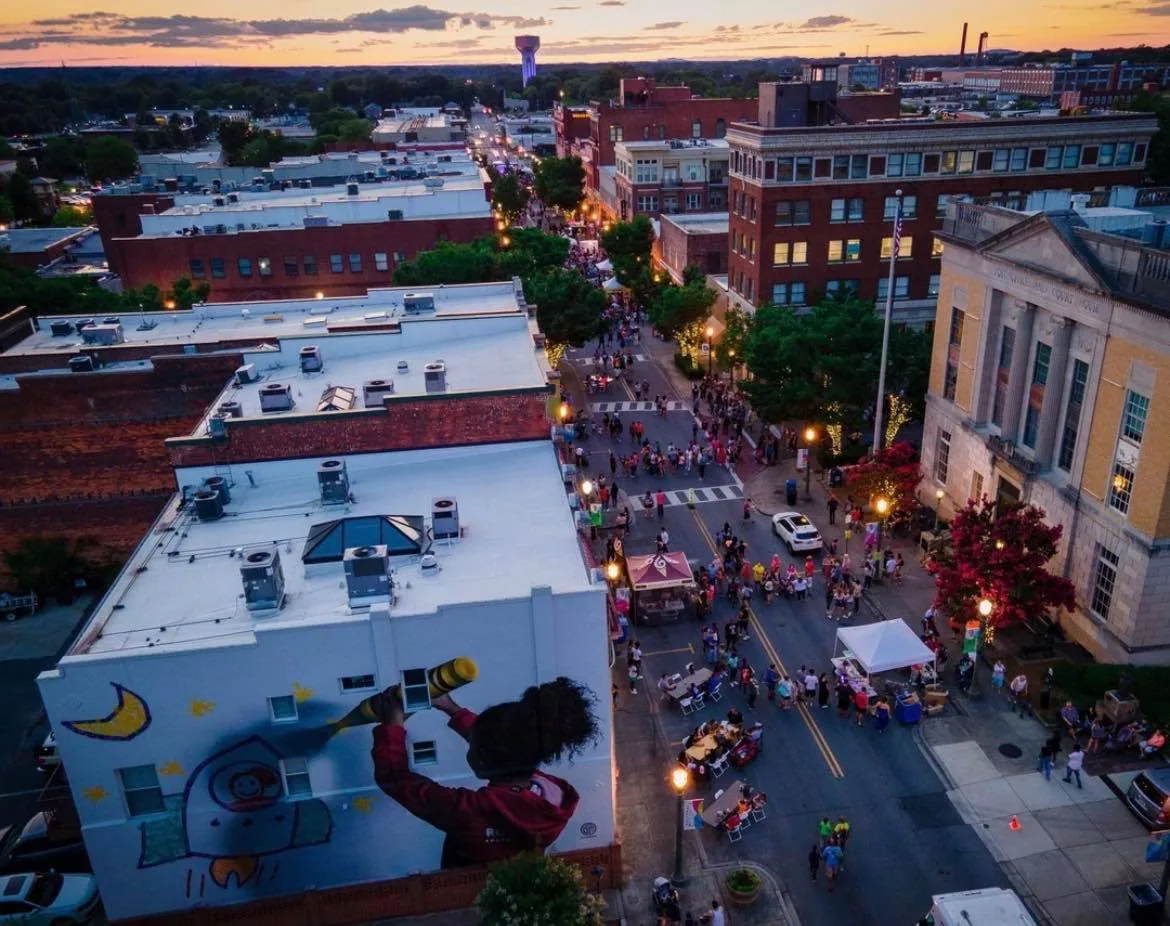
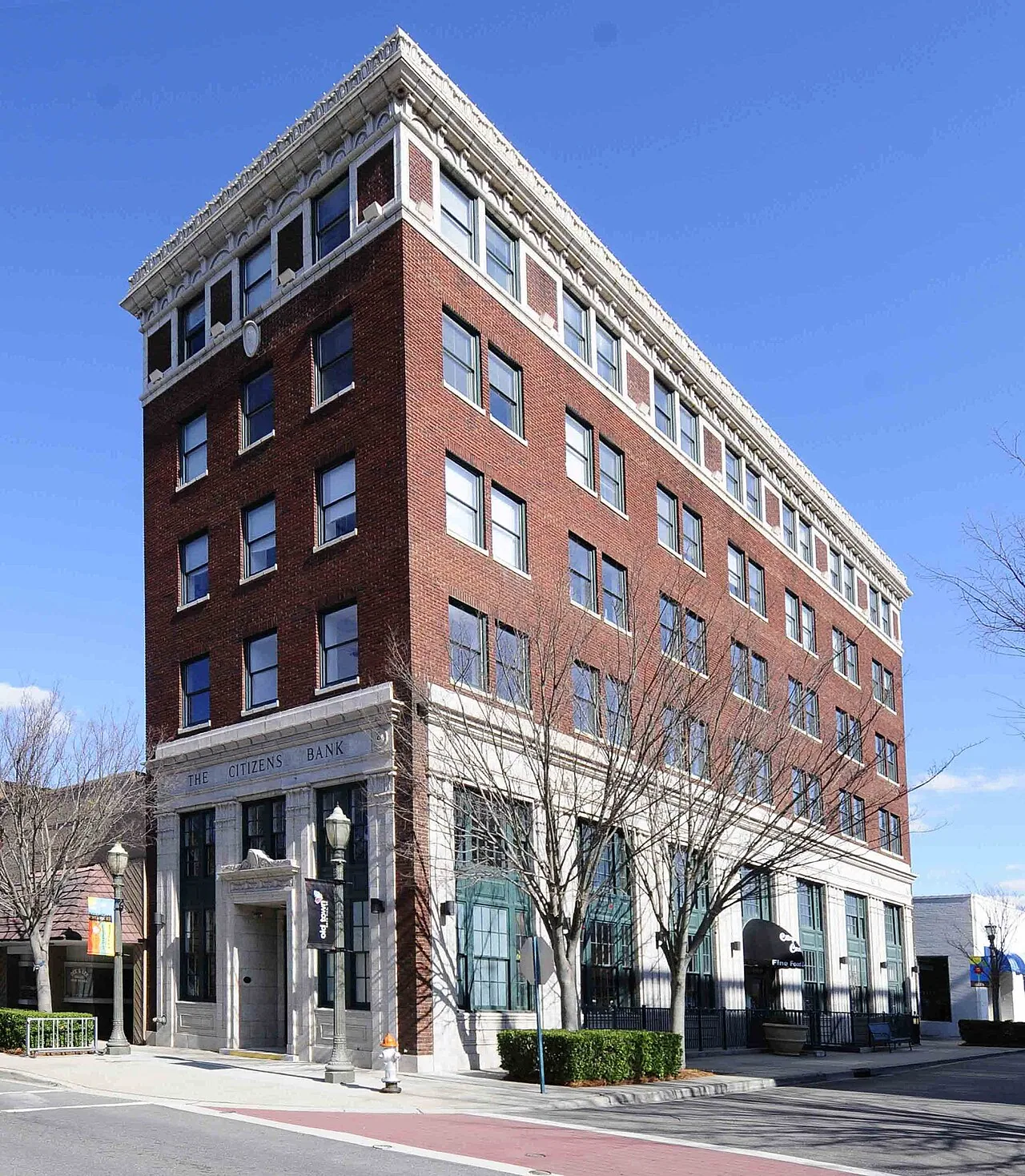
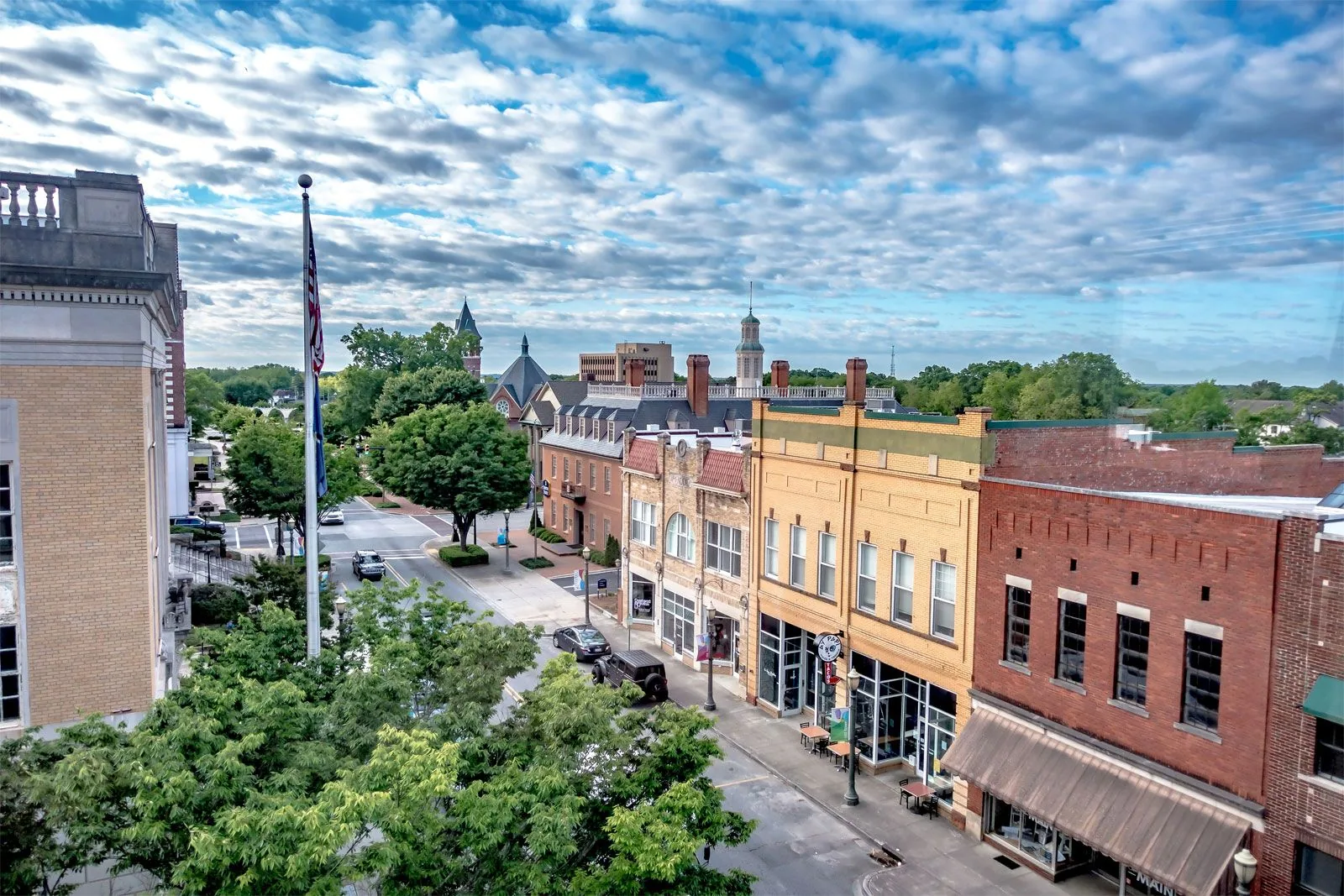
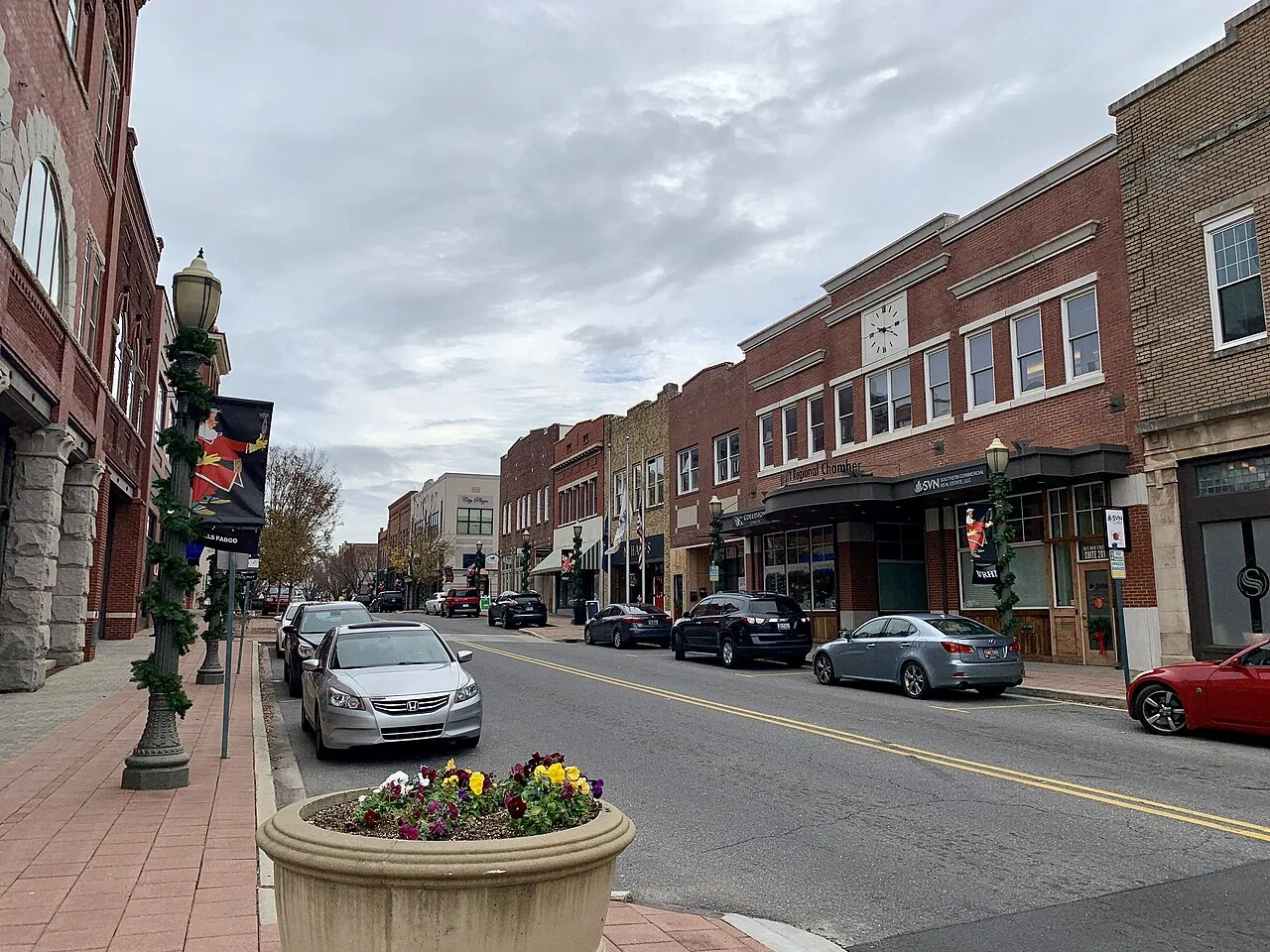
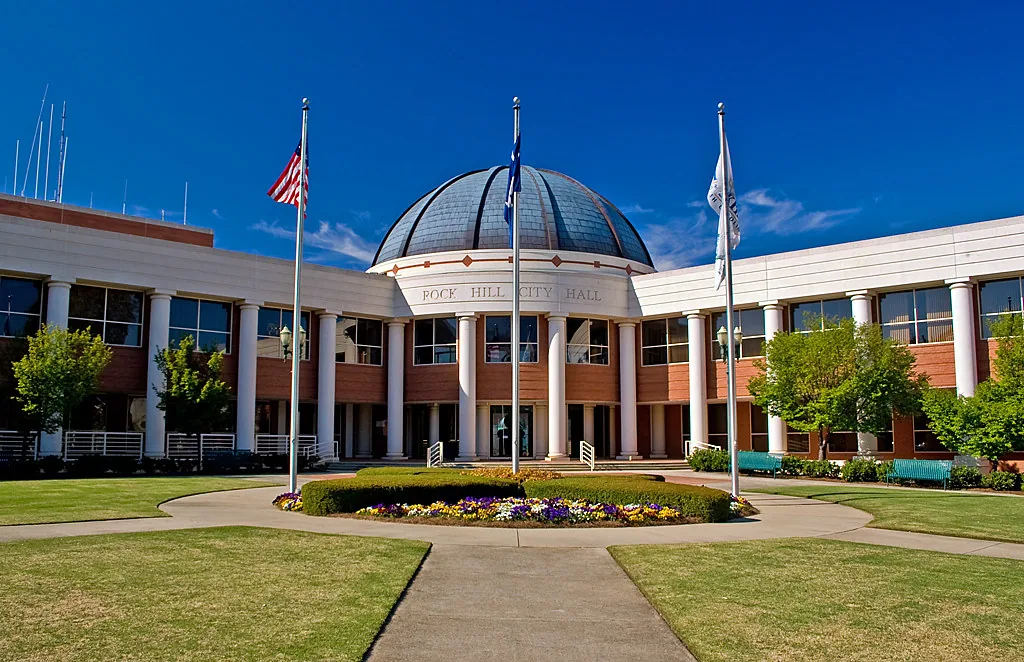
Rock Hill includes manufacturing, distribution, office, and mixed-use properties. Riverwalk Business Park serves industrial and office tenants; Knowledge Park links downtown with Winthrop University through a mixed-use district. Those settings explain why access and operating needs vary, but they do not tell us what an individual roof contains. Inspection starts at the property, the roof zones, and the work limits the facility can support.
It should identify the roof area inspected, the visible conditions, photographs or field marks, recommended work, and limits on access or testing. We keep a localized observation separate from any uninspected roof zone.
Yes. We plan staging, access, work zones, and temporary protection with the facility contact. The building’s operating limits help set the sequence, and any change in the field is reviewed against the affected area.
The decision follows the assembly and the extent of confirmed deterioration. We look at the condition beyond the visible leak, including seams, drainage, insulation where testable, and the repair boundary before comparing a patch, restoration, recovery, or replacement.
No. It identifies regional weather context. We inspect the building, record visible impact, compare available prior conditions, and define any testing needed before assigning a roof-specific finding.
Send the property location, building use, reported symptom, any roof plan or prior report, access restrictions, and the best on-site contact. We will use those details to set the inspection area and coordinate a workable visit.
Conditions that shape the inspection
Water marks inside a building are clues, not a map of the entry point. We trace the water path across membrane, seams, penetrations, drains, edge metal, and wall transitions, then compare the wet area with conditions above it. A blocked drain bowl, open lap, failed seal, or damaged flashing can move water from its entry point. The notes separate observed conditions from areas that could not be reached or tested.
The Piedmont puts Rock Hill roofs through sustained warmth, humid air, and recurring rain. Heat stresses exposed materials; repeated wetting makes drainage and seam conditions consequential. York County also has a documented hail and tornado history. Regional records set inspection context, but do not prove damage at a building. After a reported event, we compare photographs, field marks, and available prior records to decide whether the next step is repair, a test opening, or a broader review.
Where the assembly is concealed, we define the investigation before opening it. A test opening can help identify insulation, attachment, or deck conditions at one selected point. The result applies to that area; the repair boundary and any limits remain clear.
Buildings with different operating demands
Production space, warehouses, offices, schools, retail, and medical buildings place different demands on roof work. A facility may need delivery access, protected equipment, quiet work near occupied areas, or a set window for rooftop access. We discuss those limits before setting the scope, then account for staging, debris movement, temporary protection, and areas that must stay in service.
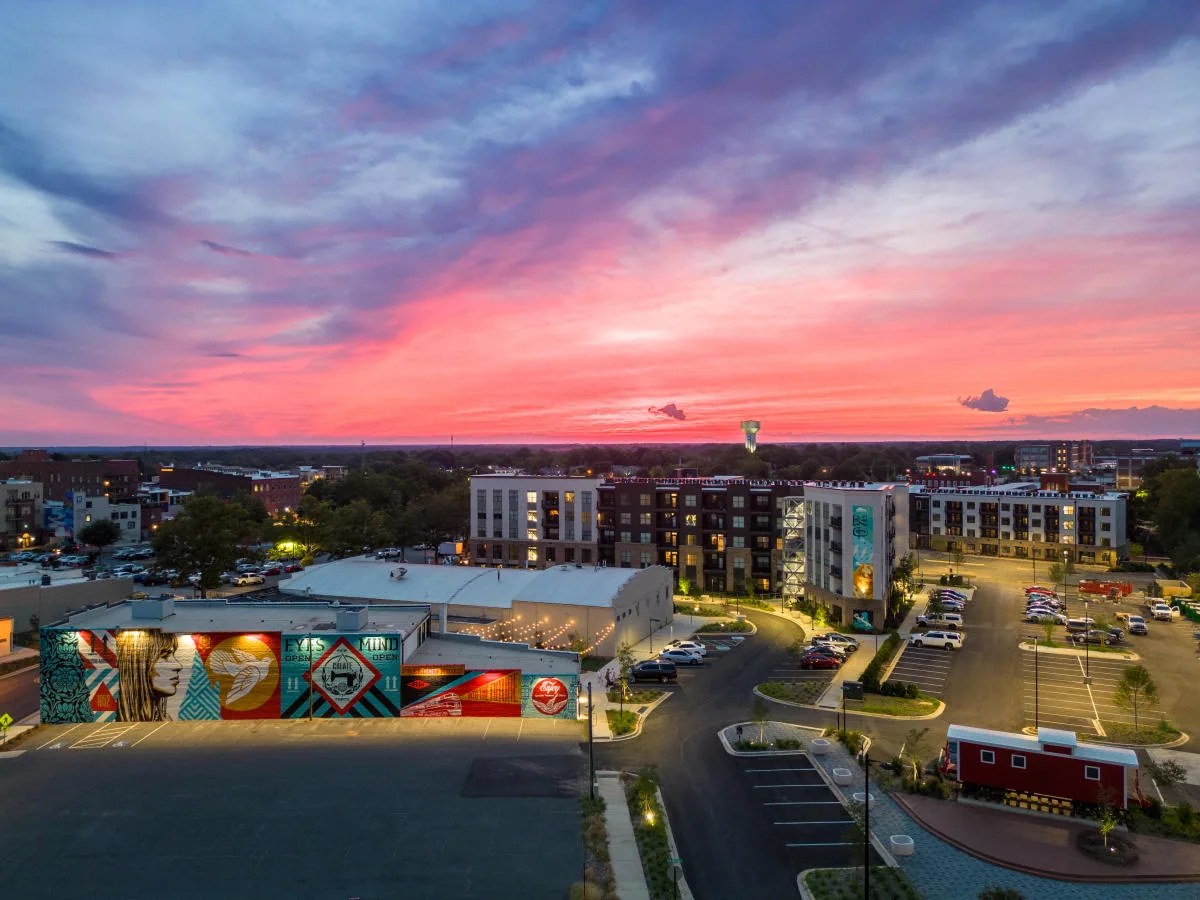
York County identifies warehouse and distribution growth along I-77 South, while Rock Hill has industrial parks and mixed-use redevelopment. Near Riverwalk or the interstate, access and operations may shape when a roof zone can be isolated. In Knowledge Park or downtown, tenant circulation can matter. The property’s layout governs the work plan; a district name is context.
For multi-building owners, we document each roof as its own asset while keeping the program readable. A condition record identifies the roof section, visible issue, urgency, recommended action, and follow-up need. Owners can compare work without treating different assemblies or schedules as interchangeable. Roof asset planning can connect current repairs with future capital decisions through a roof asset record and a capital plan.
Repair, restoration, and replacement choices
System selection follows the existing assembly, its condition, drainage, attachment, and the building’s use. A localized seam or flashing failure may support a defined repair if surrounding materials remain serviceable. Broad deterioration, recurring wet insulation, or a failed assembly may point toward recovery or replacement after conditions are confirmed. We explain what was observed and where the proposed work stops.
Commercial roofs may use TPO, PVC, EPDM, KEE, modified bitumen, built-up roofing, standing seam metal, retrofit metal, spray foam, or coatings. Each needs details suited to its seams, penetrations, edges, and drainage. A TPO roof and an EPDM roof call for different seam and flashing checks. Coating can restore a suitable surface, but cannot replace wet insulation, correct a failed deck, or solve drainage by itself.
South Carolina applies the 2021 International Building Code with state modifications, and its code schedule lists the 2009 International Energy Conservation Code for commercial energy requirements. The actual building, scope, permitting, and authority having jurisdiction still need project-specific review.
A clear work sequence on an occupied property
Before field work, we confirm the requested roof zones, access route, building contacts, operating restrictions, and known leak history. During inspection, we photograph relevant transitions and mark conditions that affect the scope. If the roof is unsafe to traverse or a condition is concealed, we record that limit rather than assume it away. The report can support repair, restoration, or further investigation.
During the work, temporary protection and sequencing follow the area being opened. We coordinate material handling with the property contact, protect active drains and vulnerable transitions, and keep the work boundary clear as conditions change. Repair records say which areas were addressed and what was observed afterward. Larger projects can track zones separately, with their own sequence and follow-up checks.
Some issues call for action outside a standard schedule. A new opening or active water entry can threaten interiors or equipment. Emergency response is available every day and at any hour, holidays included. We identify the affected area, limit exposure, and document temporary protection and permanent work still needed. After a reported storm, inspect the affected roof zones, trace the water path and map the damaged membrane and wet insulation.
Records that support the next decision
A useful roof record lets an owner return to the same location and compare like with like. We provide photographs, condition descriptions, marked areas, recommended work, and limits on the investigation. A written report distinguishes a known defect from a suspected cause and shows where testing could change the recommendation. For a property transaction or capital review, a due-diligence roof survey records the condition and open questions.
Maintenance can clear drainage paths, examine accessible seams and flashings, note surface changes, and preserve conditions for comparison. The visit interval should reflect the system, exposure, occupancy, and operating plan. A preventive maintenance visit is useful when findings carry forward. After repair or restoration, a follow-up inspection can record completed work and items outside the scope.
For a specific roof, share the building use, reported symptom, roof plan if available, and access limits. We can define the inspection boundary and explain what the findings support. Contact our roofing team with those details.
Set a clear inspection boundary
Share the building use, reported symptom, roof plan, and access limits. We will review the affected area and set a practical next step.