
Inspect, repair, maintain, and renew commercial roofs in Riverwalk Business Park with scopes shaped by the building and its operations.
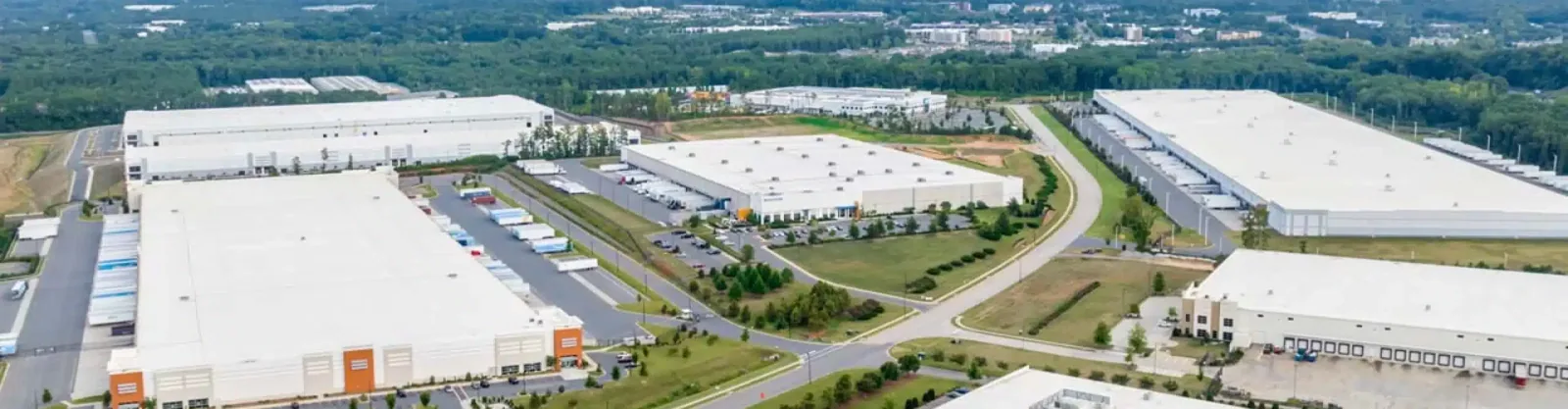
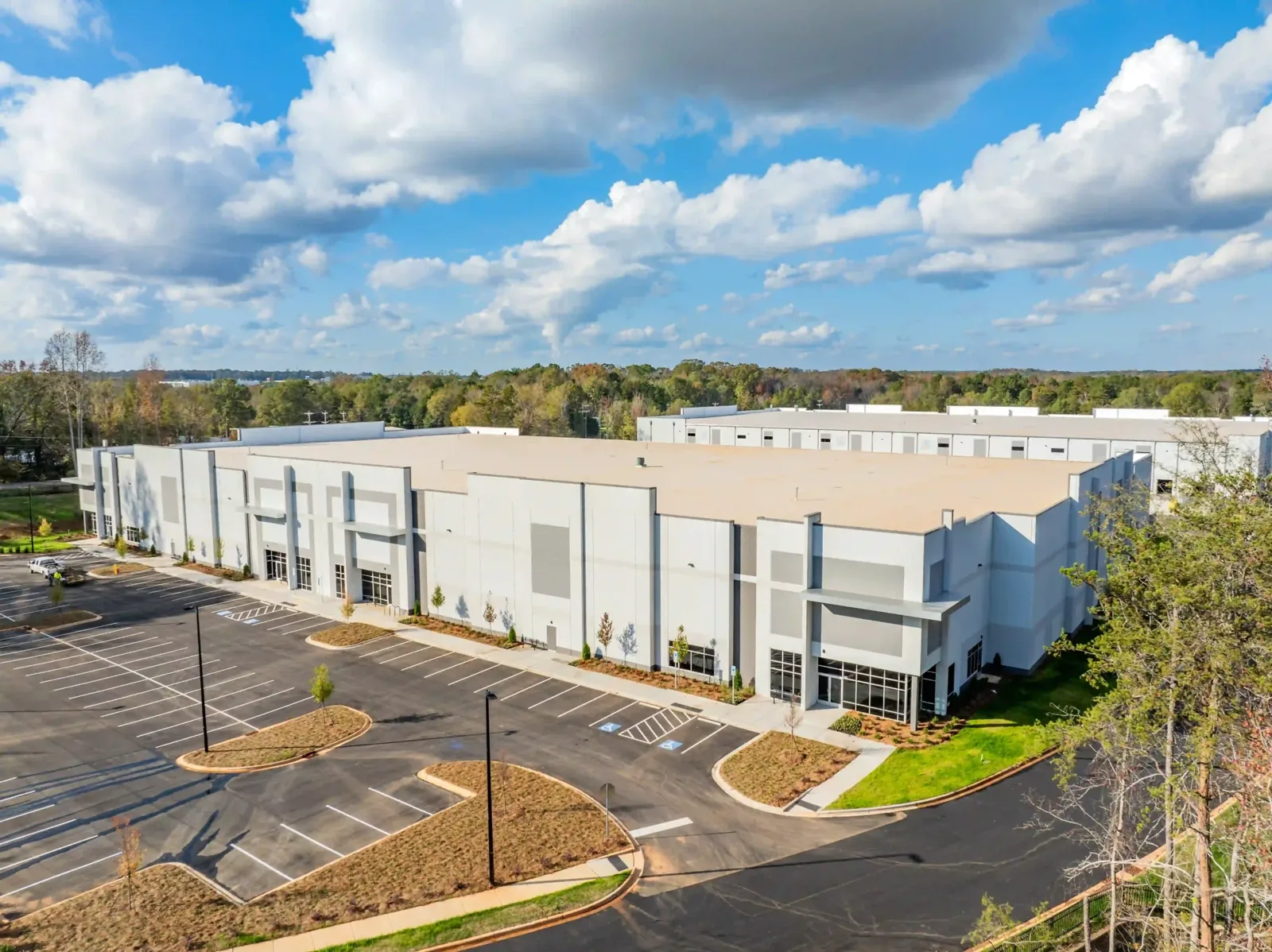
Commercial roofing in Riverwalk Business Park starts with the facility's roof assembly and work requirements. Riverwalk is a Rock Hill business and industrial park suited to manufacturing, distribution, and office uses, with access to I-77. Those uses can involve different roof details and access needs, so we inspect the specific building before proposing work. We also serve nearby Waterford Business Park and TechPark, with separate records for each property.
Identify the Roof System and Work Boundary
A first walk checks visible seams, membrane edges, metal panels, drains, curbs, skylights, parapets, and prior repairs. We identify material when the surface or records support it and note any overlay or addition that complicates the picture. A commercial roof inspection can document accessible sections and list areas that remain untested.
Since 2012, more than 2.7 million square feet of construction has taken place at Riverwalk and nearby development. That activity makes building-specific roof records useful; we identify the assembly from the owner's documents and a field inspection.
If a ceiling leak is reported, we compare the room and timing with the roof plan, nearby transitions, drains, and equipment. Water may move before it appears indoors. A leak investigation records the route checked and whether a source is confirmed or remains uncertain. Before opening membrane or an interior ceiling, we define the test location and closure plan.
The inspection records access limits as carefully as findings. Equipment, roof height, weather, or safety restrictions may prevent reaching a section. If a test cut could identify concealed layers or moisture, we explain what it can establish at that point and whether the result would affect the proposed repair.
At a shared business park, deliveries, tenant access, and production routes can overlap. We confirm which gate or loading lane the property authorizes, where a lift can stand, and whether rooftop service work needs coordination with another trade. The inspection record then names the building area reached, so a property contact can distinguish one roof zone from another.
Repair Details That Affect Operations
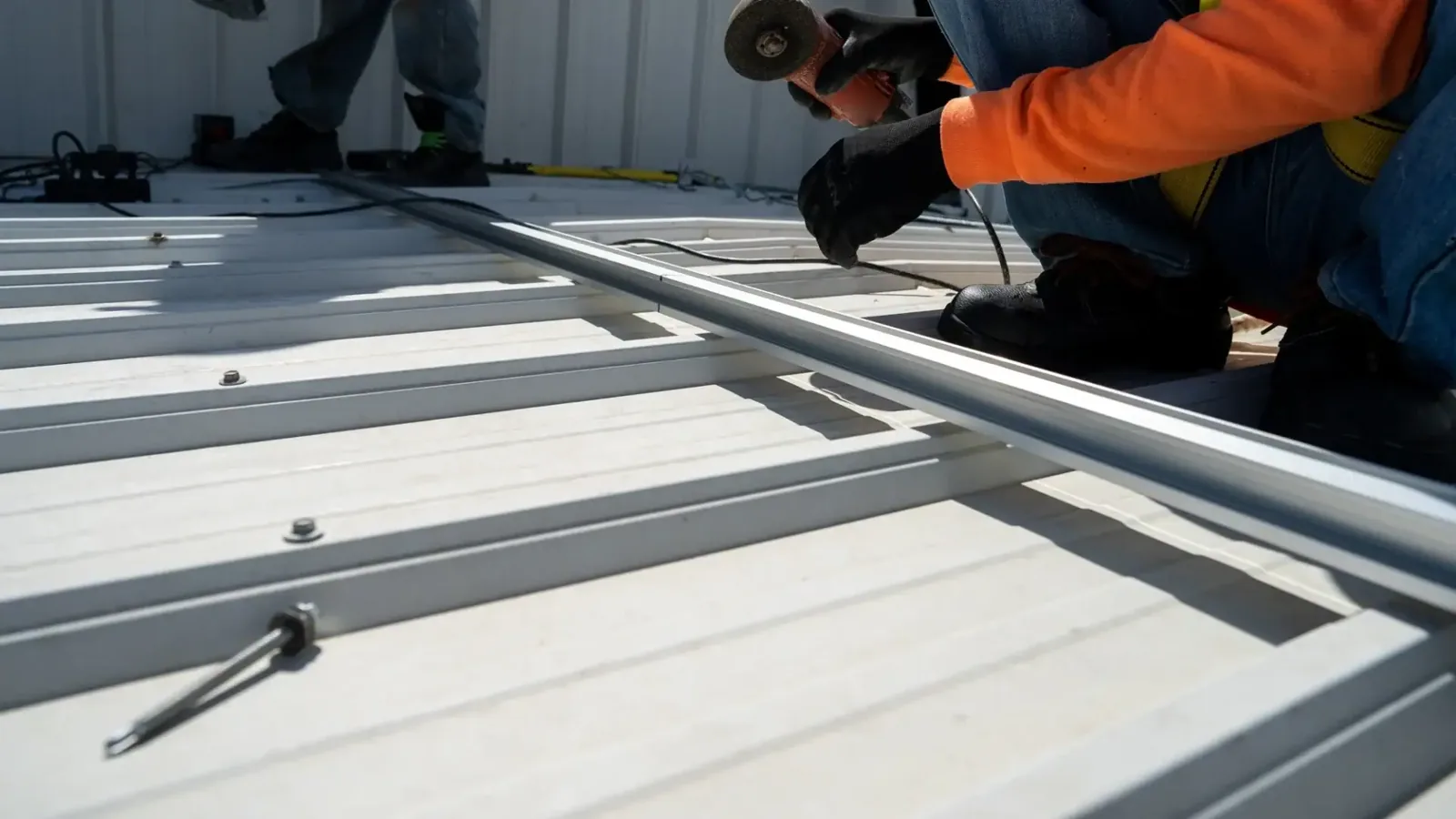
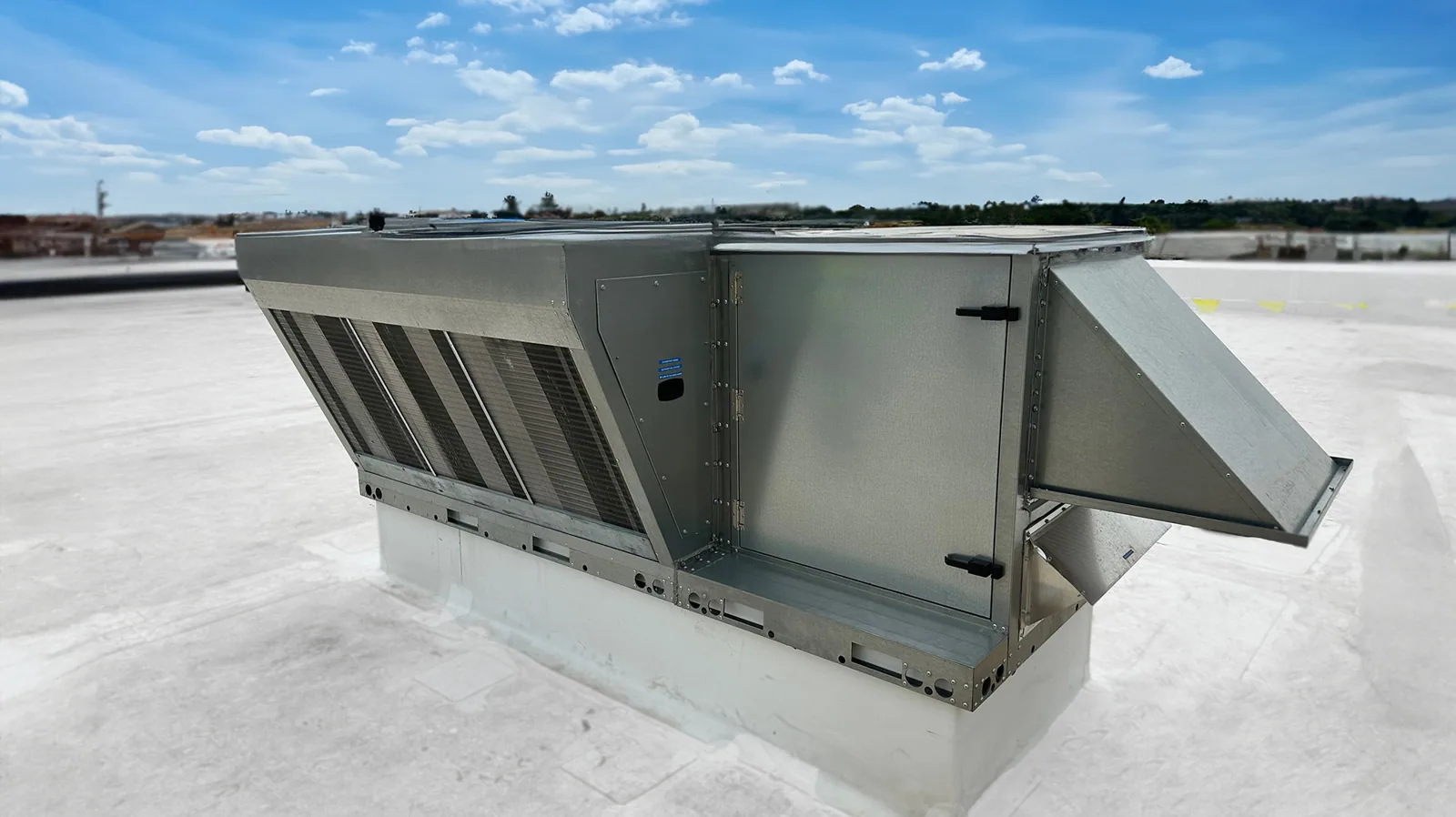
Manufacturing and distribution roofs may have rooftop units, exhaust, vents, conduit, and service routes. We inspect the flashing and attachment around each accessible base and coordinate equipment movement with the responsible trade. A curb and support repair can restore the roof transition after the base and sequence are confirmed. Mechanical service remains separate unless the written scope includes it.
On a broad roof, the walk route should cover representative sections instead of stopping at the first visible defect. We check whether seams, edge details, drains, and equipment curbs repeat across the accessible area. Where multiple roof levels connect, each transition gets its own note. A report can show the limits of that route and identify additional sections that need inspection before a building-wide conclusion is made.
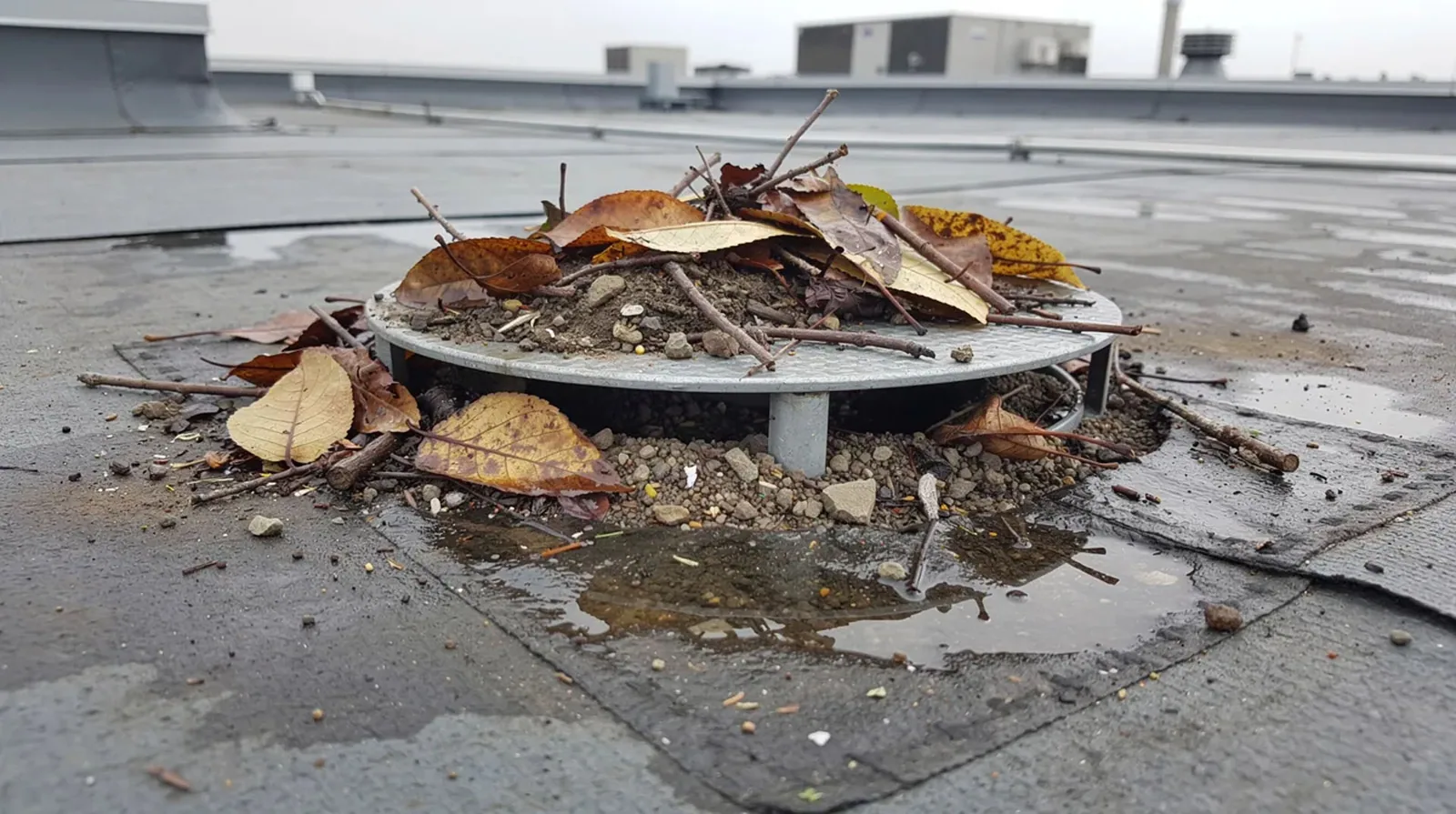
Drains, scuppers, gutters, and overflow paths need to connect to the membrane and discharge correctly. We distinguish debris removal from a failed outlet tie-in, low area, or damaged flashing. A drain and scupper repair can correct a separated outlet connection. If the discharge route is concealed, we state whether another trade or inspection is needed.
Rock Hill's humid Piedmont climate brings recurring rain, so crews plan how to cover exposed materials if work pauses. Field observations map the leak path. We plan temporary protection around the material and opening, then document the boundary if rain or a shift change interrupts work.
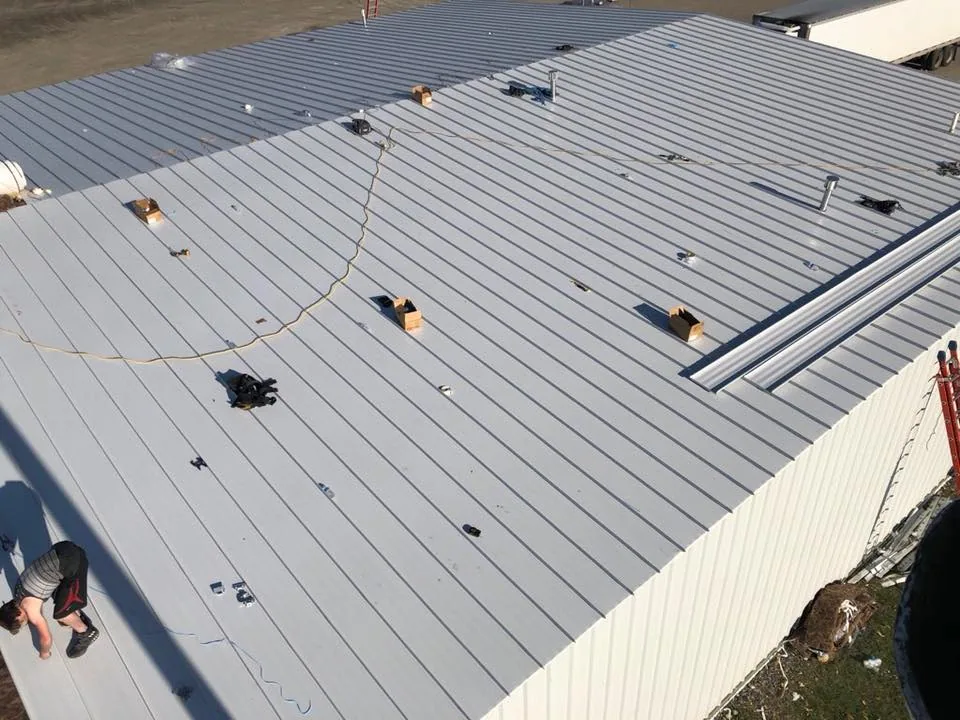
We verify the membrane or metal before selecting a patch. TPO, PVC, EPDM, bitumen, and metal require different preparation and connection details. If wet insulation or damaged decking appears after removal, we photograph the area, secure the opening, and review added work with the property contact before extending the repair.
Sequence Work Around the Facility
Roof access may involve a loading area, staff entrance, tenant space, or secured hatch. Before mobilization, we confirm staging, lift placement, delivery hours, fire lanes, roof access, and any production or customer path that must remain clear. The work plan identifies the zone and temporary restrictions for the facility team.
A phased repair or renewal can separate roof areas, but the sequence depends on access, material preparation, weather, and the condition found after opening. We identify how each area will be protected at the end of the shift. A schedule should account for equipment vendors and interior protection instead of implying that every operation continues unchanged.
At Legacy Park, we coordinate with the property contact for that location. The park includes different buildings and uses, so access details and work routes remain specific to each property.
Compare Repair With Broader Renewal
A local patch can fit a confirmed defect when surrounding material is sound and compatible. Repeated seam problems, extensive wet insulation, or widespread edge failure may support a broader evaluation. We explain the observations behind repair, testing, recovery, or replacement and identify what was not inspected. A commercial repair scope names its roof area, preparation, materials, access, protection, and closeout.
Cost and duration depend on roof system, defect count, detail complexity, access, disposal, tenant or production coordination, and concealed conditions. A recovery or replacement proposal should state existing layers, drainage, insulation assumptions, penetrations, perimeter work, and areas that need closure. The facility can compare alternatives with the same work boundary.
If a roof has several additions, we record the material and slope on each side of a transition. A patch across a transition with unknown layers may not bond to a compatible surface. We identify which part of the assembly the proposal addresses and whether drawings or a test are needed before work continues through an adjoining zone.
Riverwalk supports manufacturing, distribution, and office uses. Those categories do not determine the roof's age or surface; recommendations follow the actual assembly and maintenance record. If sampling or design review is needed, we identify the question and responsible professional before the owner commits to a larger scope.
Keep a Clear Roof Record
Closeout notes identify the area inspected, conditions found, materials used, photos, repairs, and any section not reached. A roof plan can tie the repair to equipment rows, drains, or roof zones supplied by the owner. A later visit can then compare the same detail with new leak reports or mechanical work.
A maintenance visit can revisit accessible drains, seams, curb bases, edge metal, and prior patches. The appropriate schedule depends on the roof condition and owner priorities. Share previous reports, leak history, equipment changes, access rules, and warranty records so the next route answers a useful question.
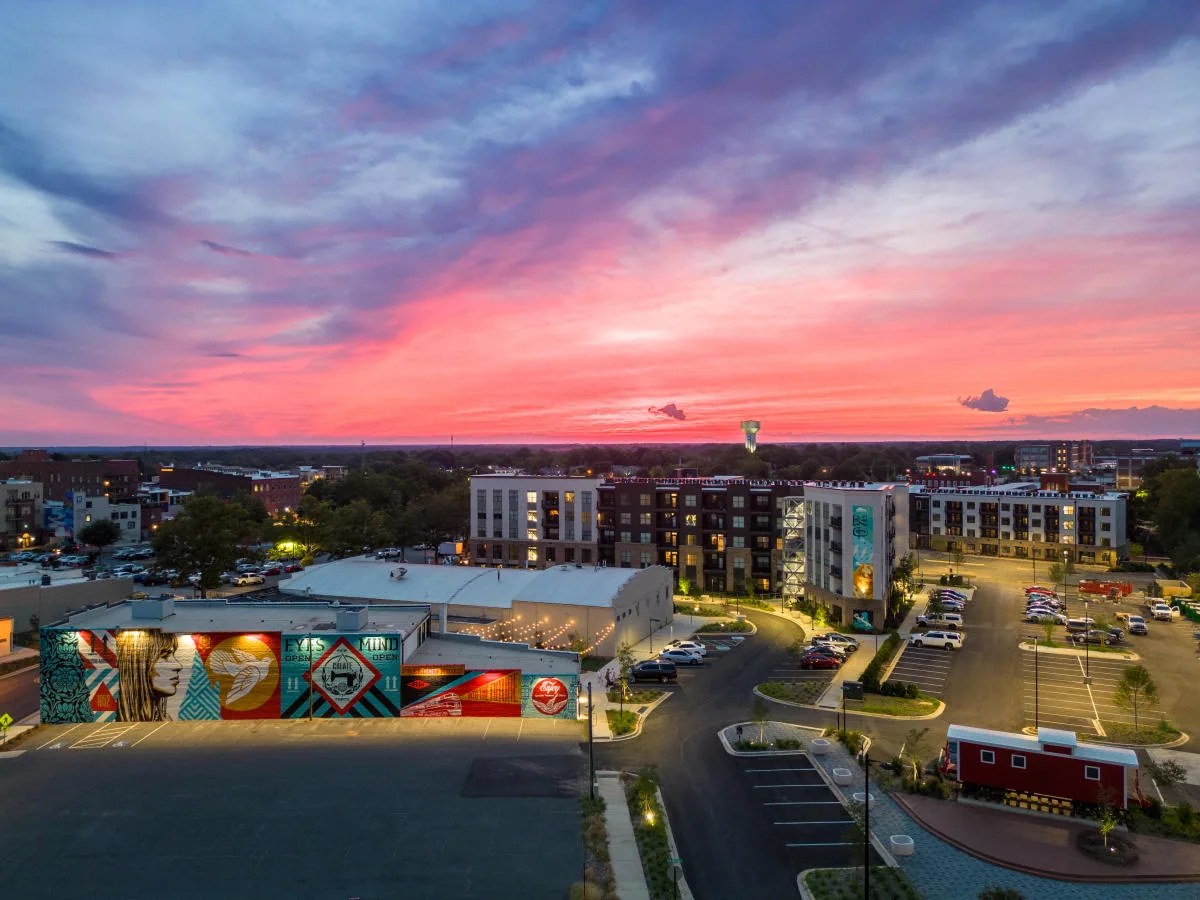
Riverwalk is part of Rock Hill's larger commercial and industrial network, with I-77 access. The property remains the unit of inspection: we document what the crew reached and distinguish a completed repair from a recommendation or test that is still pending.
Questions About Riverwalk Business Park
Riverwalk includes manufacturing, distribution, and office uses, and roof materials vary by building. We identify the system from field evidence and records before recommending a repair.
We coordinate access, staging, deliveries, and any temporary area restrictions with the facility contact. The sequence depends on roof conditions, weather, materials, and operating needs.
Share roof plans, repair history, leak reports, equipment changes, access rules, and the affected rooms or work areas. Those details help set the inspection route and protection plan.
Price depends on system, repair length, material, access, protection, and concealed conditions. We inspect the area and define included work before preparing a proposal.
Plan Commercial Roofing in Riverwalk Business Park
Share the roof plan, leak history, equipment schedule, access requirements, and business constraints. We will inspect the defined areas and outline a repair or renewal scope for the specific facility.