
Roof Damage Repair in Rock Hill
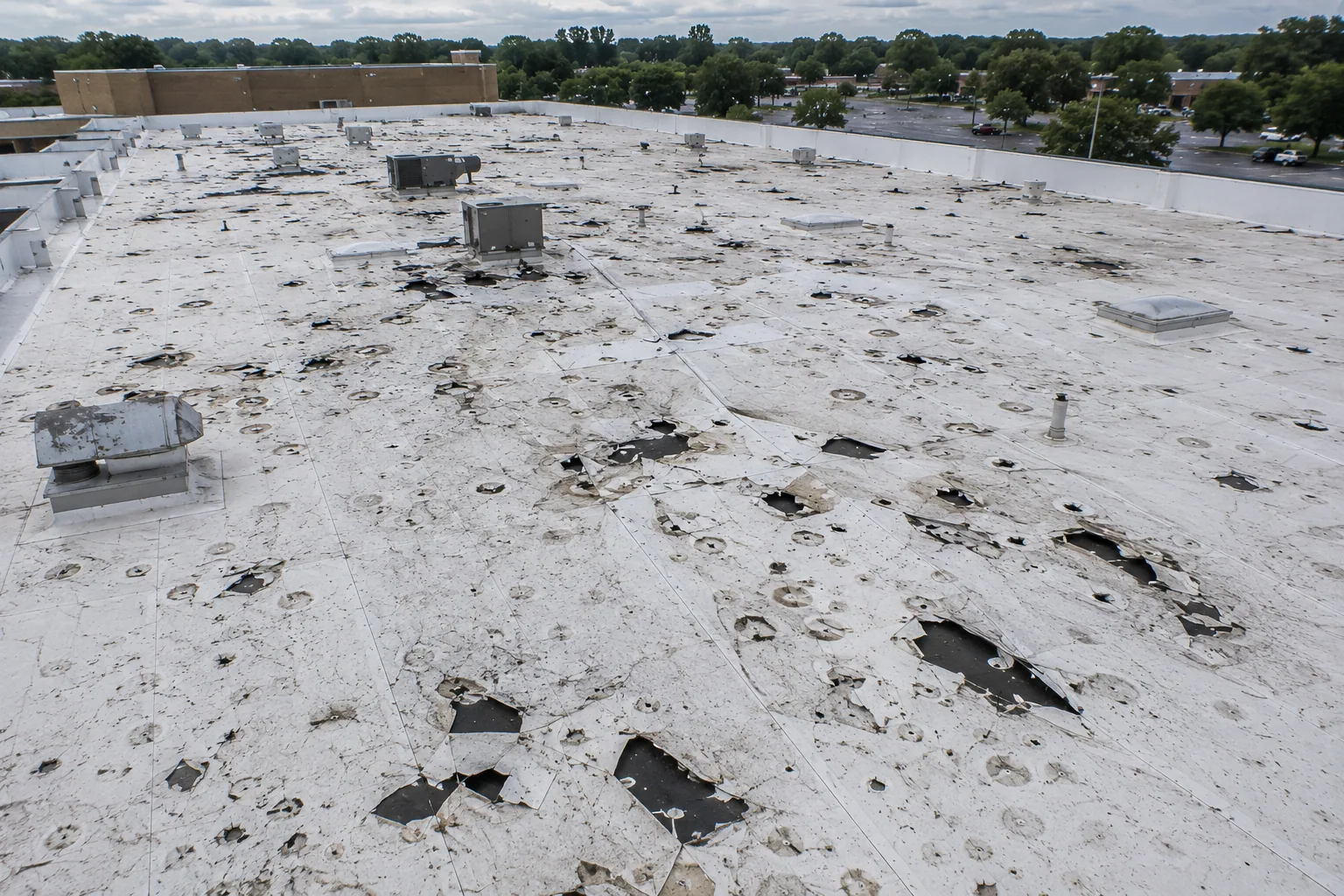
A storm report or ceiling stain helps define the inspection route. Commercial Roofing Rock Hill checks the roof assembly, maps the affected area, and records test limits before recommending permanent work. Water can travel from an opening to a distant interior mark. Wind or hail can affect edges, seams and equipment details differently. Photos and a marked roof plan help separate confirmed damage from prior wear and areas not reached.
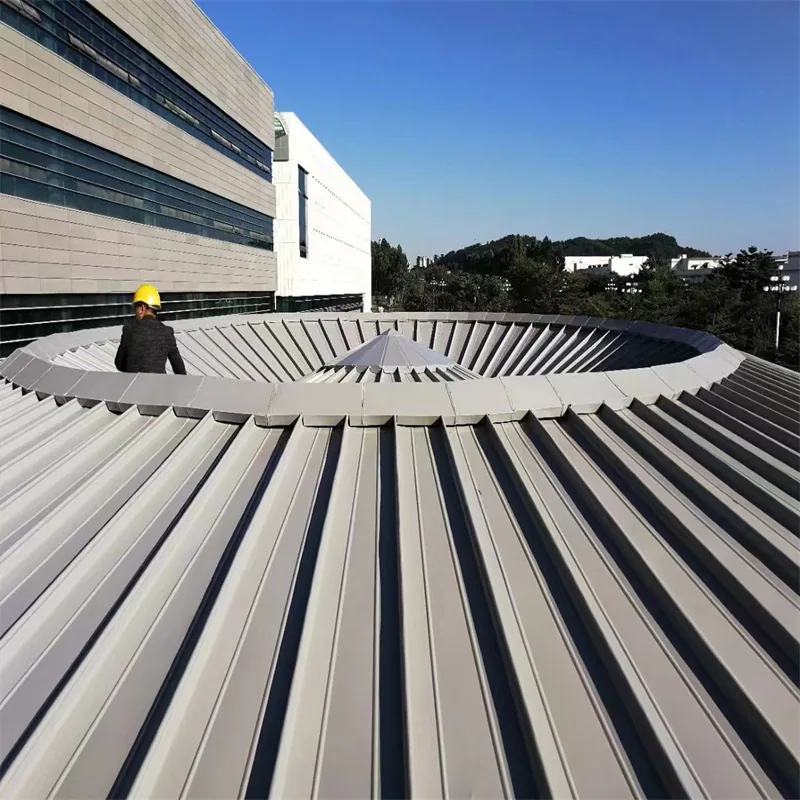
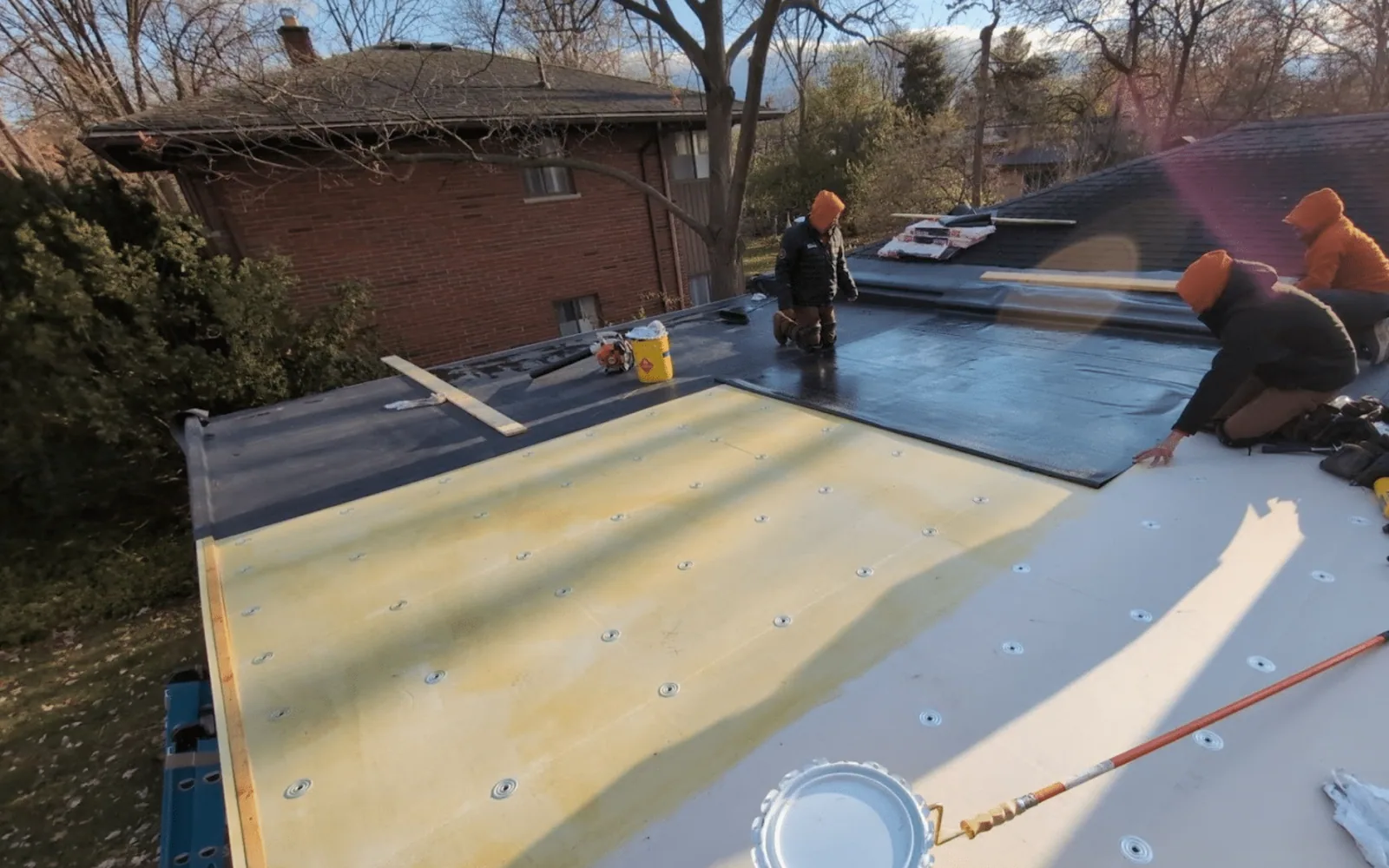
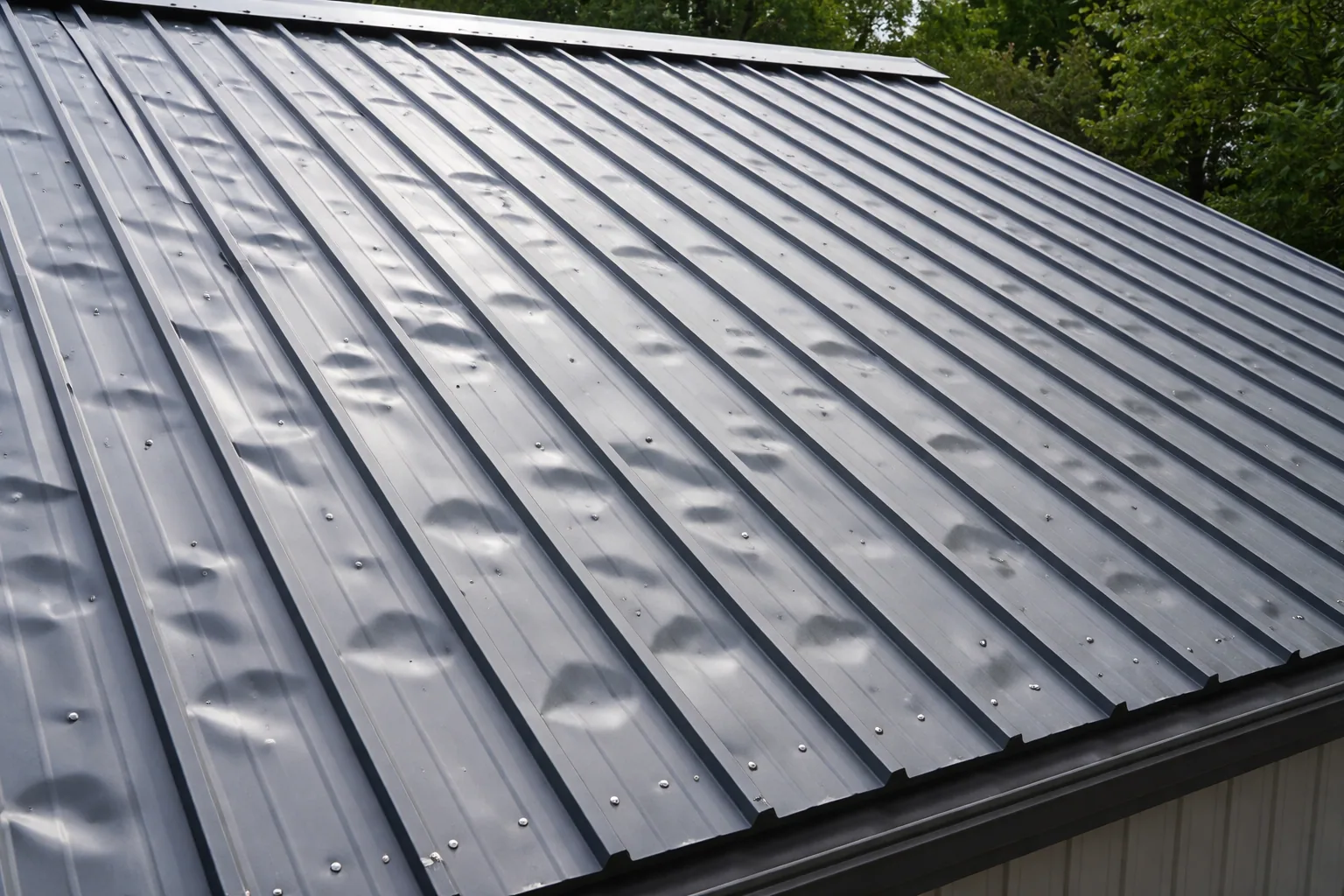
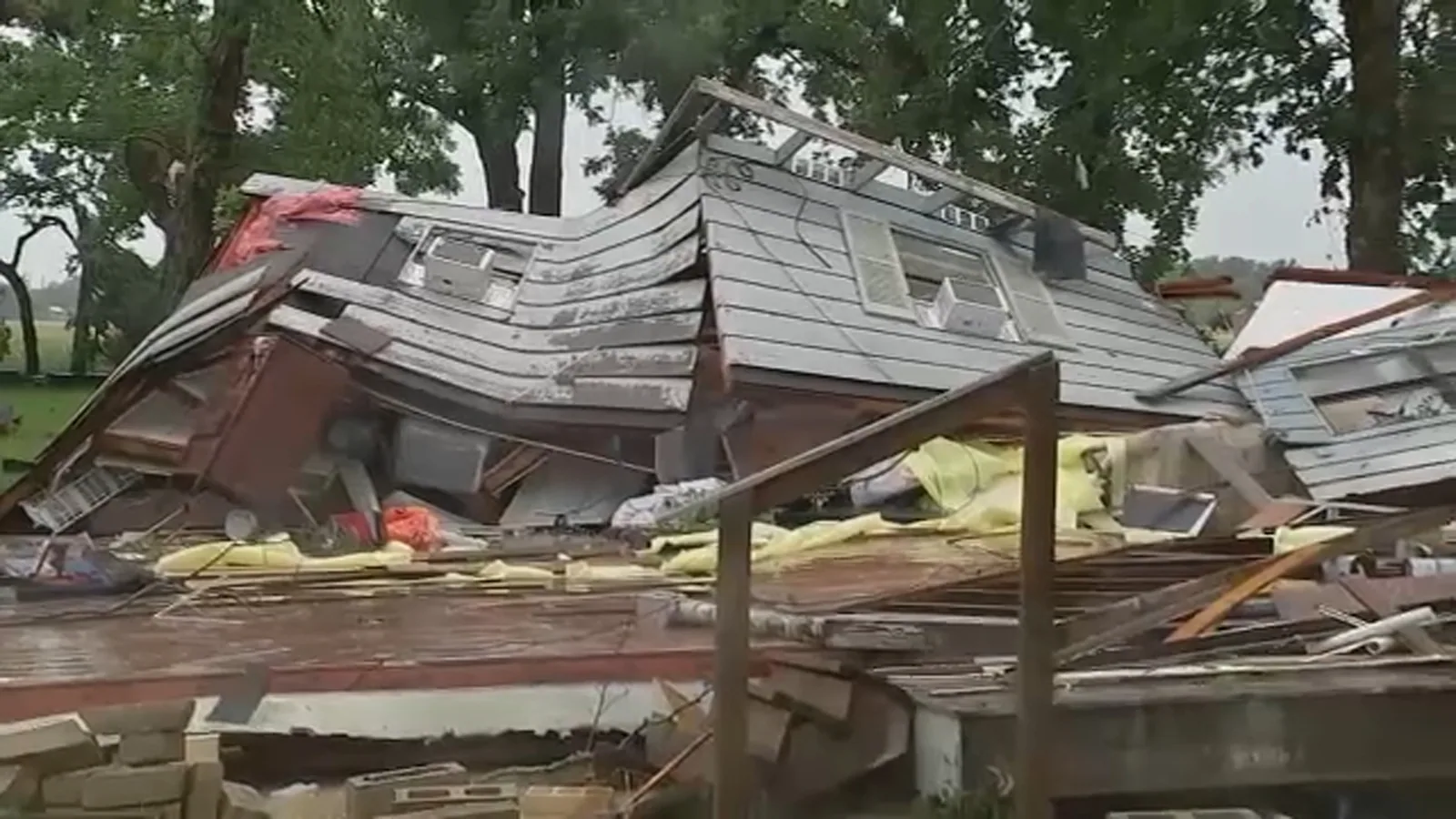
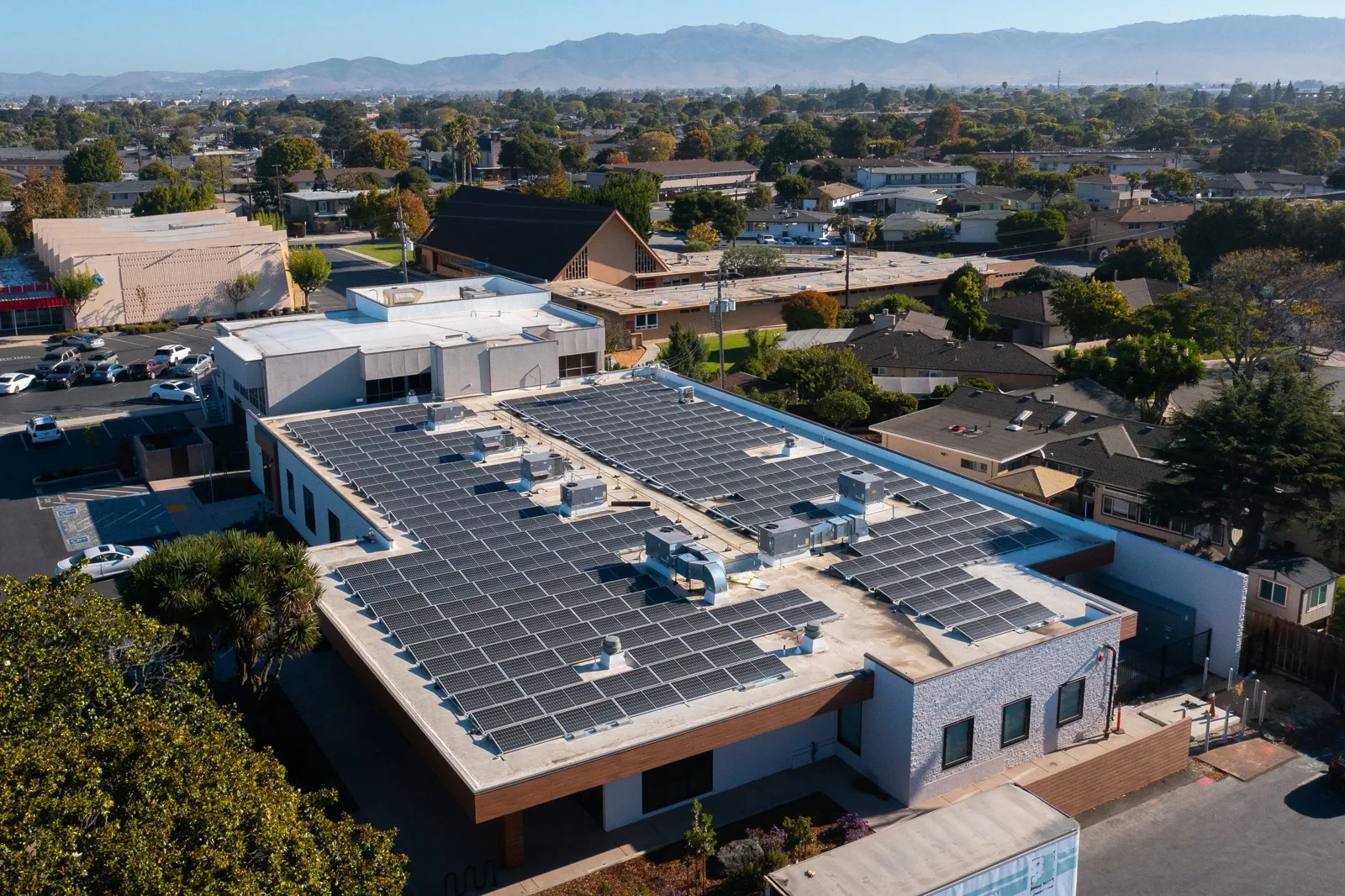
Weather-related roof checks
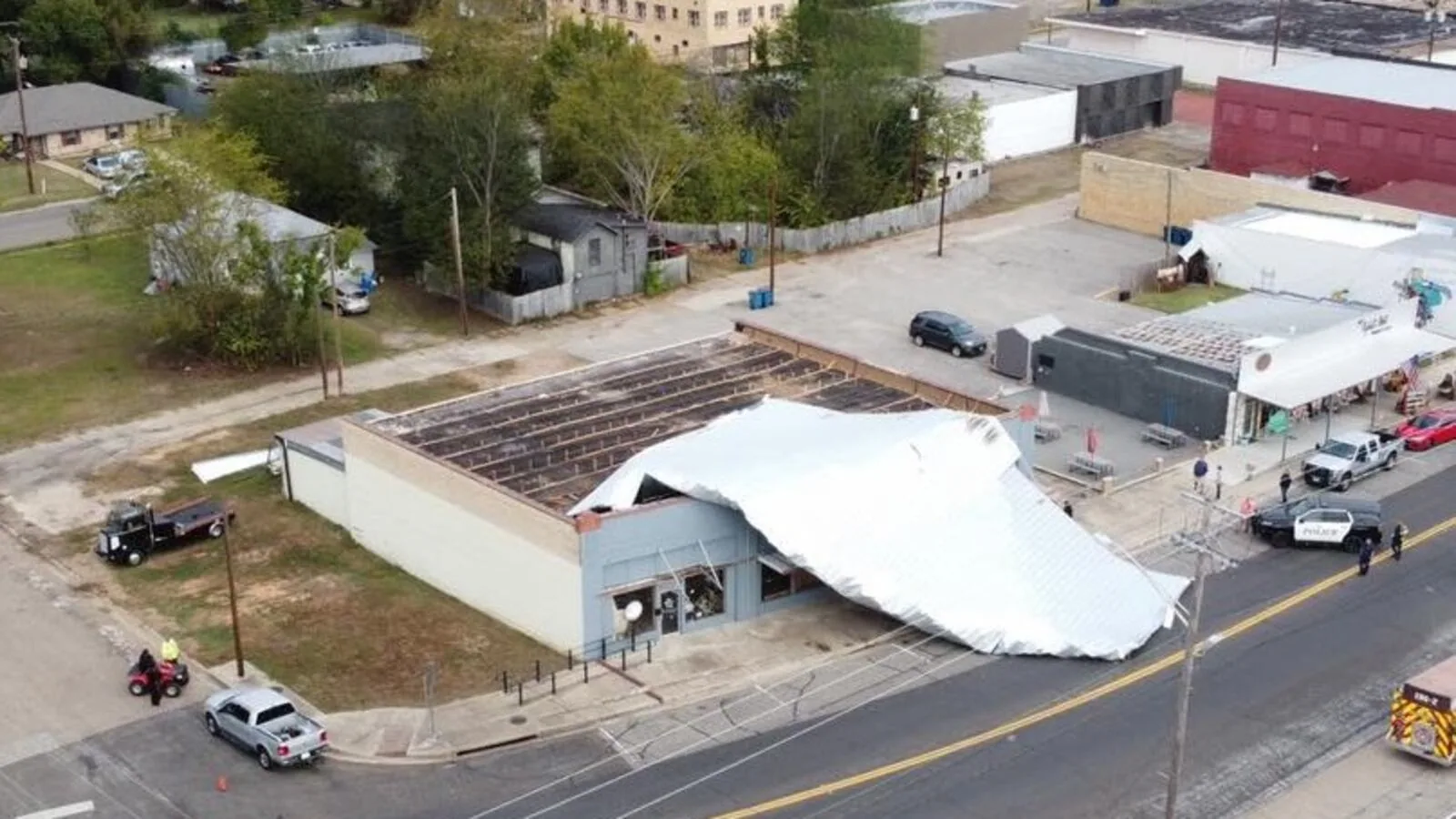
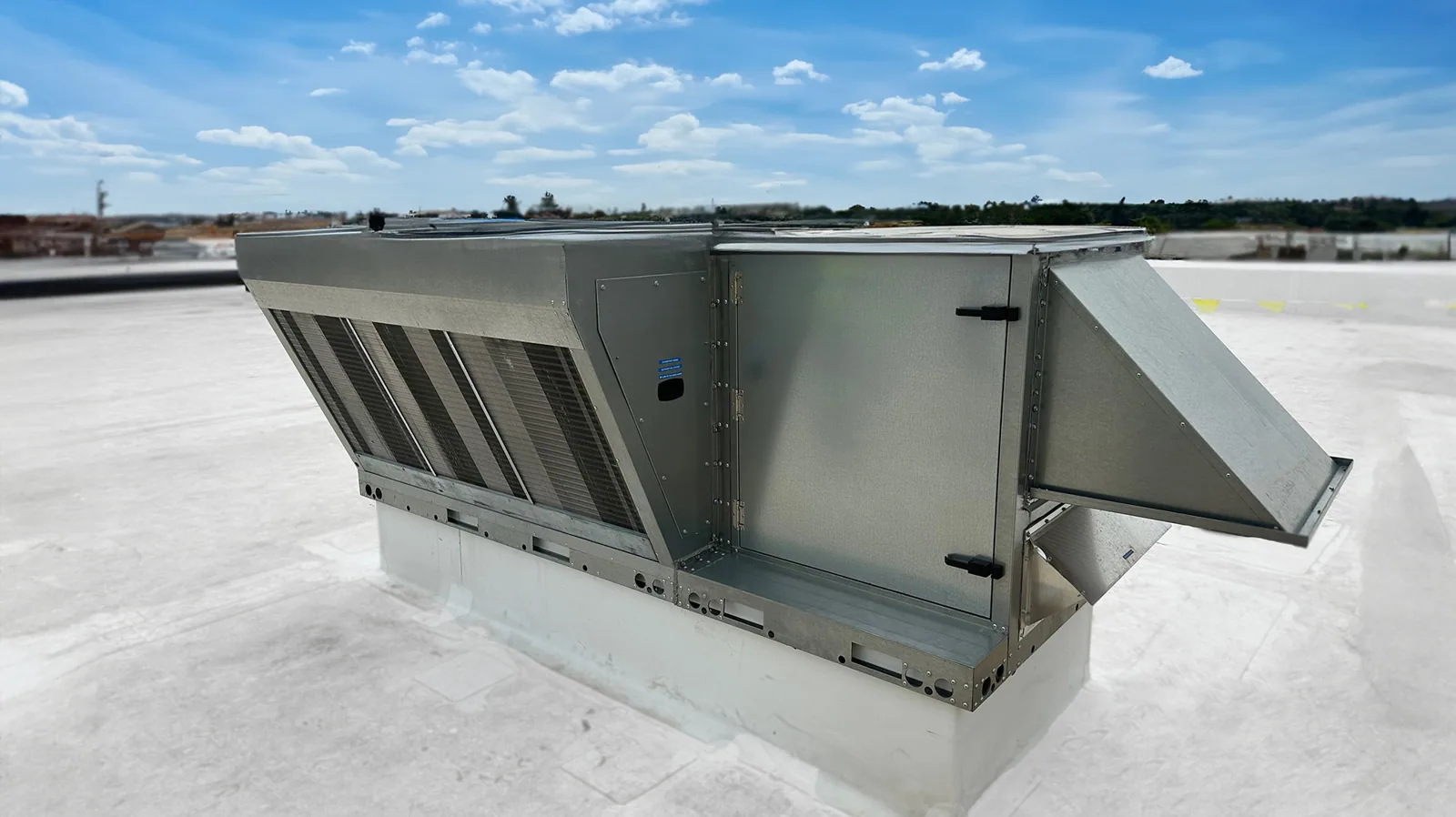
Wind damage calls for review of edge metal, terminations, seams and rooftop equipment. Hail inspection checks membrane, soft metal and flashing rather than treating every dent as a leak. After a severe event, a tornado assessment documents the building's actual condition and any temporary protection. After a severe-weather report, inspect the building itself; the repair scope follows the roof conditions observed there.
Leaks, drainage and seam failures
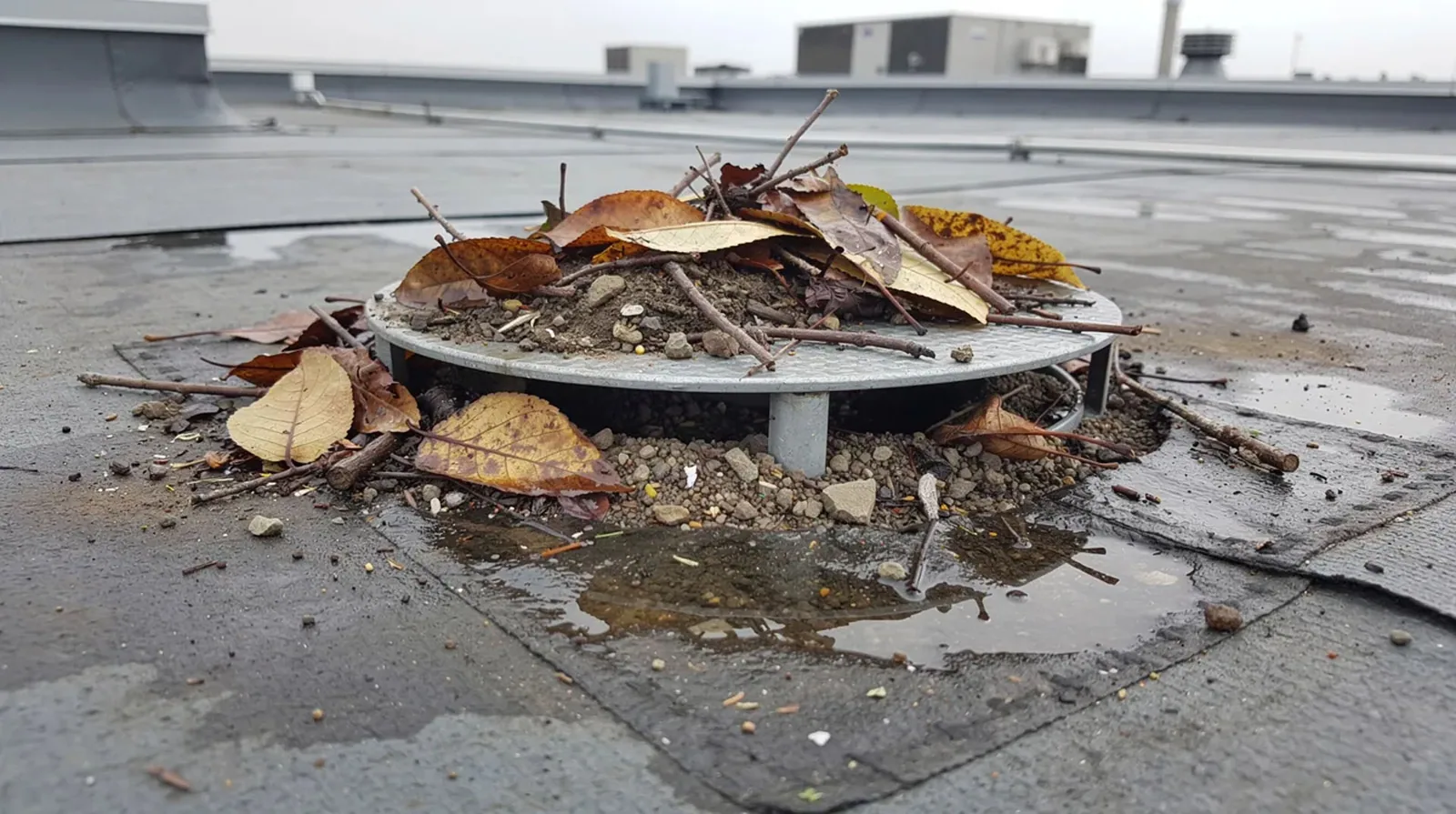
Water may enter at a failed flashing detail, open lap or puncture, then move along the deck before appearing inside. Seam failure needs inspection of adjacent membrane and attachment. Ponding water may point to blocked outlets or a low area; coating over the surface does not correct poor drainage. A membrane puncture can be repaired only after the material and surrounding substrate are understood.
Damage from heat, impact and fire
Heat and ultraviolet exposure can change membrane flexibility or coating adhesion. A heat-related roof review checks the actual surface, seams and transitions before a repair is selected. Fire damage can involve membrane, insulation, deck and nearby building components; a fire-damage inspection defines what must be evaluated and which specialist approvals may be needed.
Set a repair boundary
Repair may fit a bounded defect when material beyond it is dry and stable. Wet insulation, damaged deck, repeated openings or loose attachment may change the scope. If a test opening is needed, the owner approves the location and the report identifies the layers found and how the area was restored. Temporary dry-in and permanent correction remain separate in the estimate. Work that expands beyond the agreed limit pauses for measurement, photos and approval.
Share the building use, reported symptom, weather or trade history, roof plan and access contact. The inspection then records what was reached, what was tested and what remains concealed. A clear closeout includes the repair material, location, date and any follow-up need, giving facilities staff a usable comparison point after the next storm or leak report.
Questions About Roof Damage Repair
No. It helps explain why inspection may be timely. The affected roof needs to be checked and documented before damage or repair quantity is stated.
It may limit damage below, but the roof entry point still needs investigation. Temporary measures and permanent repairs should be documented separately.
Stop at the agreed boundary, protect the opening and record the changed condition. The owner can review added quantities before permanent work expands.
Retain the roof sketch, photos, material details, test results and repair date. Note any areas not accessed or conditions that require another visit.
Document the damaged roof area
Send the building use, reported condition, photos and access limits. We will inspect the affected zone, define temporary protection and recommend a supported repair scope.
