Plan manufacturing roof inspections, repairs, and renewal around production schedules, rooftop equipment, drainage, and facility access.
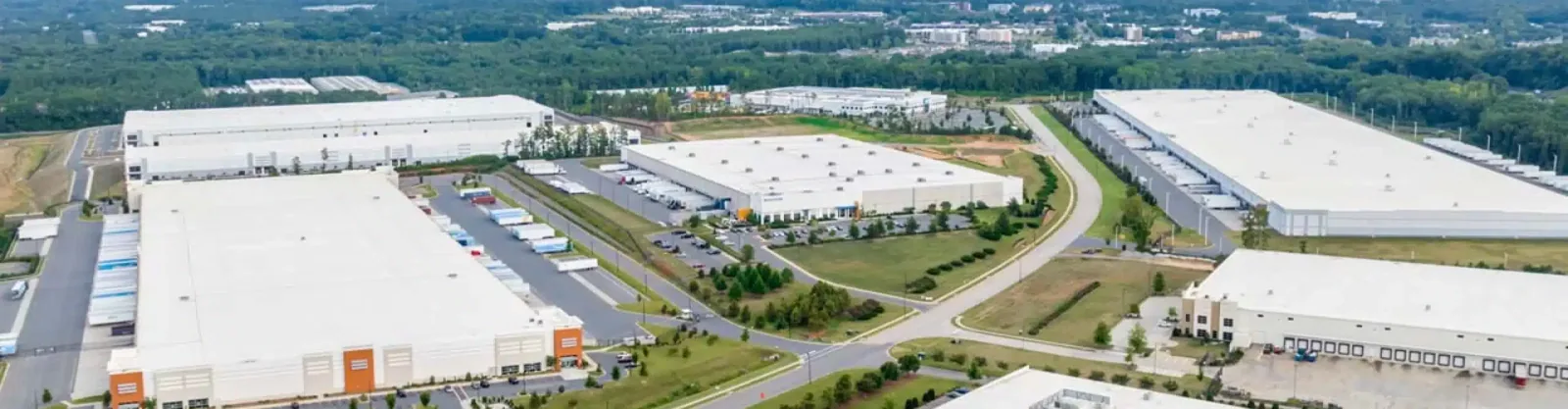
A roof leak above production, staging, or electrical equipment can affect more than the area where water first appears. We map the reported condition, inspect the roof assembly around it, and coordinate work boundaries with the facility team. Rock Hill lists Riverwalk Business Park and Legacy among its industrial and business districts, and York County describes manufacturing and distribution growth along I-77 South. We coordinate roof work near Riverwalk Business Park or Legacy Park around each plant's access and production rules.
Find the Roof Condition Without Guessing at Production Impact
Before work is planned, we identify the roof system and the affected zone, then inspect seams, penetrations, drains, curbs, edges, and prior repairs. Water may travel along a deck or framing before reaching a line, machine, or work area. We compare the interior report with roof details and preserve the distinction between a confirmed opening and a route that needs testing. A commercial roof inspection can also establish visible conditions for an accessible production building without opening every layer.
Facility staff can identify sensitive equipment, active production lines, restricted rooms, electrical areas, and shift changes. That information shapes access and protection. If an interior inspection or test opening is proposed, we agree on the exact work zone, safeguards, and closure method with the plant contact. Inspect each addition and production wing separately, recording its membrane, attachment, penetrations and repair history.
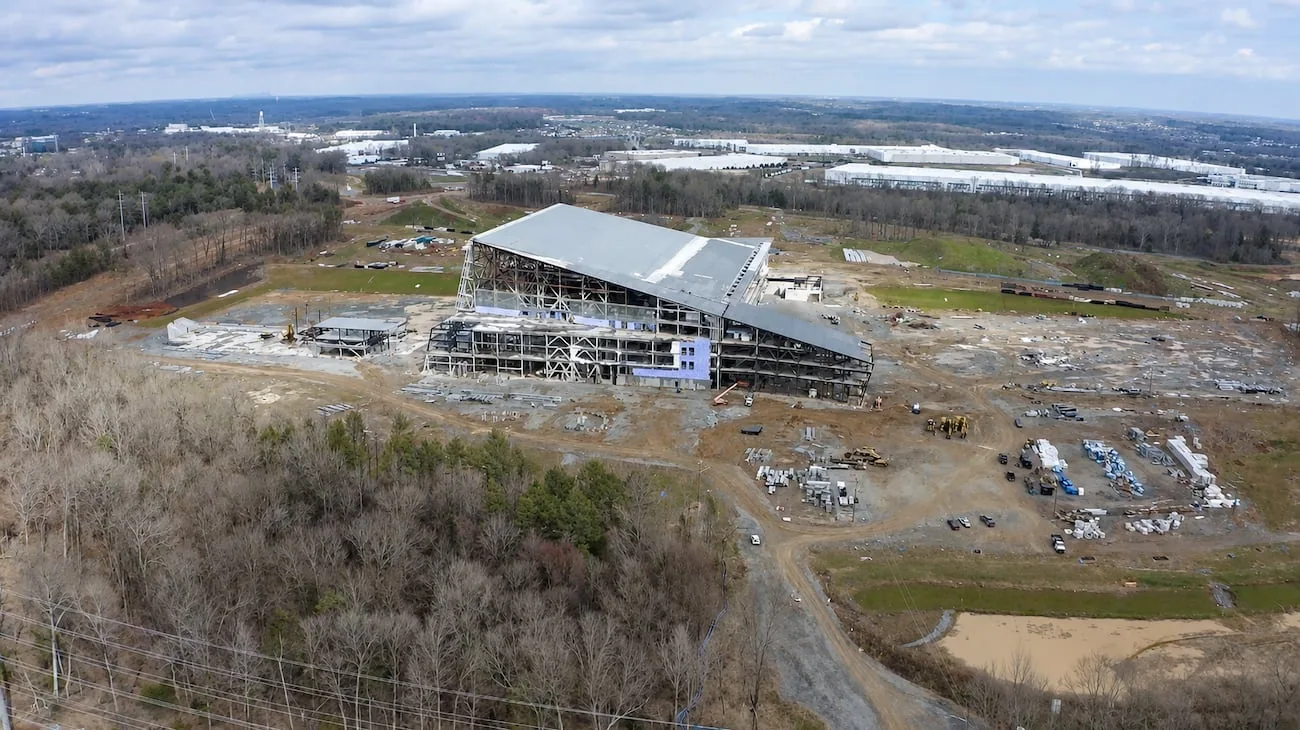
York County's western-area employer inventory includes manufacturing and processing companies around York, while the I-77 South corridor contains large industrial development. Those facts provide regional context, not a claim about a specific plant's products, roof age, or equipment. We use the building's own drawings and observed details to establish material, slopes, loading restrictions, and access routes.
Inspect Roof Details Around Plant Equipment
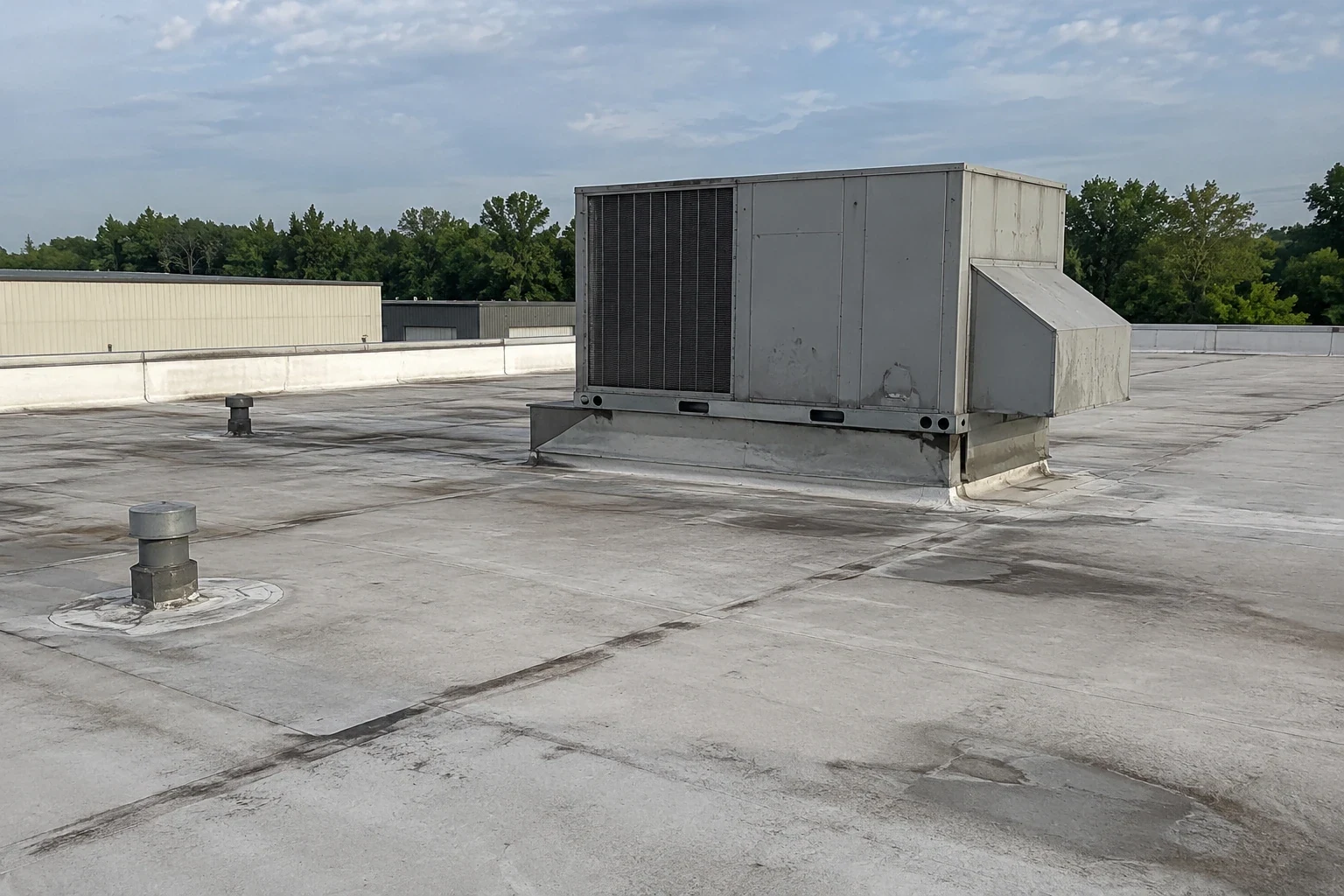
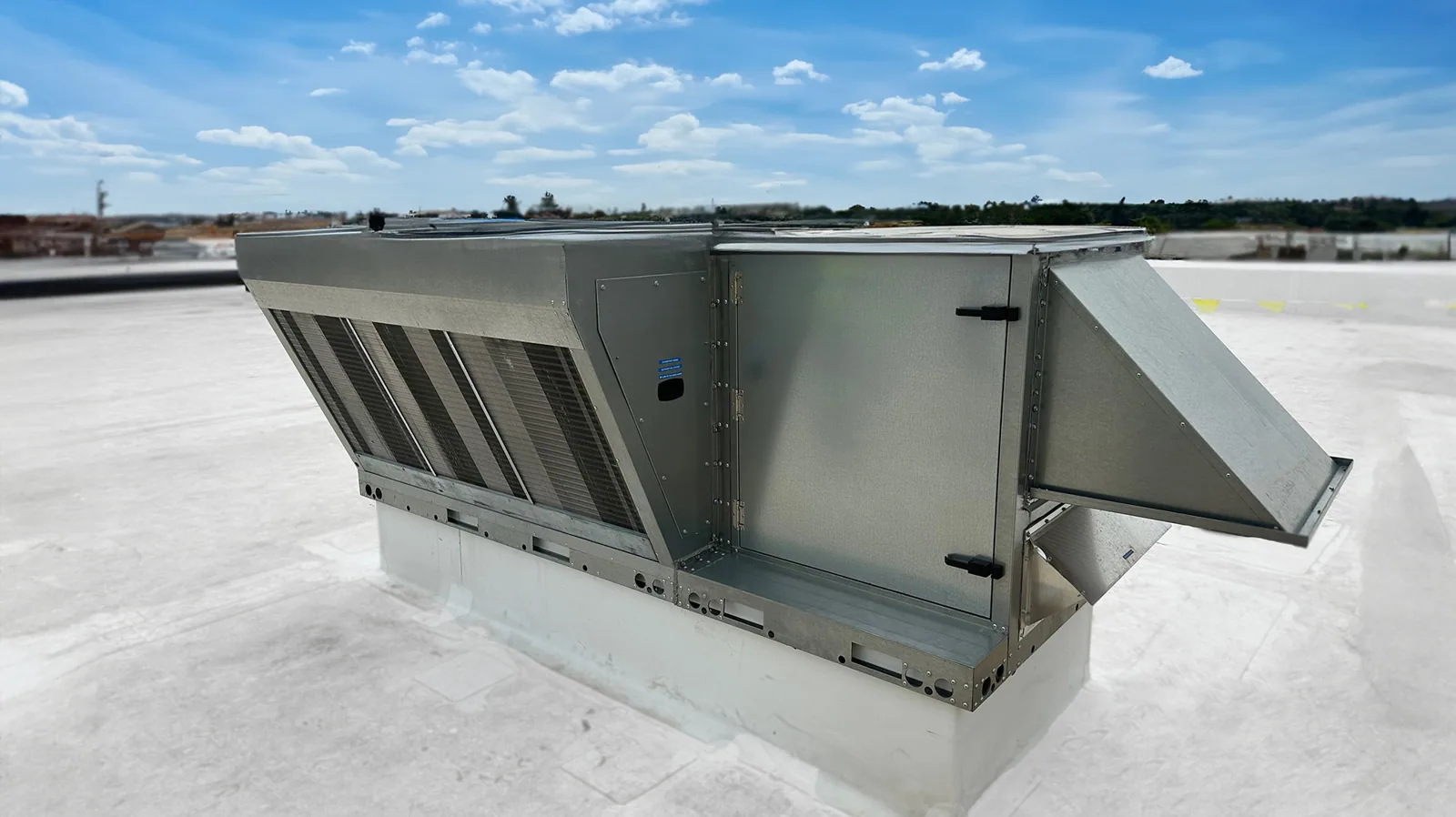
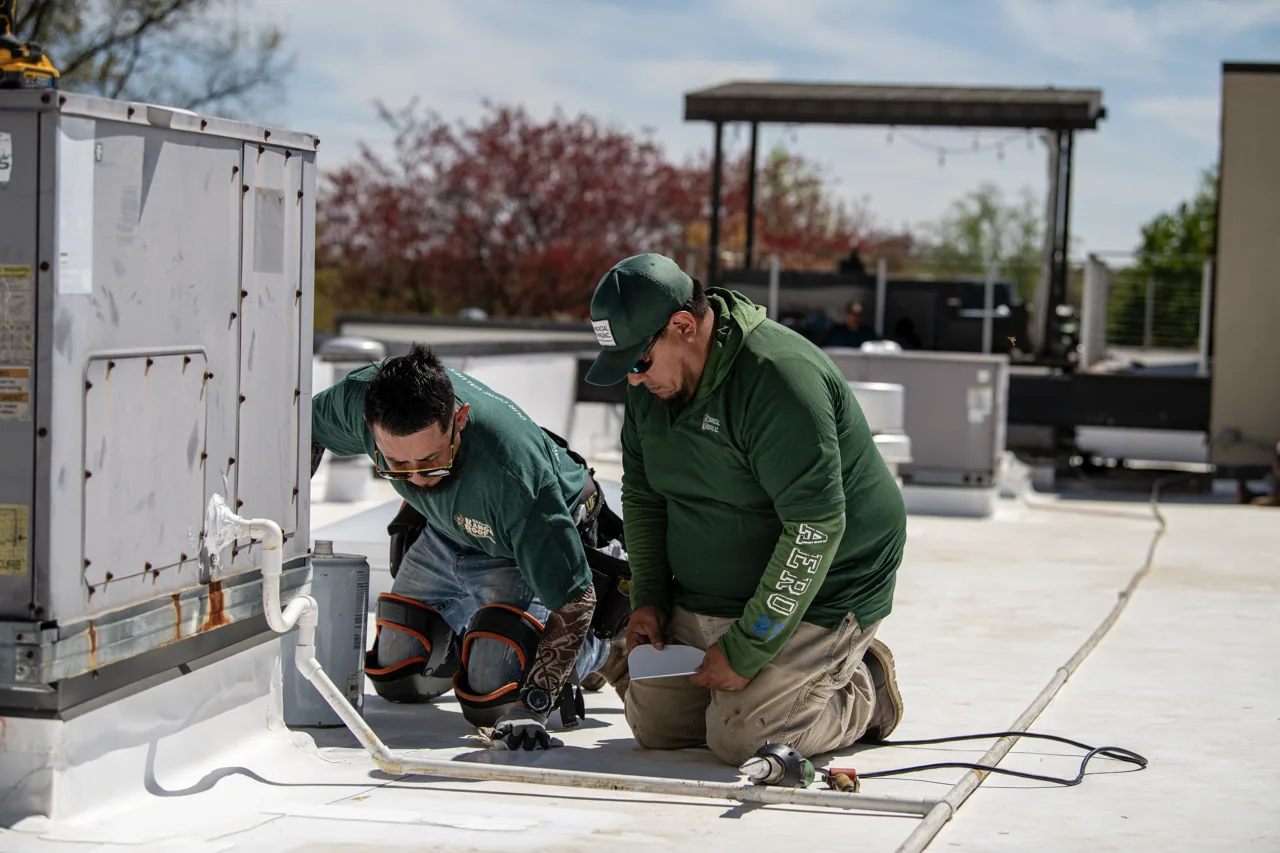
Manufacturing roofs can have exhaust, makeup air, process ventilation, cooling units, pipe racks, conduit, and equipment supports. We inspect the curb base, flashing, attachment, nearby seams, and any abandoned opening. Vibration or a recent equipment move can stress the roof connection, but the observed condition must support that conclusion. A curb and support repair can address the roofing transition once the base and equipment sequence are confirmed.
Roofing and mechanical scopes need a clean handoff. We identify who will shut down or lift a unit, when the roof opening is exposed, and who restores the waterproofing connection. If the mechanical vendor disturbs flashing or membrane, the closeout should say which trade is responsible for that restoration. The roofing crew protects the roof while the work is open and checks the connection at completion when included.
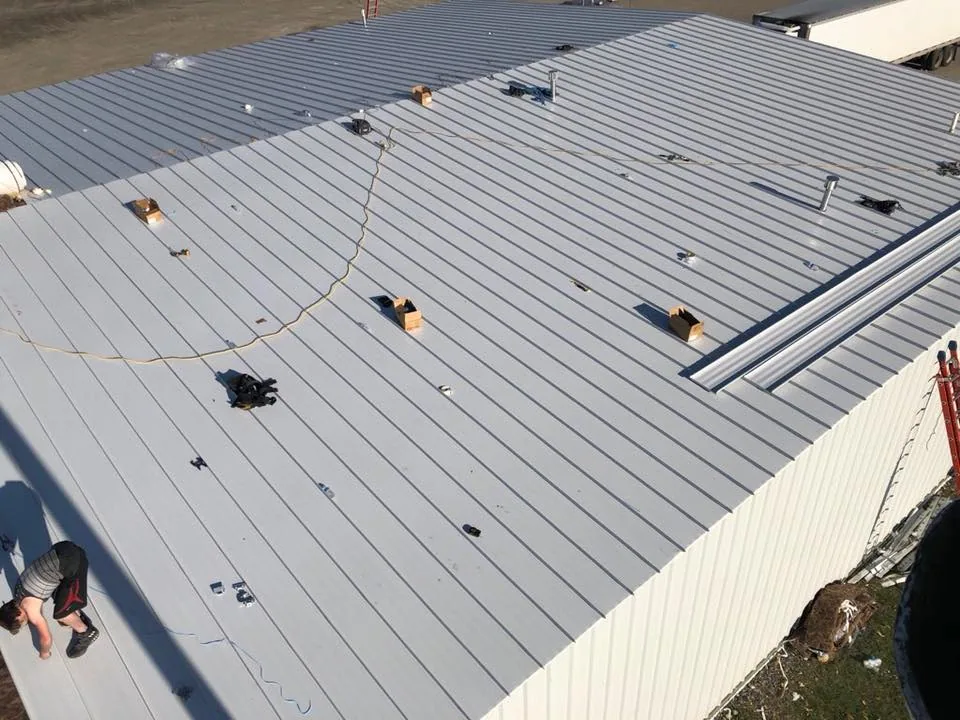
System compatibility matters at every patch. TPO, PVC, EPDM, built-up, modified bitumen, and metal each call for different preparation and attachment details. If a coating or older overlay masks the original material, we describe what can be verified and whether sampling could change the method. We do not select a repair because a building is industrial; we select it for the actual assembly and defect.
Sequence Work Around Shifts and Site Logistics
Production schedules, truck courts, material handling, and safety routes can affect where crews enter and stage. The facility contact identifies gates, escorts, loading lanes, overhead-clearance limits, roof hatches, crane or lift routes, and any work that cannot coincide with production. We define which area may be restricted and how staff will know the roof is open above it. The plant controls its own safety and operating procedures; the roofing scope records the rules the crew must follow.
A phased occupied-building plan can divide a large roof into manageable areas and make closure checks visible. Weather, cure conditions, material preparation, and the production window influence each phase. It may be necessary to stop a line or keep a zone clear while a roof opening is protected. We confirm those dependencies before material removal rather than implying an uninterrupted operation.
If removal reveals wet insulation or weakened deck, we protect the opening and document the size and location of the finding. Work stops at the authorized limit while the facility decides whether to extend the scope, request pricing, or conduct additional evaluation. That process keeps a concealed condition from silently expanding the shutdown or repair boundary.
Check Drainage, Roof Edges, and Storm Conditions
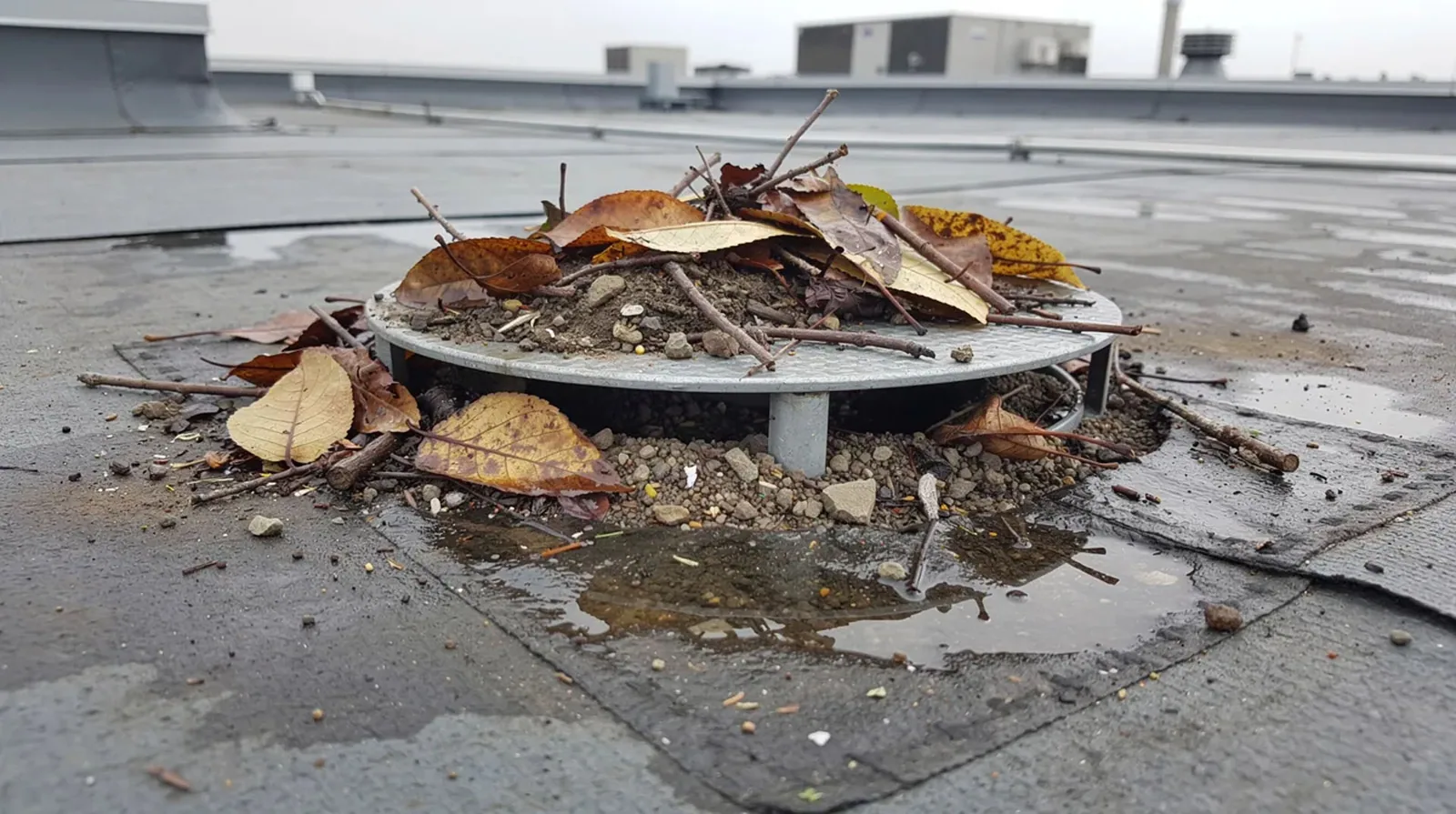
We review internal drains, scuppers, gutters, overflow routes, and roof-to-wall details in the affected zone. A blocked outlet can present differently from a separated membrane tie-in or a low roof area. We note what is visible and keep cleaning separate from structural or membrane repair. A drain and scupper repair can restore a verified roof-to-outlet connection where the detail has failed.
Edges and parapets can be exposed to wind and rain. We inspect coping, metal attachment, fasteners, sealant, and membrane termination for movement or openings. Rock Hill's warm, humid Piedmont climate includes regular rainfall, while York County appears in regional tornado records. A weather event is not proof that one plant roof has been affected. If the facility requests a post-event assessment, we document visible punctures, displaced edge metal, or open flashing on accessible areas.
Manufacturing sites may have roof areas that drain to different outlets or discharge toward loading and service routes. The report can identify which drain serves the inspected section and whether the discharge path was observable. If a pipe or outlet is concealed, that limit matters for deciding whether another test or inspection is needed.
Compare a Local Repair With Broader Renewal
A localized repair may fit when the defect is isolated and adjacent material remains serviceable. Repeated failures, broad moisture, or loose attachment across multiple zones can justify reviewing a larger scope. We explain the evidence and unknowns behind that comparison. A repair proposal names the affected area, materials, preparation, access, and closeout rather than promising a permanent fix for an uninspected roof.
For replacement or recovery, the scope should identify system layers, insulation, edge metal, penetrations, drainage, staging, protection, and areas that remain operational during the work. Cost and duration depend on roof geometry, material, detail count, access, disposal, and conditions exposed after removal. If the substrate differs from records or proves damaged, we secure the opening and review the added boundary with the plant contact before proceeding.
A logistics operator may be especially concerned with dock access and freight lanes, while a property investor may need a consistent condition record across multiple assets. A manufacturer's roof scope still follows plant-specific production needs and actual construction. We can organize proposals by roof zone so the facility can relate alternatives to its operational priorities.
Leave a Usable Roof and Work Record
At closeout, the record lists inspected zones, conditions corrected, materials installed, photographs, tests, and any area not reached. The facility can compare the information with production changes, equipment service, or later leak reports. If a roof opening was not tested, or if interior access was unavailable, we keep that limitation explicit so it is not mistaken for a verified negative finding.
A maintenance inspection can return to drains, seams, penetrations, and repairs after future equipment work. Share prior roof plans, shutdown windows, leak history, process-related rooftop changes, and any restricted zones before the visit. We will identify the route and note which roof areas require escort or a separate production window.
Questions About Manufacturers
The sequence may fit a shift window when access, weather, material preparation, and closure requirements allow it. We confirm the affected roof zone and any equipment or interior restriction with the facility before work begins.
The roofing scope can repair flashing and membrane around an exhaust curb or equipment base. Mechanical operation, ductwork, and equipment service are handled by the responsible plant trade unless the written scope expressly includes them.
We coordinate the interior area and roof access with the plant contact, inspect the likely water route, and define protection before opening the roof. The report separates confirmed conditions from areas that still need testing.
Roof plans, system records, production windows, equipment history, access rules, leak reports, and safety restrictions help define the scope. We also identify where concealed conditions could change price or schedule.
Plan Roofing Around Plant Operations
Send the roof plan, leak history, equipment schedule, site access requirements, production windows, and affected work areas. We will inspect the accessible roof and define a repair or renewal scope with the facility contact.