
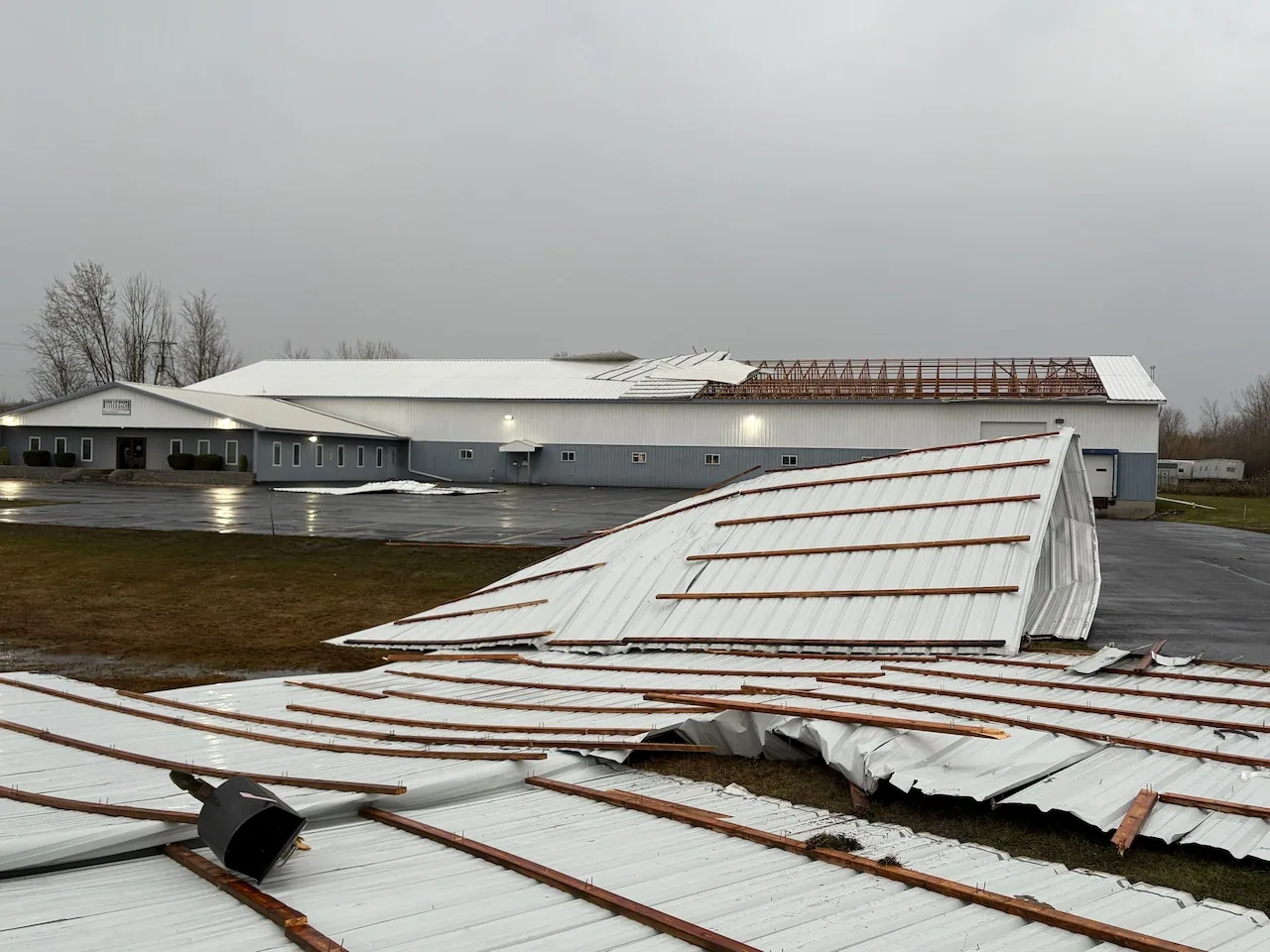
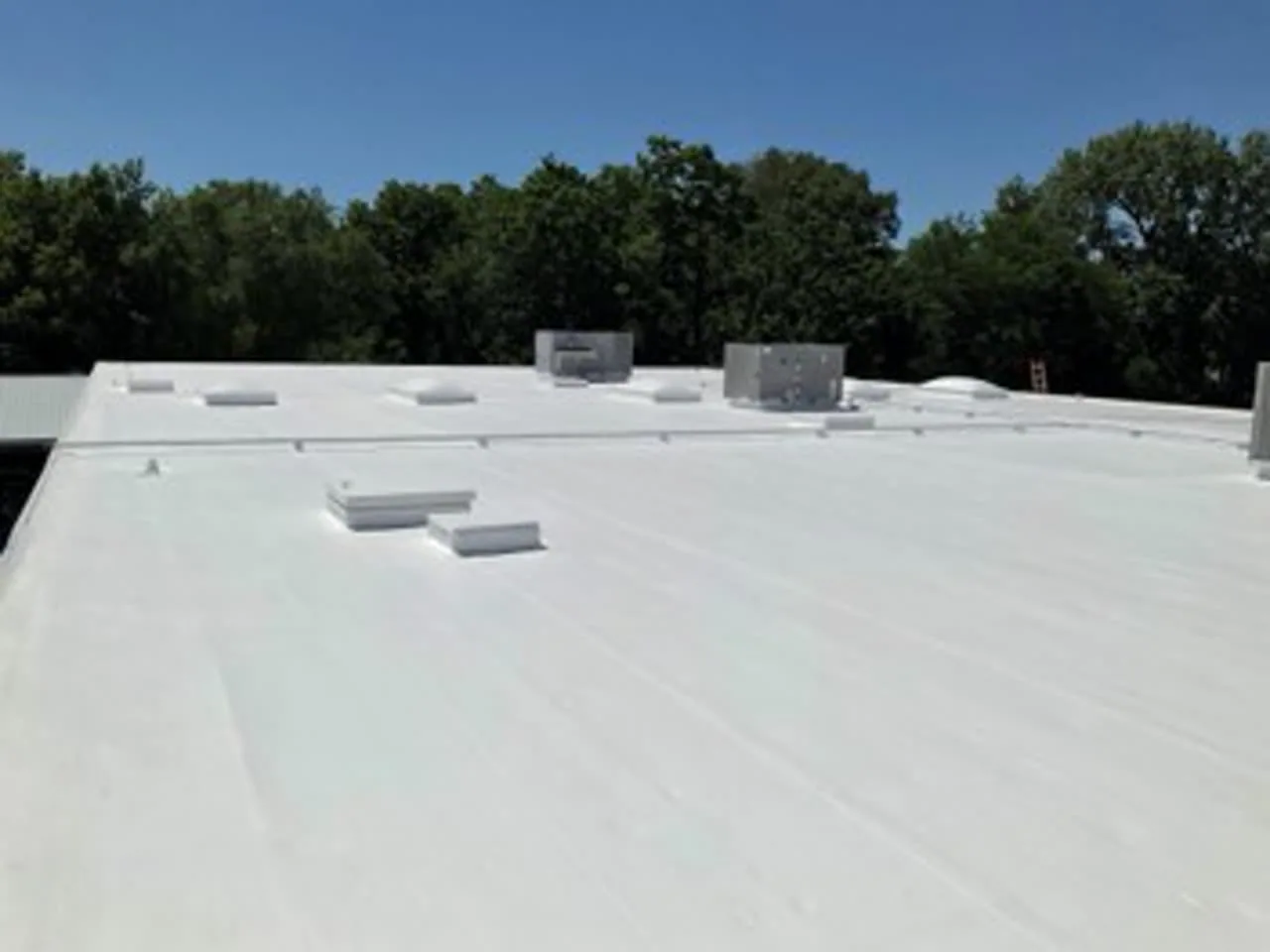
Document commercial roof conditions in Rock Hill for an insurance claim with dated photos, inspection findings, repair boundaries, and work records.
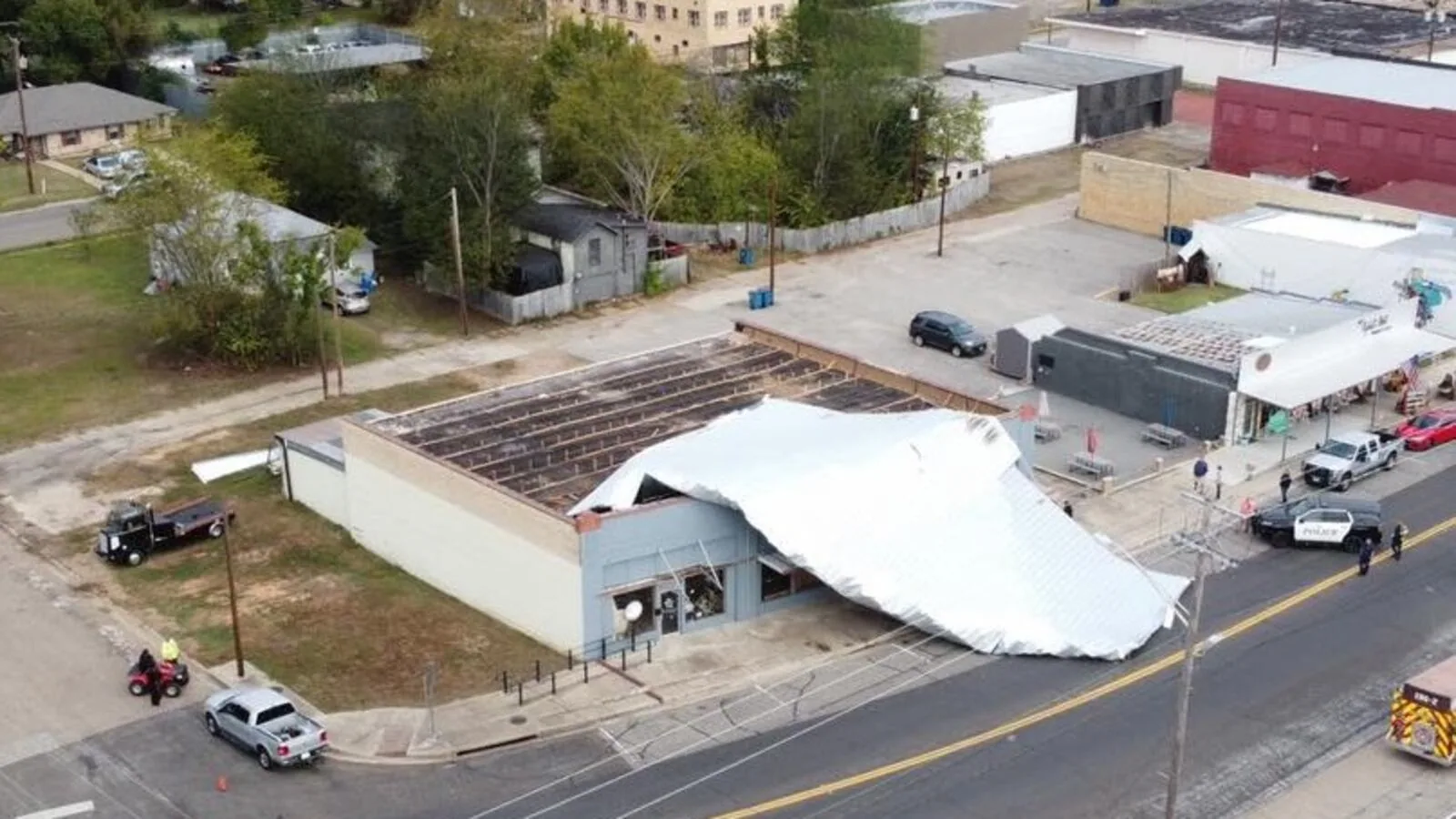
Storm documentation is clearest when each photograph and repair note points to a roof zone and an observed condition. We inspect the accessible roof, record visible openings or displacement, and describe the work needed to address those findings. In York County, a 2011 tornado crossed Chester and York counties, while regional hail and wind records are incomplete and localized. For a claim, tie the event timeline to dated site photographs, inspection findings and the repair boundary on the property. The claim file needs property-specific evidence. We can document the reported event, inspection limits, temporary protection, and proposed repair scope, then provide those roofing records to the owner. For commercial properties around Dave Lyle Boulevard or the Cherry Road corridor, we identify the building and roof areas actually inspected and photographed rather than generalizing from nearby development.
Start with the Event and Roof History
We begin with the date the owner reports, the building areas affected, and any active leak or temporary protection already in place. Prior repair records, roof plans, maintenance notes, and photographs can help establish what changed. We label older records by date and source supplied by the owner so a previous condition is not mistaken for a current observation. If a leak is ongoing, protecting the building and documenting the active condition may come before a complete claim package.
Rock Hill's commercial development includes retail and institutional upfits along local corridors, while the city also lists industrial and business parks. Those broad facts describe the market, not the damage at a particular address. Our inspection focuses on the roof assembly visible at the property, the reported symptom, and the access boundary. The record notes weather context separately from physical evidence. If the owner has an adjuster visit scheduled, we can coordinate a roof inspection or share findings within the agreed authorization and schedule.
Inspect and Photograph the Roof
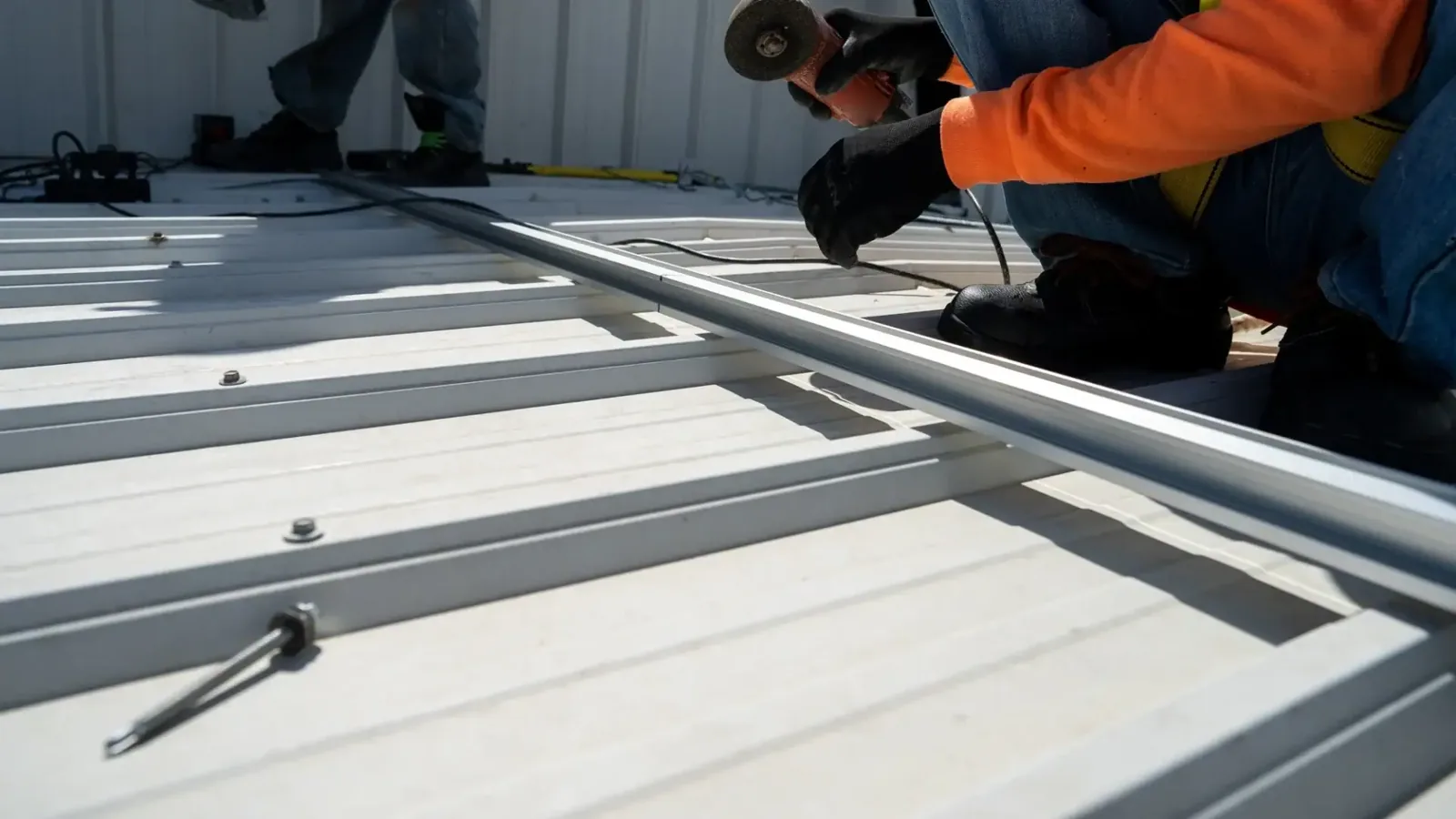
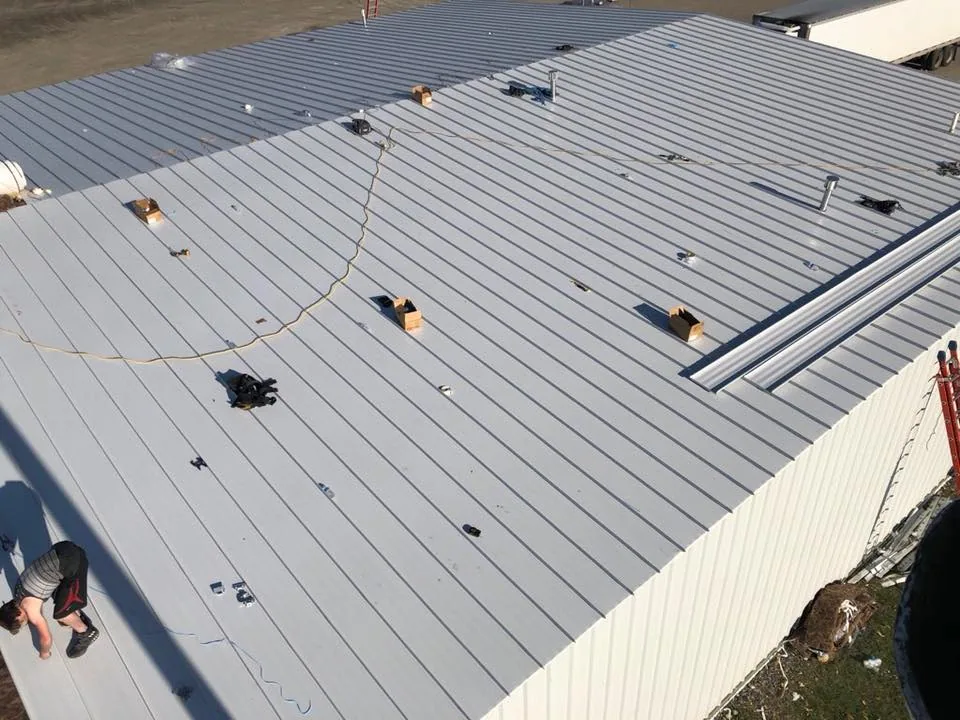
On site, we walk accessible roof zones and examine the membrane or panels, seams, flashings, curbs, penetrations, roof edges, and drainage. We photograph each condition with enough surrounding context to locate it later. A close view may show an open seam, puncture, loose edge metal, or impact mark; a wider view can show which section it belongs to. We record conditions that may be unrelated to the reported event separately from items that appear consistent with the owner's concern.
When a reported event affects the region, record the roof conditions at the property and keep that inspection evidence separate from the event timeline. We compare the reported event with what is visible on the roof and describe uncertainty where the evidence is inconclusive. A storm history is not a repair diagnosis. If water entry is part of the claim, a leak investigation can trace the route and identify the supported entry detail. A broader commercial roof inspection may document additional accessible conditions outside the reported area.
Separate Temporary Protection from Repair
When an opening allows water into the building, temporary protection may help limit further entry while the permanent repair is evaluated. We document the date, roof zone, method, and boundary of that work, along with any area that remains exposed or unverified. A tarp or dry-in is not the permanent repair, and the record should not treat it as one. If conditions require urgent action, emergency response can be arranged under confirmed service terms.
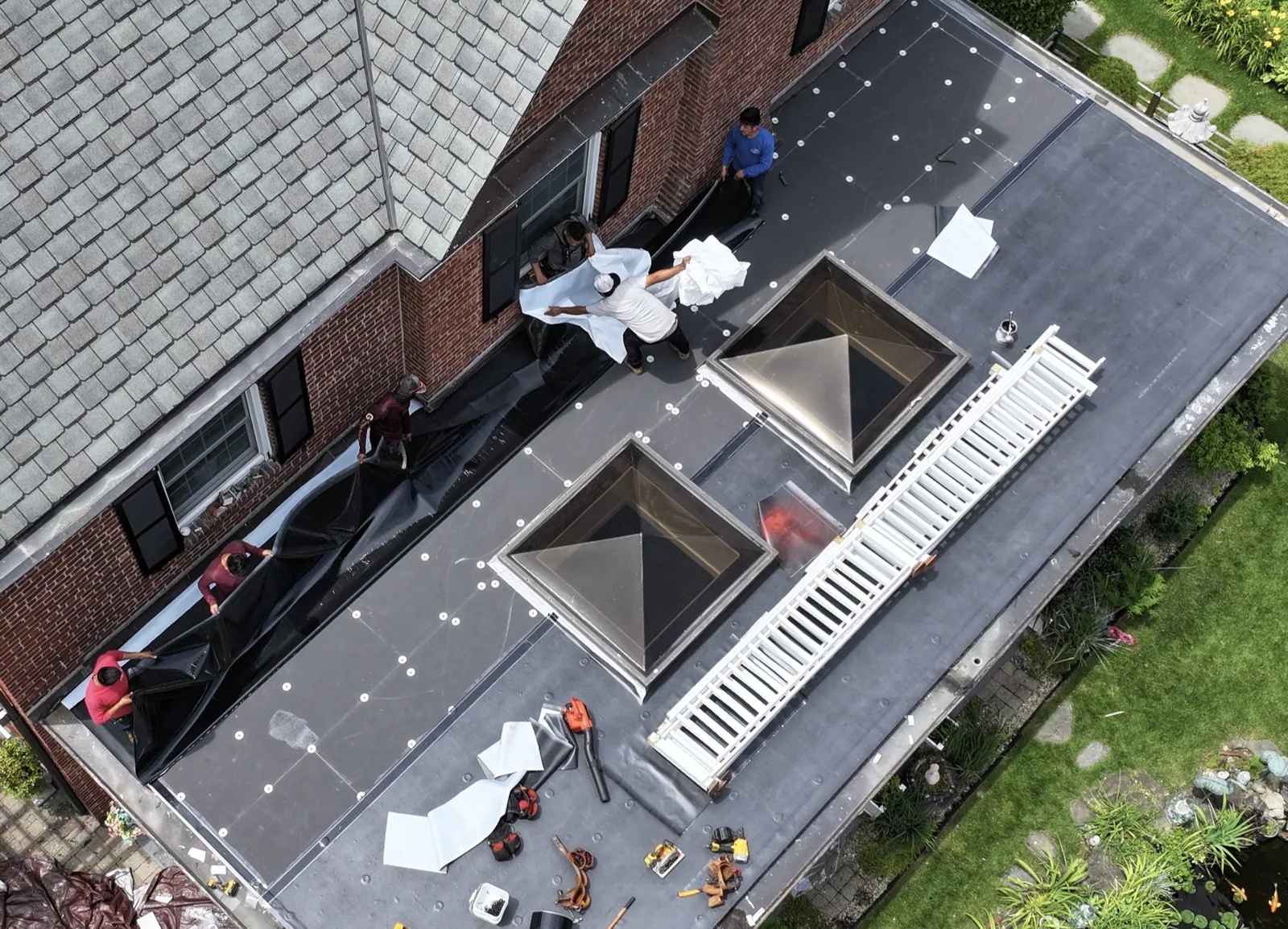
The permanent scope describes the compatible repair, materials and details involved, and any adjacent work needed to close the water path. If removal exposes wet insulation or concealed damage, we photograph the finding and discuss the added boundary before extending the work. This separation helps the owner understand what has been protected, what has been repaired, and what remains to be decided. Our storm damage repair process can address the visible roof condition and keep the repair record tied to the inspected zone.
Describe the Roofing Scope
A useful roofing scope identifies the condition, repair method, work area, and assumptions that affect the proposal. We mark the roof zone and list the material or detail to be repaired. If the roof system cannot be confirmed, we state that limitation rather than assigning an unsupported material. Access, staging, protection of equipment, and the need for additional testing can affect the work sequence and cost. We distinguish observed conditions from recommendations that require further investigation. If temporary measures were used, the scope also records which exposure they reduced and which permanent details remain open for repair.
Fort Mill and Rock Hill sit within a connected regional employment area along I-77, with manufacturing, healthcare, distribution, and office activity. A facility's district or industry does not determine its roof construction, but site operations can influence safe access and staging. We confirm those conditions with the property contact. The claim documentation can include photographs and a repair proposal, but it does not decide policy coverage, cause allocation, or payment. Those determinations belong to the owner, insurer, and the terms of the policy.
When claim records need organized photos and field observations, a roof condition report can preserve the inspected boundary. A separate roof survey may be appropriate when the owner needs a broader review beyond the reported event.
Coordinate Documents and Follow-Up
We provide the owner with the roofing observations, photographs, repair scope, and records of work completed. If authorized, we can coordinate an inspection time with the adjuster or answer questions about the roof assembly and repair method. We keep statements limited to what our inspection and work record support. We do not make the insurer's coverage decision or promise that a claim will be accepted.
After work, we photograph the finished repair and note remaining conditions or exclusions. If the original leak returns, the report lets the next inspection compare the same roof zone and detail. A follow-up check can also confirm the visible repair after suitable weather conditions. The owner should retain the policy documents, claim correspondence, and all other records required for the claim process. Share those documents only through the owner-approved channel and tell us what roofing information is needed. For ongoing maintenance, scheduled roof maintenance can preserve condition observations between events.
Questions About Commercial Roof Insurance Claim Assistance
No. We document the roof conditions and repair work within our roofing scope. Coverage depends on the policy and insurer's review. Our report describes what was visible, what was repaired, and where uncertainty remains; it does not predict a claim decision.
The reported event date, affected interior areas, roof plans, prior repair records, and access requirements can help set the inspection route. We review available material alongside current conditions and label what was observed during our visit. Missing records do not prevent an inspection, but they may leave some history unconfirmed.
We can coordinate a roof inspection or discuss the roofing scope when the owner authorizes it and scheduling is confirmed. We explain roof findings and repair methods within our inspection record. Claim coverage and policy interpretation remain with the owner and insurer.
No. Temporary protection limits exposure at a stated area while a permanent scope is evaluated. We document its location and limits separately from repair work. The owner receives a clear record of any permanent work still needed or concealed conditions that remain unverified.
Organize Roof Claim Documentation
Share the reported event date, affected areas, available roof records, and access limits. We will inspect accessible zones, document conditions and repair scope, and provide roofing records for the owner to use in the claim process.
