
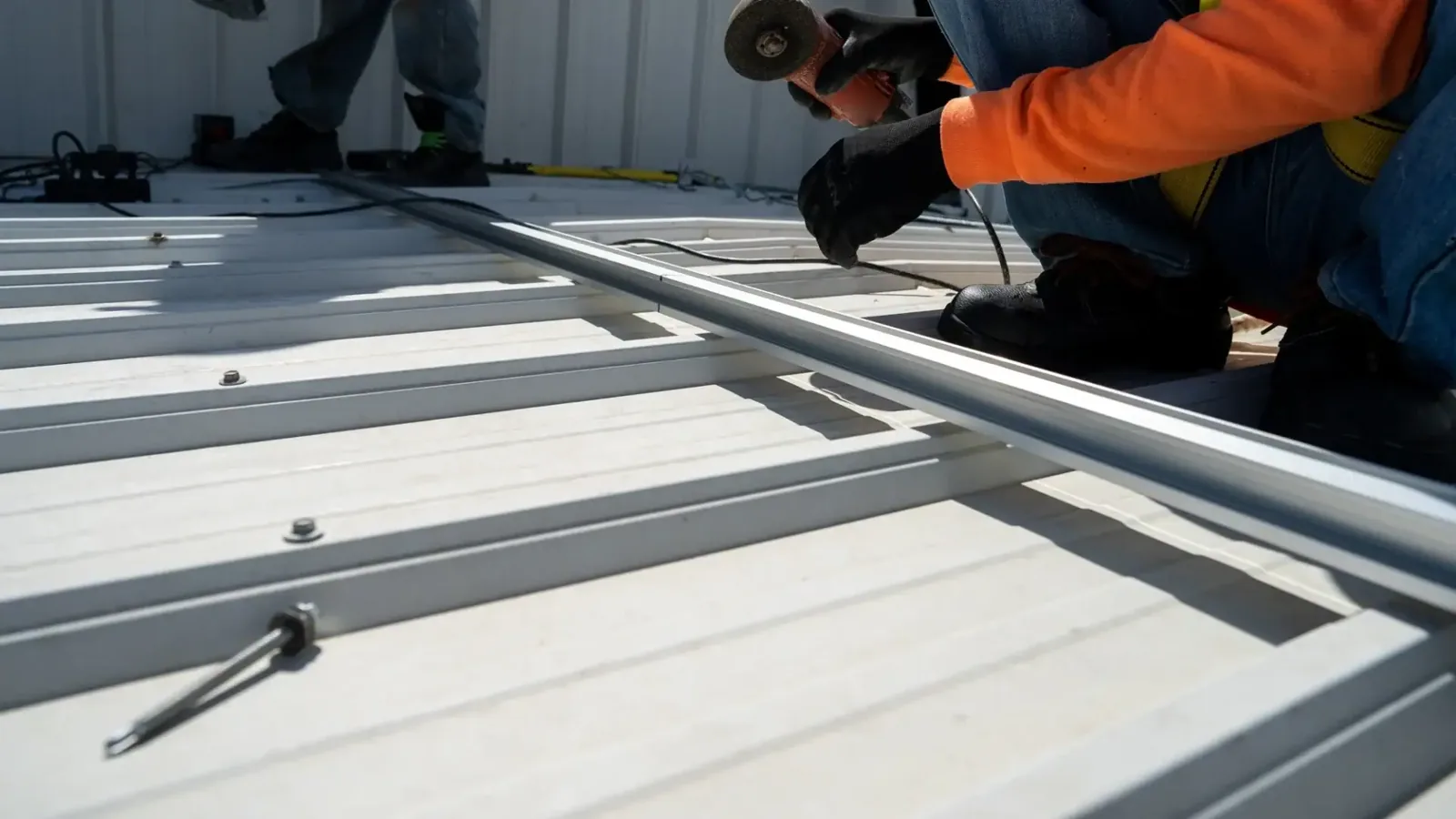
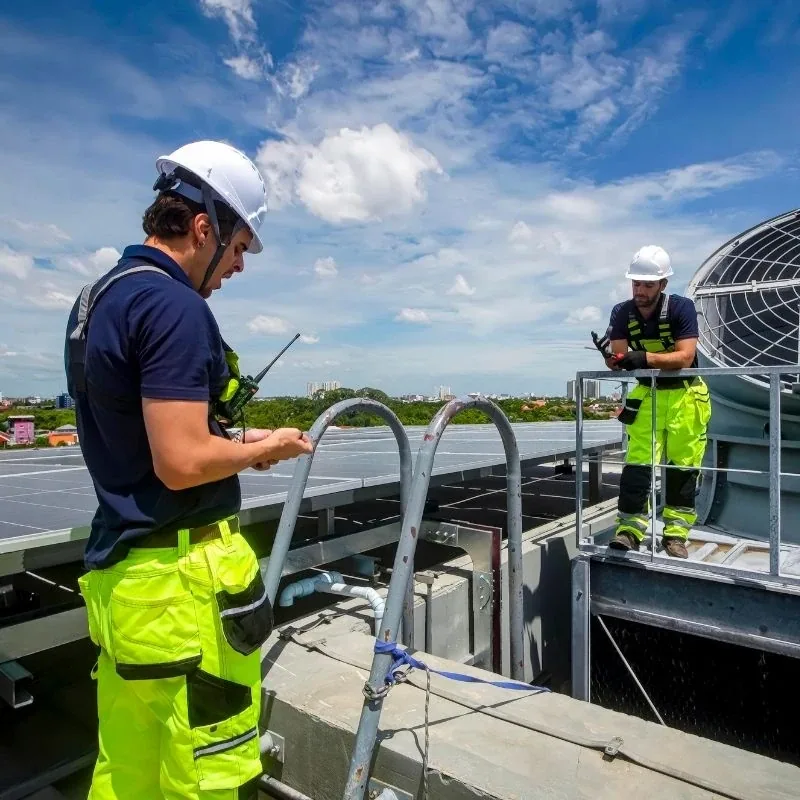
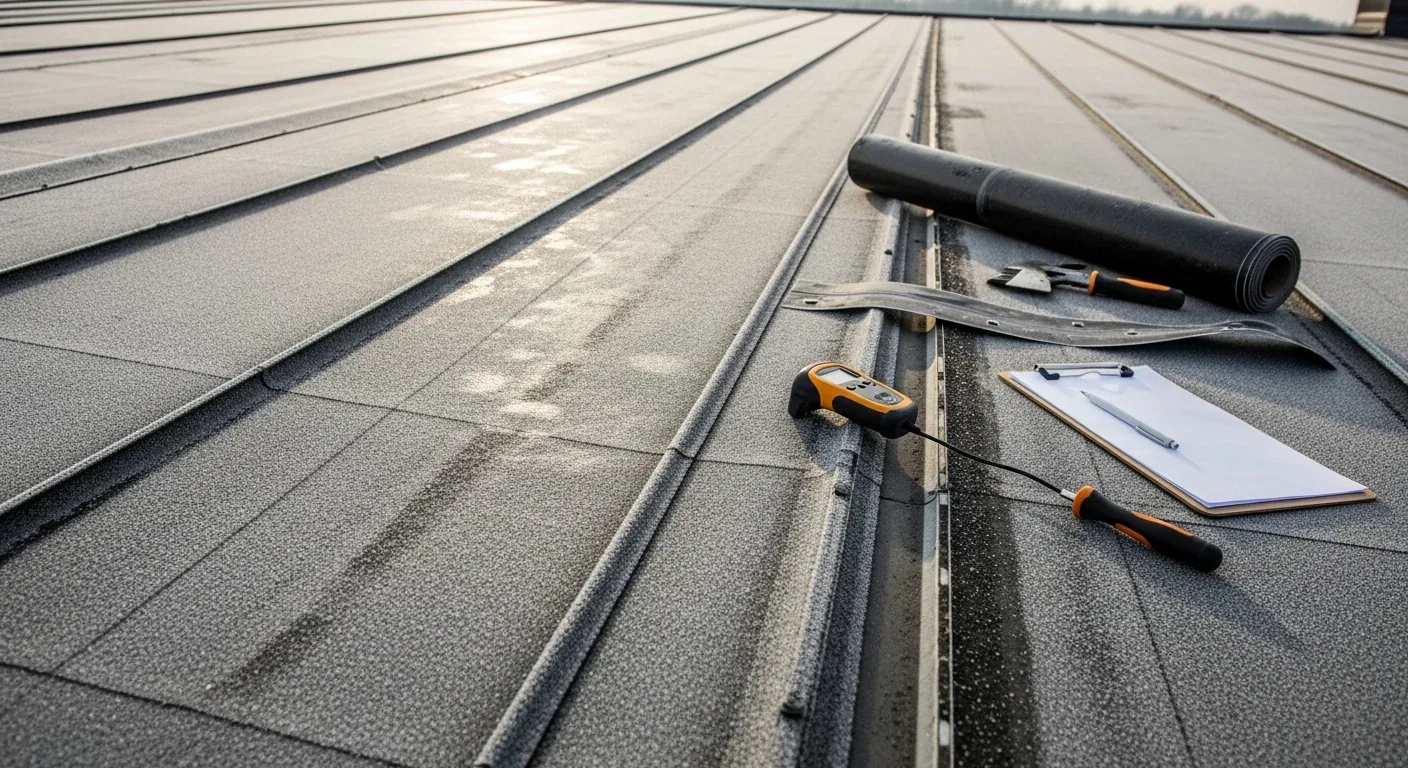
Trace a commercial roof leak in Rock Hill from the interior symptom to seams, curbs, drains, and edges. We mark findings and define the repair boundary.
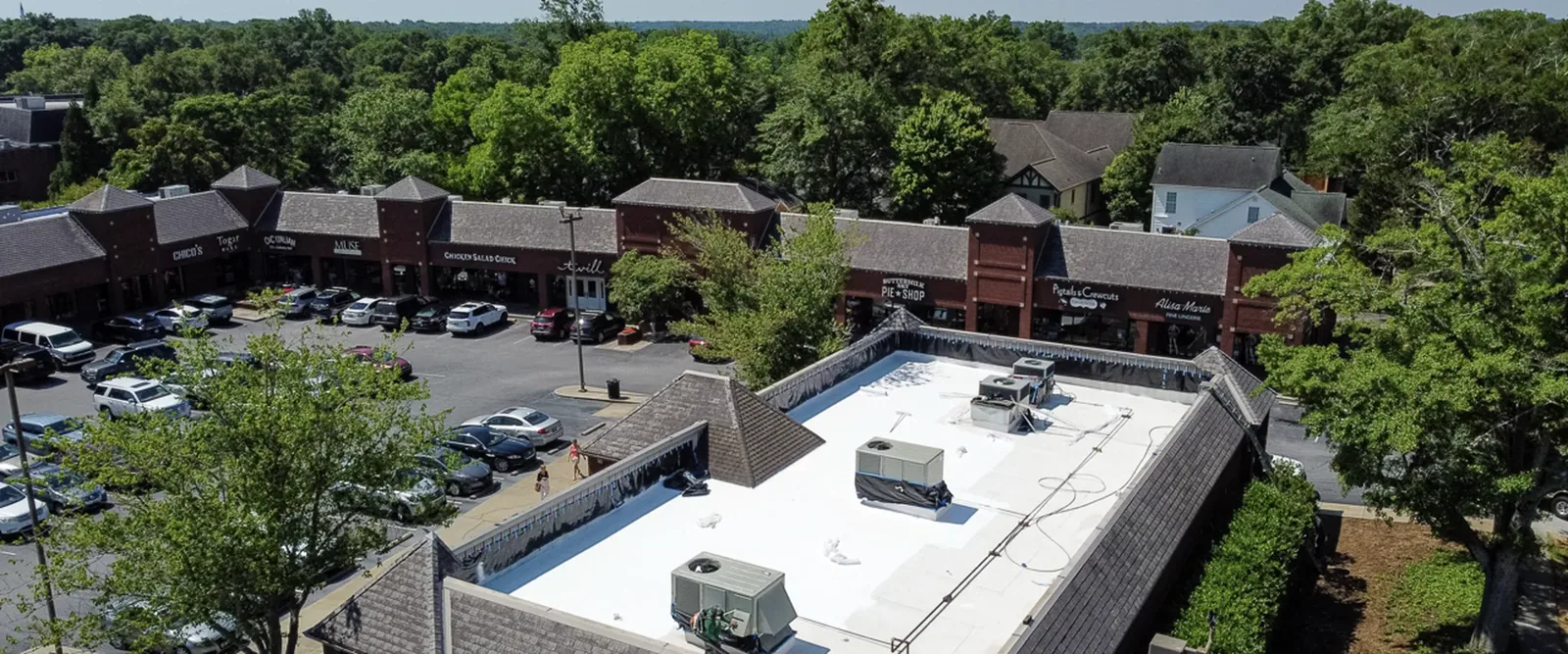
A ceiling stain near a tenant space gives us a starting point, not the roof opening. In Rock Hill, SC, rainfall can move across a commercial roof before it follows a curb, seam, or penetration into the building. We record where the leak appears, ask when it occurs, and inspect the roof zones above and around that area. Then we trace the water path across drains, flashing, equipment curbs, and membrane transitions until the visible evidence supports a repair location. The work is marked by roof zone, with the inspected area separated from anything concealed or inaccessible. Near the Cherry Road commercial corridor, we identify the affected tenant area and confirm roof access before opening or testing the assembly. If water is still entering, emergency protection can be arranged under confirmed service terms while the investigation and permanent repair scope are set.
Interior Evidence and Timing
We start with the room, equipment, or ceiling area where water became visible. The facility contact can note the time, recent rain, and whether the leak changes when rooftop equipment is operating. We photograph staining, active drips, and protection already in place. Those details help compare the report with roof conditions. They do not prove the opening sits directly above the stain, because water can travel along the deck or framing.
Rock Hill has a warm, humid Piedmont climate with regular rainfall, so a leak may appear after a period of rain or become more noticeable as water moves through the assembly. We check whether the symptom is active, intermittent, or limited to one weather event. If the leak affects electrical equipment, inventory, or a controlled work area, temporary protection and access coordination come first. Tell us which spaces are affected and who can provide roof access. A temporary emergency response may be arranged within confirmed service terms while permanent repair is evaluated.
Roof Entry and Water Travel
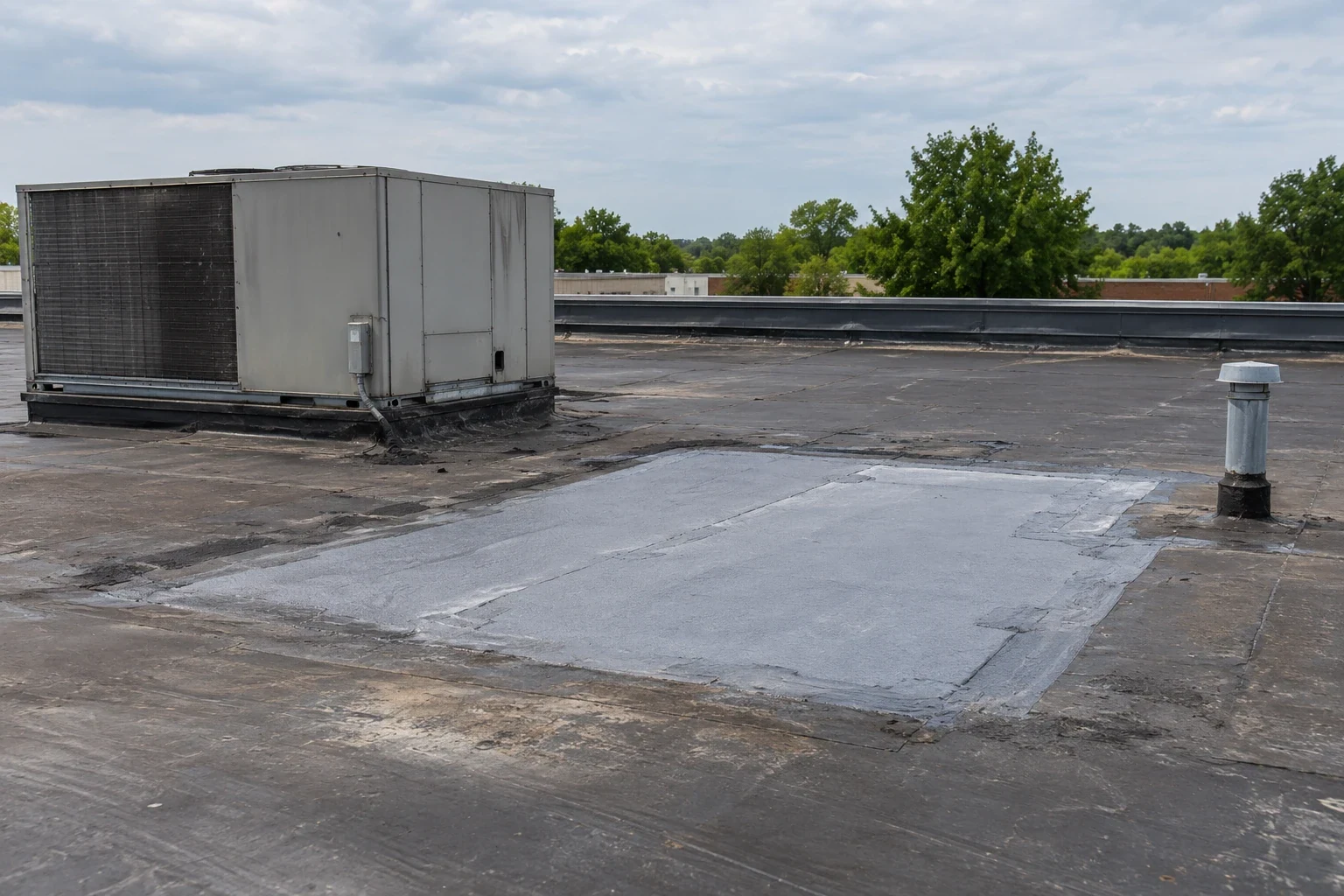
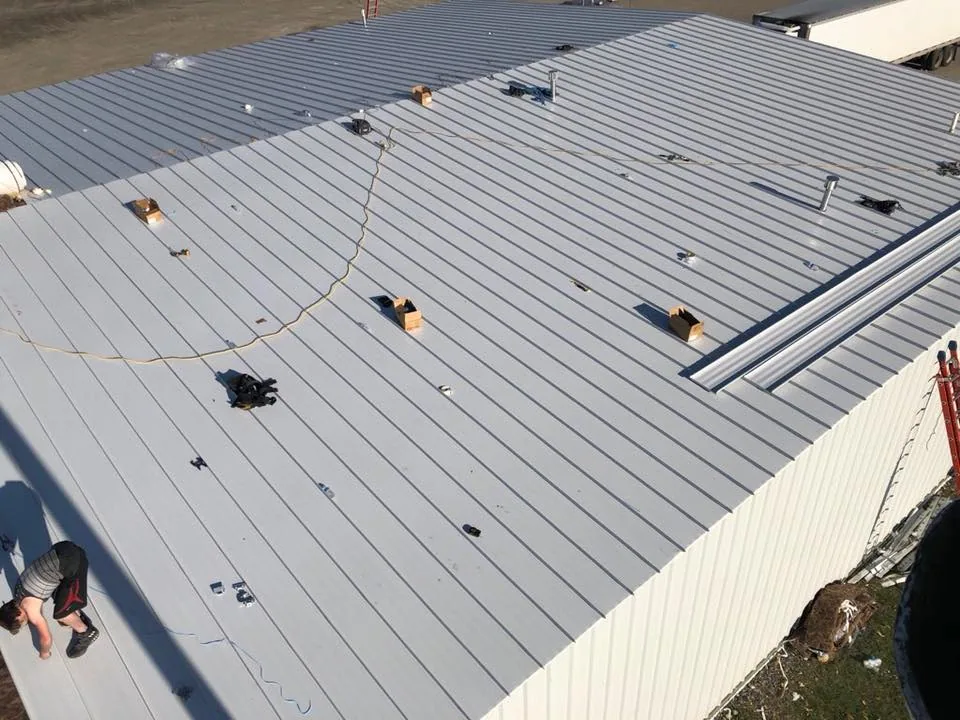
On the roof, we begin above the reported interior area and expand outward along likely water paths. We inspect seams, patches, penetrations, curbs, parapets, drains, and roof edges. A small opening at a flashing transition can admit water that travels before reaching the deck. We look for split seams, lifted edges, punctures, displaced metal, failed sealant, ponding, and discolored areas. Each observation is tagged by location.
If the first inspection does not reveal a clear entry point, we can test selected areas or make an opening to see the layers below. We take readings across the suspected area and verify the repair boundary with additional checks or test openings where needed. On a membrane roof, probe and weld checks may help assess seams. At a drain, we check the bowl, tie-in, and discharge path. On metal, we inspect panel laps and fasteners. When the entry route remains uncertain, we state what was inspected and which areas need another check instead of naming a cause without support. After the entry point is confirmed, a commercial roof repair can address the affected detail.
Curbs, Flashings, and Drainage
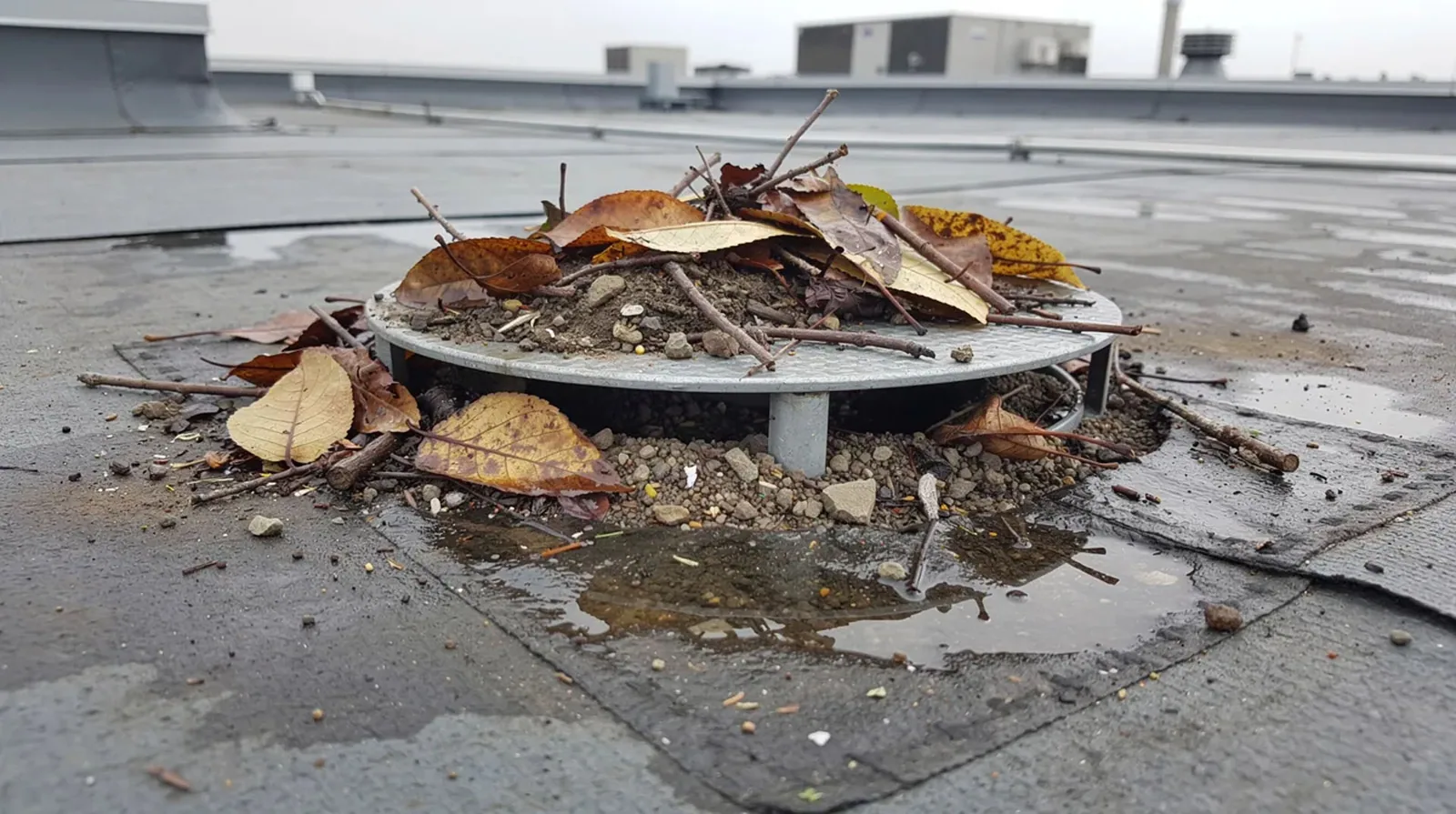
Water can enter where a roof membrane turns up against a curb or pipe, where a flashing has separated, or where an edge termination no longer holds. We inspect the complete transition, including the attachment and the material beneath a visible sealant bead. Reapplying sealant over a loose or deteriorated detail may hide the opening without correcting it. Around a drain, debris, a damaged membrane tie-in, or a low area can keep water on the roof. We identify which condition is present before setting the repair material and limit.
A documented November 2011 tornado crossed Chester and York counties, and the western Carolinas have a hail record; after a reported event, inspect the roof for actual impact and water entry. For a storm claim, pair the reported event date with dated roof photographs, visible impact findings and moisture readings from the property. We inspect the actual roof for displaced edge metal, impact marks, open seams, and damaged penetrations. If the findings support a weather-related repair, we document the affected details and distinguish them from older wear. Where water gathers at a bowl or scupper, a drain and scupper repair can be scoped as its own work.
Stopping the Active Leak
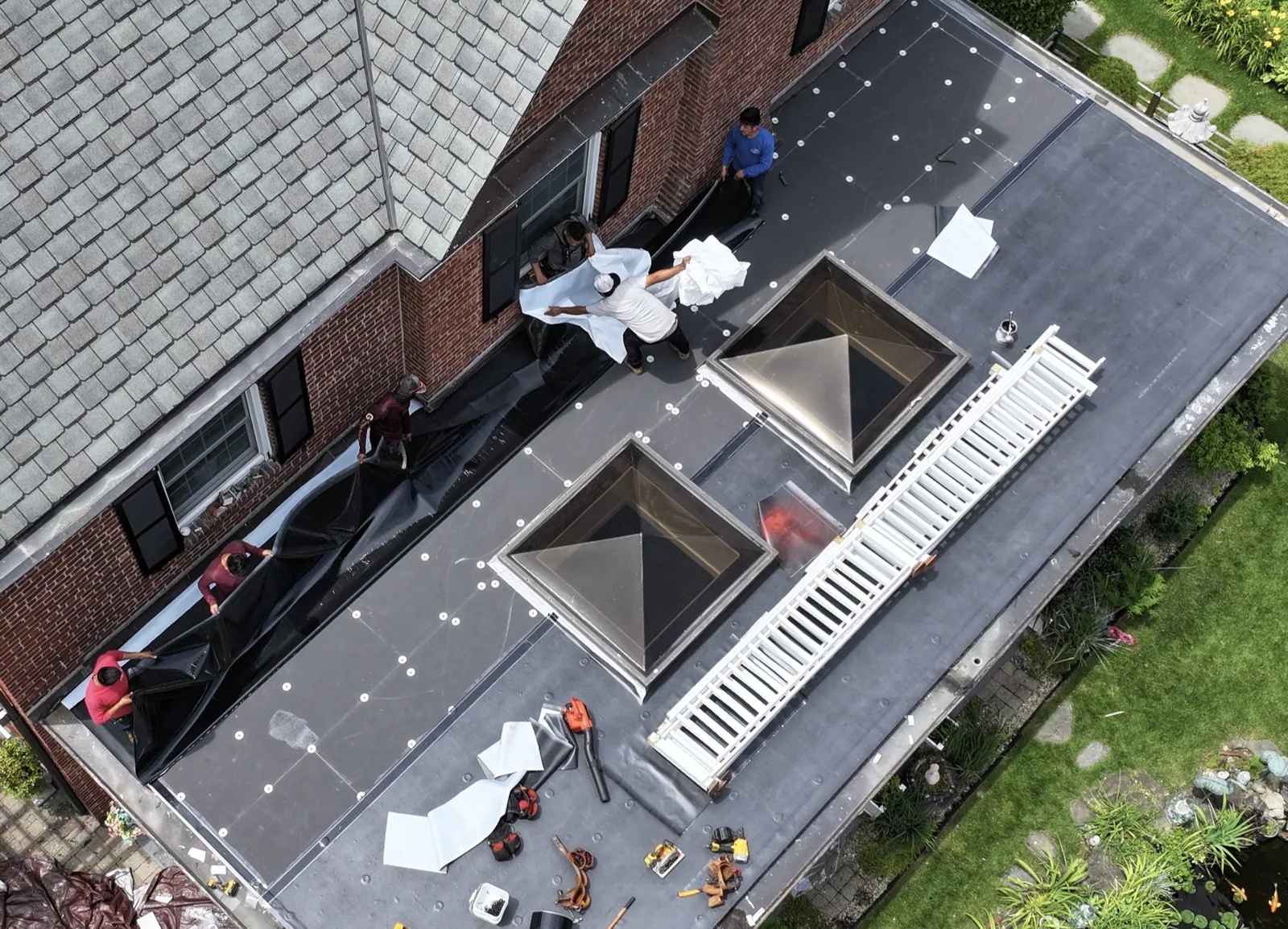
Once the entry point is supported by the inspection, we select a compatible repair method for the roof system. The work area is cleaned and prepared, loose or damaged material is removed within the approved limit, and the membrane or flashing is repaired using a suitable patch, weld, seal, or replacement detail. We protect the opening until it can be closed, then check the repair edge and nearby transitions. If additional defects appear during preparation, we photograph them and confirm whether they belong in the authorized scope.
At an occupied building, the work sequence accounts for tenant access, rooftop equipment, deliveries, and conditions inside the affected area. Temporary protection is kept distinct from the permanent repair so staff understand what remains. Rock Hill's business parks include manufacturing, distribution, and office occupants, while downtown Knowledge Park joins mixed-use activity with Winthrop University. These facts describe the broader market, not any individual roof. Each facility needs its own access plan and repair record. We keep walk paths and the active work zone identified, and communicate when the repair is complete or when a concealed condition changes the scope. If a repair cannot stop the leak without broader work, the owner receives the observed reason and next decision.
Repair Record and Follow-Up Check
We photograph the entry detail, completed repair, and nearby roof area, then note the material, roof zone, test method, and repair boundary. If the interior symptom continues, the next visit can compare the same locations instead of starting with an unmarked roof. A follow-up check after rain may confirm whether water still appears at the reported area. It does not certify roof conditions outside the inspected boundary. The record states what changed, what remains unknown, and which next test or repair would answer the open question.
Share the affected room, date or conditions when the leak appeared, roof access limits, and any previous repair information with us. We will inspect the likely water path, explain the physical findings, and mark the boundary for temporary protection or permanent work. For ongoing property records, a photo-backed condition report can keep the leak location and repair notes available for the next facility review. A commercial roof inspection can check broader conditions beyond the repair boundary. The scope remains tied to observed roof conditions, not to the interior stain by itself.
Questions About Commercial Roof Leak Repair
Water can travel sideways along a deck, insulation layer, or structural member before it reaches the interior. We use the reported room as a clue, then inspect likely paths through seams, penetrations, curbs, edges, and drains. A test opening may be needed if surface inspection cannot confirm the route. The repair record names the supported entry point and the limits of the check.
Protect people and equipment in the affected area and report any electrical or operational concern to the facility contact. We can arrange temporary emergency roofing response for urgent conditions under confirmed service terms. Temporary protection limits exposure while we inspect and define a permanent repair. The final repair boundary depends on the roof conditions we can verify.
Yes, intermittent reports still guide the inspection. We note the timing, rainfall conditions, and affected interior area, then examine roof details that can admit water under those conditions. A controlled test may be considered when safe and appropriate. We will state which areas were tested and what the results support, rather than extending one observation to the full roof.
A sealant bead helps only if the flashing and attachment beneath it remain sound. We inspect the full curb transition and nearby membrane, then choose a repair that addresses the failed part. If the curb base or membrane has moved, new sealant alone may not hold. The written scope shows what will be repaired and what nearby work is excluded.
Trace the Water Path
Tell us where water appears, when it occurs, which building areas are affected, and how roof access is arranged. We will inspect the likely entry path, mark findings by roof zone, and explain the repair boundary.