
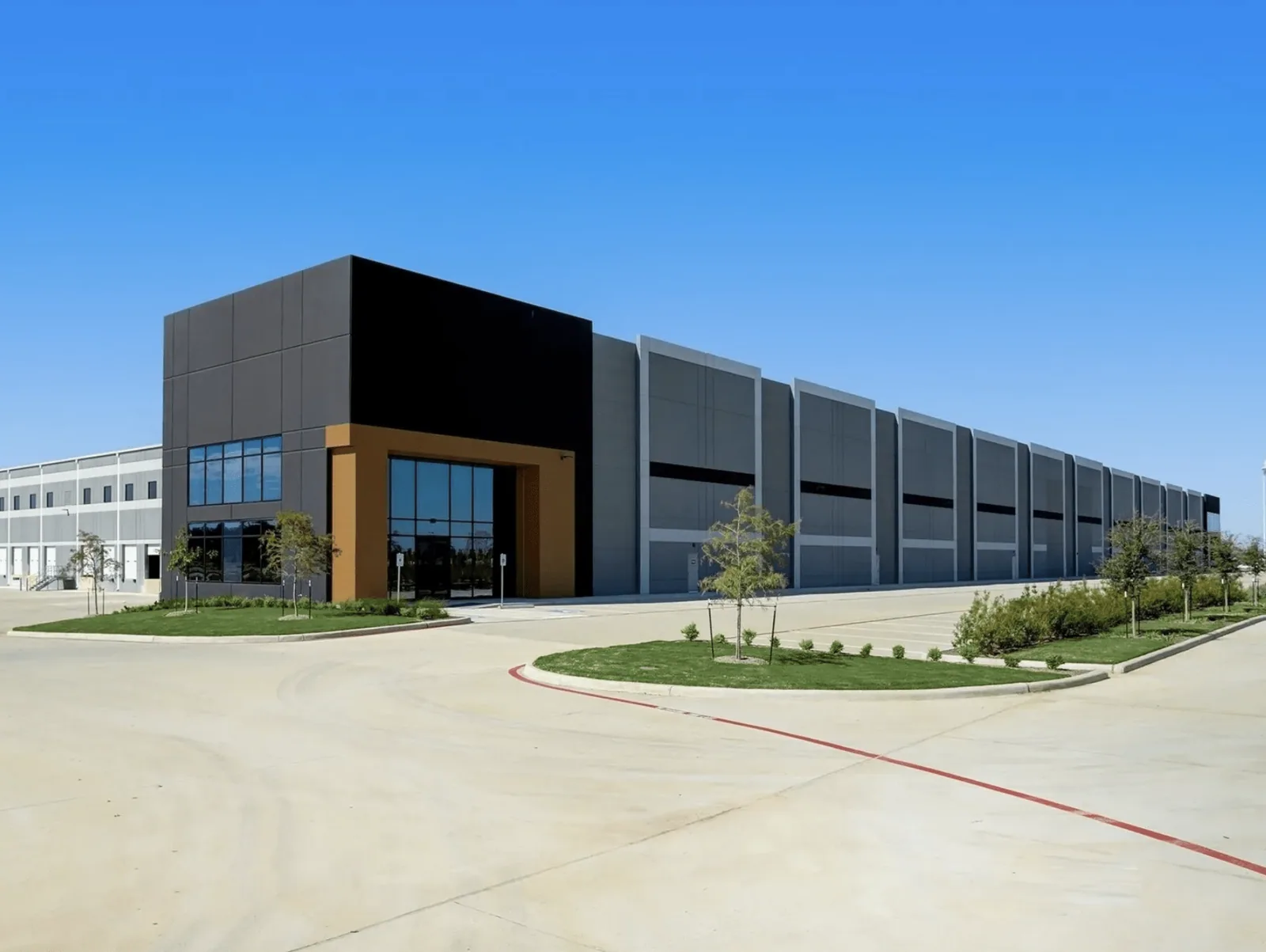
Evaluate commercial roof condition, near-term repairs, and renewal options with documented scopes for investors and multi-property owners.
A roof decision can change a property's near-term capital plan, lease readiness, or due-diligence record. We inspect the accessible assembly, map findings by roof zone, and separate immediate repair needs from conditions that call for more testing. Rock Hill's business portfolio includes industrial parks and mixed-use redevelopment, with broad commercial activity near Legacy Park and Riverwalk Business Park. Development across the district includes varied commercial properties; we inspect each roof and tie recommendations to the condition found at that asset.
Document Roof Condition for an Investment Decision
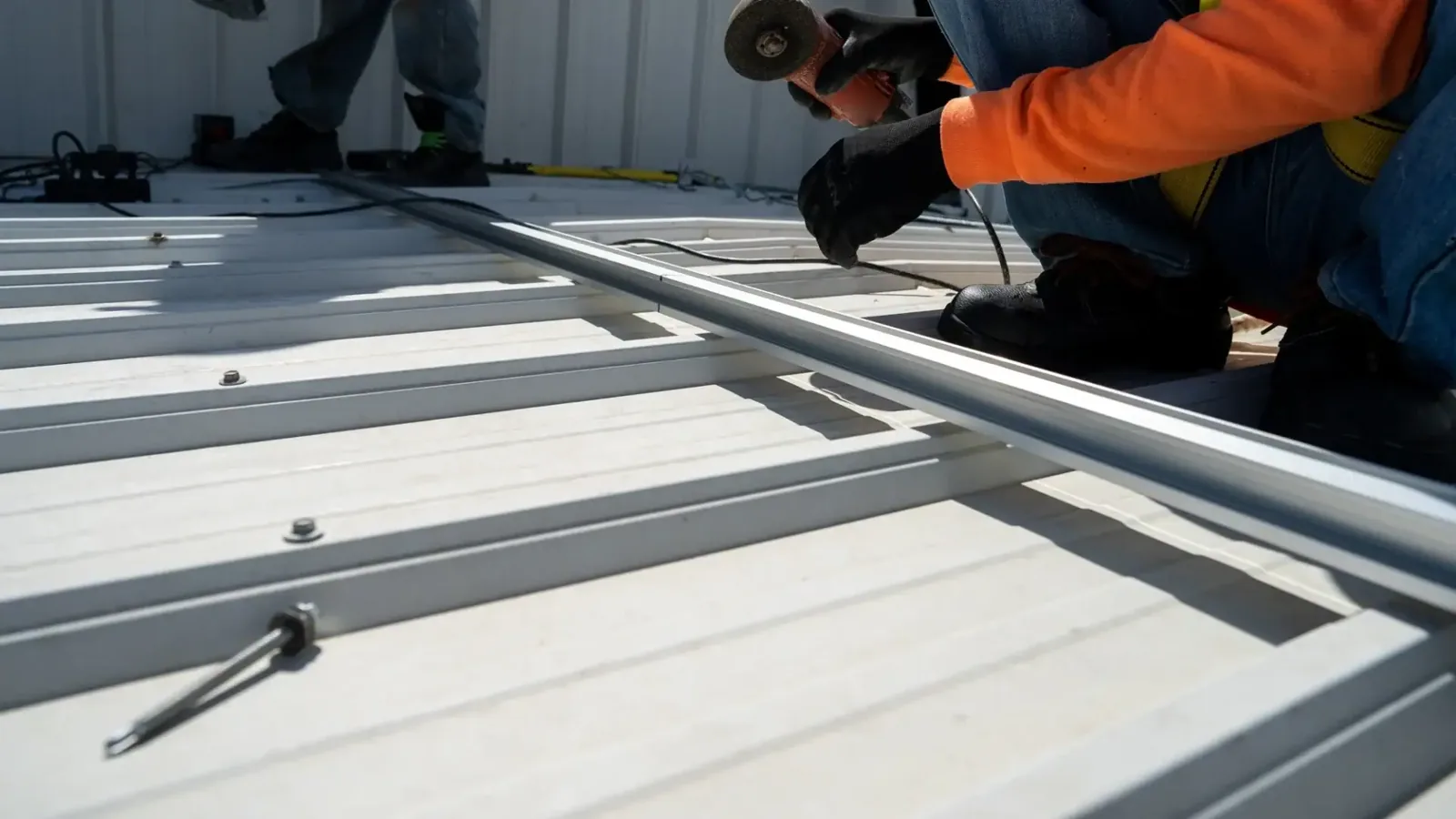
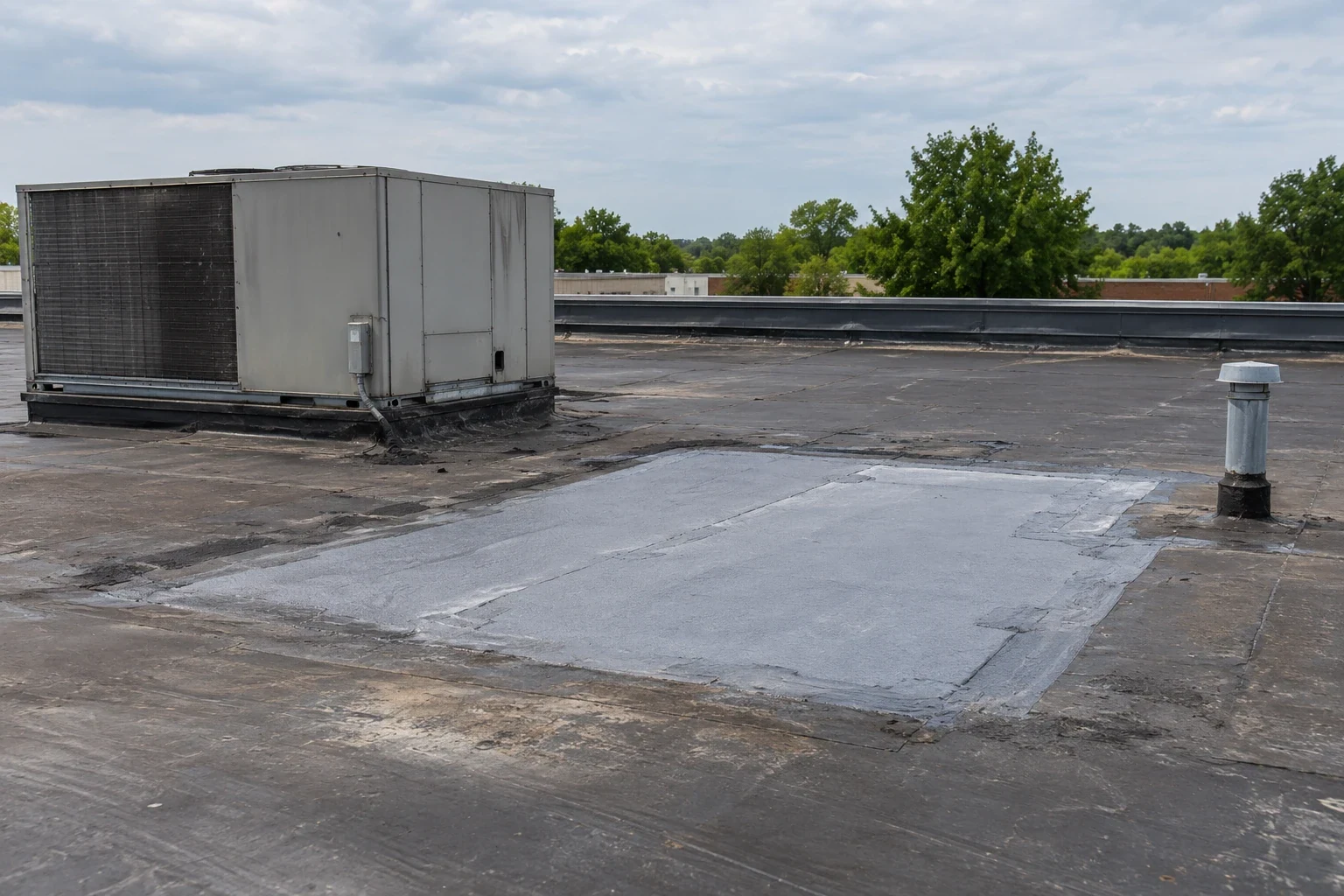
A useful assessment begins with the roof plan, available repair records, warranty information, and the decision deadline. We identify system type where visible, note the condition of seams, penetrations, drains, edges, and prior patches, and photograph relevant findings. A commercial roof inspection can establish accessible conditions and list any area that was not reached. The report does not treat an inspection from the surface as a destructive test of every layer.
For a transaction review, findings can be grouped by repair priority and the information needed to estimate remaining work. We distinguish an observed opening from suspected moisture, and a test result from an assumption based on age. If a test cut would clarify the assembly or concealed conditions, we define the location and closure method before opening the roof. Results apply to that test point unless additional sampling is authorized.
York County's I-77 South corridor includes substantial commercial and industrial activity, with construction at Riverwalk and a planned employment center at Legacy. That context helps locate the investment market, not forecast the performance of a particular roof. A property may have additions, previous recoveries, or different materials across sections. We record transitions and use separate zones where one report would otherwise imply a uniform system.
Separate Active Leaks From Long-Term Capital Needs
An active leak can call for prompt containment, but it does not automatically justify full replacement. We trace the reported interior condition toward the roof, check nearby drains and penetrations, and identify where the source is confirmed or unresolved. A leak investigation can set a repair boundary around the confirmed defect. If an opening exposes wet insulation or deteriorated decking, we photograph the extent and review additional scope with the authorized owner before proceeding.
For broader planning, we look for repeated seam movement, widespread moisture evidence, failed attachment, or recurring repairs across more than one zone. The observations support a comparison of localized repair, recovery, or replacement, subject to design review and applicable requirements. We do not promise a service life from a visual survey or represent a patch as a roof-wide solution when the rest of the assembly was not inspected.
Rock Hill's warm, humid Piedmont setting includes a long warm season and regular rainfall. York County also appears in regional tornado records. Rock Hill's warm, humid Piedmont and regular rainfall make drainage checks and secure closures useful parts of roof work. After severe weather, we inspect accessible edges, seams, penetrations, and flashing, then record visible changes by roof zone.
Compare Options With Clear Scope Boundaries
Each option should identify the roof areas, preparation, materials, flashing, insulation assumptions, edge work, drainage, access, protection, and closeout included. We also list exclusions and conditions that could change price after removal. A repair proposal may address a defined defect, while a recovery or replacement alternative needs its own area and assembly assumptions. Owners can compare proposals more accurately when the same roof zones and connected details are included.
Cost and duration vary with membrane type, roof geometry, number of curbs, access, disposal, occupancy, and concealed substrate conditions. If materials are removed and additional deterioration appears, we secure the opening and seek direction before expanding the boundary. A phased approach may help maintain tenant access, but work can require localized closures and temporary covering. The schedule should identify those limits instead of implying every space can remain in use throughout the project. When an acquisition or refinancing deadline is close, we can identify which unanswered roof questions need resolution first and which observations are sufficient for a preliminary capital discussion.
For assets held across a market, capital planning can organize near-term work alongside inspection results. The owner still decides how to rank projects based on budget, lease obligations, and broader investment goals. Our role is to state the roof evidence, alternatives, access conditions, and unresolved questions so that choice rests on a documented scope.
Standardize Reporting Without Flattening Differences
Portfolio reporting benefits from consistent fields such as building identifier, roof area, system, observed condition, photo reference, estimated action, and access limitation. We can follow the owner's naming convention and identify each roof zone on a supplied plan. A standard format makes comparisons easier, while each recommendation remains specific to the actual roof and its records.
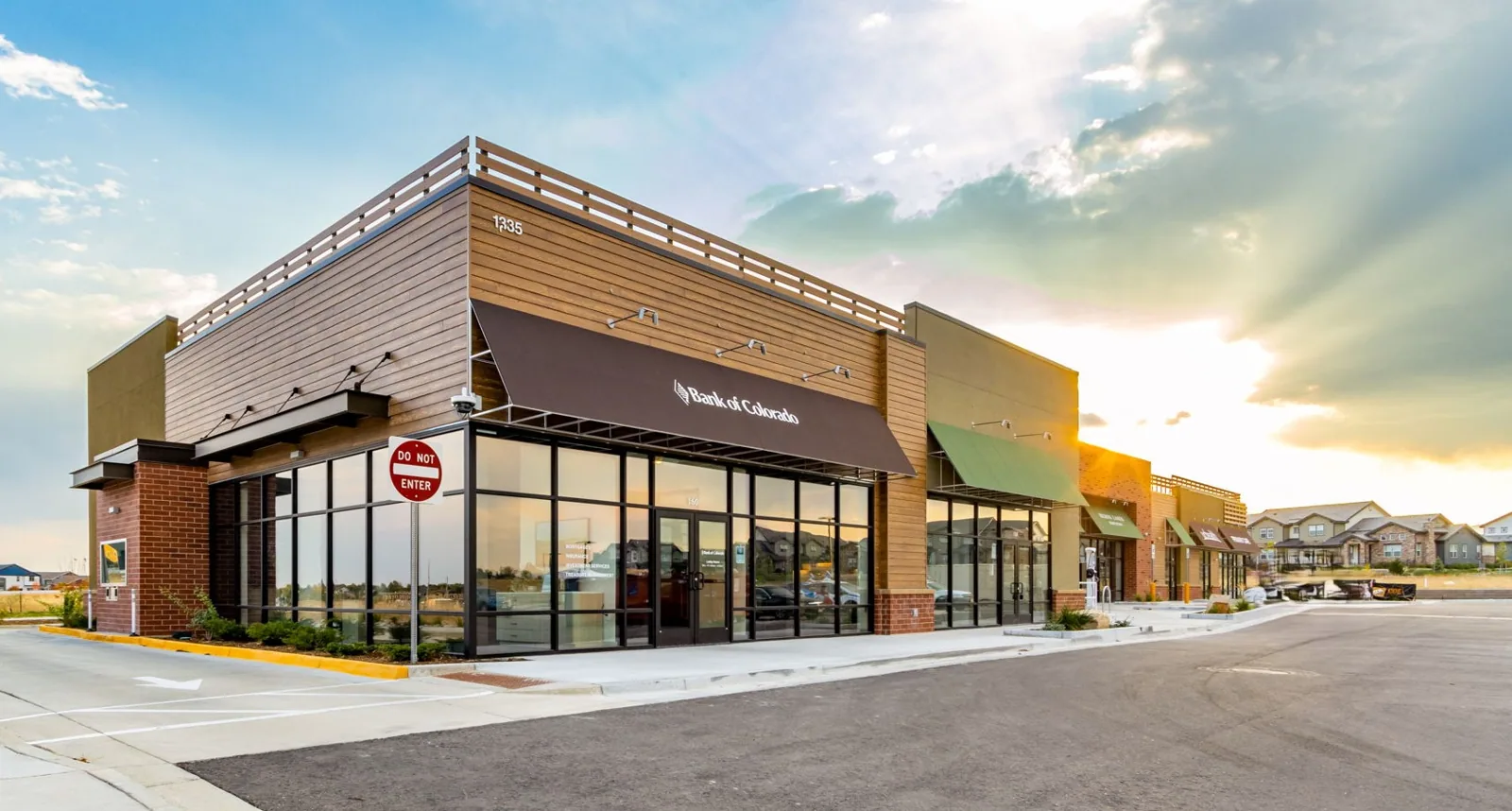
Some assets may be offices, distribution properties, medical suites, or mixed-use buildings with different occupancy requirements. A property-manager program may need tenant coordination, and a logistics operator may prioritize uninterrupted dock access. We define the roles and work boundaries for each engagement rather than treating a portfolio label as one construction scope.
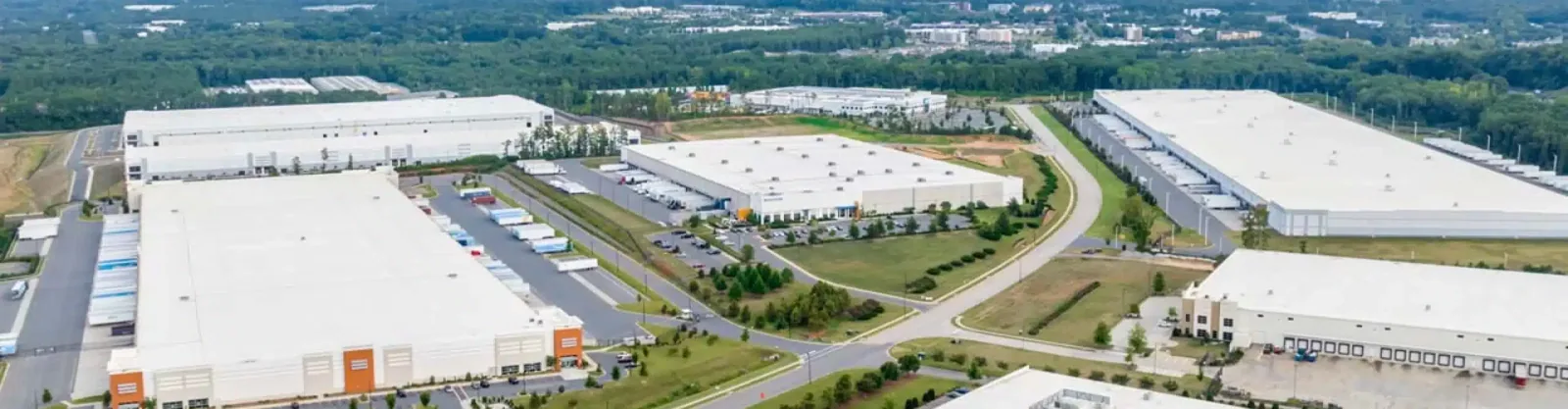
Rock Hill identifies Riverwalk Business Park as suited to manufacturing, distribution, and office occupants. Its Knowledge Park district joins downtown with Winthrop University through a mixed-use area. Those named locations illustrate the area's varied building context. The owner should provide property-specific roof plans, lease or access restrictions, and past work records before setting an investment recommendation.
Protect the Asset During Roofing Work
Before mobilization, we confirm the authorized contact, access route, staging area, tenant notice responsibility, and method for approving changes. A phased occupied-building sequence can identify which zones will be active and how each roof opening will be protected at the end of a shift. Weather, materials, and concealed conditions can change daily sequence, so the closure plan must remain explicit.
Coordination matters when another contractor is handling HVAC, electrical, façade, or interior work. We identify who removes or resets rooftop equipment and who restores the membrane connection. Curb and support repairs can be scoped to the roof transition once the base and equipment sequence are confirmed. This keeps roofing work distinct from the mechanical vendor's responsibilities.
At closeout, the record lists repairs, materials, photographs, tested areas, and any remaining recommendation. If a roof section was inaccessible or untested, that limitation stays visible. The investor can then use the record for operating budgets, transaction files, or a later inspection without mistaking one phase for a full-building conclusion.
Questions About Real Estate Investors
An inspection can document accessible conditions, identify limitations, and outline additional testing that may affect a decision. Concealed conditions require testing, and a larger project may also need design review before scope and quantities are finalized.
We can describe observed condition and factors that affect repair or renewal planning. A visual visit alone cannot establish a precise remaining-life figure for every roof layer, especially where records or test openings are unavailable.
We define the affected zones and state what evidence supports each option, including repeated failures, moisture findings, and material compatibility. Each alternative lists its scope and assumptions so the owner can compare them on the same basis.
Yes. We can use a consistent record structure across included assets while retaining property-specific roof zones, findings, and access limits. One building's condition is not applied to another without direct evidence.
Get a Roof Scope for an Investment Property
Share the asset list, roof plans, repair records, decision deadline, and tenant or access limits. We will document the roof areas reached and outline the repairs, tests, or renewal options supported by the findings.
