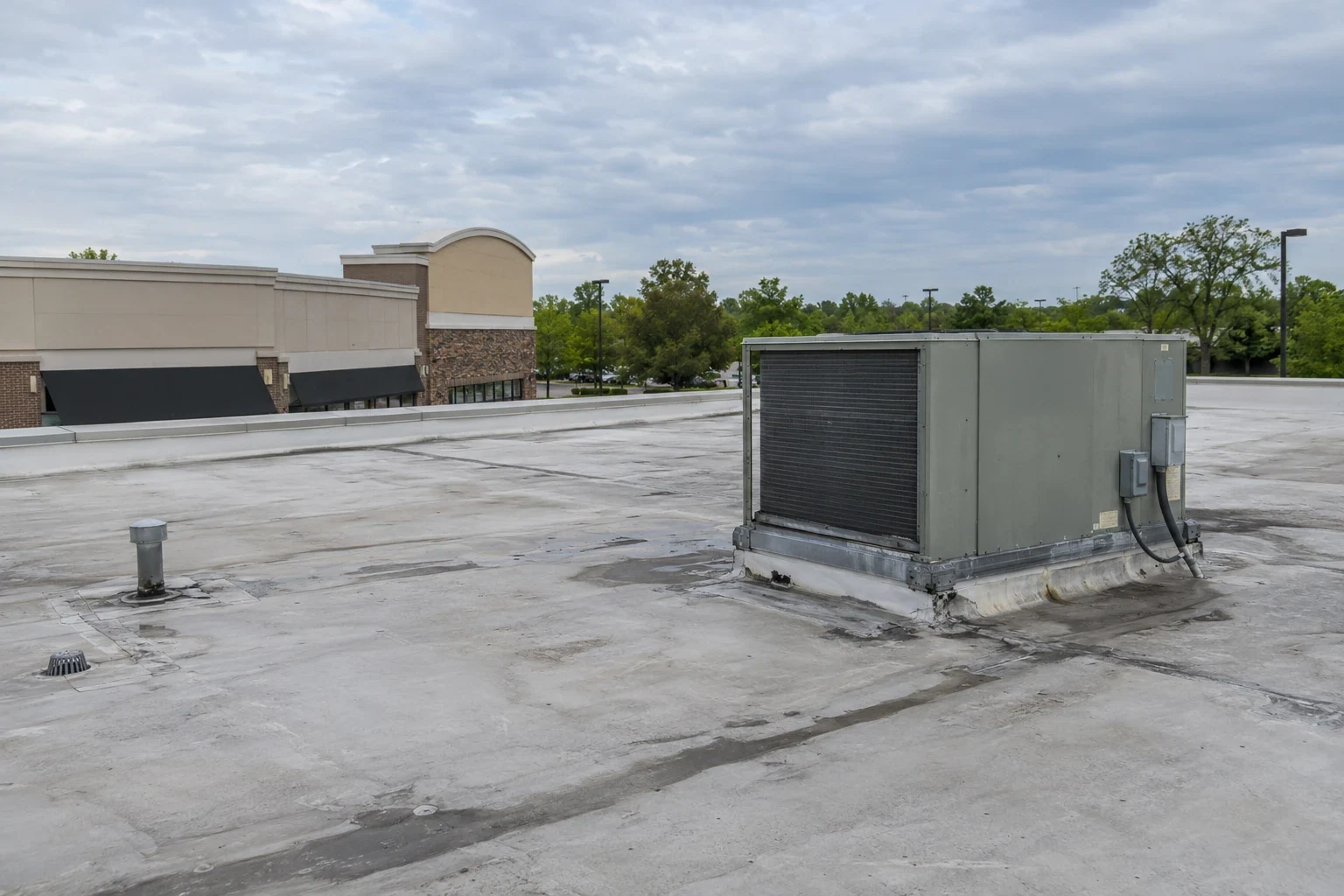
Coordinate distribution-center roof repairs and replacement in Rock Hill with leak tracing, drainage checks, dock-area protection, and work sequencing.
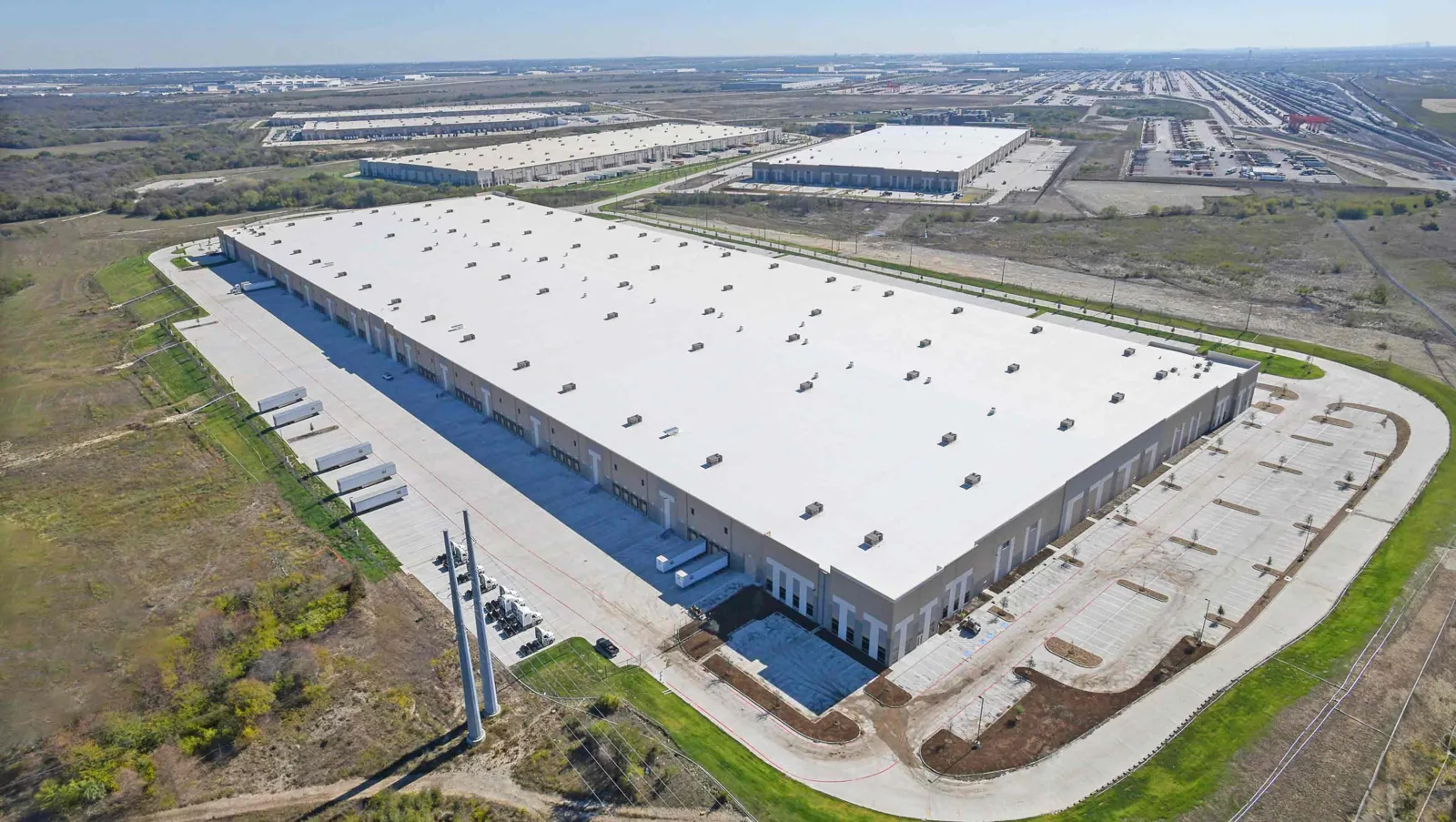
A distribution roof is part of a moving operation: trailers, dock doors, conveyors, and stored goods may continue shifting while the roof needs attention. We plan an inspection route around the reported condition and operating limits, then trace the roof layers, seams, drains, and penetrations that could connect to it. More than five million square feet of construction has been announced along I-77 South, where recent commercial and industrial activity is concentrated. Riverwalk Business Park is positioned for distribution, manufacturing, and office uses. We confirm the building's membrane and access conditions near Riverwalk Business Park or the Gold Hill Road corridor before setting scope.
Protect the Distribution Flow
Work planning begins with how the facility receives and moves product. We identify dock activity, vehicle routes, overhead storage, equipment schedules, and areas where leaks have reached goods or active equipment. The roof crew needs a safe path to the affected zone, and interior protection may need to match the footprint below the opening. We coordinate that boundary with the facility contact instead of assuming a roof repair can proceed without interruption below.
A reported leak may become visible far from its roof entry. Water can travel along a deck, vapor retarder, structural member, or insulation joint before dripping into an aisle. We compare the interior report with the roof plan and inspect plausible routes through seams, curb flashings, drain connections, and perimeter details. A leak investigation can document the tested path and distinguish an opening from an area that remains uncertain.
For a multi-zone building, we mark each observation separately. A dry section does not verify a neighboring field or a concealed assembly. If stored materials, conveyor equipment, or a restricted work zone block access, the inspection record states that limit. The owner can use it to decide whether to clear the route, authorize a test opening, or keep the unobserved area outside the current repair.
Follow the Water to an Outlet
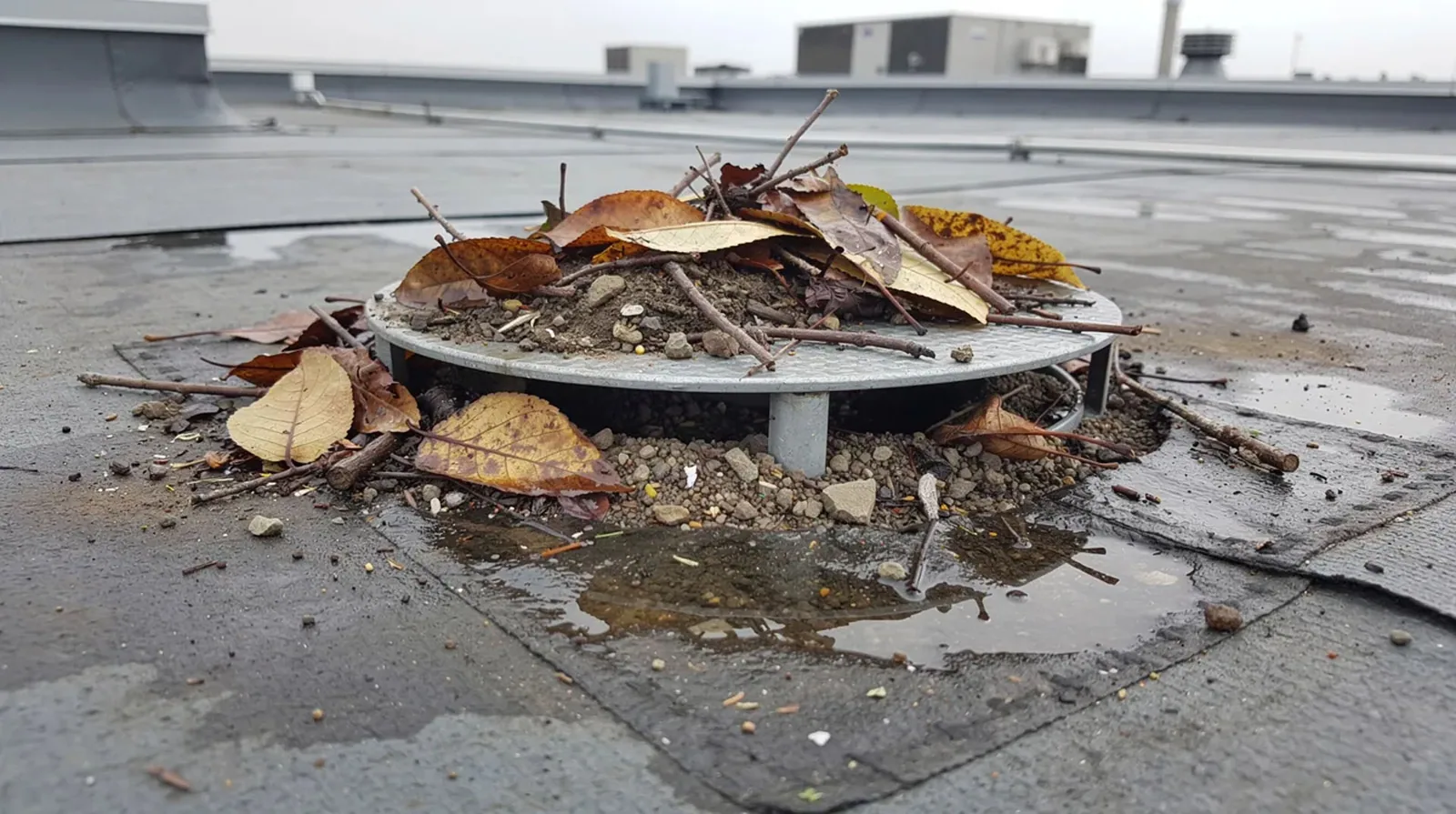
Distribution buildings often require a clear roof-to-ground drainage path. We inspect drains, scuppers, bowls, strainers, leaders, and visible discharge points included in the scope. Debris may block an outlet, but standing water can also indicate an area that no longer slopes as intended or a drain tie-in that has separated. We record the condition around the outlet and identify where water can escape the roof assembly.
Rock Hill's humid Piedmont weather brings regular rainfall, which makes drainage checks relevant to roof maintenance. We check each roof zone and outlet identified in the plan, then note where a post-rain follow-up would clarify performance. We note stains, sediment lines, low spots, overflow marks, and membrane wear that point to a recurring water path. If the opening is at the outlet, drain and scupper repairs can address the connection; a persistent low area may need separate assessment.
Edge transitions matter too. We inspect perimeter attachment and metal where wind can stress corners or where runoff reaches a gutter. Storm conditions can vary across York County. When a facility reports impact, we inspect edge metal, seams, flashing, punctures, and displaced materials at that building and document the roof zones reached.
Choose a Repair That Fits the Assembly
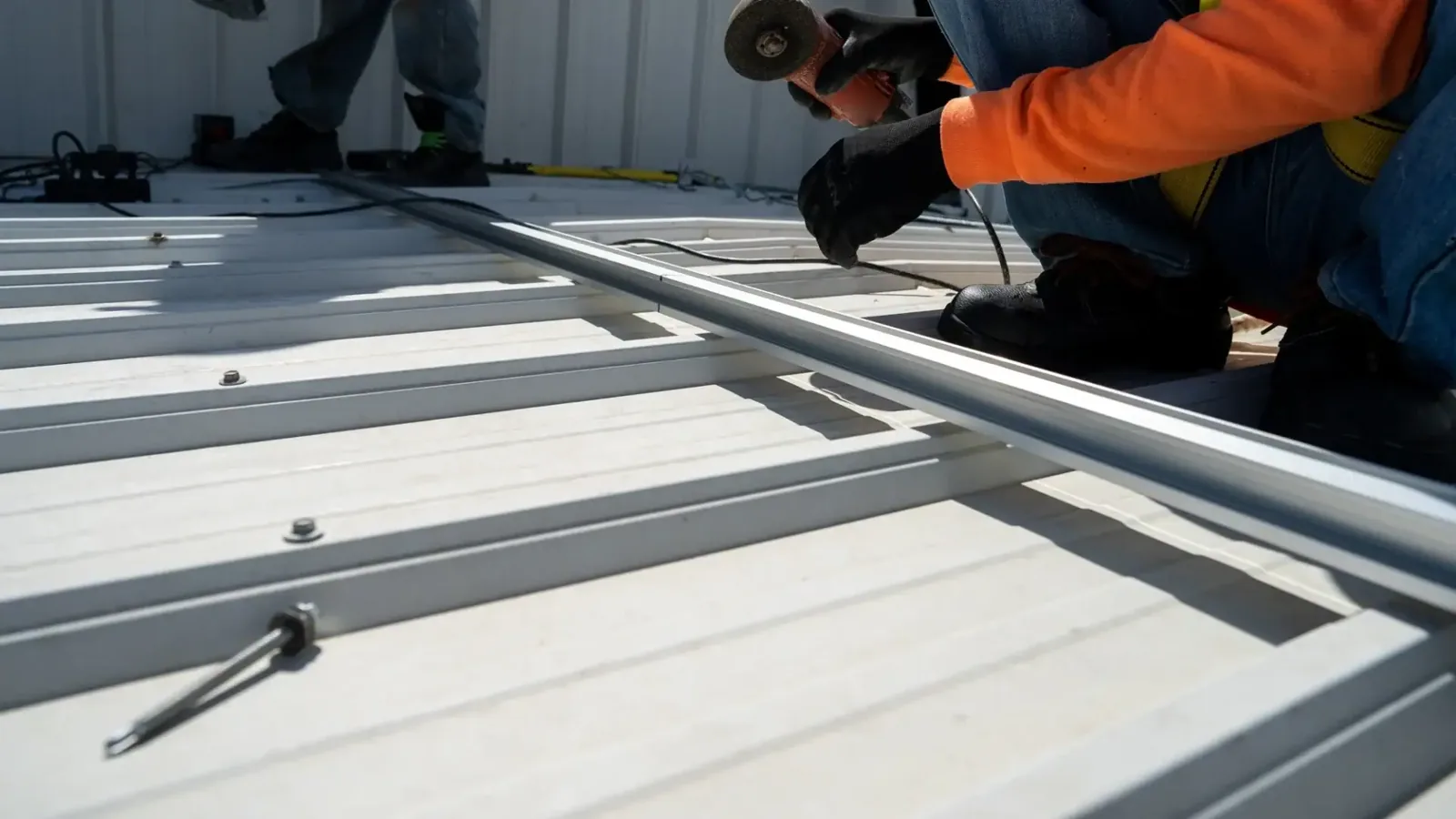
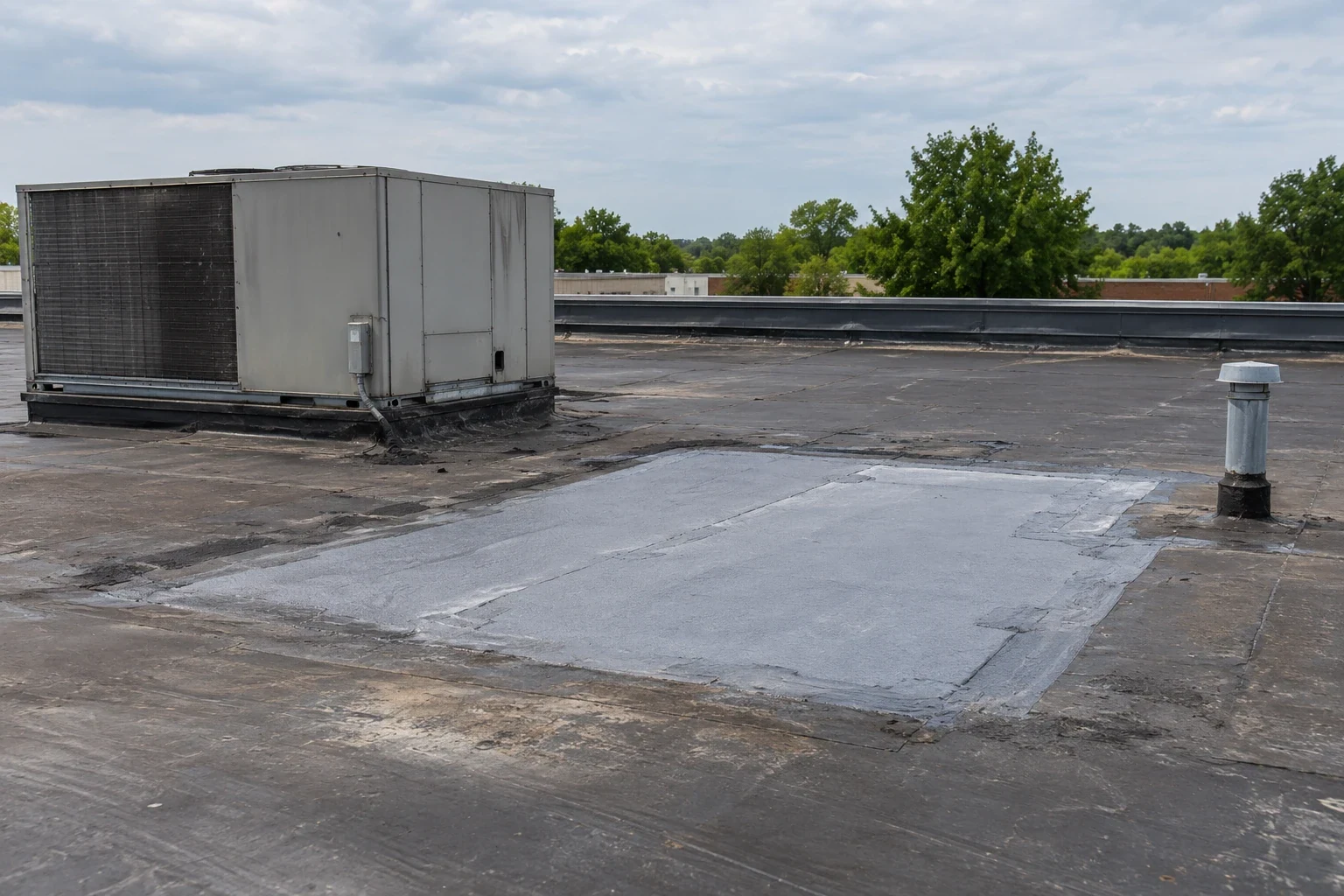
We identify whether the distribution-center roof uses TPO, PVC, EPDM, modified bitumen, metal, or another assembly before selecting materials. Membrane type determines how a seam is opened, cleaned, patched, or welded, while edge and curb details require their own compatible transitions. If old repairs conceal the original sheet, we document the uncertainty and test an agreed area when it would change the work.
A small leak may call for a local patch, while repeated seam separation or widespread wet insulation can change the project. We document the repair boundary and pause if removal exposes a damaged deck or a larger wet area. Any added work is shown to the owner before the scope expands. Cost and timing depend on material, defect count, access, preparation, concealed conditions, and whether operation limits require a staged sequence.
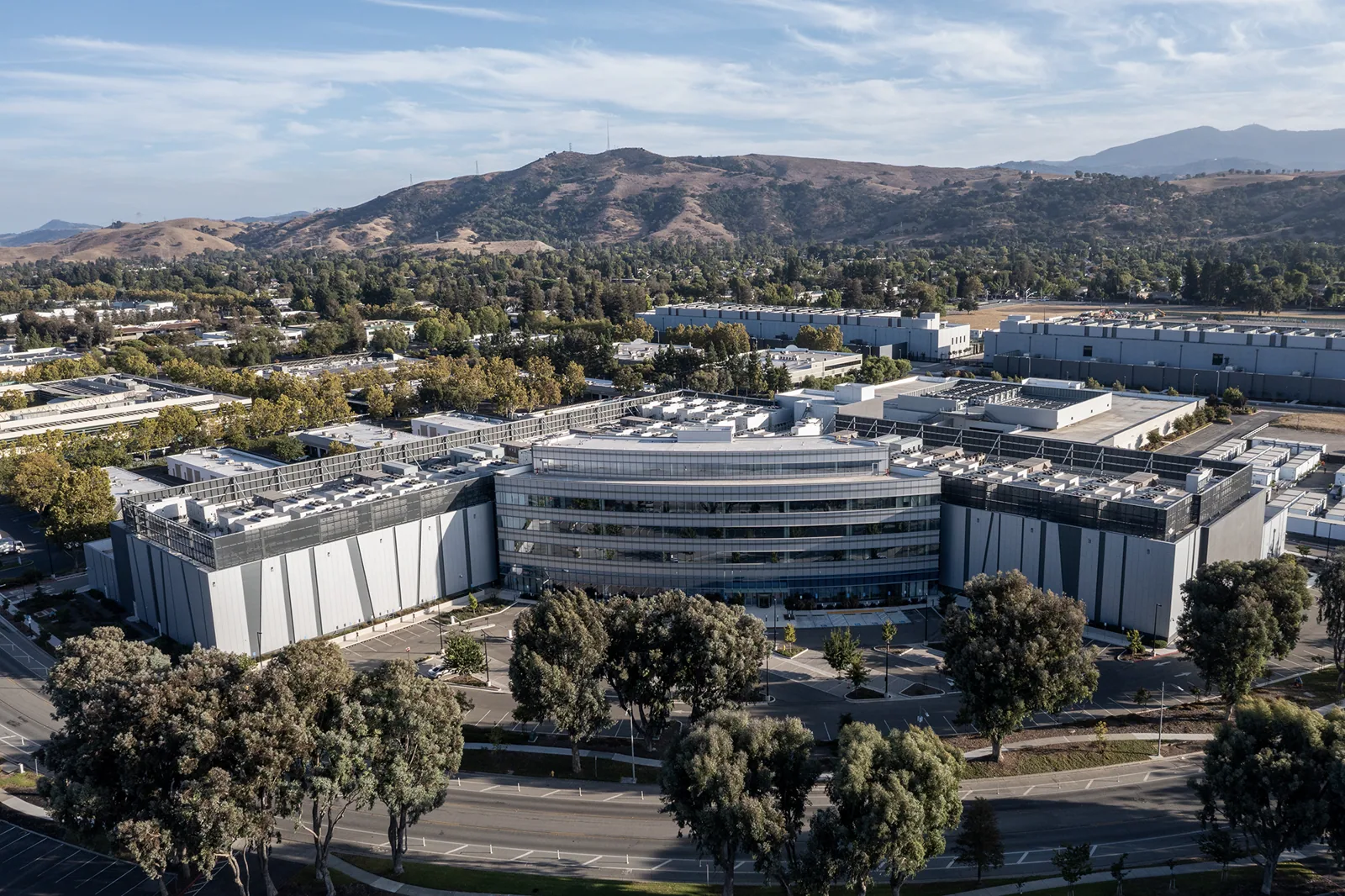
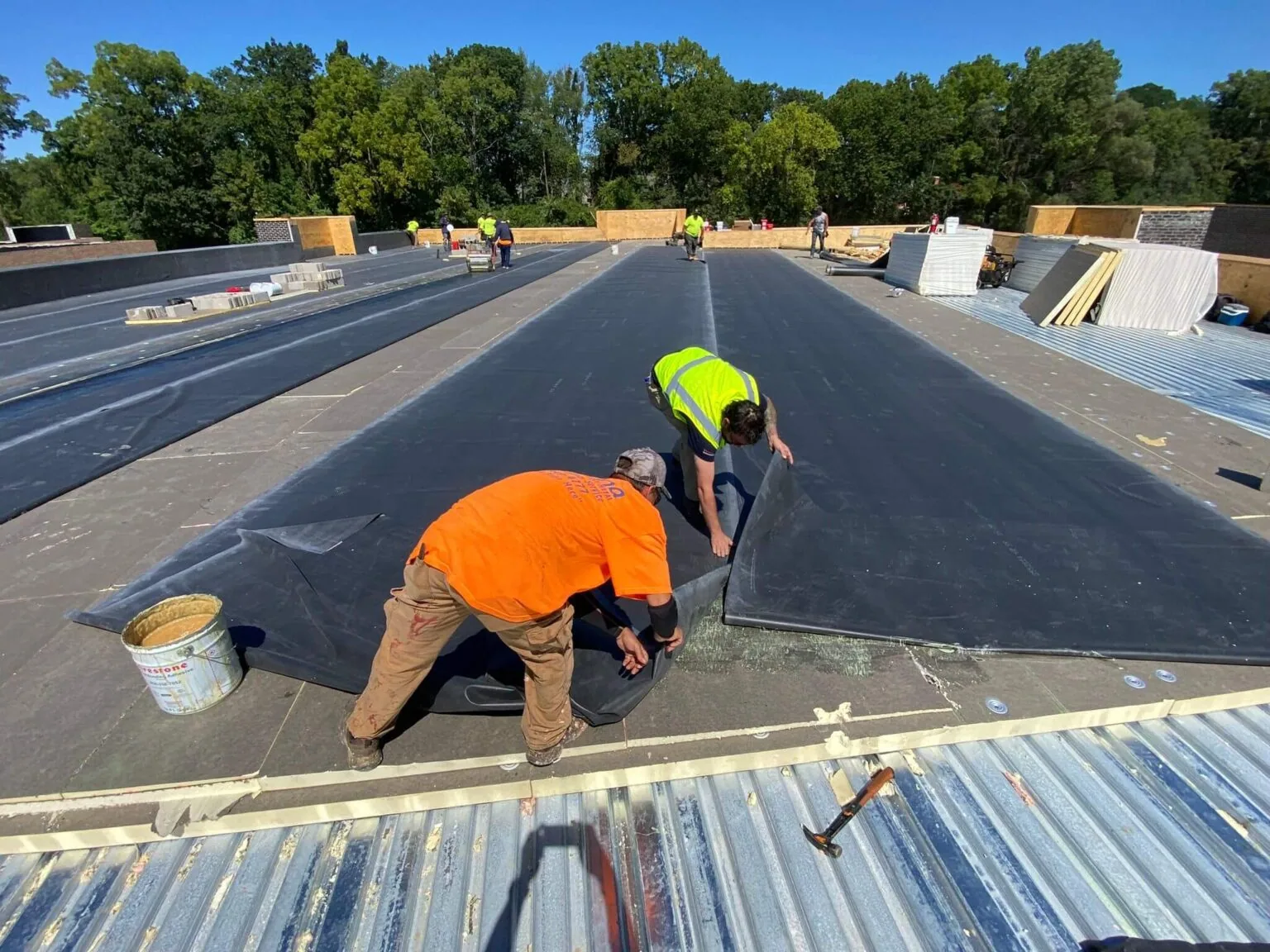
A commercial repair scope can group connected defects across the building. If existing layers and attachment support another system, a recover review can compare layer count, moisture, edge height, and drainage. replacement planning may be more appropriate when the assembly cannot provide a sound base. A warehouse roof shares many membrane details, while a cold-storage roof adds interior temperature and vapor-control considerations.
Sequence Work Around Roof Access
Access controls affect where materials can be staged and which sections can be reached. We coordinate check-in, escorts, roof hatches, equipment routes, and any restricted zones with the property contact. If the facility operates multiple shifts, the scope can identify when noisy work, lifting, or interior protection must be coordinated. The plan names the work boundary and keeps unapproved areas separate from the active repair.
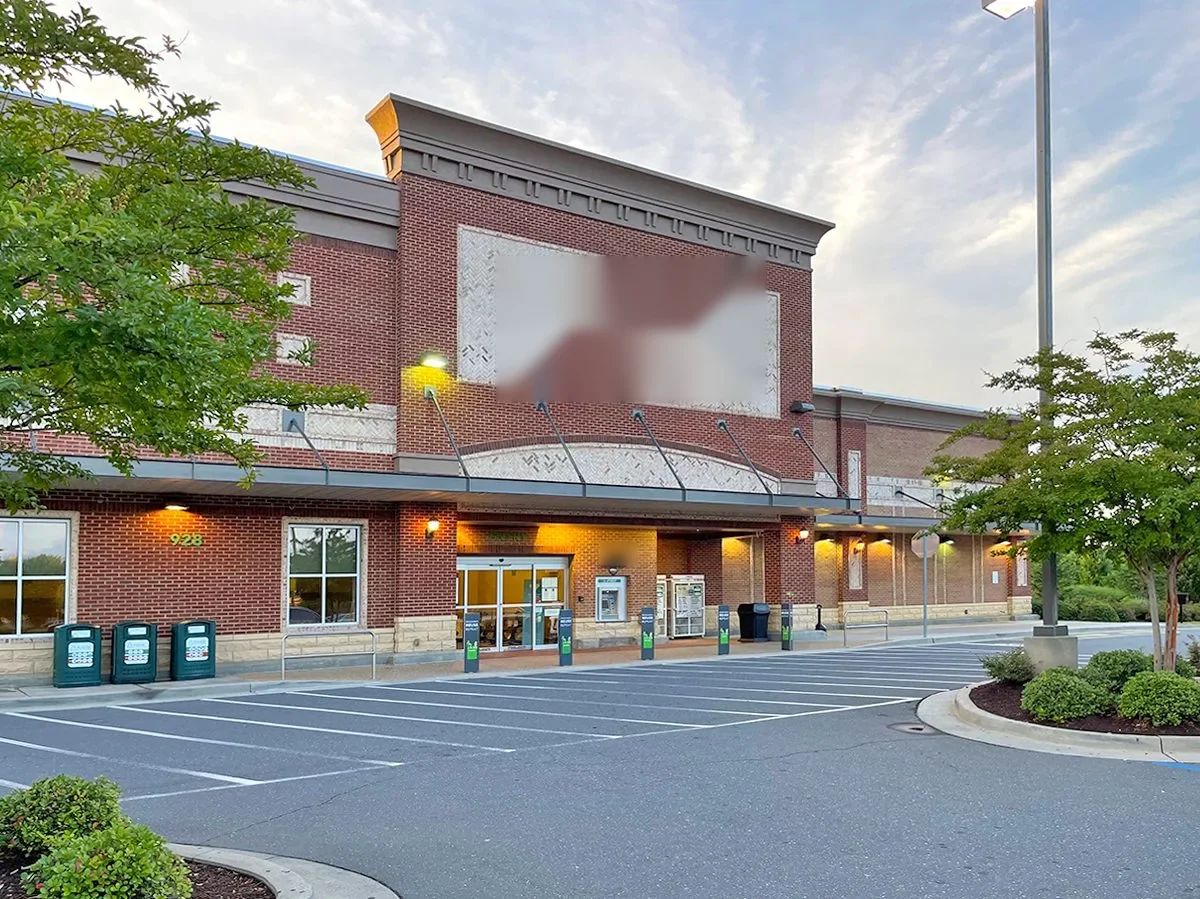
Rock Hill's I-77 South area includes distribution and light-industrial development, with dock layouts, equipment, and operating schedules that vary by building. We identify each roof's construction and condition from available plans and accessible field details. On an occupied facility, roof access can be coordinated with ongoing operations. We identify temporary protection if a membrane is opened and establish how the roof will be closed at the end of each work period.
Weather also shapes the sequence. Rain, wet substrate, and product cure conditions can interrupt membrane or coating work. We set a temporary protection plan and check the surface again before resuming. Where multiple roof zones are involved, the order can prioritize active leakage and preserve a safe route to each work area. A clear daily boundary helps facility staff know which roof areas and interior spaces remain under work.
Keep Findings Useful for the Next Shift
At closeout, we record the repaired detail, materials used, photos, test locations, and any area that remained inaccessible. That record lets another facility shift identify what changed and where to check after equipment service or heavy rainfall. We separate confirmed repairs from proposed work so an observation does not read as completed scope.
Riverwalk Business Park is part of Rock Hill's I-77-linked employment area, where manufacturing, distribution, and office uses sit alongside one another. The roof plan still follows each building's structure and goods-handling routes. A maintenance program can revisit accessible drains, seams, and repairs. We compare those findings with prior marks rather than assume all areas have aged alike.
Share the roof plan, leak locations, material records, dock and shift constraints, and prior repairs before requesting an evaluation. We will define the areas to inspect, state what the evidence supports, and set the repair or renewal boundary around the operation.

Questions About Distribution Center Roofing
It can be coordinated when roof access, lifting, and interior protection can be separated from active routes. We review the dock schedule and restricted areas with the facility contact, then set work zones and any timing limits. Conditions found during opening can change that sequence.
Water can travel along the deck or insulation before becoming visible. We compare the interior location with the roof plan, then inspect the seams and details along a plausible route. The record identifies the confirmed entry point if located and names areas that remain untested.
A roof plan, leak history, system records, previous repairs, dock schedule, equipment routes, and access restrictions help set the inspection path. We will still verify the assembly at the property. Unknown layers remain unknown unless a test opening or other suitable check confirms them.
We consider membrane condition, repeated defects, moisture, attachment, edge details, and whether a recover is allowed by project constraints. The report ties each option to inspected roof zones. Concealed conditions can change the scope when exposed, and we confirm that change before proceeding.
Plan Distribution-Center Roof Work
Share the building use, affected dock or interior area, roof records, leak history, operating schedule, and access rules. We will inspect the assembly and drainage path, coordinate work zones, and document a repair or renewal scope tied to the conditions found.