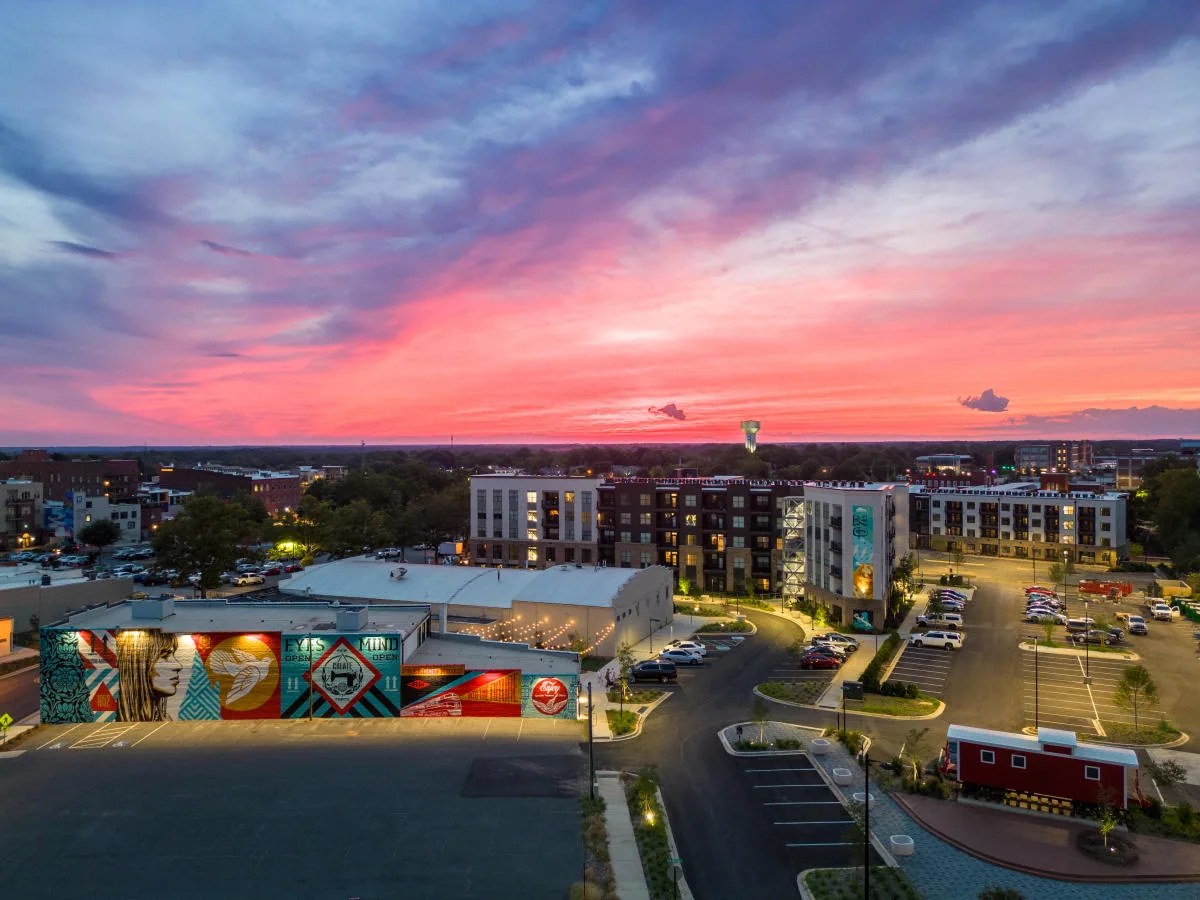
Commercial roof inspections and repairs in Downtown Rock Hill with work plans shaped by the property's roof, access, and surrounding use.
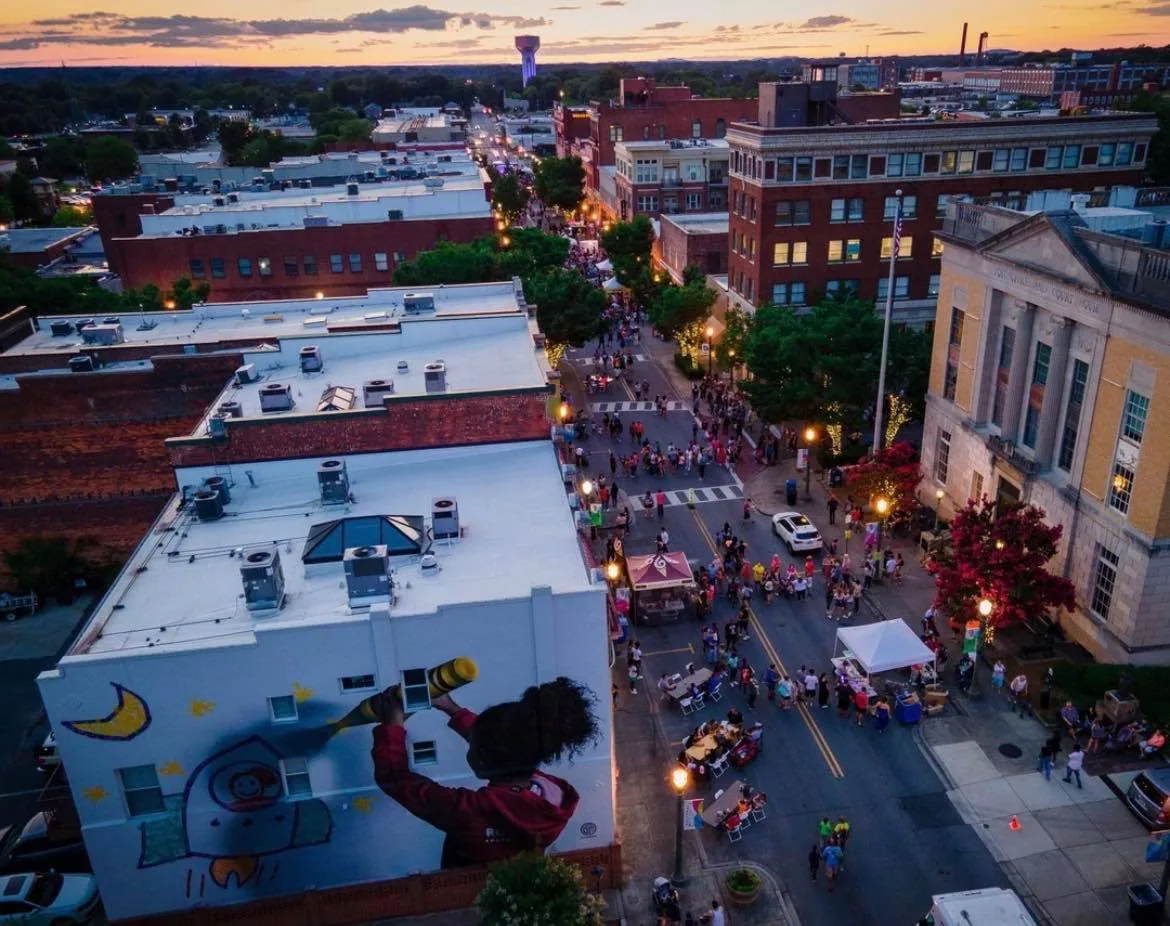
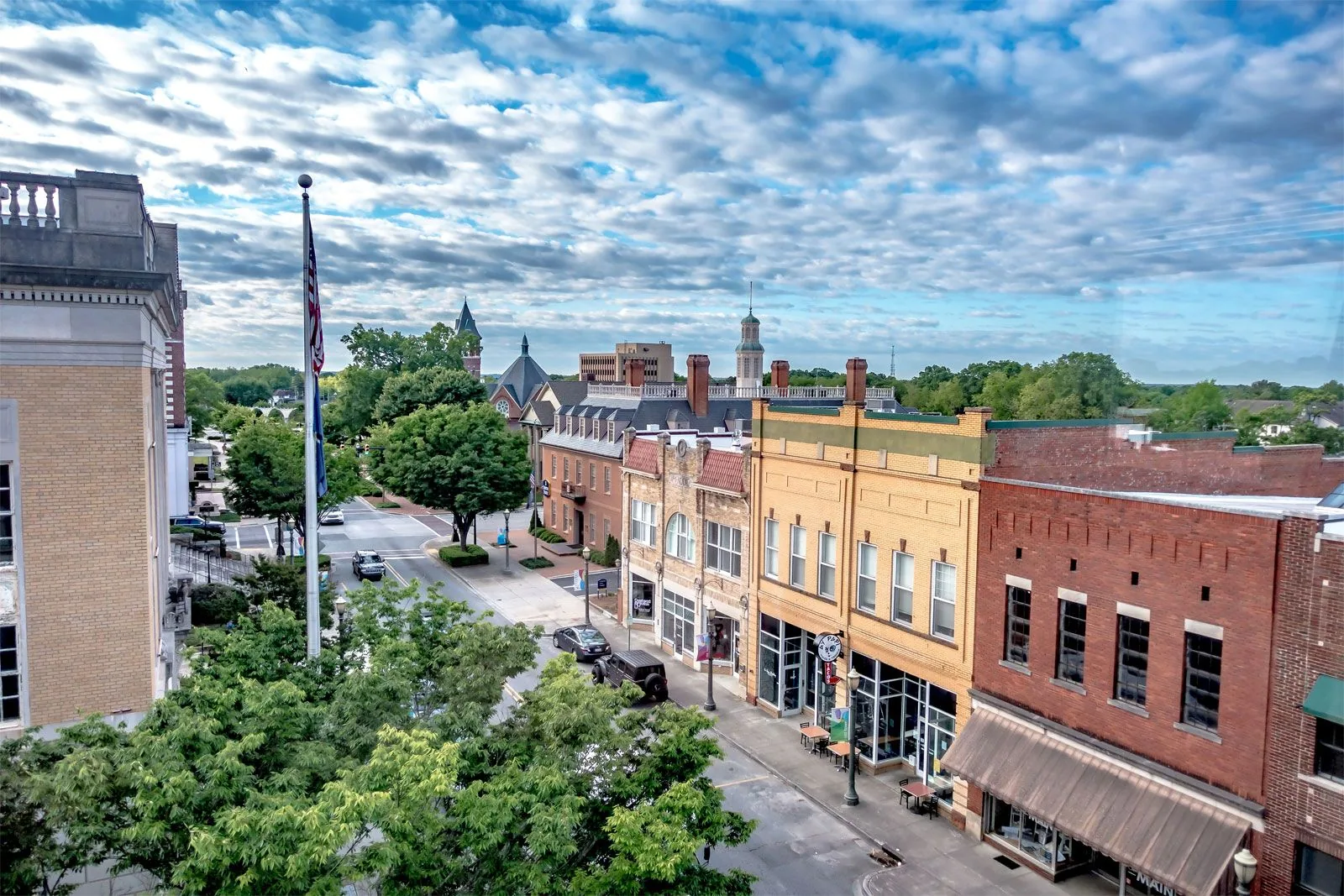
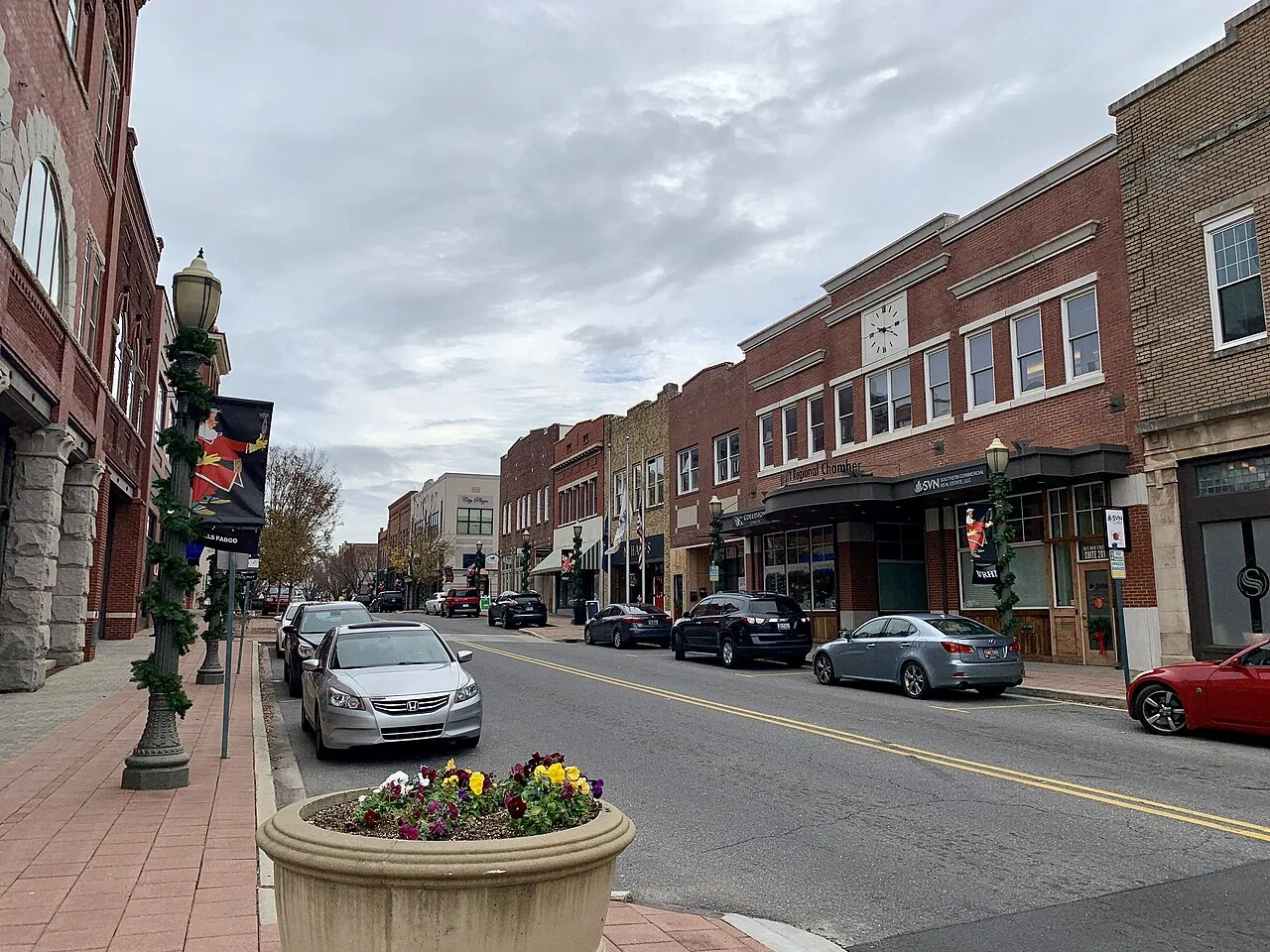
Downtown Rock Hill is the city-center portion of Knowledge Park, a mixed-use urban area shared with Winthrop University. The city also tracks downtown as a redevelopment district where private investment supports public infrastructure. Roof recommendations here still begin at the individual property: we identify the roof system, inspect accessible transitions, and coordinate work around the building's access and use. We also serve Knowledge Park and the Cherry Road corridor, with separate scopes for each location.
Inspect the Roof Before Defining the Scope
A commercial roof visit checks the accessible membrane or metal, seams, drains, curbs, penetrations, parapets, and prior repairs. We confirm the area included and note any sections that cannot be reached. A commercial roof inspection can document visible conditions, identify system transitions, and state whether a test or additional access is needed.
Downtown Rock Hill is the city-center portion of Knowledge Park, a mixed-use district that links the downtown area with Winthrop University. We rely on owner plans, repair history, and field evidence. A building may have multiple roof levels or additions, and each visible transition is recorded without assuming that all areas use the same system.
If a leak has been reported, we compare the interior location and time with roof seams, drains, wall transitions, and equipment bases. Water can move across a deck or insulation before appearing inside. A leak investigation documents the path evaluated and distinguishes a confirmed opening from a possible route.
Before a test opening, the owner identifies who can approve interior access and how occupants or contents should be protected. We define the test location and closure plan. We mark the tested point and inspect nearby transitions before deciding whether another part of the roof needs an opening.
Coordinate Staging and Building Access
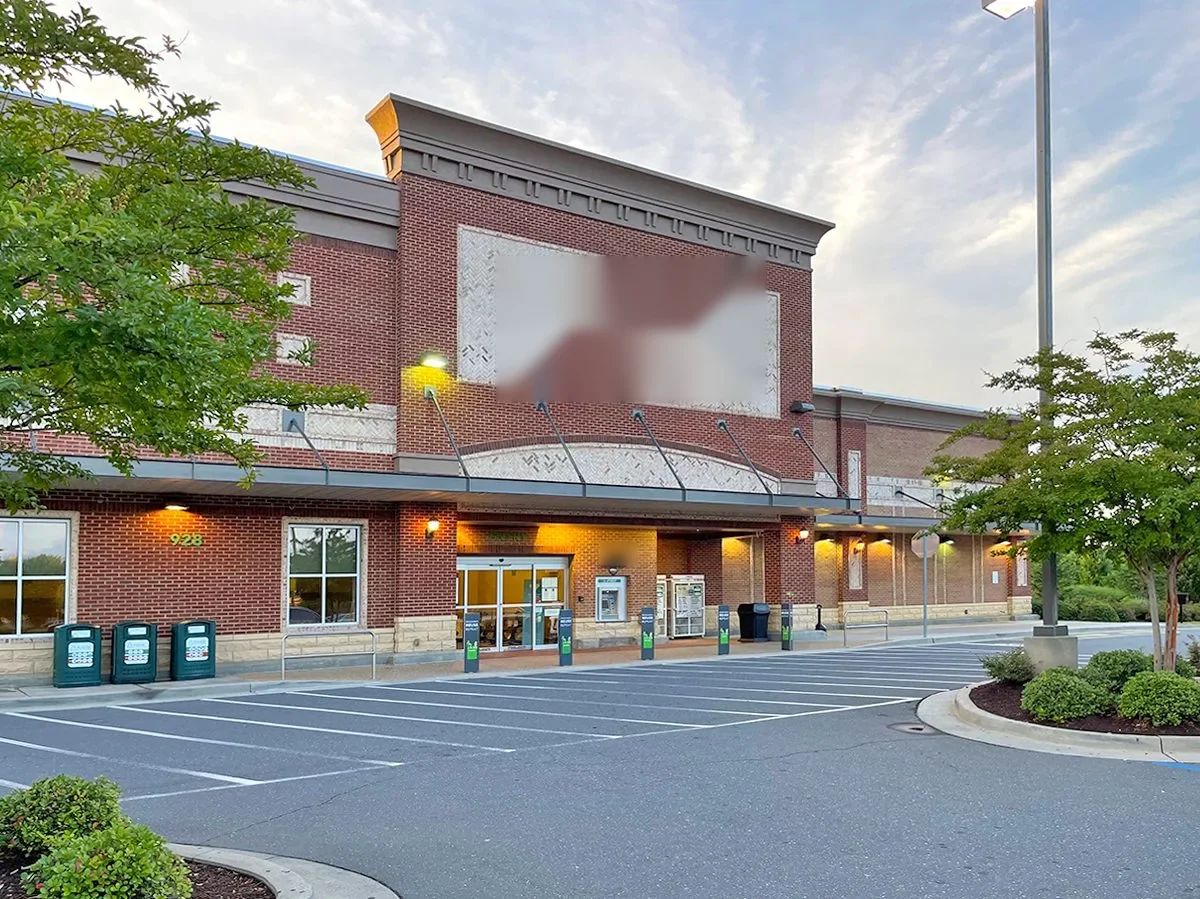
Access may involve an occupied tenant area, a shared entry, a service lane, a roof hatch, or a secured mechanical room. We confirm the property contact, escort rules, available work hours, delivery route, lift placement, and any entrance or walkway that must remain open. These details shape staging and safety controls before the crew arrives.
If a repair is above an occupied room or public-facing area, we identify the protection below the roof and the closure steps for any opening. The owner or manager coordinates tenant or occupant notices unless the service agreement assigns a specific communication task to us. A phased sequence can limit the number of active roof zones, but weather and concealed conditions may affect the order.
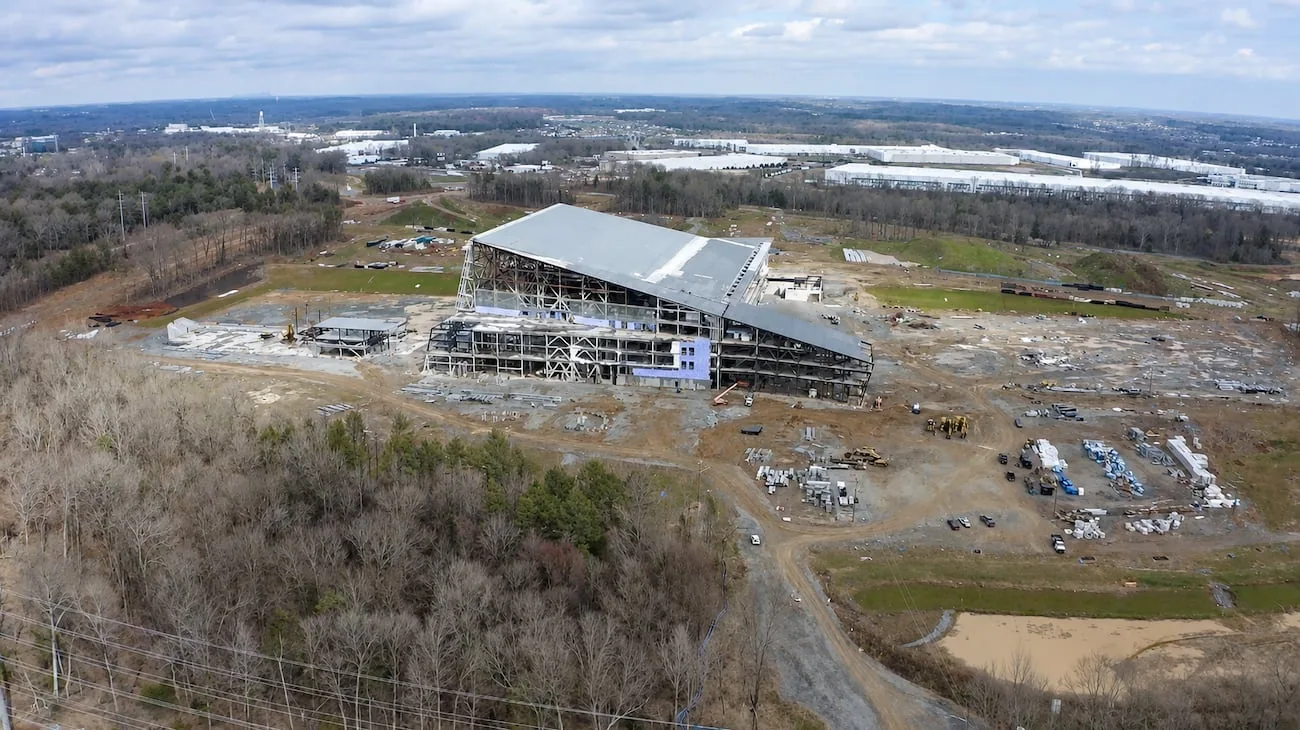
Downtown's redevelopment context can mean construction or tenant changes around a property. We ask whether adjacent roof work, façade changes, mechanical service, or interior renovations have altered flashing or access. The inspection records the condition found at the building and checks whether its own flashing or access changed during adjacent work.
When a concealed layer is wet or the deck is compromised, we cover the area, document the finding, and pause for the authorized contact to define the next boundary. Structural evaluation, electrical work, and interior finishes remain separate unless the written agreement includes them.
Check Roof Edges, Drains, and Penetrations
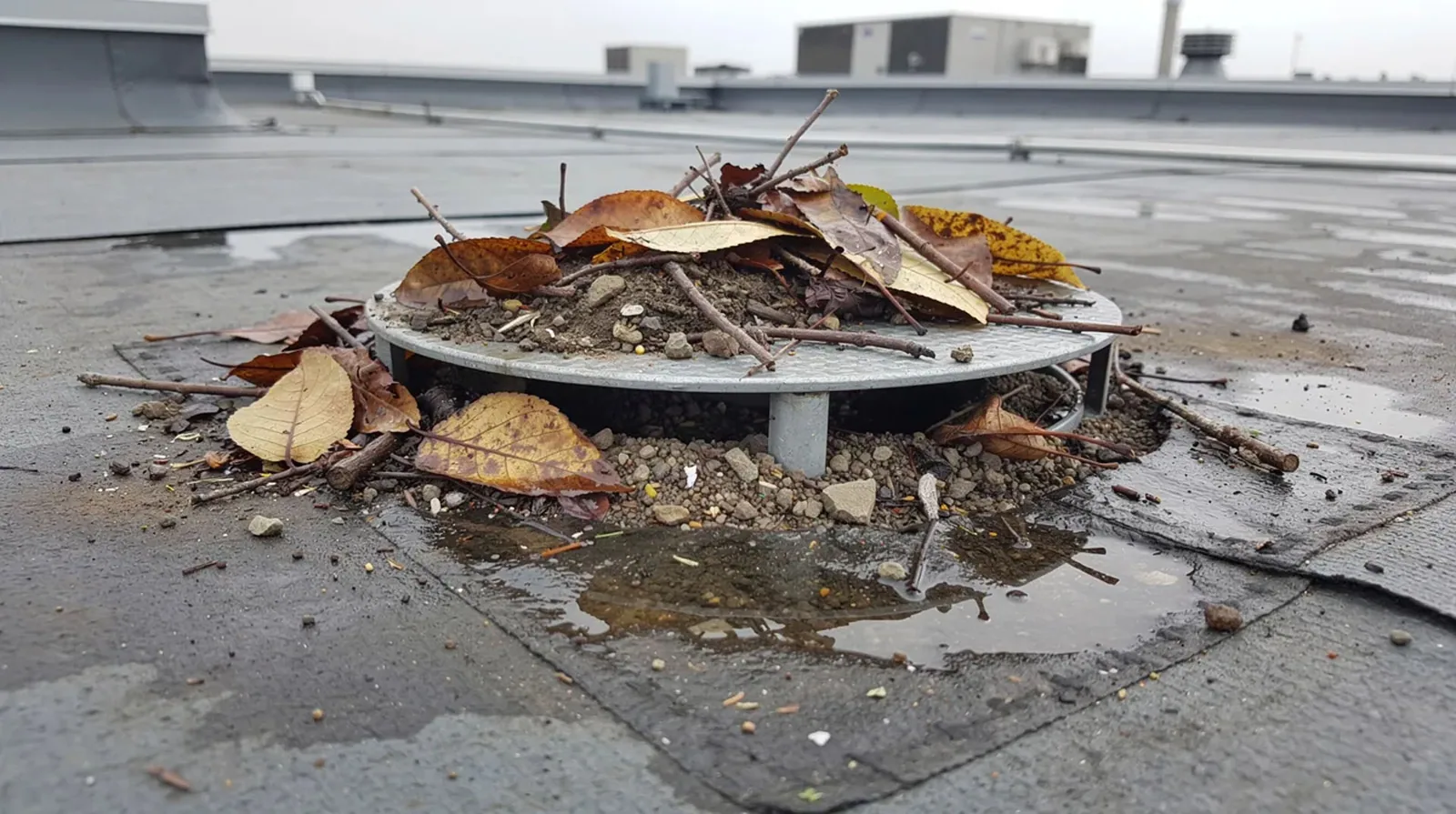
We inspect internal drains, scuppers, gutters, overflow routes, and the visible discharge path within the work area. A blocked outlet differs from a separated membrane connection or a low section. A drain and scupper repair can address a confirmed outlet detail. If piping is concealed, we identify whether another trade should trace it.
Parapet coping, edge metal, roof-to-wall transitions, and sealant can provide a water route when they separate. We check flashing laps and nearby membrane and note any evidence that supports the suspected path. If water has appeared indoors near a wall, we compare the symptom with roof geometry rather than assuming the nearest edge is responsible.
Warm-season humidity and recurring Piedmont rain make a secure end-of-shift closure important in Rock Hill. That pattern makes a secure daily closure important; the roof details at the property determine the repair. We document conditions from the property and plan how a repair will close if weather interrupts work.
Equipment, pipe, conduit, and skylight openings need compatible flashing. If a vendor recently moved a unit or line, its work record may guide the inspection. We distinguish roofing repair from equipment service and identify which trade is responsible for restoring each penetration.
Select a Repair for the Existing Assembly
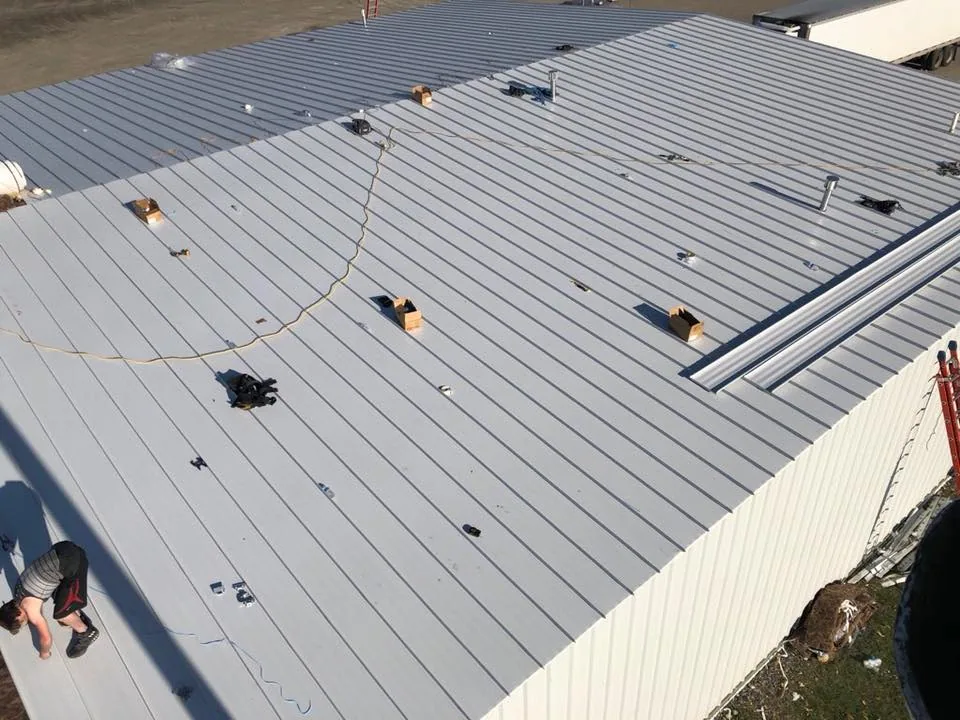
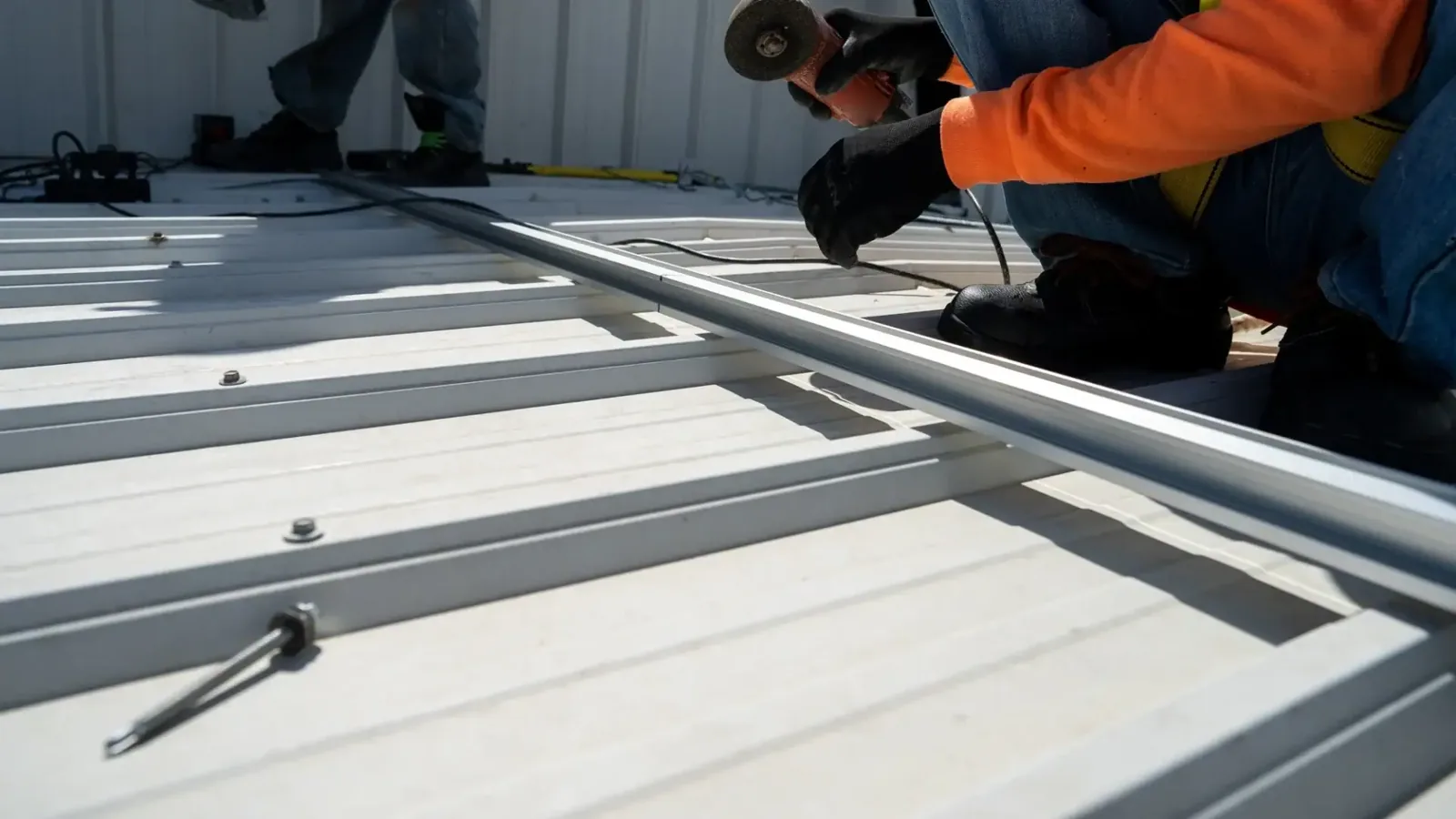
We identify the roof system before specifying patch material. TPO, PVC, EPDM, bitumen, metal, and coating assemblies require different preparation and tie-in methods. A commercial repair scope lists the affected zone, materials, preparation, flashing, access, protection, and closeout.
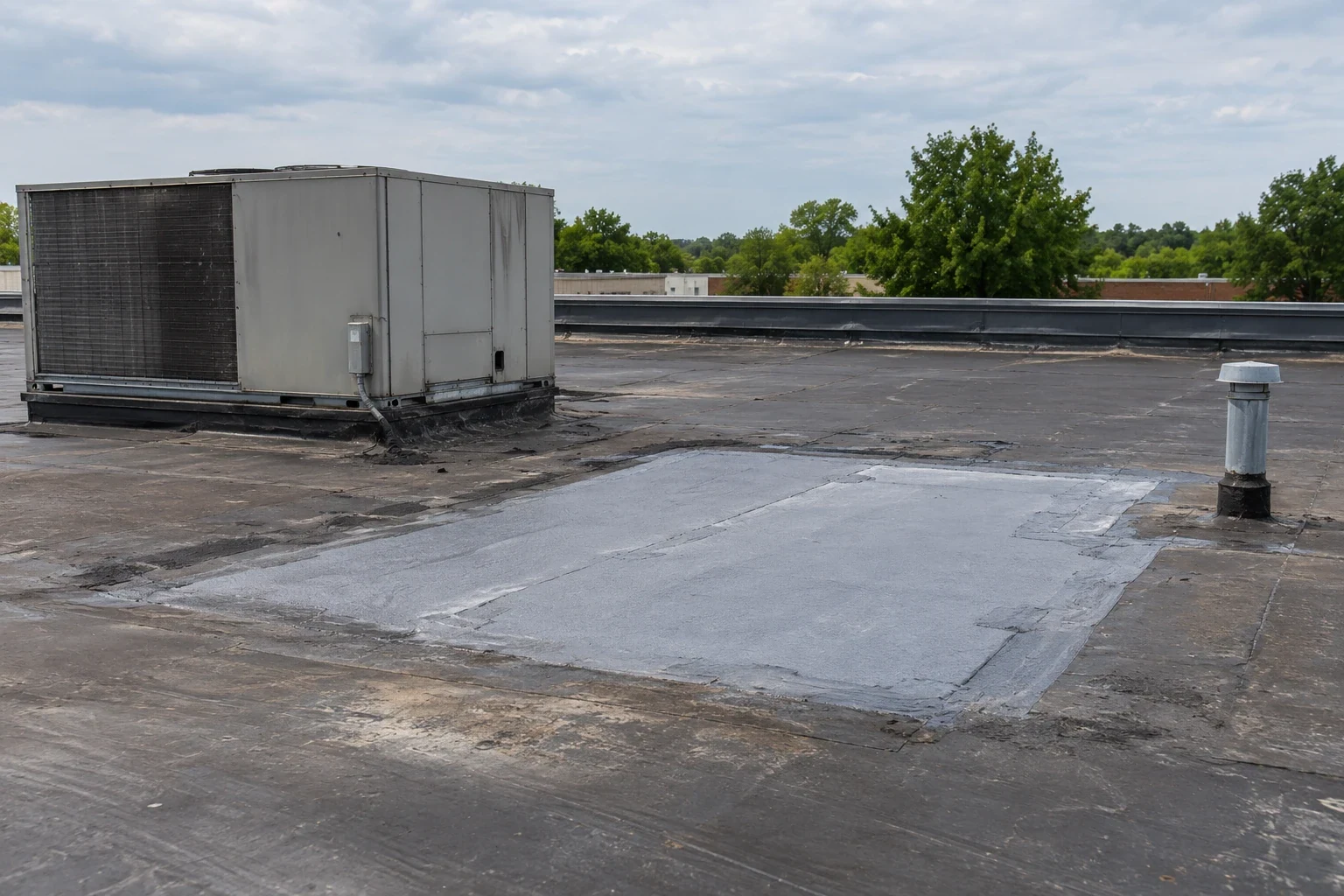
A localized repair may fit when the defect is isolated and surrounding material remains sound. Repeated leaks, open seams, widespread moisture, or deteriorated edges may justify testing or comparing a broader renewal. We explain the evidence for each option and list what was not inspected. No surface patch is represented as a roof-wide correction when other sections were not assessed.
Cost and timing depend on membrane type, repair extent, access, staging, protection, number of details, and concealed conditions. If removal reveals a different layer or damaged substrate, we secure the roof and review the added work before continuing. The proposal states assumptions and exclusions so the owner can approve a clear boundary.
Where another contractor is completing façade, mechanical, or interior work, the project team should coordinate the roof-to-wall or equipment tie-in before covering it. We identify the interface and any inspection point needed at closeout. This keeps the roofing scope aligned with adjoining work without claiming responsibility for a trade outside the agreement.
Leave a Useful Record for Property Teams
Closeout notes identify the roof area, findings, repairs, materials, photographs, and access limits. If a roof plan is available, we can tie photos to its section labels. An inaccessible area or unresolved test recommendation remains visible instead of being treated as inspected.
A maintenance visit can return to drains, seams, curb bases, edge metal, and prior patches. The route should reflect the building's actual system and inspection history. Share leak records, prior work, equipment changes, warranty documents, and access rules before scheduling the next visit.
Downtown Rock Hill is a growing business area alongside the city's industrial parks. Its building mix calls for property-specific inspection, with each recommendation tied to the system and condition found. We explain whether a repair, added testing, or renewal comparison is supported by what was inspected.
For a handoff between building managers or contractors, dated photos and exact work limits can show which transition was repaired and which remains open. The record helps a later team compare new symptoms without assuming a prior patch included the entire roof.
Questions About Downtown
Downtown's redevelopment brings a mix of buildings and uses. We inspect the specific property, review available records, and coordinate access with its owner or manager.
We plan access, staging, barriers, and roof closure steps with the property contact. Any occupant restriction depends on the repair area, building use, weather, and work sequence.
We compare the reported interior area with roof seams, drains, edges, and penetrations on the accessible roof. Water may travel before appearing, so the report distinguishes a confirmed source from a suspected path.
Share roof plans, access rules, leak history, prior repairs, mechanical changes, and any adjacent construction. Those details help define the work area and identify protection needs.
Coordinate Commercial Roofing Downtown
Share roof plans, access rules, leak and repair history, equipment changes, and nearby project work. We will inspect the defined area and outline a repair or renewal scope tied to the property's conditions.