Inspect commercial roofs after tornado impacts, secure exposed areas when safe, and document repairs by roof zone and observed conditions.
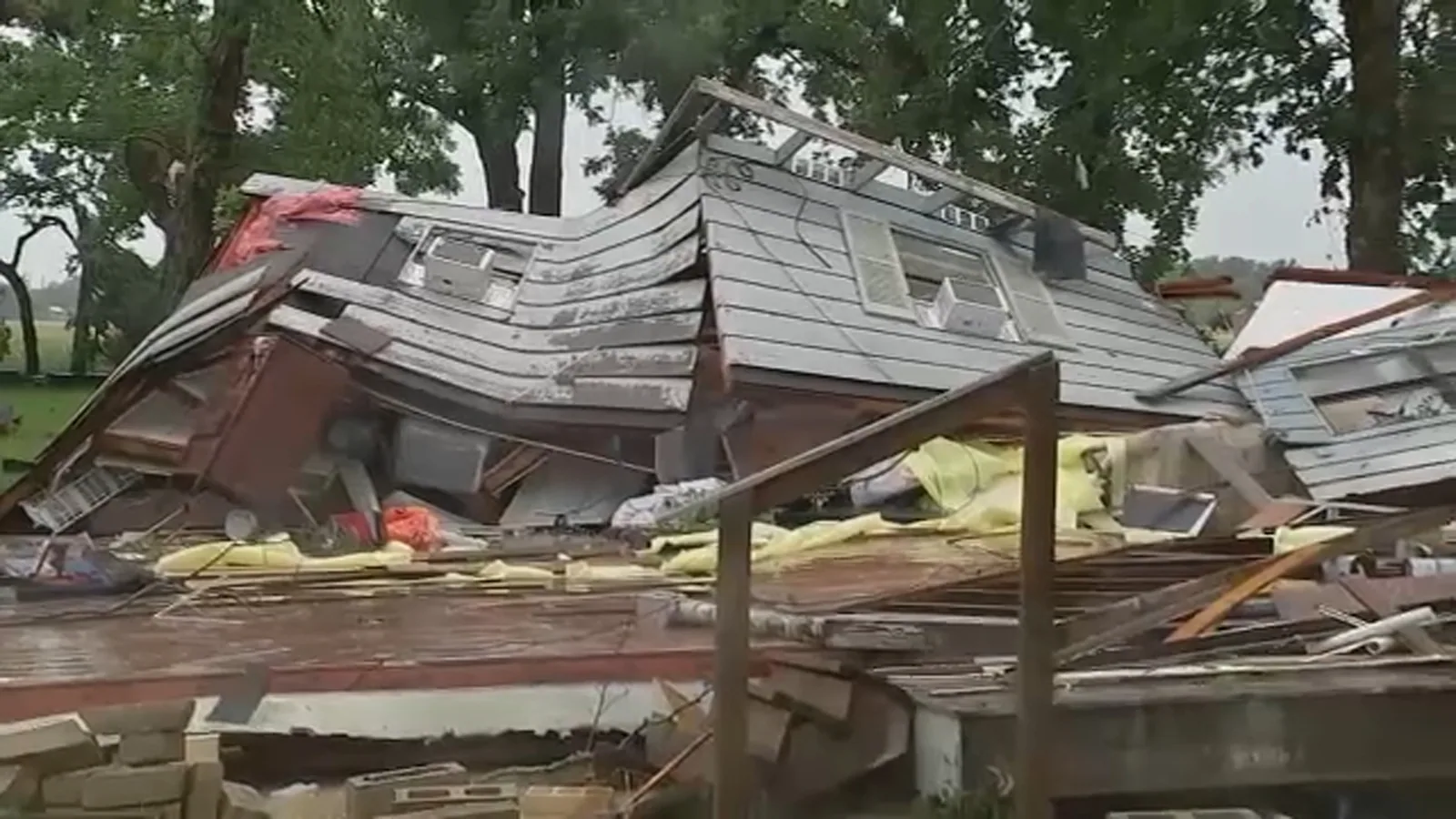
A tornado can damage roof edges, membrane, rooftop equipment, and the building below, but access must wait until the site is safe and released. We inspect authorized areas, document visible conditions, and plan temporary protection or permanent repair around the structure. A November 2011 tornado crossed from Chester County into York County, where it caused fatalities and injuries. We coordinate assessments around Chester and York with the owner and incident team.
Wait for Site Clearance Before Roof Entry
Roof access after a tornado may involve unstable deck, displaced structure, overhead debris, energized equipment, water, or an active investigation. We confirm the owner's release and any incident-authority restrictions before entering. Occupancy decisions belong with the qualified engineer or responsible official. After the site is released, our roof walk documents the roof conditions within the approved access area.
The owner or site lead can identify a safe perimeter, utilities, fallen materials, roof-hatch access, and approved staging. If the roof is not cleared, we record that limit and wait for the appropriate review. A photo from grade may locate a concern but cannot confirm hidden attachment or membrane conditions.
A November 2011 tornado crossed from Chester County into York County, where it caused fatalities and injuries. That event is regional history, not a finding about an individual roof. We inspect the property, compare available records, and tie each conclusion to the roof areas reached.
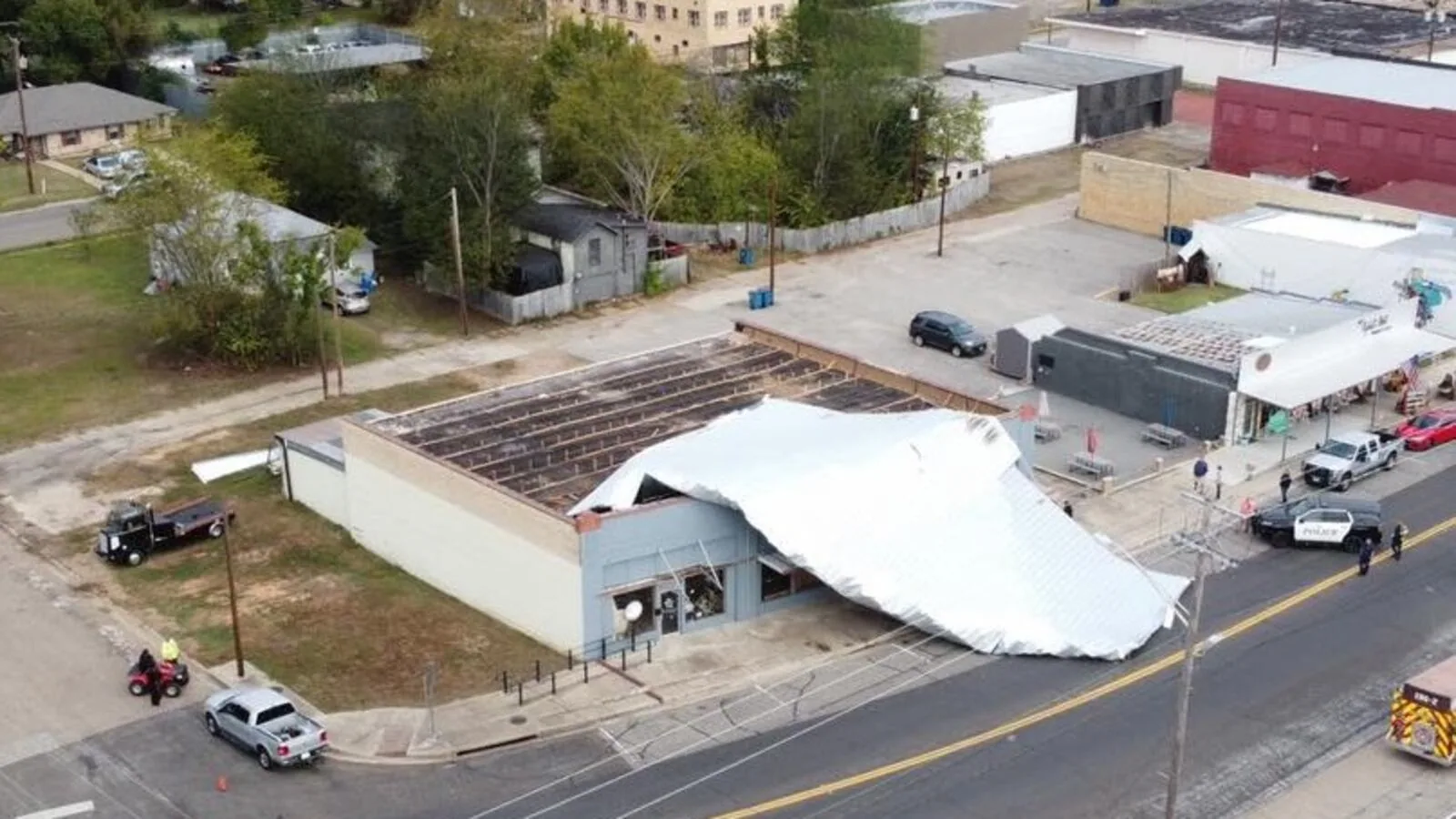
After clearance, we identify roof zones with shifted metal, holes, torn membrane, debris impact, or water entry. We maintain separation between observed roof damage and other building impacts that need a structural, electrical, or environmental professional.
Document Tornado Effects by Roof Area
We compare the reported path and affected interior spaces with roof plans, photos, and available pre-event records. The inspection checks membrane, edges, flashings, drains, equipment bases, and penetrations for displacement or openings. A commercial roof inspection records locations examined and any areas excluded. Findings are organized by building section so damage in one wing is not generalized to the full property.
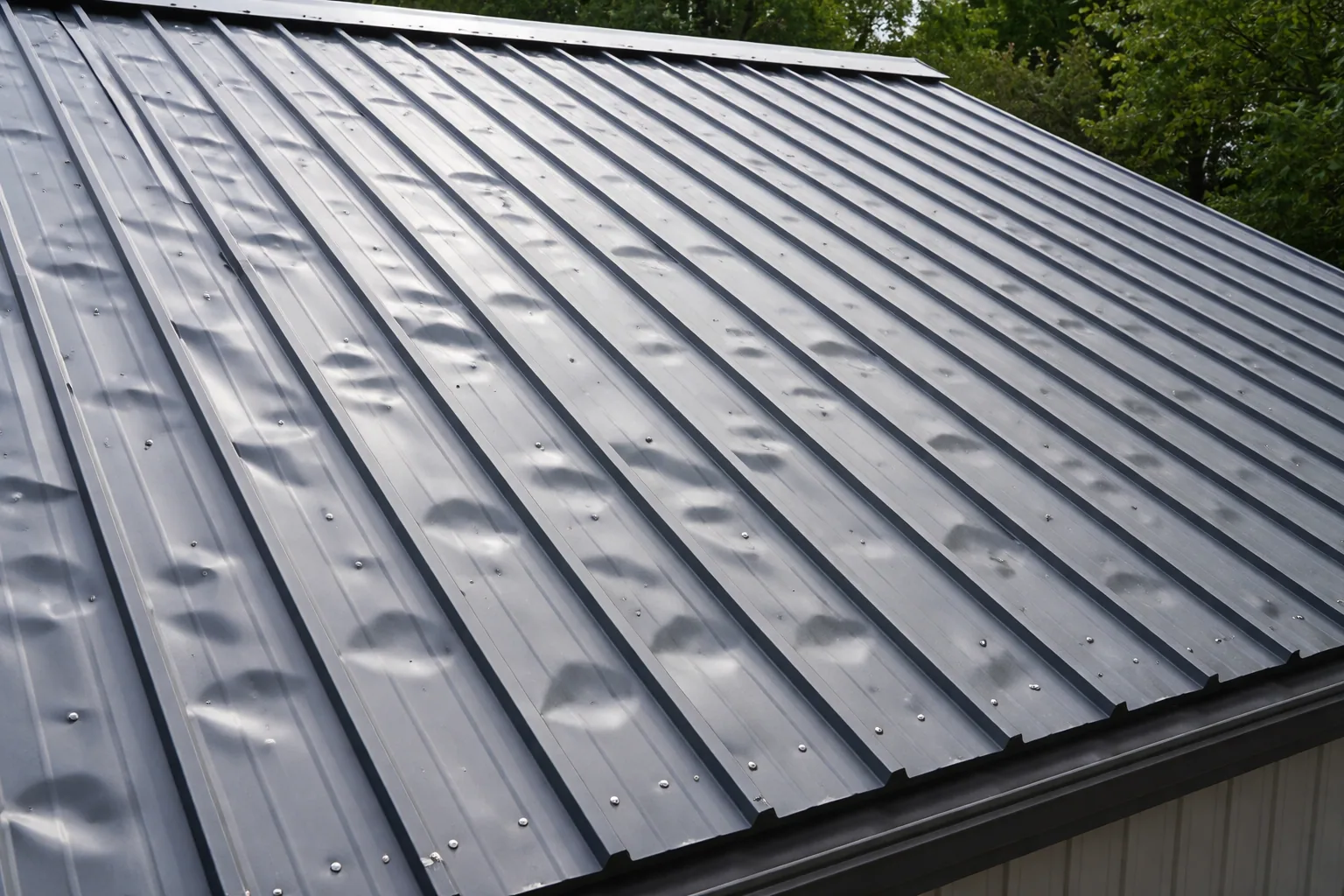
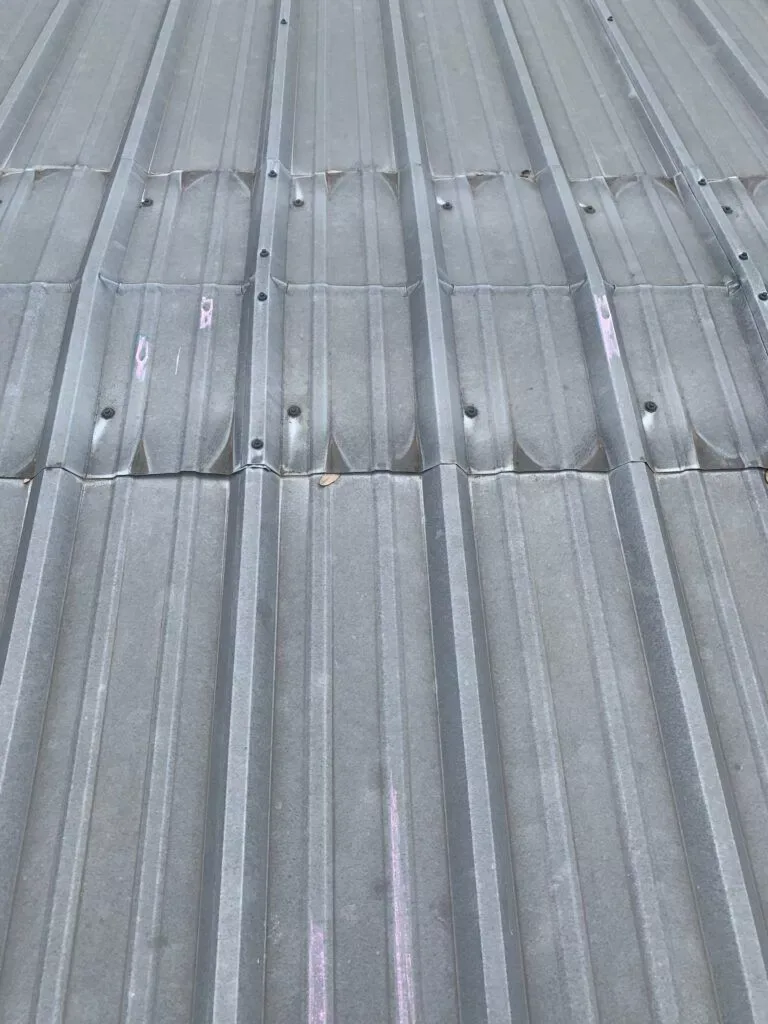
Debris can puncture the roof, scratch metal, block drains, or damage equipment. We photograph a mark with surrounding material and note whether it opens the assembly or appears cosmetic. A previous patch or worn seam may be unrelated to the event. We use prior records when available and leave causation uncertain when field evidence cannot distinguish the timing.
Water may enter through a wind-opened edge and travel beneath the membrane. A leak investigation can compare interior reports with roof transitions and define any needed test. Test openings require approval, interior protection, and a closeout plan before removal. We mark each opening on the roof plan and use the result to decide whether another connected section needs inspection or sampling.
If several roof zones were affected or access remains restricted, the report identifies what additional inspection is needed. A survey from one safe section cannot clear another structure or a roof covered by debris.
Secure Openings and Limit Further Exposure
Once access is safe, an opening may need temporary covering before permanent materials can be installed. We define how the cover attaches, which roof area it protects, and what limits remain. The owner approves the access and any temporary structure or attachment. A temporary measure addresses a described opening; it does not verify adjoining membrane or restore the complete assembly.
Interior protection is coordinated with the property team, especially where water could reach equipment, stock, or occupied space. The work plan lists who can authorize room access and how the roof will close if rain or a shift interruption occurs. If removal reveals wet insulation or damaged decking, we photograph the boundary and seek approval before extending the repair.
An urgent roof response depends on crew availability, site release, weather, materials, and work limits. We can explain stabilization needs once conditions are known, without promising a fixed arrival time. Debris removal, structural bracing, electrical work, and interior restoration remain separate unless specifically contracted.
Wind can accompany a tornado, while hail or debris may create distinct marks. A wind-damage review can record edge movement; a hail assessment can examine impact concerns. We keep the observed condition and cause questions separate.
Restore the Roof With a System-Specific Scope
The repair method depends on whether the assembly is TPO, PVC, EPDM, bitumen, metal, or another system. We verify the surface and tie-in before selecting material. Torn edges, punctures, lifted flashing, and displaced coping require different details. A commercial repair scope names preparation, materials, fastening or bonding, drainage, protection, and closeout by zone.
If extensive damage is confirmed, the owner may compare repair with recovery or replacement. That decision depends on the portion affected, remaining roof condition, substrate, system compatibility, access, and design review. We do not treat a local patch as a complete replacement of an uninspected roof.
We also inspect points where the membrane meets a wall, curb, drain, or rooftop unit. A connection may have shifted even when the field surface appears intact. Each transition is recorded separately, with photographs showing the nearby roof material and any visible opening. If debris blocks the detail, we note the access needed to complete that check.
Cost and schedule vary with debris, roof height, extent, materials, access restrictions, and concealed conditions. If field removal exposes a different assembly or damaged deck, the crew secures the opening and reports the change before proceeding beyond the authorized scope. The owner decides whether to add work, request a separate price, or wait for further evaluation.
After a regional tornado, property owners may need records for restoration or claim review. Photos, measurements, repair notes, and a map of inspected zones help document what was found. Coverage and cause determinations remain with the insurer and policyholder; the roofing scope describes physical work.
Coordinate Repairs With Restoration and Operations
Commercial restoration may involve property management, structural review, mitigation, mechanical contractors, tenants, and insurance contacts. We identify an authorized person for roof access and scope changes. A restoration coordination plan can organize the roofing observations for parties authorized by the owner without deciding coverage.
If a facility is partly occupied, we coordinate roof staging, public routes, material movement, and protection below. A phased work plan can separate safe work zones and specify daily closure steps. The sequence depends on the affected assembly and site status; the owner determines when rooms may reopen.
At completion, the record lists the roof zones inspected, temporary protection, permanent repair, materials, photos, access restrictions, and open follow-up items. If a zone was unsafe or not reached, it remains marked as incomplete. Share incident documents, roof plans, prior repair history, and site access rules before inspection.

Questions About Commercial Tornado Damage Roof Repair
Inspection begins after the owner and relevant authorities release the area and required safety conditions are established. If structural stability or utilities remain uncertain, a qualified professional must resolve that before roof access.
A temporary cover may be possible after the site is safe and the attachment method is approved. We identify the protected opening, limits, and follow-up needed before permanent repair.
No. The property needs a direct inspection. We document visible conditions by roof zone and list any area that was unsafe or outside the agreed scope.
Provide the site release, incident report, roof plans, pre-event photos, leak locations, prior repair records, and access restrictions. Identify who can approve testing and additional work.
Request a Tornado-Damage Roof Assessment
Share the site release status, event record, roof plans, interior impacts, and access rules. We will inspect authorized areas and define stabilization or permanent repair based on observed conditions.