Inspect roof areas affected by fire, heat, smoke, or suppression water, then document safe stabilization and a compatible repair scope.
After a fire, roof damage may include a direct opening, heat-affected membrane, displaced metal, or water entry from suppression. We inspect only when the site is released for safe access, document the observed roof condition, and define stabilization before permanent work. Rock Hill's business districts include TechPark and the mixed-use Knowledge Park; each facility needs a site-specific inspection and coordination plan.
Confirm Site Release and Safe Roof Access
Roof access after a fire may be restricted by structural instability, active suppression, electrical hazards, smoke, debris, or an ongoing investigation. We confirm that the owner and incident authorities have released the area for contractor entry and identify any hazard controls required by the site. A visual roof check from an unsafe route is not a substitute for an approved inspection.
The property contact can provide the affected zone, incident timeline, fire-department release status, utility information, and any structural review already completed. We coordinate with the general contractor or restoration lead on access, containment, and debris handling. If the roof cannot be entered safely, we document that limit and wait for the necessary clearance.
Rock Hill's commercial properties range from business parks to downtown mixed-use buildings. That variety calls for a building-specific inspection: site records and visible roof conditions determine the areas that need attention. A commercial roof inspection can map the roof after release, with any exclusion zone shown in the report.
Before temporary covering, the team confirms where the structure can accept loads and how materials will be attached without worsening damage. Structural questions, hazardous materials, and fire investigation findings belong with the qualified authorities and professionals. We identify roofing work limits rather than resolving those separate evaluations.
Separate Heat, Smoke, and Suppression Effects
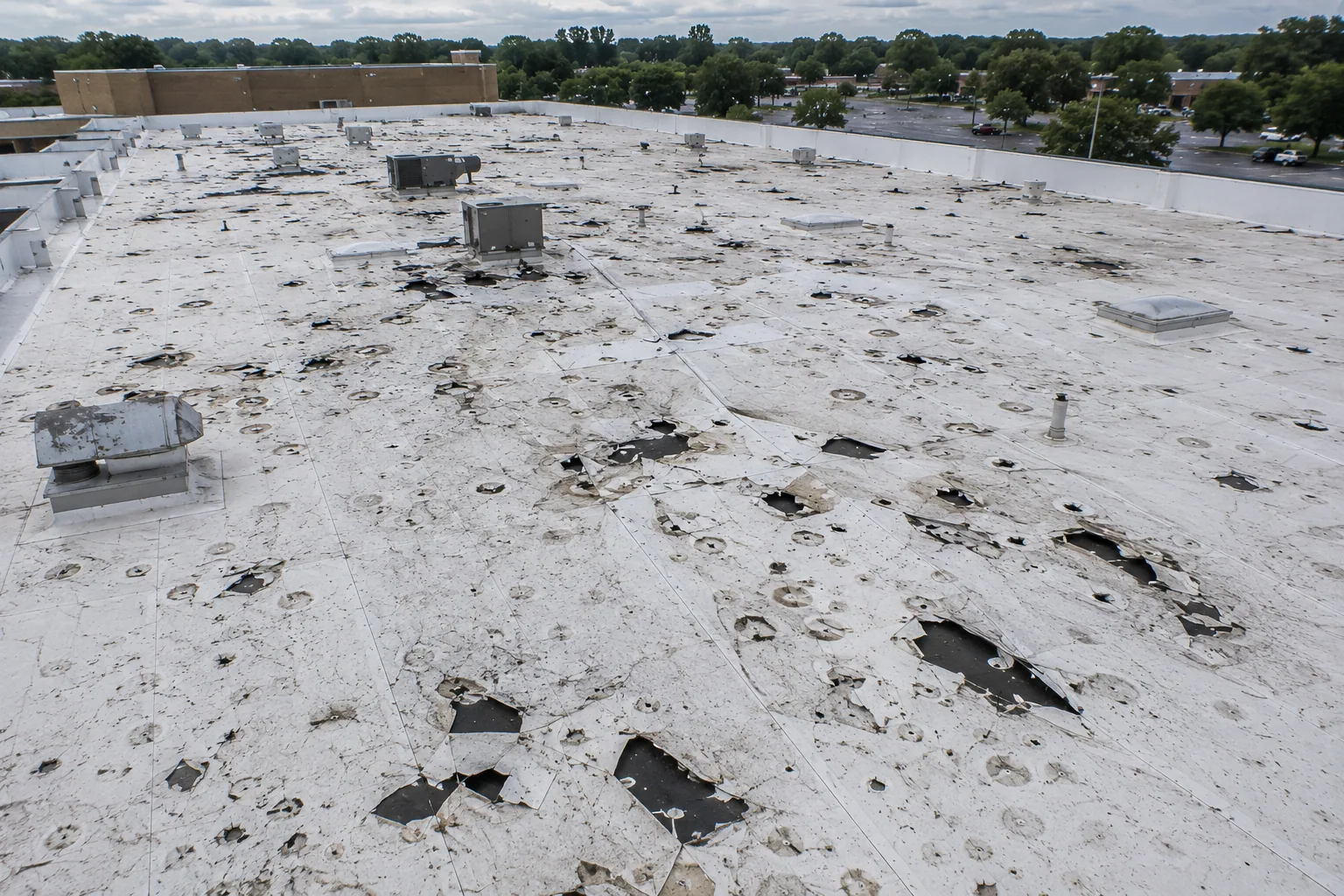
Direct flame may damage the roof surface, insulation, deck, edge metal, or rooftop equipment. Heat can affect materials beyond the visible burn mark, and suppression water can enter through openings or drain into concealed spaces. We document visible conditions by zone and distinguish what can be observed from what requires testing or removal.
Smoke residue, odor, or interior contamination may require specialist assessment outside a roofing scope. Water staining can have several sources, including fire suppression, existing leaks, or firefighting access. We compare the timeline, interior reports, drains, roof openings, and available photos without assigning cause beyond the evidence.
A leak investigation can trace water after the site is safe for access. If test cuts or moisture surveys are proposed, we define their location, access, and closure plan with the owner. We mark the sample location, then compare nearby seams and moisture indicators to decide whether another area needs testing.
Photographs should show affected material alongside nearby areas that appear intact. That contrast helps the team define where more examination may be needed. If the roof includes multiple additions or systems, each is recorded separately so a finding in one zone is not extended to another without inspection.
Secure Openings Before Permanent Repair
If fire damage has opened the roof, a temporary cover can limit weather exposure once access and attachment are approved. The work plan identifies the opening, covering method, structural support, inspection interval, and limit of the temporary measure. Temporary stabilization is not a final repair. A separate inspection of adjacent roof zones determines whether the protection can stay within that boundary.
We coordinate access below, protection for equipment or contents, and safe material staging. If the building remains occupied in part, the owner identifies restricted rooms, public routes, and any area that must remain clear. A urgent roofing response depends on safe access, crew availability, weather, and materials; it carries no fixed arrival promise.
If removal exposes charred or weakened decking, wet insulation, or heat-damaged attachment, we protect the opening and document the extent. The owner or authorized representative reviews added work before the scope expands. Structural replacement, electrical work, smoke remediation, and contents restoration remain distinct responsibilities unless written scope assigns them.
Where wind or debris also affected the roof, a separate wind-damage assessment can record those conditions. Heat may alter a membrane without visible flame contact, so a heat-damage review can examine the roof's material condition. Findings stay tied to observed conditions rather than an assumed cause.
Specify the Roof Assembly and Repair Boundary
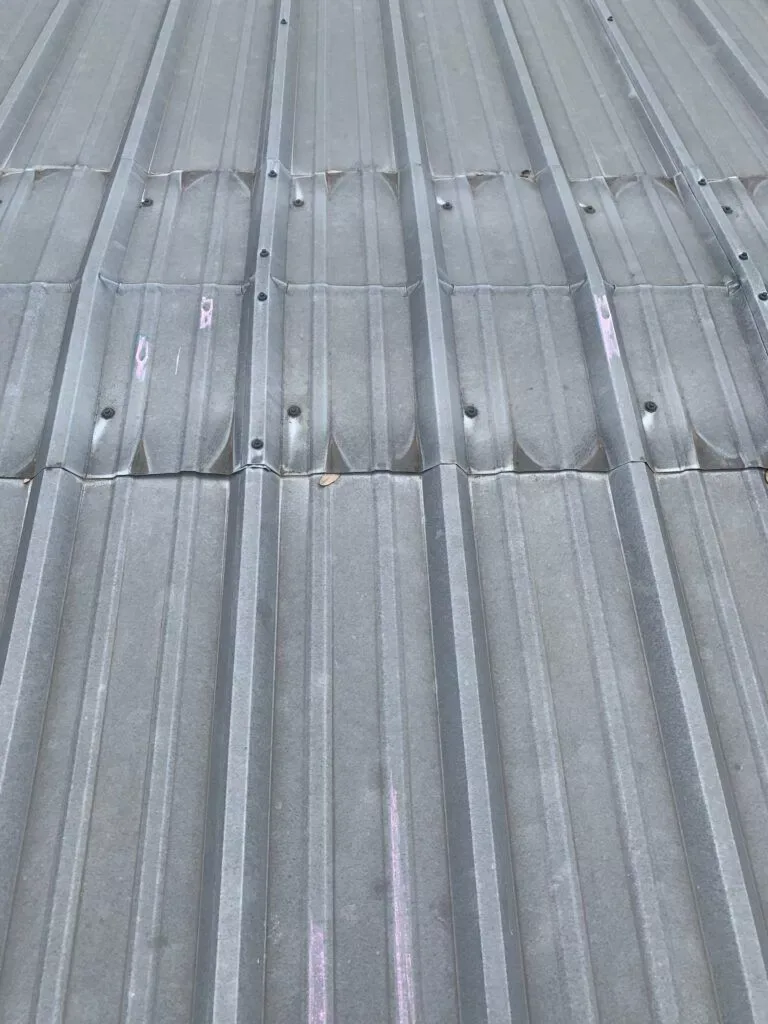
Before selecting material, we identify whether the roof uses TPO, PVC, EPDM, bitumen, metal, or a coating system. Flame or heat can change surface properties, and a patch must attach to sound, compatible material. If a coating or recover layer obscures the original system, we state the uncertainty and determine whether sampling can resolve it.
A repair scope defines removal, substrate treatment, insulation replacement, membrane or metal installation, flashing, and closeout. The boundary follows the damage and sound tie-in points. If a wider portion is affected, we document the reason and request approval before changing the work area.
Cost and timing depend on roof area, system, access, structural condition, debris, environmental controls, protection, and inspections by other professionals. A permanent repair may wait on engineering, investigation, or cleanup. The proposal identifies those dependencies and separates provisional stabilization from completed replacement work.
Fire-related roofing is not automatically a full replacement. A localized opening may be repairable if adjacent material and structure remain sound. If inspection finds broader damage or repeated failures, we explain what evidence supports a larger comparison. A replacement scope can outline affected zones and the work required, subject to the owner's design and code review.
Work With the Restoration and Property Teams
Fire restoration may involve an owner, fire official, structural engineer, mitigation contractor, electrician, adjuster, and roofer. We identify who can authorize roof access, testing, temporary covering, and changes. The roofing scope should name who removes debris and equipment, who restores penetrations, and how completed work will be inspected.
Interior restoration and roofing can proceed on related but distinct schedules. If a ceiling or wall must be opened for drying, we coordinate roof-side protection to keep new water out. If materials may contain regulated substances, the owner arranges required testing and handling before removal. The roofing crew works only within the authorized material and site controls.
Share event records, photos, roof plans, equipment history, access restrictions, investigation status, and the approved work boundary. We will identify conditions, provide a roofing scope, and document any area that remains inaccessible or untested. A clean handoff helps the owner evaluate each trade's responsibility without treating one report as a complete building assessment.
Document Stabilization and Permanent Work
Closeout records the inspection date, area released, roof zones reached, visible conditions, temporary measures, materials, tests, and completed repair. We identify any work pending another trade or approval. If the inspection excluded a zone for safety, that limit remains explicit.
A later maintenance visit can recheck repaired areas, drains, seams, curbs, and temporary-to-permanent transitions after the building returns to service. The owner can provide a roof plan and incident file so future staff understand what was repaired and what was not inspected.
Rock Hill's business and mixed-use districts are part of the service region, but the roofing scope follows the building-specific evidence. We describe visible damage, the material connection, and the boundary that can be repaired. If additional testing or design is needed, the report states what question remains open before work proceeds.
Questions About Commercial Fire Damage Roof Repair
Roof access must be released and safe under the incident team's requirements. We coordinate with the owner and other authorized professionals and do not enter restricted areas before clearance.
Not automatically. We document visible roof conditions and identify where testing or removal may be needed. A decision depends on the assembly, damage extent, and findings from relevant building professionals.
Stabilization depends on site release, structural support, attachment, weather, and safe access. We define the area and limits of any temporary measure before installing it.
Provide the site release status, incident records, roof plans, photos, structural or mitigation reports, access rules, and a contact authorized to approve testing or stabilization.
Coordinate a Fire-Damage Roof Assessment
Share the site release status, incident records, roof plans, photos, access controls, and restoration contacts. We will inspect authorized areas and define stabilization or permanent roofing work based on observed conditions.