
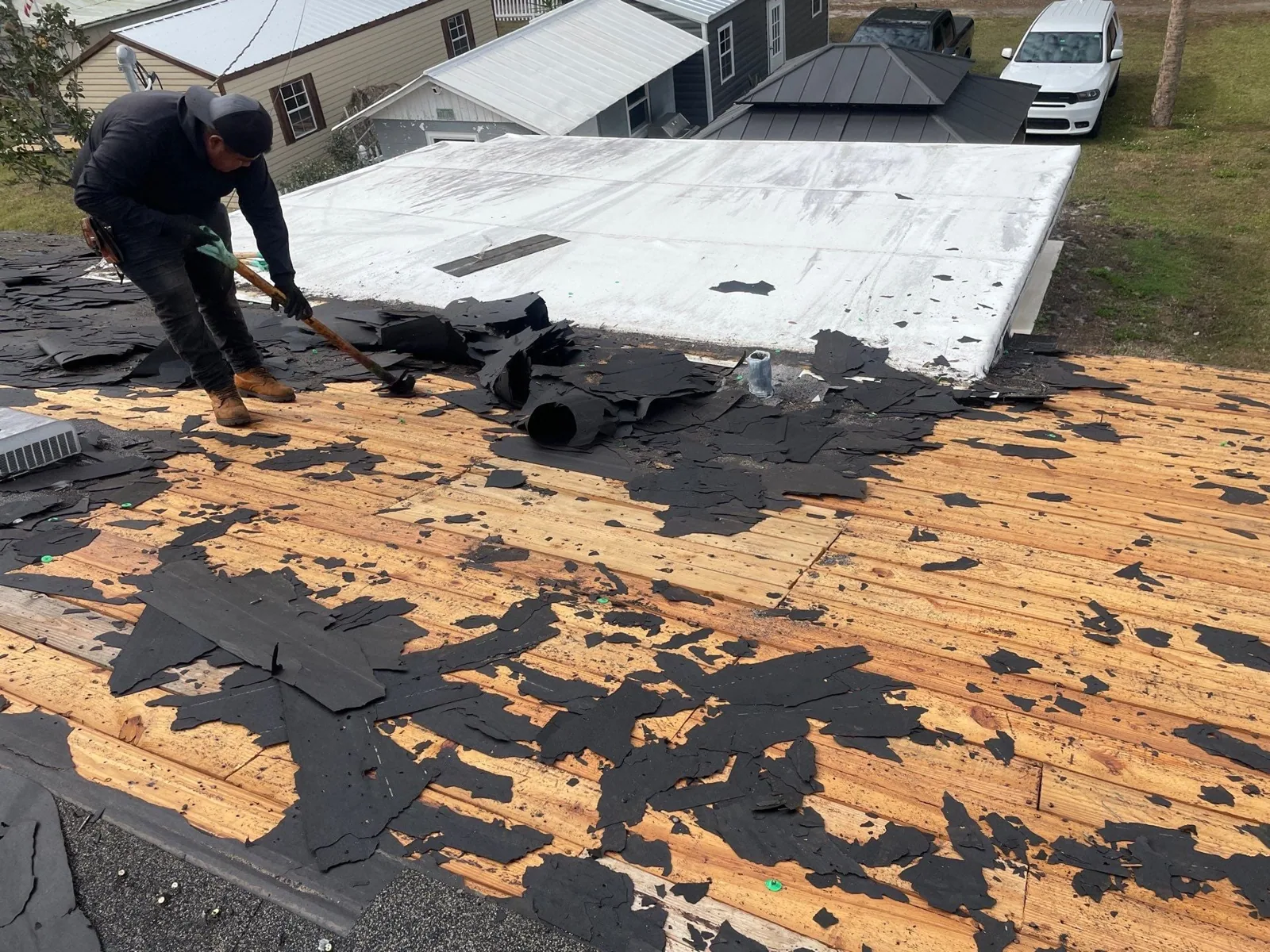
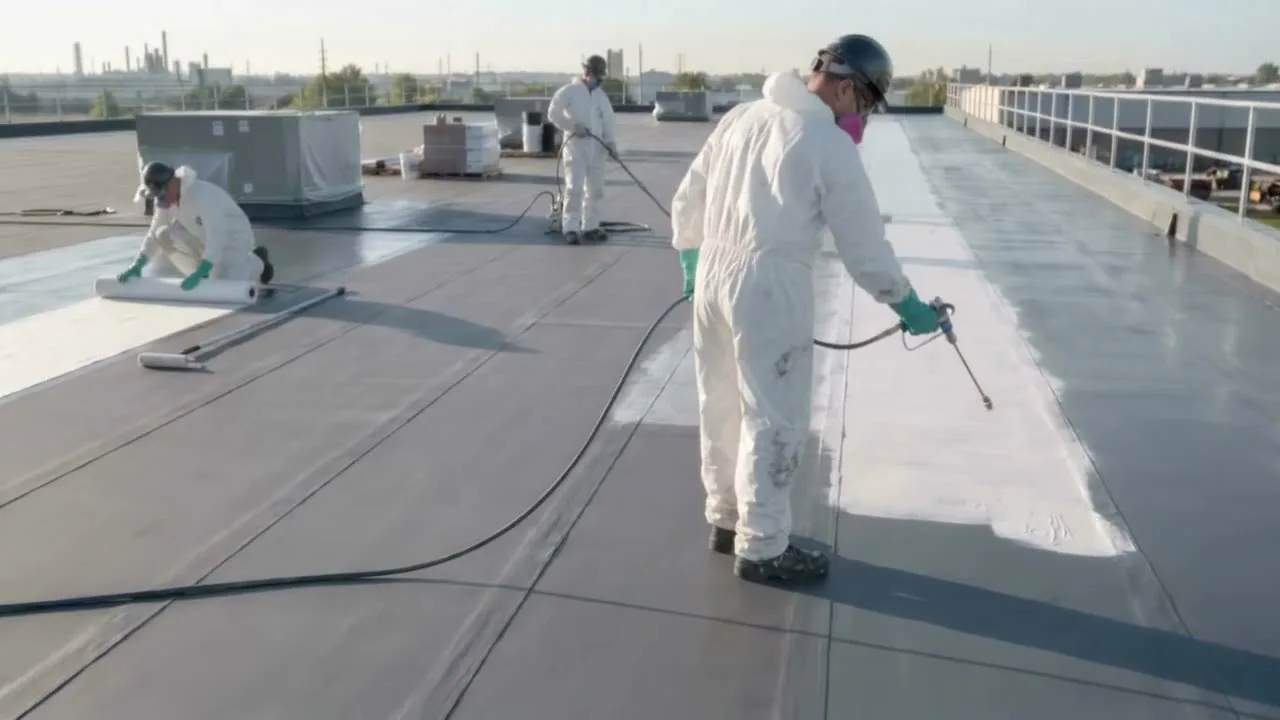
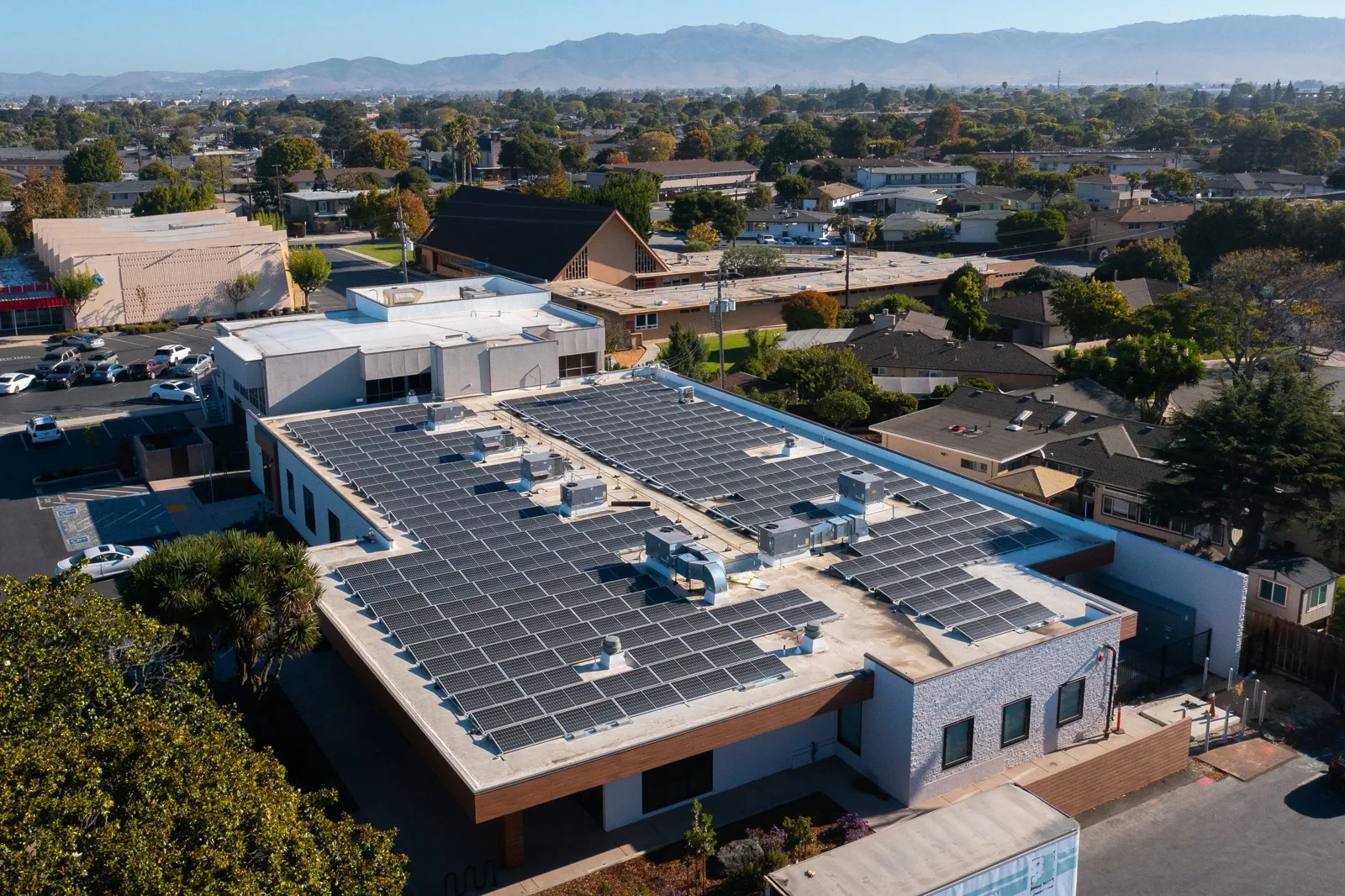
Evaluate heat and sun-related commercial roof wear, identify the existing assembly, and compare repair or compatible restoration options.
Sun exposure and repeated summer heat can age roof surfaces, but faded color alone does not identify a failed assembly. We inspect the membrane or metal, seams, coating, flashings, and drainage, then connect the recommendation to observed condition. Rock Hill's long warm season affects commercial properties throughout the city, from TechPark to the mixed-use Knowledge Park district. Each roof still needs its own material and maintenance history confirmed.
Separate Surface Aging From Active Roof Failure
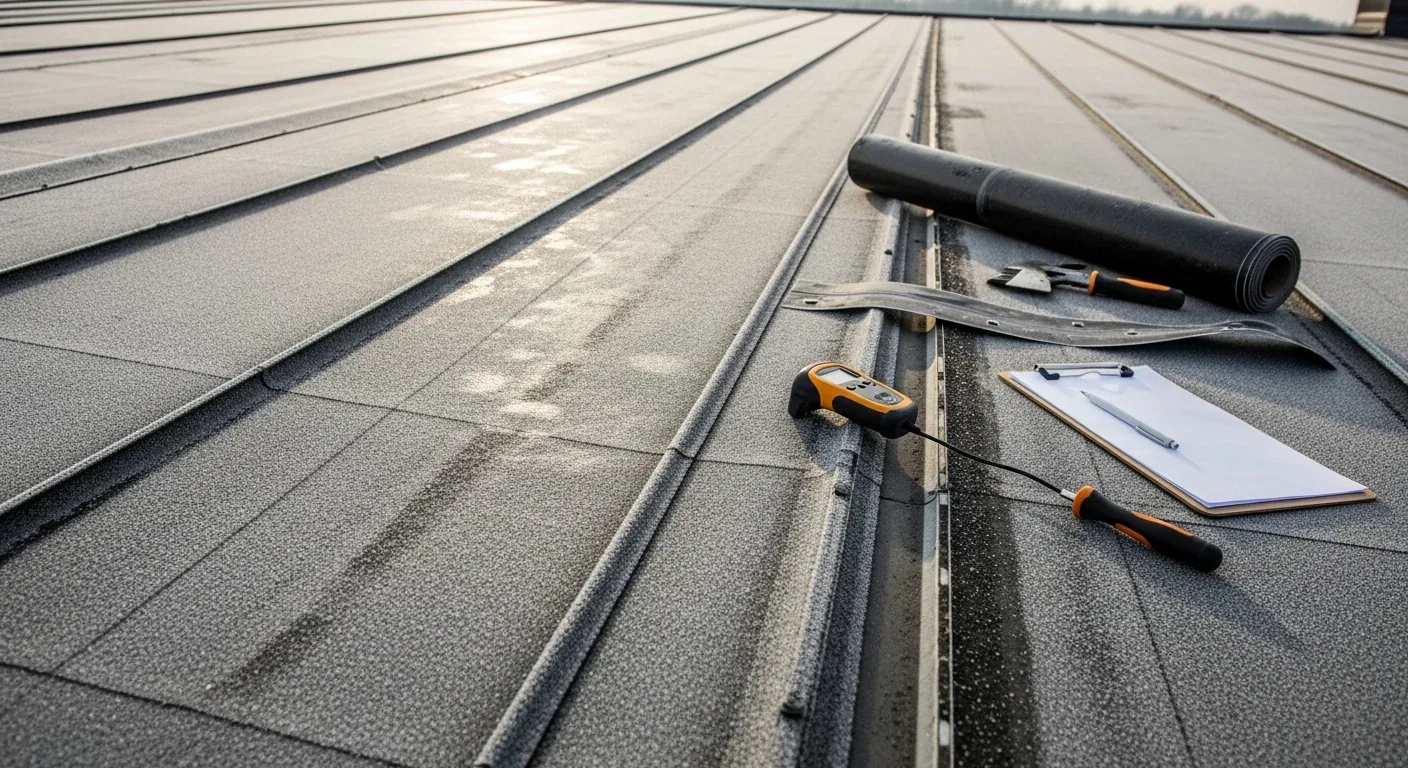
We inspect for cracking, embrittlement, exposed reinforcement, coating loss, seam separation, loose attachment, and degraded flashing. A chalky or faded surface may remain intact, while a small split can expose the system to water. We note the location, extent, and surrounding material rather than using appearance alone to declare a roof failed.
The roof assembly may include TPO, PVC, EPDM, bitumen, metal, or a coating over an earlier system. We confirm the visible material and review records before selecting a repair or restoration product. If an overlay hides the original membrane, we identify whether a test opening could change the recommendation. A commercial roof inspection can document accessible zones and areas needing more evaluation.
Rock Hill's warm, humid Carolina Piedmont climate brings a long warm season and regular rainfall. We inspect for chalking, brittle membrane, open seams, coating wear, and blocked outlets before connecting a roof condition to heat or moisture. We compare the actual surface, seam, edge, and repair history and state what the visit can verify.
Prior coating, repairs, equipment traffic, ponding, or maintenance chemicals may also affect a surface. We ask about those changes and separate their visible effects from general weathering. Where the history is incomplete, the report does not assume a cause or age-based failure.
Review Seams, Edges, and Rooftop Details
Heat can affect exposed surfaces and components differently. We inspect laps, welds, adhesives, terminations, metal fasteners, coping, and sealant at walls or curbs. A flashing-failure assessment can address a separated roof-to-wall or equipment transition, while ponding-water review can investigate a low area or drainage concern. Those conditions require different correction from general surface aging.
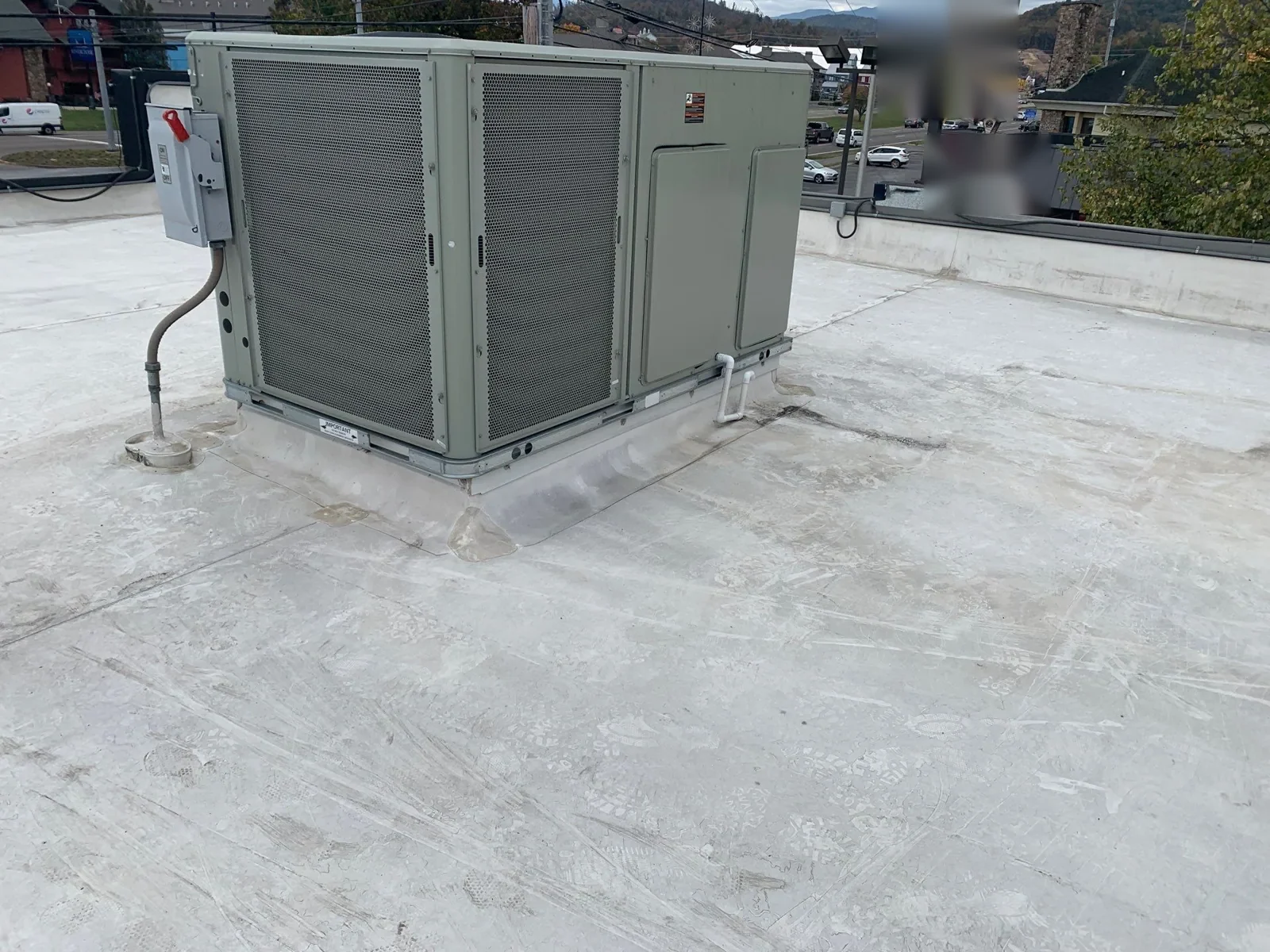
We check rooftop penetrations for brittle boots, separated sealant, or movement around the base. If equipment service changed the curb or piping, the vendor history can help focus the check. An exposed roof detail may need an individual repair even if adjacent field membrane appears stable. The scope names each included transition.
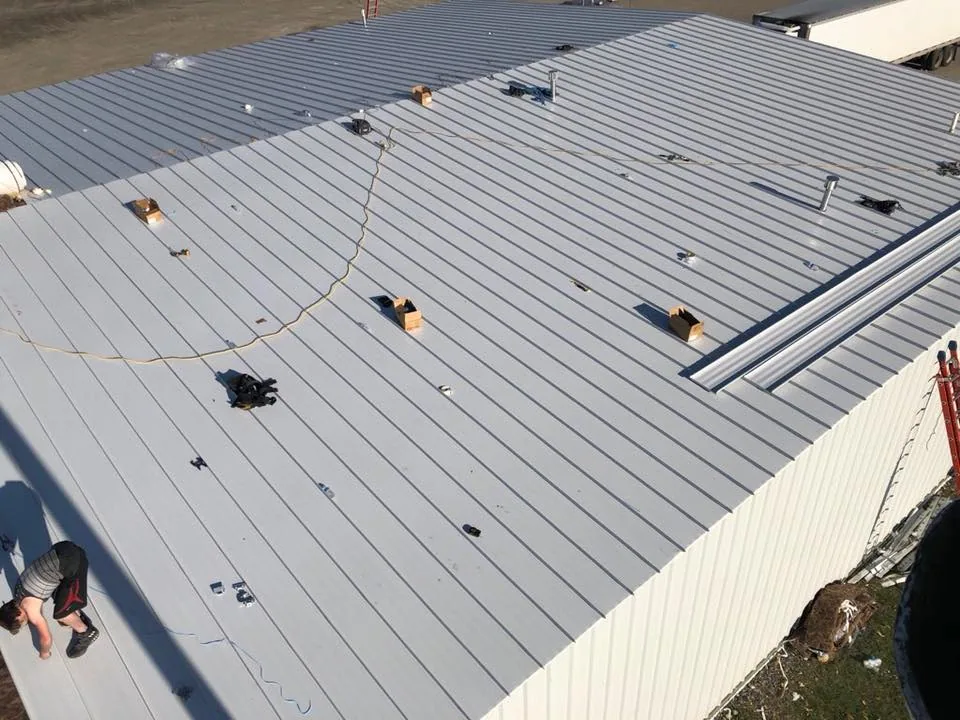
Metal roofs can show finish wear, fastener movement, open laps, or sealant deterioration. Repeated temperature changes may also place movement at panel joints, so we look at both the panel and its attachment. Membrane roofs may show shrinkage, cracking, seam lift, or coating loss. We identify the system and substrate before choosing adhesive, welding, primer, or panel repair. A single repair product is not appropriate across all materials.
If the surface is obscured by debris, equipment, or a prior treatment, that condition can limit inspection. We note what could not be reached and whether temporary removal or sampling is needed for a reliable repair choice.
Compare Local Repair With Roof-Coating Restoration
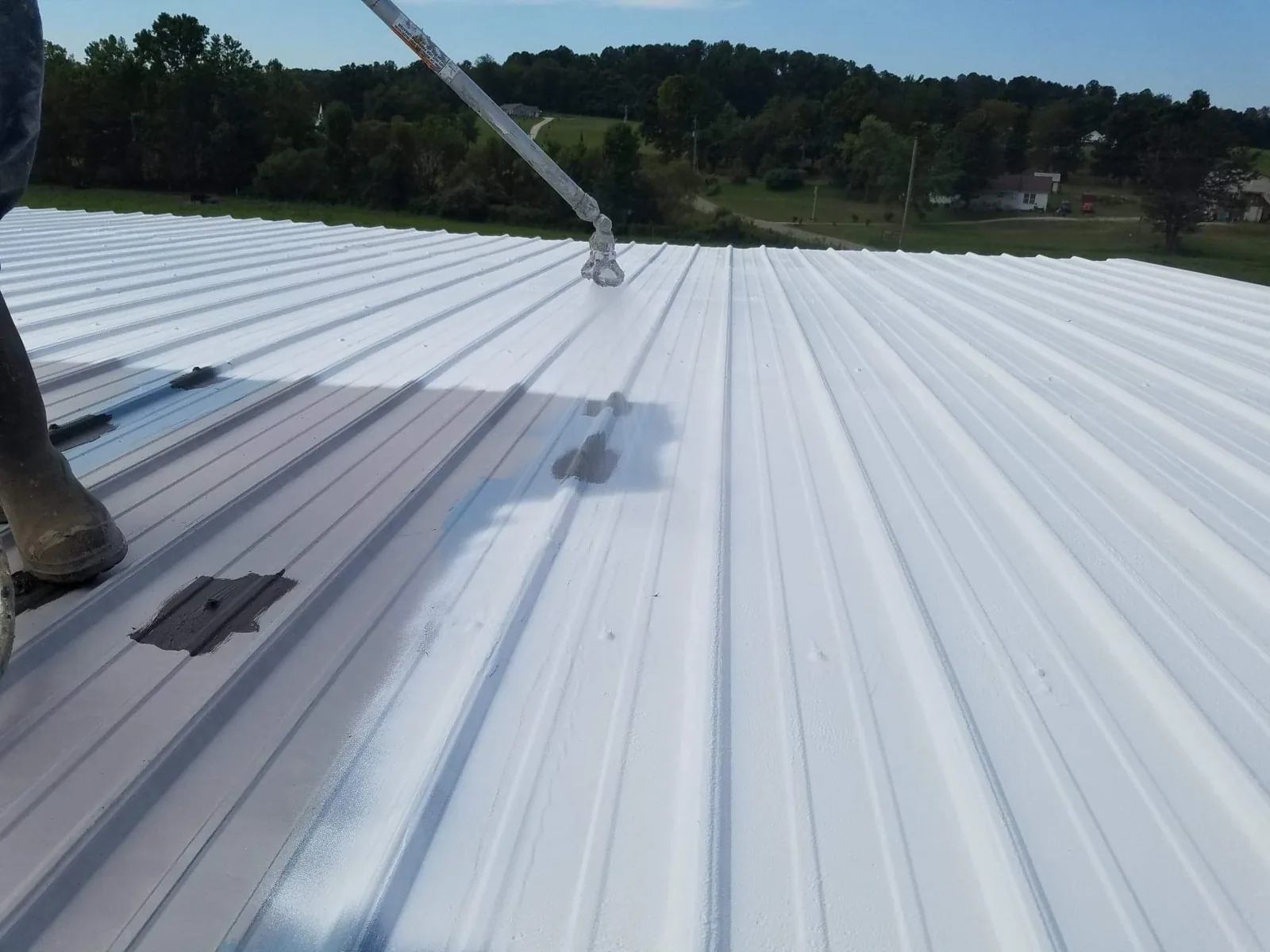
A localized patch can address a confirmed split or flashing defect when surrounding material is sound. Broader coating or restoration may be considered when the assembly is compatible, preparation can be completed, and the existing roof meets project requirements. A roof-coating restoration scope should identify substrate preparation, repairs beneath the coating, reinforcement, application conditions, and drainage details.
A coating does not correct a failed deck, a blocked drain, or an attachment problem unless that defect is included and addressed. We inspect the existing layers, moisture indicators, seams, and terminations before outlining an application. If the surface requires extensive repair or shows widespread deterioration, replacement may be a more appropriate alternative to compare.
A restoration system must be matched to the existing surface and installed under suitable conditions. We identify any required cleaning, primer, reinforcement, cure time, and detail work before estimating the application. If these steps cannot be confirmed, the proposal states what additional test or record is needed.
Cost and timing depend on roof area, material, preparation, repair count, weather, access, equipment, and any moisture or adhesion testing. If removal exposes wet insulation or damaged deck, we secure the opening and review the added area before proceeding. The proposal defines what will be repaired and which sections remain outside the work.
A commercial repair can correct an isolated failure; a replacement plan can evaluate a broader assembly when evidence supports it. We present alternatives with their assumptions and limits rather than treating an aging color as proof that replacement is necessary.
Include Drainage in Heat and Weather Planning
Roof surfaces experience heat along with regular rainfall in the Rock Hill area. We inspect drains, scuppers, gutters, overflow points, and low areas included in the work zone. Water that remains after rain may point to debris, outlet separation, slope, or another condition; heat-related wear does not explain it by itself.
If an interior leak accompanies surface aging, we trace the route independently. Water can travel from a seam or curb before appearing below. We document any leak source that is confirmed and list additional access or testing when the evidence is incomplete. A dry visit records conditions on that date; a follow-up after rain can check whether the same roof zone changes.
During restoration, surface preparation and application conditions must follow the selected product requirements. We plan for weather and secure any opened area before a pause. If moisture is present under the surface, the team may need to remove material or test the assembly before coating. The owner approves any change to the repair boundary.
Plan Repair Access and Future Checks
Before mobilization, we confirm roof access, staging, lifts, occupant restrictions, equipment movement, and areas needing interior protection. If the building remains active, a phased work plan can identify roof sections and closure checks. Weather, preparation, material cure, and field conditions affect the sequence. We state any access impact for staff or tenants before work starts.
Closeout records the system identified, areas inspected, surface observations, repair materials, photos, and any testing. A maintenance visit can revisit seams, edges, penetrations, and prior coating repairs. Share product records, past applications, roof plans, leak history, and equipment changes to help determine whether a later condition reflects the same area or a new issue.
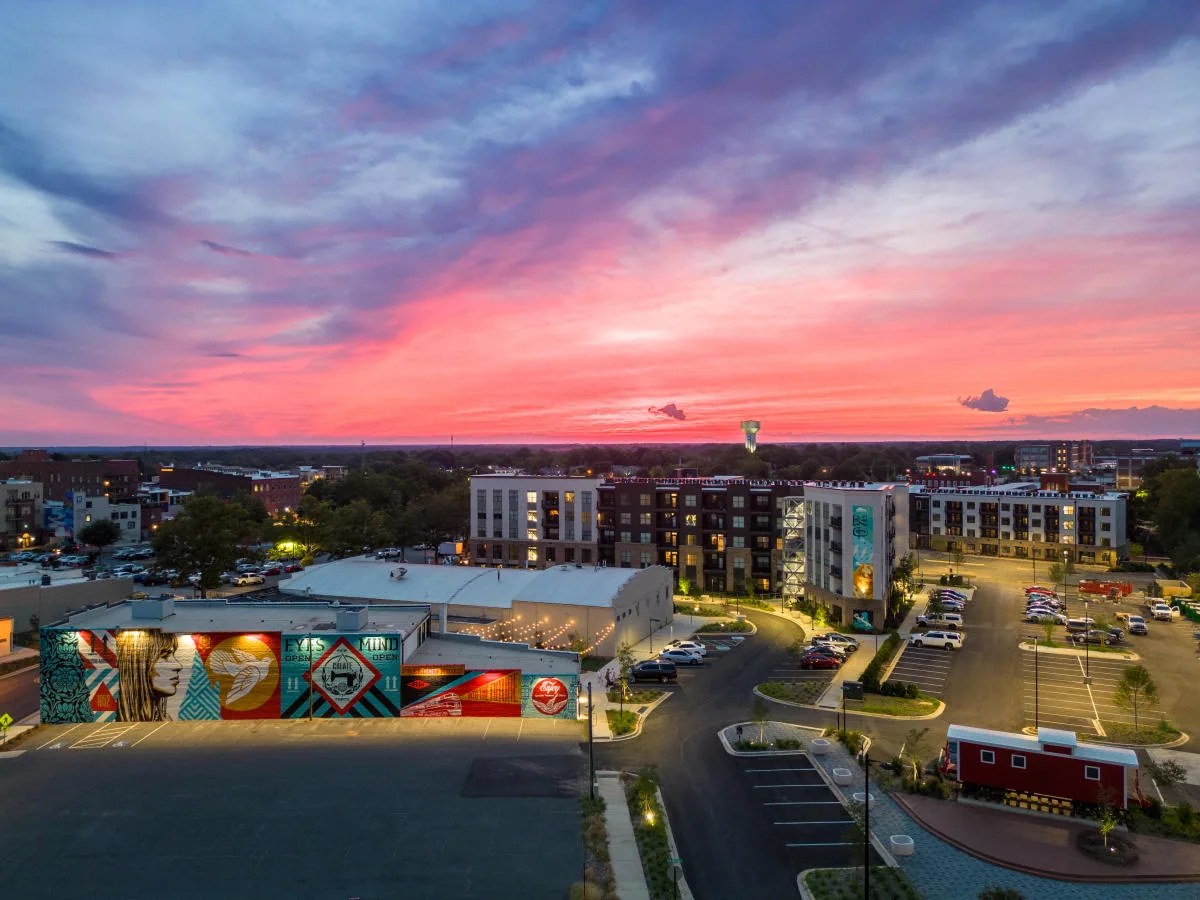
TechPark is among Rock Hill's business parks, and Knowledge Park connects downtown with Winthrop University through a mixed-use district. This local context covers different building uses, but recommendations follow the specific roof assembly, exposure, and field condition. We explain what the inspection supports and what remains untested before an owner selects repair, restoration, or replacement.
Questions About Commercial Heat and UV Roof Damage Repair
Not necessarily. Color change may be cosmetic, while cracking, seam movement, or material loss can affect performance. We inspect the roof system and describe what evidence supports repair or broader renewal.
No. Compatibility, preparation, moisture, existing layers, and surface condition must be reviewed first. A coating scope also needs to address repairs and drainage conditions that would remain below it.
The surface and details need inspection for cracking, brittleness, seam movement, or loss of material. We compare those conditions with records and distinguish observed defects from an assumed cause.
Share system records, coating documents, roof plans, leak history, prior repairs, equipment changes, and access limits. Those details help identify the assembly and plan any needed testing.
Review Heat and Sun-Related Roof Wear
Share roof plans, system and coating records, leak history, prior work, equipment changes, and access rules. We will inspect the surface and details, then define compatible repair or restoration options.
