
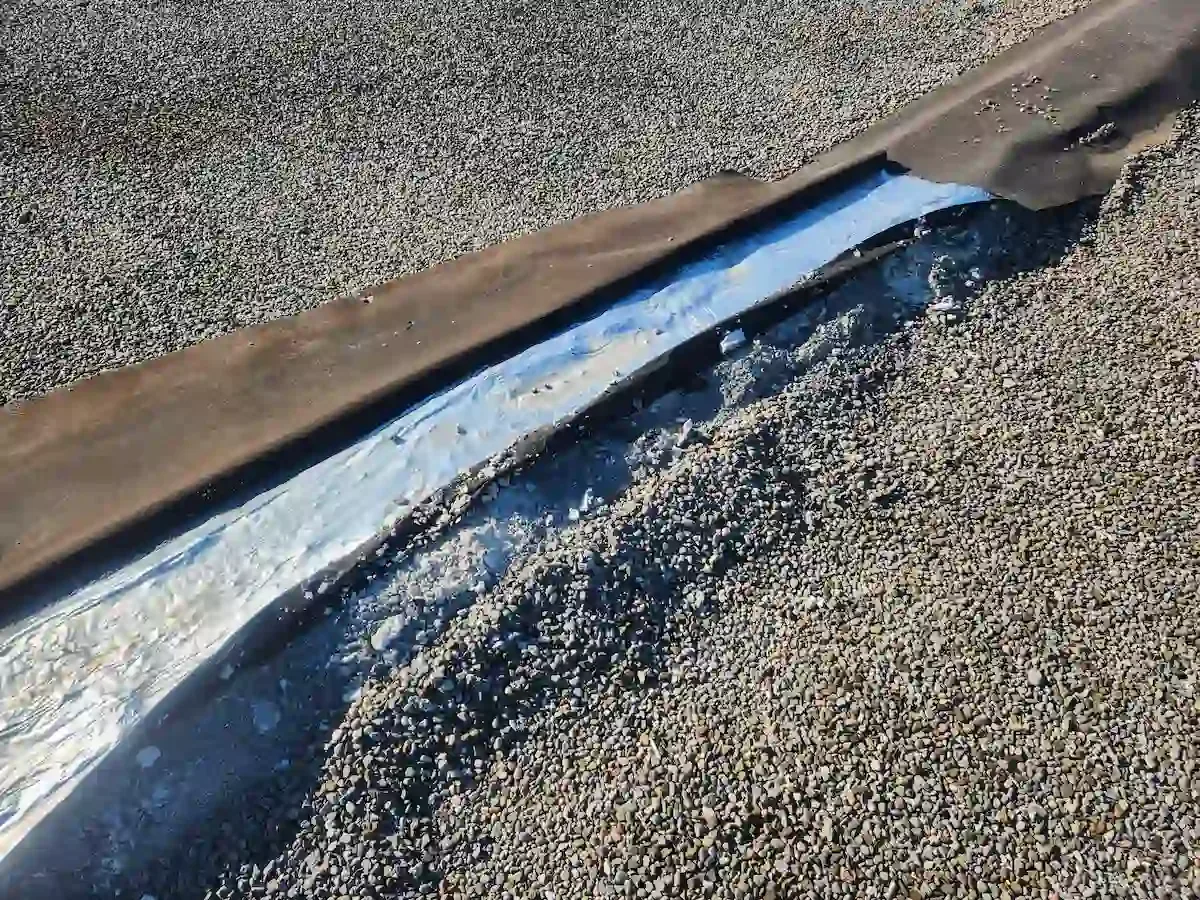
Inspect open or split commercial roof seams, identify compatible repair methods, and document the tested area and repair boundary.
An open roof seam can admit water even when the interior mark appears several bays away. We inspect the joint and surrounding assembly, identify the membrane or panel system, and define how the repair will reconnect to sound material. Rock Hill's commercial network includes Dave Lyle Boulevard and the I-77 connection to Fort Mill. We coordinate access around Dave Lyle Boulevard or Fort Mill with the property contact and roof-area plan.
Determine Whether the Seam Is Actually Open
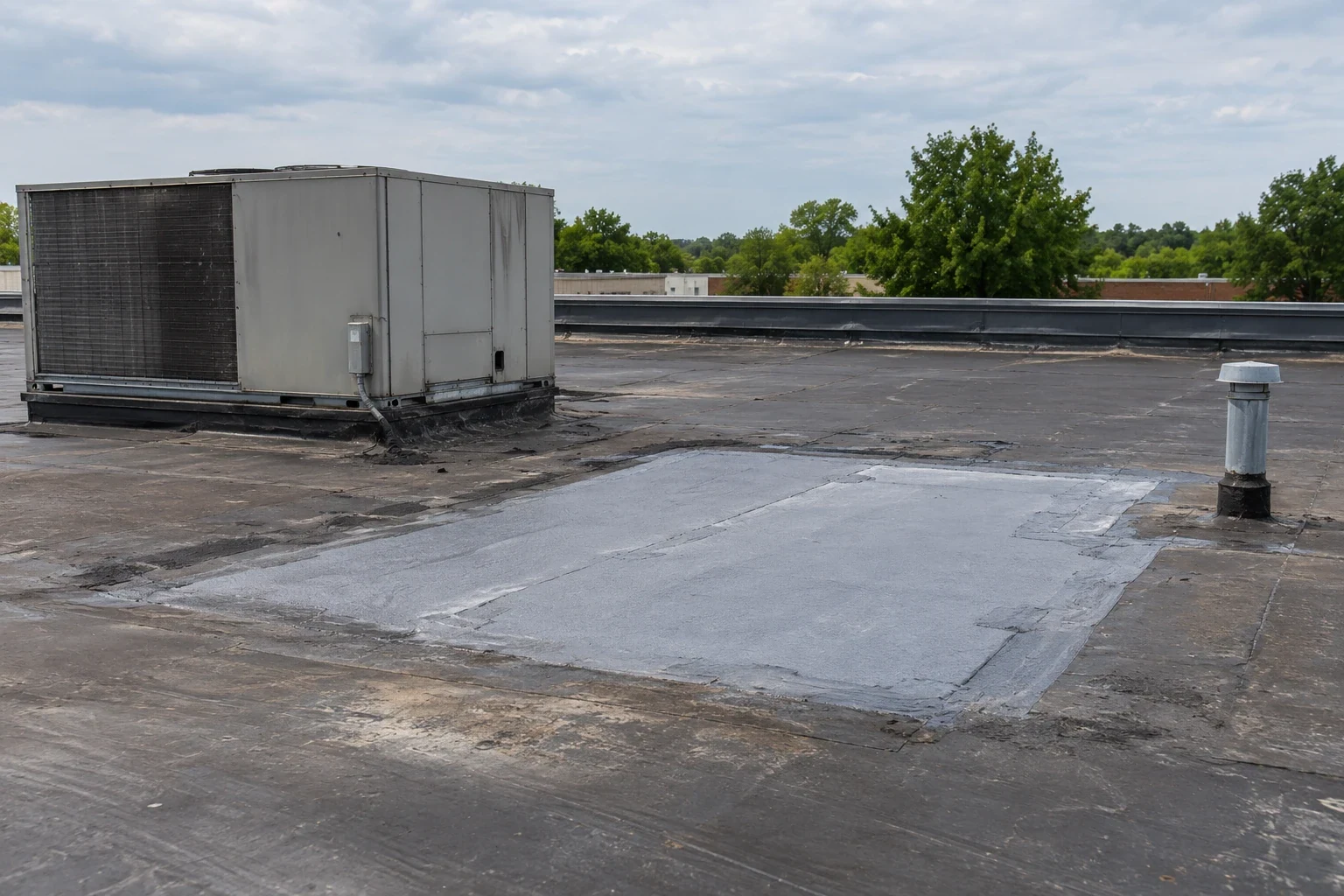
We inspect the reported joint, adjacent field membrane, end laps, corners, patches, and nearby penetrations. A seam may be separated, contaminated, poorly bonded, mechanically displaced, or only marked at the surface. We verify the opening and its length before choosing a method. A commercial inspection can map other accessible seams in a defined area when recurrence suggests more than one location needs attention.
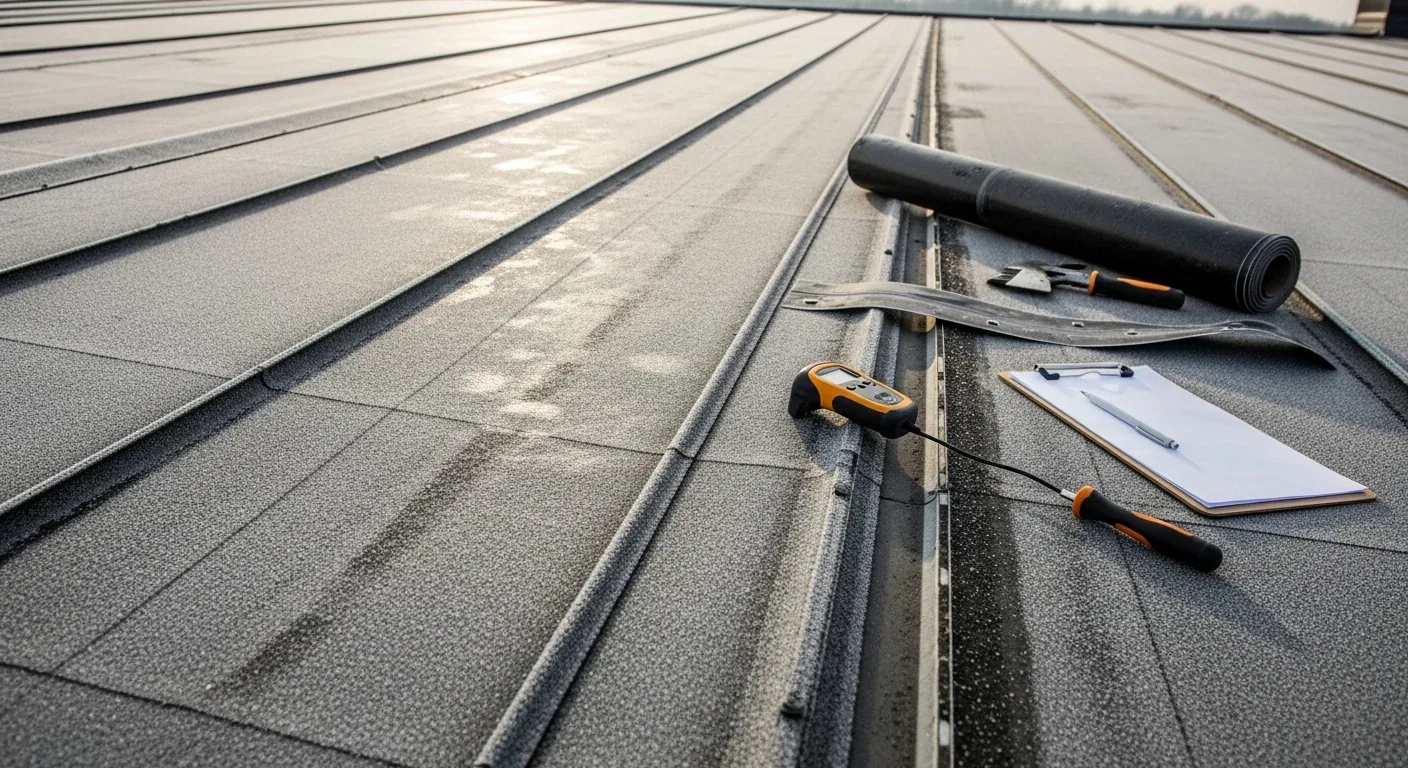
Photos show the joint, nearby surface, and direction of the lap. We note whether the roof was dry, wet, coated, or covered when inspected, because preparation and test conditions affect what can be evaluated. We use an interior stain to set the first route, then compare the seam above it with drains, curbs, wall transitions, and other possible entries. A leak investigation can compare the roof seam with the reported water path and list what remains uncertain.
Rock Hill's warm, humid Piedmont climate includes regular rain and a long warm season. Moisture exposure can affect roof performance, but climate does not identify the cause of one seam opening. We inspect the system and any previous repairs at the property. If the joint is hidden beneath a coating, ballast, or an overlay, the report identifies that limit and whether a test is useful.
Seam movement may occur near transitions, corners, penetrations, or areas subject to equipment traffic. We record the location and surrounding details rather than treating the seam as an isolated strip if connected attachment also appears loose. The repair boundary follows observed condition and sound substrate.
Use a Repair Method That Fits the Roof
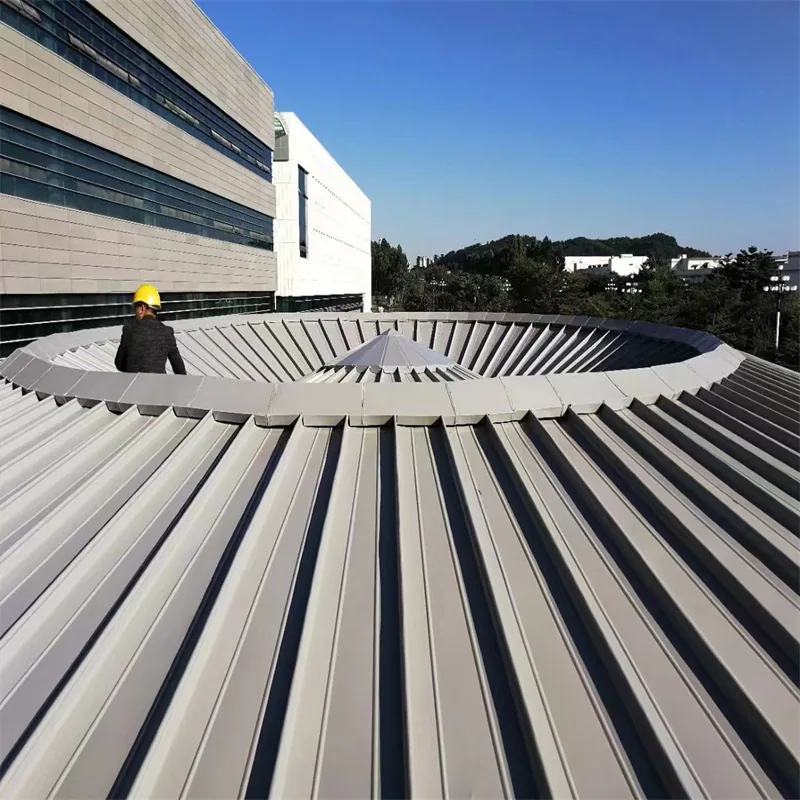
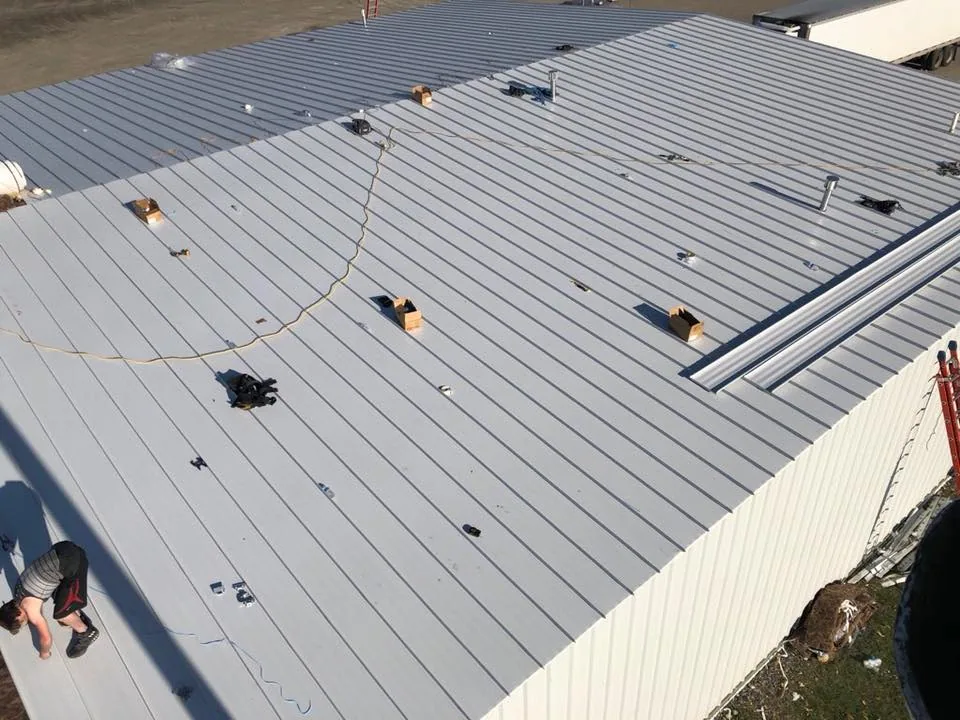
Heat-welded thermoplastic seams, adhered EPDM laps, bituminous joints, and standing-seam metal connections use different repair methods. We identify the system from visible evidence or records before selecting a patch. If the roof has been recovered or coated, the original assembly may not be clear from the surface. A test area can help confirm compatibility when that result would affect the proposed repair.
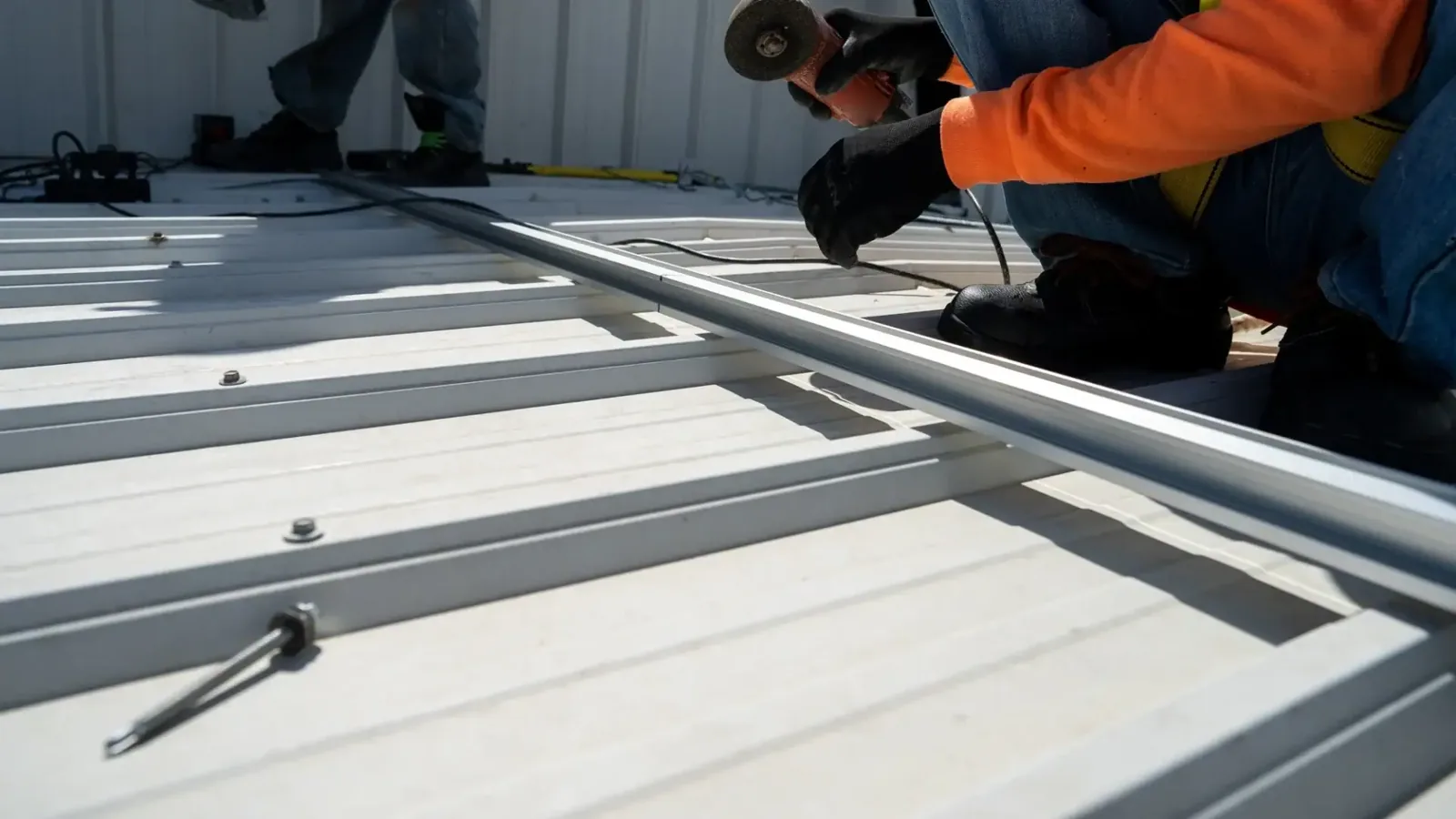
For thermoplastic membrane, preparation and welding conditions matter; for adhered systems, cleanliness, adhesive compatibility, and lap design matter. Metal seams require a different connection and may need evaluation of fasteners or panel movement. We do not recommend one universal sealant for every material. The proposal names the material, prep, seam length, edge treatment, and any adjacent flashing included.
If testing finds a contaminated or unstable surface, we prepare a larger repair area or propose a different method. A surface bead may cover a symptom without re-establishing the seam. If the substrate is wet or damaged, we document it and protect the opening while the owner reviews added work.
A commercial repair scope can restore a confirmed split within a defined zone. If water remains after a seam repair, additional drain or ponding-water review may be appropriate. A flashing-failure assessment covers the separate condition at a wall, curb, or roof edge.
Trace Any Interior Leak Separately
Water can travel beneath the membrane or along the deck before it becomes visible inside. We compare the seam's position with ceilings, walls, drains, curbs, and earlier repair notes. If an interior opening is needed, the property contact approves access and protection. We record moisture findings at the test point and identify other zones for sampling when they could change the repair decision.
We ask when the leak appears, whether equipment recently moved, and whether prior work crossed the same lap. That history helps distinguish a recurring detail from an unrelated source. If water entry remains uncertain, we report the evidence and next test rather than presenting the seam as a confirmed cause.
When a seam is actively open, temporary protection may be needed until permanent repair is ready. We define the protected area, check method, and limit of the temporary step. If rain interrupts the work, the crew closes the exposed area to the approved plan and records its condition.
Repair the Joint and Verify Its Limits
We prepare the surface, remove failed material as needed, reconnect the lap, and finish the edges with components compatible with the assembly. Repair length, detail count, access, safety, moisture, and staging affect cost and timing. The work order identifies the precise roof zone and whether adjacent seams or penetration flashing are included.
If the seam continues beyond the original boundary, we document the additional length and request approval before expanding the work. Removal that reveals wet insulation or a damaged deck changes the repair. We secure the opening and coordinate any substrate replacement or design review before new membrane covers the area.
Rock Hill and Fort Mill have commercial buildings along connected corridors, but the property's own records determine the seam system and maintenance history. An inspection does not infer the same assembly across separate locations. If the owner manages several sites, each receives its own condition map and repair record.
For broad membrane wear or repeated seam failures, the owner may compare isolated repairs with a larger restoration. A replacement or recovery evaluation should include material compatibility, attachment, drainage, and edge tie-ins. We identify what evidence supports that discussion without turning one open joint into a whole-roof conclusion.
Keep Seam Repairs Traceable
Closeout records the seam location, repair length, material, preparation, photos, test results, and any area that could not be reached. If the roof plan is available, we can mark the repair zone for future checks. The record separates a completed seam repair from a nearby joint that was not included.
Where a seam intersects a curb, drain, or roof edge, we record that adjoining transition even if it is not part of the approved repair. This gives the owner a clear next inspection point without implying that the neighboring detail was opened or corrected.
A maintenance inspection can revisit seams, curbs, drains, and perimeter details after later equipment work or weather exposure. Share prior repair dates, leak logs, roof plans, and access limits before that visit. We will identify whether a reported condition is at the same joint or a new area.
York County's weather history includes severe storms, but each roof finding must be observed directly. We document visible condition and changes since the last available record. That creates a useful basis for the property manager to prioritize repairs and decide if additional testing is needed.


Questions About Commercial Roof Seam Failure Repair
The cause depends on membrane type, installation, movement, surface condition, equipment activity, and previous repairs. We inspect the joint and surrounding assembly before selecting a repair method.
A localized repair may work when the seam and adjacent material can accept a compatible connection. Repeated failures or broader deterioration may warrant additional testing or renewal options.
We compare the reported room and timing with the roof detail and trace the likely water path. The report identifies whether the source is confirmed or if more access or testing is needed.
Provide roof plans, system records, photos, prior repairs, leak locations, equipment work, and access instructions. These details help set the repair length and compatible materials.
Repair a Split Commercial Roof Seam
Send the affected roof zone, leak report, roof system information, prior repairs, and access rules. We will inspect the joint and define a compatible repair with a documented boundary.
