Inspect commercial roofs after high winds, document displaced components, and define safe stabilization and compatible repair scopes.
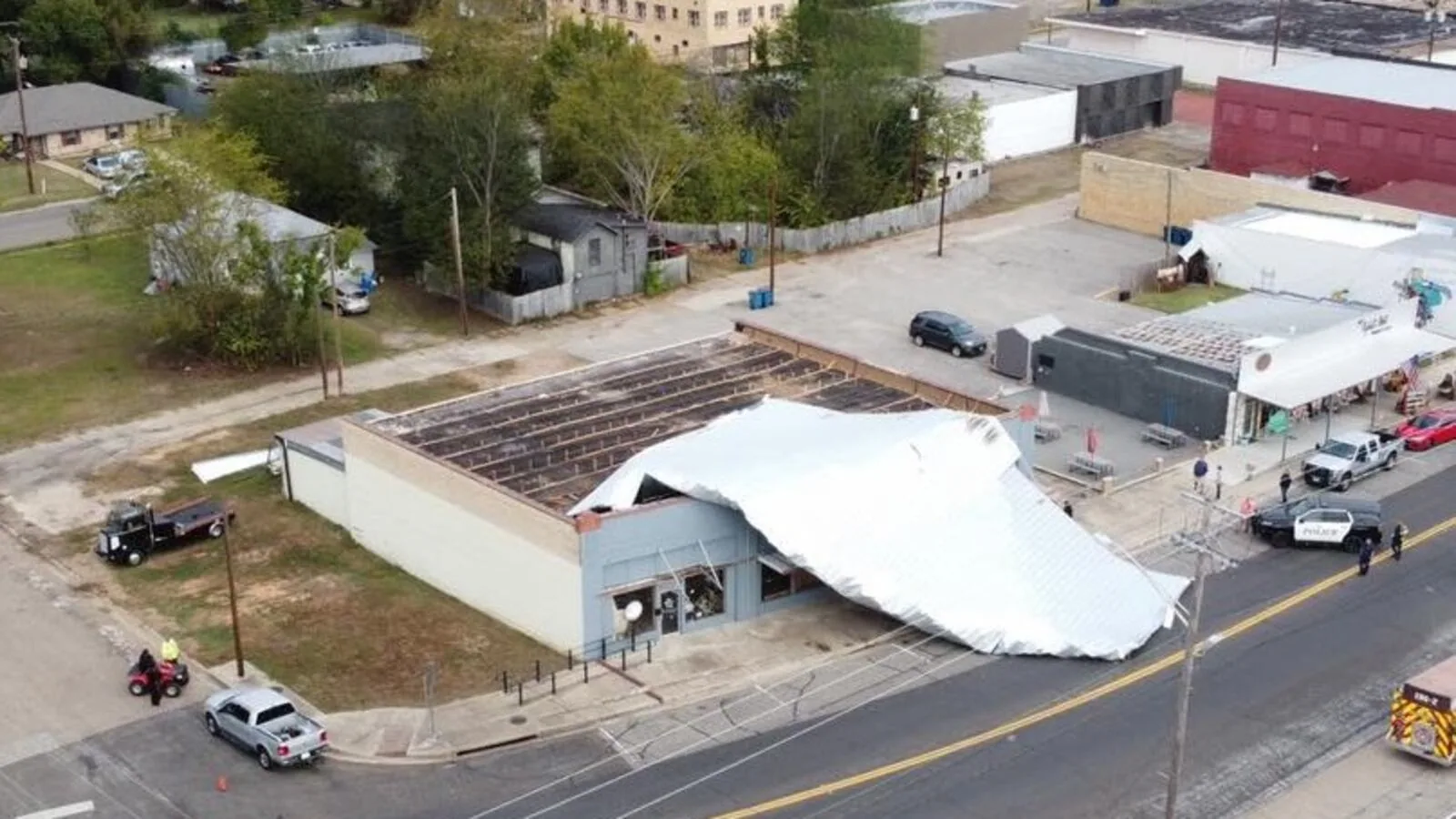
After high winds, a loose edge or lifted membrane can expose the roof even when the damage is difficult to see from the ground. We inspect accessible areas, document displaced details, and define temporary protection or repair around the conditions found. York County lies within the western Carolinas severe-weather region, and the 2011 tornado that crossed Chester and York counties is part of its local record. We coordinate wind-damage inspections near downtown Rock Hill or Riverwalk Business Park with the property contact and safe access plan.
Inspect Roof Areas Exposed to Wind
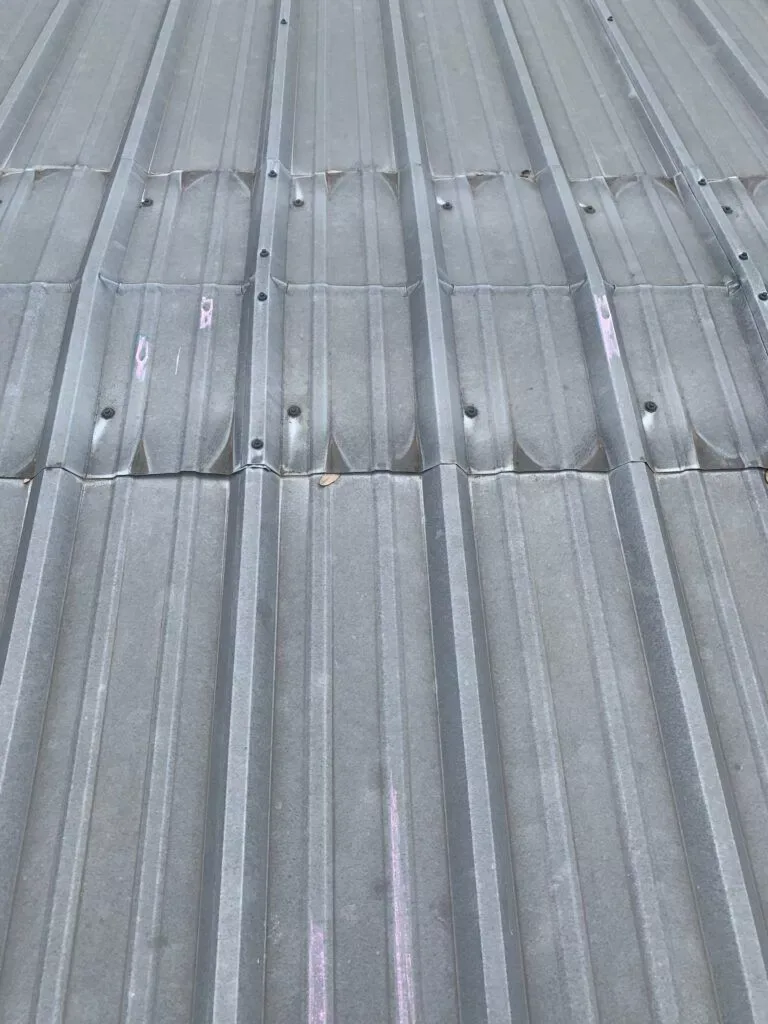
We begin with the reported event, affected rooms, roof plan, prior repair history, and any safety restrictions. The inspection looks for lifted perimeter metal, loose coping, displaced flashing, opened seams, punctures, and equipment or rooftop accessories that shifted. A commercial roof inspection records what can be reached and which areas remain outside the inspection boundary. Findings are tied to the roof zone instead of generalized to the full property.
Wind pressure can affect corners, edges, penetrations, and transitions differently from the field of the roof. We examine attachment and nearby material around visible displacement, then check whether water could enter through a lifted detail. A component that appears loose from the ground may still be attached; a concealed separation may not be visible without closer access. We document observed movement and avoid naming a failure mode that the inspection did not establish.
Rock Hill's business and industrial districts include mixed-use and large-roof properties, from downtown redevelopment to Riverwalk. The building type does not indicate its fastening pattern or wind resistance. We verify the membrane or metal system and note repairs or overlays that may change how the affected area connects to the surrounding assembly.
When access is unsafe because of wind, wet surfaces, or debris, inspection pauses until conditions allow it. The report states the limit and identifies the next safe opportunity. A ground view or aerial image can help identify a concern, but it does not substitute for hands-on confirmation of attachment or concealed damage.
Protect Open Areas Before Permanent Repair
If a membrane is lifted or an opening is exposed, the first work is to secure the area against further water entry. We identify the size of the exposed section, the material needed to cover it, and how it will be checked until permanent work can proceed. Temporary stabilization is limited to the stated zone and condition. It does not certify unaffected roof areas or resolve damage hidden below the surface.
Before installing a cover or making a test opening, we coordinate access, staging, and interior protection with the authorized facility contact. If water has reached occupied rooms, stock, or equipment, the property team can identify sensitive areas and the route for interior access. We document when a temporary measure is installed and what conditions may require another visit.
A urgent roof response can address an exposed condition when access and weather permit. Response timing depends on crew availability, site safety, material, and the scope required; no inspection can promise a specific arrival. We will explain what can be stabilized and what needs a separate permanent repair proposal.
If removing loose material reveals wet insulation or damaged decking, the crew protects the opening and records the boundary. The owner or authorized representative reviews additional work before it extends beyond the approved area. This keeps urgent coverage separate from a larger restoration decision.
Trace Wind-Driven Water and Drainage Paths
Wind-driven rain can enter through a weak transition, but an interior stain alone does not identify where water entered. We compare the affected room with seams, drains, curbs, parapets, skylights, and roof-to-wall details. A leak investigation documents the path checked and whether the roof entry is confirmed, probable, or unresolved. If a test opening is useful, we define its location and closure steps first.
We inspect drain bowls, scuppers, gutters, and overflow routes for debris, separation, or movement associated with the reported event. A blocked outlet differs from a failed membrane connection or a low roof area. Cleaning and repair remain separate line items. At edges, we check coping, metal attachment, sealant, and membrane termination where wind can place stress on connections.
Rock Hill's warm, humid Piedmont climate brings regular rainfall, so weather-ready closure matters during any repair. After reported wind, inspect perimeter attachment, edge metal, field seams and debris marks on the building before defining repairs. We document evidence at the property and state which roof zones could not be reached.
After a reported event, compare current photos with prior inspection records when available. A prior patch, open seam, or loose edge may predate the event. We note distinctions supported by the available record rather than assigning cause based on timing alone.
Match Wind Repairs to the Existing Roof System
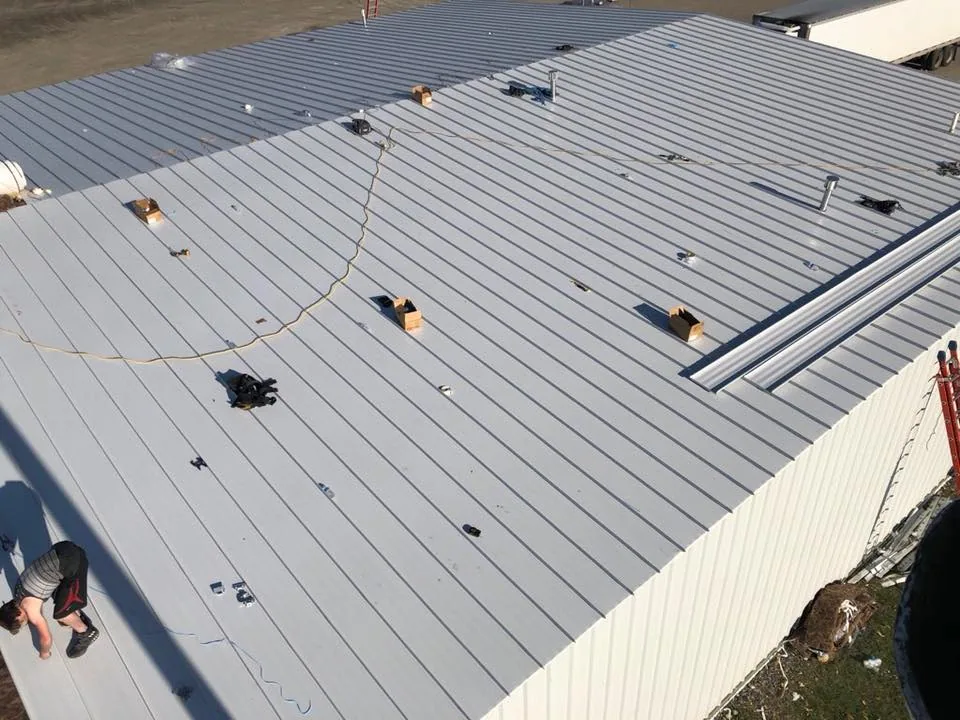
Repair materials and attachment should match the identified assembly. TPO, PVC, EPDM, bitumen, metal, and coated roofs require different surface preparation and connection details. We verify the material from available records or exposed edges before specifying a patch, flashing, or replacement component. A previous overlay can obscure the original roof, so we identify that uncertainty if it affects the repair choice.
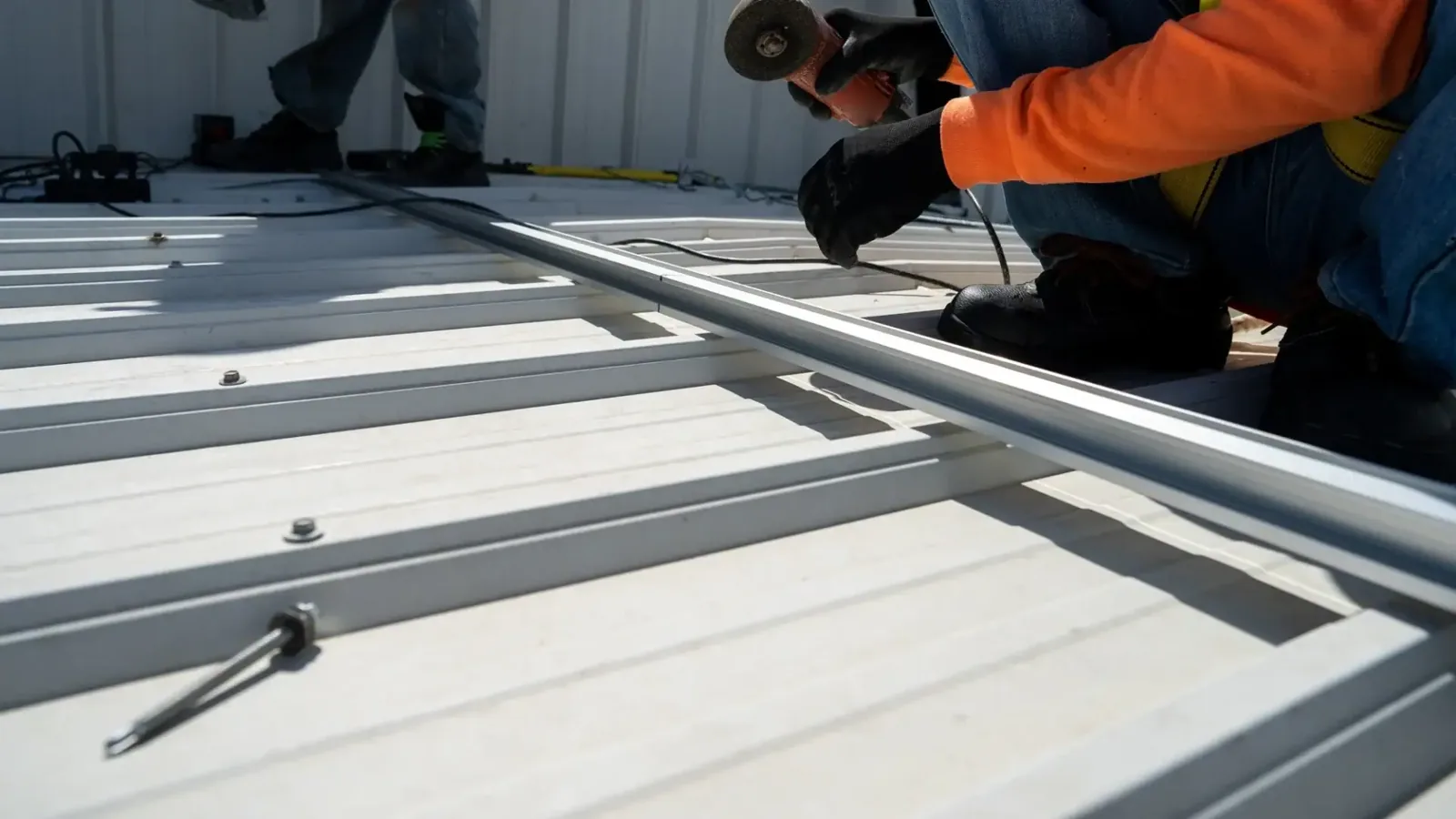
The proposal names the affected zone, preparation, fastening or bonding method, edge connection, drainage details, access, protection, and closeout. A perimeter metal repair may be needed when coping or edge metal has shifted. If membrane and metal details connect, the scope should define both sides of the transition instead of stopping at the visible tear.
A commercial roof repair can address confirmed damage within the approved area. The repair is not represented as a whole-roof warranty unless the written terms say so. If inspection finds repeated attachment issues or widespread deterioration, we explain what broader testing or renewal planning would be needed.
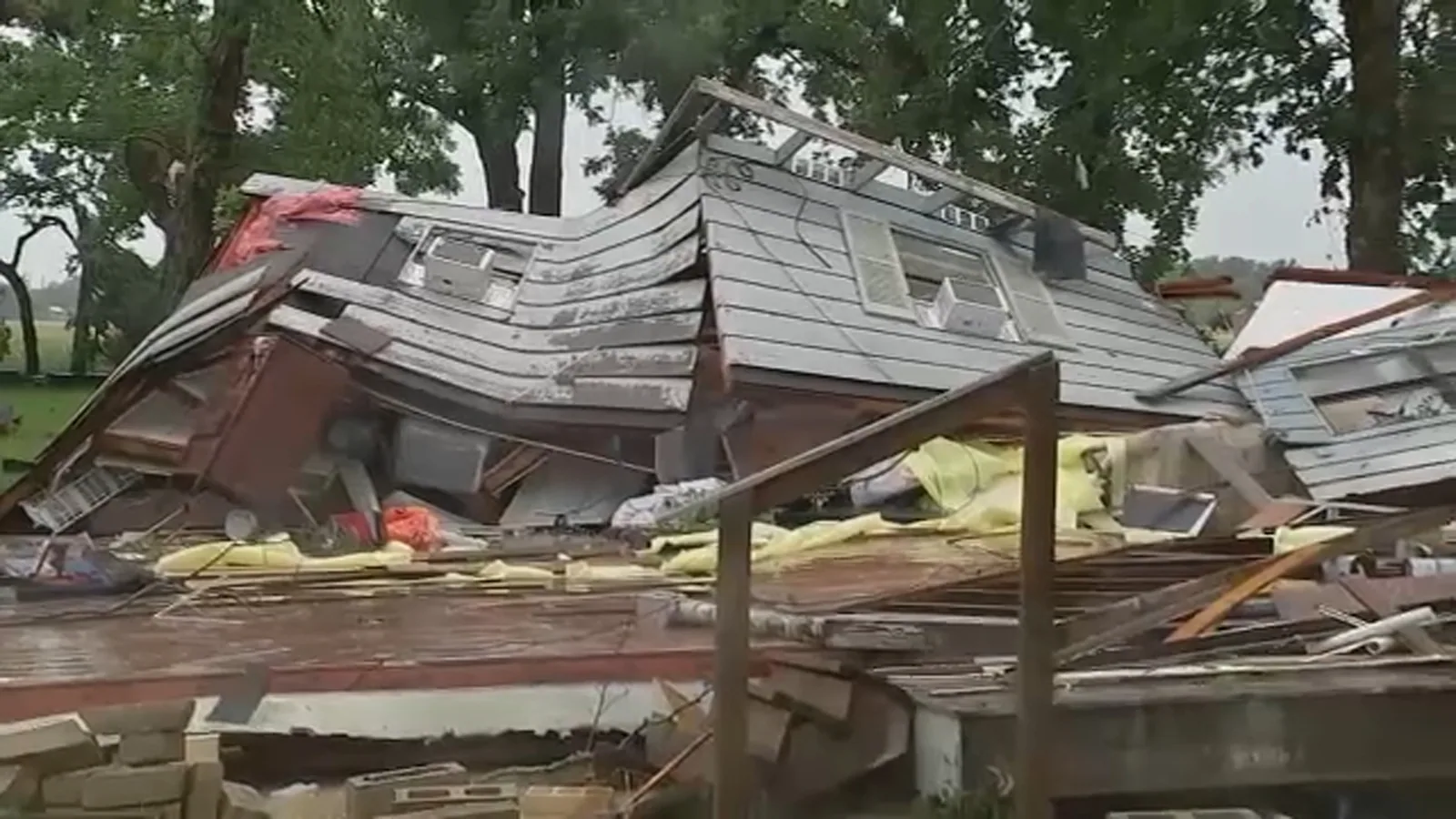
Wind damage may occur alongside hail, falling debris, or water entry. A separate tornado-damage assessment or hail-damage inspection can focus on those conditions. We keep the scopes distinct so an observed roof defect is not automatically attributed to one event or grouped with unrelated wear.
Coordinate Access, Repairs, and Documentation
Roof work may affect a tenant entrance, loading lane, public path, equipment access, or occupied room. We confirm where ladders or lifts can be placed, which routes must remain open, and what interior areas need covering. A phased work plan can identify roof zones and closure checks when the building remains in use. The property contact manages notices and authorizes changes to the work area.
Closeout notes identify the event reported, inspection date, roof zones reached, visible conditions, temporary measures, repairs, materials, photos, and remaining questions. This helps an owner compare later leaks with the original condition. If a section was unsafe or inaccessible, that limitation stays in the record.
Share roof plans, prior work, leak reports, and access restrictions before the inspection. We will document what the roof supports, describe the repair boundary, and explain where another test, design review, or broader renewal discussion may be appropriate. The next step follows the condition found, not a blanket assumption about every roof after wind.


Questions About Commercial Wind Damage Roof Repair
We inspect accessible edges, corners, seams, penetrations, curbs, drains, and metal transitions tied to the reported concern. The report lists areas reached and any section that remained unsafe or inaccessible.
Temporary stabilization can protect a defined opening when site and weather conditions allow. We document its location and limits, then outline any additional inspection or permanent repair needed.
The event provides context, but the roof must be inspected and compared with available records. Photographs, field marks and maintenance records help separate fresh movement from wear that began before the storm.
Timing depends on current crew availability, site safety, weather, and the work needed. We can discuss urgent stabilization once the property, access, and exposed area are understood, without promising a specific arrival time.
Request a Wind-Damage Roof Inspection
Share the reported event, affected areas, roof plan, prior repair records, and access rules. We will inspect accessible conditions and define temporary protection or repair based on the evidence found.