
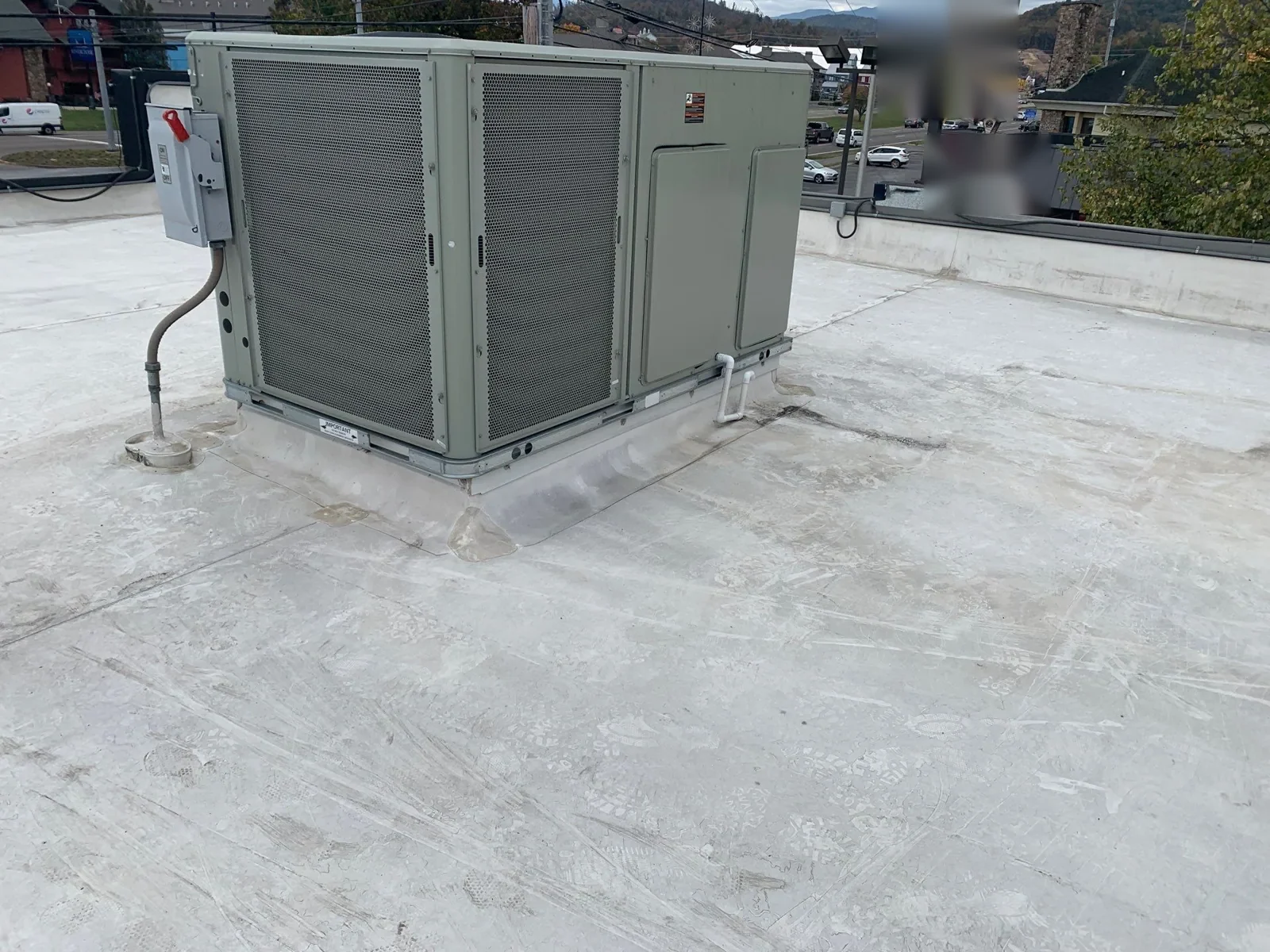
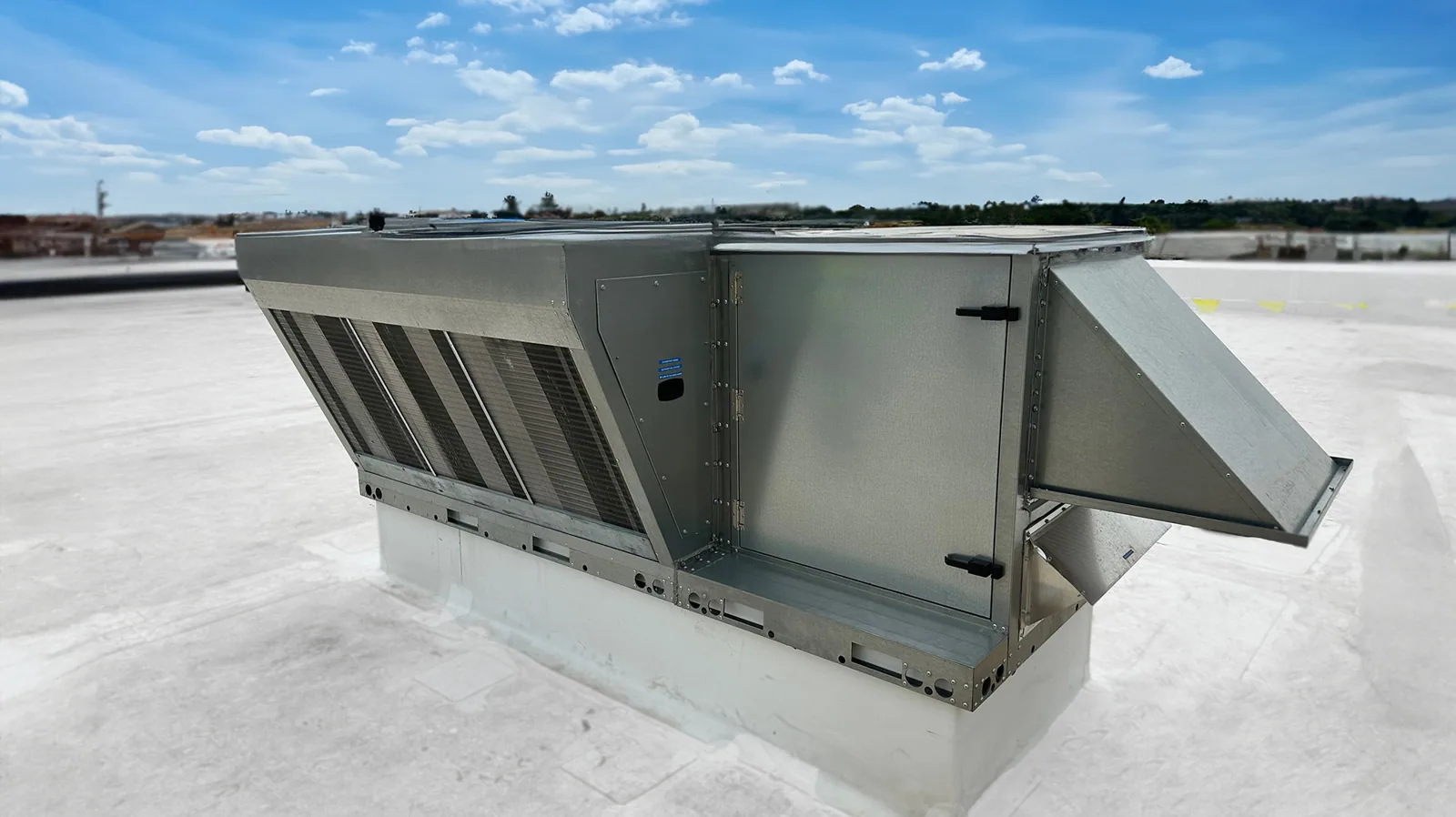
Inspect commercial roof flashing at walls, curbs, drains, and edges, then repair the verified transition with compatible materials.
Flashing is the connection that keeps water from entering where a roof meets a wall, curb, drain, or other interruption. If that transition separates or moves, the symptom may appear inside far from the detail. We inspect the affected zone, identify the roof system, and define a repair that reconnects the transition. Rock Hill's commercial districts include Cherry Road and Dave Lyle Boulevard, where different buildings require property-specific inspection and access planning.
Locate the Failed Transition
We inspect the flashing area named in the report and adjacent roof material for open seams, loose metal, failed sealant, movement, or prior patches. A failed curb flashing, parapet counterflashing, pipe boot, and drain connection require different details. We identify what is visible and state if the likely water path still needs testing. A commercial roof inspection can map the accessible transitions without extending findings to an area not reached.
An interior stain can help locate a zone but may not sit below the opening. Water may track along insulation, a deck, or a structural member. A leak investigation compares the indoor report with the roof transition and records whether entry is confirmed. Before opening a wall or roof, the owner approves the location and closure method.
Rock Hill has a warm, humid Piedmont climate with regular rainfall. Inspect roof-to-wall transitions and curb details for movement, split sealant, open laps and water tracks to locate the failed flashing. York County is included in severe-weather and tornado records. After a storm concern, we look for actual movement or opening at the property and distinguish storm evidence from older deterioration where records permit.
Photographs should show the failed detail, surrounding material, and the direction water could travel. If the edge or wall connection is concealed, the report notes the obstruction and whether access from another trade is needed. We avoid assigning a cause from sealant age or surface appearance alone.
Check Walls, Curbs, Penetrations, and Perimeters
At a parapet, we inspect coping joints, counterflashing, fasteners, terminations, and the roof membrane. At a mechanical curb, we look at the base corners, flashing height, attachment, and nearby seam. Pipe boots and conduit openings have different shapes and materials. We identify which components are included so the repair does not stop before it reaches a sound connection.
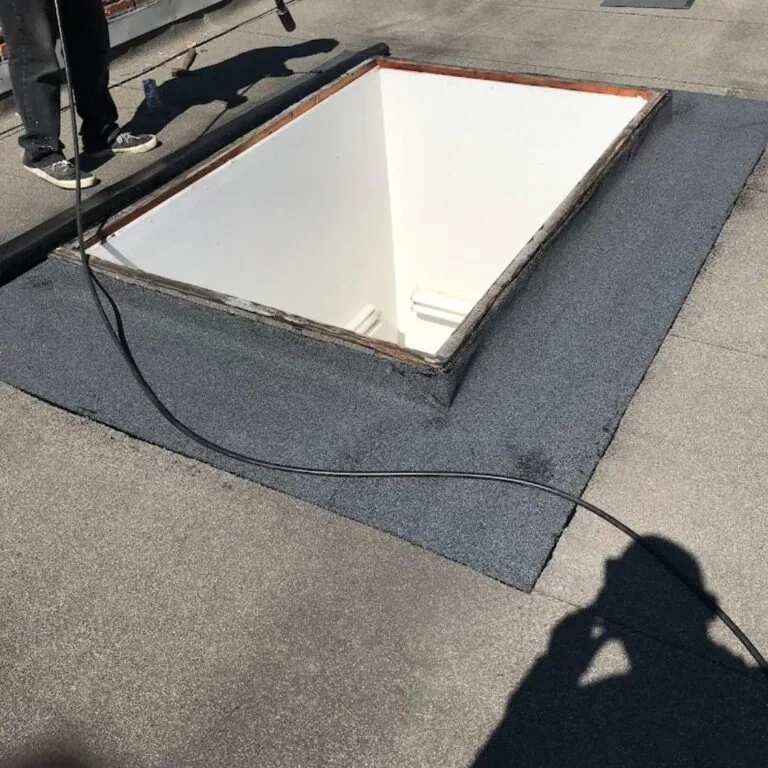
Roof drains and scuppers also have flashing interfaces. We check the membrane tie-in, bowl or metal condition, and visible outlet route. A penetration-flashing scope may address a roof opening at a skylight or pipe when that detail is the confirmed source. Any unit movement, pipe work, or wall modification is coordinated with the responsible contractor.
Existing systems can be TPO, PVC, EPDM, bitumen, metal, or a coating over another surface. We confirm the material from field evidence and available records before selecting an adhesive, weld, primer, or metal component. Previous overlays can cover the original flashing and change the connection. When identification remains uncertain, we state whether a test is warranted.
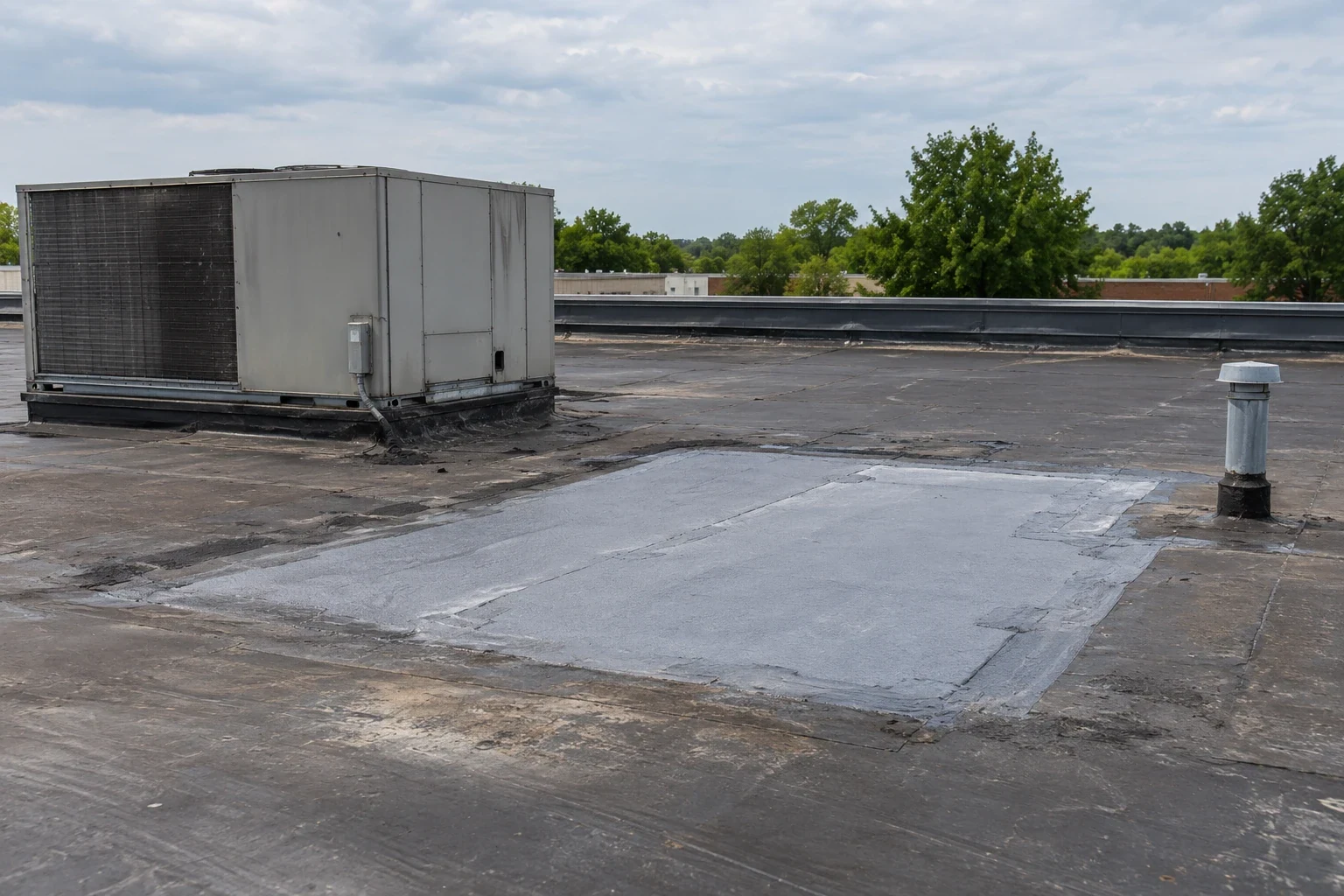
A maintenance sealant bead is not a substitute for an attached flashing detail. We inspect the substrate, fastener condition, laps, and tie-in around the problem area. If a repair requires a new metal profile or a larger membrane patch, the proposal states its limits and adjacent work.
Trace the Water Path and Protect the Interior
We compare the roof transition with stains, ceiling marks, wall conditions, and drainage routes below. The affected area may include one room or a larger tenant zone. The property contact identifies furnishings, equipment, customer paths, and any sensitive interior space that needs covering. If a test opening is necessary, we agree who provides access and how the finish will be closed after testing.
When flashing has lifted, water can enter behind the membrane or flow under a metal edge. A visible gap shows an opening, but concealed wet insulation may extend beyond it. We document the removal boundary and review any expanded area with the owner before proceeding. Fit temporary protection to the opening, then inspect nearby transitions before setting the permanent repair boundary.
Rainfall is regular in the Rock Hill Piedmont, so a secure end-of-shift closure is part of repair planning. If weather interrupts, the crew protects the exposed area and documents the temporary condition. A report can note whether interior access was possible during the visit or if the water path needs another observation.
Reconnect Flashing With Compatible Materials
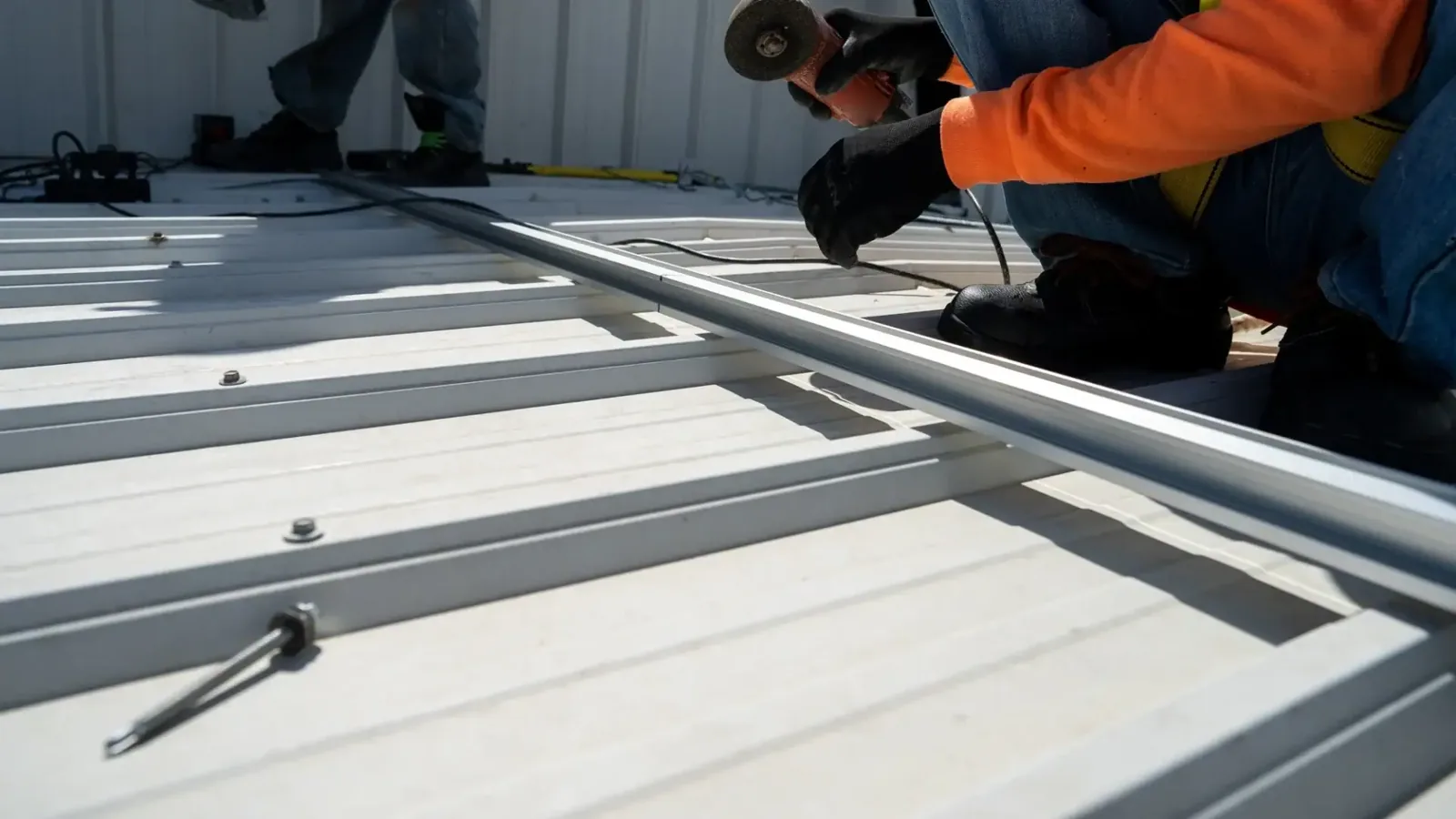
The repair method follows the roof system and the failure point. We prepare the substrate, remove material only as needed, secure or replace loose components, and tie the new detail into sound surfaces. A commercial roof repair describes the work area, materials, attachment, flashing, and closeout. If the edge or metal coping is part of the defect, a perimeter-metal repair can be defined as part of the same coordinated scope.
Cost and timing depend on flashing length, corners, substrate, roof access, protection, and concealed damage. If the roof is coated or layered, preparation may require additional verification. We do not promise that surface sealant alone will correct a failed attachment or a hidden condition. The proposal states what is removed and what remains in place.
If removal exposes wet insulation or deteriorated deck, we secure the roof opening and ask the authorized contact to review the added boundary. Deck replacement, structural work, interior ceiling repair, and mechanical service remain separate unless included in writing. The repair report should distinguish the completed flashing connection from adjacent areas that were not opened or tested.
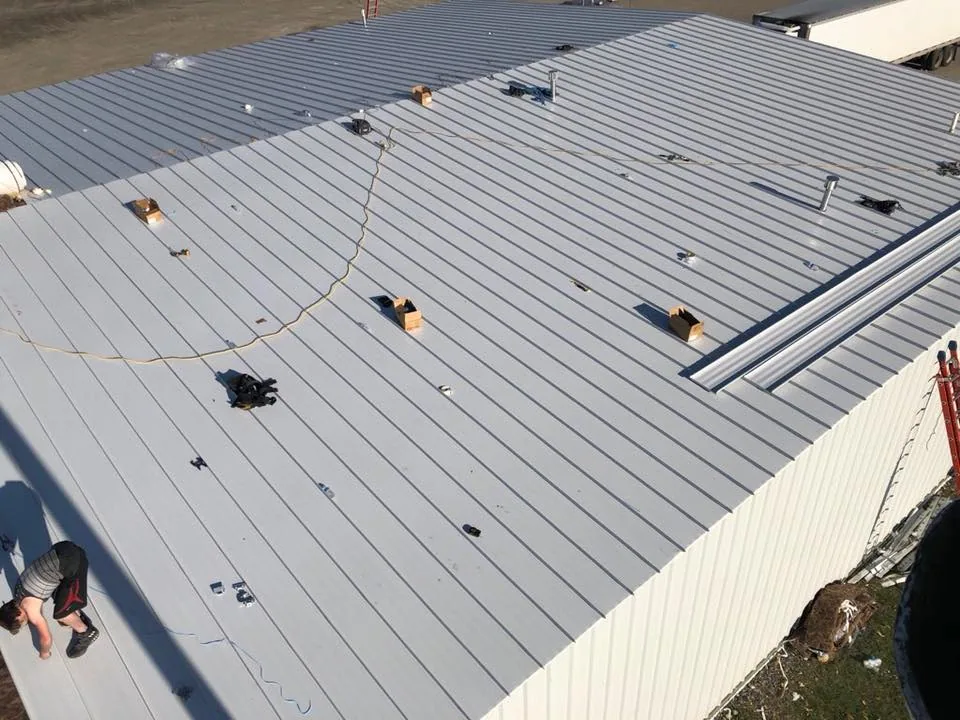
Where seams are also split, a seam-failure assessment can describe that separate condition. If high winds displaced metal or membrane, a wind-damage inspection can document the broader event-related scope. Each finding stays connected to observed evidence.
Coordinate Work Around Building Operations
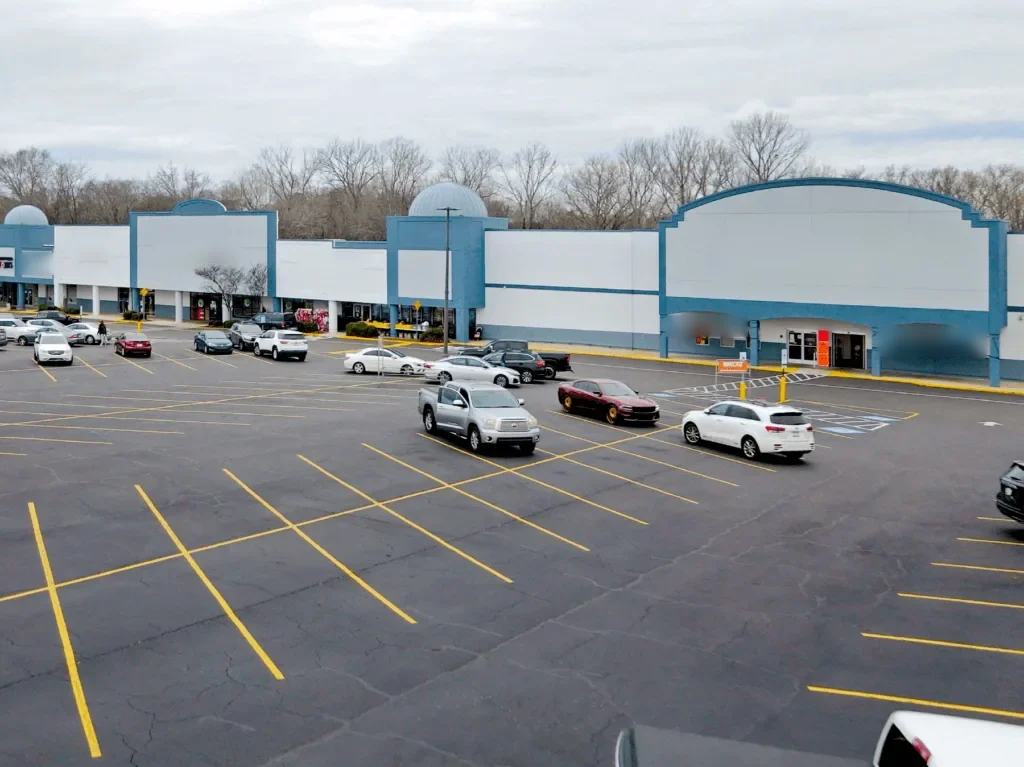
Roof access may pass through tenant space, a secured hatch, a loading area, or an active public entrance. We confirm the route, staging area, lift location, hours, escort needs, and protection below with the building contact. If the repair takes place above an occupied room, the team identifies whether temporary relocation or a barrier is needed.
A phased sequence may keep some areas operating while flashing is repaired in another zone. The order depends on weather, material preparation, access, and the extent of removal. We set the work boundary and closure steps before mobilization. If the field condition expands the repair, we document it and confirm the change with the authorized owner.
At closeout, photos show the repaired transition and surrounding roof surface. Notes record the material, location, work performed, and any test or access limit. A later maintenance visit can compare that detail with new leak reports or adjacent construction.

Questions About Commercial Roof Flashing Failure Repair
Flashing appears where a roof meets walls, curbs, pipes, drains, skylights, or perimeter metal. We identify the detail tied to the reported condition and check its connection to the surrounding roof system.
A localized repair may be suitable when surrounding material and attachment remain sound. If the failure repeats or concealed damage is widespread, we explain what additional testing or broader scope should be considered.
Water can travel under a roof layer, along a deck, or beside framing before reaching an interior surface. We compare the reported area with roof details and document what is confirmed and what remains a possible route.
Share leak locations, roof plans, prior repairs, equipment or wall work, access rules, and interior restrictions. Those details help identify the transition and protection needed before removal.
Repair a Commercial Roof Transition
Share the leak location, roof plan, prior flashing work, recent equipment or wall changes, and access rules. We will inspect the affected transition and define a compatible repair scope.
