
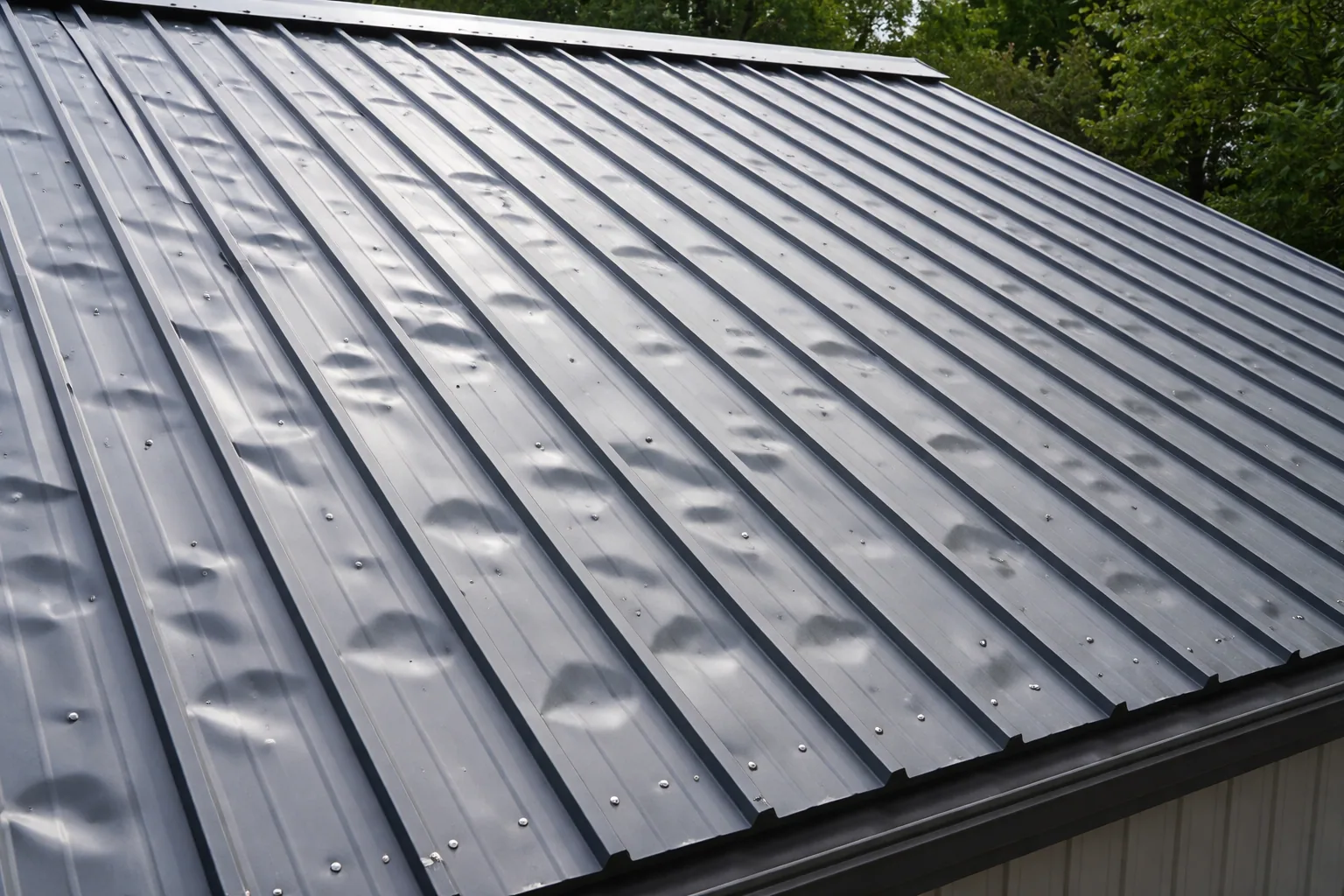
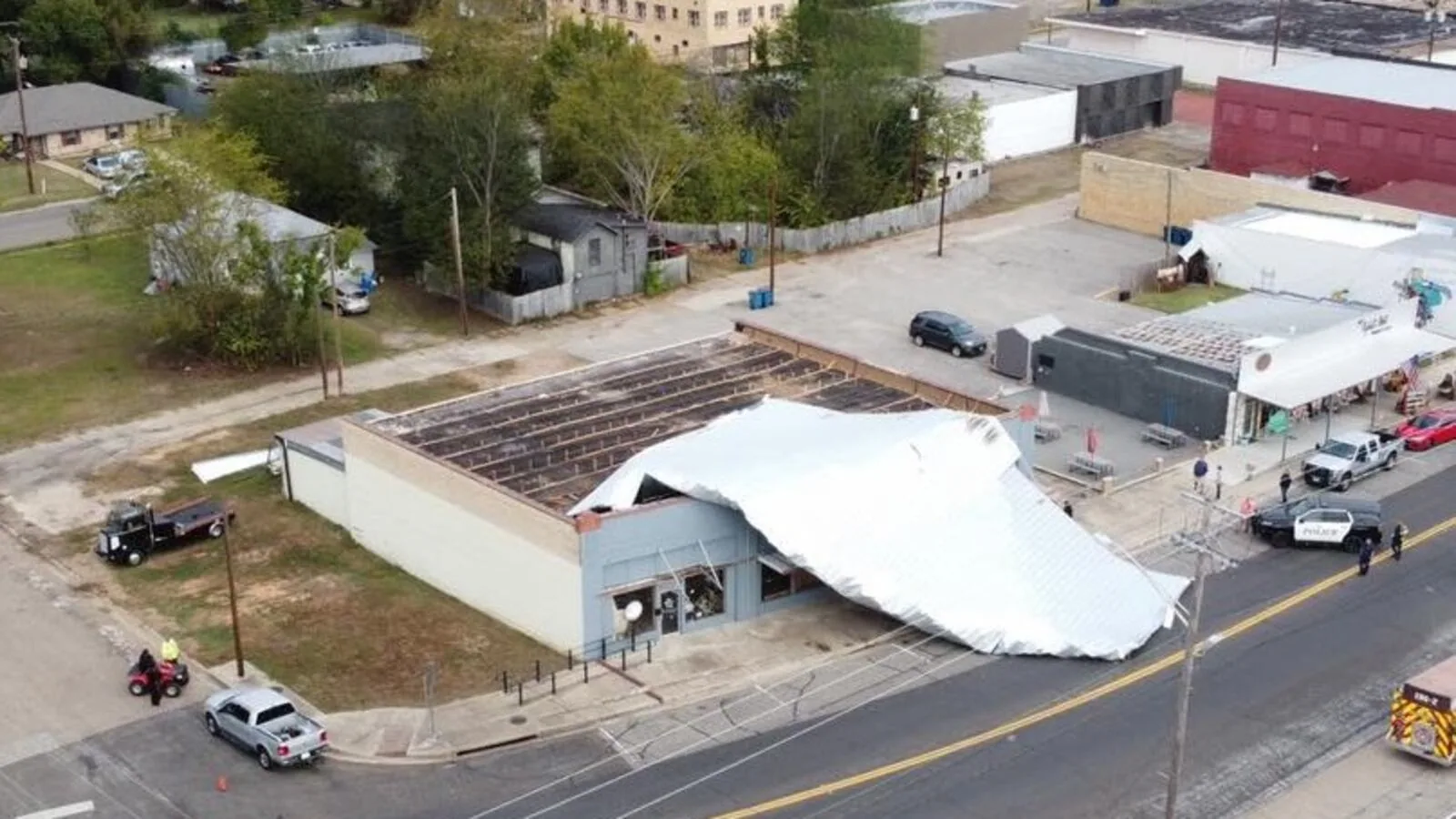
Inspect commercial roofs after hail reports, document observable impact conditions, and define repair or testing based on the roof system.
After a hail report, a commercial roof needs an inspection that distinguishes visible impact from ordinary wear, prior repairs, and unrelated leaks. We document accessible surfaces and details, identify the roof material, and define what the findings support. York County is within the western Carolinas severe-weather area, so a reported hail event calls for a property-level roof walk and photos. We serve broad communities including York and Chester, coordinating access with each property contact.
Inspect the Surface and Associated Details
We review the reported event date, roof plan, maintenance record, previous claims or repairs, and any photos from before the event. The roof inspection checks membrane, metal panels, edge details, penetrations, curbs, skylights, and equipment in the accessible zone. A commercial roof inspection documents what is visible and where access or testing was not possible.
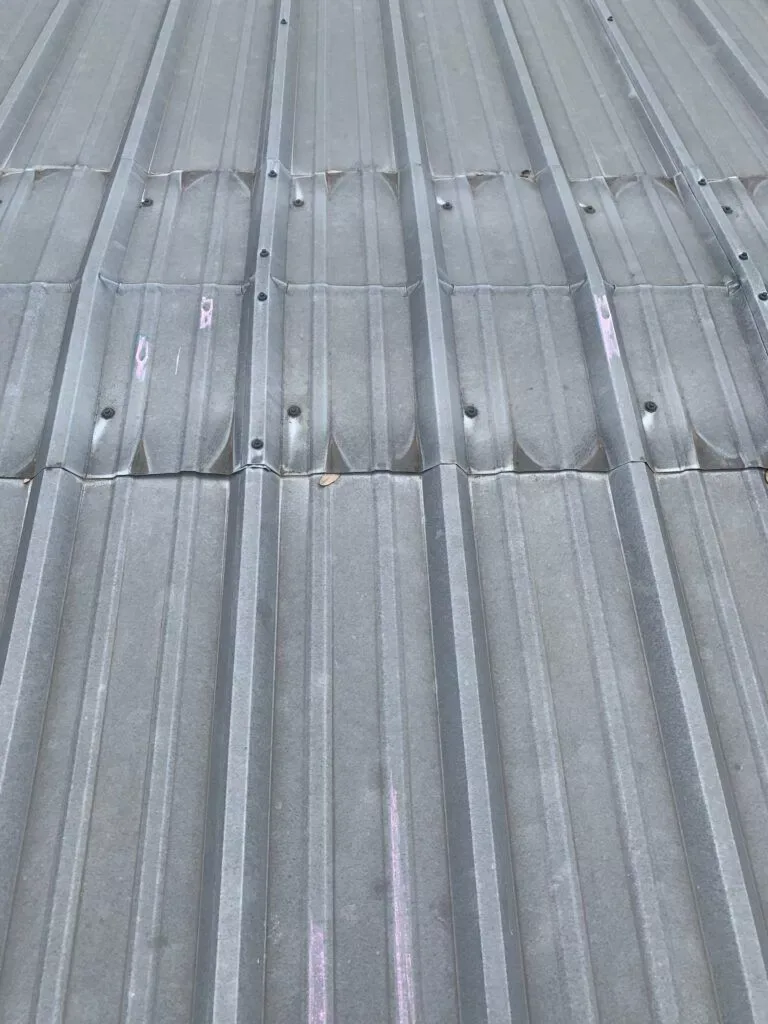
Record each dent, cut or puncture, then test membrane integrity and trace any water entry before setting the repair boundary. We examine whether the material is fractured, punctured, displaced, or still intact. The report connects each observation with its location and nearby conditions instead of using a general statement about the whole roof.
York County has a documented severe-weather history, including hail and tornado risk; after a reported event, inspect metal edge details, seams and penetrations. The records establish regional possibility, not event-specific impact at one building. We do not infer damage from a storm date alone. The actual surface and details must be inspected, and any uncertainty remains stated.
Hail size and direction, roof height, shielding, and the material's age can affect what a field check reveals. We record the exact surface and detail examined rather than using a generalized severity label. If multiple buildings share a site, each roof area is identified separately in the record.
If roof access is unsafe due to wet material, debris, or active weather, the inspection pauses. Ground imagery may assist with planning but cannot show whether a hidden membrane layer is compromised. The property receives a record of the areas reached and any follow-up access needed.
Distinguish Impact Marks From Roof Failure
Surface marks can reflect hail, foot traffic, manufacturing texture, repairs, or normal weathering. We compare the questioned area with surrounding roof zones and similar materials. For metal, we document denting, finish damage, loose seams, or panel displacement. For membranes, we check for cuts, punctures, cracked coating, exposed reinforcement, and changes at seams or flashing.
Impact evidence may be visible without a leak, while water can enter through a different opening. If an interior stain is reported, a leak investigation traces the path separately and determines whether the suspected impact aligns with the water route. A test opening or moisture survey is discussed only when it can answer a specific question.
Previous maintenance and repair records matter. A patched area, old blister, or open seam may predate the hail report. We compare available records with the current condition and identify where the history is missing. The report separates what is observed from whether the condition is new or storm-related, which may require additional evidence.
Rock Hill's warm, humid Piedmont climate includes regular rainfall. After rain, trace the water path and compare it with impact marks, open seams and wet insulation before attributing the leak to hail. We document timing and physical condition without making an insurance coverage conclusion.
Protect Any Confirmed Opening
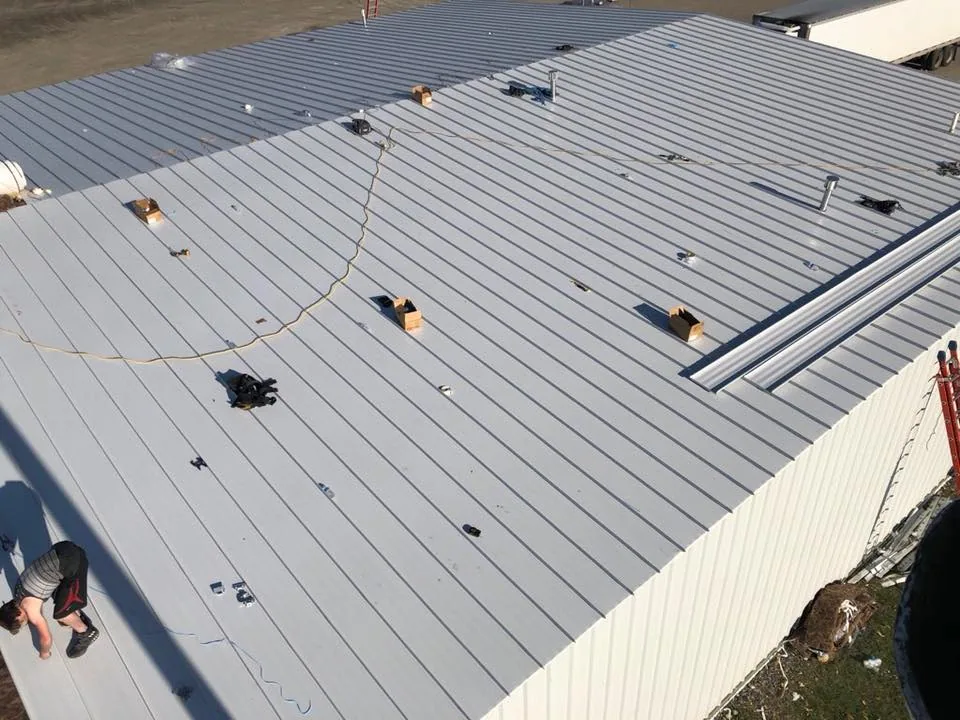
If inspection confirms a puncture or open transition, temporary protection can limit further exposure while a permanent scope is prepared. We define the area covered, how the temporary measure is secured, and its limitations. A cover over one zone does not demonstrate that adjacent roof sections are unaffected.
Before removal, we coordinate roof access, interior protection, equipment or inventory exposure, and closure steps with the authorized contact. If the damaged assembly extends below the membrane, removal may reveal wet insulation or a weakened deck. We document the boundary and request approval before expanding the repair area.
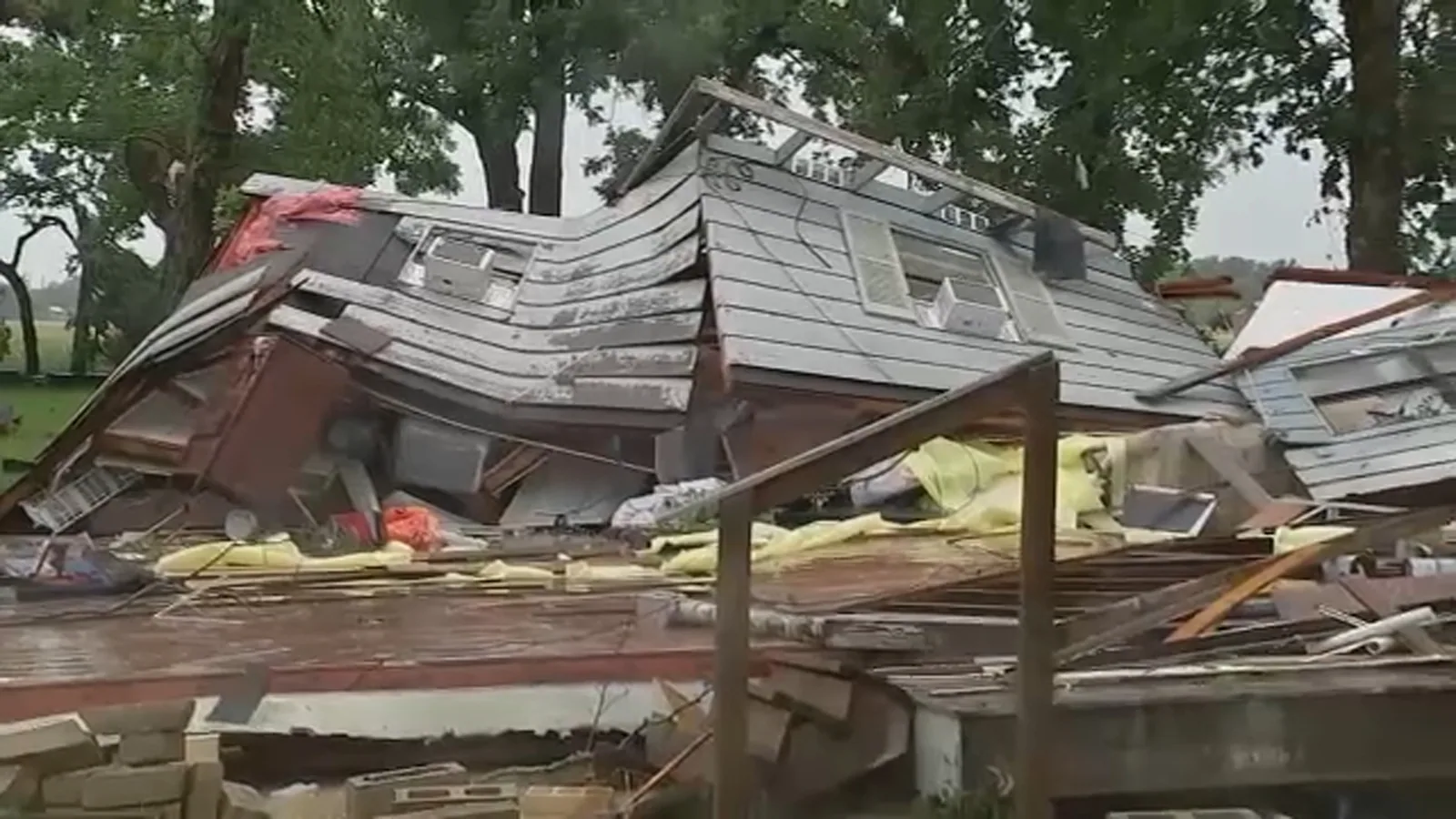
For broader wind effects after the same event, a wind-damage assessment can record displaced edges or opened seams. If a tornado is reported nearby, a tornado-damage review addresses the different impact and debris questions. Each finding remains tied to what is observed at the building.
Match the Repair to the Roof System
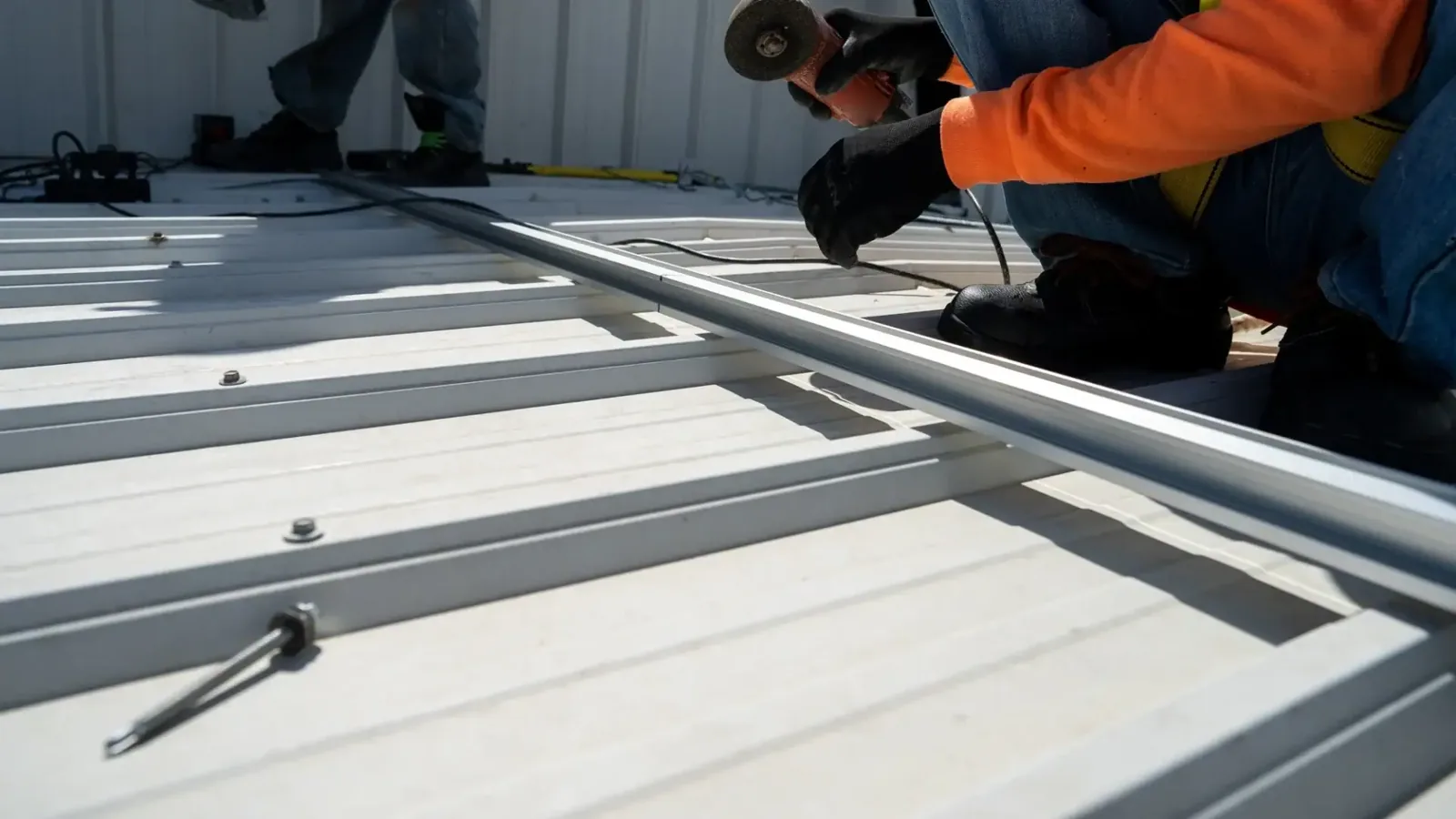
We identify whether the roof is TPO, PVC, EPDM, bitumen, coated membrane, or metal before selecting a repair. A compatible patch requires appropriate preparation and attachment. If an overlay hides the original layer, we identify the uncertainty and discuss whether a test can change the material choice.
A commercial repair scope lists affected areas, preparation, materials, flashing, access, protection, and closeout. Cost and timing depend on puncture count, repair size, material, roof access, interior protection, and concealed conditions. A proposal distinguishes permanent repair from temporary stabilization and does not include unrelated work unless stated.
If testing shows widespread coating failure or repeated punctures, additional evaluation may be needed before deciding between localized repair and broader restoration. We explain the evidence, the areas inspected, and the limits of any conclusion. A repair at one panel or membrane zone is not represented as a roof-wide certification.
Hail can occur with wind and heavy rain. At edge metal, penetrations, and drains, we check for related openings without assuming each condition came from hail. If several details are affected, the repair plan can group them by roof zone and specify the sequence that protects the building while work proceeds.
Keep the Inspection Record Evidence-Based
Photographs should identify the roof zone, material, mark, and surrounding surface. A report can include measurements, accessible areas, prior repairs, and tests performed. If an area was concealed or unsafe, that limitation remains visible. The inspection describes physical conditions and proposed roofing work, while the policyholder and insurer determine claim questions.
A claim documentation service can organize roof observations and scope information for the owner's claim process. It does not promise a coverage decision or payment. We provide the field record to parties authorized by the owner and keep proposed work distinct from any determination about cause.
Share the event date, roof plan, maintenance history, leak reports, equipment work, and access rules before the inspection. That information helps compare the current surface with previous conditions. A property manager can then decide whether to request additional testing, a repair, or another professional review.
York County's severe-weather geography makes timely inspections useful after a reported event. The building-specific result still depends on access and physical evidence. We will state what is confirmed, what remains uncertain, and which next step would answer the open question.


Questions About Commercial Hail Damage Roof Repair
No. The report provides regional or event context, while the roof must be inspected for physical conditions. We document observable evidence and identify areas that were not reached.
Some visible marks do not compromise the roof, while other damage may create an opening. We inspect the material and details and relate any reported leak to a separate water-path evaluation.
The inspection documents roofing conditions and a proposed scope. Coverage and claim decisions belong to the policyholder and insurer; we do not promise a claim outcome.
Share the reported date, roof plans, earlier photographs, maintenance and repair records, leak locations, and access rules. Those records help distinguish current observations from prior conditions.
Inspect a Commercial Roof After Hail
Provide the reported event, roof plans, prior repair and maintenance history, leak locations, and site access details. We will document visible roof conditions and define any repair or follow-up testing supported by the inspection.
