
Inspect and repair restaurant roofs in Rock Hill around kitchen exhaust, rooftop equipment, dining areas, grease exposure, drainage, and operating hours.
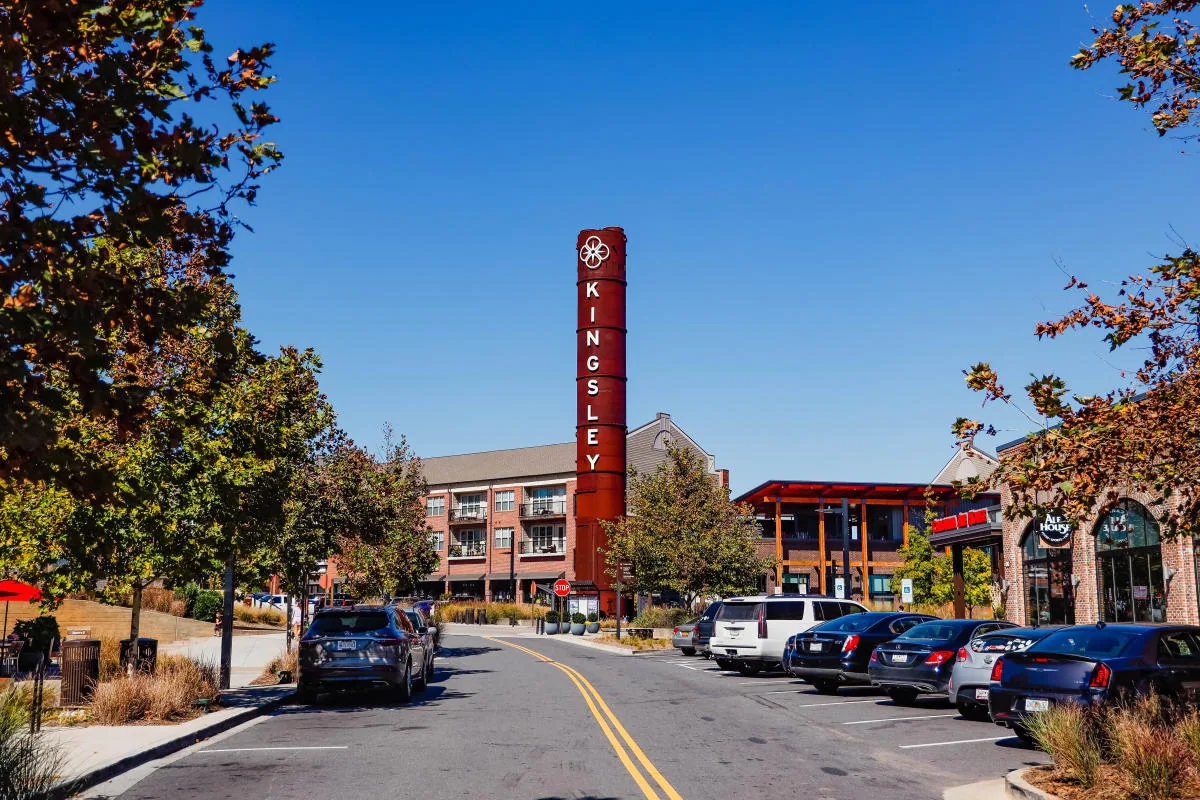
Grease near an exhaust curb or a leak above the dining room calls for a roof inspection that follows both the equipment and the water path. We identify the roof material, check flashing and attachment around hoods, vents, drains, and units, then map the area needing work. York County's Carowinds Boulevard and Kingsley growth areas include restaurant, hotel, retail, and office development. Those are broad commercial districts, not a description of an individual restaurant's roof. We coordinate access near Carowinds Boulevard or Kingsley Town Center around the kitchen schedule and facility rules.
Inspect Kitchen Exhaust and Roof Transitions
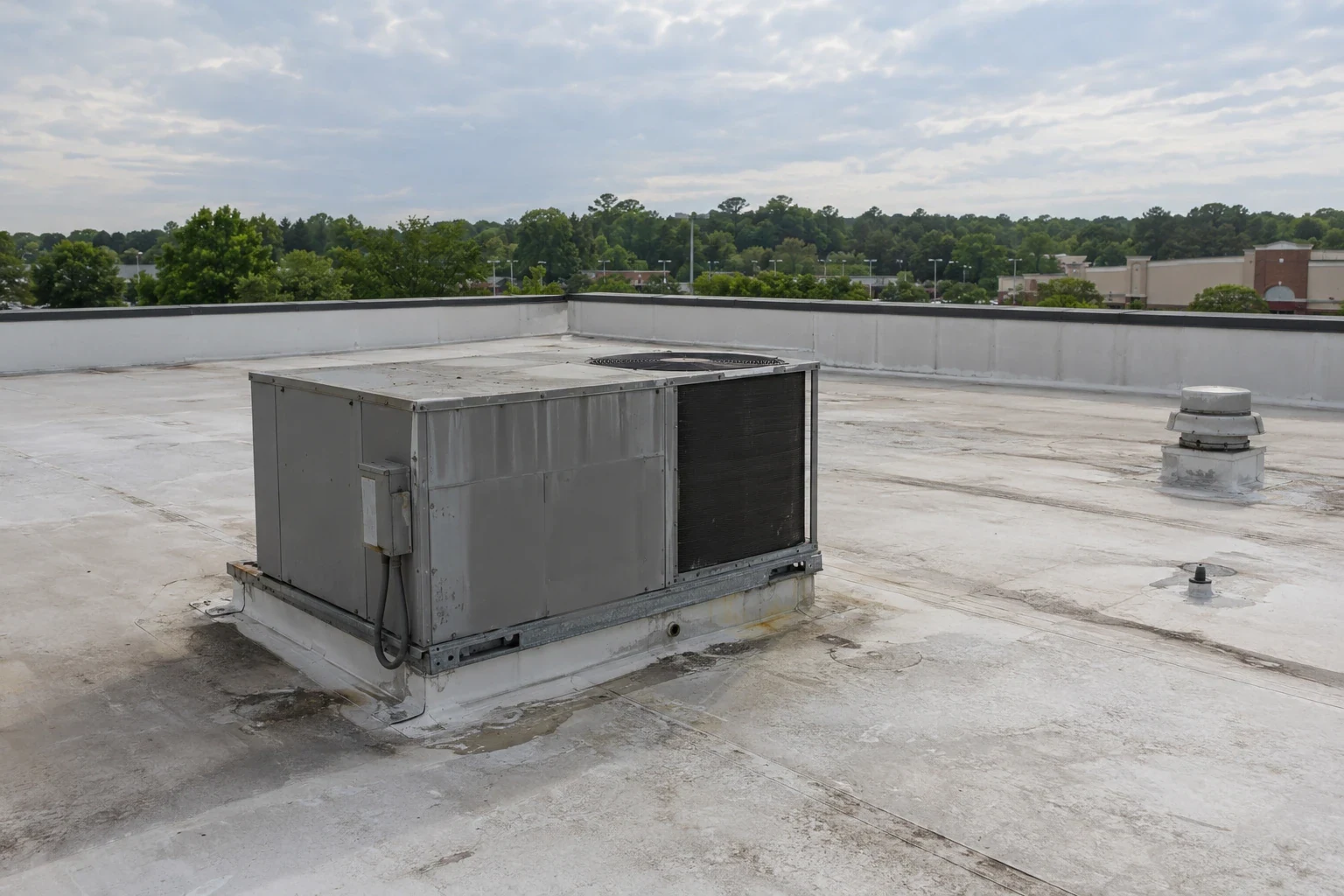
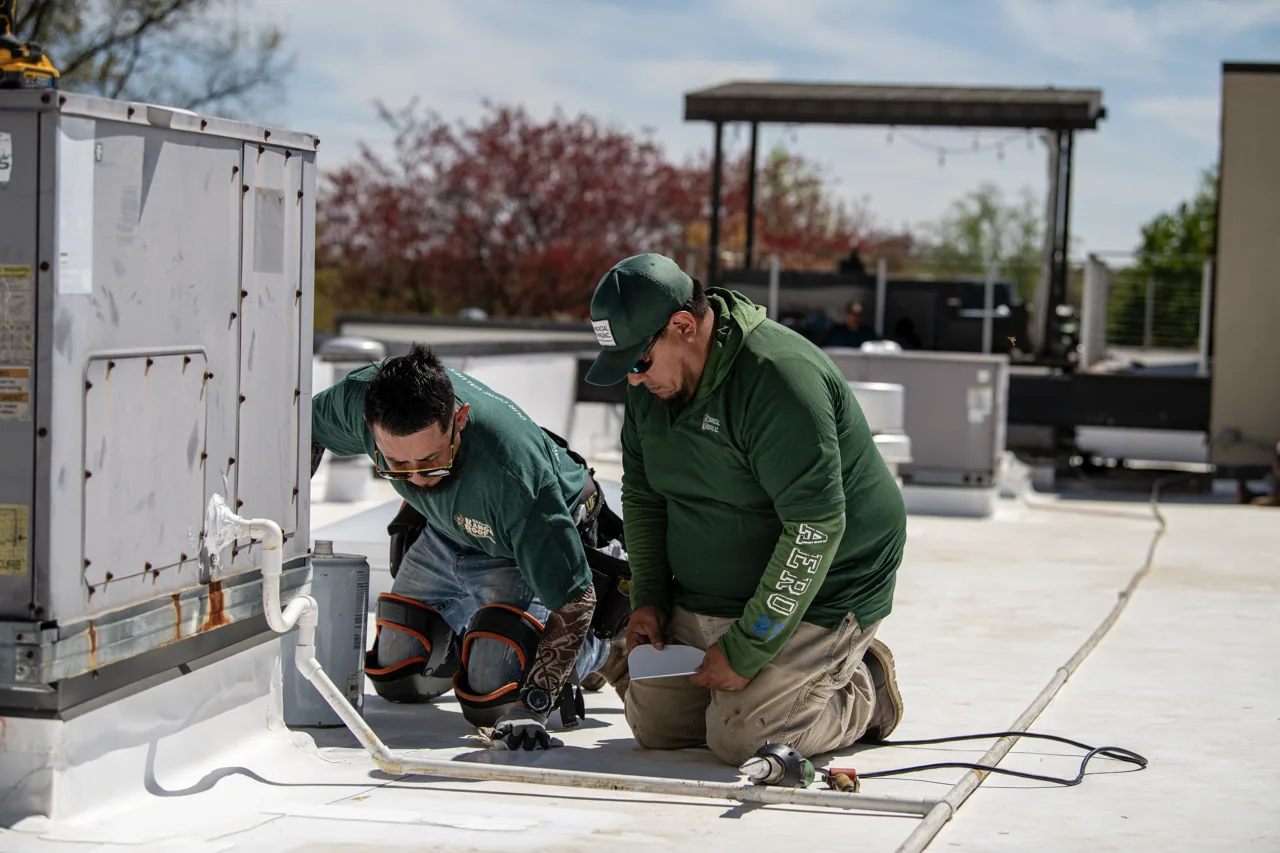
Kitchen exhaust ducts, fans, grease hoods, plumbing vents, and HVAC units interrupt the roof surface. We inspect curb flashing, seams, metal transitions, fasteners, and abandoned openings around those details. Heat or grease may affect some roof materials, but the actual exposure must be observed before selecting a repair product. Inspect the exhaust discharge, grease containment and nearby membrane to identify what reaches the roof surface.
If equipment has been replaced, the former curb or conduit opening may still need closure. We check the new base and nearby membrane for cuts or movement after service work. A curb and support repair can coordinate roof flashing with the equipment detail. We separate roofing work from hood cleaning, fan service, and kitchen equipment repairs unless those are part of the agreed scope.
Rock Hill's warm, humid Piedmont climate brings regular rainfall. Water near a fan curb may come from a roof opening, condensate, or another source, so we compare the symptom with the roof route and available equipment information. A field mark identifies the area checked and whether the source was confirmed or remains uncertain.
Follow Leaks Above Dining and Kitchen Areas
A ceiling stain in a dining room may be far from the opening above it. Water can travel along the deck, insulation, pipe, or roof transition before appearing around a light, speaker, or wall. We compare the interior symptom with seams, drains, parapets, skylights, and mechanical curbs. A commercial leak investigation can trace the path and document what remains unconfirmed.
Kitchen ceilings and dining spaces may have different access restrictions. We coordinate interior entry, furniture or food-service protection, and any area that needs to remain open with the restaurant contact. If an opening must be made, we define the test location, temporary covering, and closure plan before removal. A single test identifies the assembly at that point, not the full roof.
Rainfall can reveal an open seam or blocked outlet, but weather does not identify the source. We inspect the drain tie-in, flashing, and nearby roof surface, then relate those observations to the reported room. Photos preserve the date and area examined. If a leak returns after equipment cleaning or a storm, the same marks help compare whether the condition changed.
Plan Work Around Meal Service
Roof access may cross a loading lane, patio, customer entrance, or kitchen service route. We confirm the restaurant's operating hours, deliveries, roof hatch, lift location, and any interior area that cannot be interrupted. Material staging and debris removal need routes that stay clear of customers and food preparation. The facility contact approves the work zone and identifies who can provide access during the repair.
Some work can be performed in sections while dining continues, but an opening above an occupied area requires a protection plan. We identify how the membrane will be closed if weather changes or the shift ends before the repair is complete. If concealed moisture or damaged decking expands the work, we document the condition and review the added boundary before moving into another zone.
A work sequence for an active restaurant can coordinate roof access and temporary protection around service. The schedule depends on roof material, preparation, equipment coordination, cure conditions, and the area that must remain closed. We provide the facility with the work boundary and any expected access limits before materials are moved.
Check Drains and Water Discharge
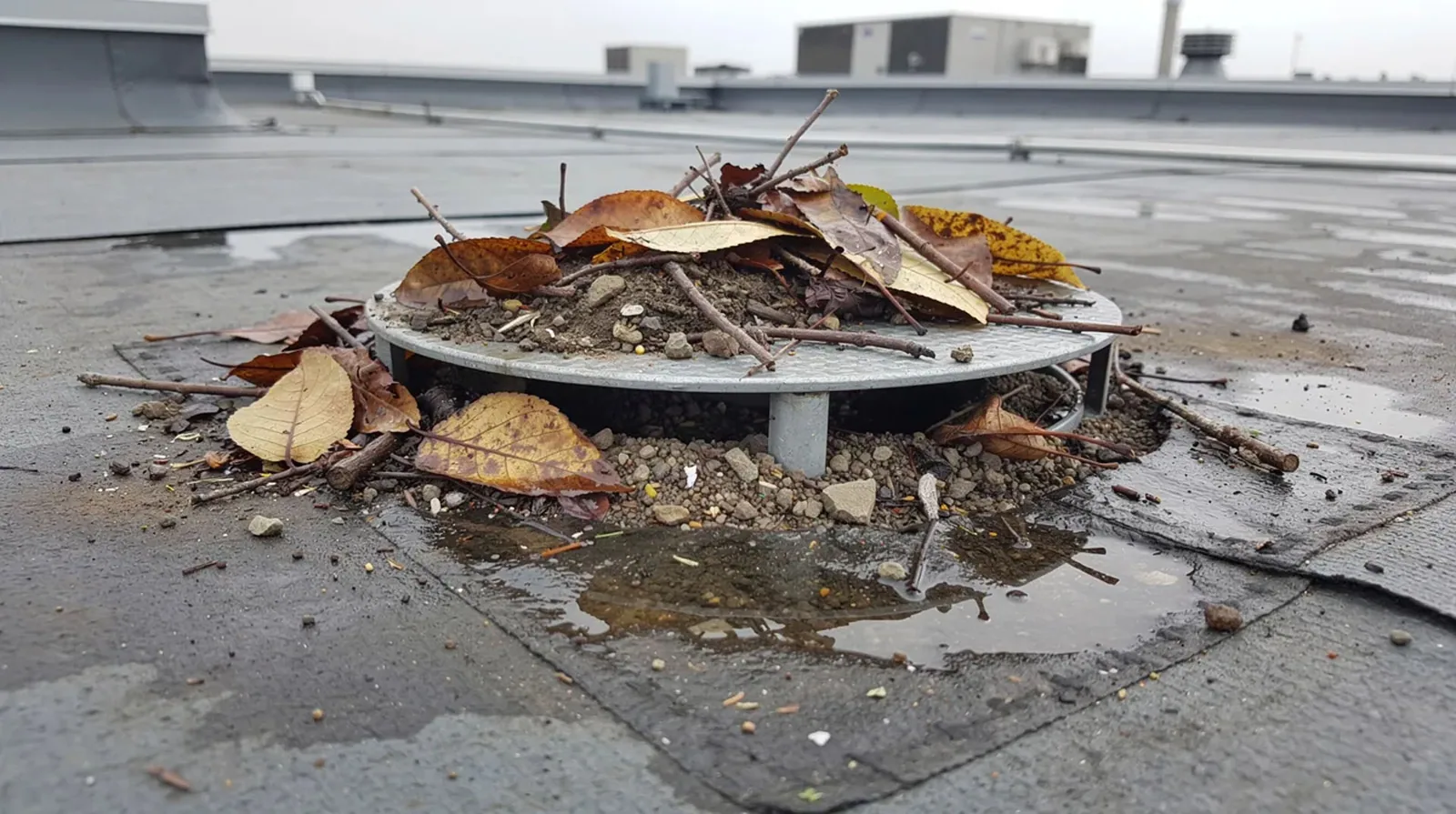
Restaurant roofs can have internal drains, scuppers, gutters, and grease-exhaust details close together. We inspect the drain bowl, membrane tie-in, and visible discharge path for obstruction or separation. A blocked outlet, damaged connection, and low spot are different conditions. We record debris removal separately from membrane or slope repairs and note whether water could travel toward a dining-room wall or service entrance.
A drain and scupper repair can correct a failed outlet detail. If standing water continues after cleaning, we inspect the roof geometry and discharge route. At parapets and edges, we check coping, sealant, attachment, and membrane termination for gaps or movement that could admit water.
York County has seen hail and tornado activity, but a regional event does not show whether one restaurant roof was damaged. Following a report, we inspect the property for displaced metal, punctures, or loose flashing and keep findings tied to areas reached. The report distinguishes a visible condition from a suspected cause.
Repair the Roof Without Guessing at Exposure
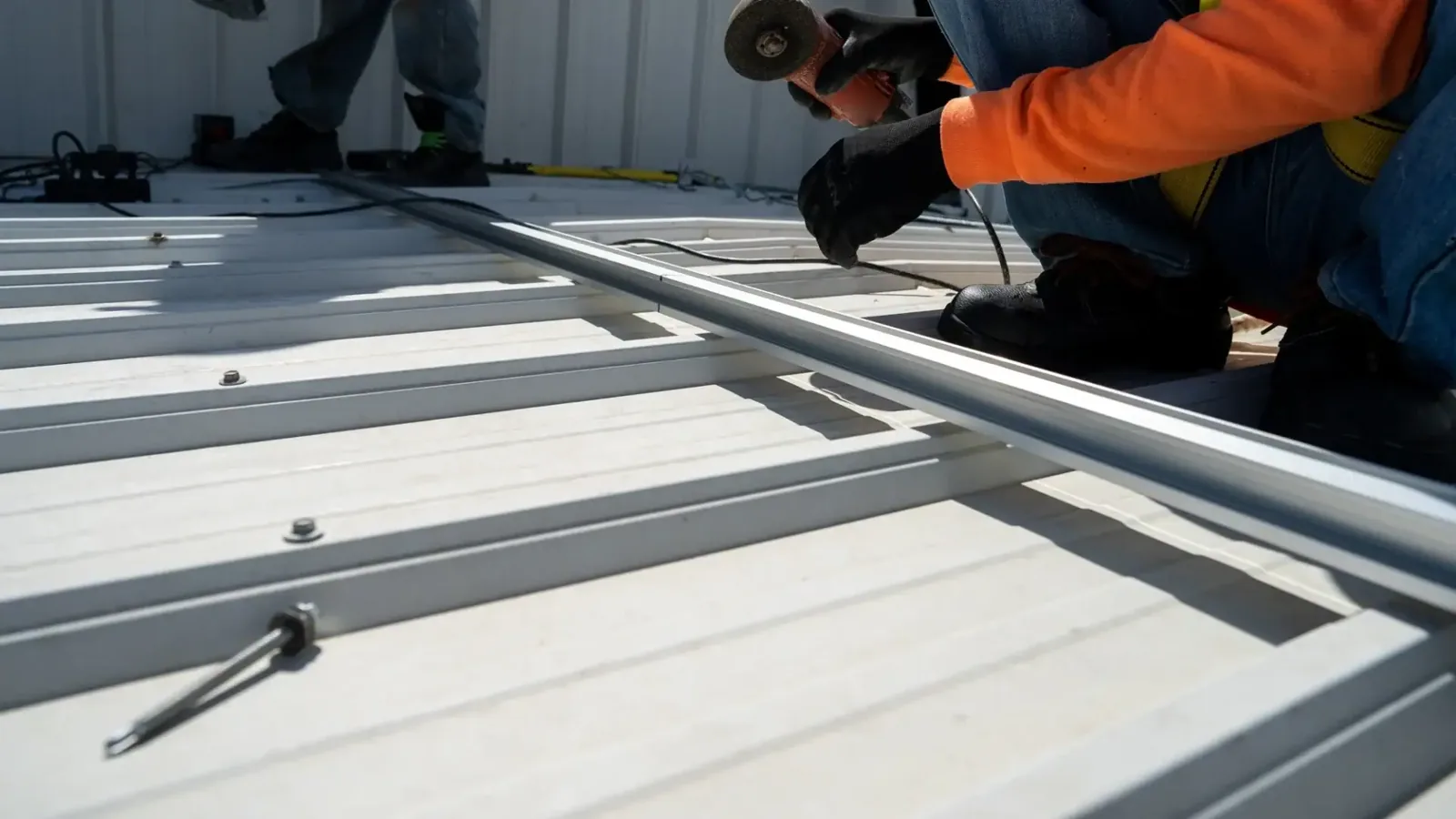
We confirm the membrane or metal system before choosing a patch. TPO, PVC, EPDM, bitumen, and metal each need compatible preparation and repair details. Where grease, heat, or cleaning chemicals may contact the roof, we identify the product and observed exposure before selecting a coating or patch material. If the assembly cannot be identified from visible edges, we explain whether a test or owner record could resolve the question.
Repair length, number of curbs, material compatibility, roof access, and interior protection affect cost and timing. We remove failed material only within the approved boundary. If an opening exposes wet insulation or a weak deck, we photograph it and confirm additional scope before continuing. A local patch is not represented as a correction to any separate exhaust, duct, or ceiling condition.
A commercial repair scope can address connected membrane and flashing defects. A shopping-center roof may share access or drainage with neighboring tenants; a hotel roof can add guest-area scheduling. In every case, the restaurant's actual roof and operating plan set the sequence.
Keep Exhaust, Repairs, and Maintenance in View
Closeout notes identify which roof zones and equipment curbs were inspected, what was repaired, and any access limit or test still needed. Photos help a facility team compare a later leak with cleaning, fan replacement, or other rooftop service. If a contractor cuts or moves a detail, the property can return to the same zone and inspect its flashing and membrane connection.
A maintenance visit can revisit drains, seams, curb bases, and prior patches. Share roof plans, exhaust or HVAC work, leak history, schedule limits, and the kitchen areas affected before that check. We will identify where the inspection route ends and whether concealed material needs separate testing.
Rock Hill's commercial activity includes restaurant and service uses in several broad corridors. A roof recommendation still follows the condition found at the building, including the surface, penetrations, drainage, and maintenance history. We document whether the next step is repair, further testing, or broader renewal.
Related Roofing Work

Questions About Restaurant Roofing
Some roof materials can be affected by heat or chemical contact, but the actual exposure and membrane need to be identified. We inspect around the discharge and equipment base, then choose compatible materials. After severe weather, inspect the roof and interior for actual openings, displaced details or water entry before defining damage.
We define the work zone and any interior covering with the facility contact before opening the roof. Access, staging, and timing depend on meal service and the repair. If concealed conditions extend the work, we protect the opening and confirm the added boundary first.
Water may enter at the curb or travel there from a seam, drain, or wall transition. We inspect the base and trace the water route rather than assume the nearest unit is responsible. The report identifies what was checked and whether the source was confirmed.
That may be possible when access, weather, material cure, and safe closure fit the available window. We coordinate the sequence with the facility and identify any task that must continue into another shift. No repair begins without a defined protection and closeout plan.
Coordinate Restaurant Roof Work
Share the affected room, kitchen or exhaust changes, roof plan, operating hours, delivery route, repair history, and access limits. We will inspect the roof details and define a compatible repair or renewal scope around service operations.
