
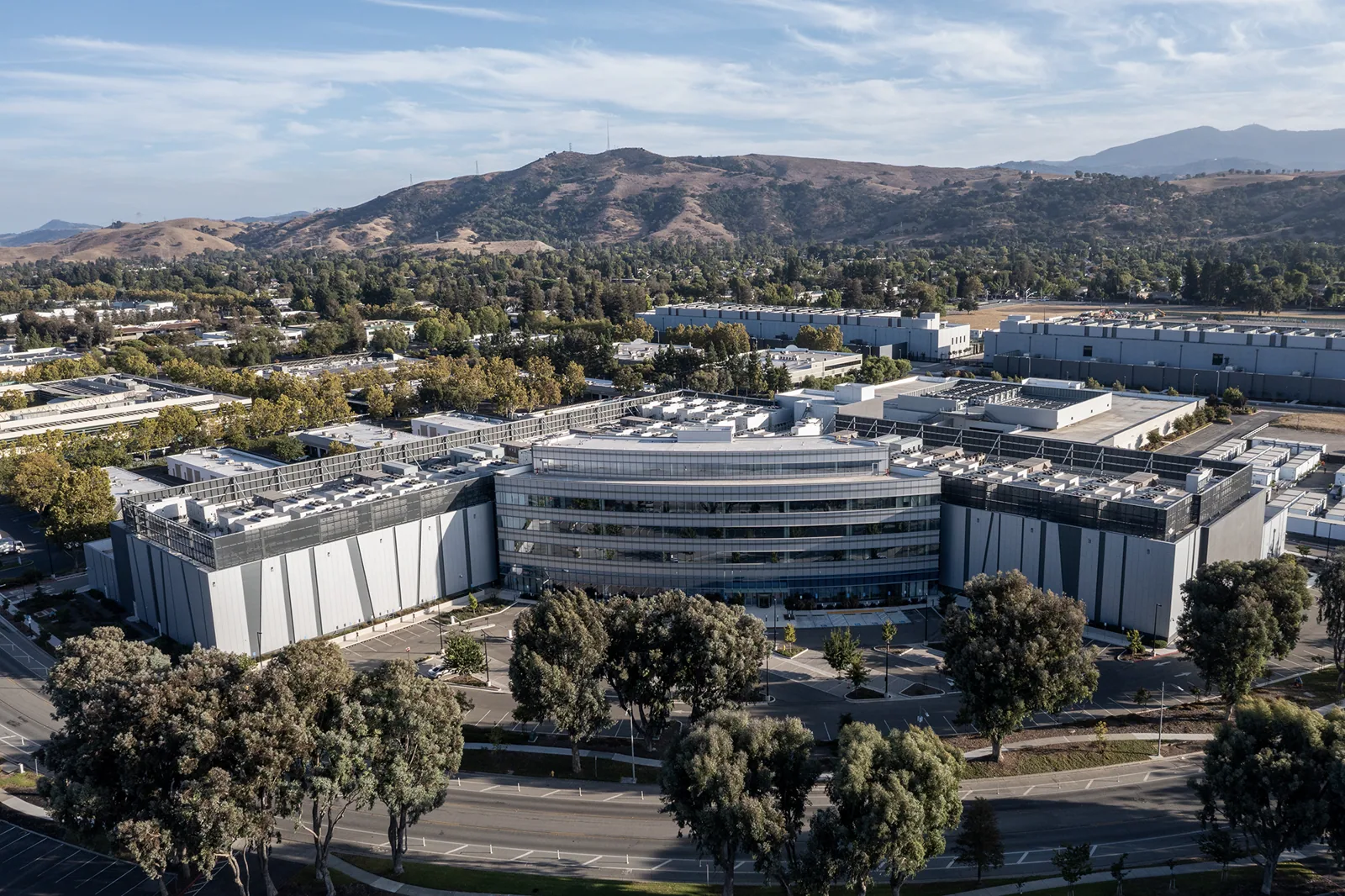
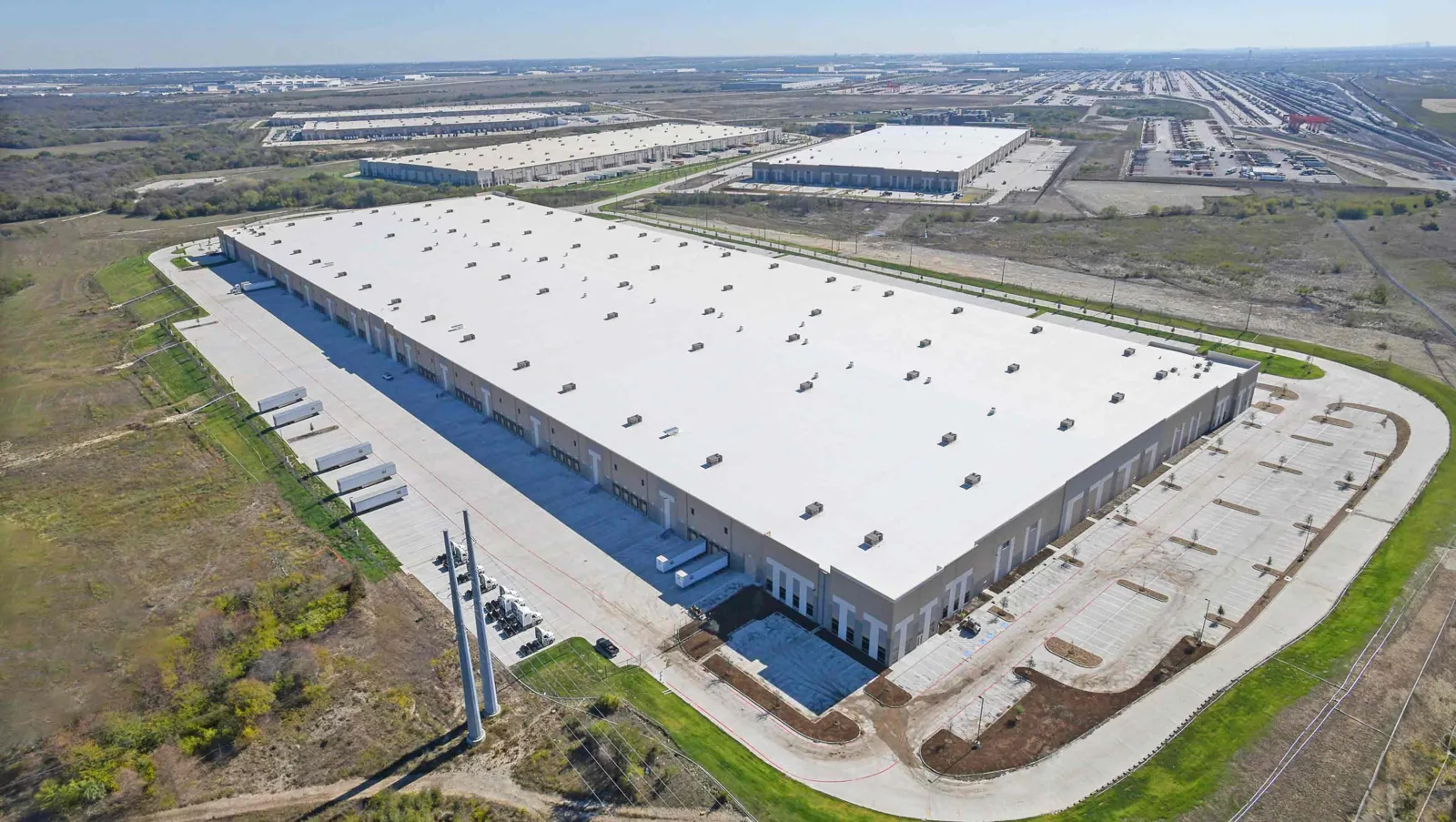
Roof inspection, repair, and renewal for Kingsley Town Center properties, with work zones coordinated to the building and its operations.
Roof access in a mixed-use center depends on what is operating below the repair zone. Kingsley Town Center is a leading Fort Mill development area, with corporate employers alongside retail, restaurants, hotels, and offices. We inspect each roof as its own assembly, then plan protection and access around the property's use. Our Fort Mill service area also includes Fort Mill and Kingsley Business Park.
Mark the Roof Areas That Can Be Reached
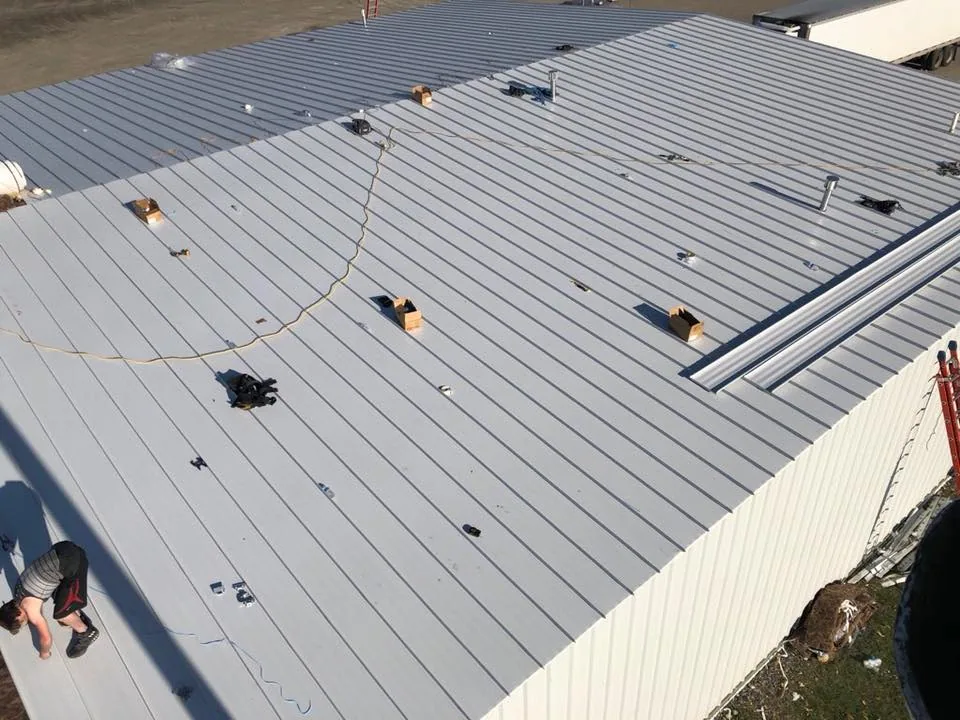
We begin with the roof plan, access point, and symptom that brought the property team to call. The walk checks visible membrane or metal, seams, drains, curbs, penetrations, edges, and previous repairs. A commercial roof inspection records the zones reached and notes any area where height, equipment, or access controls limit the view. The inspection can then distinguish a confirmed condition from a request for further testing.
Fort Mill's corporate, retail, restaurant, hotel, and office uses can create different work restrictions across Kingsley Town Center. We review each building's records and accessible roof details before selecting a repair method. We review the building's records and accessible details before selecting a repair method. If a tenant improvement changed a penetration, we focus on that connection rather than assuming all roof sections changed.
A leak call should identify the room or business area, the time it appeared, and whether equipment or other work happened nearby. We compare that report with roof seams, curbs, outlets, and wall transitions. A commercial leak review compares the roof evidence with the interior report and states whether an entry point has been located. Where evidence is incomplete, we identify the access or sample that could distinguish one route from another.
For a multi-level property, we mark where roof materials or drainage routes change. A lower roof can receive discharge from an upper area, and one transition may serve a different tenant space than the roof above it. We document each visible connection and avoid applying a finding from one side to another. A test opening, when justified, has a stated purpose, interior protection, and closure method.
Coordinate Roofing Around the Operating Mix
Hotels, restaurants, retail, and office uses can have separate entry, delivery, and occupancy needs. The property contact identifies which doors, walkways, loading areas, or customer paths must stay open. We confirm roof keys or escorts, staging, lift placement, work hours, and any shutdown required before materials arrive. Those details set the route for a service visit and the safe boundary for active work.
If a roof sits above guest rooms, dining space, or a public lobby, we plan interior protection before opening the assembly. A phased work sequence can limit the open zone at one time, though weather, cure conditions, and concealed findings may change daily progress. We define how the roof will be covered at a pause and who can approve an added area. The owner or manager coordinates notices unless the signed scope assigns that duty to us.
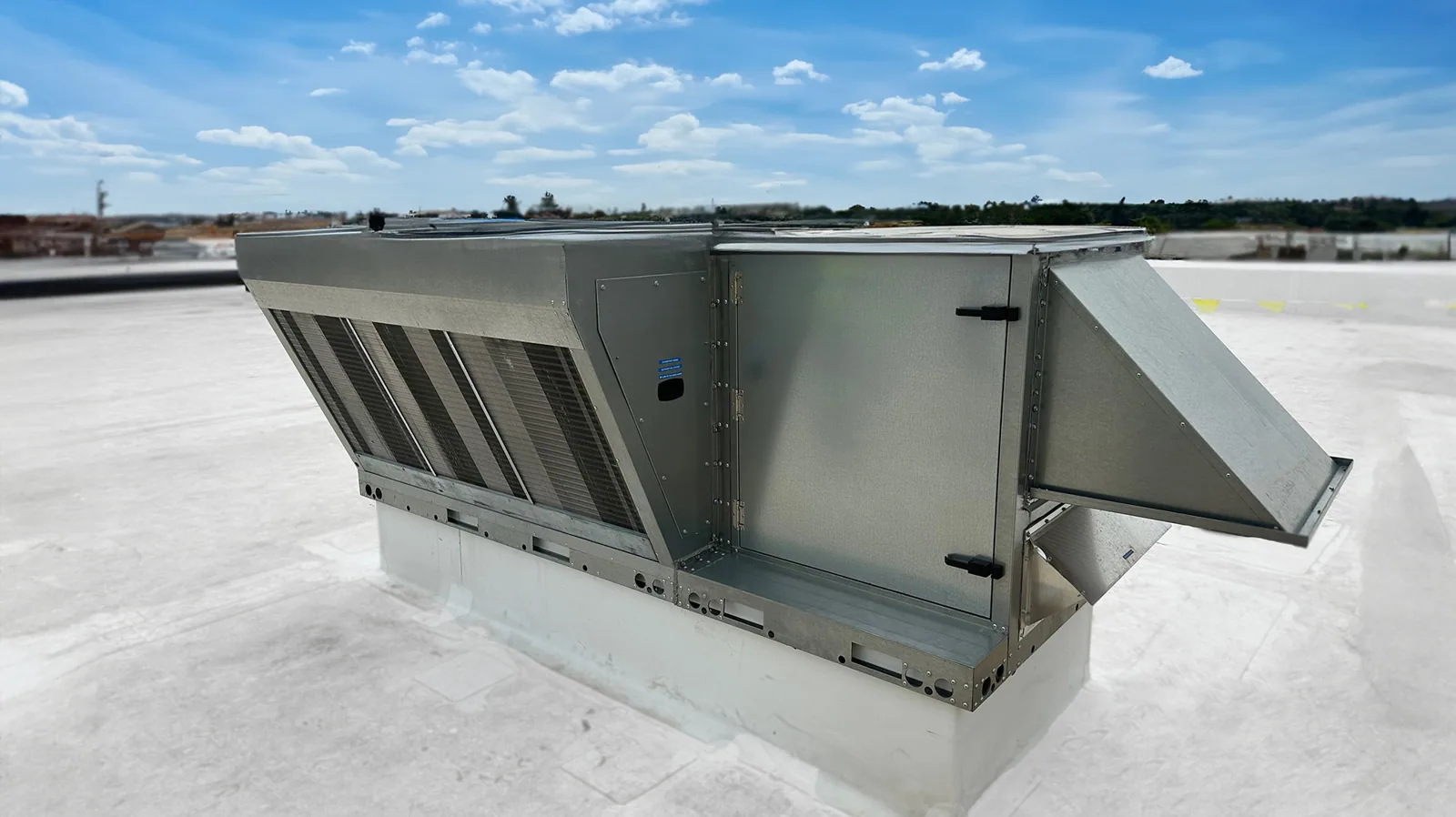
Rooftop HVAC, exhaust, plumbing vents, conduit, and sign supports can divide the work area. We check flashing and nearby membrane where those details are in scope. If equipment needs service or removal, the mechanical contractor and roofing crew agree on who handles the base, temporary cover, and final tie-in. At a confirmed base transition, a roofing curb repair can restore the membrane detail after the equipment sequence is set.
If concealed deck or insulation problems appear after the surface is removed, we pause under temporary cover and give the authorized contact a field record of the added area. Equipment service, electrical changes, and interior finishes remain separate unless the agreement includes them. This is especially useful where the property has several operating areas and a change to the schedule affects more than the roof crew.
Trace Outlets, Wall Lines, and Discharge
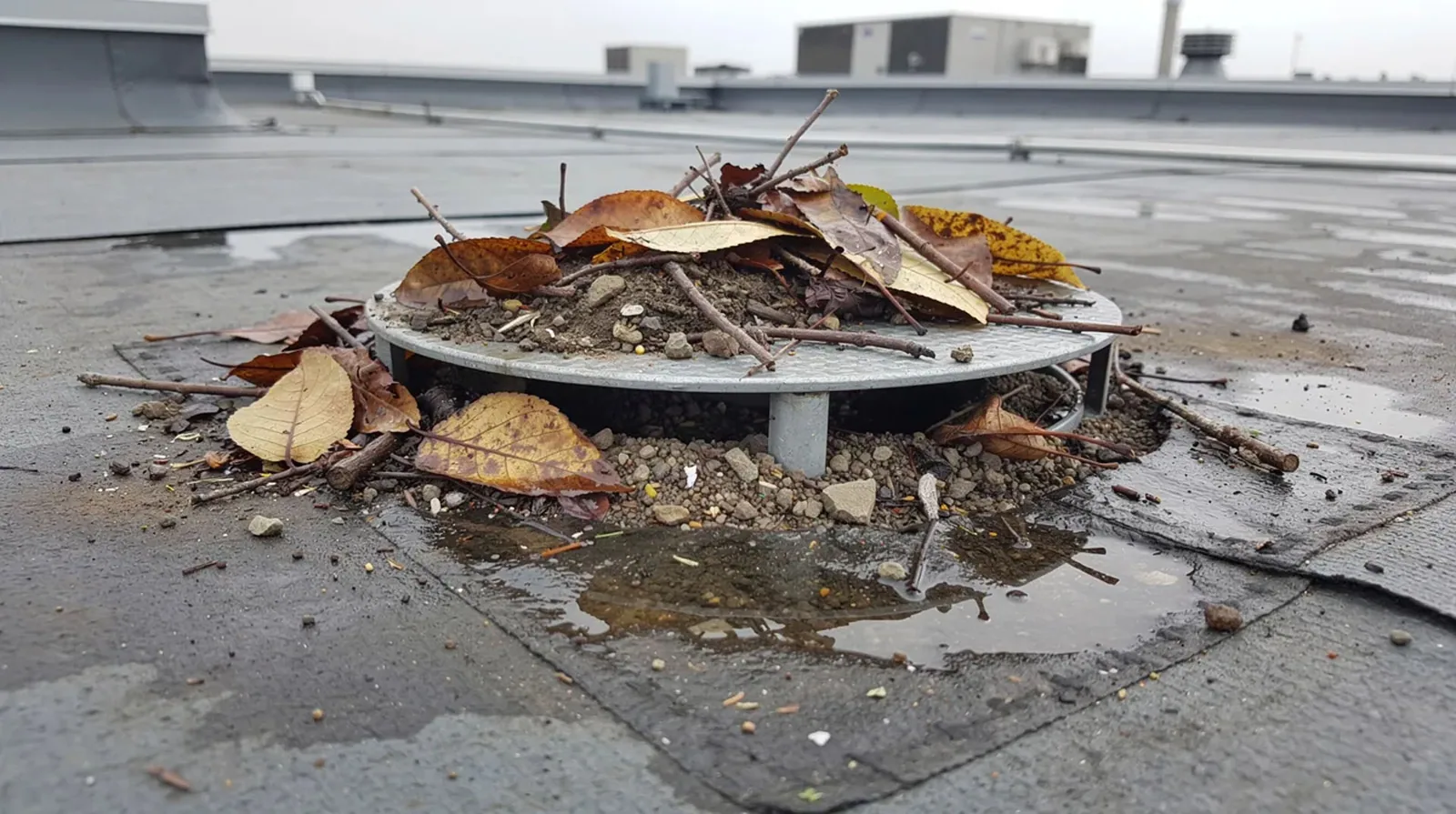
At drains, scuppers, gutters, and overflow points, we check for debris, open seams, loose flashing, and a continuous route to discharge. A blockage differs from a separated membrane connection or a low spot that holds water. A drain and scupper repair addresses a confirmed detail on the roof. If piping is concealed, we note the limit and whether a plumbing trade needs to trace the rest of the route.
Parapets and perimeter metal require a close look where roof and wall meet. We inspect coping, fasteners, sealant, flashing laps, and membrane termination. Water can pass behind an edge before it shows inside, so a mark near a restaurant or lobby does not identify its source by itself. We compare the reported symptom with roof geometry and state which connection supports the repair recommendation.
Rock Hill's warm, humid Carolina Piedmont brings regular rain during a long warm season. We check outlets and plan secure temporary protection when material is removed, then inspect the roof slope, discharge, and membrane before assigning a leak cause.
If a public area or customer entrance sits below a roof opening, we define barriers and covering before removal starts. At the end of each work period, the exposed area needs a closure method suited to the material and weather. The report names any interruption and the remaining work so an unfinished transition is not mistaken for a completed repair.
Compare Repair With Restoration
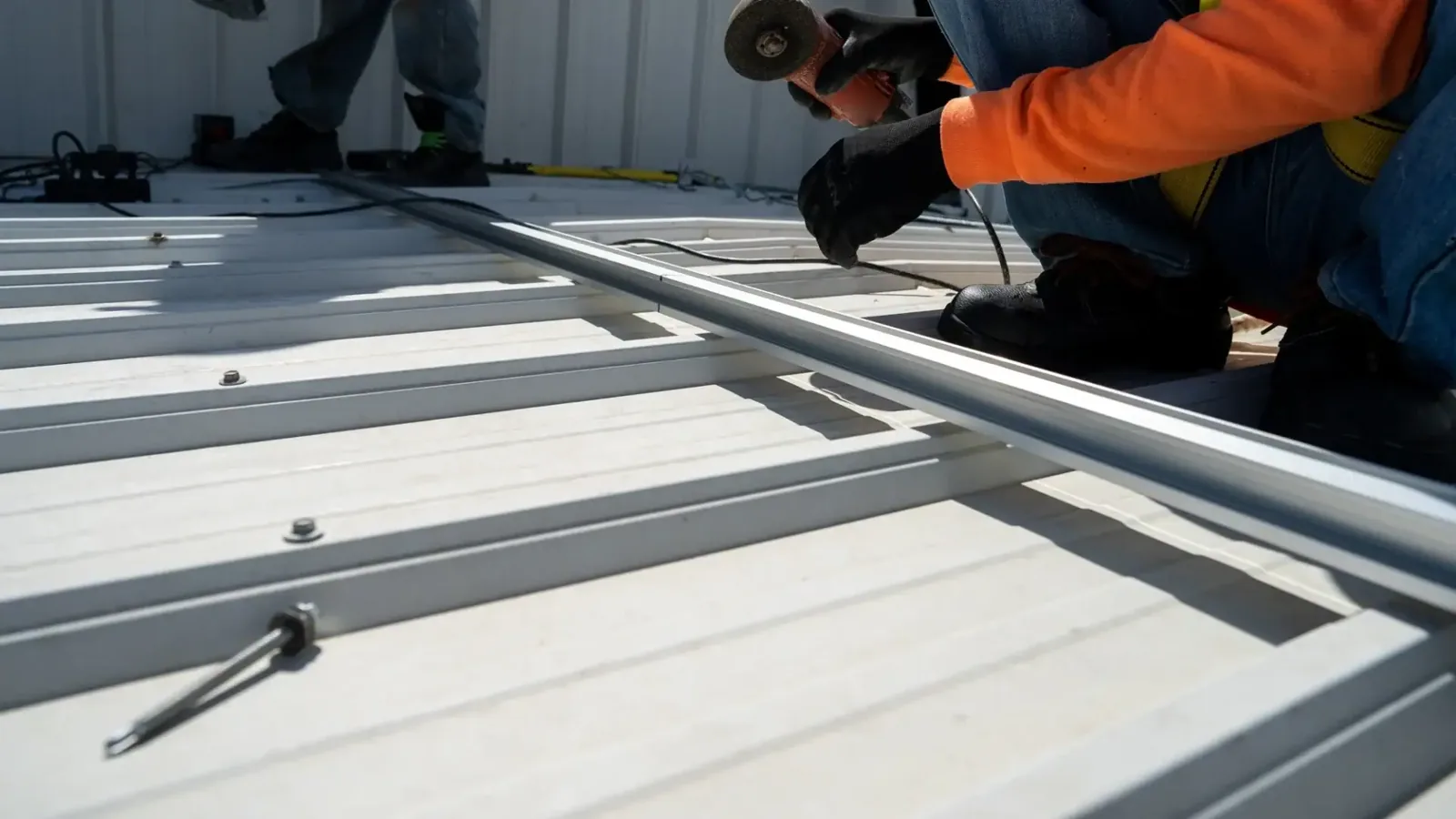
A localized patch can suit an isolated opening when nearby material remains stable and can accept the tie-in. Several leak reports, widespread moisture, repeated seam problems, or deteriorated edges may justify further testing or a larger renewal comparison. A commercial repair scope names the affected zone, material, preparation, flashing, protection, access, and closeout. It also states what the crew did not inspect.
Cost and timing depend on system, detail count, access, staging, traffic controls, interior protection, disposal, and concealed conditions. A coating or recovery option depends on the existing assembly and surface condition. If the roof layers or moisture state are unknown, a survey or sample may change the choice. We explain what that test is intended to establish before putting it in the project scope.
For multiple findings, we can list each as a separate work item. The property can authorize an active leak first and consider maintenance items later. We document the condition and work limit for every approved item, then keep pending testing or unapproved repairs visible as open decisions. This makes the closeout useful if a later project changes the roof access or operating schedule.
Keep Findings Tied to Each Property
Closeout identifies the roof zone, observed assembly, photos, materials, repairs, and any area not reached. If owner drawings use roof labels, the report can reference them. That helps staff connect later service to the same curb, outlet, or seam rather than treating every symptom as part of one broad issue.
A maintenance visit can return to the drains, edges, penetrations, and repair locations noted during the inspection. Share building-use requirements, roof plans, prior service history, equipment work, and access rules before scheduling. The route should reflect the specific property's surface and access, even when several Kingsley locations are considered for coordinated work.
For an estimate, provide the building use, reported leak or damage, roof drawing, and operational limits. We will define the roof area to inspect, the protection below, and the evidence needed to compare repair with a larger project. A clear record supports the facility team as operations or ownership change.

Questions About Kingsley Town Center, Fort Mill
We confirm entrances, delivery periods, occupied areas, and staging with the property contact, then set the roof zone and closure plan before work begins.
Commercial properties in the center can use different roof assemblies. We inspect each property's roof and records before recommending work.
We compare the room and timeline with drains, edges, seams, and penetrations above it. The report states whether the source is confirmed or needs more access.
We cover and photograph the area. The property contact decides whether additional work stays in scope.
Plan Roofing Around Kingsley Town Center Operations
Share the building use, roof plan, leak history, equipment schedule, and access restrictions. We will inspect the defined zones and prepare a scope matched to the property conditions.