

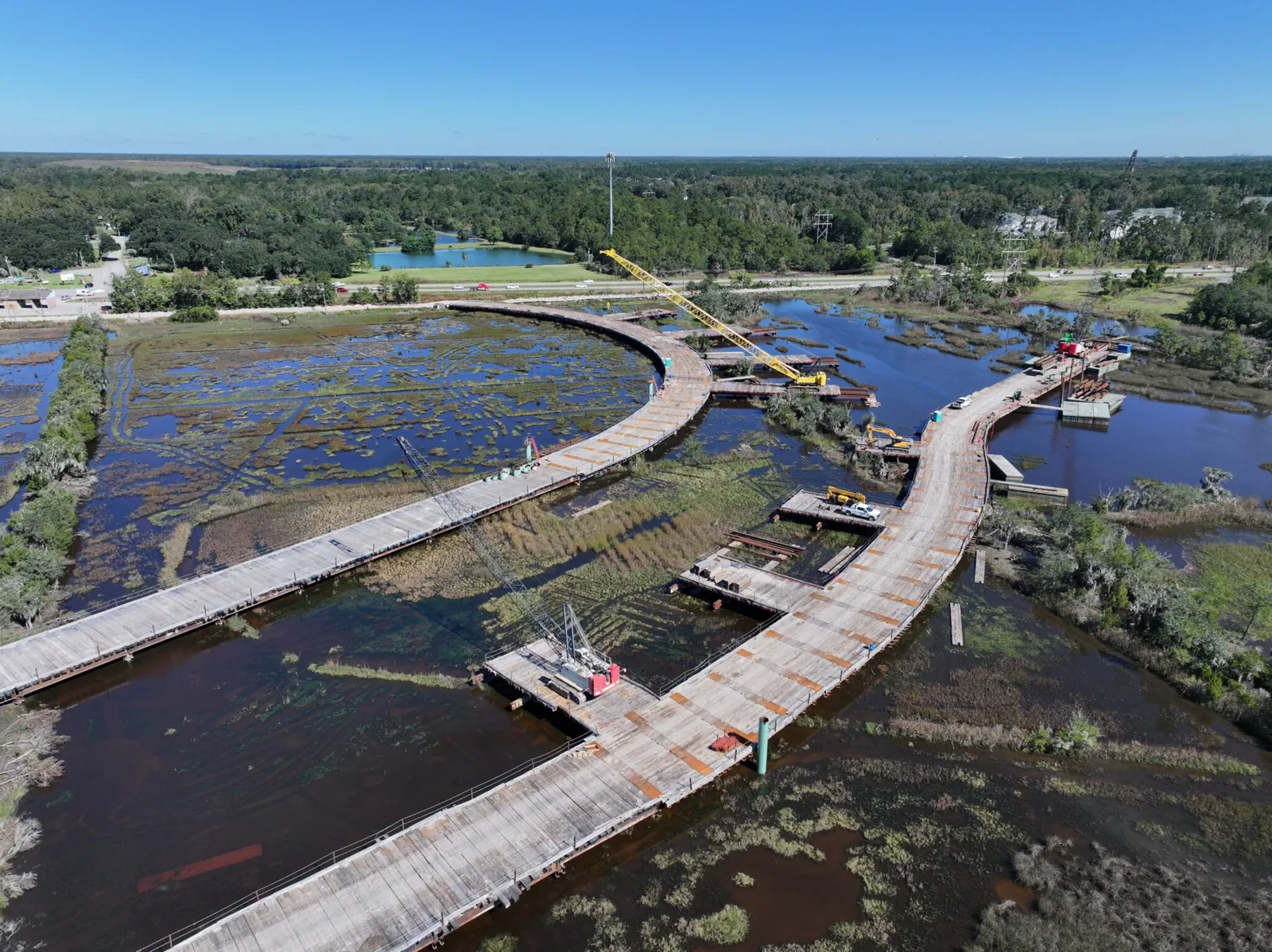
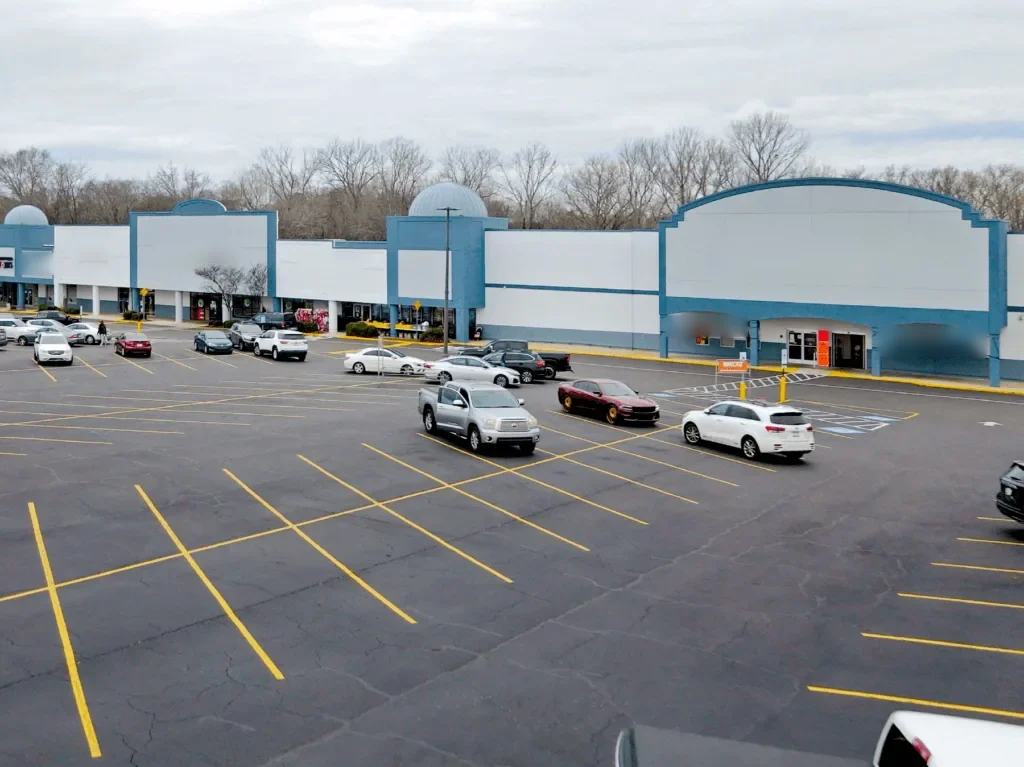
Commercial roof service for the Carowinds Boulevard corridor, with inspections and repairs coordinated around access, occupancy, and roof conditions.
Hotels, restaurants, retail, and offices are part of the Carowinds Boulevard commercial-development area along I-77. A roof over each use needs a property-specific inspection and a work plan that accounts for the activity below it. We identify the surface, water path, and access route before recommending a repair. Our regional coverage also includes Fort Mill and Kingsley Town Center.
Set the Route Through the Roof Details
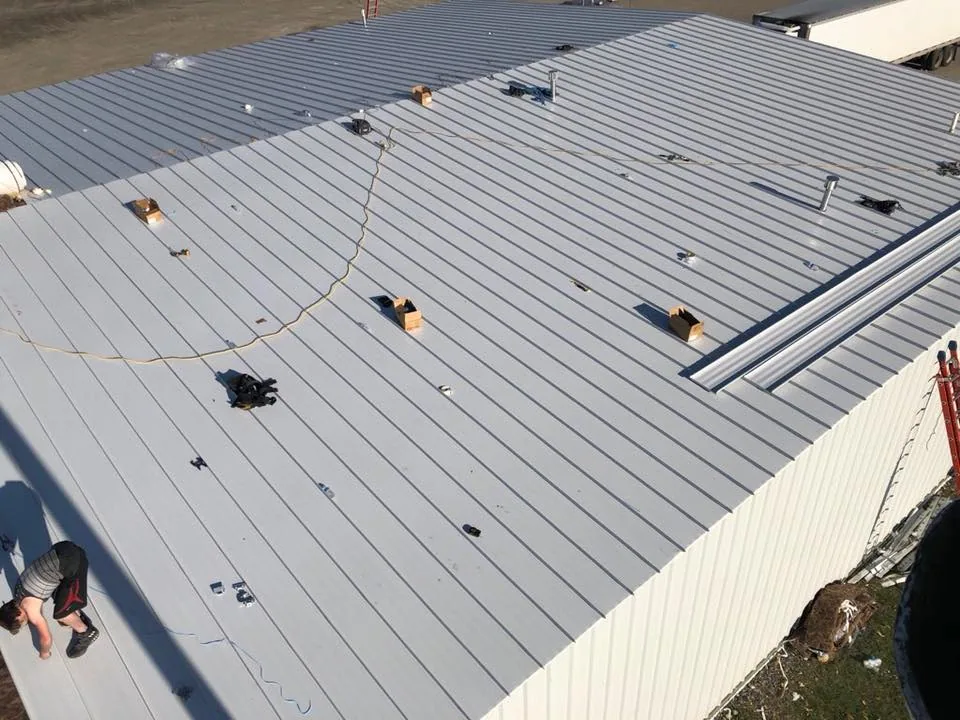
We begin with the reported symptom, roof plan, and access point, then inspect the reachable membrane or metal, seams, drains, curbs, flashing, and perimeter. A commercial roof inspection records the areas reached and identifies where equipment, height, or access restrictions limit the view. If separate roof levels connect, we note the transition and how each area drains.
The Carowinds Boulevard commercial area includes hotel, restaurant, retail, and office development along I-77. These uses bring different occupancy and delivery requirements, so we confirm the roof material and current building conditions with each property contact. We verify current building use with the site contact and compare visible details with owner records before choosing a method.
A leak inside a room, kitchen, shop, or office helps define the first inspection zone. We compare the reported time and location with outlet connections, seams, wall transitions, and equipment bases. A leak investigation documents which water path was examined and whether the entry is established. If another route remains possible, we describe the next test or access point needed.
A visible patch can conceal a second layer or a prior repair boundary. We check whether its edges remain attached and whether water marks align with the same detail. If sampling is considered, it needs a defined location, interior protection, and a plan to close the opening. A single test describes its point; a wider condition assessment needs a wider route.
Coordinate Work Around Guest and Customer Areas
Hotels, restaurants, and retail spaces may have guest entrances, food deliveries, customer paths, or rooms that need to remain accessible. The property contact identifies those limits, along with the roof hatch, escort rules, delivery window, staging area, and lift position. We confirm the work zone and access before materials arrive, then identify barriers and interior protection for any occupied space below.
When a roof opening is above a kitchen, guest space, or office, we plan the closure at the same time as the removal. The sequence can separate areas so only a defined zone is active, but weather, cure conditions, and hidden damage can change daily progress. We state how the opening will be protected at a pause. The property owner or manager coordinates guest or tenant notices unless the agreement assigns that task to our crew.
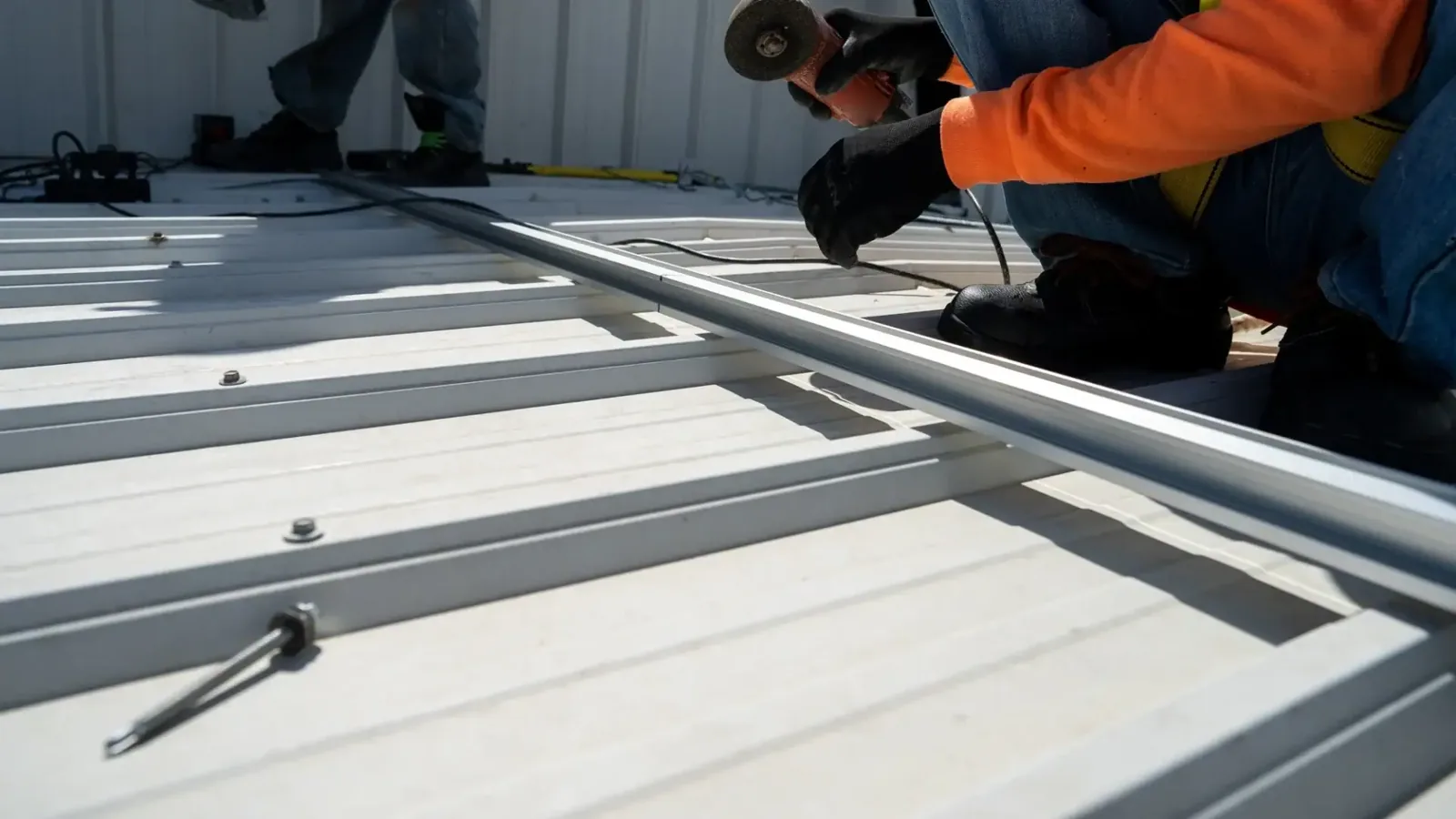
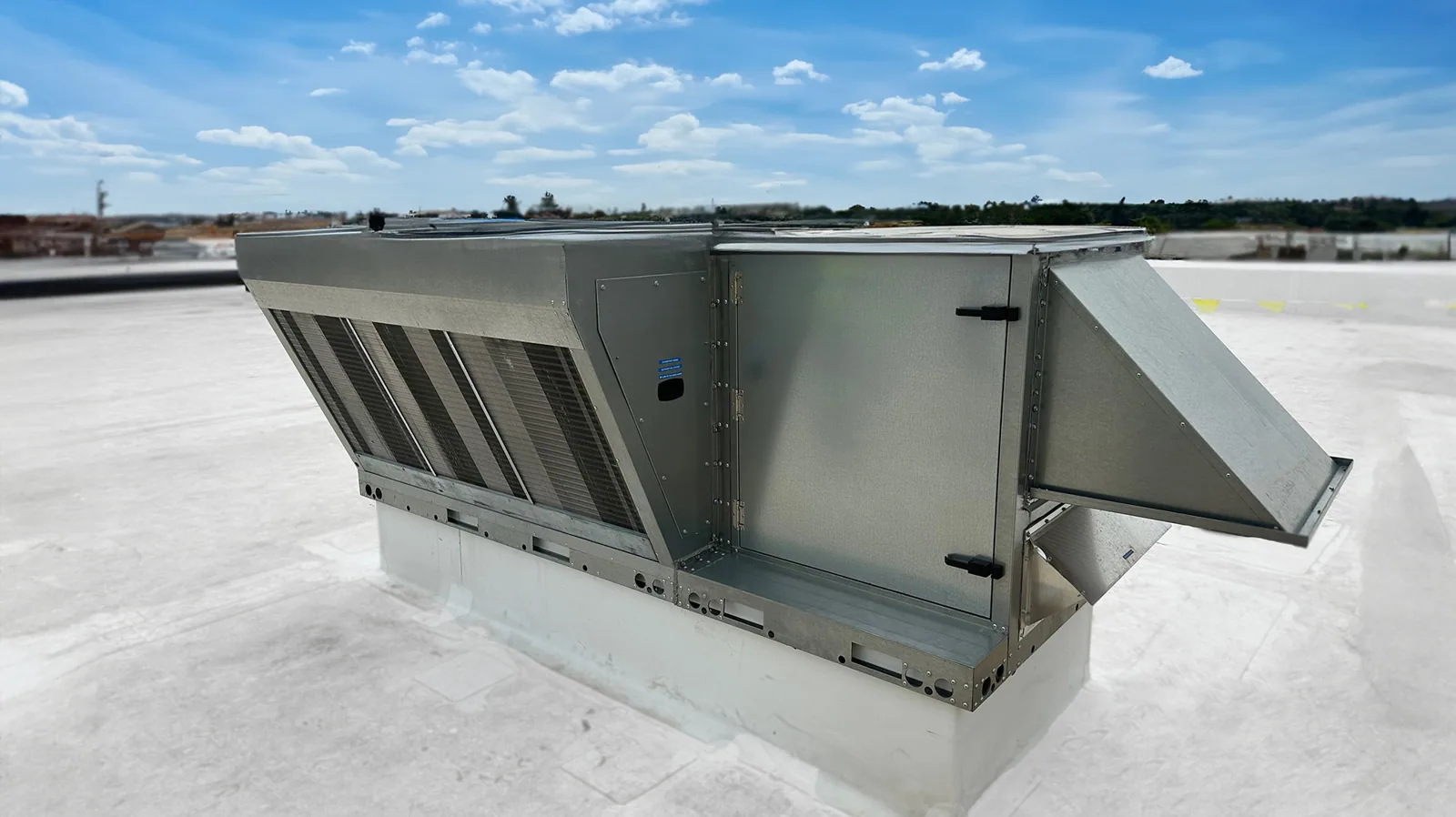
Equipment contractors may need to move HVAC, exhaust, pipe, or communication lines. We identify who will handle shutdown, removal, temporary covering, and final restoration at the membrane. A curb and support repair can address the roofing tie-in after the base and system are confirmed. Mechanical service and electrical changes remain with their trade unless the written scope includes them.
Where tear-back reveals wet insulation or a compromised deck, we protect the opened area and document what changed. The authorized contact decides whether the added work proceeds. Interior finishes or structural work are not treated as roofing by default. The work record names the roof area and any separate action needed to restore service around it.
Keep Water Moving Past the Roof Edge
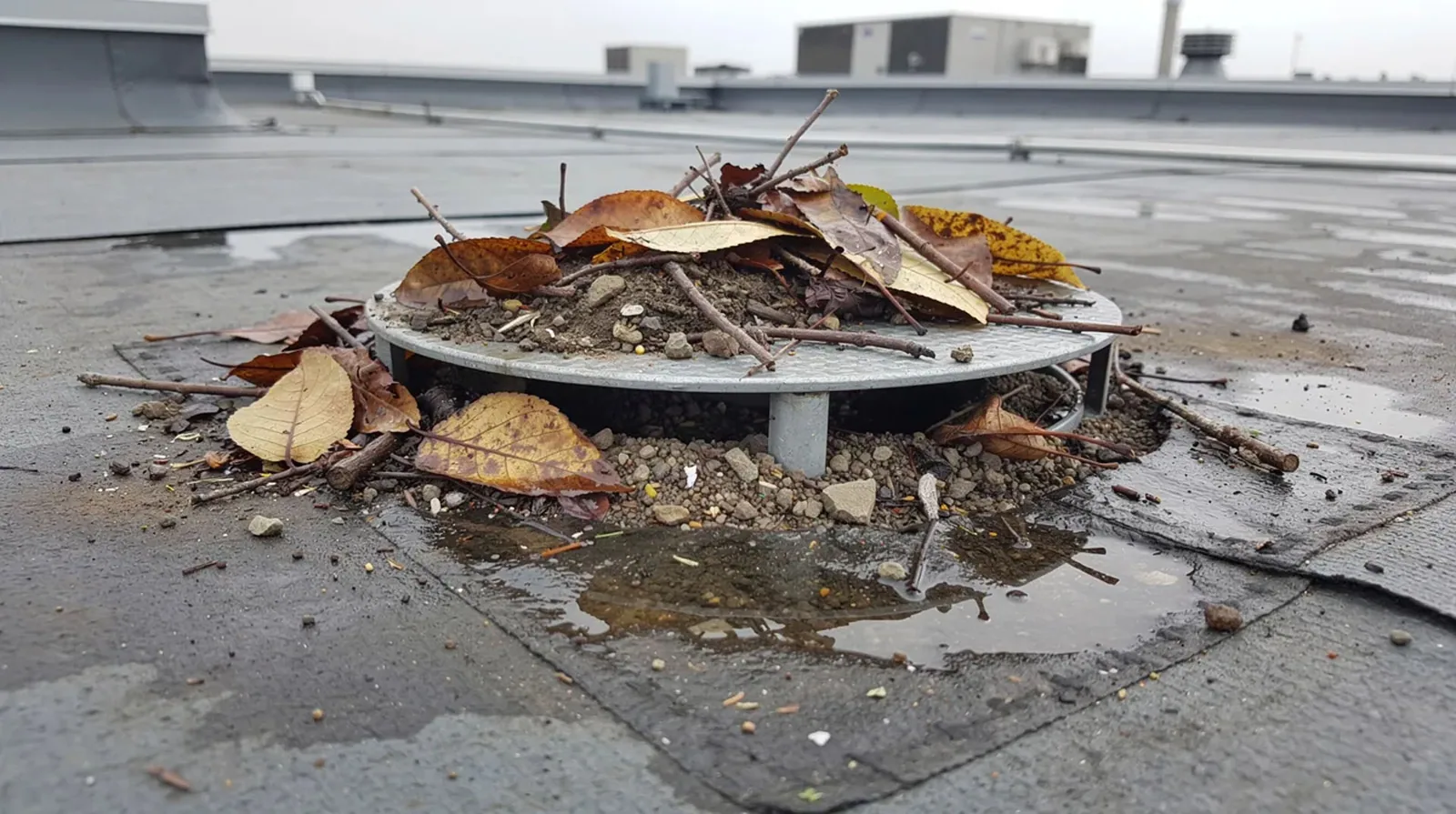
At the drain bowl, scupper, gutter, or overflow, we inspect the opening, membrane connection, and visible discharge. Debris, a failed tie-in, and a low area each require a different response. A drain and scupper repair can correct a confirmed roof detail; hidden piping may need a separate inspection. We mark the point where the surface review ends if the path cannot be seen further.
At a parapet or roof edge, we inspect coping, attachment, flashing laps, sealant, and membrane termination. A leak near a wall might begin at an edge, curb, or higher part of the roof. We compare the interior symptom with surface details before assigning cause. The report notes what is confirmed and whether the next step should include another trade.
Rock Hill's humid summer pattern pairs heat with regular rain over an extended warm season. That regional pattern makes drainage checks and secure closures important when material is open. At each property, we assess roof slope, outlets, and connections before recommending work.
If an active leak interrupts business, temporary protection needs to keep water out while the repair is planned. We identify the exposed zone, closure method, and any interior area needing protection. If weather changes the sequence, the crew records what remains open and returns to the same boundary for the follow-up check.
Choose a Scope for the Observed Condition
A spot correction can be priced when one defect is confirmed and the nearby sheet or panel accepts a sound connection. Multiple water marks, soft material, or a shifting perimeter may require more investigation. A repair proposal names the specific roof section, preparation, material, access, and closure steps, with other zones listed separately.
Cost and timing depend on roof system, detail count, access, staging, disposal, customer or guest protection, and hidden conditions. If a broader replacement or recover is considered, the proposal should identify existing layers, drains, penetrations, perimeter details, and assumptions that still need confirmation. A sample or moisture survey can clarify selected questions before the owner commits to a larger scope.
Fort Mill's commercial market connects with Rock Hill and Charlotte through I-77 and US 21. The I-77 and US 21 connection links Fort Mill with Rock Hill and Charlotte. Each hotel, restaurant, or office still has its own access rules, delivery routes, occupied areas, and work sequence, which we confirm with its property contact.
If one repair is urgent and other conditions are maintenance items, the proposal can list them separately. The owner can authorize a response to active water entry and decide whether to schedule the remaining work. Each item identifies the evidence, materials, and boundary so the closeout reflects only the work performed.
Leave Clear Records for the Property Team
Closeout records the roof zone, visible condition, repair material, photographs, and any access or test limit. If a patch ends at a wall transition, the report identifies that endpoint. A later service call can compare new symptoms with the same detail and determine whether another roof area has become involved.
A maintenance visit can revisit drains, seams, edges, equipment bases, and prior repairs. Share the roof plan, leak history, warranty records, equipment work, and access requirements before setting the route. The property team can use the record to keep uninspected areas distinct from completed work.
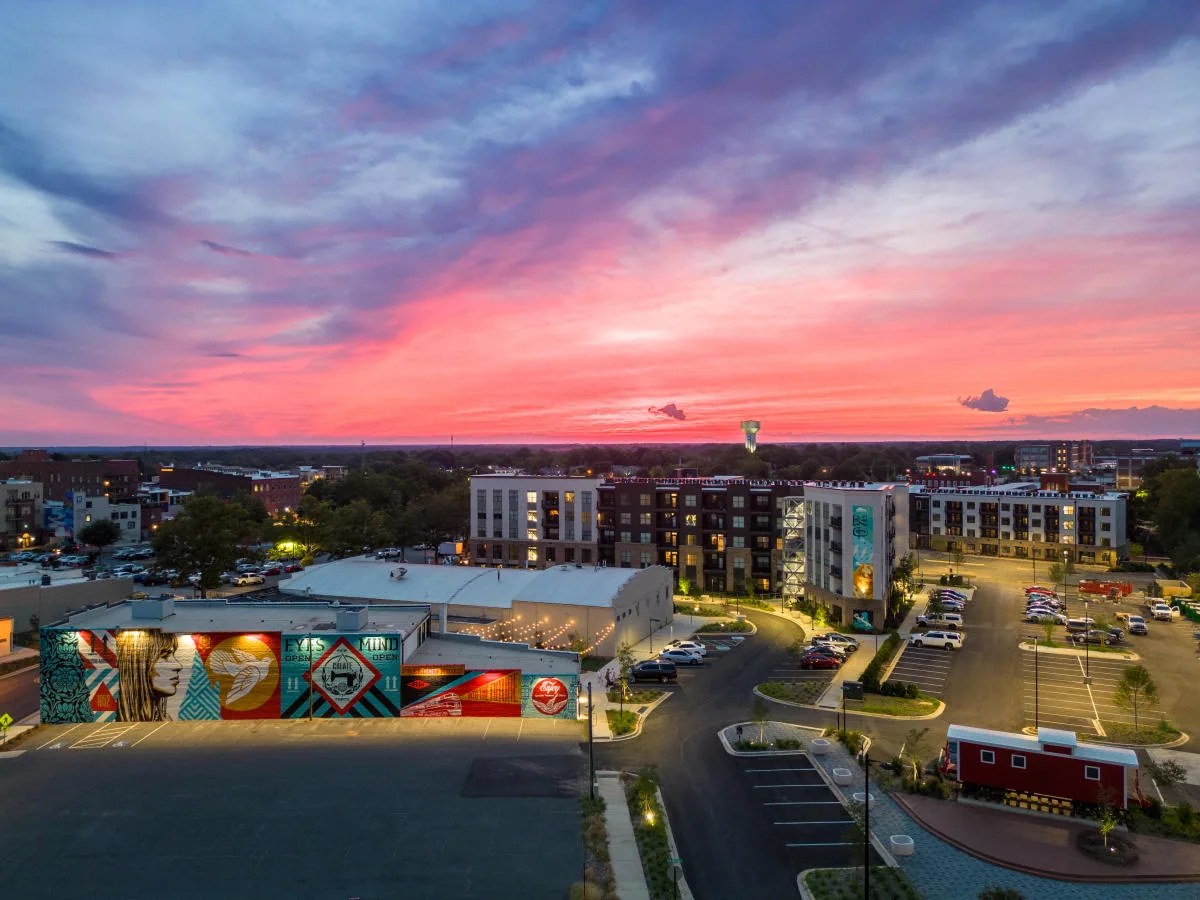
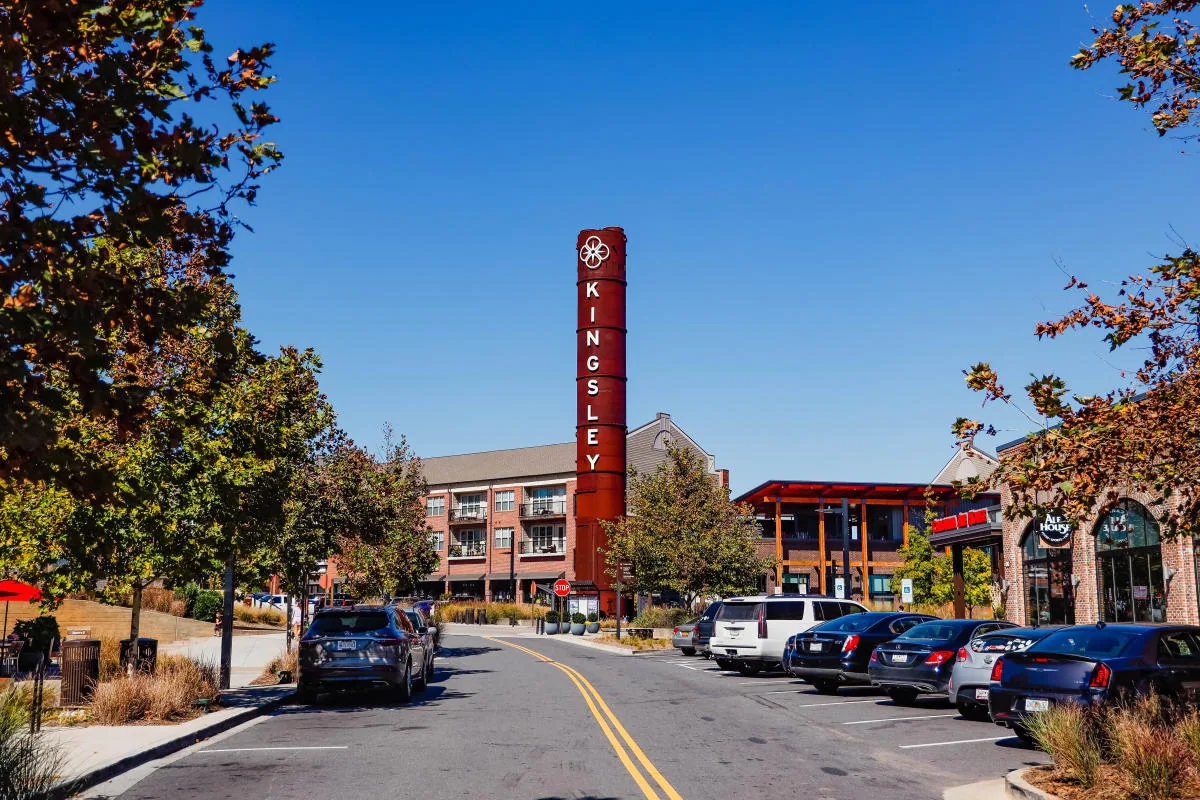
Carowinds Boulevard and Kingsley Town Center are commercial areas in Fort Mill, with different property uses and access plans. Each building's roof remains a separate inspection and work boundary. We identify any recommendation that needs a sample, another trade, or owner approval before it moves into construction.
For an estimate, provide the property's use, reported symptom, roof drawing, and operating restrictions. We will define the inspection path and identify how occupants, customers, or deliveries may be affected. The next scope can then address the specific detail without promising that unrelated roof zones are included.
Questions About Carowinds Boulevard Corridor, Fort Mill
We confirm occupied areas, delivery routes, staging, and closure requirements with the property contact before setting the work sequence.
No. The area's hotel, restaurant, retail, and office uses do not determine the roof assembly. We inspect the membrane or metal, attachment, drainage, and repair history at the property.
We identify the roof zone and protection needed below, then trace the reported symptom against accessible seams, outlets, and penetrations.
Access, occupied areas, materials, weather, equipment coordination, and concealed conditions affect the sequence. The scope states how an opening will be secured if work pauses.
Coordinate Commercial Roofing on Carowinds Boulevard
Share the building use, symptom, roof plan, access rules, and operating restrictions. We will inspect the defined area and prepare a repair or follow-up scope based on the roof evidence.
