
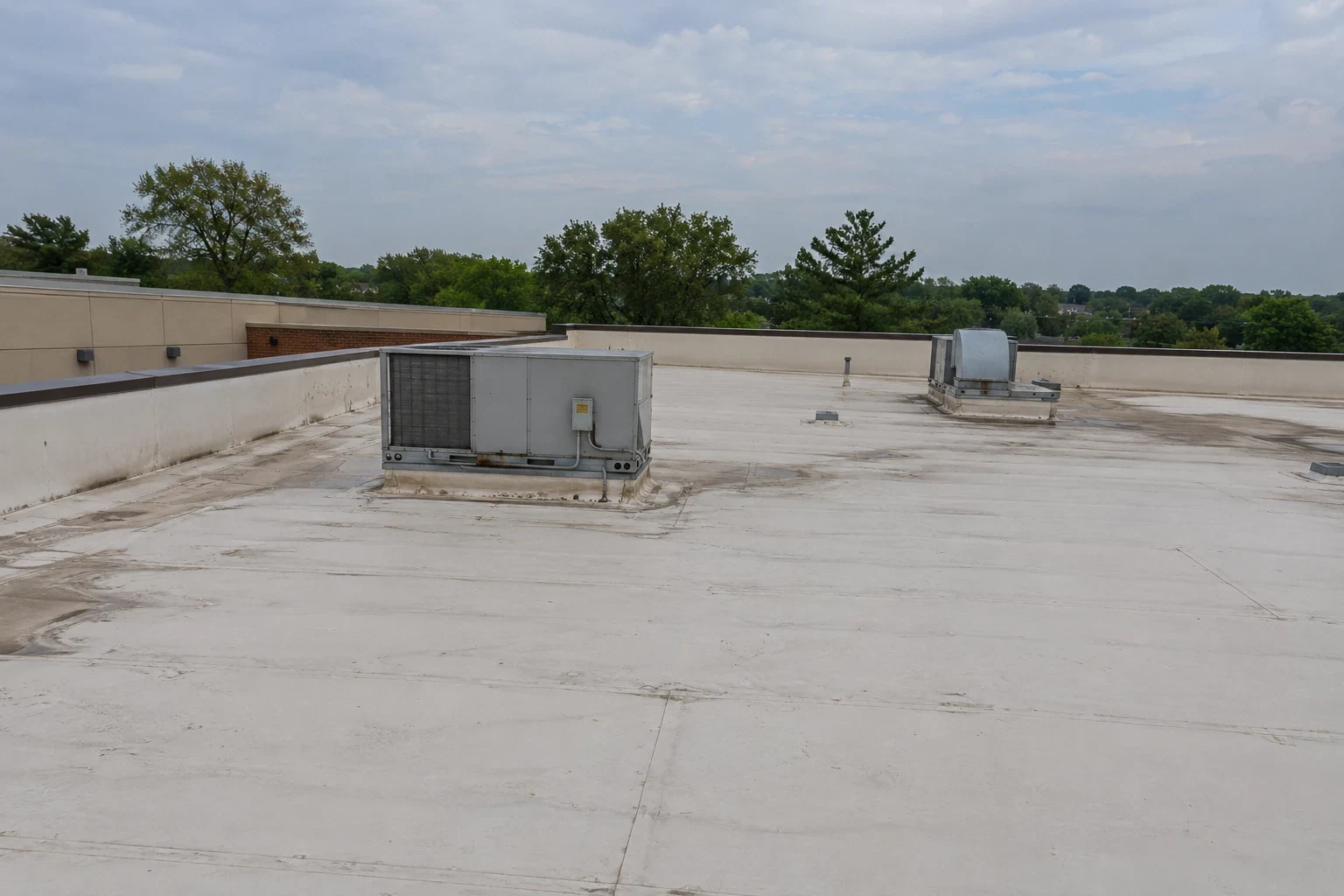
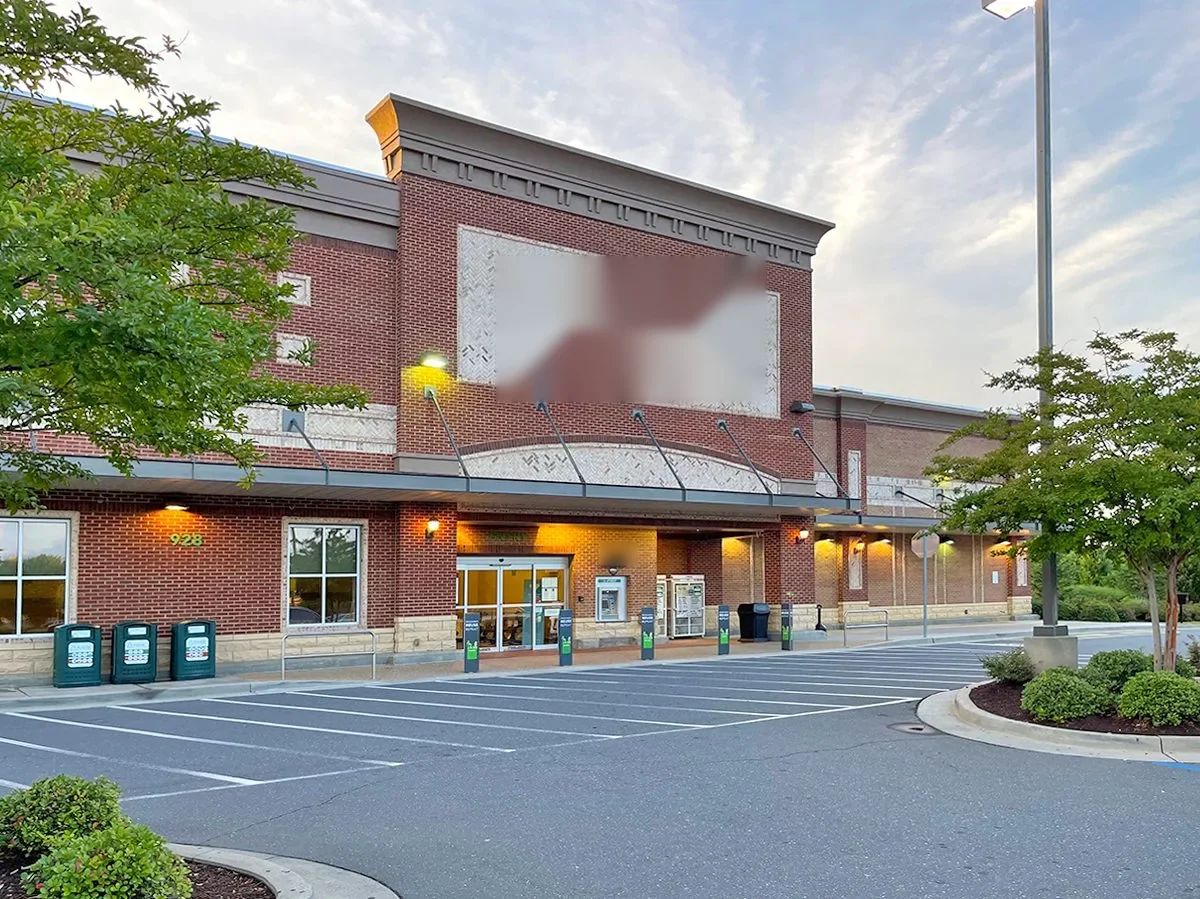
Coordinate grocery-store roof repair and replacement in Rock Hill around refrigeration equipment, customer areas, delivery routes, and drainage details.
A water mark near a refrigerated case can have an entry point well beyond the unit or ceiling area where it appears. We compare the report with roof plans, inspect curbs, penetrations, drains, and membrane transitions, then set a repair boundary around what the roof confirms. Retail and commercial activity extends along Dave Lyle Boulevard and the Cherry Road corridor in Rock Hill. Each store has its own roof assembly, cold-room requirements, and delivery schedule. We coordinate inspection near Dave Lyle Boulevard or the Cherry Road corridor around the facility's operating limits.
Trace Water Around Refrigeration Areas
Refrigeration lines, exhaust, plumbing vents, and rooftop units all create penetrations or curb transitions. We inspect flashing height, attachment, seams, and the membrane around each base. If equipment service or replacement has changed a line route, unused openings or disturbed patches may remain. We note which detail was inspected and coordinate equipment work separately from roofing repairs.
A ceiling stain inside a cooler or prep area can also reflect condensation, not a rain opening. We compare the timing and location with roof details and accessible interior conditions before naming the cause. A leak investigation can trace the water path and state what remains uncertain. If moisture below the membrane could change the repair, a test opening identifies the layers at that point; we then inspect adjoining zones before extending the work.
Seasonal downpours return to the Rock Hill area, so outlets and flashing deserve a visual check; weather cannot diagnose an individual leak. We document visible openings, water marks, and access limits by roof zone so store staff can coordinate any next inspection.
Check Roof Details After Unit Service
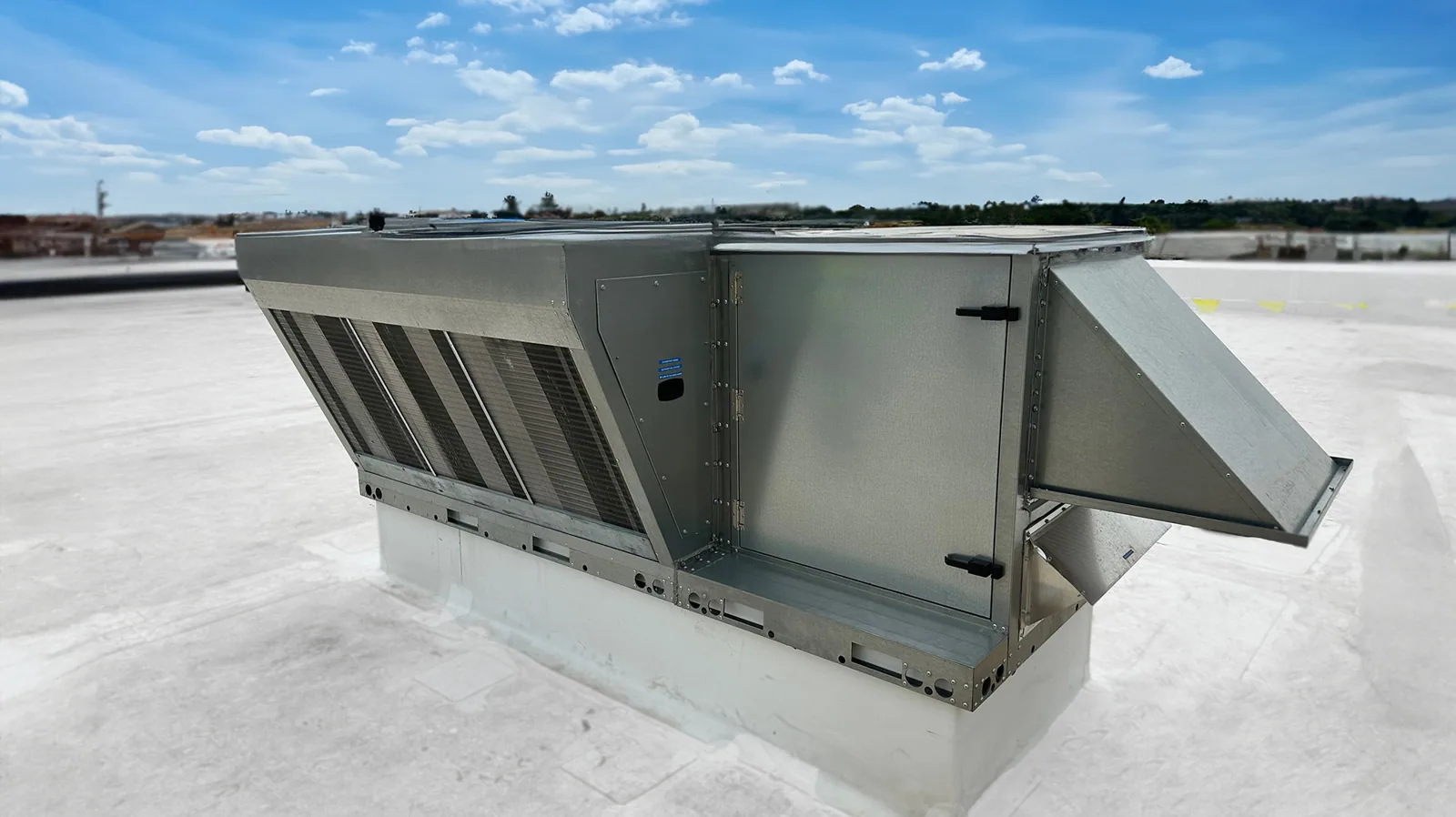
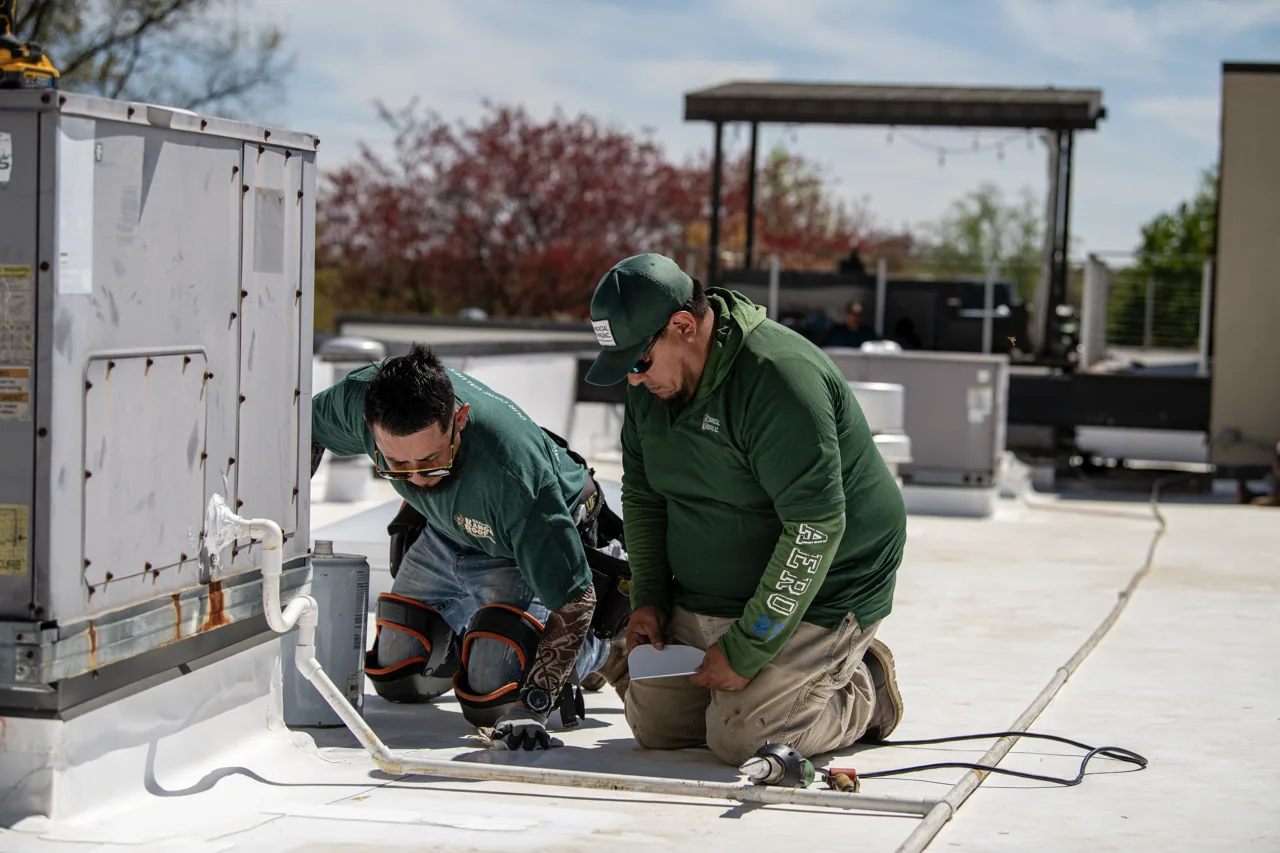
Replacing a refrigeration unit can change the curb, line penetrations, and support points on the roof. We inspect the current base, abandoned openings, flashing corners, and adjacent membrane for cuts or movement. A bead of sealant may not reconnect the membrane to a curb if the flashing or attachment has separated. The repair should match the roof material and the actual equipment base.
The curb and support service can renew flashing at the equipment base. We confirm whether the equipment can remain in place, whether a mechanical trade needs to move it, and which work area the store authorizes. If the base cannot be accessed safely, the report records that limit rather than assuming the flashing is sound.
Grocery operations have receiving, stock, food preparation, and customer areas beneath the roof. We plan temporary protection if a repair will open membrane or insulation above sensitive rooms. The facility contact can identify delivery windows and any interior area that cannot be interrupted. That information helps set the work sequence and material route before the roof is opened. We also compare previous patches near cooler areas and service corridors because they may have different flashing or vapor-control details. The report names what was checked from above and what requires room access or staff coordination.
Inspect Drains and Interior Conditions
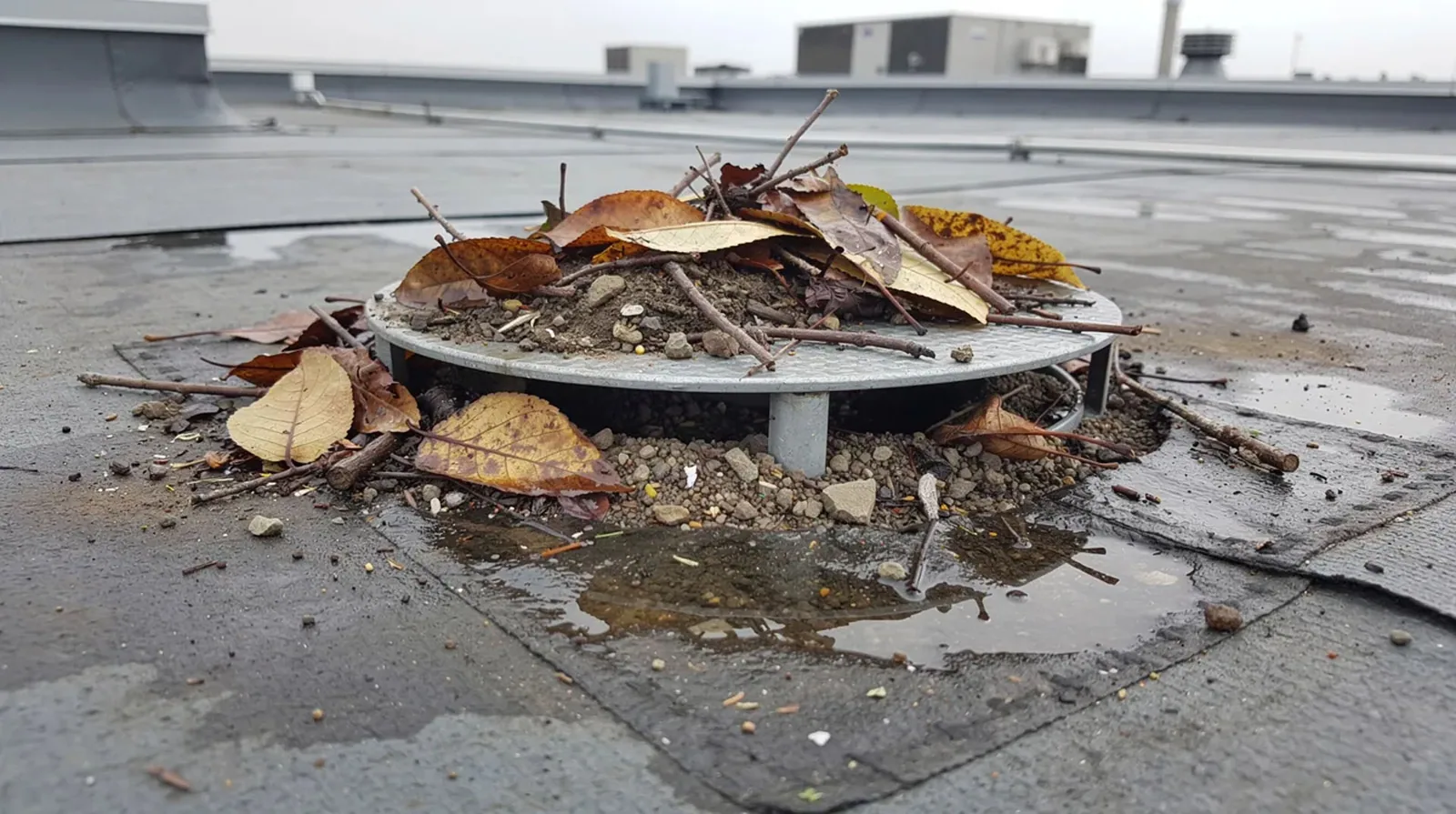
We check drain bowls, scuppers, surrounding membrane, and visible discharge paths for obstruction or separation. A blocked outlet, a damaged tie-in, and a low roof area are different findings. We identify which condition is present and separate debris removal from repair work. If water has overflowed near a wall, the inspection also follows the parapet and roof-to-wall transitions.
Rock Hill receives regular rainfall, so drainage marks can help locate recurring water paths. During inspection, we note stains, sediment, membrane wear, and standing-water evidence, then compare the route with any recurring leak reports after rain. A drain and scupper repair can restore an outlet connection that has separated from the membrane. We also check whether overflow reaches a safe discharge point or returns toward a wall or service entrance. We trace that discharge line to its outlet and note any section hidden from view.
York County has experienced hail and tornado activity, though the impact at an individual store must be inspected directly. After a storm concern, we check roof edges, penetrations, membrane, and flashing for visible displacement or punctures. Photos identify the areas examined, and the conclusion remains limited to those zones.
Sequence Work Around Store Operations
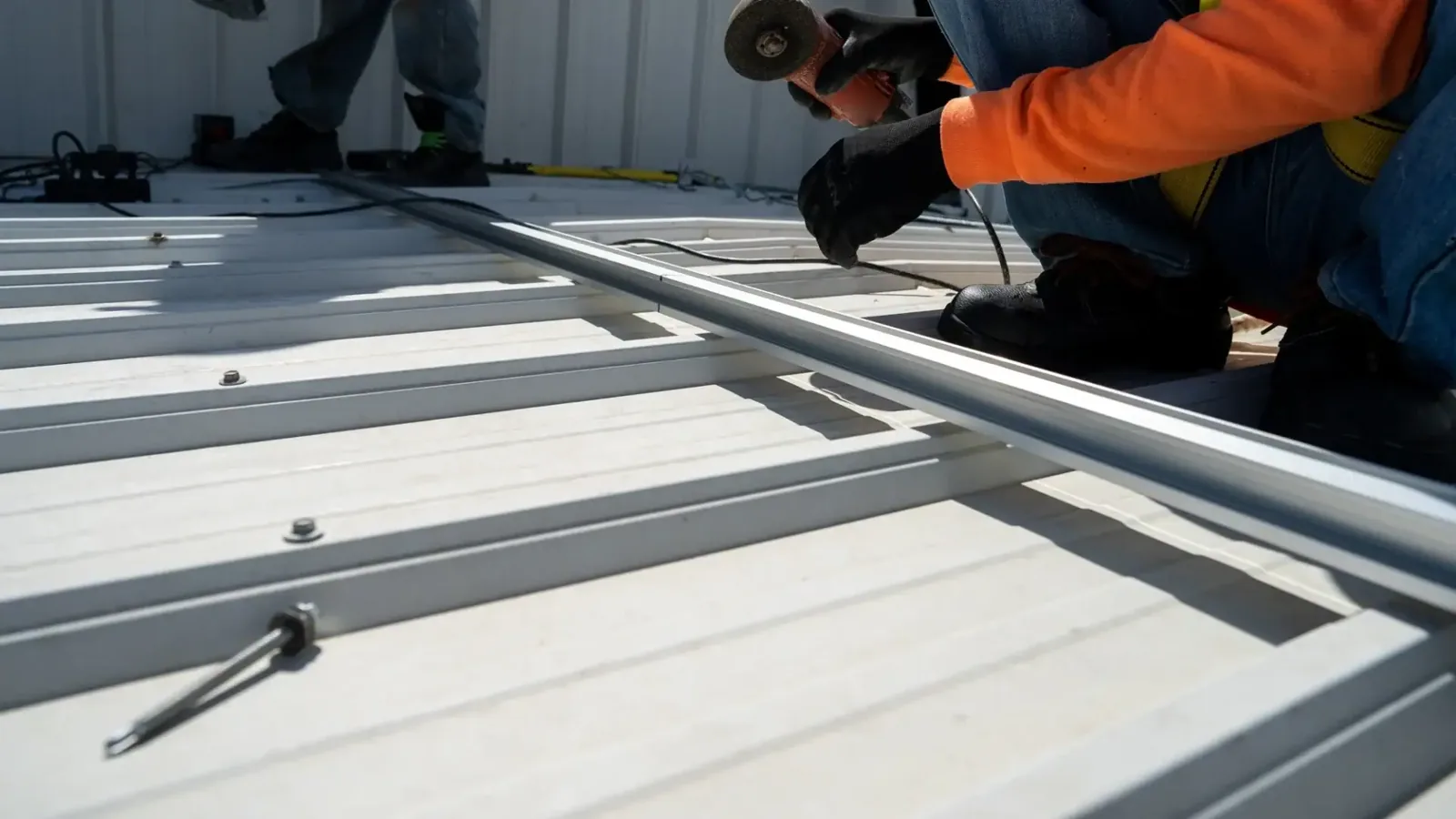
We confirm whether the roof is TPO, PVC, EPDM, bitumen, metal, or another system before selecting a repair. Seam methods and flashing materials differ, and a patch must tie to compatible, sound surfaces. If an existing coating or previous repair hides the original membrane, we identify that uncertainty before work. Removal that exposes wet insulation or a weak deck changes the scope and requires a separate boundary.
Work sequencing accounts for store access, deliveries, refrigeration service, customer paths, and any room needing temporary protection. Repair length, detail count, material preparation, roof access, and concealed moisture affect timing and cost. We can divide a larger job into sections so an open roof is protected before the next zone is started. The facility contact approves any change if unexpected conditions widen the repair area.
A work sequence for an operating store can coordinate staging and interior protection. A commercial repair scope can group connected defects. A big-box retail roof may have a broader sales-floor footprint, while a restaurant roof can include grease exhaust and kitchen penetrations. We inspect the actual assembly rather than infer details from store type.
For work over a receiving bay, prep room, or sales aisle, the facility team can mark the interior area that needs covering before tools reach the roof. We keep adhesives, fasteners, debris, and removed membrane controlled at the work zone. At each pause, the crew checks that the opening is closed and that temporary protection remains attached.
Keep Repairs and Equipment Work Connected
Closeout notes record the leak path evaluated, repairs completed, photos, equipment bases checked, and areas that could not be reached. The store team can compare later service work with the same roof-zone marks. We distinguish a completed patch from a test recommendation or an uninspected section, and keep any follow-up approval separate from the closed work.
A maintenance visit can revisit drains, curbs, seams, and prior repairs. Share the refrigeration service schedule, roof plans, delivery limits, and leak history before that inspection. We will coordinate the route and note any area where interior access or equipment shutdown was not available.
Rock Hill's commercial retail corridors include different property uses, but grocery roofs need recommendations tied to their actual refrigeration, drainage, and access details. We will explain what the roof supports and identify what remains uncertain before the store schedules another phase.

Questions About Grocery Store Roofing
It can be, so we compare the timing and location with roof openings and accessible interior conditions. We inspect nearby curb flashing, penetrations, seams, and drains before assigning a cause. The report states what the evidence confirms and what still needs testing.
We inspect the current curb, flashing, support points, line penetrations, and any abandoned openings. The repair ties the roof membrane to the present equipment base. Mechanical movement or shutdowns are coordinated with the store contact and the equipment provider.
We coordinate the roof and interior work zone with the facility, including temporary protection above sensitive areas and timing around deliveries. The plan defines how an opening will be closed if weather interrupts. Any additional damage is documented before the boundary expands.
Only if the outlet was blocked and the roof otherwise drains as intended. We also check the tie-in, slope, nearby membrane, and overflow route. Recurring low areas or a separated connection need a repair plan beyond routine debris removal.
Plan Grocery-Store Roof Service
Share the affected room, refrigeration or exhaust changes, roof plans, delivery schedule, leak history, and access limits. We will inspect the roof details, coordinate protection with store operations, and document the repair or renewal boundary.
