
Roof inspection, repair, and renewal for commercial properties along Dave Lyle Boulevard, with access and work zones defined before mobilization.
Commercial upfits along Dave Lyle Boulevard make the roof-to-wall and equipment handoffs worth checking when work is planned. Dave Lyle Boulevard has seen large retail and commercial upfits, and the corridor connects Rock Hill businesses with I-77 and the wider Charlotte region. We inspect the actual roof before setting a repair boundary. Nearby Rock Hill service areas include Clinton ConNEXTion and downtown Rock Hill.
Inspect the Details Touched by Renovation
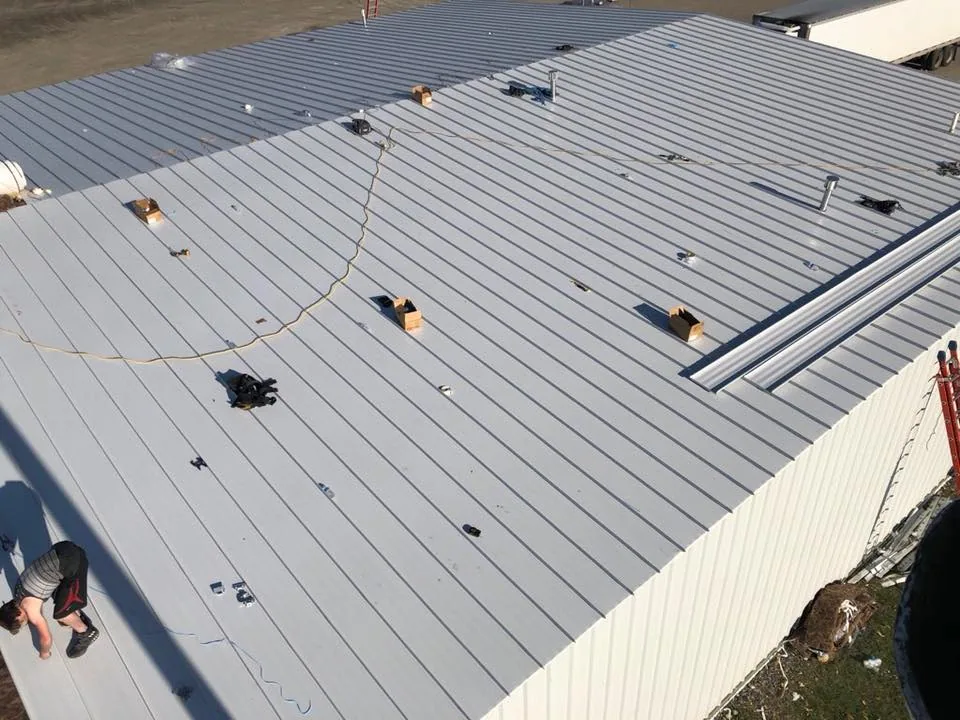
A roof walk checks the accessible membrane or metal, seams, roof edges, drains, curbs, penetrations, and previous patches. A commercial roof inspection can document visible condition and map where the crew could safely reach. If a renovation changed a rooftop unit, parapet, sign support, or wall connection, we inspect that transition without assuming that every section of the building was altered.
Rock Hill's development reporting includes large commercial and retail upfits along Dave Lyle Boulevard. A permit record identifies activity, not the existing roof assembly or the condition after a project closes. We compare owner plans, contractor records, and surface evidence to find which area needs attention. If a coating or overlay hides earlier layers, the report states what is visible and whether sampling could affect material choice.
When water appears indoors, note the room, time, and any recent roof or equipment work. We compare that report with nearby seams, outlets, parapets, and curbs. A commercial leak investigation documents the path examined and whether the entry point is established. If the symptom appeared after an upfit, we can focus on the touched detail while keeping unrelated roof areas outside the repair boundary.
A single visit may identify more than one issue: a clogged outlet, loose edge, open seam, or damaged penetration flashing. We record each item by roof zone and distinguish an active opening from a maintenance observation. A test opening or moisture survey may be useful if concealed layers change the repair decision. The owner can approve the next step with the limits of the visual inspection in view.
Check Roof Edges and Drainage Routes
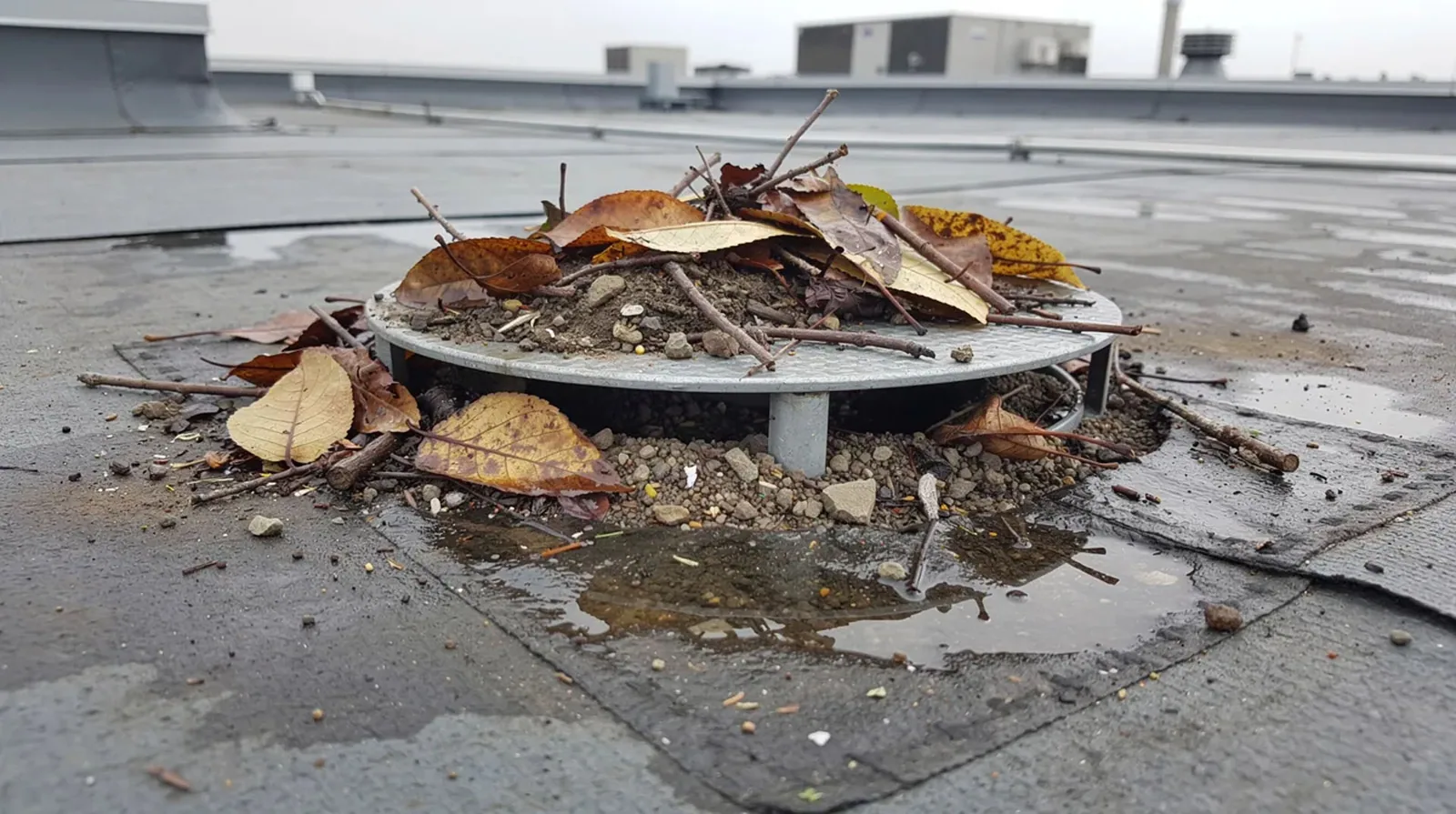
Outlets need a continuous route from the roof surface to discharge. We inspect the drain bowl, scupper, gutter, overflow, and nearby membrane for debris, separation, or a low area. A drain and scupper repair can renew the outlet tie-in or flashing transition confirmed during the walk; routine debris removal is a separate item. If the pipe disappears into the structure, we state where observation ends and whether plumbing review is needed.
At a parapet or wall, coping and edge metal must remain attached while flashing bridges the roof transition. We look for open laps, failed sealant, loose fasteners, and evidence of movement, then compare those details with the reported interior location. Water may travel before it shows inside, so a ceiling stain near an edge does not by itself identify the entry point.
Summer heat and humidity, together with regular Piedmont rain in the Rock Hill market, belong in the roof-maintenance plan. That context makes drainage checks and end-of-shift protection important, especially when the assembly is open. It does not show that any Dave Lyle property has ponding or storm impact. We record the roof's slope, outlets, and exposed condition at the visit before recommending a correction.
If adjacent renovation involves façade work, glazing, signage, or mechanical service, define which trade will restore each roof-side connection. We can identify the membrane interface and protect it while the handoff is pending. Work on interior finishes, electrical systems, or equipment stays separate unless the written roofing agreement includes those tasks.
Plan Staging Around Corridor Access
Before mobilization, the property contact confirms entry, delivery windows, loading areas, lift placement, pedestrian routes, and any parking or service access that must remain available. Dave Lyle Boulevard is part of Rock Hill's commercial network and connects with I-77 access, but the actual approach to a roof belongs to each property. We document the route, roof hatch, escort needs, and the area reserved for staging.
Occupied retail or office space may need interior protection below the work zone. We identify which entrances or rooms could be affected, how an opening will be closed at a pause, and who coordinates notices. A phased sequence can keep the active area defined, but weather, cure conditions, and concealed damage affect daily progress. The schedule states these practical limits rather than promising that every business activity continues unchanged.
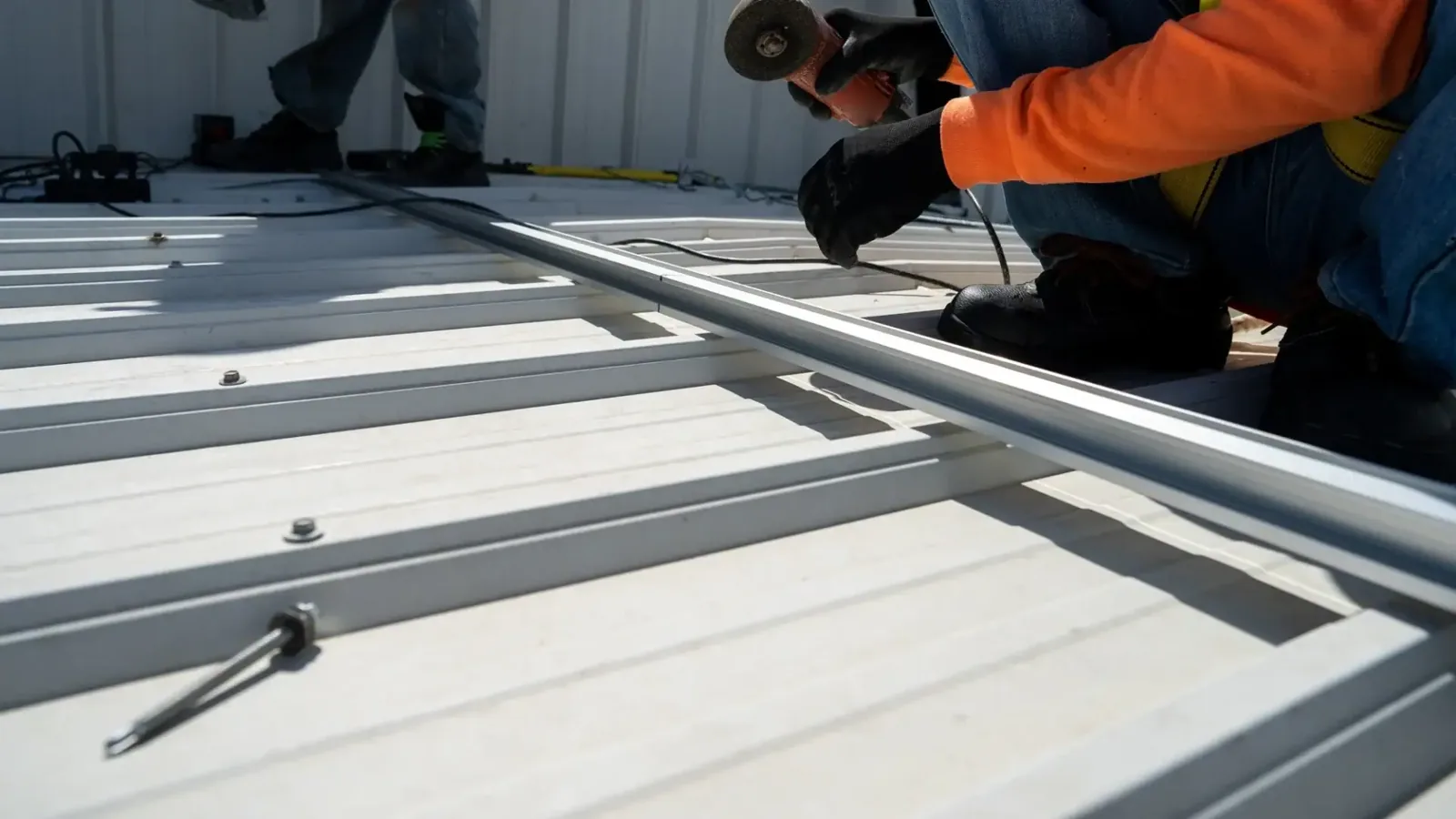
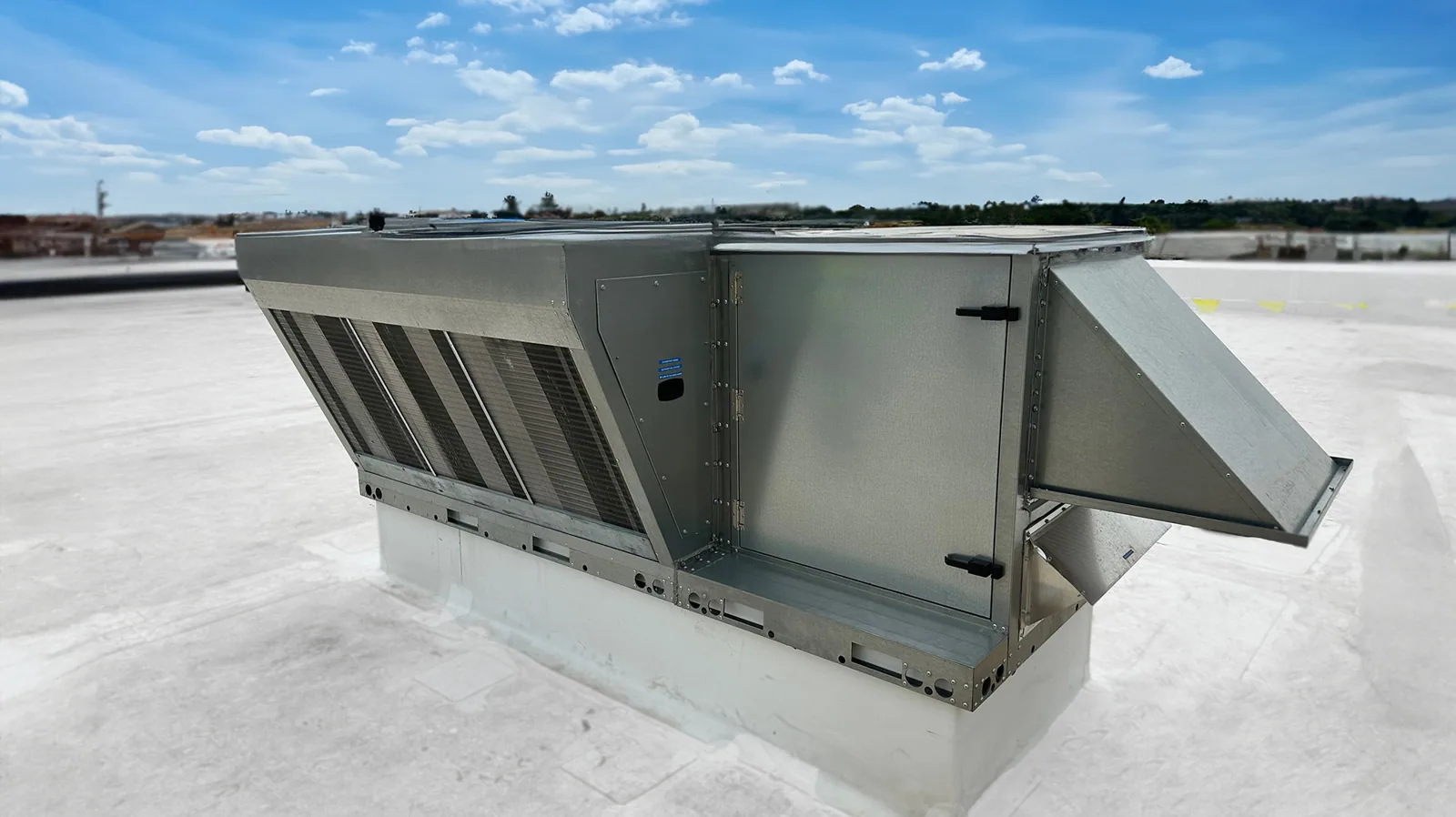
Rooftop units and signs can interrupt a repair path. If a mechanical or sign contractor must move equipment, we agree on temporary covering and membrane restoration before work starts. A curb and support repair can address the roof connection when the equipment base and tie-in method are known. The scope identifies the handoff and which contractor handles the non-roof work.
When tear-back uncovers wet insulation or a compromised deck, we record the added area and maintain temporary cover while the property contact decides whether to expand the repair. That pause is useful near an active renovation because the owner can coordinate cost, access, and adjoining trade work before the roofing scope changes. Structural review or interior reconstruction remains a separate assignment unless included in writing.
Match the Remedy to the Roof Condition
A patch may be appropriate for a contained opening when material around it remains sound and accepts a compatible connection. Recurring leaks, broad moisture, repeated seam separation, or an unstable roof edge may call for testing or a wider renewal comparison. A commercial repair scope sets out the exact roof zone, tie-in method, protection, and work limits supported by the inspection.
Cost and timing turn on roof system, number of details, access, staging, traffic controls, disposal, interior protection, and what is concealed. If the project includes recover or replacement, the proposal should state assumptions for existing layers, drainage, insulation, penetrations, and perimeter work. When a test could change material selection, we describe its purpose before pricing a larger scope.
Close Out With Clear Work Limits
Closeout identifies the roof area inspected, finding, material, photographs, repairs completed, and any access or testing limit. If the repair addressed one transition, the record names that transition. A future upfit can then account for what was touched and what remains open without treating a localized scope as a roof-wide warranty or survey.
A maintenance visit can revisit drains, edge metal, seams, equipment bases, and prior repairs. The route should reflect the roof system and the change history at the property. Share roof plans, previous work orders, equipment adjustments, leak records, and access procedures before the next visit. Open questions remain listed so they are not mistaken for completed work.
Development activity in Rock Hill spans retail, contractor, automotive, and industrial improvements. For a building on Dave Lyle, that broad activity is useful context; the roof decision still follows the property. We document observed defects and the limits of the inspection, then explain whether a repair, sample, or renewal comparison is supported by the evidence.
For an initial estimate, share the building use, symptom, roof plan, and any renovation or equipment schedule. We will identify the zones to inspect and the protection needed below. The next scope can then set a defined repair boundary and a follow-up check that fits the building's access and operations.
Questions About Dave Lyle Boulevard Corridor
At a renovated property, we inspect the roof edges, penetrations, and transitions before including them in repair scope. We review the project history and inspect the relevant transitions before including roofing work.
Yes. We can define a focused route, document what was reached, and identify when the symptom or roof layout supports a wider inspection.
The property sets delivery paths, lift areas, entrances, and work restrictions. We confirm those details with the site contact before scheduling materials and equipment.
Repeated leaks, moisture across several zones, or failing attachment can justify additional testing or a renewal comparison. The report identifies the evidence and any uninspected areas.
Scope Commercial Roofing Along Dave Lyle Boulevard
Share the building use, roof plan, reported issue, previous upfit or equipment work, and access rules. We will define the inspection route and recommend the next step from the roof conditions found.