
Commercial roof inspection, repair, and maintenance for Cherry Road Corridor properties, with work defined from the building's roof and access.
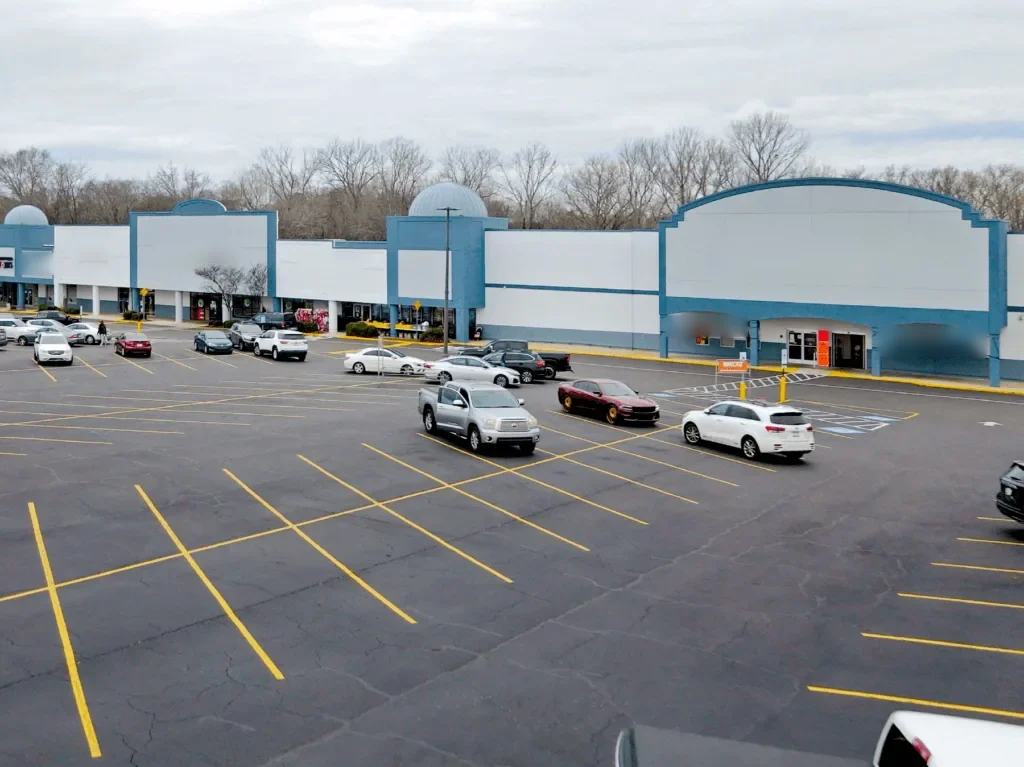
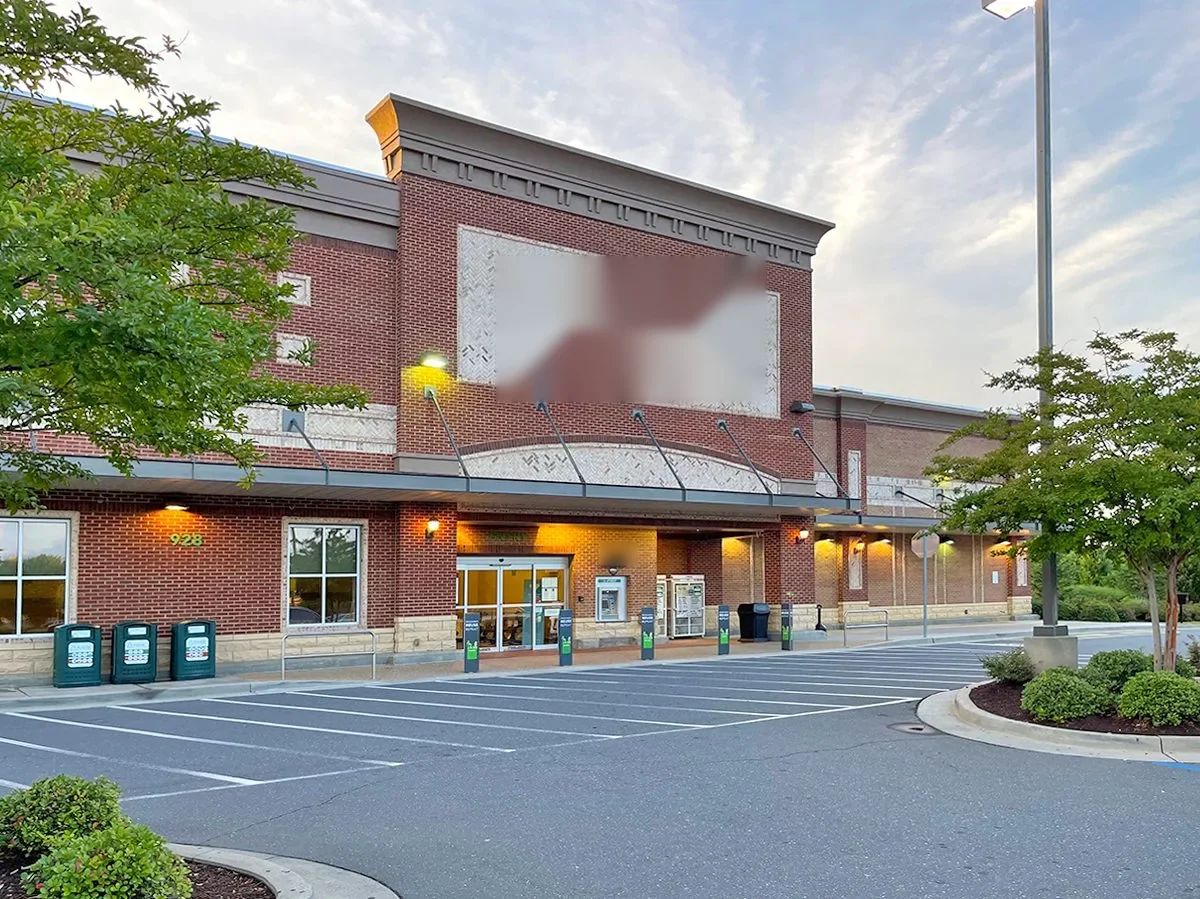
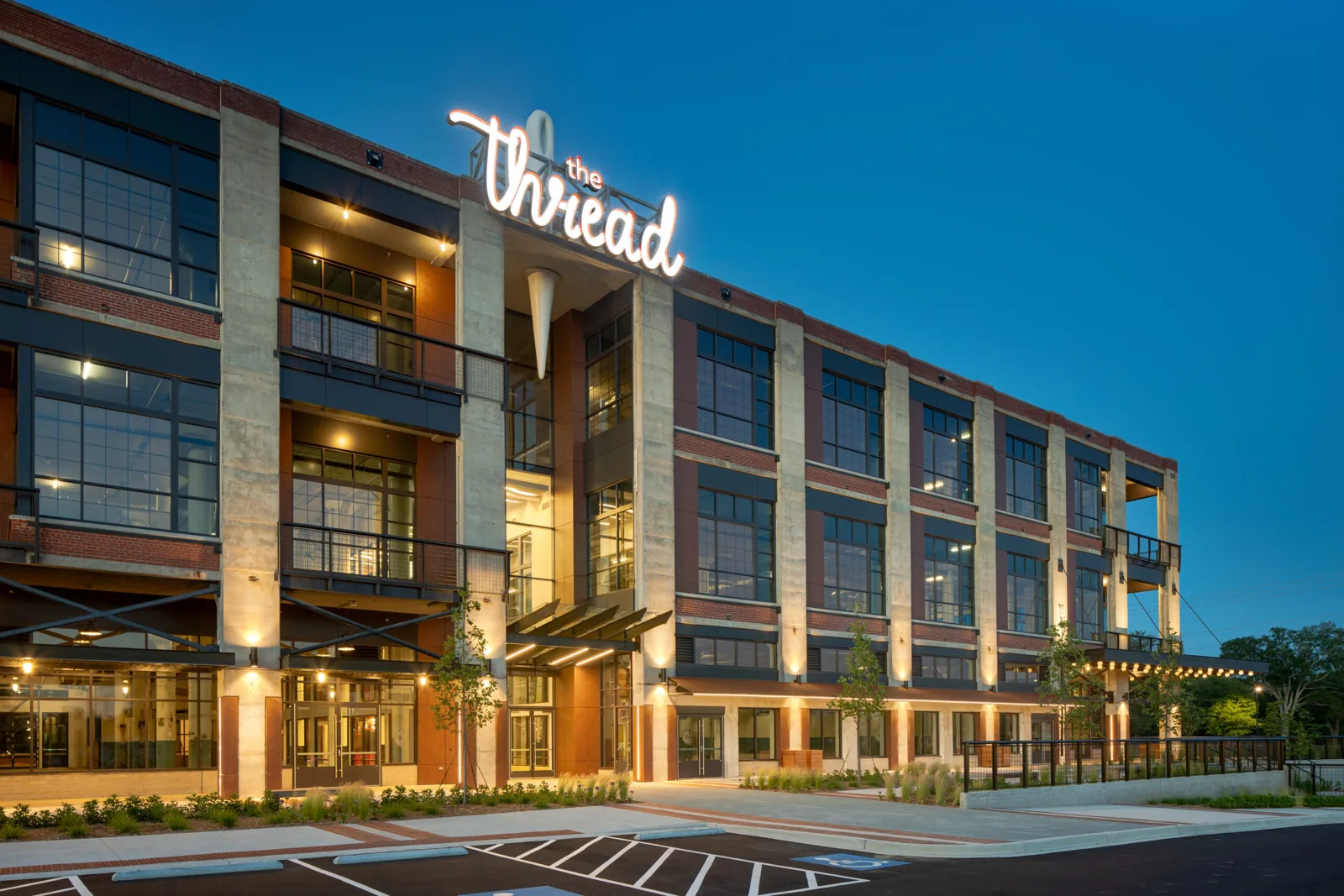
A trade-school upfit and retail development both appear in Rock Hill's activity reporting for the Cherry Road area. Those uses call for different access plans, but neither tells us what roof system is on a particular property. We inspect the assembly, trace drainage, and define the work around the building's use. For nearby commercial locations, we also serve Textile Corridor and the Dave Lyle Boulevard corridor.
Map the Roof Zones That Need Attention
The first walk records the visible surface, seams, edges, curbs, penetrations, drains, and prior patches within the requested area. A commercial roof inspection identifies which sections are accessible and which need another access method or test. If the roof has additions or more than one level, we note each transition separately. The plan can then show what the visit covered without implying that a sample represents every section.
Rock Hill publishes permit and inspection activity for commercial and institutional projects. A public record can help establish that renovation work occurred in the area, but it does not specify the finished roof layers or current condition. We compare any available project documents with field evidence. If a roof opening or curb was changed, we inspect the flashing and membrane connection at that detail instead of assuming the renovation included the full roof.
A leak report needs a location and a time as well as the visible symptom. We compare those details with the roof layout, water path, drains, wall edges, and equipment bases. A leak investigation describes the route checked and whether the suspected entry is confirmed. Water can move before appearing indoors, so we identify what evidence supports a repair and what remains a possible path.
If a test opening is being considered, we define its purpose and the sample location with the owner. Interior protection, safe access, and a closure method are part of the decision. Use test openings to identify the sampled assembly, then inspect other roof zones and record where conditions differ before pricing a broader scope. We record whether that result changes the scope or suggests that a broader survey would answer a separate question.
Follow Drainage to Its Discharge Point
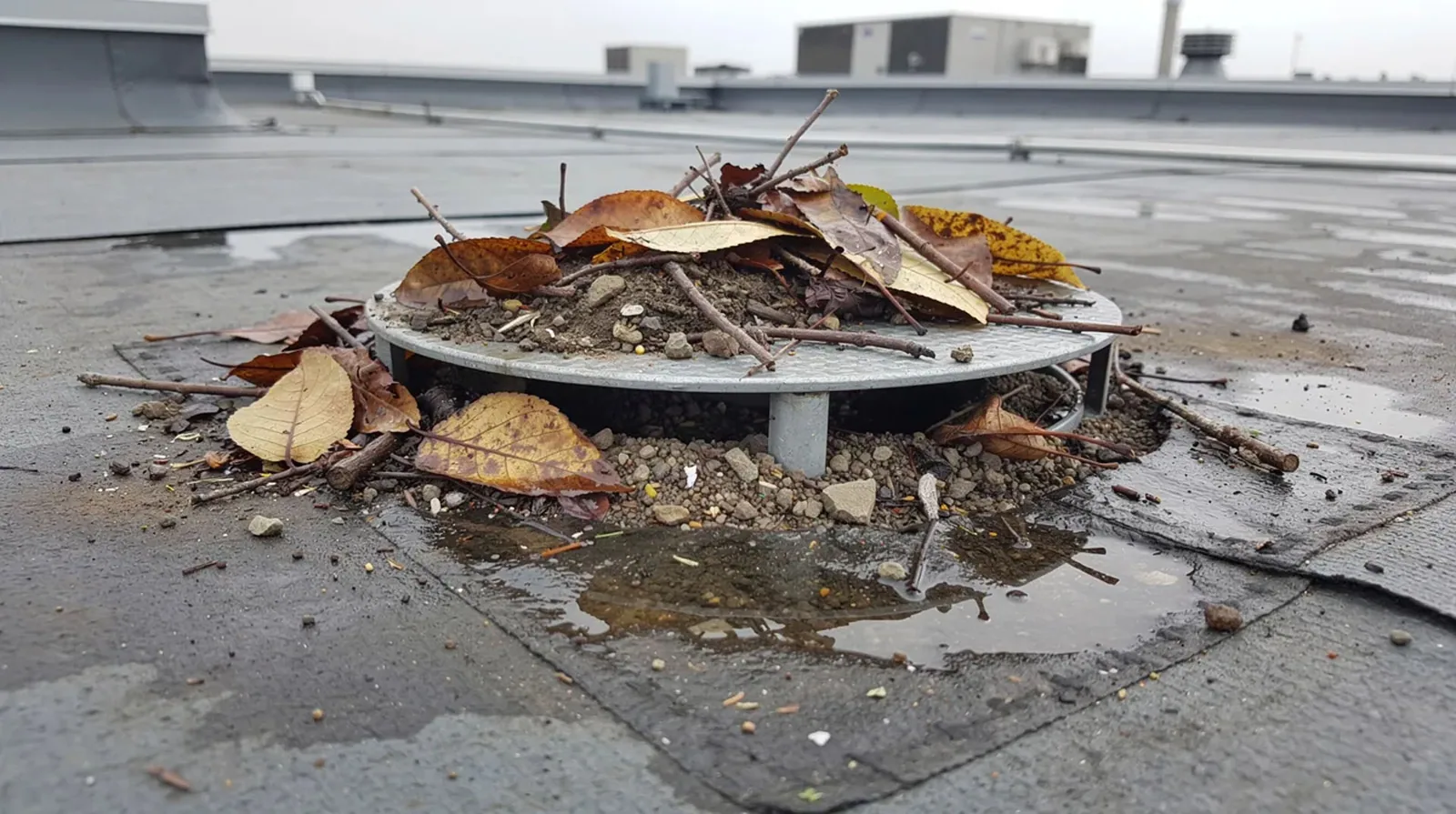
We check strainers, drain bowls, scuppers, gutters, overflow openings, and the visible discharge route. Debris at an outlet differs from a failed membrane connection or a low area that holds water. A drain and scupper repair can correct a verified roof-side detail. If the outlet connects to concealed piping, we identify where the inspection stops and whether a plumbing check is needed.
At a parapet, wall, or roof edge, we inspect coping, edge metal, attachment, sealant, and flashing termination. A loose cap or separated lap can allow water behind an otherwise intact field membrane. We compare the detail with the interior report rather than treating the closest wall as proof of the source. The report notes both the condition and any access restriction that limited the view.
Rock Hill's warm, humid Carolina Piedmont brings regular rainfall and a long warm season. For roof work, that context makes drain condition, dry-in, and the end-of-shift closure plan important. After a reported event, inspect the Cherry Road roof for actual impact, open seams and water entry, then document the findings by roof zone. We assess the property's actual slope, outlets, and membrane, then choose protection appropriate to the material and opening.
Where an interior leak appears after renovation, records from the property team may help establish what work touched the roof. We identify whether the evidence points to a roofing transition, equipment base, or a condition outside the visible roof area. Any connection to plumbing, façade, or mechanical systems is described as a coordination point instead of being included without authorization.
Coordinate Work Around Occupied Areas
A commercial corridor can include properties with distinct customers, staff, deliveries, and shared access. Before mobilization, we confirm who controls the roof entry, what hours or escorts apply, where materials can be staged, and which paths have to remain open. The property contact identifies any classroom, customer, or service area below the roof that needs protection during removal.
For a roof over active space, we outline the work zone and temporary cover before opening the assembly. A phased sequence can limit how much roof is exposed at once, but material preparation, weather, and hidden conditions can change the order. We identify the person who approves a scope change and the steps for securing the roof if work pauses. Tenant or occupant notices remain with the owner unless the written agreement assigns them to our team.
Equipment service can affect roof penetrations. If a unit, line, or sign must be moved, the responsible contractor and roofing crew need a clear handoff for temporary protection and final membrane restoration. A curb and support repair can restore a verified roof connection once the base and system are known. The scope records the roofing work separately from equipment service.
Select a Repair That Fits the Surface
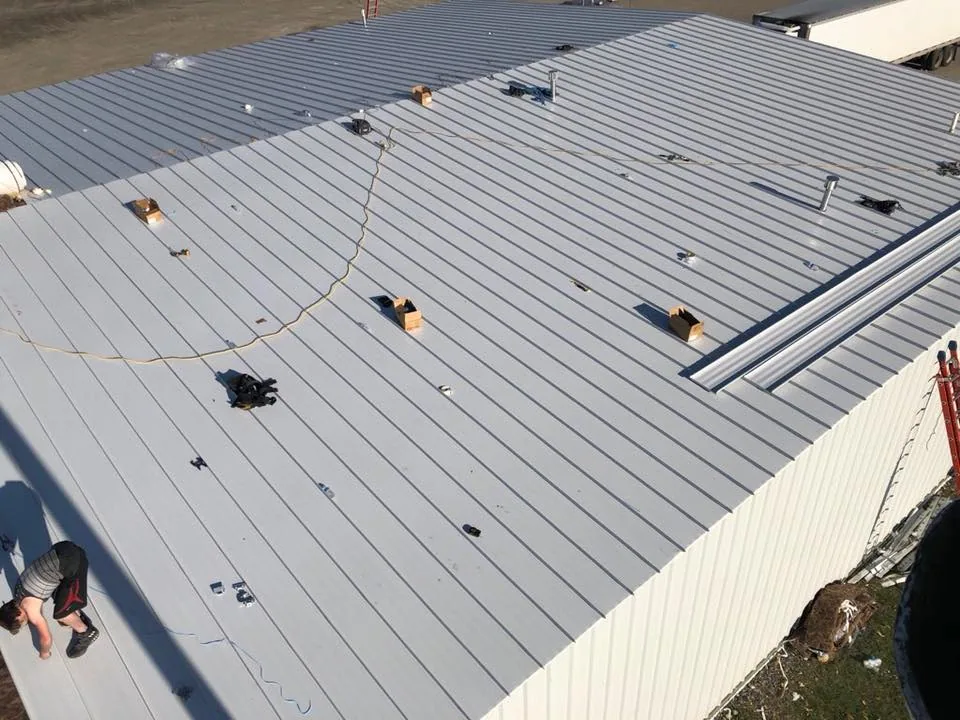
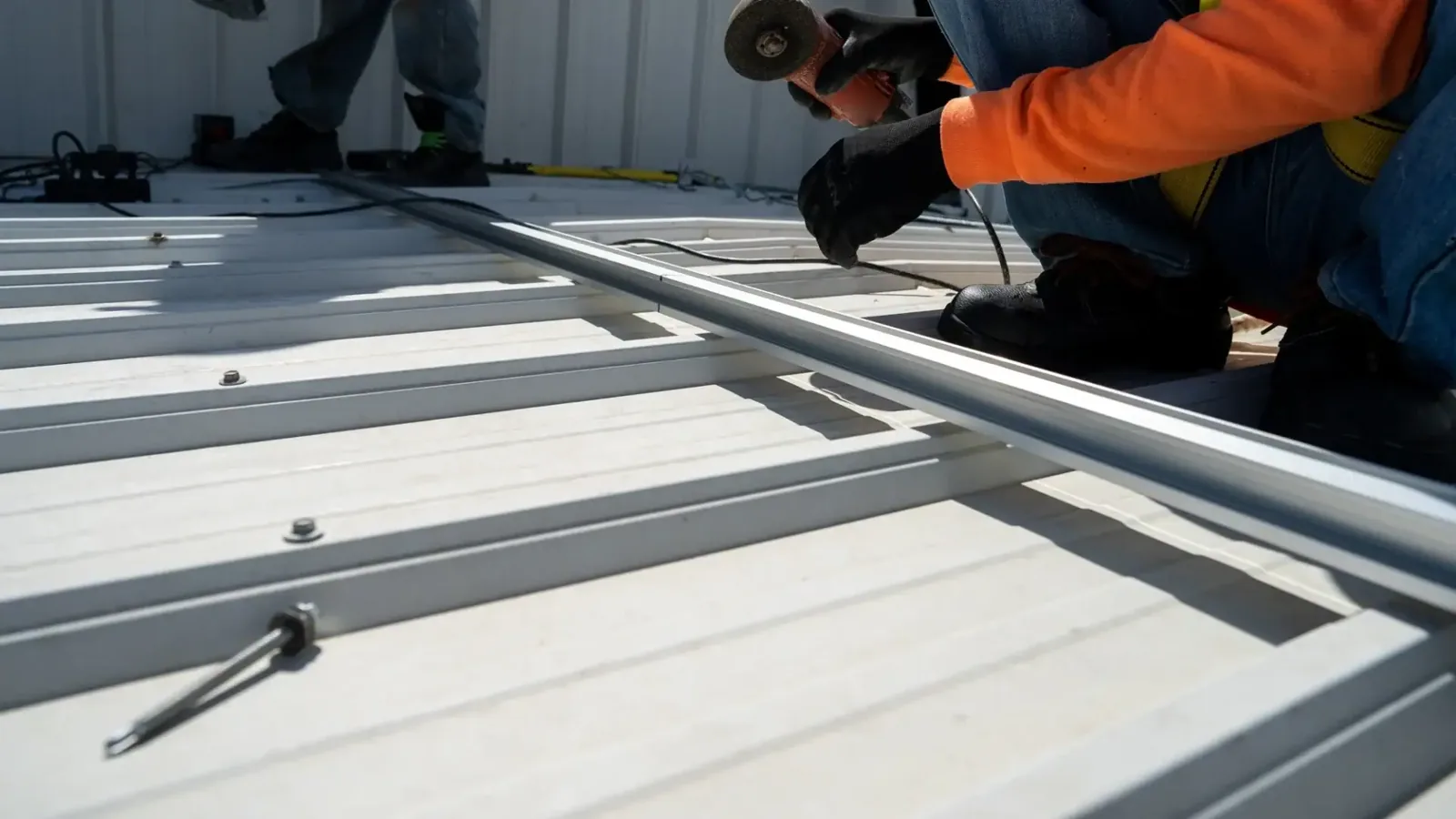
We identify the exposed assembly before choosing a patch. Membrane, metal, built-up, and coated roofs use different preparation and connection methods. A commercial repair scope describes the location, compatible material, preparation, flashing, access, protection, and closeout. If an older layer is concealed, we state what remains uncertain and whether testing could affect the selection.
A localized repair may fit a single opening when nearby material and attachment remain sound. Repeated leaks, widespread moisture, loose edge metal, or recurring seam failure can justify more testing or comparison with a larger renewal. We explain the evidence behind each option and identify roof zones not inspected. A surface patch should not be described as a complete correction when its boundary is limited to one detail.
Cost and timing depend on roof system, repair size, detail count, access, lift or staging, traffic control, interior protection, and concealed conditions. If removal changes the known scope, we protect the opening, document the condition, and obtain approval before continuing. A proposal lists assumptions and exclusions so the owner can compare options on the same work boundary.
For roof coatings, the surface needs to be compatible, prepared, and adequately attached. A coating does not solve a drainage or structural problem by itself. We check the area, note moisture or adhesion concerns, and identify when a survey or design input is needed before proposing restoration. That gives the property team a clear distinction between maintenance, a targeted repair, and a larger assembly change.
Use Closeout Notes at the Next Visit
Closeout identifies the roof area, observed condition, repair material, photographs, and any testing or access limit. If the work addressed a single curb or outlet, the record names that detail. The property team can compare a later stain or renovation with the same point and see whether it falls inside the prior repair boundary.
A maintenance visit can revisit drains, roof edges, seams, and prior patches based on the system and the history recorded. Share roof plans, previous work orders, equipment changes, leak reports, and access procedures before scheduling. The next route can target a known condition and list anything still requiring approval.
Rock Hill describes itself as a regional technology and industrial center with several business parks. The Cherry Road area is one part of the city's wider commercial network, alongside Dave Lyle Boulevard and Textile Corridor. These broad places help situate a service request; findings and recommendations remain specific to the roof inspected.
Questions About Cherry Road Corridor
No. Corridor activity includes different property uses, while roof material and layout vary by building. We identify the assembly from records and field conditions.
Work at a curb, penetration, edge, or wall can affect a roof connection. We inspect the touched detail and compare it with the leak report before assigning cause.
When hidden deck trouble is exposed, we cover the area, photograph it, and contact the authorized decision-maker. Work beyond the initial boundary waits for approval.
A roof plan, symptom location, repair history, renovation documents, equipment changes, and access limits help define the first inspection route.
Plan Commercial Roofing on Cherry Road
Share the property use, roof plan, reported condition, prior renovation work, and access rules. We will inspect the defined area and outline a scope based on what the roof shows.
