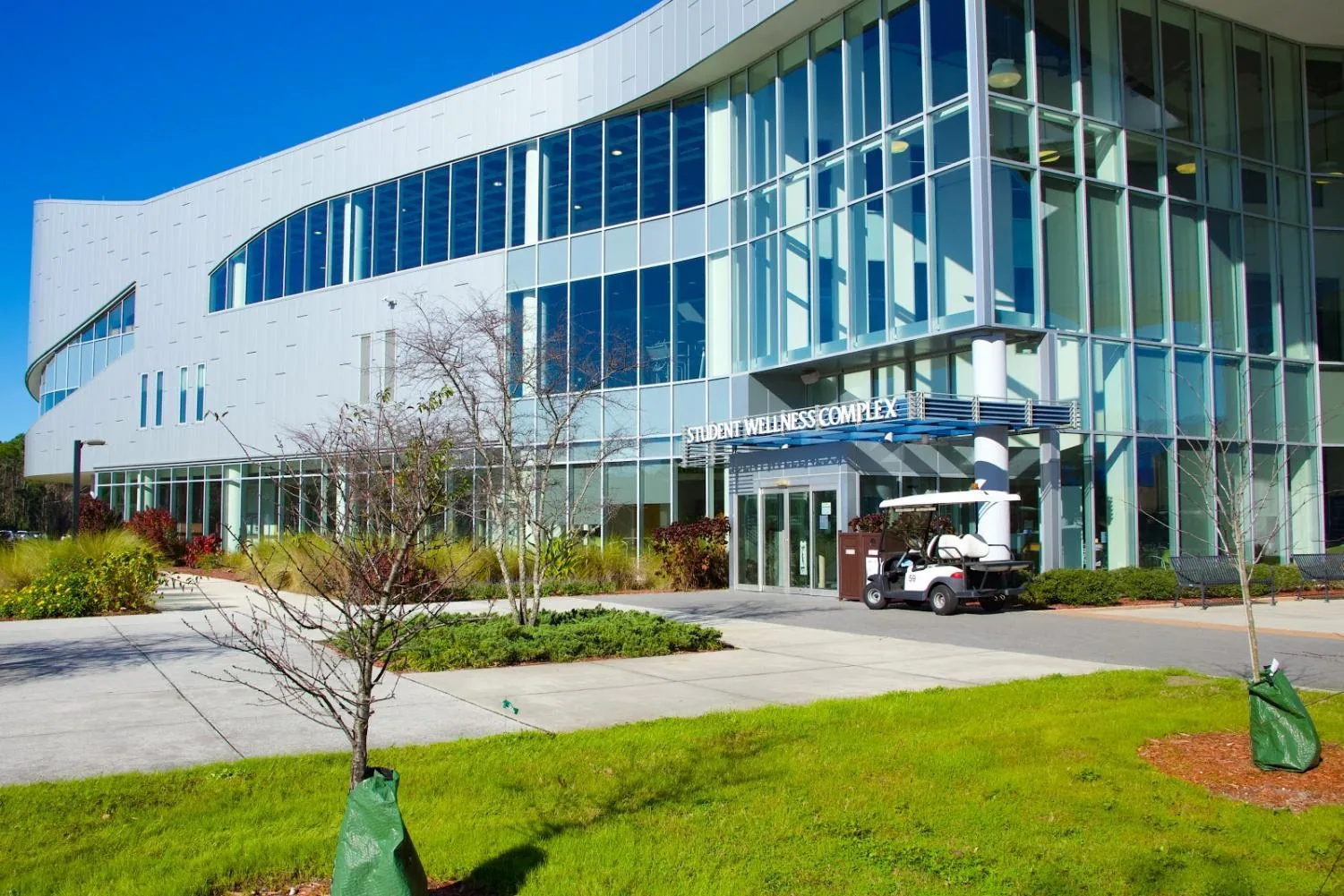

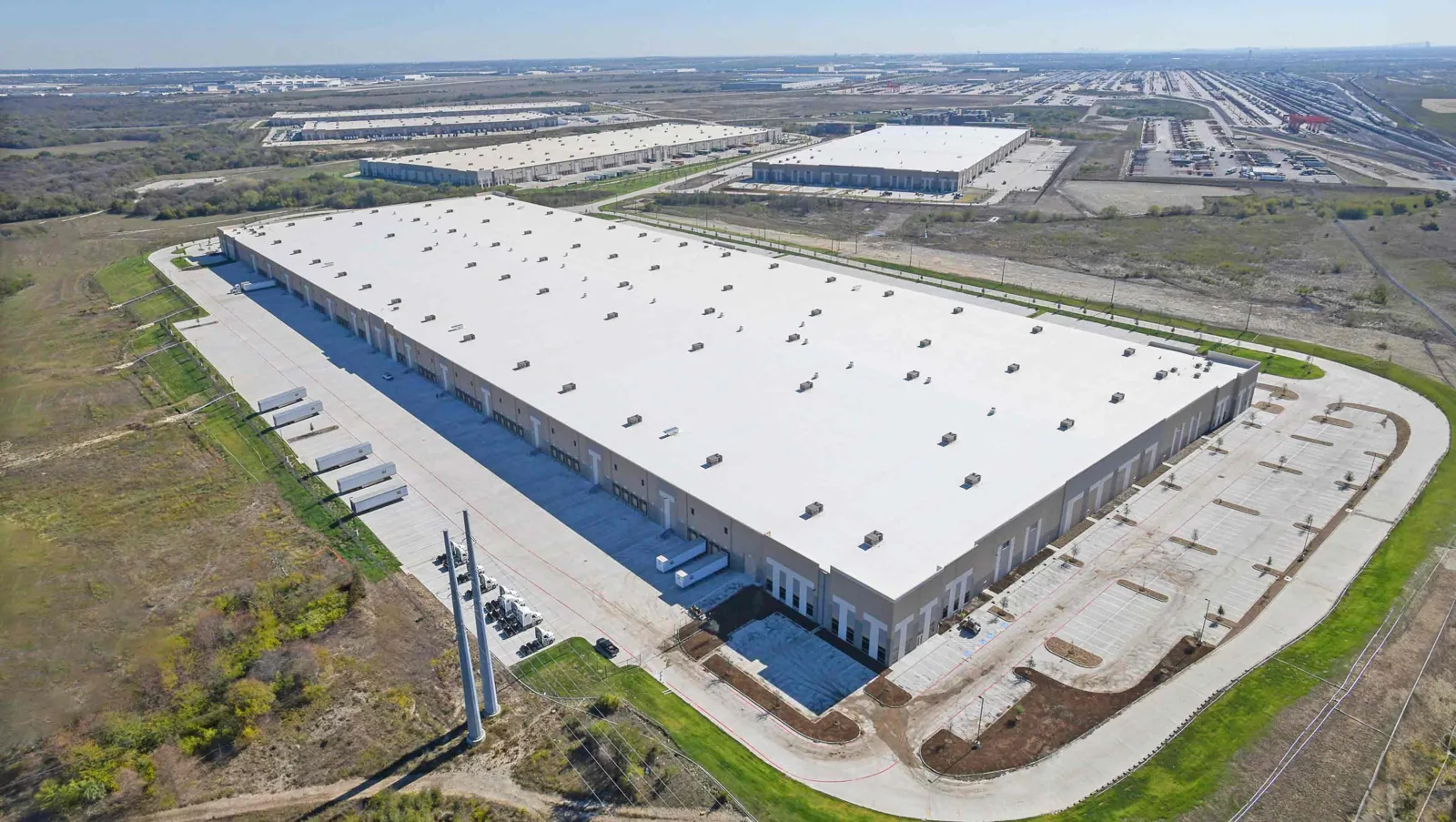
Fitness center roof inspection and repair in Rock Hill, SC, for low-slope systems, rooftop equipment, drainage, and occupied facility scheduling.
A drip above a training floor, locker room, or reception area can interrupt different parts of a fitness facility. Fitness center roofing in Rock Hill, SC, begins by locating the reported area and identifying the roof system above it. We inspect seams, drains, curbs, skylights, and wall transitions, then document the water path and limits of the review. Rock Hill includes retail and institutional properties alongside technology and business districts. Knowledge Park and Waterford Business Park are part of that wider commercial setting, while the fitness building’s own roof plan sets the repair boundary.
Inspect the Areas Above Different Activities
Training floors, studios, locker rooms, offices, and food service areas place different equipment and ventilation below the roof. Mark the room or zone, then check the corresponding membrane or panels, roof edges, skylights, exhausts, and mechanical curbs. If the building includes a pool or spa, inspect humidity controls and the roof assembly as separate parts of the moisture review; do not assume indoor condensation is a roof leak.
Trace stains against the framing and roof plan before selecting a patch. Water can follow a deck or conduit, and condensate can discharge near an otherwise sound membrane. Photograph the suspected source and nearby details. If moisture is concealed, map the boundary or use a test opening only after the facility approves access and protection. A roof inspection can record which zone was checked and what remains for follow-up, making the next step clear to the manager.
Check Curbs, Exhaust, and Condensate
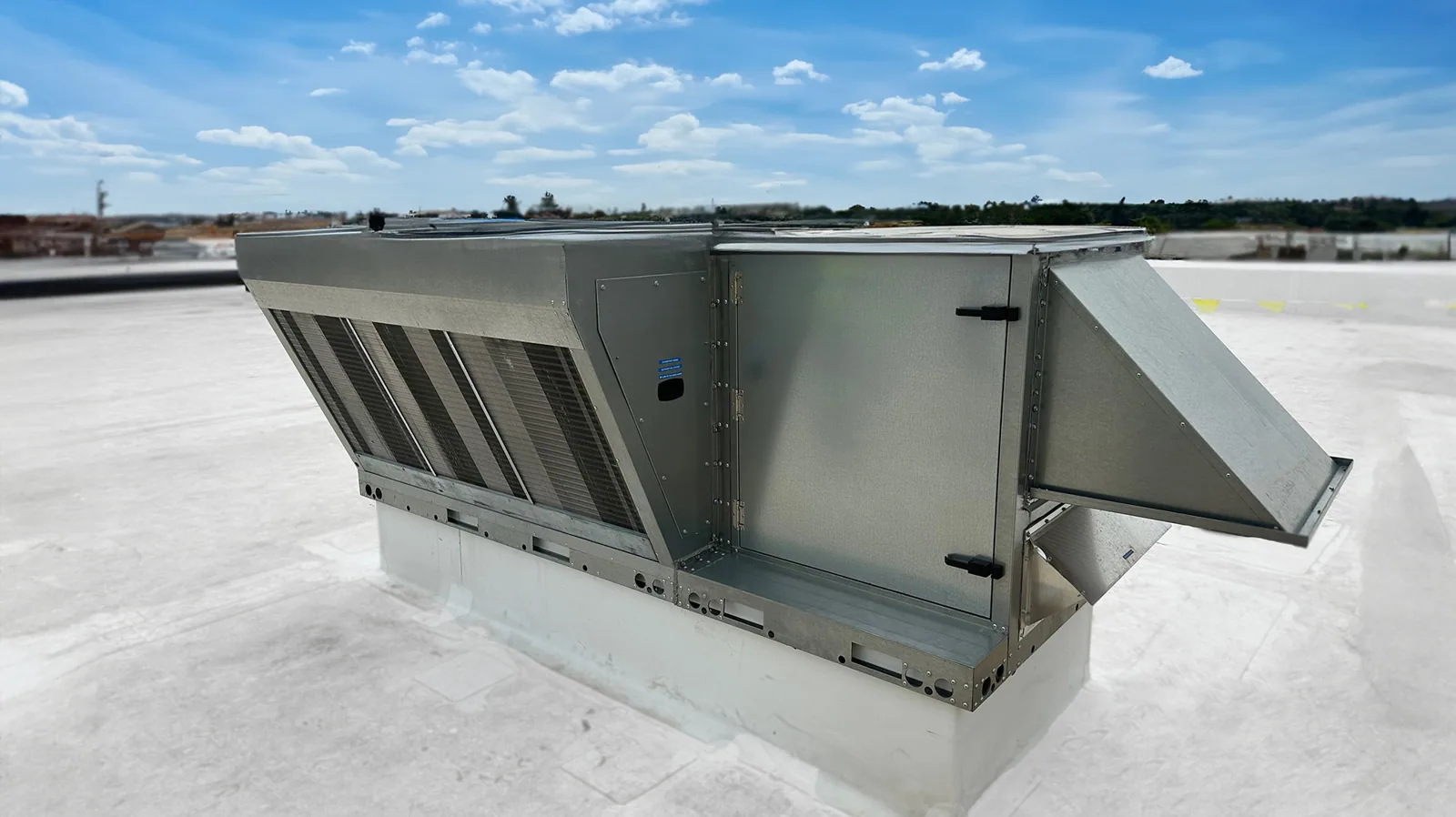
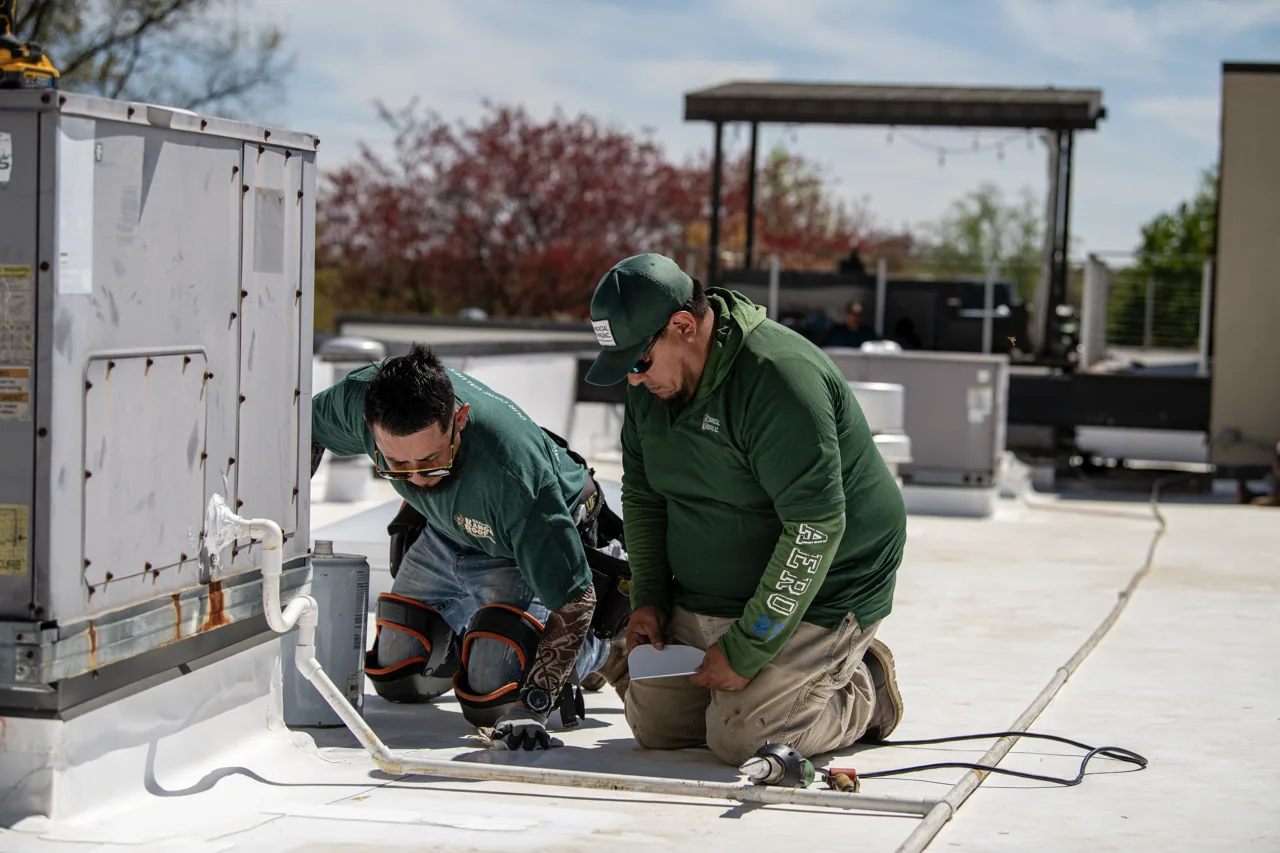
Fitness buildings often rely on rooftop HVAC to support large, actively used interior spaces. Inspect curb flashing, pipe penetrations, electrical conduit, fan housings, equipment screens, and condensate discharge. Look for loose fasteners, membrane separation, open sealant, and a drain line that ends on the roof. If the equipment has been serviced recently, ask what was lifted, moved, or disconnected and compare that work with the roof condition.
Do not treat a unit replacement as complete until the roof opening and surrounding detail have been checked. Abandoned curbs or penetrations need an approved closure that matches the assembly. If a vibration or support concern appears, document it for the mechanical or structural professional rather than covering it with roofing material. Curb and support work can coordinate the water-shedding detail with equipment loads. Keep condensate routing in the service record because repeated discharge onto seams or walk pads can change the area that needs attention.
Keep Water Clear of Entrances and Roof Edges
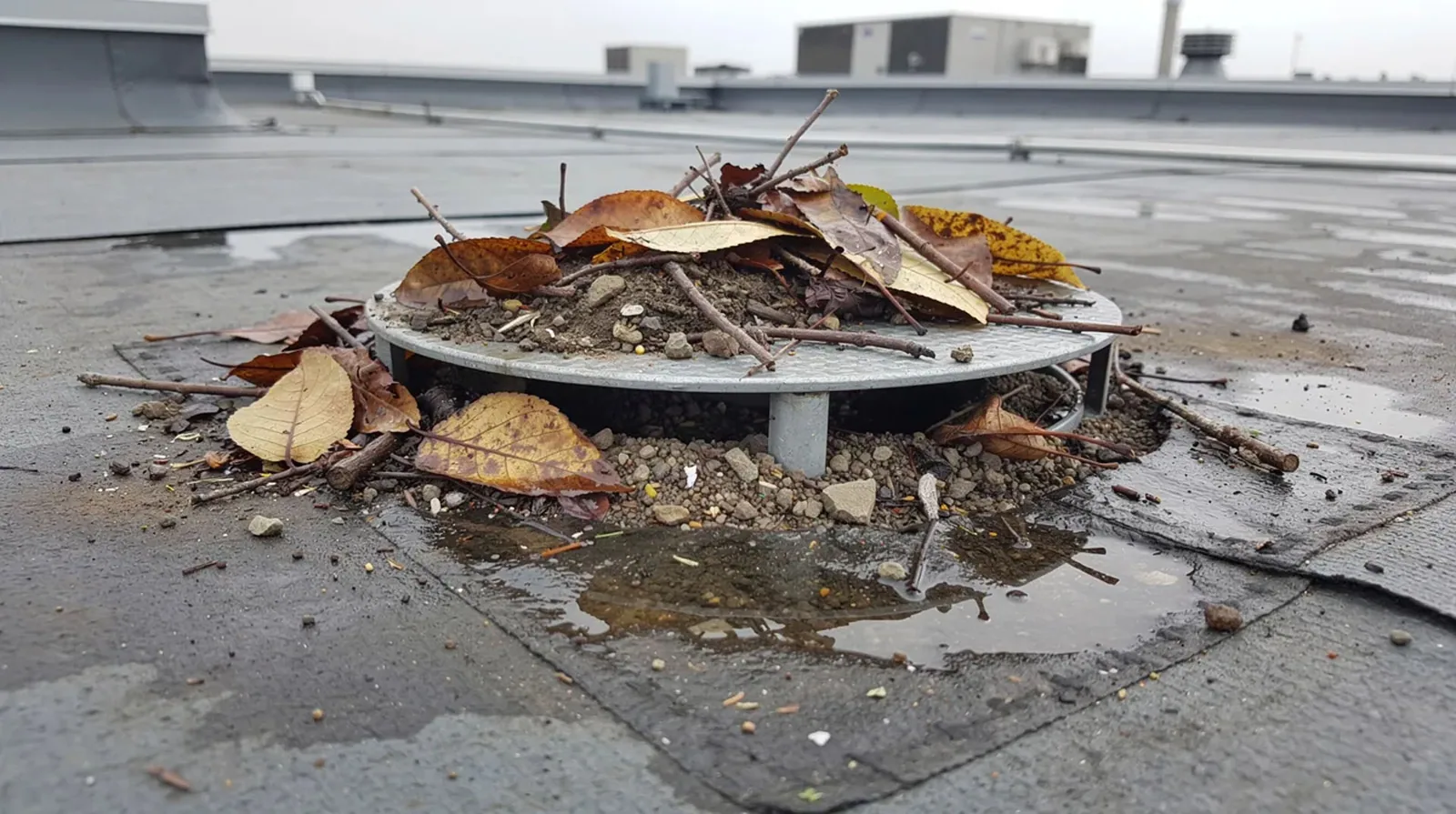
Check roof drains, scuppers, gutters, downspouts, and discharge routes after debris or heavy rain. An overflow path above a front entrance or outdoor exercise area deserves a direct review because water may reach walkways before a leak appears inside. Inspect the bowl, membrane tie-in, leader, and outlet. If ponding persists after the outlet is cleared, record the affected footprint and compare it with roof slope and deflection rather than treating it as a routine cleaning issue.
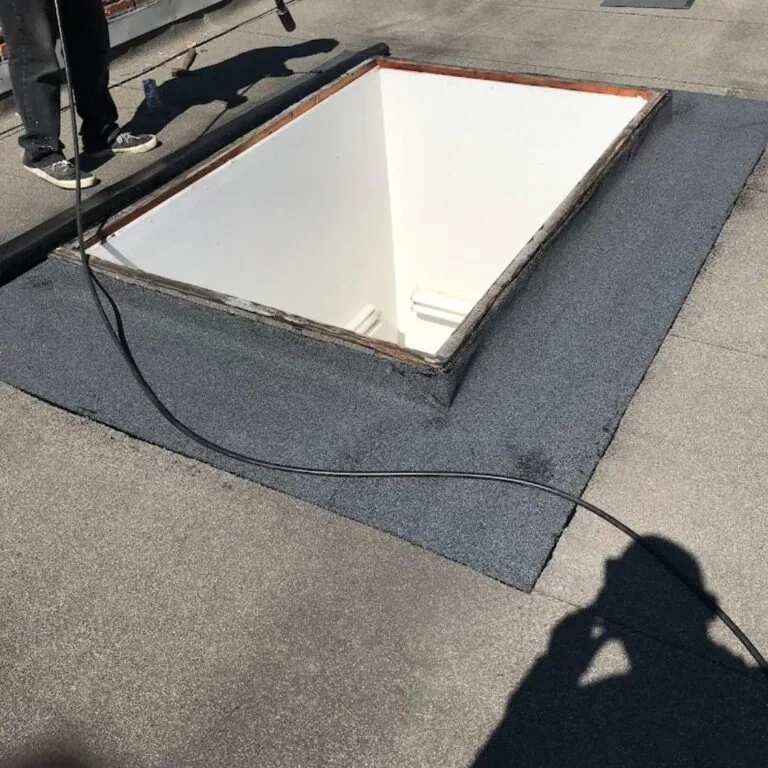
At canopies and low roofs, examine where one section drains onto another and whether the receiving roof has enough capacity. Flashing around skylights and parapets should remain continuous through corners and transitions. A drain repair can correct a failed connection, while skylight flashing needs a detail matched to the curb and system. Use photographs that show where runoff goes so the facility manager can coordinate any ground-level drainage repair separately.
Schedule Repairs Around Members
Confirm peak use periods, class schedules, entrances, and any room that should remain quiet before selecting a work window. Set an exclusion area around ladders, material lifts, and overhead work. If a repair crosses a studio or locker-room roof, plan temporary protection before the membrane is opened and agree on how the interior will be released when work is complete. An occupied-building plan should say what is accessible at each phase.
For larger renewal, divide work by roof zone and close each area before moving to the next. Identify which rooftop units need protection, who will restore them, and how weather delays affect the schedule. The facility contact should approve any change that alters member access or class operations. A phased reroof can keep the work boundary visible. A hotel roof shares active-occupancy planning, though fitness spaces may have different equipment, ventilation, and access requirements.
Use Rock Hill Weather for Roof Checks
Rock Hill sits in the warm, humid Carolina Piedmont, where roofs face a long warm season and regular rainfall. York County has hail and tornado history, so post-event checks can include perimeter metal, seams, skylights, equipment curbs, and drains at the property. Inspect perimeter metal, seams, skylights, equipment curbs, and drains after a reported event, then compare the findings with prior photographs. Keep the closeout practical for the manager who will receive the next member complaint. Record whether the roof dried after repair, what detail was changed, and which areas still need observation after rain. If temporary protection remains, name the responsible contact and follow-up date. A repeat leak should be compared with the repair photograph before a new work order is opened.
Maintenance logs should track debris, open laps, sealant separation, standing water, and any equipment visit that changed a roof detail. Repeat observations deserve a mapped follow-up, not a generic note that the roof is aging. If multiple zones show moisture, consider a survey or test opening to define the extent. A maintenance plan can establish repeat checks, while a shopping center roof review can address another occupied property type. Each building's report should preserve its own tested and untested areas.
Compare a Local Repair with System Renewal
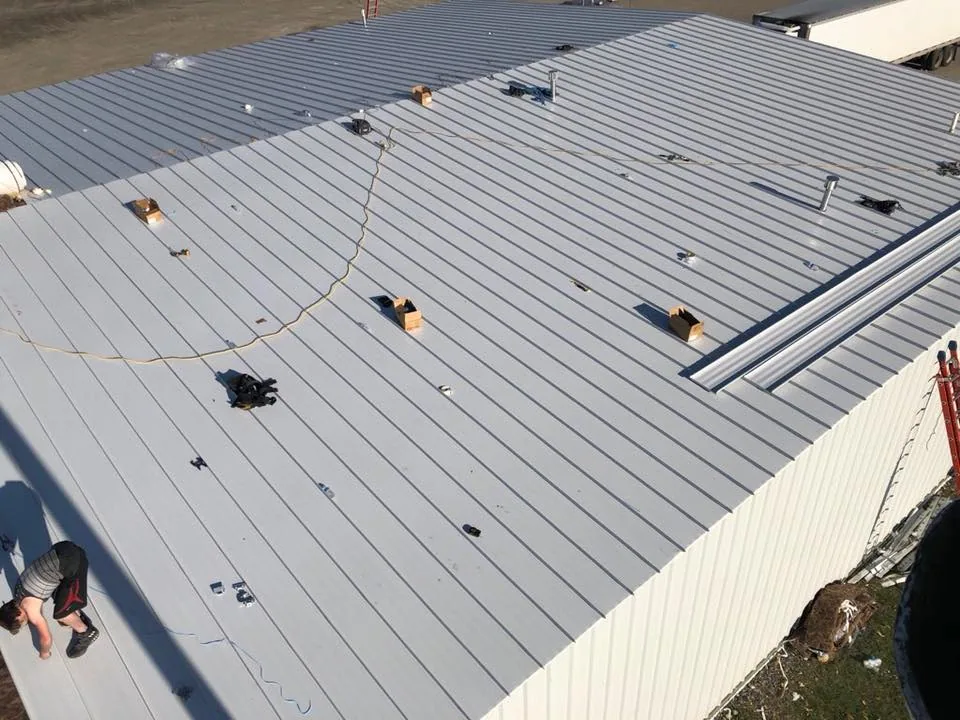
Decide from the roof condition by section. Review how many leaks recur, whether insulation is wet, whether seams or attachment have failed, how drains perform, and what the deck shows where tested. A recover or coating can be considered only after moisture, adhesion, and existing layers are reviewed. Surface color or a recent interior renovation does not determine whether the roof is suitable for restoration.
For replacement planning, list the rooftop equipment, skylights, edge conditions, insulation, and areas requiring safe access. Define what the facility expects to remain open and what can be staged. Keep quotes comparable by using the same repair limits and assumptions. If budget approval will happen later, separate urgent leak control from longer-term capital recommendations. Send the roof plan, equipment list, leak history, class calendar, and preferred decision window so the first visit answers the facility’s actual questions.
Questions About Fitness Center Roofing
Name the room, time, weather, and any HVAC or plumbing work near the symptom. We match the report to the roof zone and check the nearby seams, drains, curbs, and transitions.
It can create a separate condensation question, especially where ventilation or exhaust has changed. We compare the timing and location with roof details and coordinate HVAC review if the evidence points beyond the membrane.
The schedule depends on access and the roof area, but a phased plan can identify active work zones, alternate routes, and the rooms available during each shift. The facility approves those boundaries.
Review roof edges, skylights, curbs, drains, and earlier repairs, then compare photographs. After a reported event, the property inspection checks whether any roof detail changed and defines the repair boundary.
First confirm the existing system, adhesion, moisture, seams, and curbs. A coating is not a remedy for wet insulation, open details, or an assembly that needs removal.
Plan Fitness Facility Roof Work
Share the room or training area, roof plan, system and equipment history, member schedule, leak reports, and access limits. We will document the roof zone, coordinate protection, and recommend repair or renewal based on the conditions inspected.