
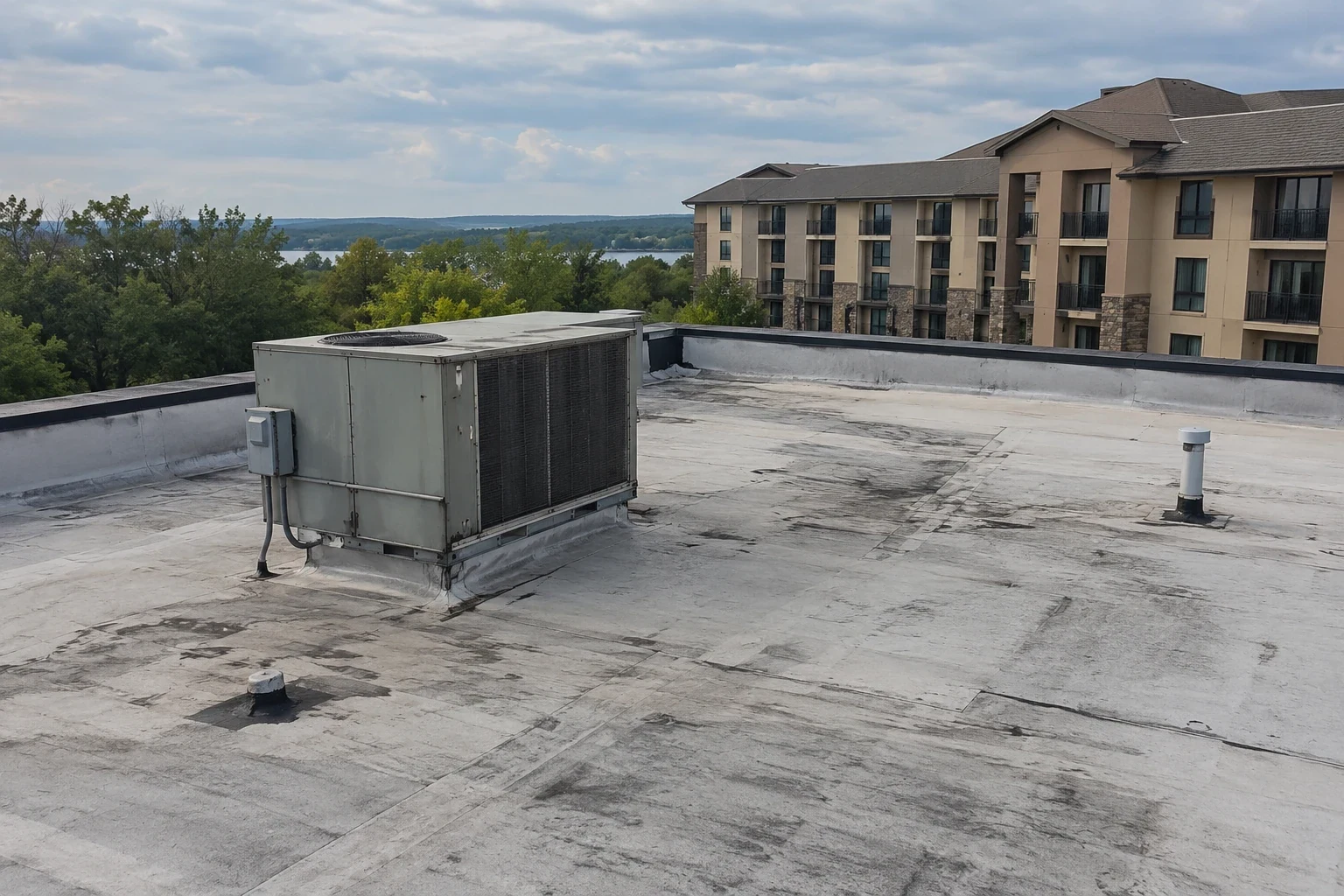
Coordinate hotel and hospitality roof inspections, repairs, and renewal around guest areas, property operations, and regional portfolio needs.
A roof leak above guest rooms or a loose detail over an entrance affects more than a maintenance log. We identify the roof zone, inspect the water path, and coordinate access and protection with property staff. Carowinds Boulevard and Kingsley Town Center include hotel, restaurant, retail, and office development. These broad commercial areas serve a regional visitor market, but do not identify a particular hotel's roof or operating plan. We coordinate visits near Carowinds Boulevard or Kingsley Town Center with the facility contact.
Track Roof Conditions Across Hospitality Properties
A hotel group can use consistent report fields across locations: property, roof area, membrane type, condition, photo, repair, and follow-up. We maintain each property's separate findings and access limits. We inspect each property even when it shares an operating brand, since its roof construction and condition can differ.
A commercial roof inspection can document accessible seams, curbs, drains, edge details, and previous patches. The report identifies which areas were reached and whether an issue calls for testing. If a roof plan or prior repair history is available, we use it to tie field observations to the owner's record. A visual inspection does not reveal concealed layers without a test or opening.
The I-77 South commercial area includes lodging, restaurants, offices, and retail, and Rock Hill's business and industrial parks have nearby hotels and conference facilities. These settings bring varied guest routes and equipment needs, so each inspection begins with the property's access plan, roof system, and current condition.
Investigate Leaks Near Guest and Meeting Areas
Water can appear in a guest room, corridor, lobby, meeting room, or kitchen away from the roof opening. We compare the reported location and time with drains, wall transitions, seams, skylights, and equipment curbs. A leak investigation follows the route and records whether the source is confirmed or remains a working theory. We do not patch the nearest visible detail without checking its connection to the symptom.
Hotel staff identify room availability, quiet hours, guest entrances, deliveries, and any occupied area that needs protection. Before entering a room or opening a ceiling, we coordinate who will provide access and how contents will be protected. A test opening has a defined location and closure step. We compare each room's leak report with the roof zone above it and neighboring water paths before assigning a repair.
Where the roof remains open during repair, we define how the crew will protect the building if rain or a shift change interrupts work. If removal exposes wet insulation or a damaged deck, we secure it, photograph the condition, and review any added scope before continuing. This keeps guest-area impacts tied to an approved roof boundary.
Review Mechanical Curbs and Roof Drainage
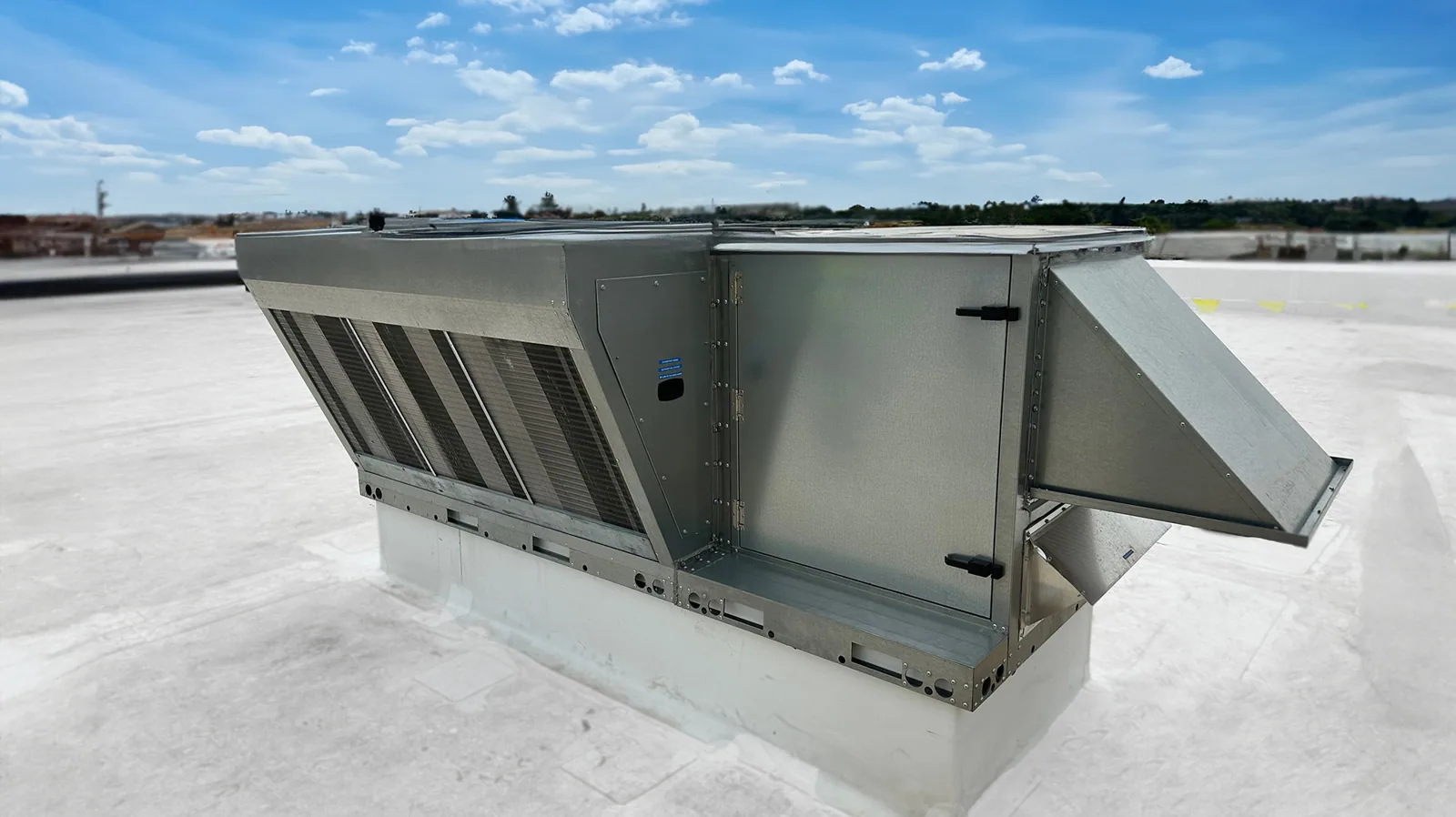
Guest facilities may have rooftop HVAC units, exhaust fans, plumbing vents, antennas, and service lines. We check curbs, support attachment, flashing corners, nearby seams, and openings left by replaced equipment. The equipment vendor handles unit service unless the agreement assigns it to the roofing team. A curb and support repair can restore a confirmed roof transition after the base and trade sequence are confirmed.
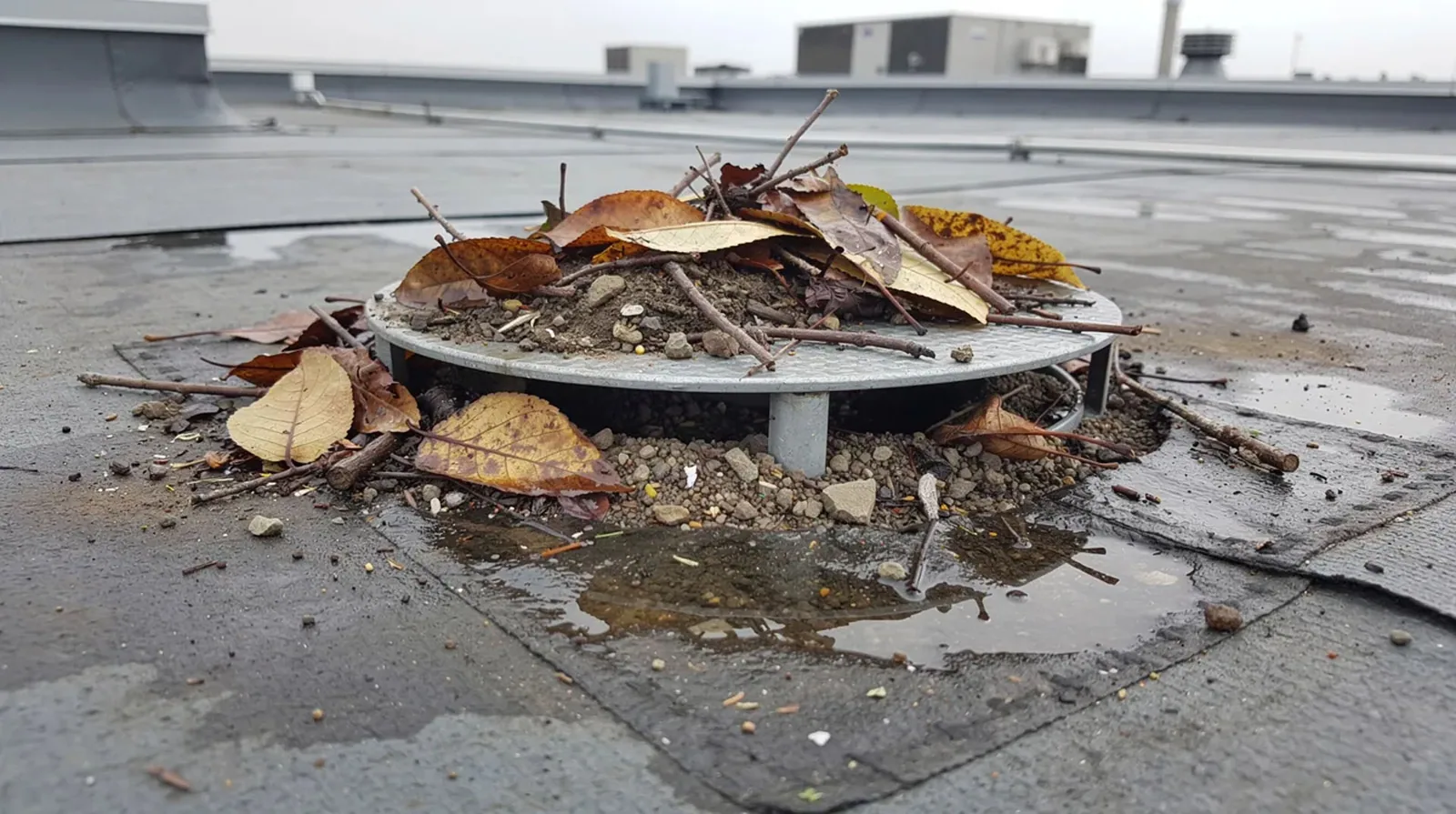
Internal drains, scuppers, gutters, and overflow points also need attention. We inspect the drain tie-in and visible discharge path for debris, separation, or damage. A blockage, a failed membrane connection, and a low roof area require different actions. A drain or scupper repair can correct the outlet connection; cleaning is listed separately when it is part of the service.
Rock Hill's warm, humid Piedmont climate includes regular rainfall and a long warm season. Weather-ready protection matters when opening the roof, and York County has a history of tornado activity. After a reported event, we inspect actual roof conditions and plan temporary protection around the forecast and work boundary.
Plan Work Around Guest Services
Material movement and crew access may use a guest entrance, parking area, loading route, balcony, or public corridor. We confirm roof hatch locations, lift placement, deliveries, quiet periods, and restrictions with property staff before mobilization. We define the boundary, expected access impacts, and temporary cover for each phase. The hotel manages guest communication unless the service agreement assigns a notice task.
A phased occupied-building plan can separate the roof into defined work areas and include closure checks at the end of each shift. Weather, material cure, access, and concealed conditions can affect the schedule. Some work may require a temporary restriction below an active zone, so we identify the potential impact before opening the roof rather than promising that every room remains available.
If a repair connects with event, food-service, or mechanical operations, the facility contact can coordinate the vendor schedule. We document who can approve moving equipment, entering rooms, or extending the repair. That reduces confusion when field conditions differ from the original assumption and a change requires a decision.
Compare Repairs With Property Renewal
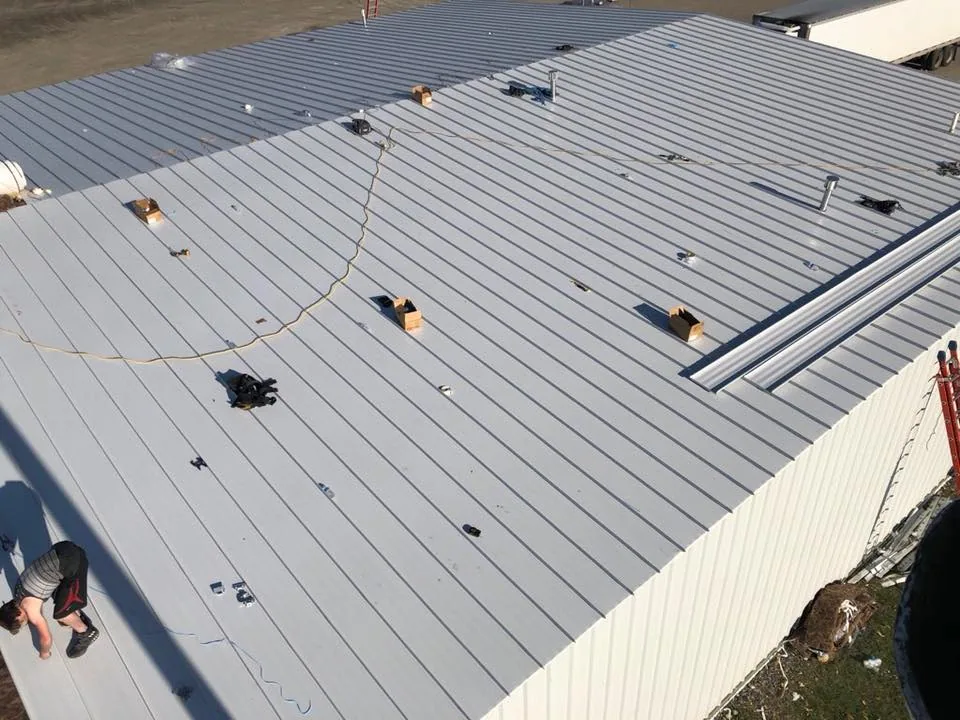
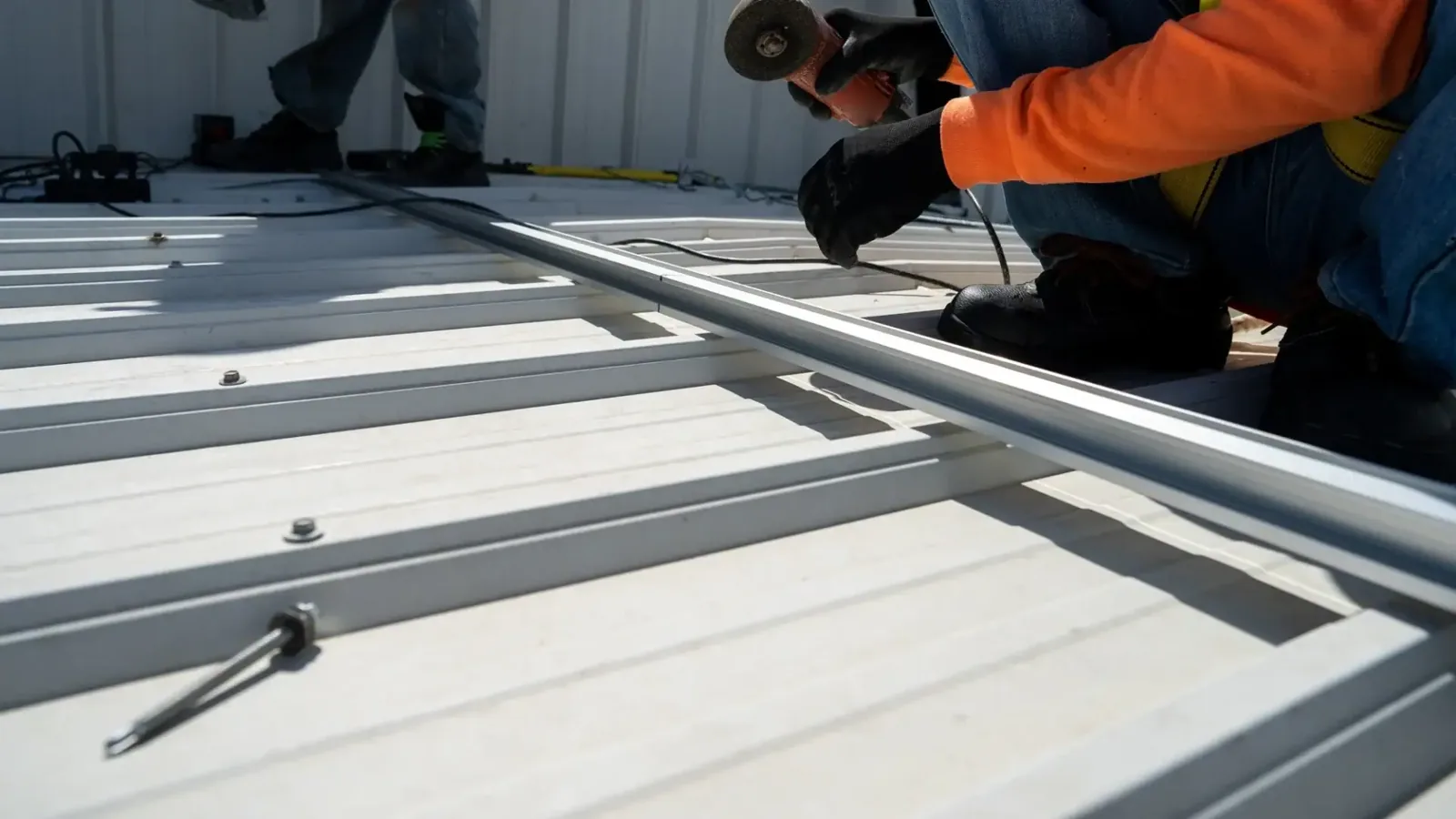
A patch may be suitable when the defect is localized and surrounding material remains sound. Recurring leaks, widespread seam failure, or broad moisture may support a wider comparison. We explain the evidence for repair, testing, recovery, or replacement and show the areas not inspected. A repair scope identifies preparation, compatible materials, access, interior protection, and the roof zone covered.
Renewal cost and timing depend on roof area, material, equipment count, edge details, disposal, access, guest impacts, and concealed conditions. A larger scope should list existing layers, insulation assumptions, drainage, staging, and closure steps. If removal exposes a different assembly or damaged substrate, the crew protects the roof and reviews added work with the authorized contact before expanding the boundary.
A retail and restaurant chain may need similar local scheduling across multiple storefronts, while a property investor or REIT may prioritize standardized asset records. Hospitality teams have guest-service constraints that must be stated property by property. A shared report format can support comparison without flattening those differences.
Keep Property Records Ready for the Next Visit
Closeout documentation includes roof zones examined, defects repaired, materials, photographs, access limits, and remaining work. A manager can compare a later leak call with a previous repair or equipment change. If an area was inaccessible, the record states that directly rather than describing it as cleared.
Share property roof plans, room or meeting-space restrictions, recent equipment work, prior leak logs, warranties, and the contact authorized to approve changes. We can identify whether the next task is a localized check, additional testing, or a separate capital scope. When a portfolio contains several facilities, each receives its own findings and work limits.
Rock Hill's visitor-serving corridors include mixed hotel, restaurant, retail, and office development. Kingsley Town Center and Carowinds Boulevard are broad examples in the regional market. The roof decision for any hospitality property follows its actual system, access, drainage, and maintenance history. We state what was observed and what evidence is still needed before a wider recommendation.


Questions About Hospitality Groups
Work can be divided by roof zone when the building layout, access, weather, and protection requirements support it. Before opening a roof, we list guest-area restrictions, temporary covering, and schedule dependencies for the active work zone.
Yes. We can use consistent report fields across locations while documenting each roof's own materials, conditions, access limits, and recommended action.
We compare the room location and timing with nearby roof details and trace the likely water path. The report distinguishes a confirmed entry point from a suspected route that needs a test or more access.
Share roof plans, leak history, room or event restrictions, access routes, mechanical work, and the staff member authorized to approve changes. That information helps set the inspection and protection plan.
Coordinate Hospitality Roof Work
Share roof plans, affected guest or public areas, operating restrictions, equipment history, and leak records. We will document conditions by property and define the repair or renewal scope with the facility contact.
