
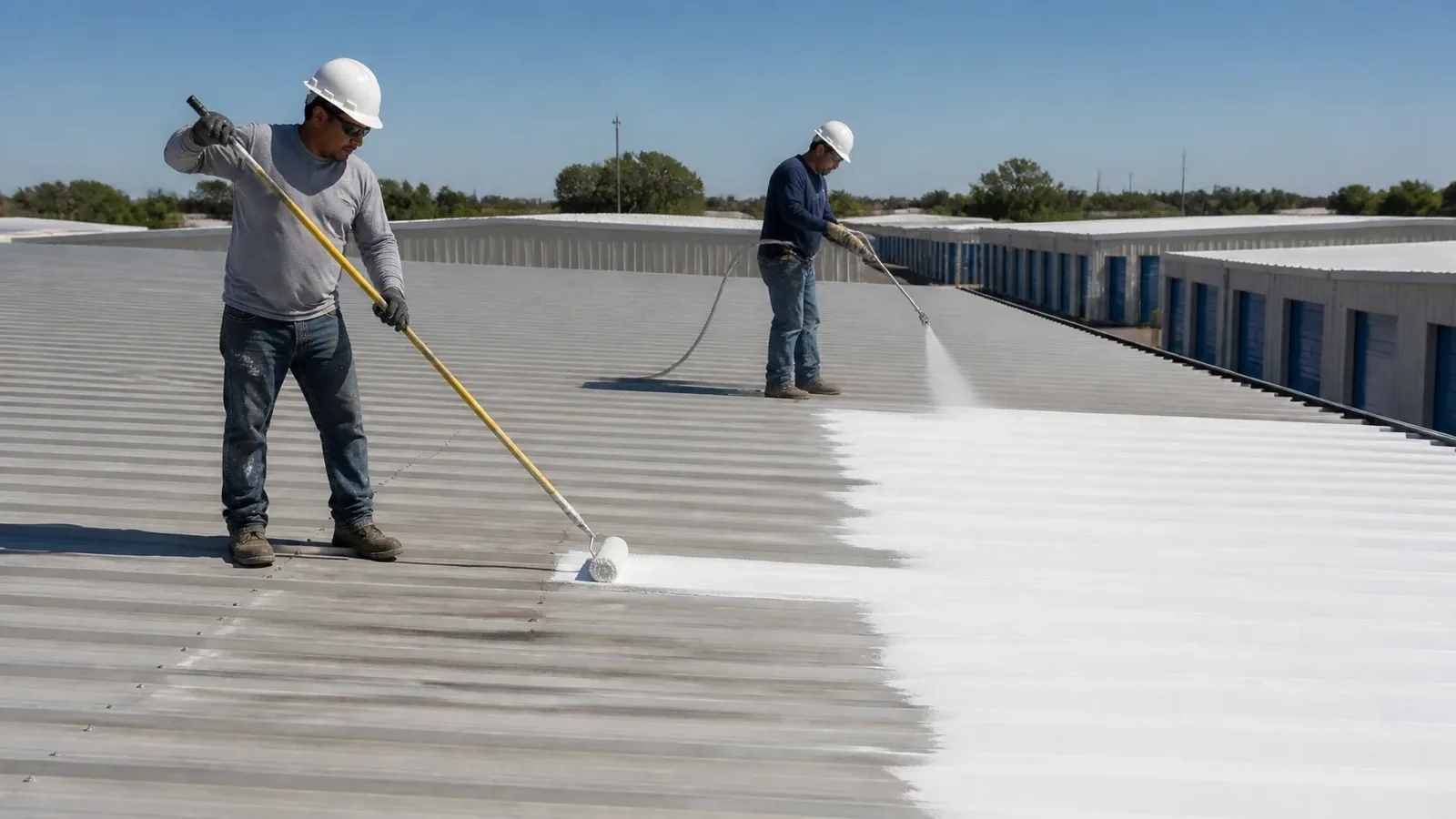
Document accessible roof conditions, limitations, and follow-up needs for commercial property acquisition, refinancing, or ownership review.
A commercial roof survey for a transaction should show what was inspected, what was observed, and which questions require additional evidence. We review available roof records, examine accessible surfaces, and describe repair or testing needs without treating a visual visit as a full destructive evaluation. Rock Hill's I-77 South corridor includes growing commercial and industrial development around Riverwalk Business Park and Legacy Park. Those districts provide local context, while each transaction survey remains tied to its own building.
Confirm the Survey Boundary and Decision Need
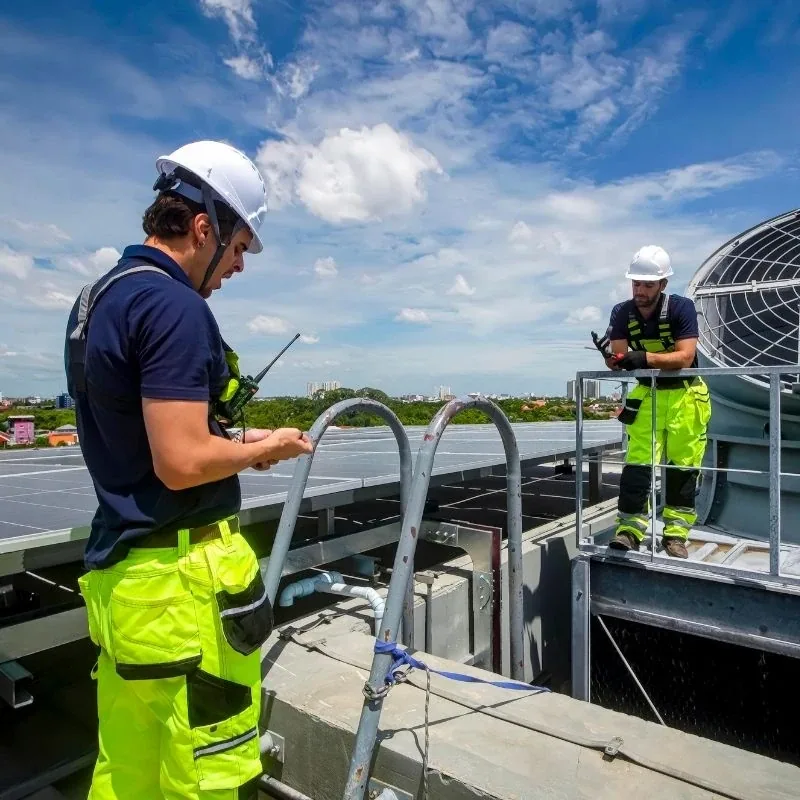
Before visiting, we confirm the property, roof sections, requested questions, available time, access restrictions, and records supplied by the owner or buyer. A commercial roof inspection can document visible membrane, seams, drains, penetrations, edges, curbs, and prior repairs. We state whether the visit covers one building, selected areas, or a broader roof plan. The deliverable also lists the owner-provided identifiers and any access restrictions that shaped the survey.
Roof plans, warranties, repair invoices, leak history, prior reports, and known renovations help establish context. If the records conflict with the field condition, we note the discrepancy. A visual visit does not verify concealed insulation, deck, or attachment. We identify whether test openings, moisture surveys, engineering, or design review would answer a question relevant to the transaction.
Rock Hill's economic-development profile includes industrial parks, office and mixed-use property, and institutional facilities. York County reports substantial construction and commercial activity along I-77 South. These market facts cannot establish age, material, or condition at an individual asset. The survey identifies what was observed at that property and keeps broader context separate from building conclusions.
For an acquisition deadline, the survey can prioritize visible concerns and unresolved items. It does not replace legal, environmental, structural, or financial due diligence. We define our scope as roof-related observations and proposed follow-up, so the parties understand what is and is not covered.
Document Roof Systems and Visible Conditions
We identify the roof system where visible and record transitions among materials, additions, or different elevations. Observations may include open seams, damaged flashing, blocked drains, loose edge metal, coating wear, and previous patches. Photos should tie each condition to a zone and show nearby context. If an area is blocked or unsafe, we list it as uninspected.
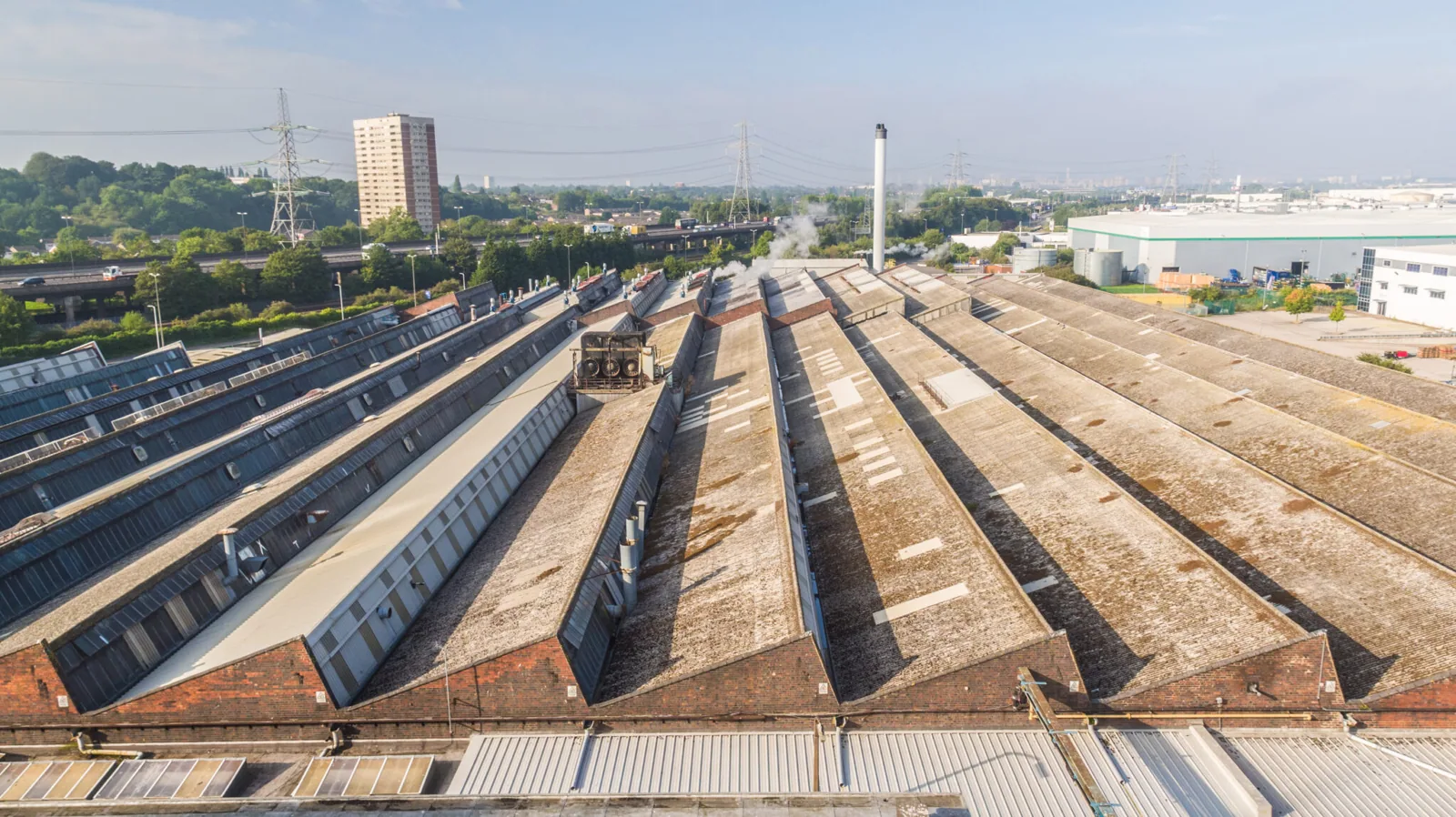
A drone roof inspection can provide imagery of accessible exterior surfaces where site conditions allow, but it cannot verify hidden attachment or moisture. An infrared survey may locate thermal differences that need confirmation. We explain the method, weather or access limitations, and whether a sample or test is recommended before drawing a broader conclusion.
Rock Hill has a warm, humid Piedmont climate with regular rainfall and a long warm season. This makes water management relevant to a roof review, but climate is not a property-specific condition. The report connects recommendations to drains, slopes, seams, and exposed materials observed in the field.
We distinguish active openings from wear that can be monitored. A condition priority can help a buyer or owner plan follow-up, but a visual inspection alone cannot set a precise service-life date for concealed layers. The report identifies which assumptions would need testing or records to resolve.
Estimate Immediate Repairs and Further Evaluation
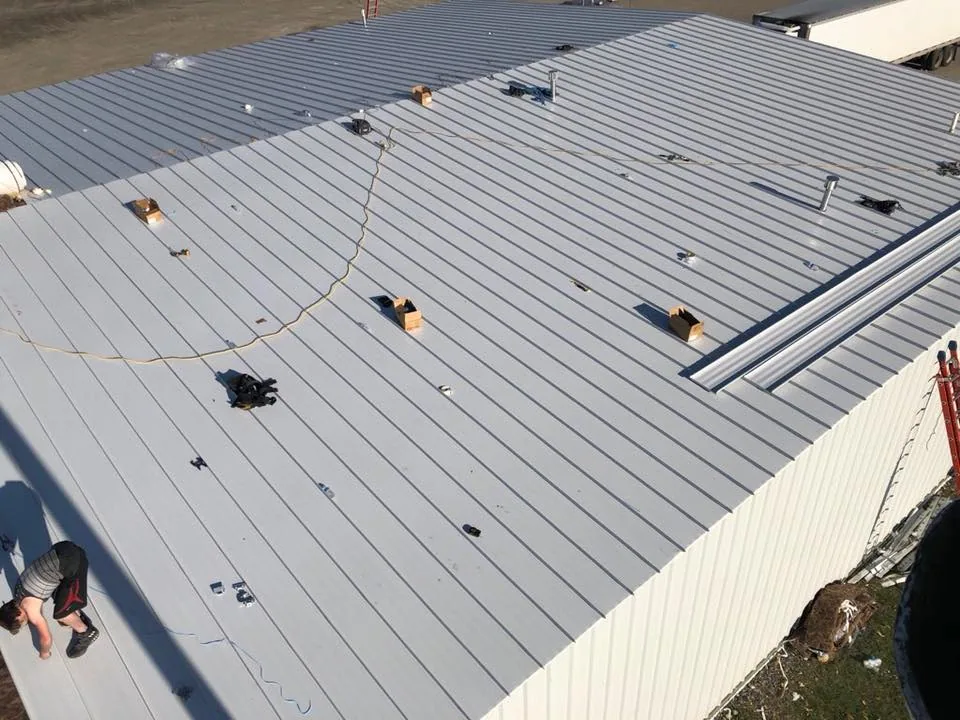
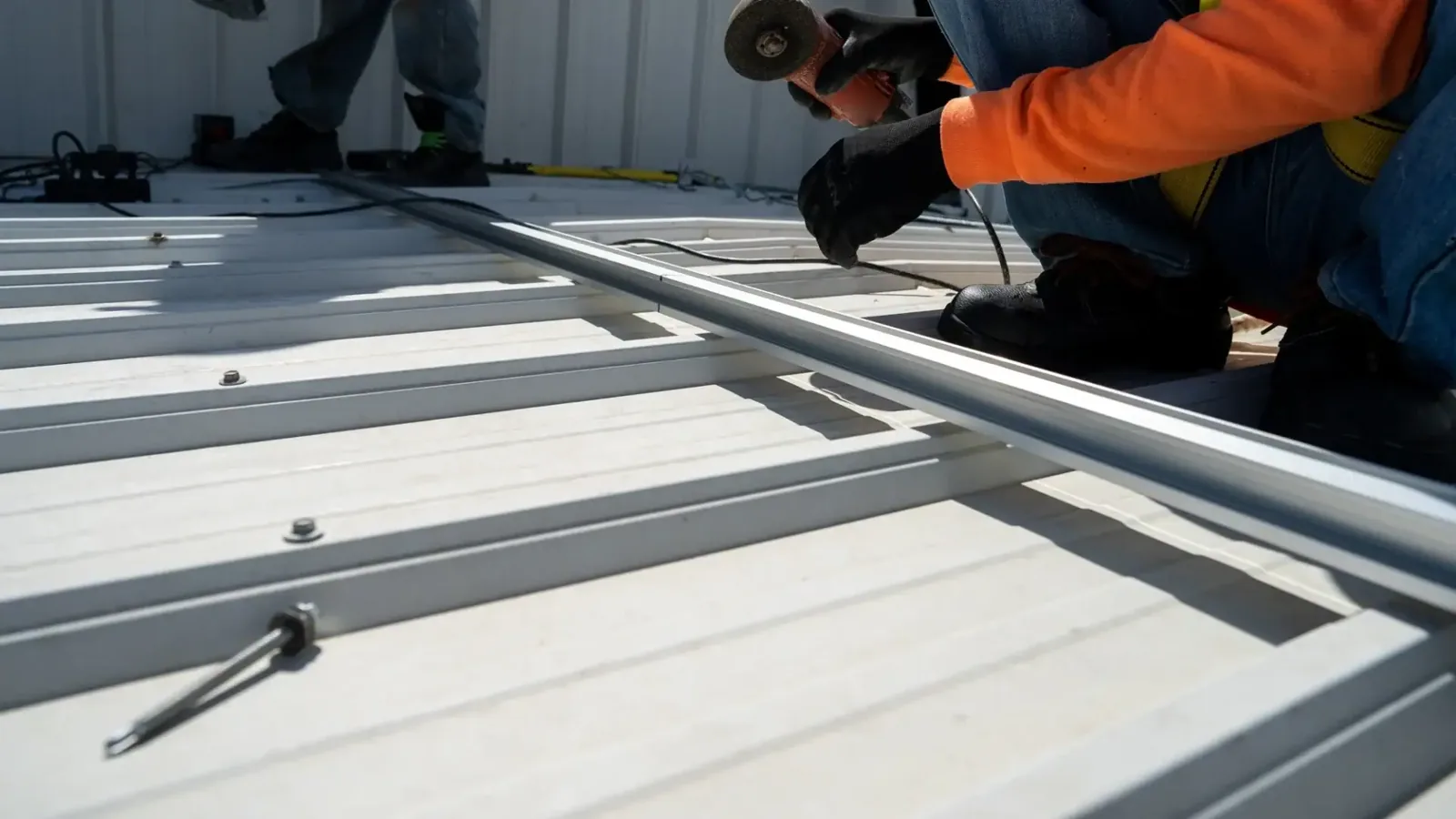
When a defect is visible, we can describe the work area, preparation, compatible materials, access, and protection needed to correct it. A leak investigation can trace a reported interior symptom. If removal shows wet insulation or damaged deck, we document the added area before seeking approval to expand scope.
Cost and timing depend on roof material, number of details, access, disposal, work restrictions, and concealed conditions. A survey can identify planning needs but may not support a fixed repair amount where the system or substrate remains uncertain. We state the factors that could change the scope after testing or removal.
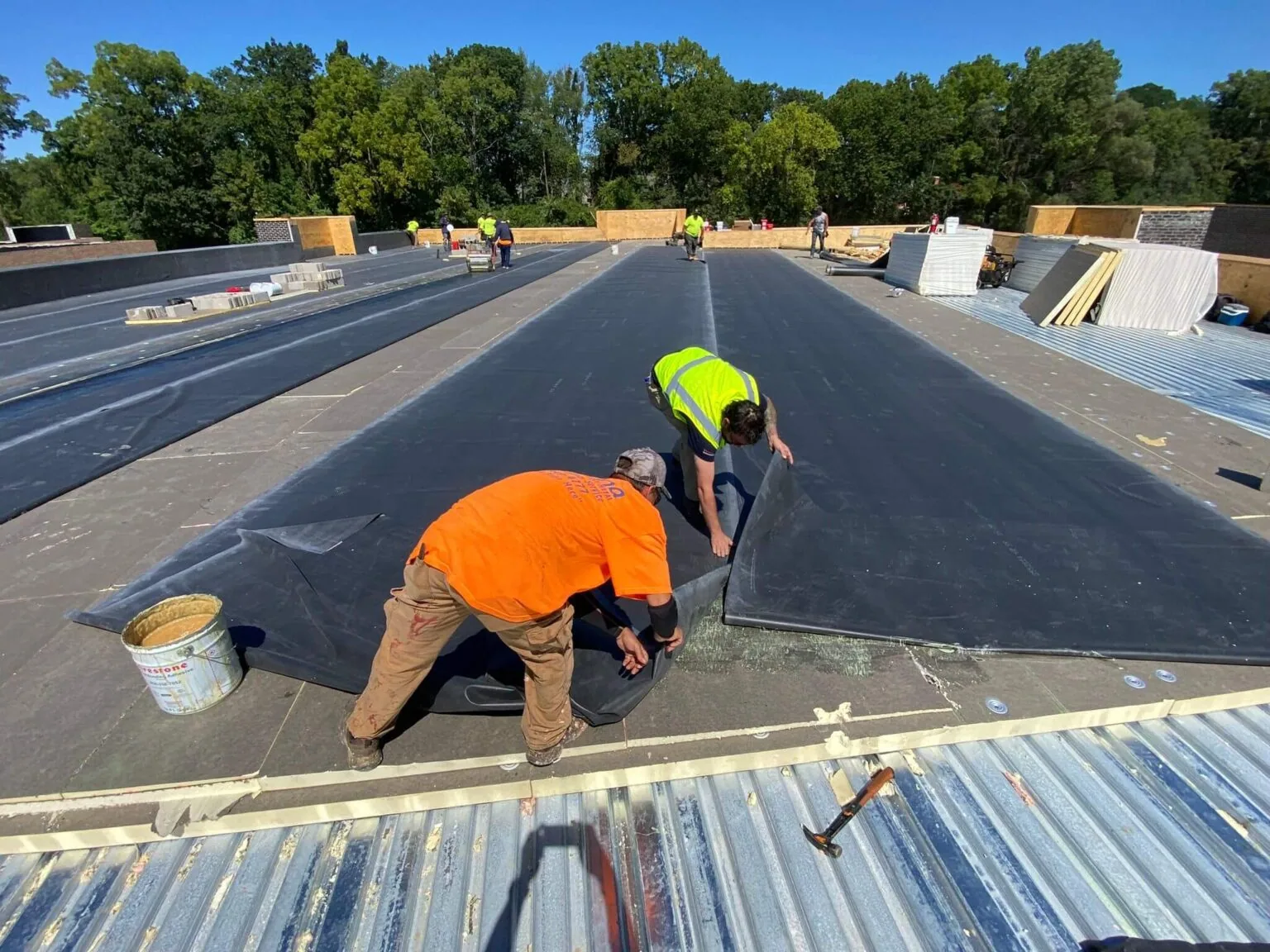
If the assembly has recurring failures or broader deterioration, the parties may compare repairs with recovery or replacement. A replacement scope can describe the areas and assembly assumptions for that alternative. A recover assessment can evaluate compatibility of an additional layer subject to testing and design review.
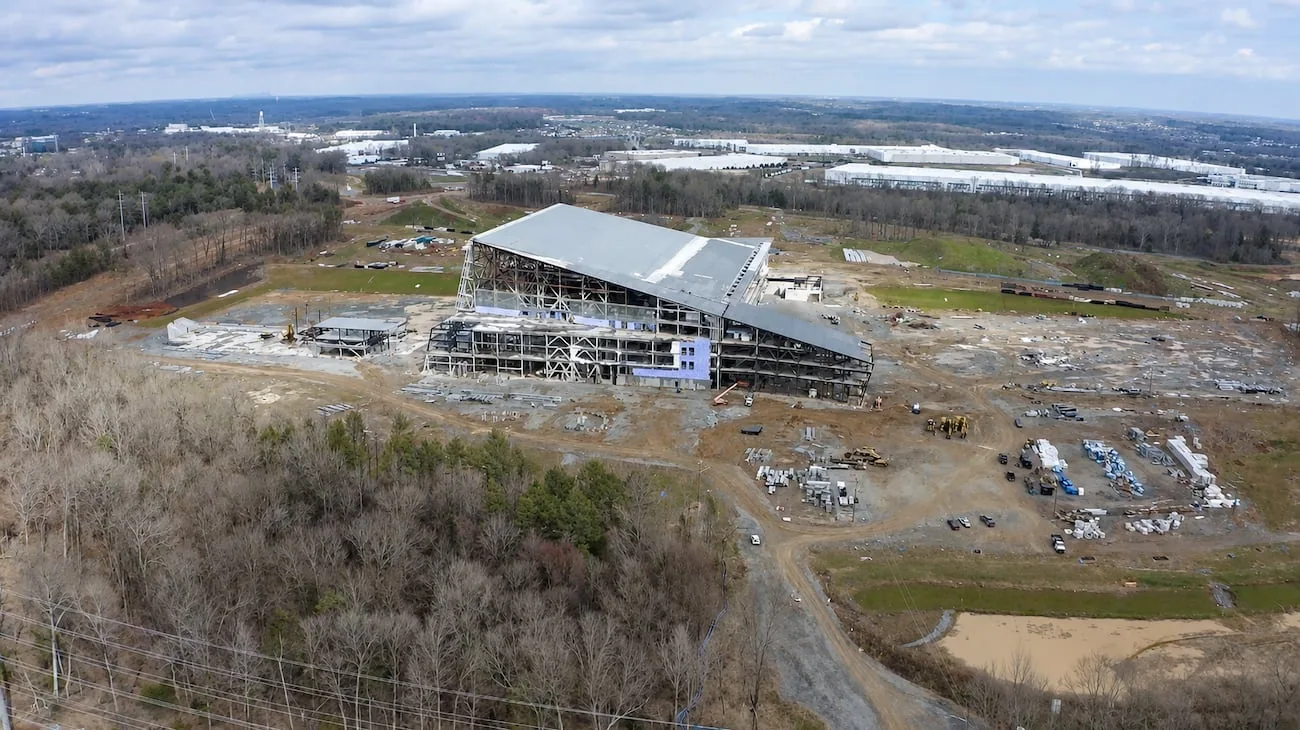
When a transaction involves several properties, each building should have its own condition record, photos, access limitations, and open questions. Survey each roof as its own assembly, then compare the records across a shared ownership group or commercial corridor.
Present Limitations and Open Questions Clearly
A useful report separates observed condition, owner-supplied history, remote imagery, test result, and recommendation. It states the inspection date, roof zones reached, weather context where relevant, and restrictions. If the roof is covered by snow, equipment, ballast, or debris, those areas should not be described as clear.
A condition report can organize photos and findings, while a roof asset record can retain them after closing. The buyer and seller can use the record to identify follow-up responsibilities without treating a roofing survey as a warranty or structural certification.
Where a report recommends sampling, it should identify the question: material type, moisture below a seam, deck condition, or compatibility of a proposed recover. The method can then be selected with the project's design professionals. If no test is authorized, we state that the uncertainty remains.
Any scope used for a purchase or financing decision should include the property name and roof area as supplied by the client, not an unrelated street address or tenant label. We tie each observation to the actual asset in the client record and avoid publishing private property details.
Use the Survey to Plan a Responsible Handoff
The report can support a handoff from seller to buyer, owner to manager, or lender to project team. It should include the available roof plans, findings, photos, recommended work, testing needs, and areas not reached. We identify whether observations are preliminary or follow-up is required.
Share transaction timing, roof records, contact authority, access rules, leak reports, and the decision the survey needs to inform. We will define the roofing scope and report format before visiting. If schedule or roof area changes, the final record should reflect the actual inspection performed.
Legacy Park and Riverwalk Business Park represent distinct industrial and employment settings in Rock Hill. The transaction survey still follows the specific asset, roof material, repair history, and access conditions. A property-specific record helps the parties make a decision with the evidence available and recognize what remains unknown.
The buyer or owner determines how roof findings affect price, reserves, escrow, or project timing. We can explain the roofing work and its assumptions, but do not make a valuation or financing determination. Keep that division clear when the report is distributed.
Questions About Commercial Roof Due Diligence Surveys
No. A visual survey documents accessible conditions and identifies limitations. Concealed layers may require test openings, moisture evaluation, or professional review to answer specific questions.
We can scope an inspection around the transaction schedule and available access. The report describes findings and limits, and does not replace other legal, structural, environmental, or financial due diligence.
It can describe visible work and the factors affecting cost. A fixed price may require material confirmation, testing, design details, or approval to open the roof where conditions are concealed.
Share roof plans, prior reports, warranties, repair invoices, leak history, access rules, and the transaction question. Those records help define the scope and relevant follow-up.
Request a Due-Diligence Roof Survey
Share the property scope, transaction timeline, roof records, repair history, access rules, and key decision questions. We will document accessible conditions and identify any testing or review still needed.
