Get a documented commercial roof assessment with photos, zone references, access limits, and clear recommendations for next steps.
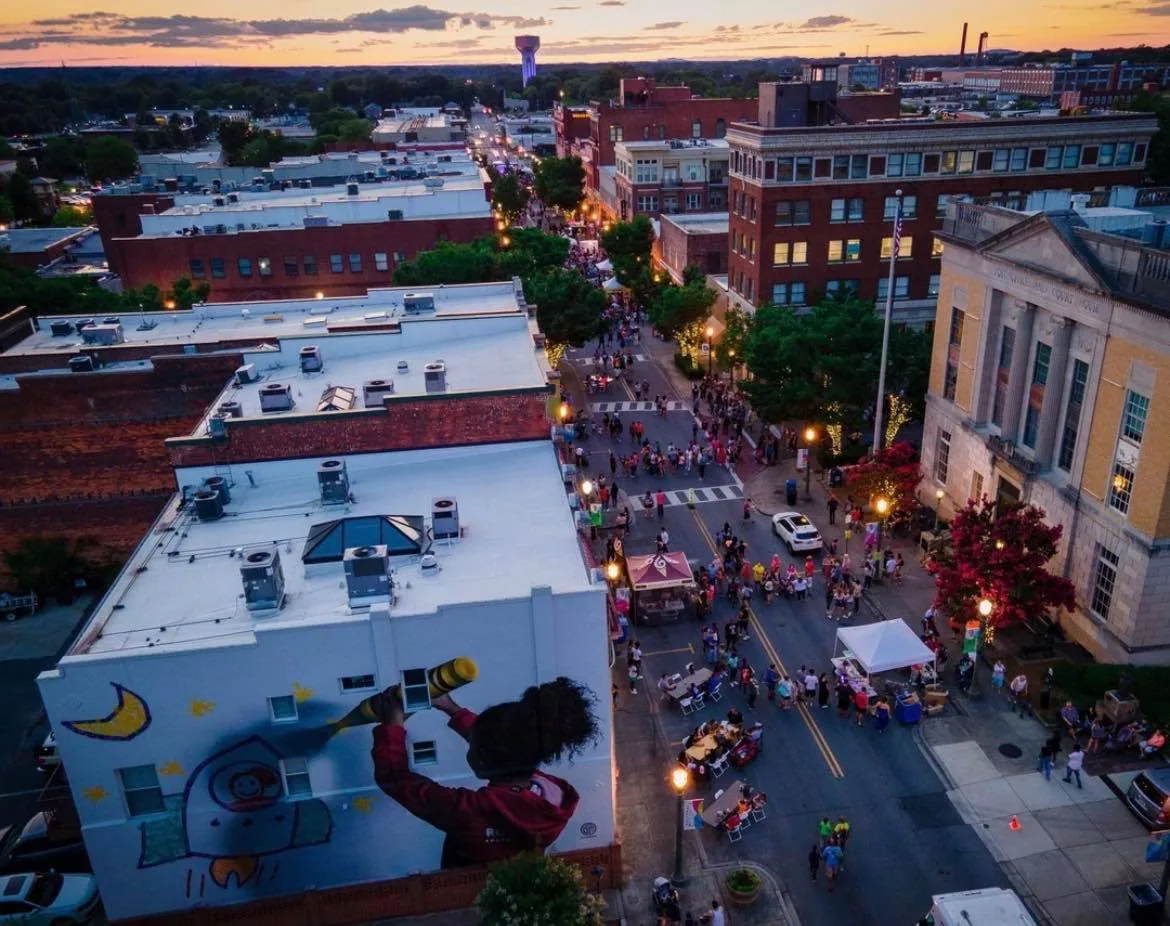
A roof condition report should help an owner understand what was inspected, what was found, and which questions remain open. We document accessible roof zones, identify materials when visible, and connect observations with a practical next step. Rock Hill's commercial activity includes Dave Lyle Boulevard and the Knowledge Park district, with different buildings and access conditions in each area. We coordinate assessments near Dave Lyle Boulevard or Knowledge Park based on the property being inspected.
Set the Report Boundary Before Inspection
We confirm the building, roof sections, requested questions, access conditions, and available records before starting. A commercial roof inspection can include seams, penetrations, drains, edges, curb flashing, coatings, and previous repairs. The report defines which areas were reached and which were not, so a limited inspection is not presented as a survey of the entire property.
Roof plans, maintenance history, leak logs, warranty records, and project documents help connect observations to the building. When those records are not available, we state that limitation. An inspection from the surface does not expose hidden insulation or deck. If a test opening or moisture survey could change the recommendation, we identify its purpose, location, and closure method.
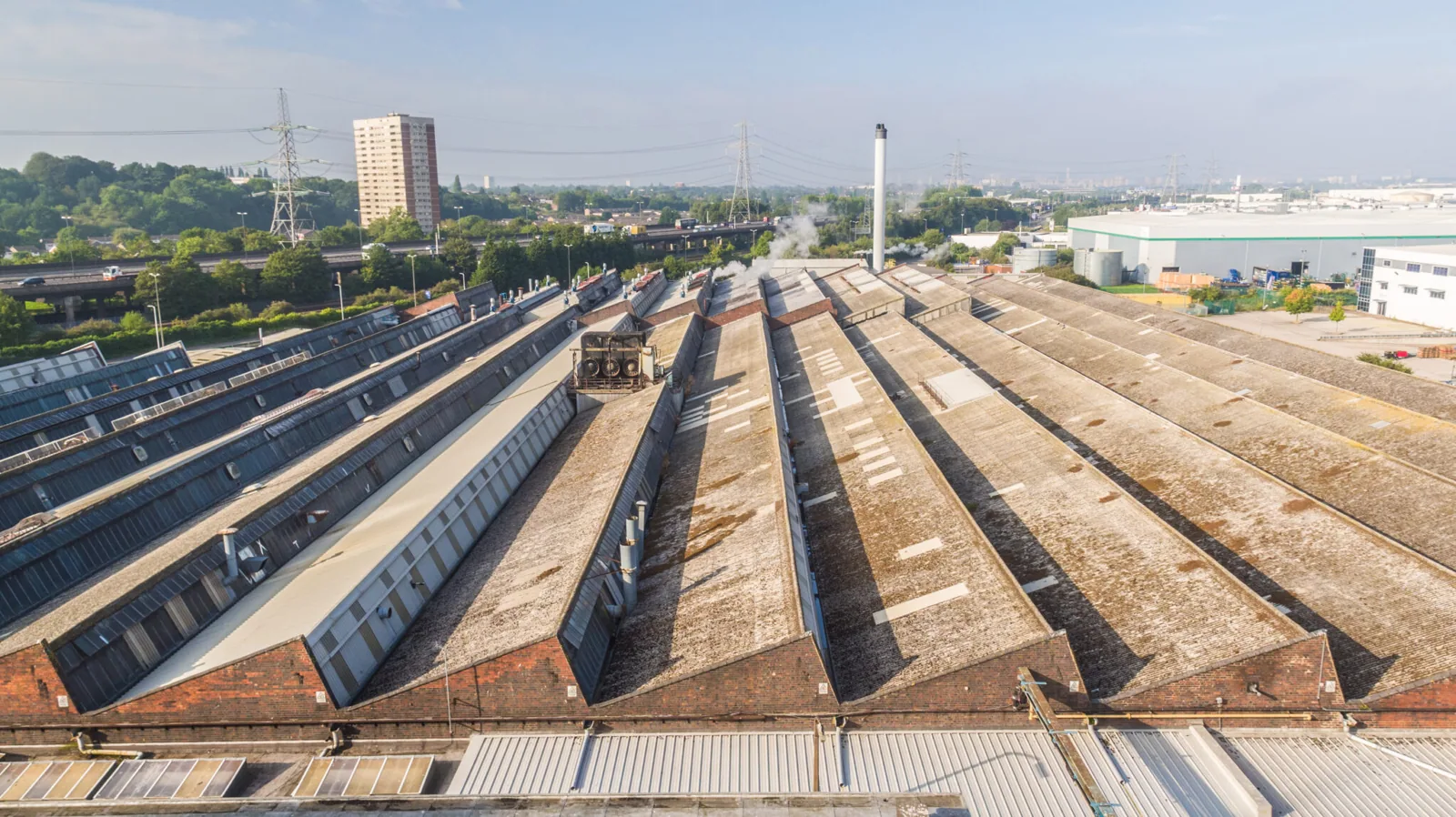
Rock Hill includes industrial parks, downtown redevelopment, institutional campuses, and retail areas. York County's I-77 South corridor has substantial commercial and industrial development. That variety makes a zone-by-zone inspection useful; we confirm the assembly at each property before carrying a finding into another roof section.
When an owner needs an acquisition, renewal, or maintenance record, we tailor the report to the decision without changing what a field visit can verify. We can include building identifiers, roof-zone references, photographs, and action priorities. If the requested conclusion requires engineering or another specialty, the report notes the needed professional review.
Describe Conditions With Photos and Zone References
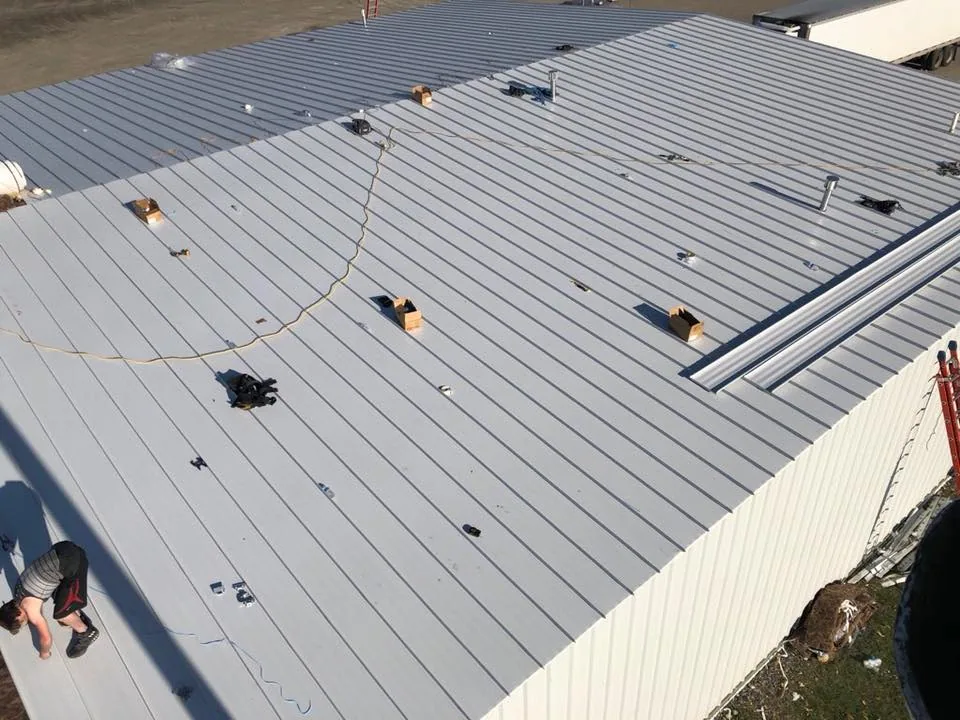
Each finding should identify the roof feature, location, visible condition, and recommended follow-up. A close photo can show an open seam or loose coping; a wider image can connect the detail to a drain group or roof section. We avoid using a single image to represent a larger area that was not inspected.
If a leak was reported, we compare the indoor location and timing with roof transitions. A leak investigation can record the path tested and whether the source is confirmed. We distinguish an observed opening from a suspected route or a condition that needs a test. Interior symptoms, roof defects, and proposed repairs should remain separate parts of the record.
Reports can include severity or priority labels when the owner needs triage, but the basis for the rating must be stated. An active opening, a recurring leak, a maintenance item, and surface wear are different categories. We do not convert a priority tag into a fixed failure date or remaining-life prediction.
Rock Hill's long warm season and regular rainfall make outlets and exposed details useful items to identify in the record. A photograph of a drain or seam documents that point at the time of the visit; it cannot predict performance through every weather condition. The report notes the inspection date and conditions encountered that day, plus anything that may change after a future event. Include the roof-zone map with each action so maintenance staff can return to the same detail.
Choose Supplemental Survey Methods Carefully
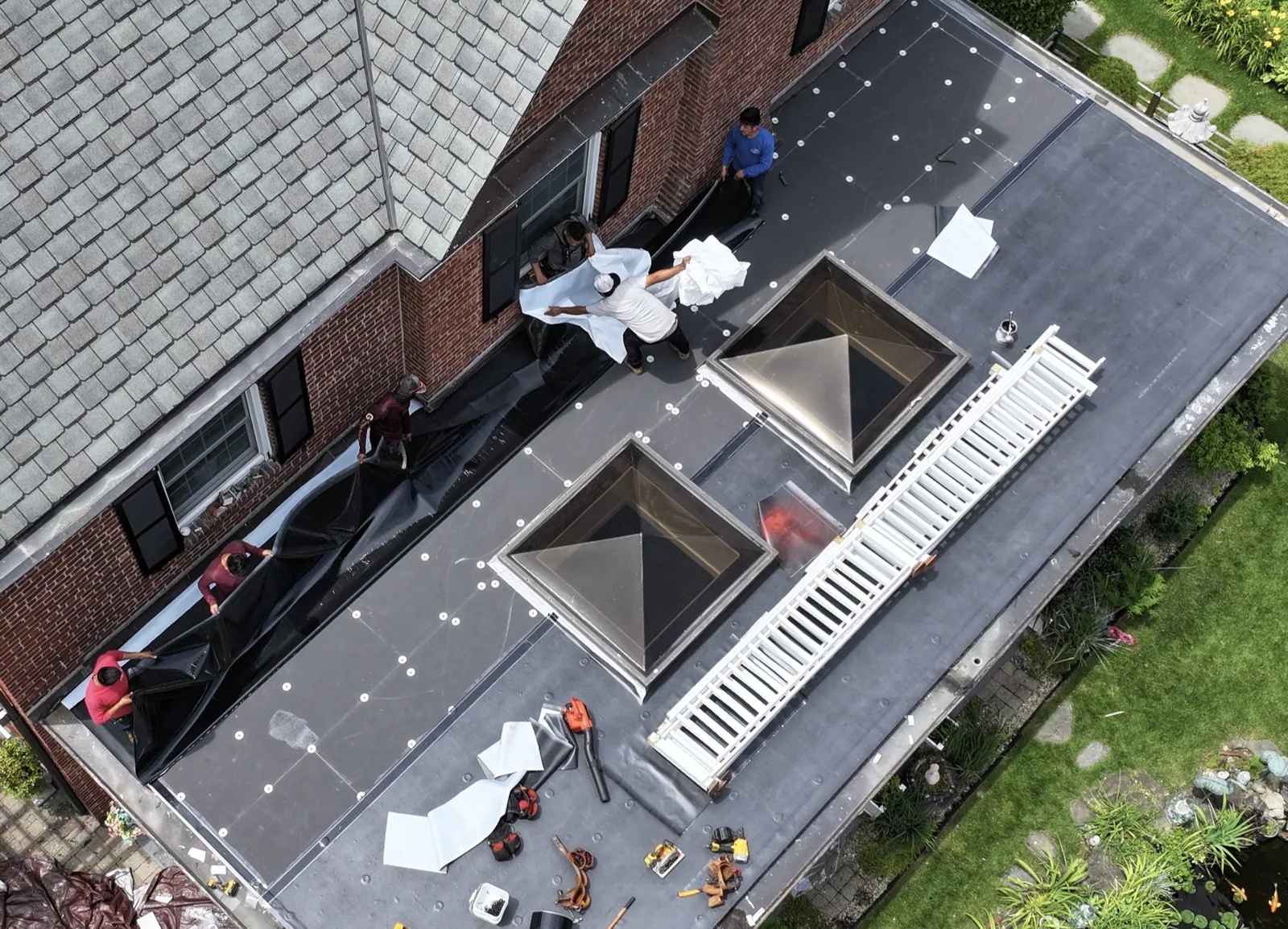
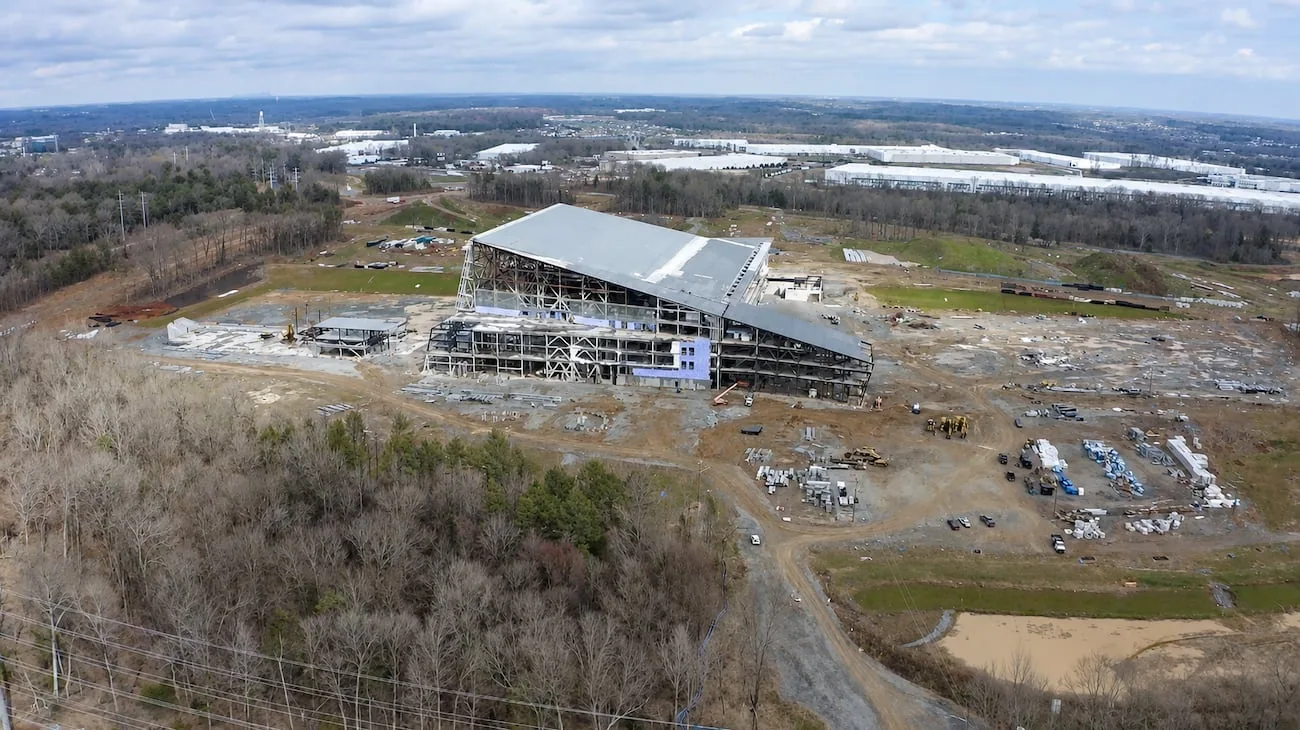
Aerial imagery can help plan access over a broad roof, but it cannot confirm concealed attachment or moisture by itself. A drone roof inspection can document visible surface conditions where flight and site rules allow. We state what the images show and whether hands-on access is still needed for a repair decision.
An infrared moisture survey may identify areas with different thermal behavior under suitable conditions. It does not independently prove moisture or determine material condition. Results may need verification by test cuts or other methods, and the report should show how the survey was performed and what locations were sampled.
Choice of method depends on roof access, construction, weather, surface, and decision. If a method cannot answer the owner's question, we state that before it is ordered. A report should avoid broad certification language when only selected zones or remote imagery were reviewed.
When the roof has multiple additions or materials, methods may need separate routes or interpretation. A plan can mark where a reading applies and where equipment, shading, or access limited a view. The owner receives both positive observations and the boundaries of the method used.
Tie Recommendations to the Observed Condition
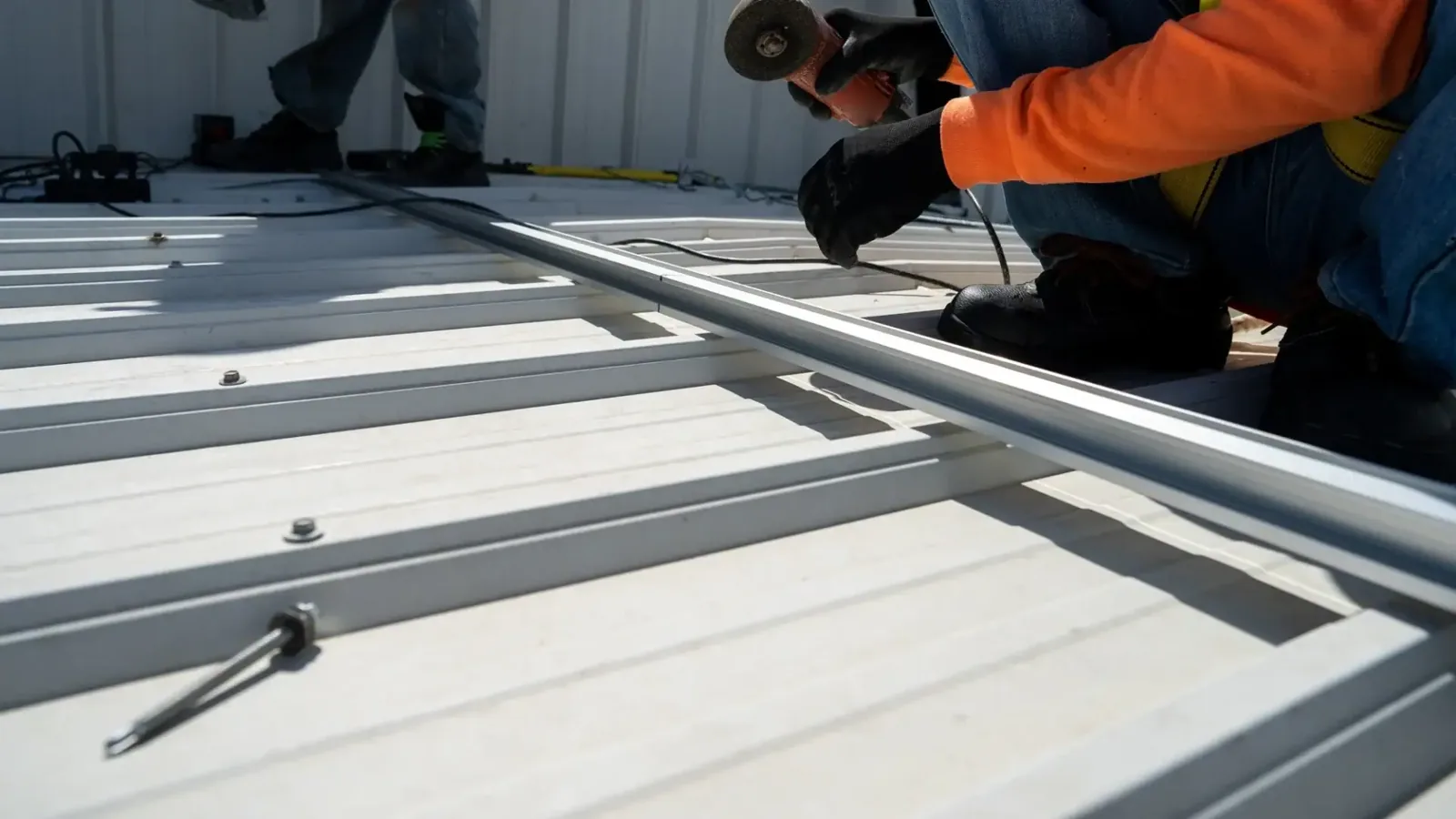
Recommendations can identify monitor, maintenance, repair, testing, or capital review. A repair action should name the area and material connection; a testing recommendation should say what uncertainty it resolves. A maintenance visit can track known drains, seams, curbs, and prior patches where routine review is appropriate.
Cost or timing cannot be inferred from a photo alone. Access, materials, protection, detail count, and concealed conditions affect a repair. If removal reveals wet insulation or damaged deck, the scope may change. The report explains which assumptions need confirmation before an estimate or construction plan is finalized.
A roof asset record can carry findings between visits, while a due-diligence survey can format observations for a transaction question. The report remains tied to the inspection performed and does not substitute for an engineering design, warranty determination, or code review.
Deliver a Record the Facilities Team Can Use
We organize the report by property and roof zone, with photos, dates, observed conditions, recommended actions, and open questions. If the owner supplies a preferred format, we can align labels and building identifiers to that record. A section that could not be reached remains listed as a limitation. The report also identifies who supplied each record.
Share the intended decision, roof plan, leak history, repair documents, warranty information, and contact for access. That information helps keep the report focused and reduces time spent reconciling conflicting labels. If the site includes different owners or tenants, we coordinate who can authorize access and receive the findings.
The report can state whether recommendations are based on direct observation, owner-supplied records, remote images, or testing. Those evidence types have different limits. We identify any roof areas hidden by equipment or materials and note whether another visit, removal, or qualified professional is needed to answer the remaining question. This helps the reader distinguish a confirmed condition from a planning assumption.
Knowledge Park connects downtown Rock Hill with Winthrop University, and Dave Lyle Boulevard has retail and commercial improvements. We use the property-specific roof system, access, and field findings to set the recommendation in either area.
Questions About Commercial Roof Condition Reports
It can include roof-zone references, observed materials and defects, photographs, tests performed, access limits, and recommended next actions. The report states what was inspected and what still needs inspection or testing.
A field assessment can describe visible condition and planning considerations, but it may not establish a precise service-life number for concealed layers. Records, testing, and design review can affect that judgment.
Those methods can add information in suitable conditions, but they do not always confirm attachment, moisture, or hidden damage. We identify what the method shows and when hands-on verification is needed.
Timing depends on roof size, access, records, testing, and the report format requested. We can identify dependencies once the inspection boundary and decision need are clear.
Request a Commercial Roof Condition Report
Share the property, decision need, roof plans, repair history, and access rules. We will inspect the defined areas and document findings, limitations, and next steps in a usable record for owner review.