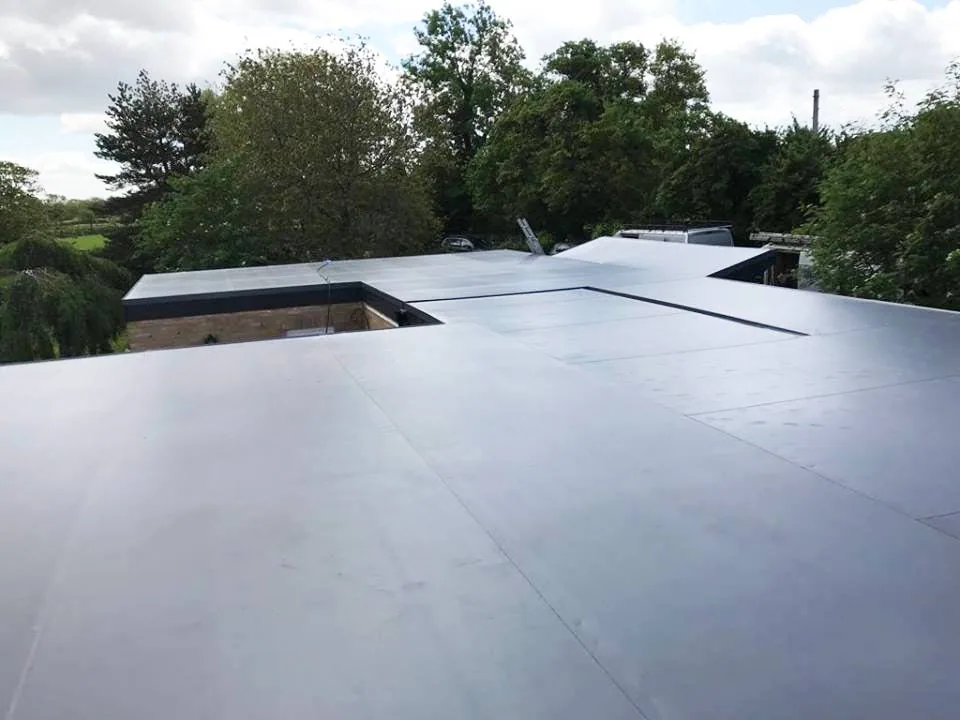
Review Sika Sarnafil and Sikaplan PVC roofing in Rock Hill, SC. We inspect heat-welded seams, flashings and the installed assembly before repairs.
A white single-ply roof does not identify its manufacturer. Sika Sarnafil and Sikaplan are PVC membrane families, but another brand's PVC sheet can look similar from the roof hatch. We check membrane markings, seam construction, accessories and records before setting a repair boundary. In Rock Hill, SC, the long warm season and regular rain put attention on drainage and flashing, while the installed system determines preparation and welding. Riverwalk Business Park and Legacy Park contain separate commercial and industrial properties, each with its own roof plan and access rules. The field inspection comes before a product-specific repair.
Confirm the Sarnafil or Sikaplan sheet
Sika's Sarnafil and Sikaplan commercial roof systems use PVC membranes. System details cover mechanically attached or adhered assemblies and hot-air welded seams. The membrane, reinforcement, attachment, substrate and flashings all contribute to the roof's behavior. A product designation in project records can narrow the identification, but later work may have introduced a different sheet or changed the insulation stack. We note where a product is confirmed and where the record stops applying.
PVC membranes can be selected for specific building conditions, including roofs exposed to grease or chemicals, but the exact product and design govern suitability. We ask what exhaust, process discharge or rooftop service reaches the surface and inspect nearby membrane for discoloration, embrittlement or residue. A PVC roof inspection should identify the material and the exposure area. If a higher-performance KEE formulation appears in the records, we check that product separately using its KEE system details rather than assuming every PVC assembly has the same properties.
Inspect welded seams and flashing
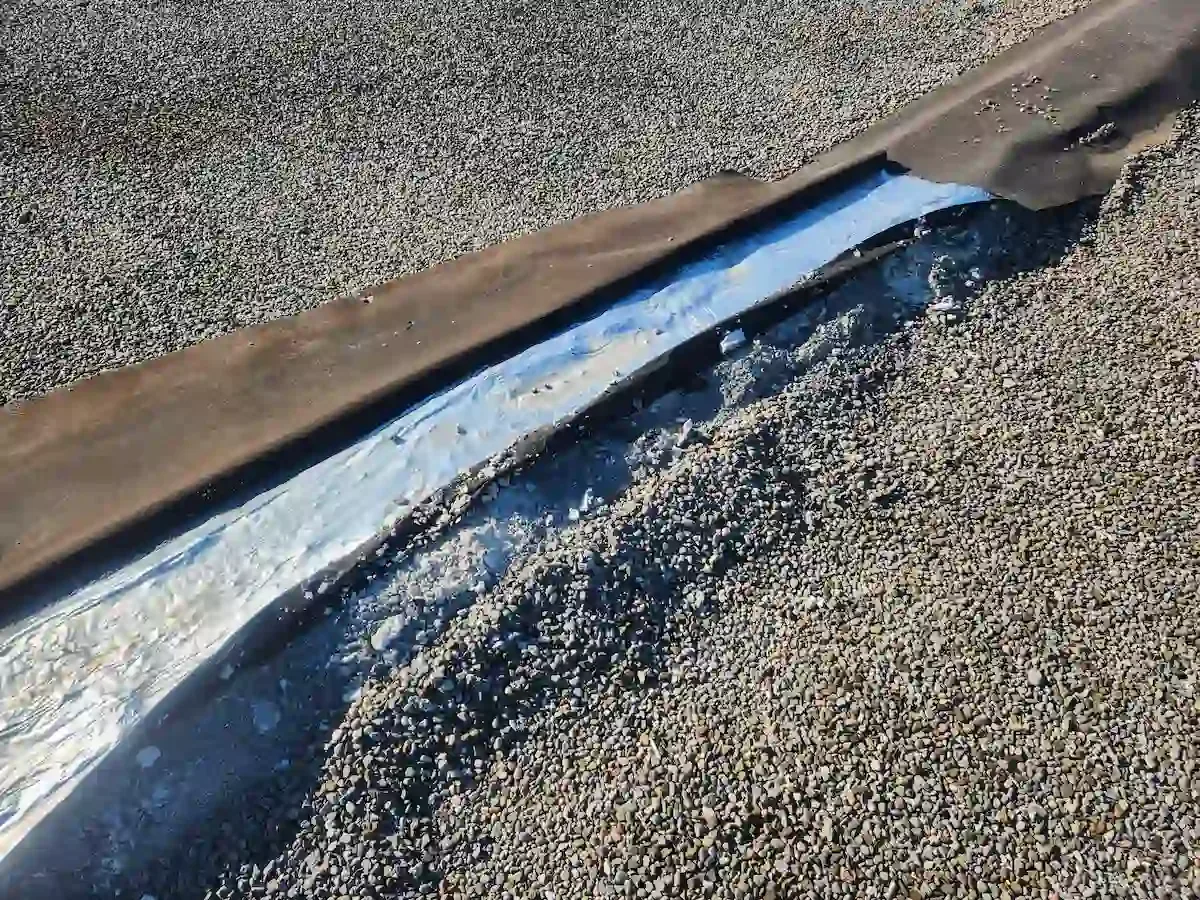
We begin at the reported leak, then follow roof slope and seams toward drains, curbs, walls and perimeter metal. On a heat-welded PVC lap, we look for contamination, incomplete fusion, fish-mouths and stress where sheets have moved. A probe test is limited to the seam sections checked; it cannot confirm concealed insulation or every weld across a large building. We photograph both sides of the defect and note whether a prior patch remains bonded.
Flashings often carry more risk than the open field. Pipe boots, curb corners, wall terminations, drain bowls and pitch pockets need the correct membrane detail and adequate height. A mechanical unit replacement can leave a cut or unsupported transition even when the original sheet is intact nearby. We review the curb, fasteners and counterflashing with the project team before selecting a patch. A roof inspection can map these details; seam repair planning then follows the confirmed sheet, surface condition and tested boundary.
Prepare a durable PVC repair
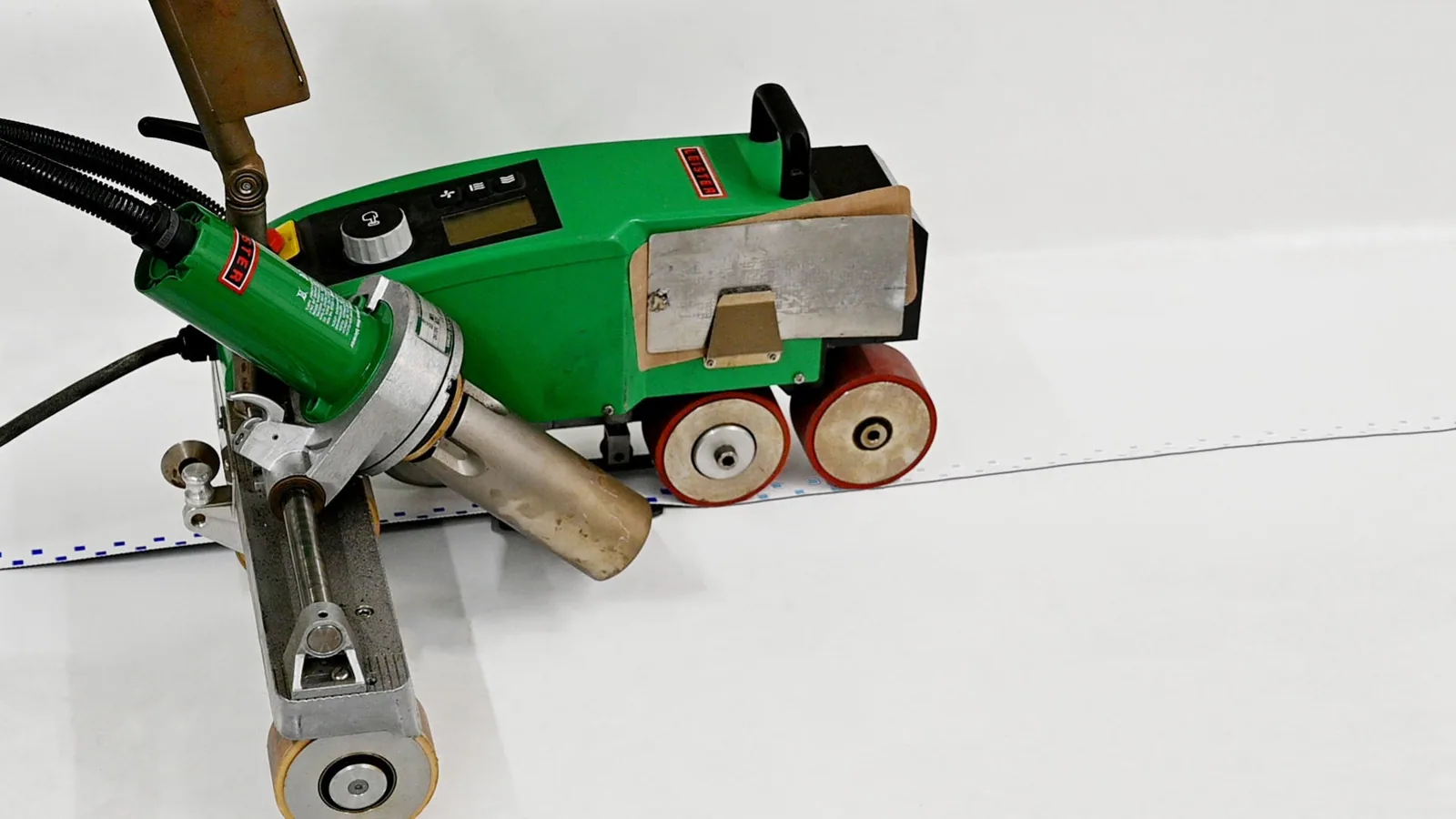
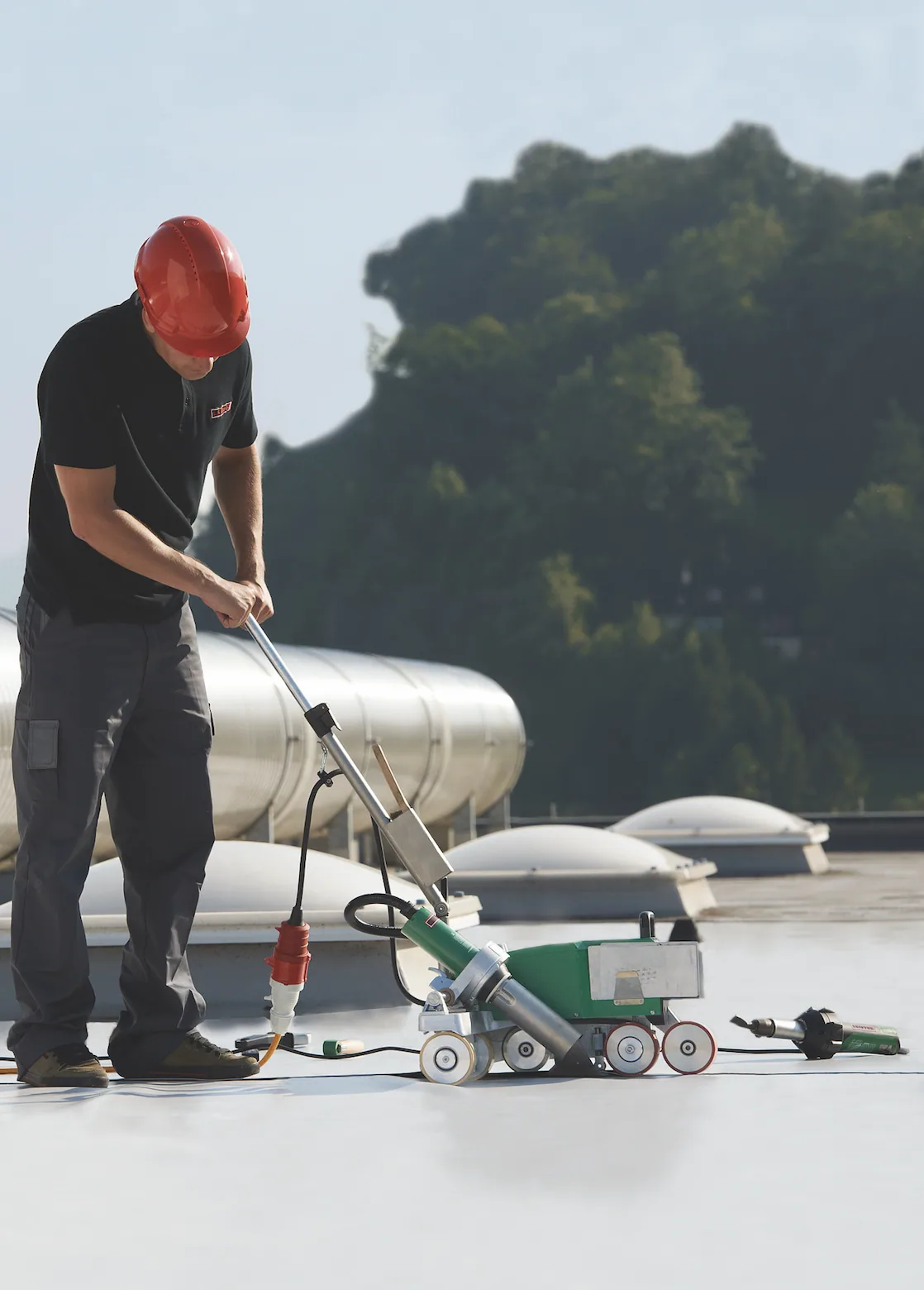
A PVC patch must fuse to compatible, clean membrane. We remove loose material, prepare the surface and set heat and pressure for the specific sheet and conditions. A weld should continue onto sound membrane around the defect, with the finished edge checked rather than hidden beneath another layer. If the surface is contaminated by oil, exhaust residue, dust or a coating, we assess whether cleaning restores a weldable area or whether removal is required. The repair record names the product when confirmed and the limits of any test weld.
When the damage reaches insulation, cover board or deck, a surface patch is incomplete. We propose a controlled opening, document the layers and moisture findings, then restore the area under the approved assembly detail. If the deck needs repair or the curb requires mechanical adjustment, the owner may need a separate trade. We keep that handoff visible in the scope. A condition report records the observation, test results and areas that remain unexamined so future work starts from the actual installation.
Rain, heat and York County storm checks
Rock Hill's humid Piedmont climate brings regular rain during a long warm season. Heat affects how the crew prepares and welds a membrane, while repeated water exposure can find weak laps and low details. We clear or inspect drains within the approved work boundary, check overflow routes and record whether a low area remains. York County is included in the western Carolinas tornado record. The regional storm history supports a timely post-event inspection. We document visible conditions on the actual roof before assigning storm-related repairs.
At Legacy Park and Riverwalk Business Park, access may run through shipping yards, production areas or occupied office space. The building contact sets escort, lift staging and operating windows. A storm review checks seams, flashings, edge metal, rooftop equipment and drainage separately; dents in soft metal are not enough to conclude that the PVC sheet has failed. We compare current photographs with maintenance records when available and mark locations that were not reached. If a repair changes temporary protection, we document the condition before and after the work.
Warm weather also affects the inspection itself. We schedule roof walks around surface temperature and secure all loose tools and material near edges. If rain is in the forecast, the crew checks the planned stopping point and keeps an exposed opening closed before leaving. For an active leak, temporary protection should not hide the original failure; photos taken before the dry-in preserve the seam or flashing condition for permanent repair planning.
Plan the next roof decision
A bounded split or failed weld can support a local repair when surrounding membrane is clean, secure and dry. Repeated openings, wide chemical exposure, wet insulation or loose attachment may require broader removal. A recover is considered only after checking existing layers, drainage, roof height at walls and curbs, and whether the assembly can remain. Replacement planning can also account for rooftop equipment, tenant access, material staging and weather-sensitive areas. We separate confirmed scope from conditions that require an opening or added access.
When a building has multiple product generations, we map each boundary before tying the new work into an older sheet. A Sarnafil or Sikaplan section adjoining GAF, Carlisle-SynTec or SOPREMA needs a transition detail compatible with both materials. Similar color is not proof of compatibility. The maintenance file should keep product data, weld tests, patch materials, roof drawings and dates together. For Legacy Park properties, we identify the individual building and roof zone so a later inspection can return to the same detail.
Before capital work, the owner can compare a repair with broader replacement using the same field map. We state which defects were confirmed, how much membrane was tested, whether moisture is suspected, and which areas remain concealed. Cost and timing then reflect access, removal, curb changes and the work window instead of an unsupported assumption about the roof's entire life. If operations need a phased sequence, we mark a watertight stopping point for each stage and confirm who approves reopening the next section.
Questions About Sika Sarnafil Commercial Roofing
No. Several PVC products look alike. We compare labels, records, seam style and accessories, then mark the areas where the membrane remains uncertain.
No. The existing surface must be compatible and clean enough to weld. We inspect for contamination or prior coatings and test a representative area when needed.
We check laps, walls, drains, curbs, pipe boots, equipment supports, edge metal and any prior repair. Those transitions can open while the broad field remains sound.
No. We use it as a reason to inspect after a report. Current seam, flashing, edge and drainage conditions establish what happened at the roof.
Share submittals, product labels, prior weld or repair records, the reported leak location and site access requirements. The facility contact can confirm work hours and escorts.
Identify the Sika PVC roof
Provide the building use, reported concern, product records and access limits. We will map the membrane and transitions that need inspection before a repair is priced.