Review GAF commercial roof systems, seams, attachments and repair options in Rock Hill, SC. We inspect the installed assembly before planning work.
A GAF label in a closeout binder gives us a lead, not a complete roof specification. In Rock Hill, SC, we compare that record with the membrane, seams, edge details and visible attachment on the building. GAF's commercial portfolio includes TPO, PVC, KEE and EPDM systems, so the name alone does not identify which assembly is in place. Rock Hill's listed employment areas include Riverwalk Business Park and Legacy Park; we confirm each property's system and condition before choosing work. We mark the building, roof zone and confirmed system before recommending repair, maintenance or replacement.
What a GAF record can establish
Product sheets, submittals, invoices and warranty documents each answer different questions. A membrane data sheet can help confirm a product family. An approved assembly detail can show a permitted attachment, insulation stack and flashing method. A warranty file may identify an enrolled roof area and obligations, but its coverage depends on the specific document and site conditions. We compare the records with exposed material and repair history rather than treating a brand reference as proof that the entire building has one system.
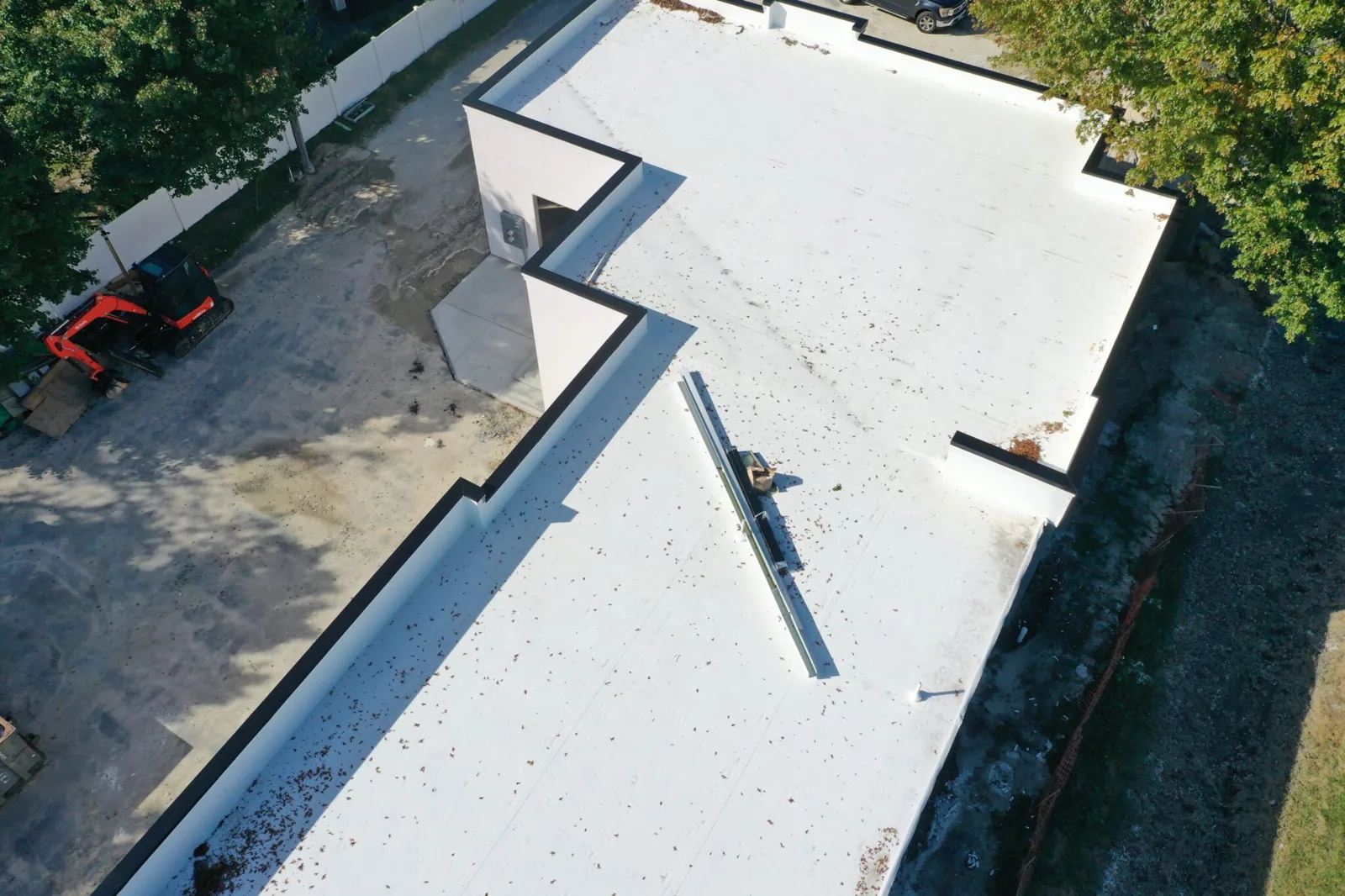
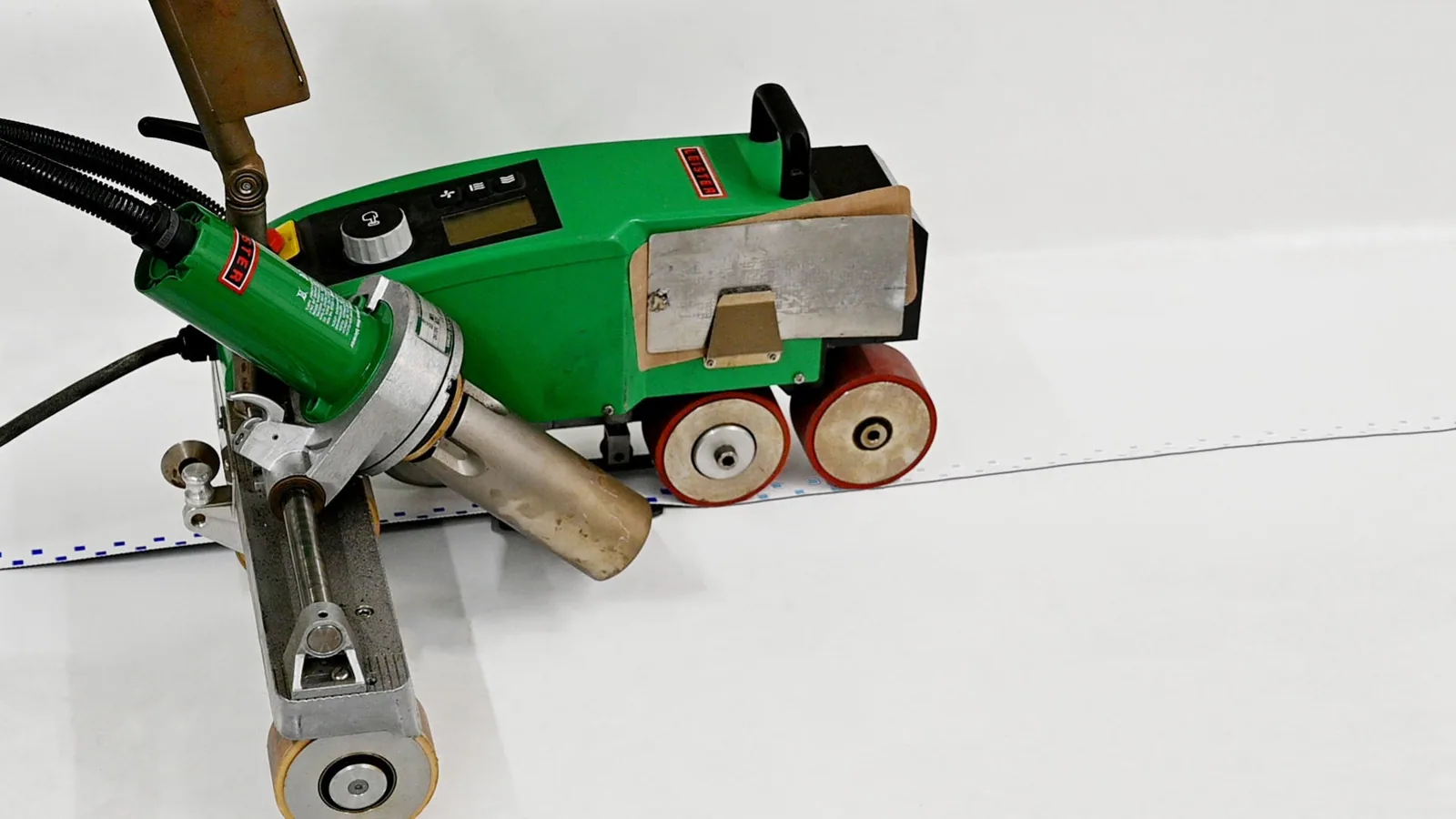
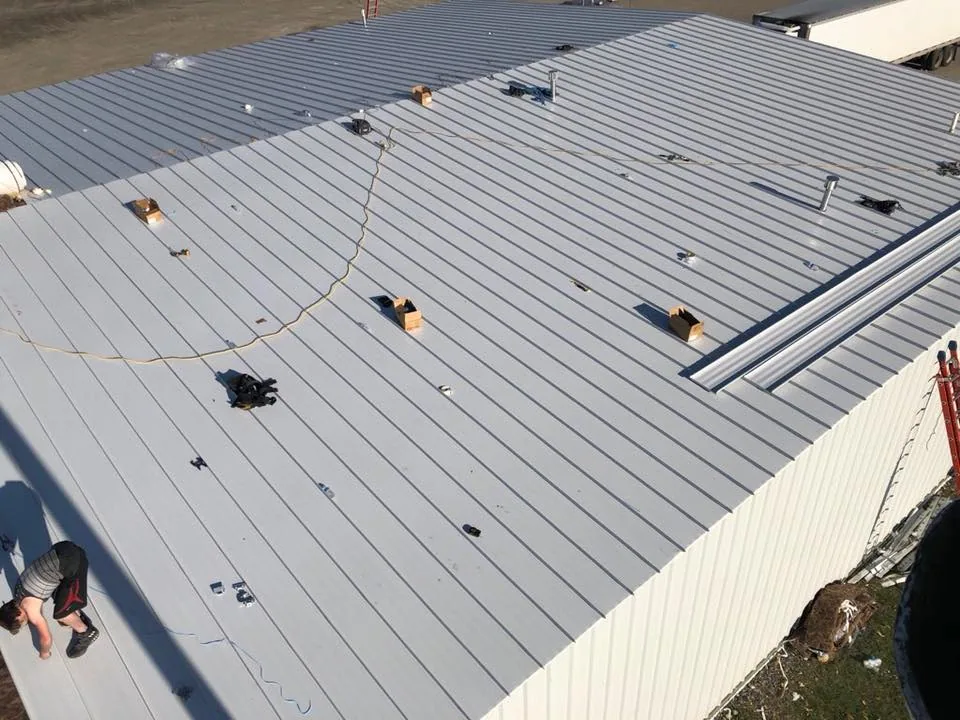
GAF offers single-ply options for low-slope commercial roofs, including thermoplastic membranes and EPDM. TPO and PVC seams are heat-welded when the specified system calls for that connection; EPDM uses a different seam and flashing approach. Some assemblies are adhered, some mechanically attached, and project specifications govern the approved construction. A TPO roof review or PVC system inspection starts with the material actually on the deck, not a guess based on age or color.
System selection also depends on the existing deck, slope, insulation, expected rooftop traffic and details at the edge. A reflective surface may reduce solar gain, but it cannot correct standing water or loose attachment. A KEE membrane may be appropriate for some service conditions, yet product compatibility and approved details still govern repair. We explain which constraint controls the choice so an owner can compare a compatible repair with a more extensive assembly change.
Matching the paperwork to the roof
We begin with the reported leak, open seam, surface change or planned equipment work. From a safe access point, we map the affected zone and check membrane field, laps, wall transitions, curbs, penetrations, drains and perimeter metal. A walkover can show visible wear, but it cannot confirm concealed insulation or deck condition. Where moisture may extend beyond the stain below, we mark the survey method and readings so the owner knows which area was tested.
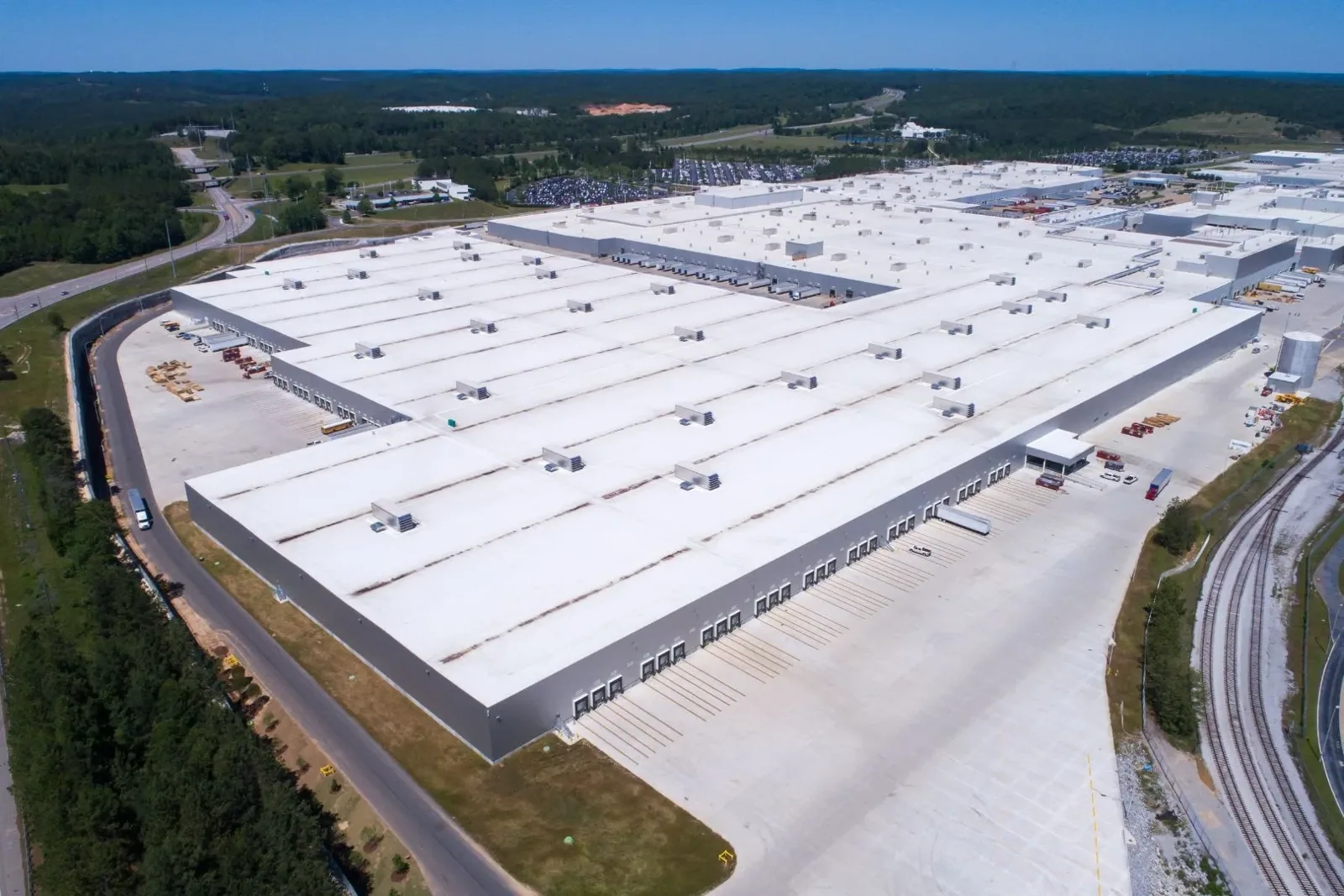
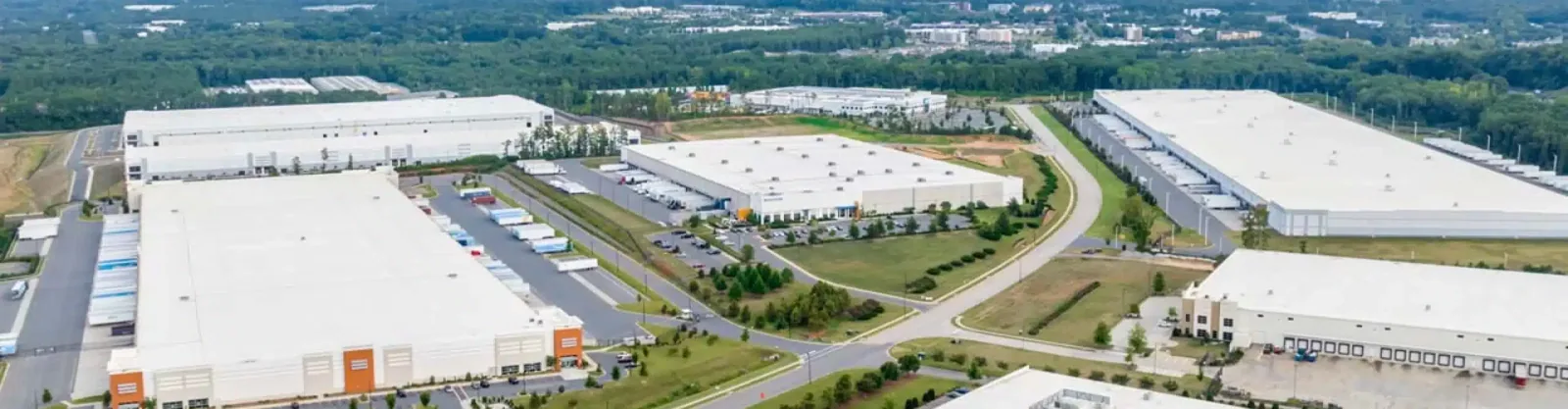
At a distribution or manufacturing property, roof access may cross active loading and service routes. The facility contact identifies escorts, lift areas, work windows and restricted zones; our inspection record keeps those operating limits with the roof map. If the label says GAF but a later patch or addition uses another membrane, we separate the sections and check compatibility before specifying materials. A condition inspection can document the existing assembly, while a photo-backed roof report preserves tested areas, observed defects and unanswered questions.
Seams, flashings and attachment
Heat-welded seams need clean surfaces, suitable temperature and consistent pressure. We inspect the lap for fish-mouths, contamination, incomplete welds and damage from later trades, then test representative points where the work plan allows. A seam repair must return to sound membrane on both sides of the defect. If the sheet has shrunk, the substrate moves, or water has softened nearby insulation, a surface patch may not address the cause. The repair boundary follows the material condition and the approved scope.
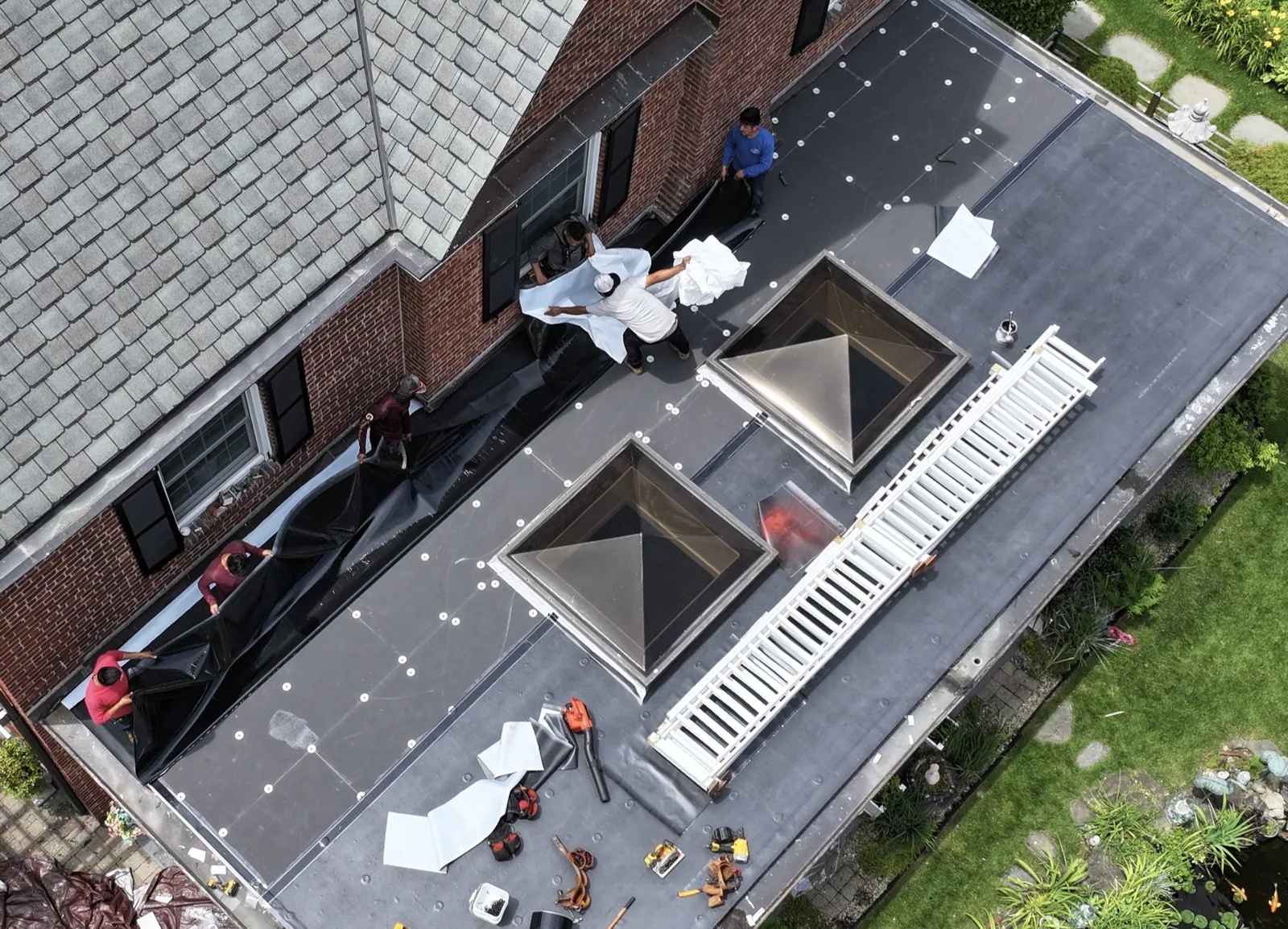
Flashing deserves the same close look as the open field. Corners, penetrations, curb bases and wall terminations can fail where movement, water flow or poor access concentrates stress. We check whether flashing is compatible with the membrane and whether the termination remains secure. Mechanical attachment also deserves attention at perimeter and corner zones, especially after a reported wind event. A seam-failure repair may be localized, but displaced edge metal or widespread attachment loss changes the next decision. GAF details help only when the product and assembly match the roof being repaired.
Rock Hill exposure and roof details
Rock Hill's warm, humid Carolina Piedmont brings summer heat, moisture and regular rain to low-slope roofs. Water that lingers at a drain or blocked overflow can test laps and penetrations repeatedly, while heat can make an aging repair less forgiving. After a storm report, we inspect the actual roof for punctures, displaced edge metal, open flashing and drainage changes. York County has a documented hail and tornado history; after a reported event, we inspect exposed edges, soft metal, equipment, and seams at the property.
Riverwalk Business Park is suited to manufacturing, distribution and office occupants, so roof access and work sequencing can differ from one property to another. At Legacy Park, we still confirm the individual building's roof system and operating limits rather than applying a park-wide assumption. We photograph exposed details, note which areas were reached and separate visible surface marks from functional damage. A Riverwalk roof inspection should describe that building's condition and access plan, not a neighboring tenant's roof.
Rainwater can follow a long path across a low-slope field before reaching a drain, so we compare slopes and outlet conditions with stains reported inside. A clogged bowl, damaged scupper or closed overflow changes how water moves even when the membrane remains intact. We clear only within the approved scope, then observe whether water can exit as intended. We assess impact marks on metal, membrane cuts, displaced equipment, and seam separation as distinct findings, then tie every repair boundary to the affected roof zone.
Repair, recover or replace
A repair may suit a discrete seam or flashing failure when adjacent membrane remains sound and the wet area is bounded. If moisture readings or an approved test opening show saturated insulation, the estimate should state the added removal area and how the transition will be restored. A recover can be considered when the existing assembly is dry enough, secure and compatible with the proposed system. It should not cover active leaks, unstable attachment or a drainage problem that remains unresolved.
Replacement planning compares deck condition, roof layers, drainage, curb heights, perimeter details and access. We show what is visible, what was tested and what remains unknown, then separate urgent dry-in from permanent correction. GAF's system documents can support design coordination when they match the identified product and assembly. Other manufacturers publish their own membrane details, so an existing Carlisle-SynTec system or Johns Manville roof needs its own material review. For a replacement evaluation, the owner receives a scope tied to field conditions, not a brand label alone.
Questions About GAF Commercial Roofing Systems
No. It may identify a product used in one area or during an earlier project. We check exposed membrane, seam style, repairs and available submittals to map where the confirmed assembly begins and ends.
No. The repair material and welding method need to match the membrane type and condition. We identify the surface, prepare a test area when useful, and keep the repair boundary on sound compatible material.
Soft insulation, repeated seam openings, wet layers or loose edge attachment can extend beyond the visible defect. We mark what was tested and price additional removal only after the changed condition is documented.
The inspection records what changed at each checked roof zone and which areas need a closer test. We look for changes to seams, flashings, perimeter metal and drainage, then record the affected roof zones and any areas not reached.
Share the building address, leak location, recent roof records and any access restrictions. The facility contact can confirm escort rules, lift access and work windows before we set the inspection boundary.
Set the roof inspection boundary
Share the building use, reported symptom, available GAF records and access limits. We will identify the roof zone to inspect and explain what the findings support.