
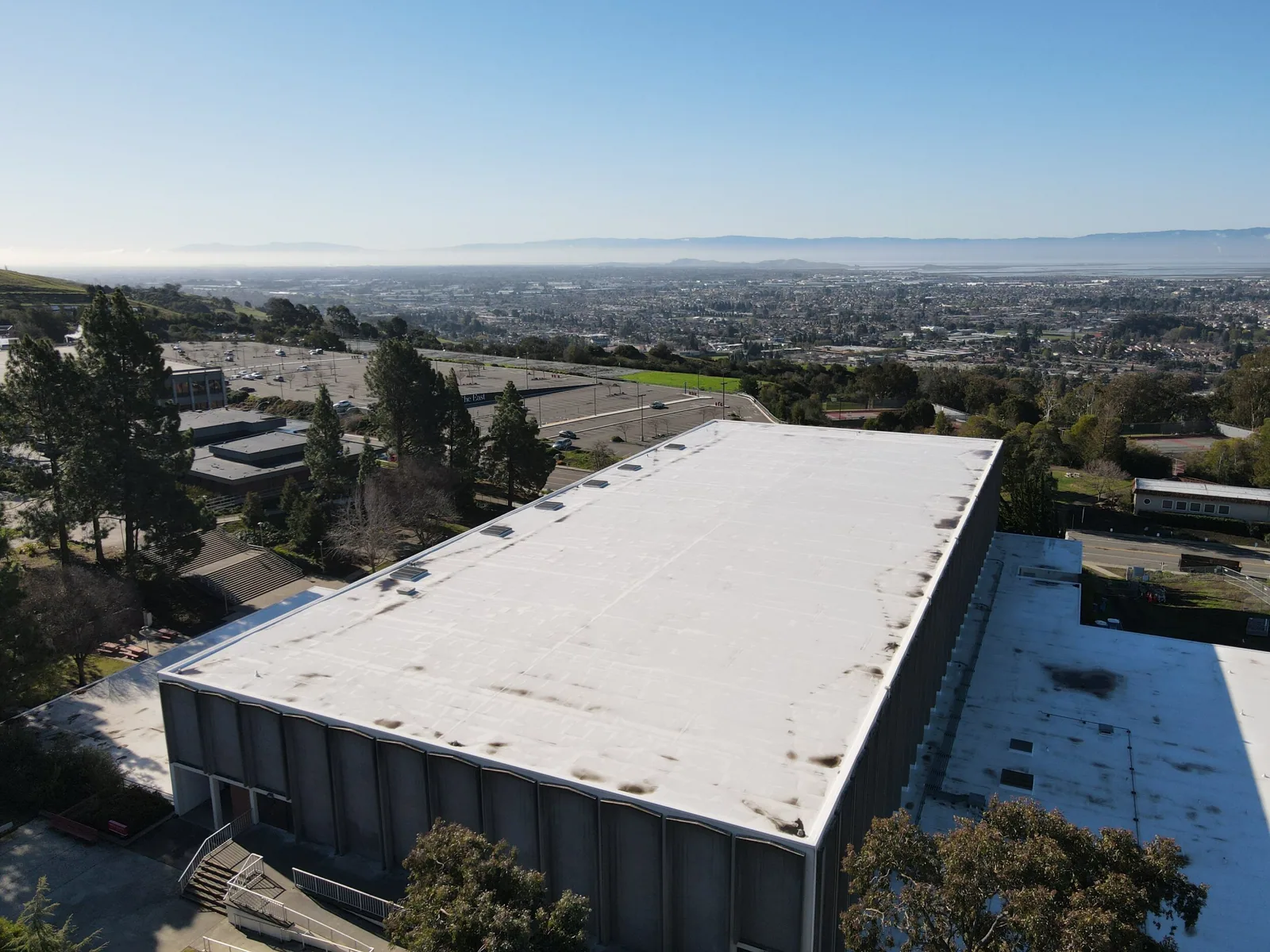
Inspect Carlisle-SynTec EPDM, TPO and PVC roofing in Rock Hill, SC. We compare the installed membrane, attachment and details before setting repairs.
An invoice can identify the specified Carlisle SynTec product; a roof walk confirms the membrane and repairs visible today. The building may have an EPDM field, a TPO addition, or a later repair from another product family. In Rock Hill, SC, we confirm the sheet, seam, flashing and attachment by roof zone, then compare those observations with submittals and maintenance records. Riverwalk Business Park and Legacy Park include different manufacturing, distribution and office uses, so access and work sequencing belong to each property plan. The inspection sets the material boundary before anyone selects a patch or prices a larger scope.
Separate the system families
Carlisle-SynTec's commercial portfolio includes EPDM, TPO and PVC membranes, along with insulation, adhesives and roofing accessories. Sure-Seal identifies Carlisle's EPDM line; Sure-Weld identifies its heat-weldable TPO membrane. Those names are useful when they match the roof record, but they do not make the systems interchangeable. EPDM seams and flashings rely on compatible tapes or adhesives, while TPO and PVC field seams are joined through heat welding where their approved details call for it. A membrane inspection for EPDM starts with the black sheet, seam treatment and patch history actually present.
Each product family still needs a compatible assembly above the deck. We review the substrate, insulation, cover board, attachment and edge details before selecting a material. A TPO or PVC review should identify the field membrane and flashing components separately. If a roof has multiple additions, one product label may apply to only part of the building. We mark transitions rather than extending a repair method from one zone into another without checking adhesion and weldability.
Read seams and transitions
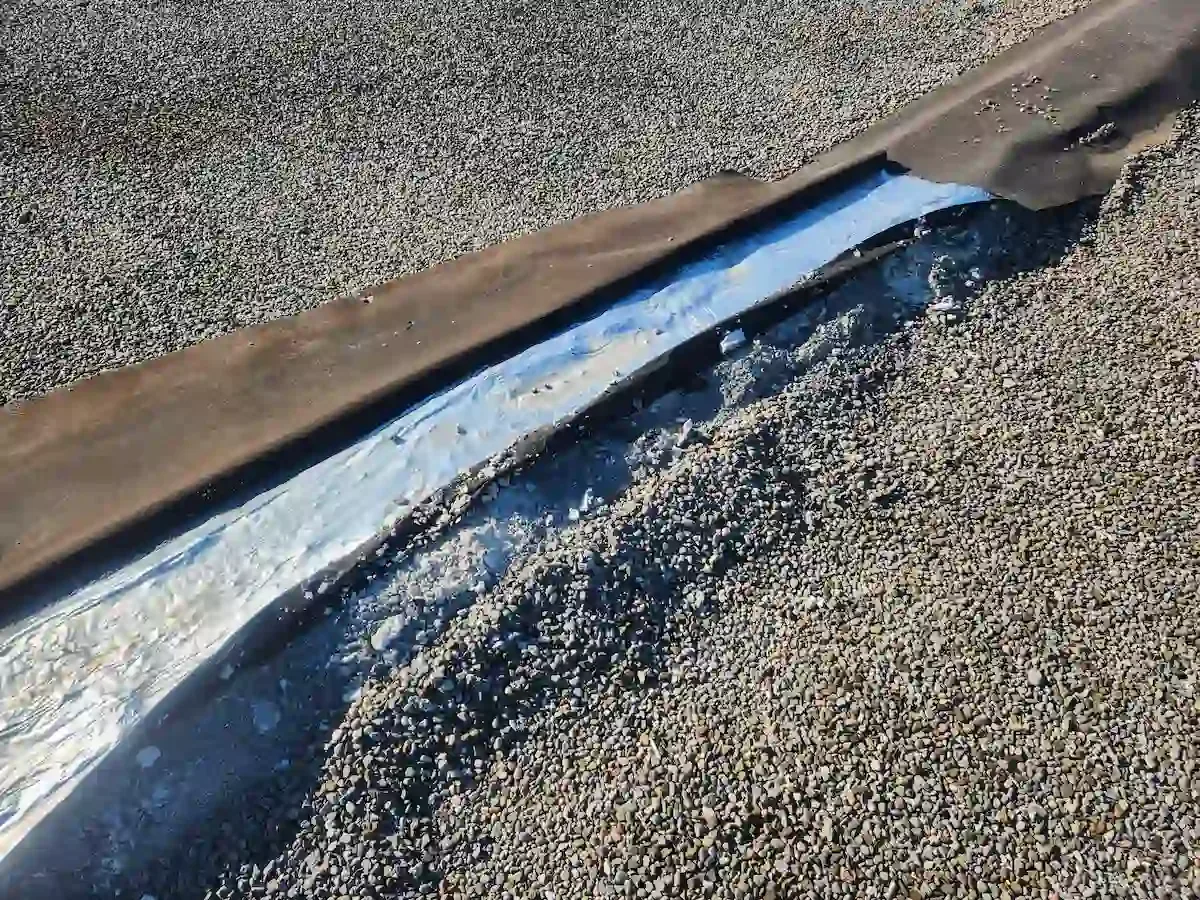
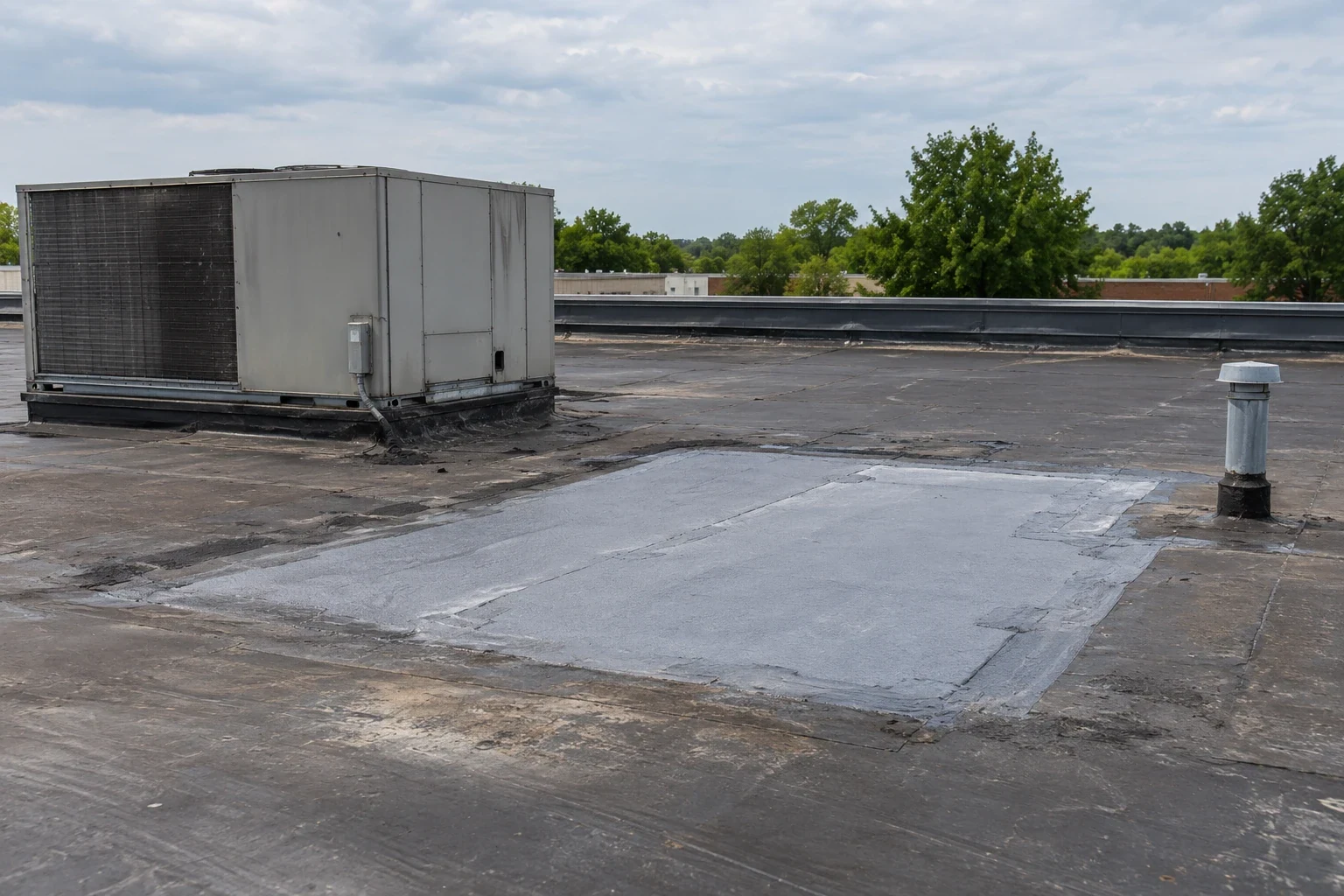
On EPDM, we look at seam tape, splice edges, flashing corners, terminations and patches that may have lifted or collected dirt. A repair needs sound rubber beyond the damaged area, with surfaces prepared for the selected adhesive or tape. We check for shrinking sheets, open laps and water paths beneath loose edges. On TPO, we examine weld width and consistency, then probe representative seam points when access and scope allow. A surface wrinkle calls for a field test and a check of the surrounding assembly to locate any failed connection.
Wall flashings, pipe penetrations, equipment curbs, drain sumps and roof edges can create more difficult conditions than the broad field. We compare each detail with the system record and note later mechanical work that may have disturbed the membrane. If an addition joins an older roof, we identify where materials and elevations change. A roof inspection can record those zones with photographs and measurements; seam repair planning then follows the confirmed material and repair boundary rather than the label on the original invoice.
Attachment and repair decisions
Adhered and mechanically attached systems transfer loads differently and call for different repair checks. We review available assembly documents, inspect exposed fasteners or adhesive clues, and note perimeter conditions where wind pressure can be greater. A patch placed over a moving sheet, loose insulation or wet substrate may not remain sound. Where the concern extends beyond a seam, we map the area, check for soft spots and compare moisture readings with visible defects. If additional removal is needed to understand the deck, we document the opening and ask the owner to approve any non-emergency scope change.
Temporary dry-in and permanent work can be separate decisions. We protect an active leak, identify what remains exposed and schedule a compatible repair after the surface and weather conditions are suitable. For a larger area, the owner may compare localized repair with recover or replacement. The comparison should include existing layers, drainage, curb height, insulation condition, roof access, and the transition at adjacent systems. A repair scope can resolve a bounded defect; recover evaluation needs evidence that the existing assembly can remain and support the new work.
Rock Hill rain and storm exposure
Rock Hill's warm, humid Piedmont climate brings regular rainfall through a long warm season. Water that remains at a low point can keep seams and penetrations under stress, especially where debris blocks a drain or overflow. After a reported storm, we inspect roof edges, membrane laps, metal flashings and equipment supports for movement or impact. After reported severe weather, inspect the property for displaced edge metal, open seams and impact marks, then record the findings before assigning a repair scope. The roof record should name the observed location and the work completed there.
Legacy Park and Riverwalk Business Park contain buildings with varying layouts, so a storm walk is planned for the individual roof rather than the industrial park as a whole. We note which sections were accessible and which remained behind mechanical equipment or safety boundaries. If hail is suspected, we distinguish dents in soft metal from confirmed membrane cuts and check whether drainage changed. The assessment should connect photographs and tests to a defined roof zone. Historical weather provides context; current field conditions determine repair quantity.
Keep records tied to the roof
Keep the marked roof plan, photographs, product labels, repair materials and inspection date together. The record should say whether the roof was walked, visually checked from another point, or tested at selected locations. If a test opening confirmed a deck or insulation condition, mark the opening and its restoration separately from areas that were not disturbed. A maintenance team can then compare a new leak with prior findings rather than assuming the same cause or system across the full building.
When a project involves more than one membrane brand, we note each transition and consult the relevant product detail for that zone. A Carlisle-SynTec field may adjoin a GAF thermoplastic assembly or a Johns Manville system; compatible repair depends on the material at the tie-in. A condition report preserves the evidence for budgeting and future work. For properties at Legacy Park, the next inspection should carry forward the building name, roof zone, access limit and unresolved question so the scope remains clear.
When deciding among maintenance, repair and replacement, set aside what the brand may offer in general and compare the actual roof's remaining service condition. The owner's timing may be shaped by a leak above an occupied suite, recurring wet insulation or work planned for rooftop equipment. We record those triggers and the budget year under consideration, then state which tests or access approvals are still needed. That turns a product discussion into a decision tied to one assembly, one defined work area and a practical sequence for the building.
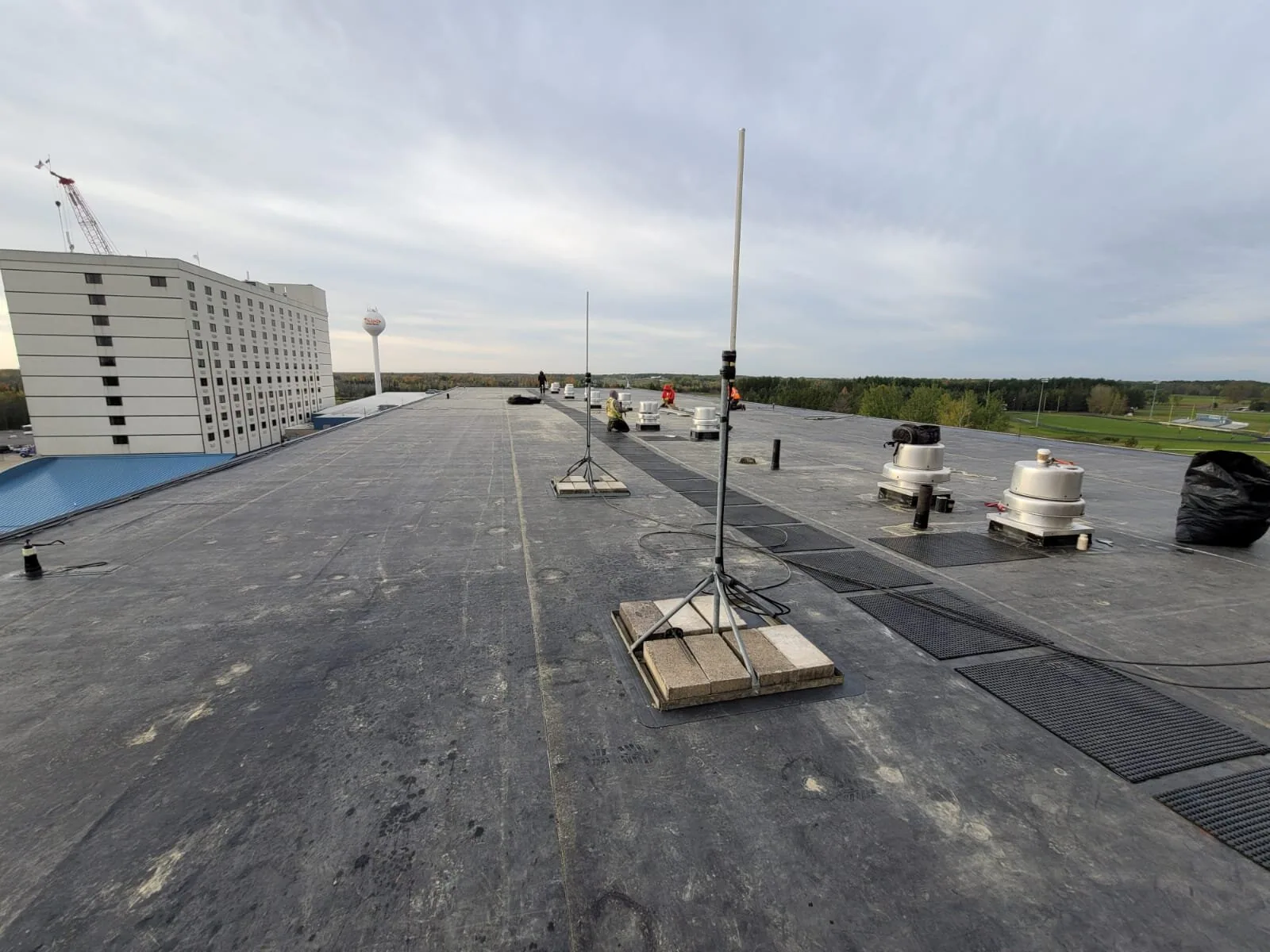
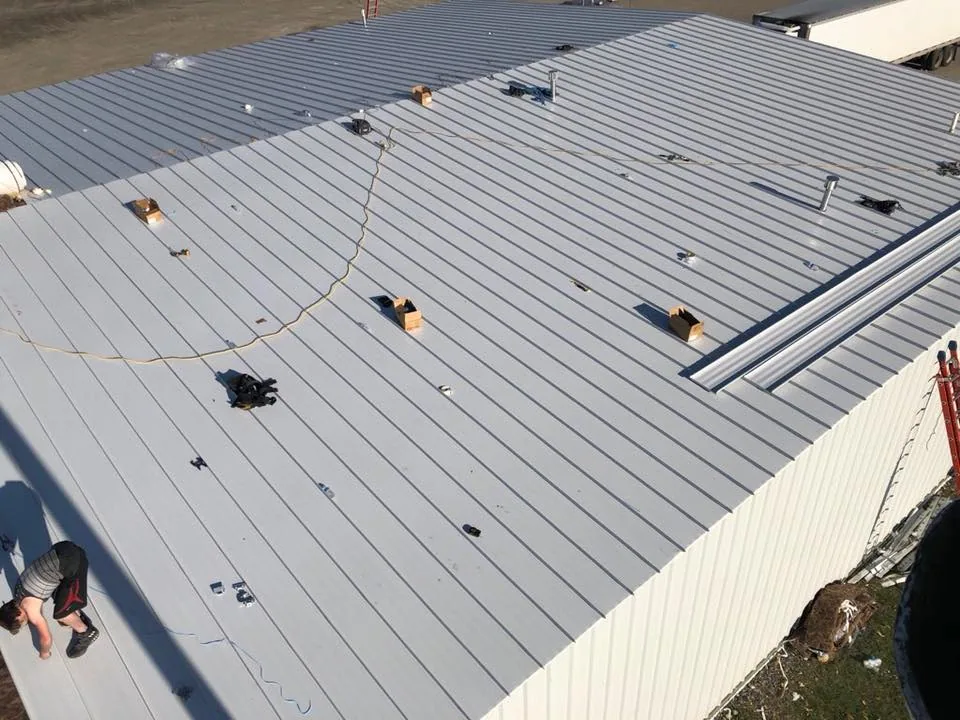
Questions About Carlisle-SynTec Commercial Roofing
It helps identify a past material or scope, but later work may have changed part of the assembly. We compare the invoice with exposed membrane, seam type, patches and transitions before applying a product-specific repair.
No. EPDM and TPO have different seam construction and surface preparation. We identify the sheet and compatible accessory before cleaning, priming, welding or setting a patch.
We check how far the sheet has pulled, whether the termination remains secure, and whether the wall flashing or substrate is also affected. Repair limits follow sound material and the approved detail.
The current inspection records seam condition, moisture findings and repair needs for each roof zone. We inspect the membrane, flashings, metal edges and drainage, then compare the observed damage with the area and assembly involved.
Share the building use, reported issue, available submittals or closeout records, and any access or production limits. The property contact can confirm escorts and a safe work window.
Confirm the Carlisle-SynTec roof system
Send the building use, roof concern, product records and access limits. We will identify the material and roof zones that need review before recommending a repair path.
