Review SOPREMA modified bitumen, PVC and liquid-applied roof options in Rock Hill, SC. We inspect the installed layers before setting repair limits.
A product name on the roof file may point to a membrane, a flashing resin or a coating, and each one calls for a different field check. SOPREMA's commercial roofing portfolio includes SBS-modified bitumen, PVC and polymeric liquid-applied products. In Rock Hill, SC, we identify which material is actually installed before discussing repair. The building's roof zones, drain layout and transitions matter more than a product family in isolation. Riverwalk Business Park and Legacy Park include different commercial and industrial uses, so we confirm access and operations with each property contact before setting the inspection route.
Distinguish sheet goods from liquid systems
SBS-modified bitumen uses asphaltic plies and surfaced sheets; its laps, granules and flashing details need review as one assembly. SOPREMA also manufactures SENTINEL PVC membranes for low-slope applications. Thermoplastic seams are heat-welded where the system detail requires that connection. PMMA and PMA liquid-applied products form a different kind of roof or flashing layer and depend on substrate preparation, reinforcement and specified thickness. A modified-bitumen inspection therefore does not follow the same repair steps as a PVC membrane review.
Before specifying materials, we compare the product label, submittal, surface and installed layers. A liquid coating over an older membrane may hide cracks or loose material, while a new patch can fail if it bridges a moving joint or wet substrate. We check compatibility with existing asphalt, insulation, metal and flashing, then identify any layer that needs a closer look before the repair method is chosen. A roof coating assessment may include adhesion testing, but the test result applies only to the sampled area and preparation method.
Follow water through the assembly
At a reported leak, we begin inside by marking the room, ceiling condition and timing of water. Above, we follow likely water paths across seams, valleys, drains, walls and penetrations. On modified bitumen, we inspect laps, blisters, exposed reinforcement, granule loss and flashing at curbs. On PVC, we check welds, shrinkage and patch edges. Liquid-applied systems need a close look at thickness changes, reinforcing fabric, cracks and termination points. A dark stain or surface wrinkle alone does not identify the entry point.
We record each tested area and whether concealed layers remain unknown. Where moisture may extend beneath the surface, infrared or capacitance readings can guide a controlled opening, but the survey method and its limits need to be stated. The facility team approves access, lift staging and any opening above occupied areas. A roof inspection can map these findings, and a coating-restoration review can determine whether the surface is still suitable for preparation and recoating rather than removal.
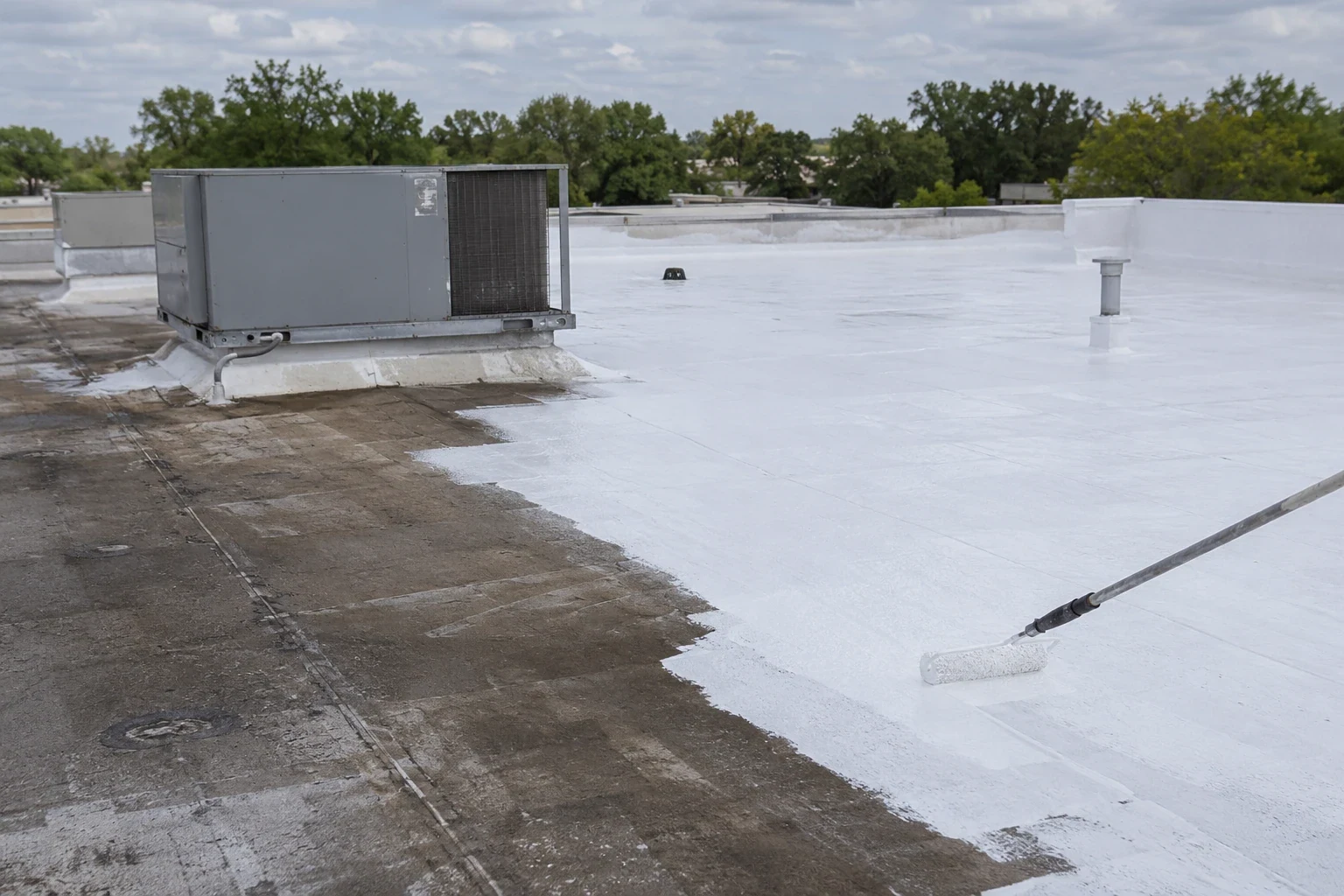
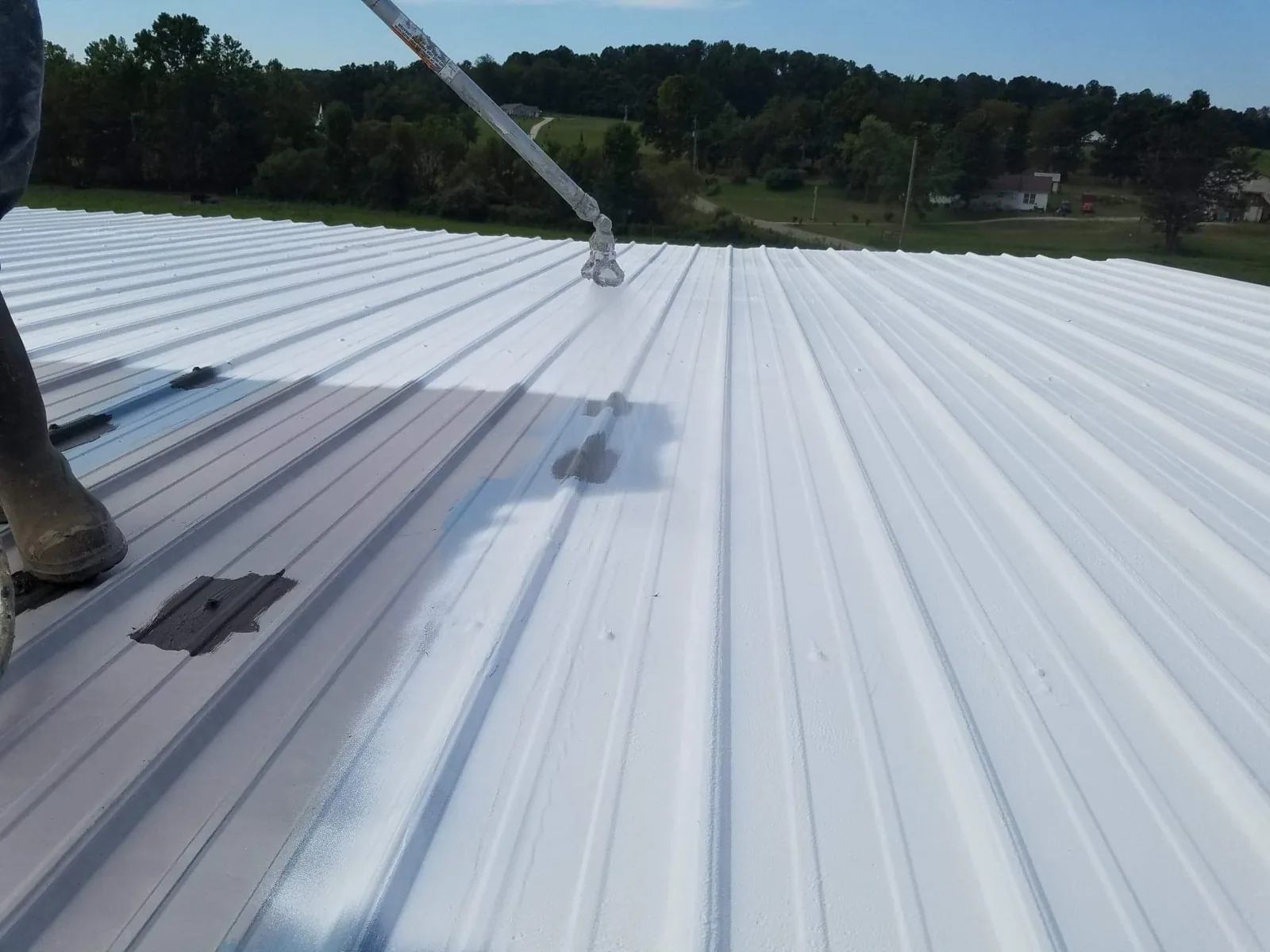
A coating candidate needs a dry, cohesive substrate with enough remaining strength to carry the proposed layers. We look for trapped moisture, loose surfacing, contamination, incompatible patches and areas where the coating has separated. Drainage and edge details must still function after the new film is applied. A small adhesion test can help evaluate preparation at one spot, but a successful sample does not correct a soft deck or wet insulation elsewhere. The report identifies the portion reviewed and any additional testing that could change the recommendation.
Repair the defect without hiding it
For SBS-modified bitumen, a repair may require cutting back unsound surfacing, drying the substrate and tying a new piece into stable plies. Heat-applied work requires suitable site conditions and protection for the building and adjacent materials. A cold-applied repair still depends on compatible products, clean surfaces and a durable edge. If water has reached insulation or the deck, the scope should state the removal area and how the opened assembly will be closed.
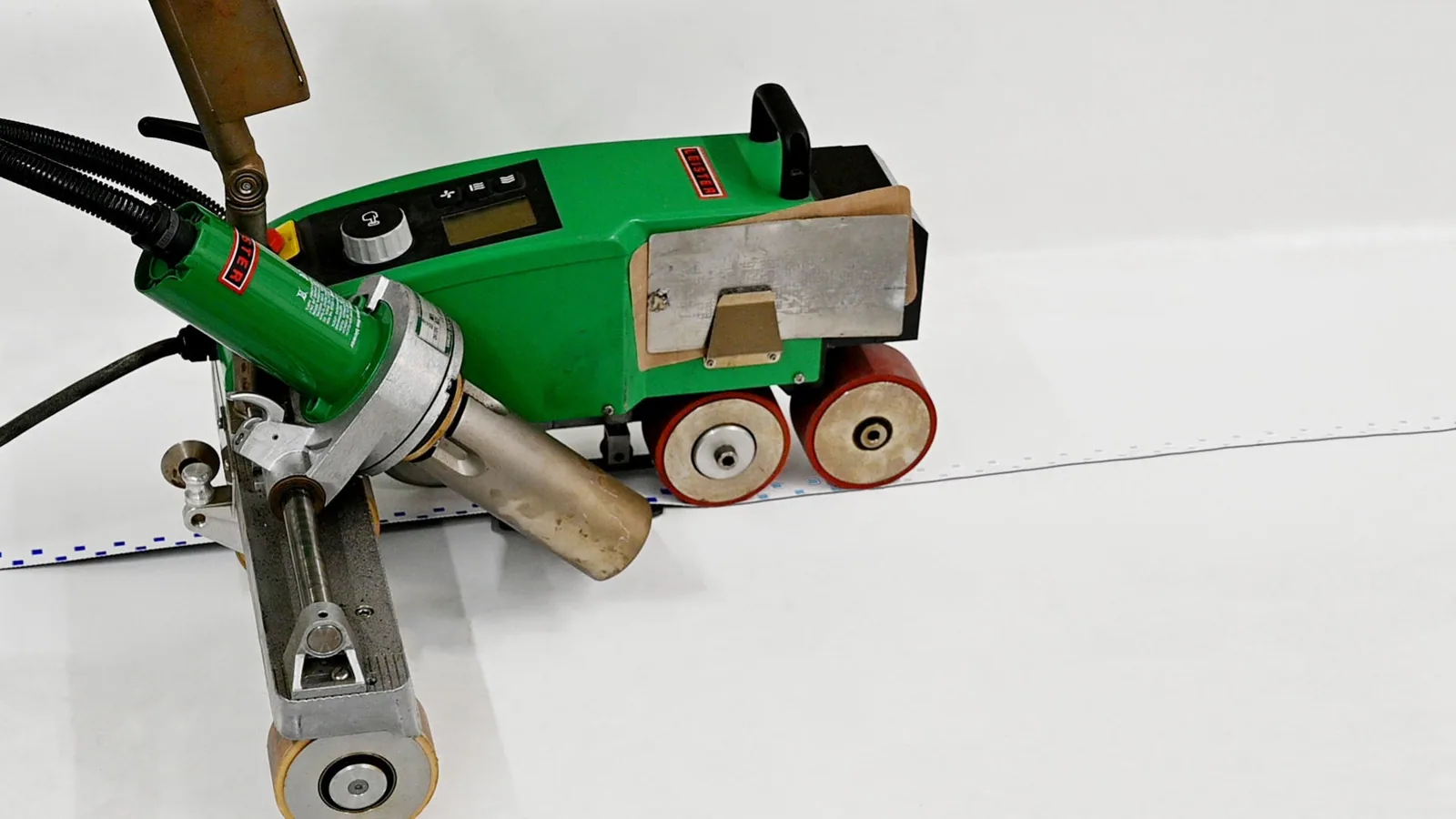
A PVC patch needs sound membrane around the defect and a clean, compatible surface for the weld. Liquid-applied flashing requires the specified primer, reinforcement and cure conditions; a thin coat over dust or loose granules cannot restore a failed base. Around a curb or pipe, we inspect corners and transitions before adding material. Flashing repair follows the confirmed system detail. A different approach may be needed where the membrane is brittle, repeatedly patched or separated from its substrate.
Rock Hill heat, rain and storm checks
Rock Hill's warm, humid Carolina Piedmont brings a long warm season and regular rainfall. Persistent moisture can work on open laps, clogged drains and weak terminations; hot conditions also affect surface preparation and cure time for some products. We look for ponding, debris dams, coating blisters and edge movement after a reported weather event, then separate temporary protection from permanent repair. York County has a history of hail and tornado activity. After a reported event, we inspect the roof for displaced edges, open laps, punctures, and drainage changes before selecting temporary protection or permanent repair.
At Riverwalk Business Park, loading routes, roof equipment and shift schedules can change access; at Legacy Park, we still confirm each building's own work limits. Neither location provides a substitute for checking the installed roof. We photograph the surfaces before repair, note the condition below a test opening, and leave uninspected sections outside the conclusion. If hail is suspected, we compare dents in soft metal, punctures, seam changes and drainage impacts separately. A maintenance visit after heavy rain can also reveal whether blocked outlets or low points recur.
Choose a work path by layer and condition
Localized repair can suit an isolated opening when surrounding material is bonded, dry and stable. Repeated leaks, widespread blistering, a failed coating or saturated insulation can push the decision toward broader removal. A recover should be considered only when the existing surface, attachment and drainage can support another layer and finished heights remain workable at curbs and walls. We identify those conditions, likely quantities and any tests needed before comparing options.
Product compatibility depends on the membrane already installed. A SOPREMA PVC patch may not suit an adjoining GAF assembly or Carlisle-SynTec membrane. We identify each transition and mark where one system ends before choosing materials. For Riverwalk Business Park properties, the roof map should name the building and work zone, especially when several tenants share a campus. The owner receives a repair boundary, access sequence and remaining field questions to resolve before permanent work begins.
Preserve product data, repair dates, photos and test results with the roof plan. That record helps the next reviewer see whether a leak returned at the same termination or appeared in a different assembly. When repairs and capital planning happen in separate years, keep temporary protection clearly distinguished from completed permanent work. A later inspection can then compare actual conditions with the last reviewed scope without assuming that an old treatment remains intact.
Questions About SOPREMA Commercial Roofing
No. Its commercial portfolio includes SBS-modified bitumen, PVC membranes and PMMA or PMA liquid-applied products. We identify the installed material before choosing a repair method.
No. The existing surface must be compatible, sound and prepared for the specified system. We inspect adhesion, moisture, cracks and transitions, and may recommend a test area before broader work.
We inspect laps, surfacing, blisters, flashing, drainage and any earlier patches. If layers below the sheet may be wet, a selected opening can clarify whether repair remains practical.
No. Weather history provides context for inspection. Current roof surfaces, seams, drains and flashing determine whether impact or water entry occurred at your building.
Share the building use, reported leak or surface concern, SOPREMA submittals if available, repair records and access limits. Operations can identify escorts and safe work windows.
Identify the SOPREMA roof assembly
Provide the building use, roof concern, product records and access limits. We will inspect the affected system and define what the field condition supports.