
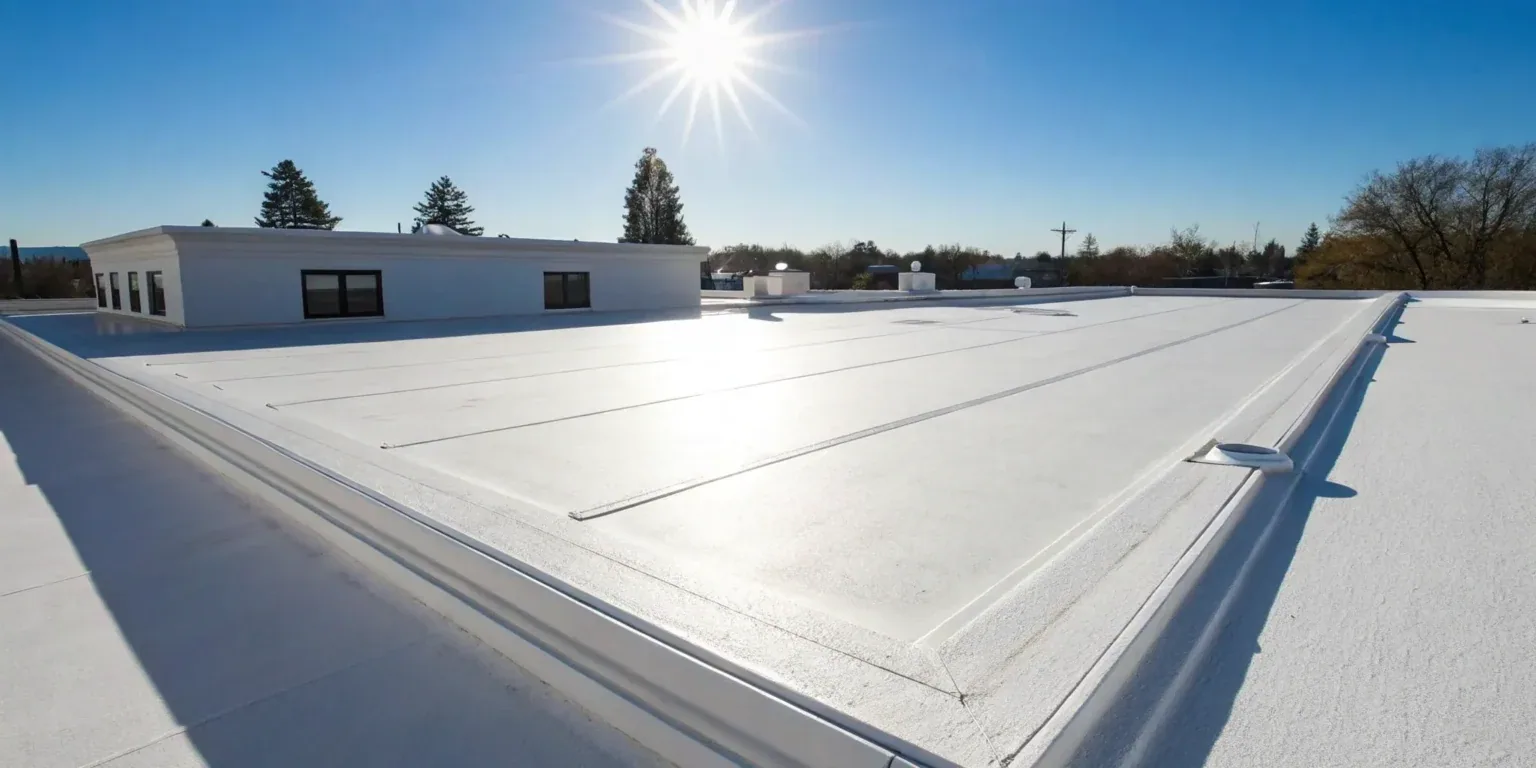
Review Johns Manville TPO, PVC and EPDM roof conditions in Rock Hill, SC. We match product records to the installed membrane before repairs.
A Johns Manville product in a building file is a useful clue, but the roof may have changed since the original installation. We compare the record with membrane markings, seam construction, insulation and visible repair history by section. In Rock Hill, SC, heat, humidity and regular rainfall put attention on drains, penetrations and terminations, while the installed assembly still determines the repair method. Riverwalk Business Park includes manufacturing, distribution and office properties with different access needs. We identify which roof zone carries the JM product before extending its repair detail across a larger area.
Identify the JM membrane family
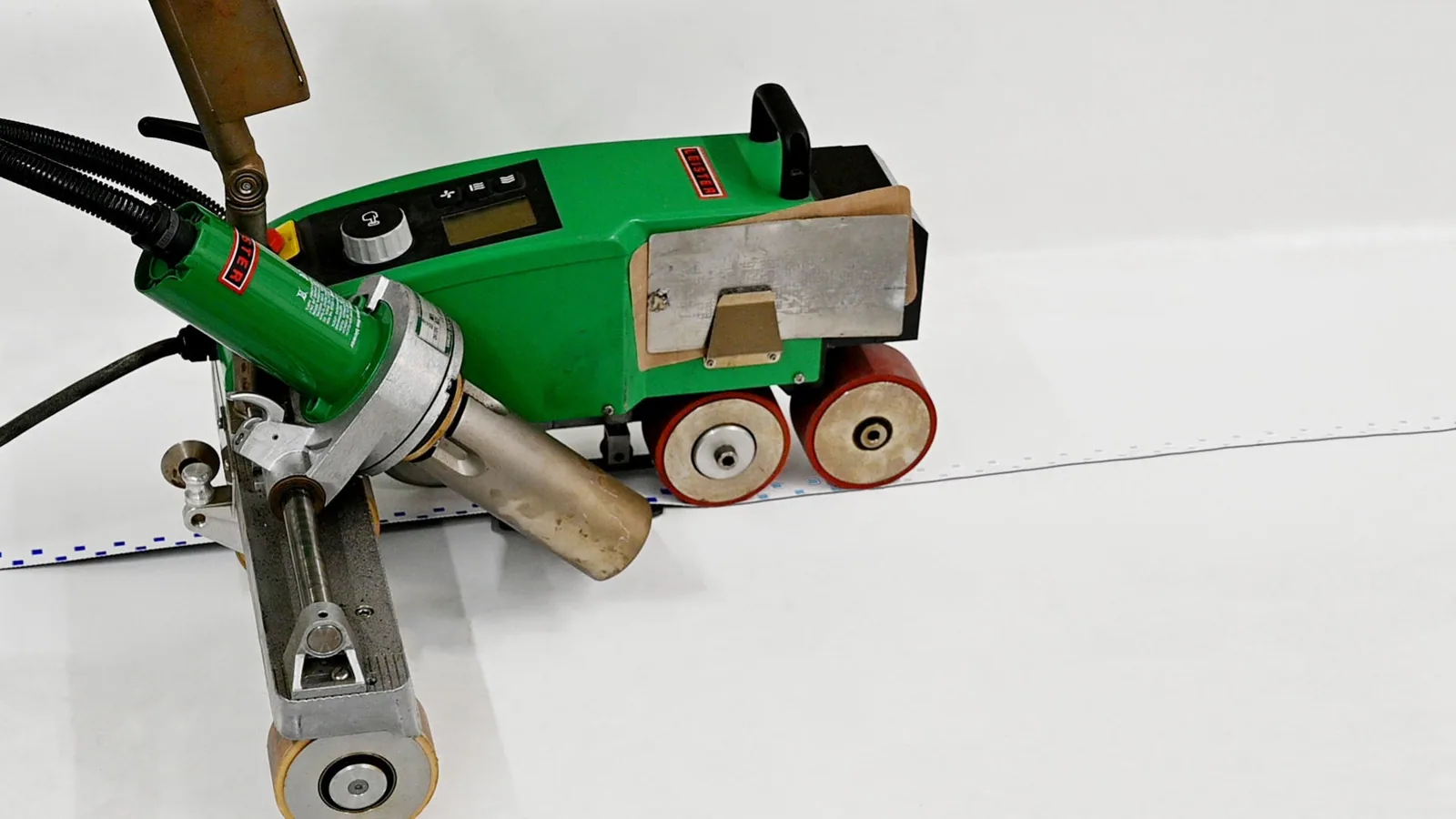
Johns Manville's commercial roofing portfolio includes TPO, PVC and EPDM membranes, plus insulation, adhesives and system components. The materials do not share one seam or flashing method. JM TPO and PVC products use heat-welded thermoplastic seams where their system details specify them. EPDM belongs to a different membrane family and requires compatible seam tape, adhesive or flashing components. Product names and thicknesses can be confirmed from submittals, labels or retained samples. If those records are missing, visible material and a controlled test point may help narrow the identification.
JM's PVC systems also include KEE formulations, while TPO and EPDM systems have distinct surface and attachment options. We do not choose a repair product simply because the company name appears in an old warranty file. We confirm the membrane, backing, adhesive or mechanical attachment, then review the transition to any later addition. A TPO roof evaluation and a PVC inspection should specify which membrane and flashing are being reviewed, especially where multiple roof phases meet.
Check the field, seams and flashings
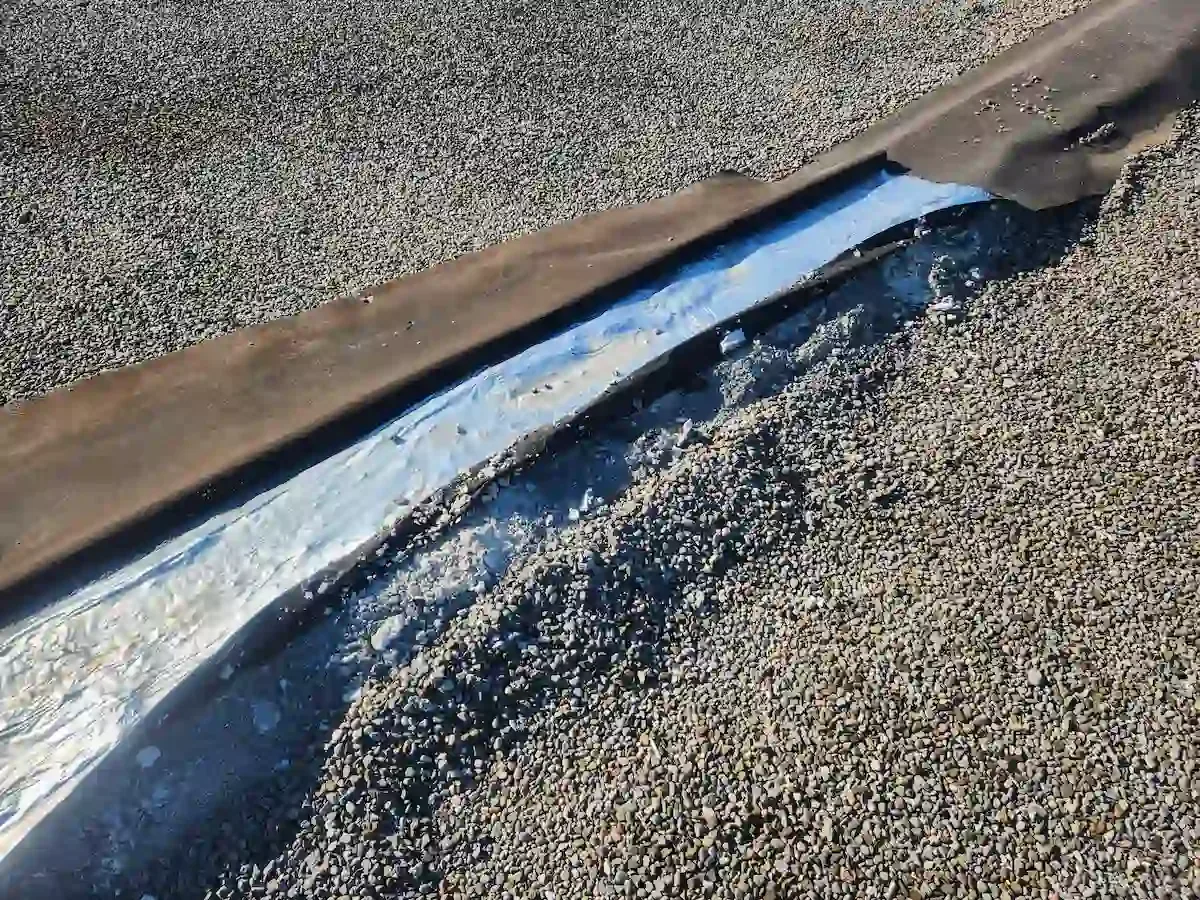
We start at the reported leak or planned repair and work outward through the roof zone. The walk checks membrane laps, perimeter edges, drains, equipment curbs, pipe penetrations, wall transitions and patches. On TPO or PVC, we look for contamination, incomplete welds, cuts, shrinkage and damage from service work. A probe can identify a weak seam at a sampled point, but one check does not certify every lap. On EPDM, we inspect splice tape, cover strips, corner patches and terminations for separation or loss of bond.
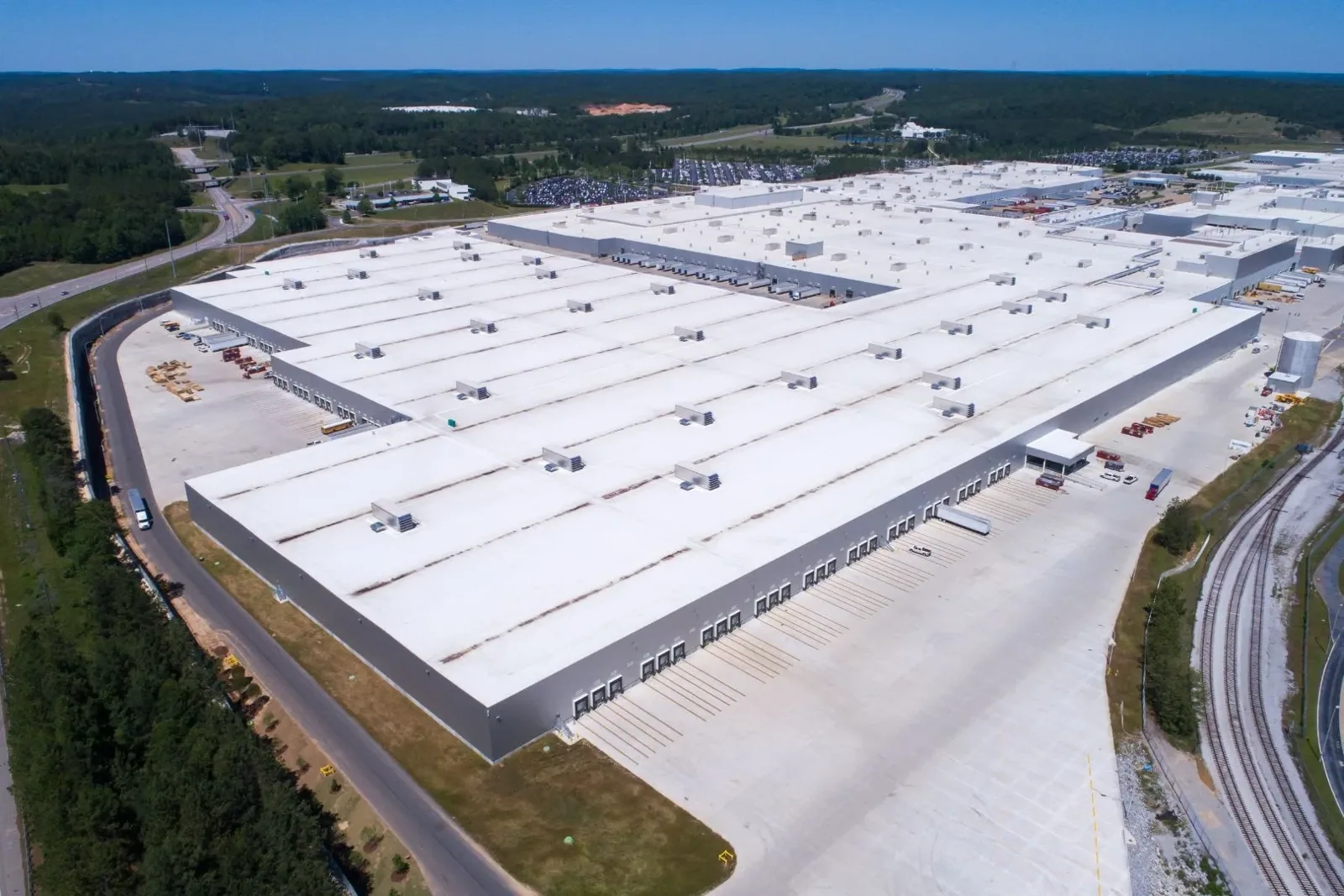
A JM system may have been installed over insulation or cover board that is now concealed. We review closeout records and note where a test opening could clarify the deck or moisture condition. If infrared or capacitance testing is appropriate, the report identifies survey limits, readings and areas not inspected. Near Legacy Park or other industrial properties, the facilities contact coordinates escorts, rooftop equipment and work windows so the route stays clear. A roof condition inspection records the roof map, photographs and access limits, while a written condition report separates observed facts from assumptions.
Repair details must match the assembly
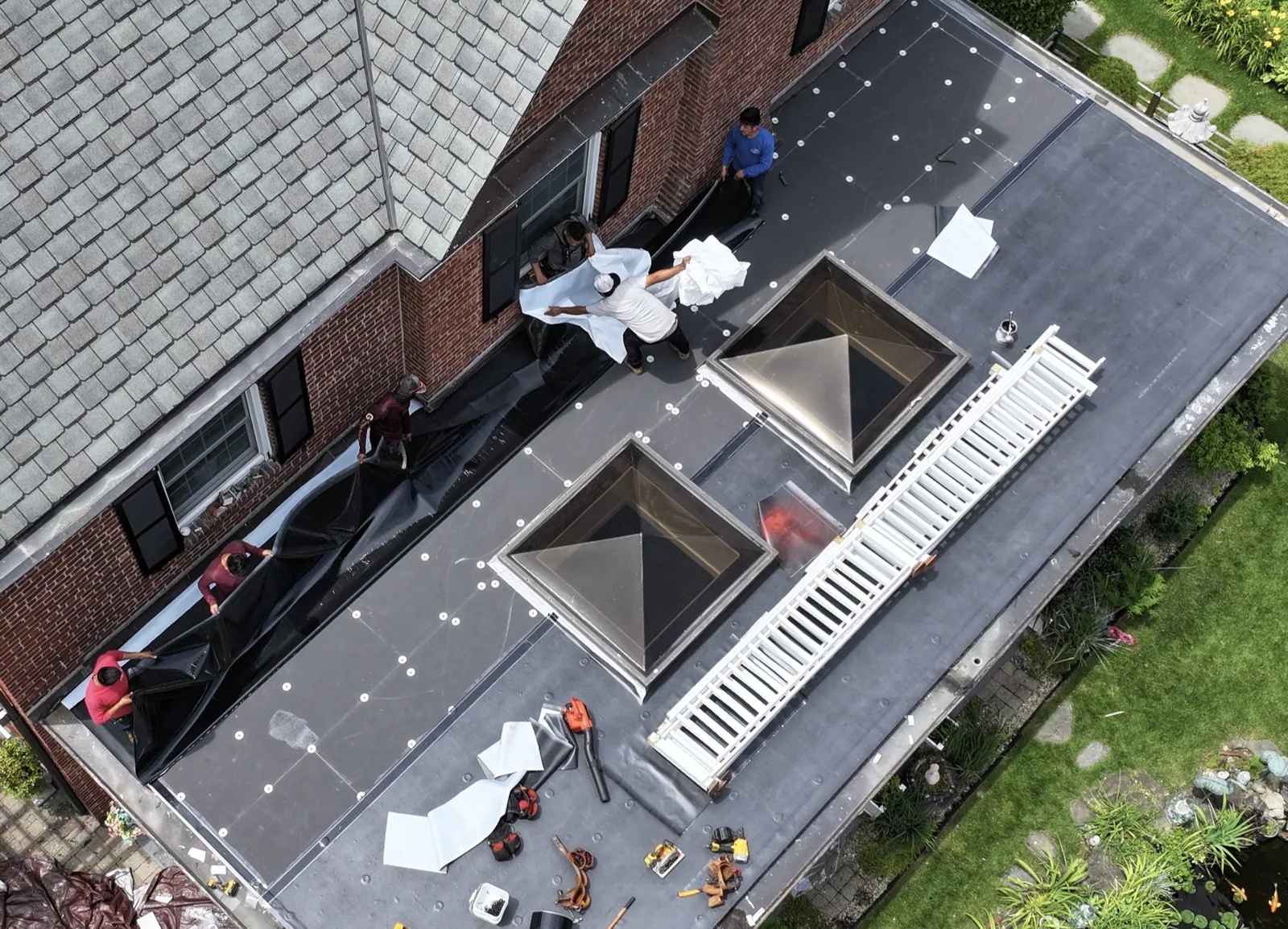
A thermoplastic repair depends on a clean surface, a compatible patch and a sound weld that reaches stable material beyond the tear or open lap. Temperature, pressure, surface contamination and membrane age affect the result. If the roof has a coating, fleece backing or a prior patch, we confirm how the selected repair material can bond before proceeding. An EPDM repair follows another path: prepare the rubber, use the specified compatible tape or adhesive, and roll the connection so it contacts evenly. Covering an incompatible or damp surface can leave the defect active below.
At curbs and penetrations, a repair can require more than a patch on the field. We inspect corners, termination bars, counterflashing and the condition of nearby insulation. If equipment is moving, the mechanical contractor may need to provide a safe lift and protect the opening while the roofer completes flashing. The proposal states who owns each handoff and where weather protection begins and ends. A failed seam repair is bounded by confirmed damage; if wet insulation or repeated seam loss extends the area, we document the changed quantity before adding permanent work.
Rain, humidity and storm review
Rock Hill's Carolina Piedmont climate brings regular rainfall and a long warm season. Humidity can slow drying between roof visits, and standing water can keep a weak lap or penetration under repeated exposure. We check drains and overflow routes, look for debris dams, and note whether a low area remains after the outlet is clear. Heat also affects surface preparation: adhesives, cleaners and thermoplastic welding need conditions compatible with the product detail and safe work practices.
York County appears in the western Carolinas' hail and tornado record. York County's tornado history makes a post-event check of edges, membrane fields, curbs, and flashing useful. We document visible movement or openings by roof zone before temporary work changes the evidence. At Riverwalk Business Park, delivery activity, roof traffic and HVAC maintenance can create separate damage sources from weather; the report distinguishes a storm observation from a puncture or cut associated with another trade. A wind-damage review should trace lifted edges or displaced flashing to the affected zone and state what remains untested.
Carry system details into the next decision
For a localized opening, repair may preserve the existing roof when the membrane, insulation and attachment around it remain serviceable. A recover requires stronger evidence: the surface must be stable, moisture conditions acceptable, drainage workable and added height compatible with curbs and edges. Replacement may be more practical where wet layers, multiple overlays or recurring failures leave too little sound material for another isolated repair. We show the area inspected, the condition found and what access or testing would change the recommendation.
Select JM accessories to match the identified membrane and system details, then confirm that the installed assembly and current roof condition support the repair. Where a roof changes brands, a tie-in to GAF or Carlisle-SynTec should be detailed for both sides of the transition. Holcim Elevate's EPDM and TPO systems also have distinct product details. The service plan records roof zones, repair dates, material and unresolved questions so later inspections can compare the same locations rather than starting from an unconfirmed product label.
For budget planning, divide confirmed urgent work from projects that can be scheduled with other building improvements. A leak above an occupied office may need immediate protection even when broad replacement belongs in a later capital year. A roof supporting production or distribution may need limited work windows and material staging before a crew arrives. We note those operating factors separately from membrane condition, then present a scope and sequence the owner can review with the facility team.
Questions About Johns Manville Commercial Roofing
It can help identify a past installation, but later repairs or additions may use other materials. We compare the file with the exposed sheet, seams and transitions before selecting a product-specific method.
The surfaces and approved details differ. We identify the exact membrane and follow its applicable preparation and welding guidance, then inspect the finished connection at representative points.
We check the lap edge, splice tape, prior patches, surface preparation and nearby sheet movement. The repair should return to sound rubber and account for water or debris at the seam.
No. It may justify inspection, but replacement depends on the observed assembly condition. We map any impact or lifted detail, test where useful and distinguish repairable damage from broader system failure.
Share the building use, leak or damage location, JM submittals if available, recent repair history and access rules. The contact can identify escorts, equipment restrictions and suitable work hours.
Match the JM record to the roof
Share the building use, reported issue, JM product details and access limits. We will confirm the roof zones and system evidence needed to set a repair scope.
