
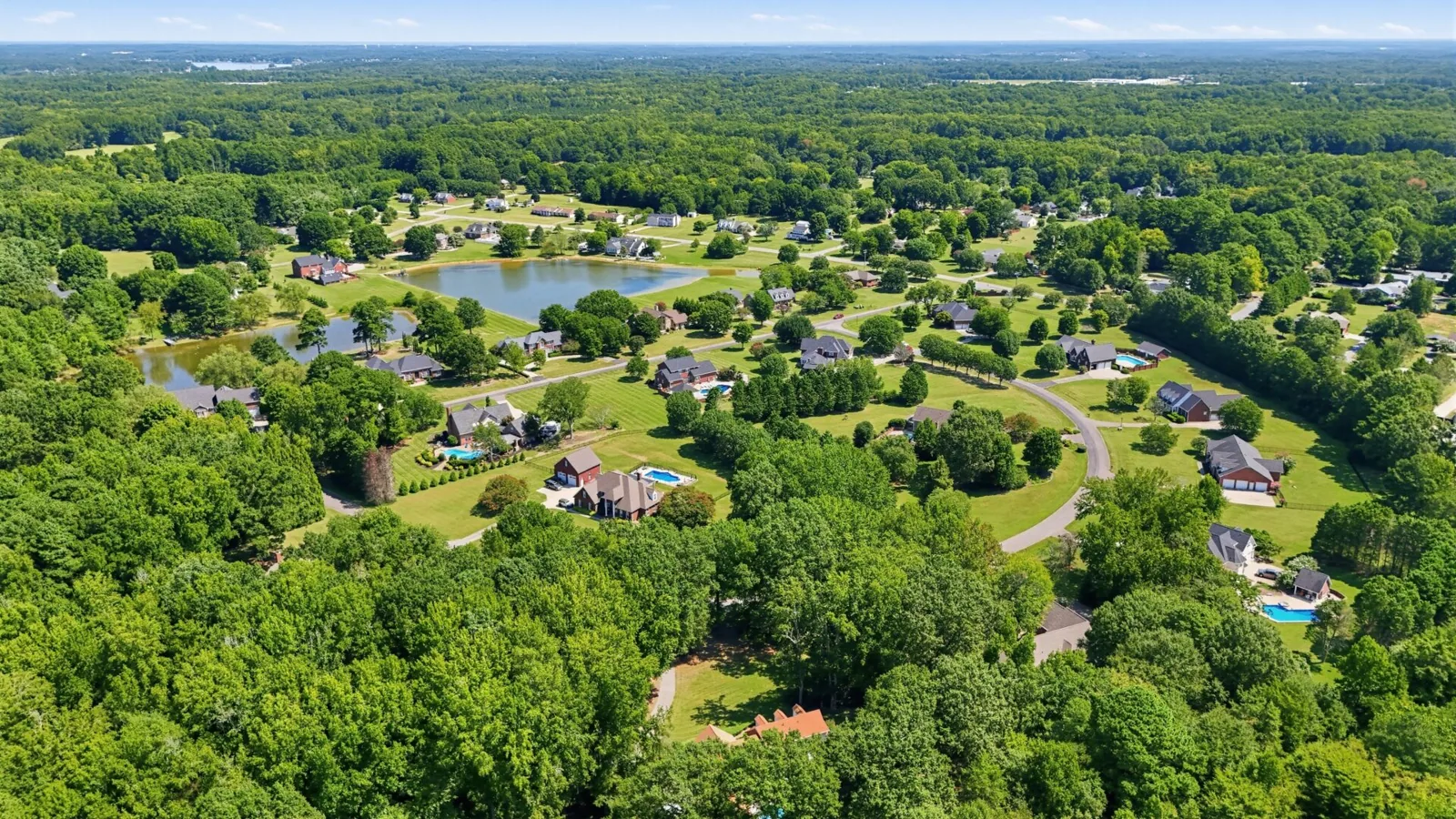
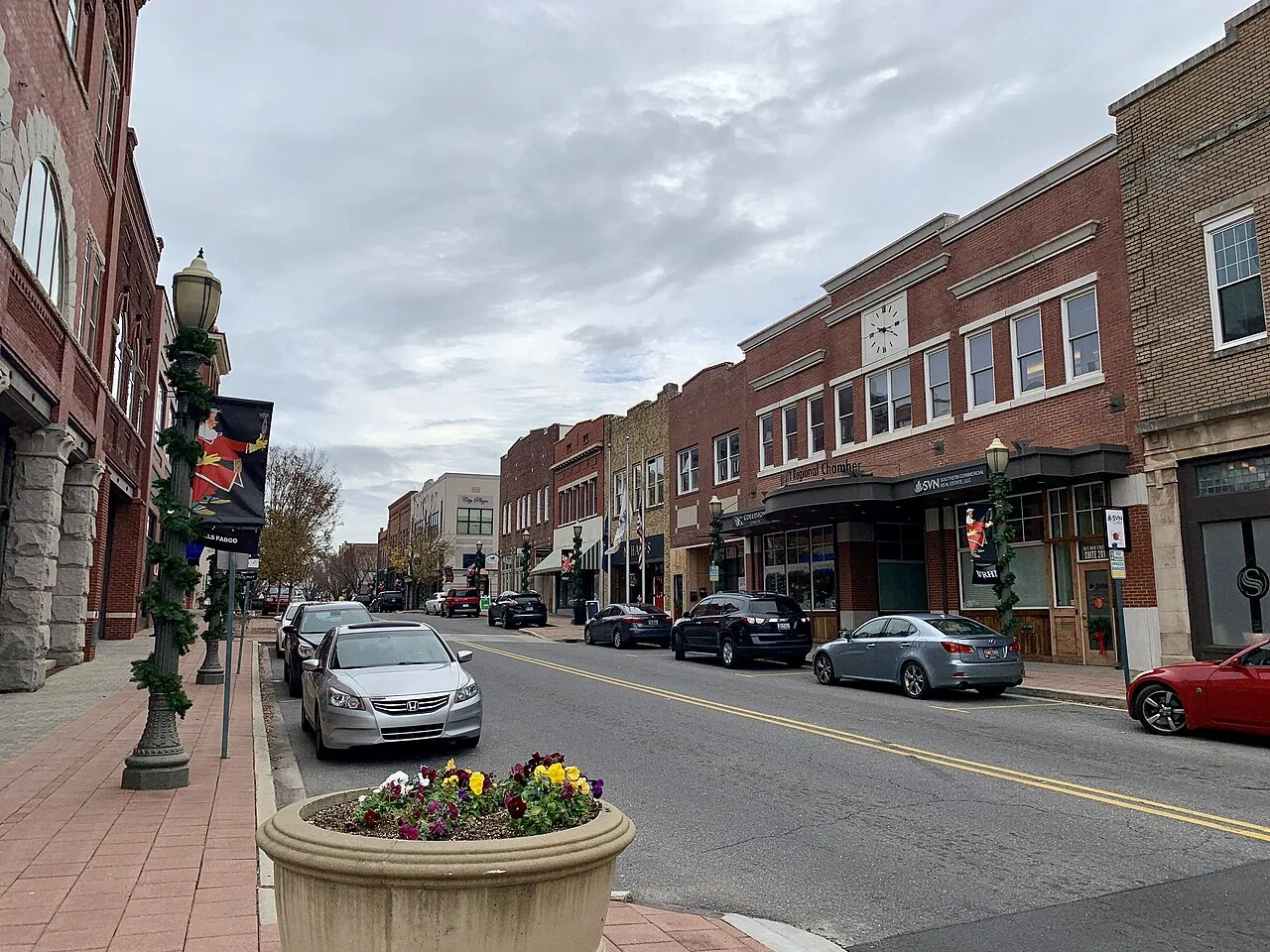

Roof inspections, repairs, and renewal scopes for Newport properties near Rock Hill, with each recommendation tied to the assembly and work boundary.
A roof request in Newport starts with the building and the area that needs attention. The York County community lies on Rock Hill's side of the county, where the regional road network connects commercial and employment areas with I-77. We inspect the assembly, trace the water path, and set a repair boundary from what the roof shows. Nearby service includes Lesslie and India Hook, with a separate inspection route for each property.
Establish the Roof Area to Inspect
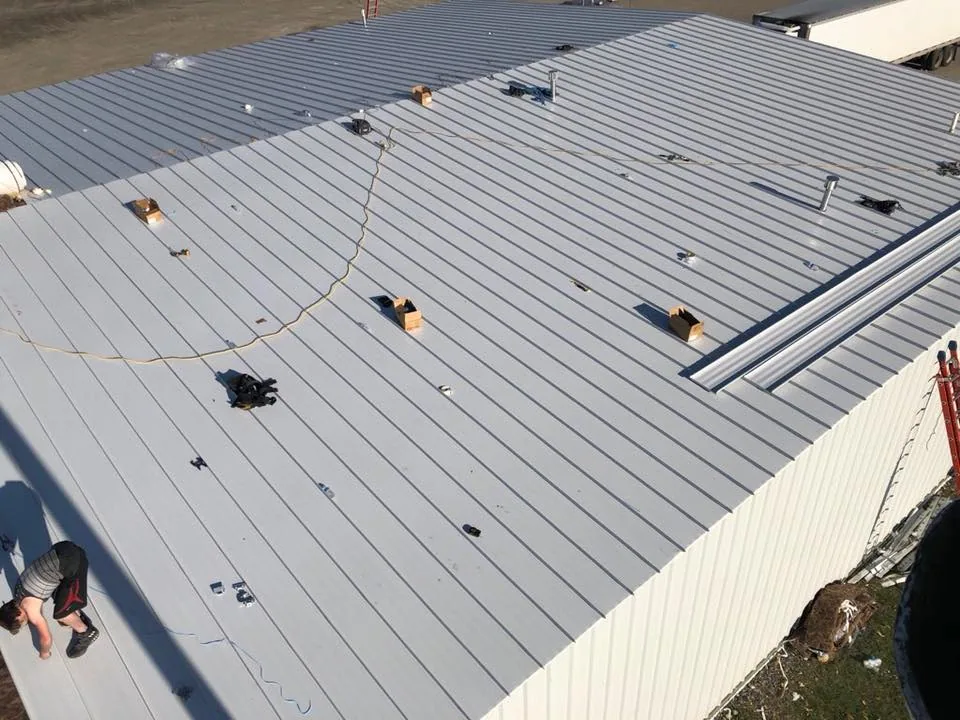
A first walk follows the accessible surface, seams, roof edge, drains, curbs, penetrations, and prior repairs. We compare those details with the reported symptom and note which zones were reached. A commercial roof inspection can record material changes, attachment concerns, and access limits. If an addition or overlay obscures the assembly, the record identifies the uncertainty instead of treating the visible surface as the full roof history.
The property's roof plan, exposed material, and accessible transitions set the inspection route and repair scope in Newport. We use the owner's building plans, maintenance history, and field observations to define the route. Separate roof levels, changes in slope, and walls between sections each need their own notes because the water path may change at every transition.
When a stain or drip is reported, we compare its room, timing, and recent work with roof details above and around it. Water can travel under membrane or insulation before reaching an interior finish. A leak investigation records the route examined and whether the source is confirmed. If more evidence is needed, we state whether access, a test opening, or another trade could narrow the question.
Before cutting a sample, we identify the roof zone, the condition being tested, and how the opening will be restored. The owner can then judge whether the result changes a repair choice or supports a broader survey. A single test point describes only the layers and moisture found there; it does not replace review of adjoining areas or another roof level.
Trace Drainage and Roof Transitions
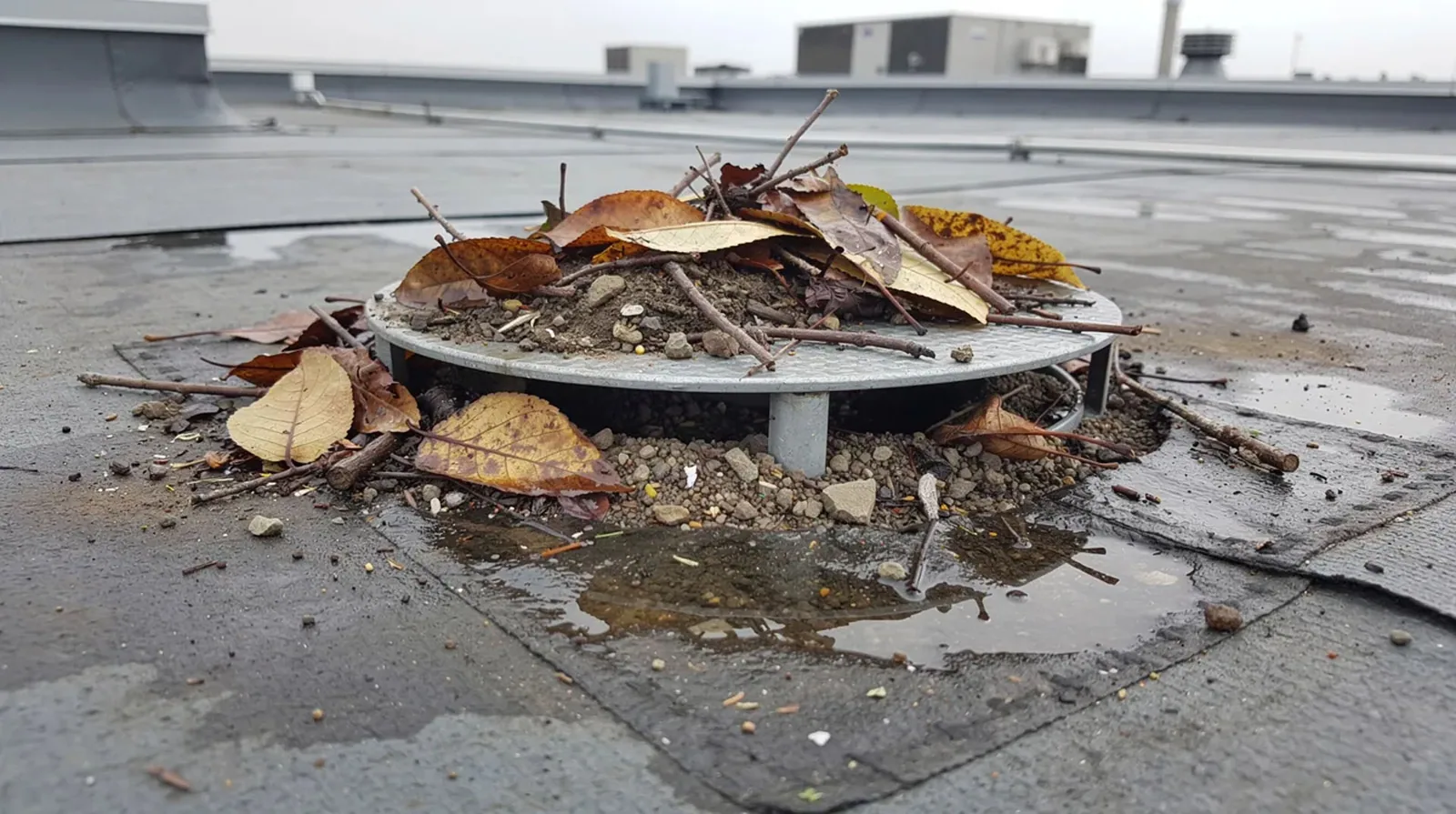
At a drain or scupper, we inspect the bowl or opening, surrounding membrane, flashing connection, and visible discharge point. Debris, a separated tie-in, and a low section are different conditions. A drain repair addresses a verified roof-side defect. If the line disappears below the deck or connects to concealed plumbing, we mark where the roof review ends rather than assuming the visible outlet explains the entire route.
At parapets and roof edges, laps, coping, fasteners, and membrane terminations work together to shed water. We look for an open joint, movement, or a break in the transition, then compare it with the interior symptom and roof geometry. A nearby wall mark does not by itself identify the entry point. The inspection distinguishes a supported repair from a second area that still needs access or testing.
Rock Hill's warm, humid Piedmont climate brings recurring rain through a long warm season. That market condition informs how we plan temporary protection during an opening, while the Newport property's slope, outlets, and exposed material determine the actual repair. If rain interrupts a task, we identify how the roof zone will be secured and what remains to be checked before a permanent tie-in is complete.
Plan Access Along the Work Route
Before material is staged, we confirm the property contact, roof entry, delivery path, lift placement, and any door or operating area that must remain available. These are property-level decisions, even where I-77 and adjoining roads connect Newport with Rock Hill. A practical plan names the roof zone, protection below it, and the person who can approve a change if removal exposes a different condition.
For an occupied commercial building, work can be divided by roof section so an open area remains limited. We identify where materials will be staged, how workers reach the roof, and what temporary limits affect access below. Weather, membrane preparation, and concealed damage can change the order. The proposed sequence should show those conditions without implying that every building function continues without interruption.
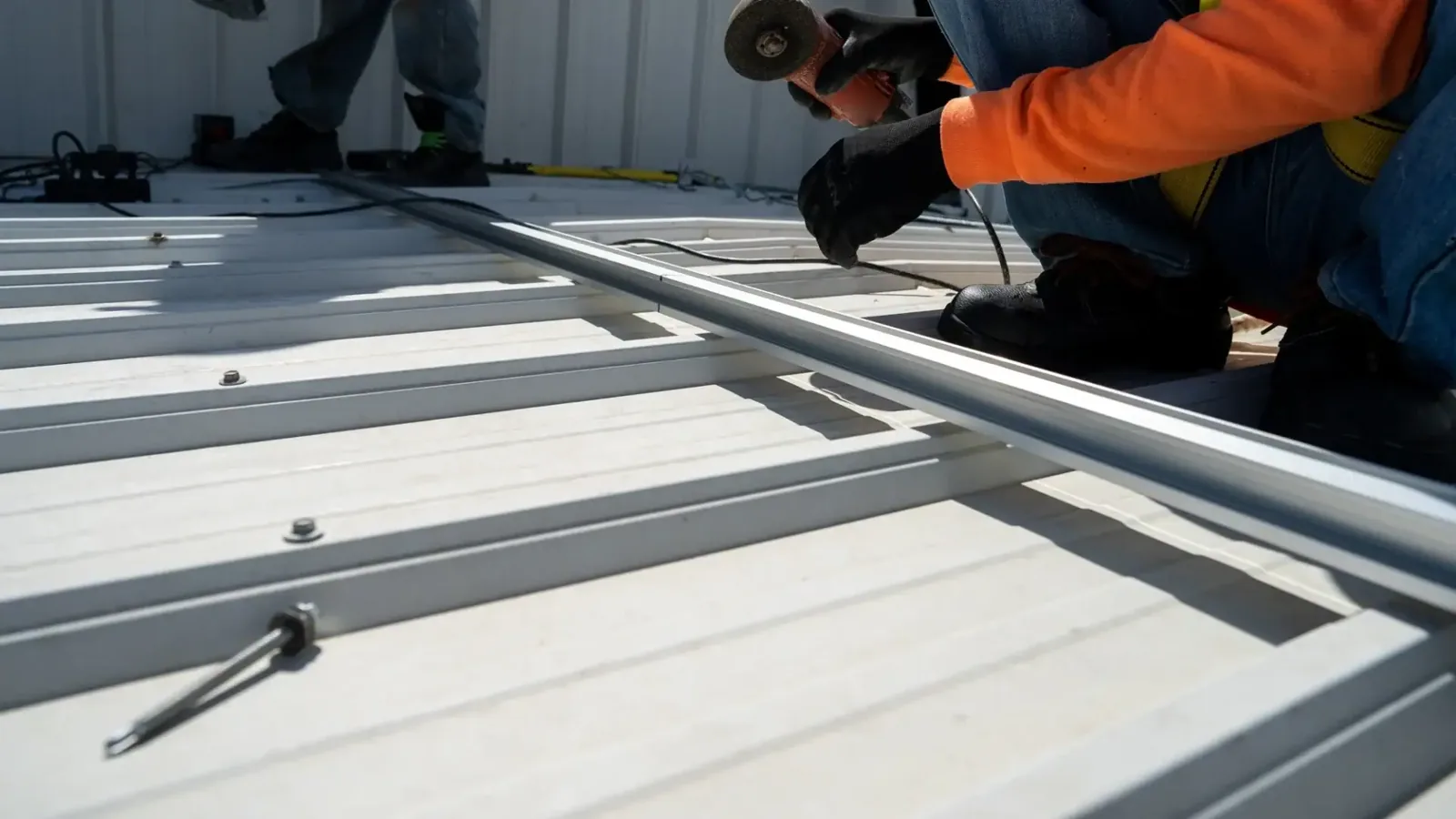
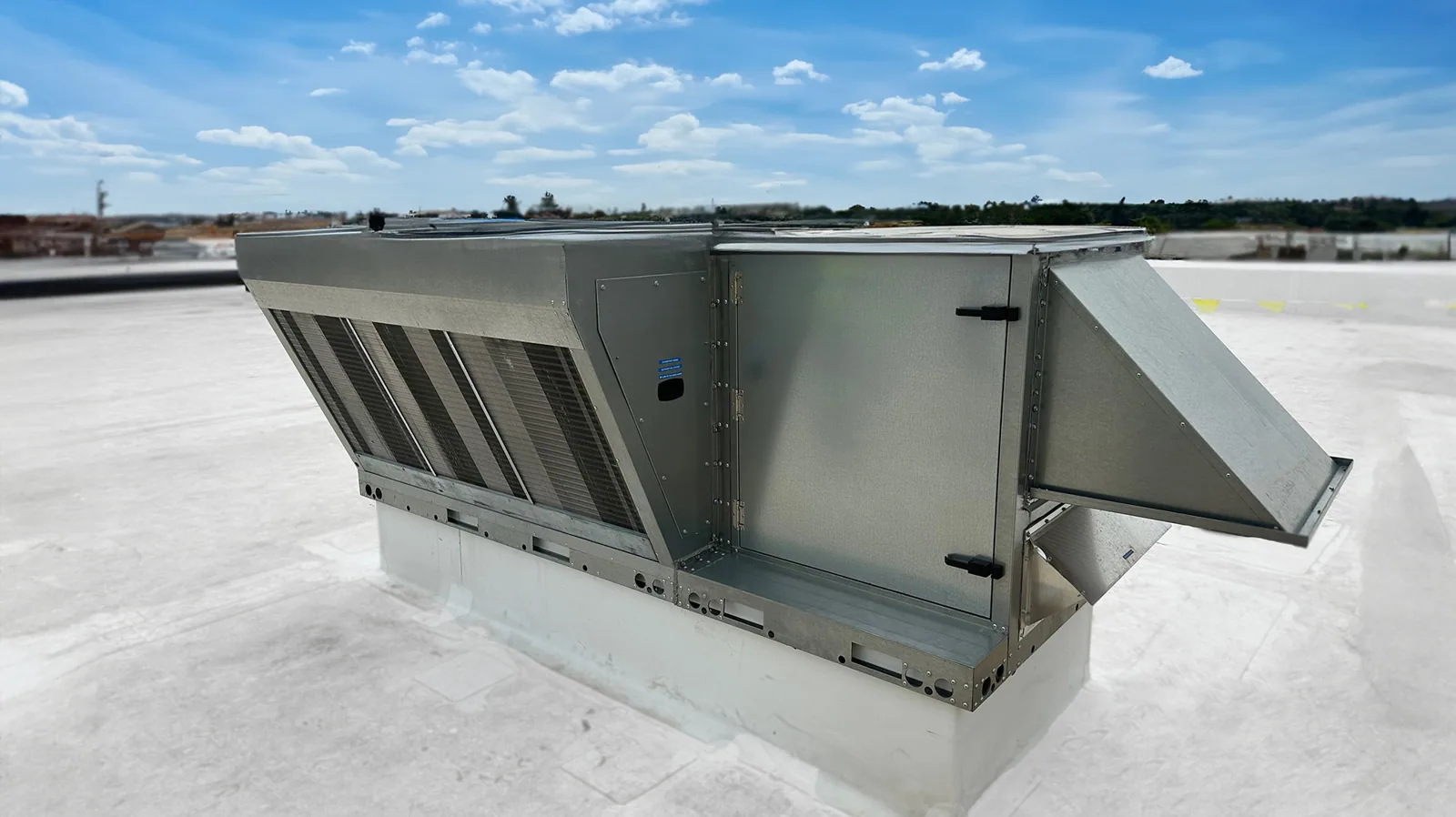
Equipment curbs, pipes, vents, and supports are checked where included in the roofing scope. If a unit must move, we agree on the temporary closure and return handoff with the equipment contractor before disturbing its base. A roofing repair at a curb or support can restore the membrane transition after the system and trade responsibility are clear. Mechanical service remains outside that work unless the written scope includes it.
Compare the Repair With Broader Work
A patch can fit one located defect when the surrounding membrane or metal is stable and accepts a compatible tie-in. Repeated openings, wet material, loose attachment, or several separate leak routes may call for testing or a wider evaluation. A repair proposal names the roof zone, preparation, material, access, protection, and limits. Any uninspected section stays outside the completed-work record.
Cost and timing reflect the assembly, repair length, number of details, roof height, staging, disposal, interior protection, and concealed conditions. Recovery or replacement also requires information about existing layers, drainage, insulation, and perimeter transitions. When a sample or moisture survey could alter the decision, we identify what it will answer before adding it to the scope. The owner can then compare a defined repair with a broader option on clear assumptions. When an estimate contains several items, we separate the active defect from improvements that can wait. Each line shows the roof zone, preparation, included materials, and any decision still required. That format lets a manager weigh the immediate water-control work against further evaluation without combining separate conditions into one vague total.
Waiting on active water entry can expose additional insulation, deck, or interior material. We separate temporary protection from permanent work and record which areas were covered, repaired, or left for further review. A maintenance visit can return to outlets, seams, edge conditions, and previous repairs, with the route based on the actual assembly and its recorded history rather than the district name.
Keep the Findings Useful for Follow-Up
Closeout identifies the roof area reached, the condition observed, materials installed, photographs, and any limit caused by access or testing. If the owner supplies a roof plan, we can tie each field mark to its zone. The record separates a completed repair from a recommendation still awaiting approval, so a later leak report can be compared with the same outlet, seam, or penetration.
Share the building use, reported symptom, available roof plan, repair history, equipment changes, and access restrictions when requesting an inspection in Newport. We can use those details to set an initial route and identify where protection is needed. Rock Hill and the I-77-connected county network provide the regional setting; the property's own field evidence determines the next work boundary.
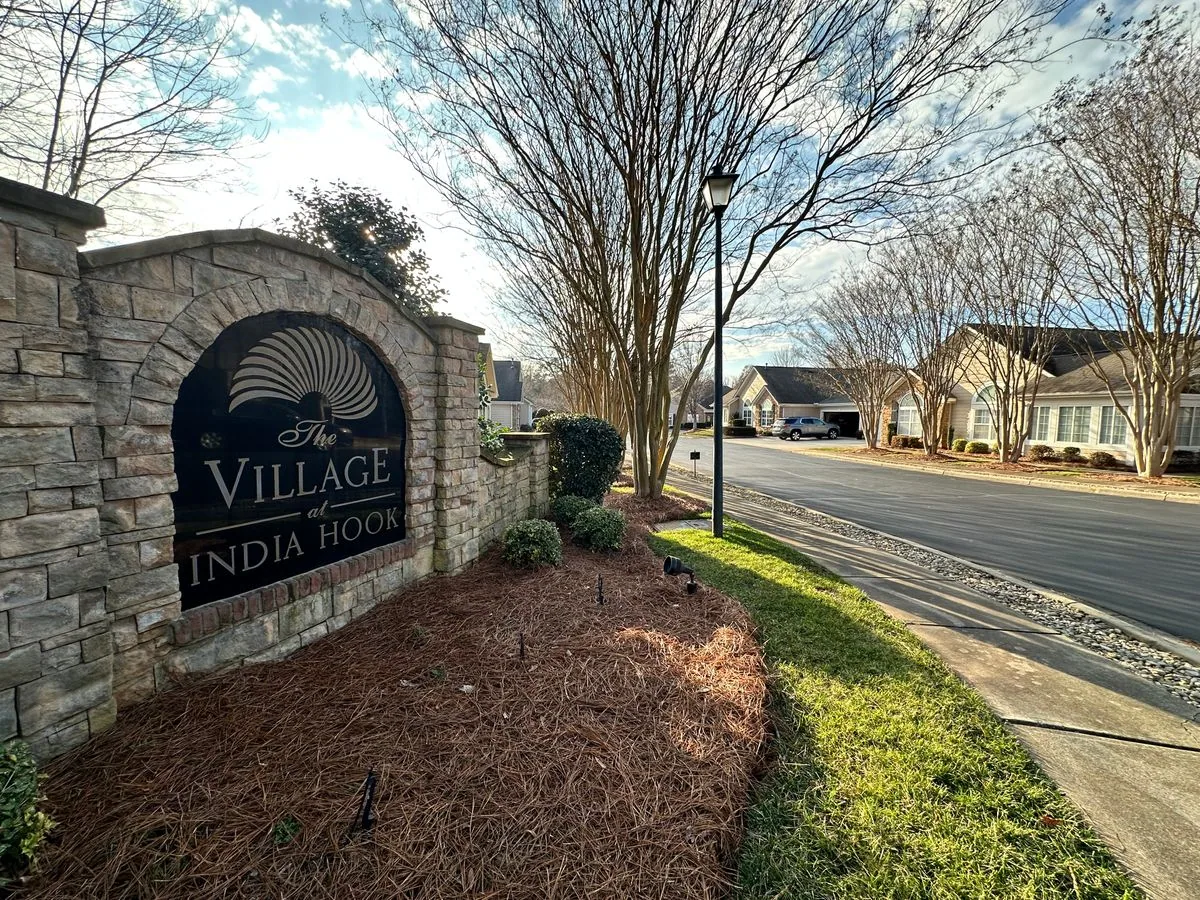
Questions About Newport
The road network locates the community, while the property sets the route. We confirm roof entry, delivery access, staging, and any restricted area with the building contact before the inspection begins.
We compare its location and timing with roof seams, outlets, edges, and penetrations. If the path is not confirmed, the report identifies what access or test could clarify it.
System type, repair area, detail count, access, protection below, staging, and hidden layers all affect the work. We define those conditions before pricing the agreed boundary.
Yes. We identify the exposed area, protection method, and follow-up needed to complete a permanent tie-in, then record any additional work that requires owner approval.
Set a Newport Roof Inspection
Share the building use, reported condition, roof plan, repair history, and access limits. We will define the inspection route and outline the next roofing decision from the conditions found.
