
Roof repair, inspection, and renewal for India Hook properties near Rock Hill, planned by assembly, drainage, access, and visible conditions.
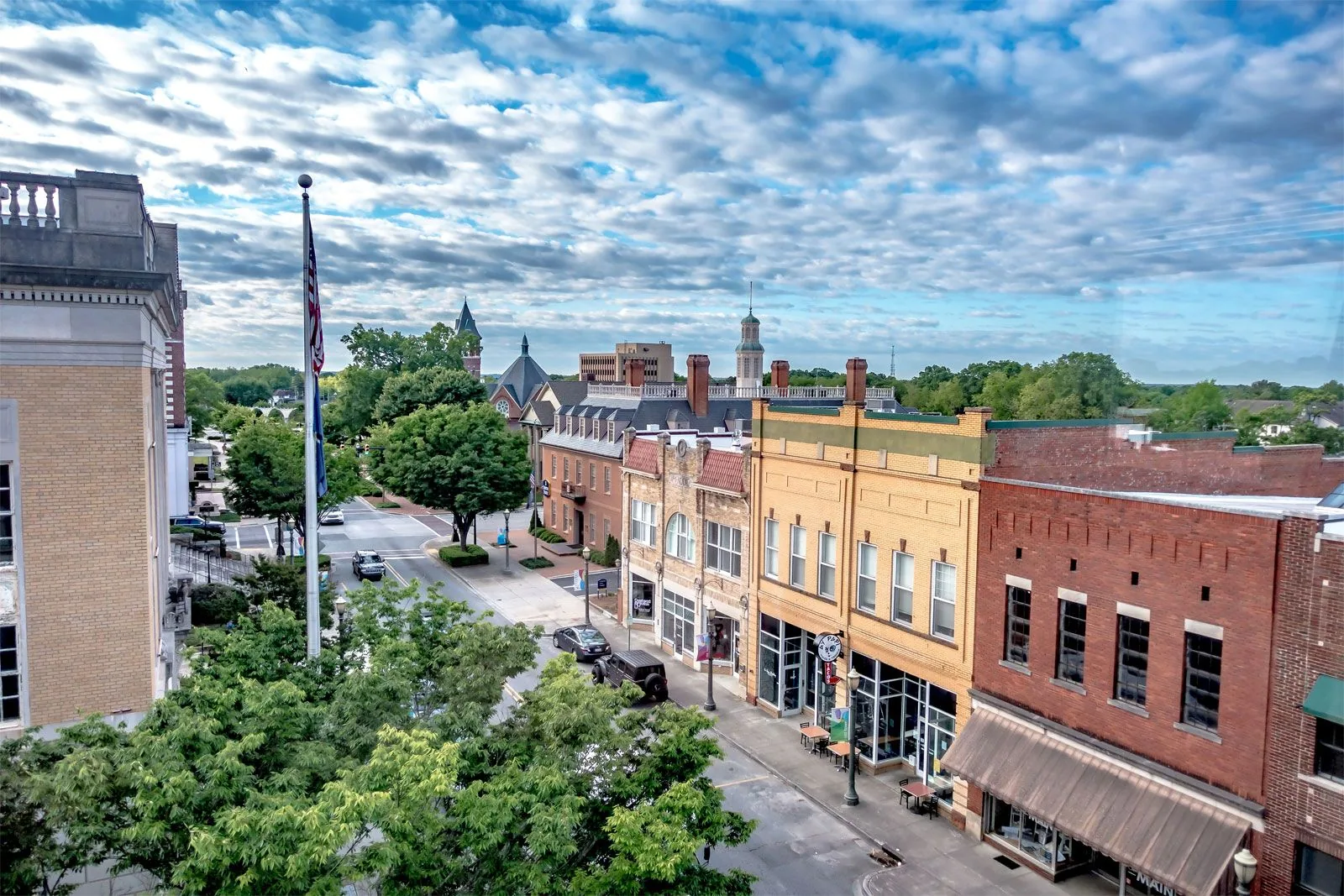
A roof repair starts with the surface and transitions that can be reached safely. India Hook is a named community in the Rock Hill area, within the wider eastern York County network that includes US 21 and commercial centers tied to I-77. We identify the assembly and reported water path before preparing a work limit. Nearby coverage includes downtown Rock Hill and Knowledge Park, each scoped to its own property.
Read the Surface Before Selecting Materials
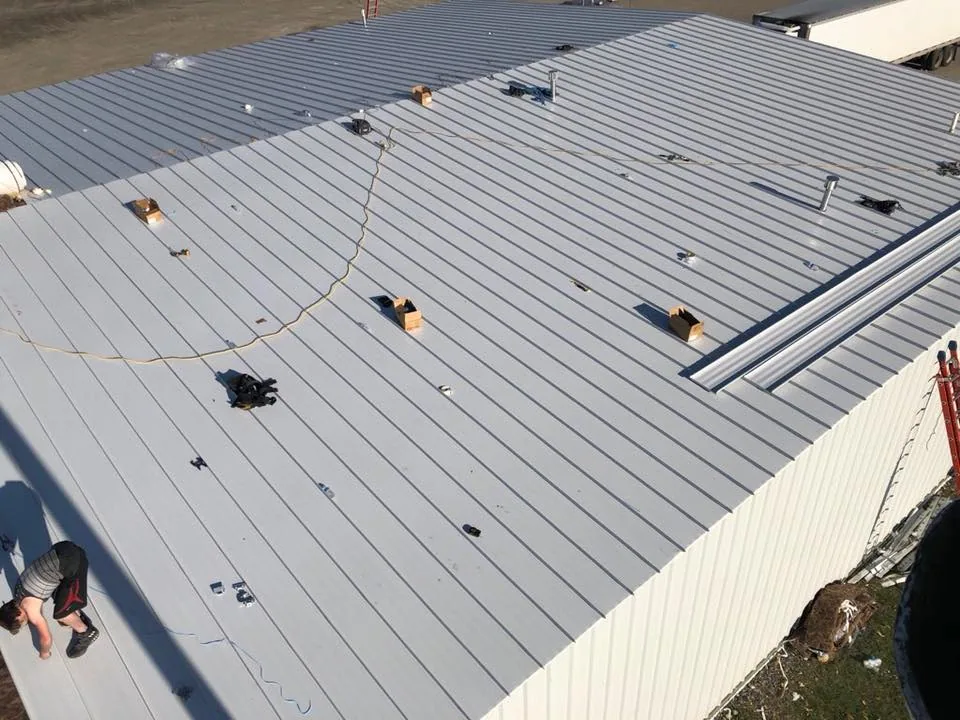
On the first walk, we examine the visible membrane or metal, lap edges, seams, fasteners, flashing, drains, and previous patches. The roof plan can identify additions and separate elevations before we choose a route. We photograph each surface change beside a fixed roof-plan landmark, such as a drain, curb, or wall joint. A commercial roof assessment notes the areas inspected, material changes, and places where height, equipment, or safety restrictions limited the view.
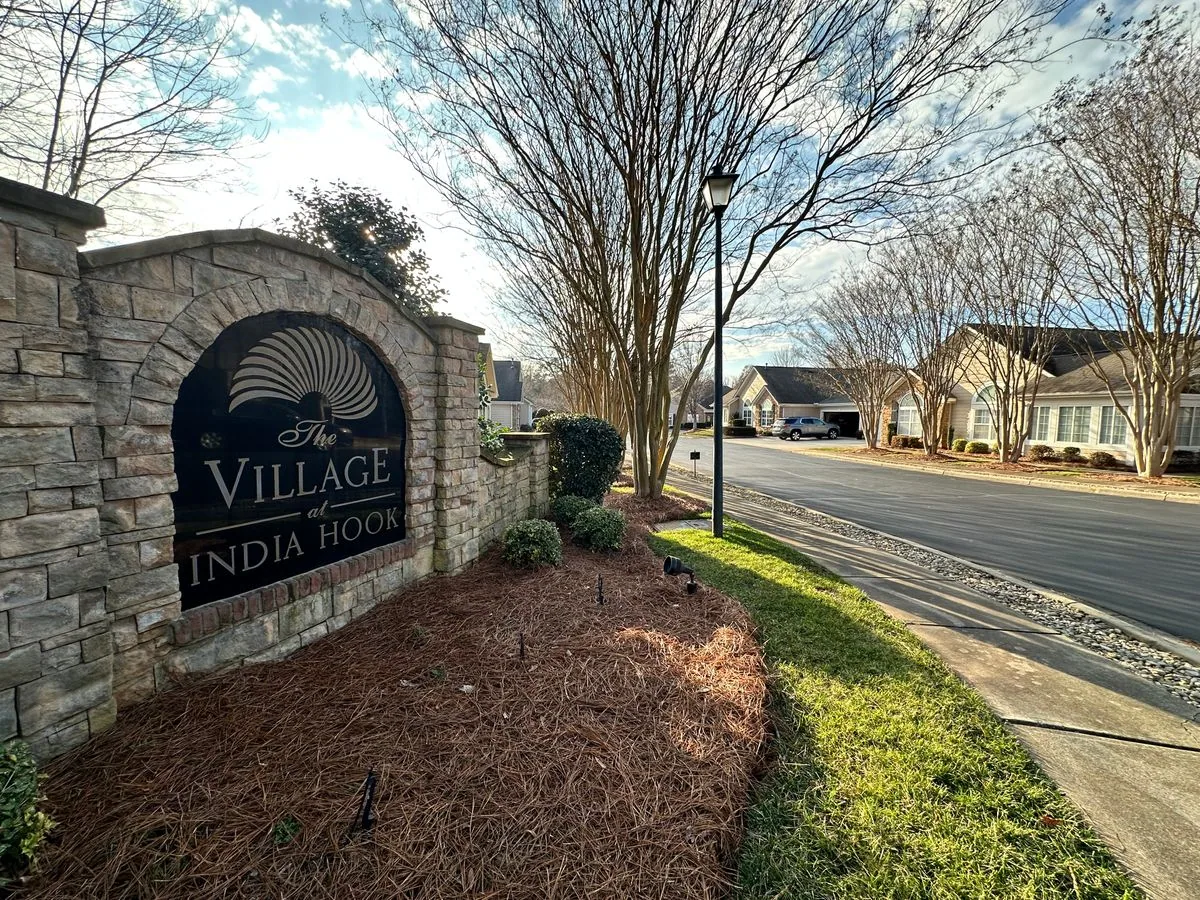
Before scheduling an India Hook visit, the property contact identifies the gate procedure, roof entry, delivery route, and staging limits. We confirm those details, then inspect the roof surface. Where a roof has an overlay or prior repair, we compare those records with visible edges and identify each transition before selecting materials.
For a roof with several levels, we mark each elevation and any wall or expansion joint between them. Where parapet height changes, we mark each step in coping and flashing, inspect the adjacent wall joint, and include only the transitions reached in the written repair boundary. The water path can change at a transition, and a symptom on one level may not match the nearest detail on another. If the source is unclear, a leak evaluation states what was compared and whether another inspection point or controlled test would change the recommendation.
Review the Outlet and Its Discharge
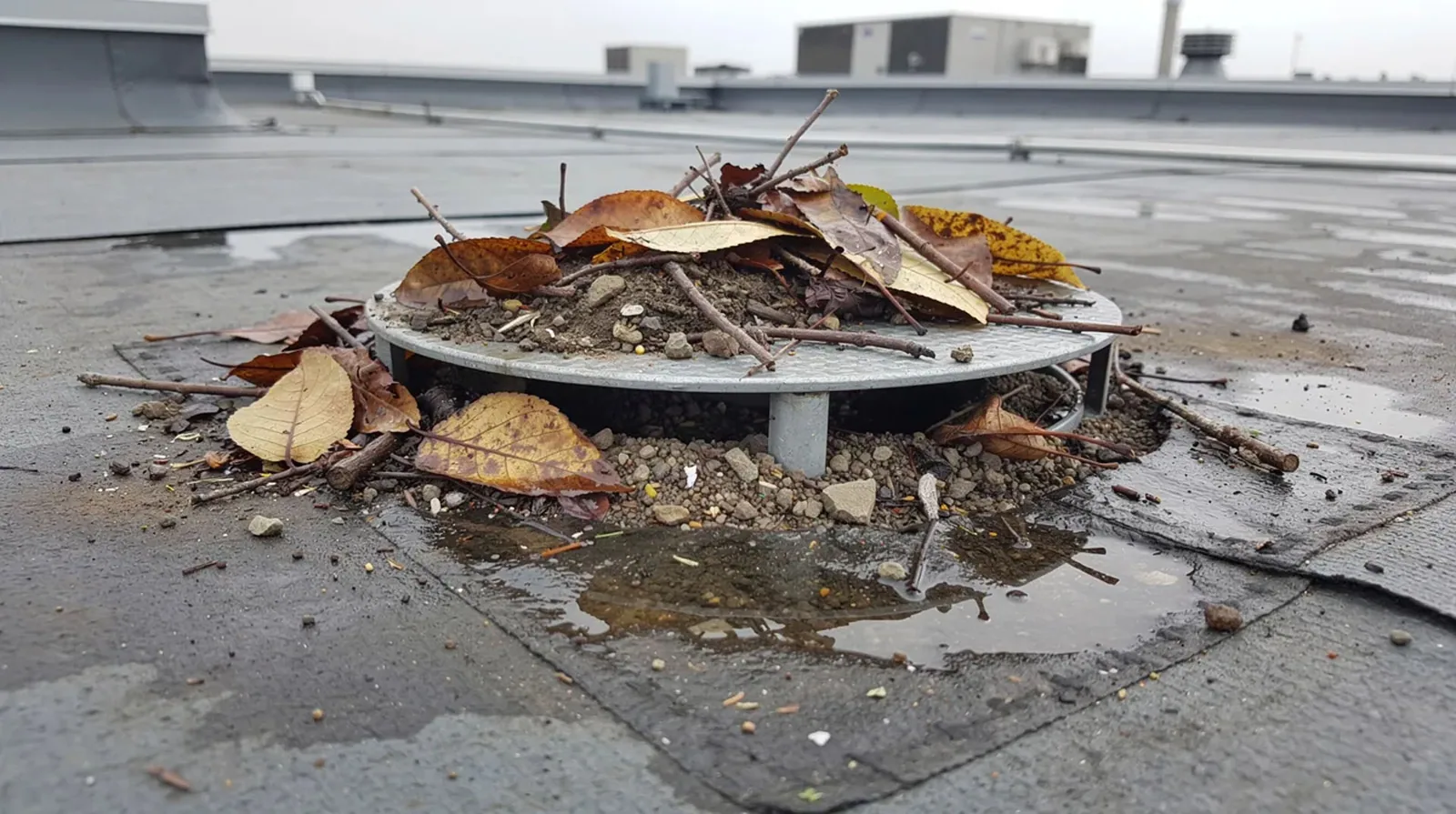
A drain bowl or scupper needs a clear opening, intact membrane connection, and a discharge route that can carry water away from the roof. We look at each part separately, including visible debris, sealant, flashing, and signs of movement. A scupper or drain correction can address a confirmed roof-side issue. Concealed leaders and below-deck piping require a different inspection boundary. We photograph the bowl and surrounding tie-in together for a clear follow-up reference.
Along a parapet, we follow coping joints and membrane termination points for loose attachment or a path behind the flashing. At equipment curbs, we check corners and neighboring seams for openings. We compare the ceiling mark with roof geometry, drainage, and nearby flashing to identify the details that need inspection. The field record notes the reported time, room, and roof areas checked.
Rock Hill's long warm season and recurring rain shape temporary-protection planning in nearby India Hook. At each property, the observed slope, outlet, and assembly determine whether a repair is appropriate.
Compare Repair With Replacement
A localized fix is useful when the defect is confirmed, adjacent material remains sound, and the repair can bond or fasten to a compatible surface. Widespread moisture, recurring seam openings, or weakened attachment can change that choice. A replacement evaluation considers layers, drainage, insulation, edge details, penetrations, and access. We document which areas were inspected before comparing a larger scope.
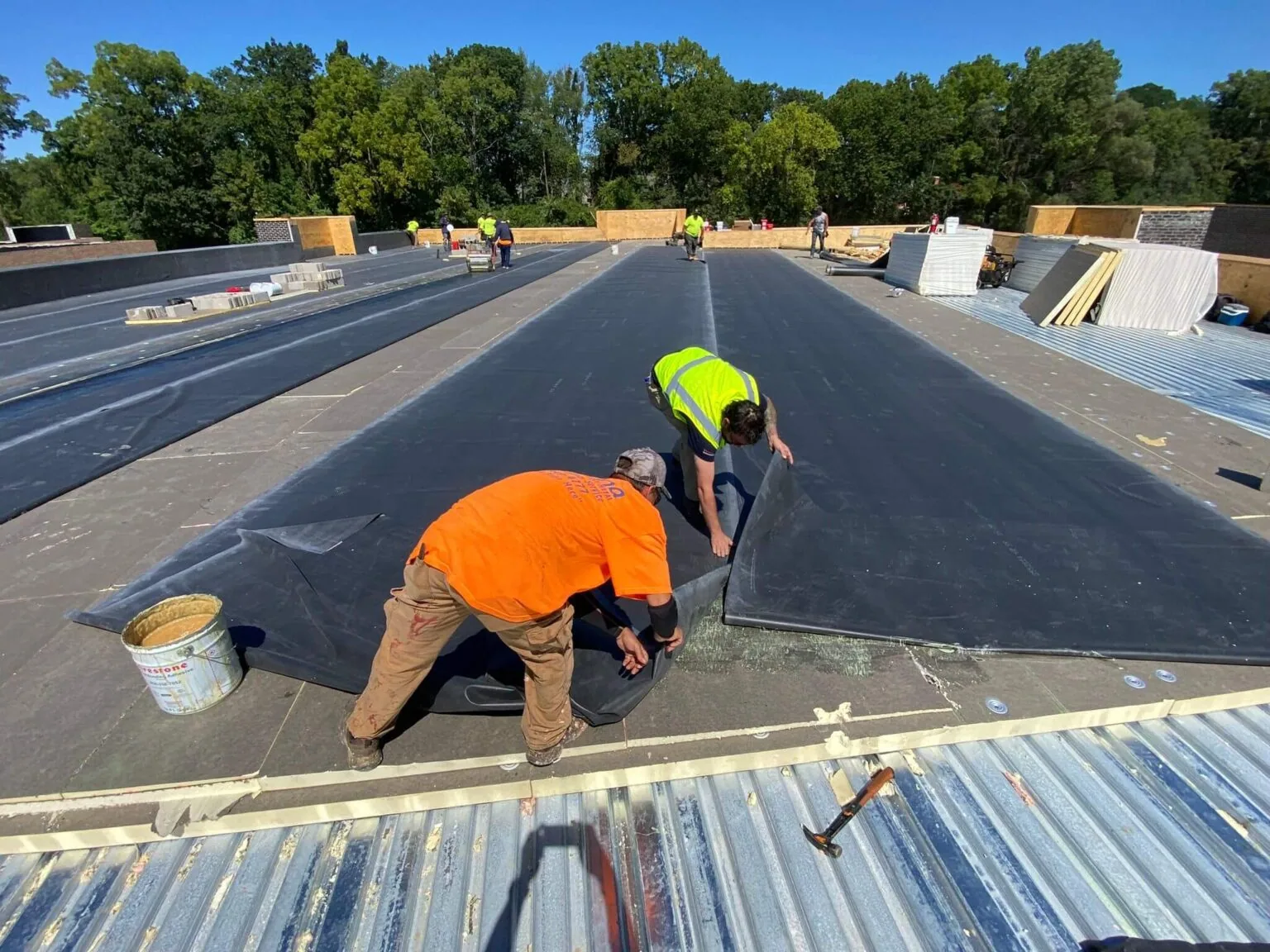
Recovering over an existing roof may avoid some removal work, but it requires a review of retained layers, attachment, drainage, and compatibility. Replacement exposes more of the assembly and may reveal conditions that alter the work boundary. Cost and timing reflect system type, tear-off, repair quantity, curb and edge details, staging, disposal, protection below, and any concealed condition that appears after opening.
We describe what a test or moisture survey could establish before including it. A sample at one point does not represent the whole roof, and an infrared pattern requires interpretation against the assembly and field conditions. If a result would change the recommendation, we state the question first. The owner can compare a repair, a defined test, and a wider renewal with the same assumptions visible.
For a coating or recover option, we inspect whether the existing surface is suitable for the proposed system and identify repairs needed before it is covered. Adhesion, moisture, drainage, and edge conditions can rule out an otherwise attractive shortcut. A coating is not a substitute for correcting active leaks or unstable material. The proposal states preparation, reinforcement details, limits, and follow-up checks that belong to the selected approach.
Keep Access and Closure in the Plan
Before mobilization, we confirm where a lift or materials can be placed, which doors or routes must remain open, and who can approve work beyond the original area. US 21 and I-77 connect communities across eastern York County; the property contact sets gate, roof-entry, and staging rules. The plan identifies a starting zone, protection below, roof entry, and how an open section will be secured at a pause.
Where a building remains occupied, work can be divided into smaller zones so exposed membrane is limited. Preparation, weather, and material cure can change the sequence; the facility contact needs to know which area is active and what restriction applies below. If removal reveals wet insulation or damaged deck, we photograph the condition and hold the added work for authorization instead of extending the repair without approval.
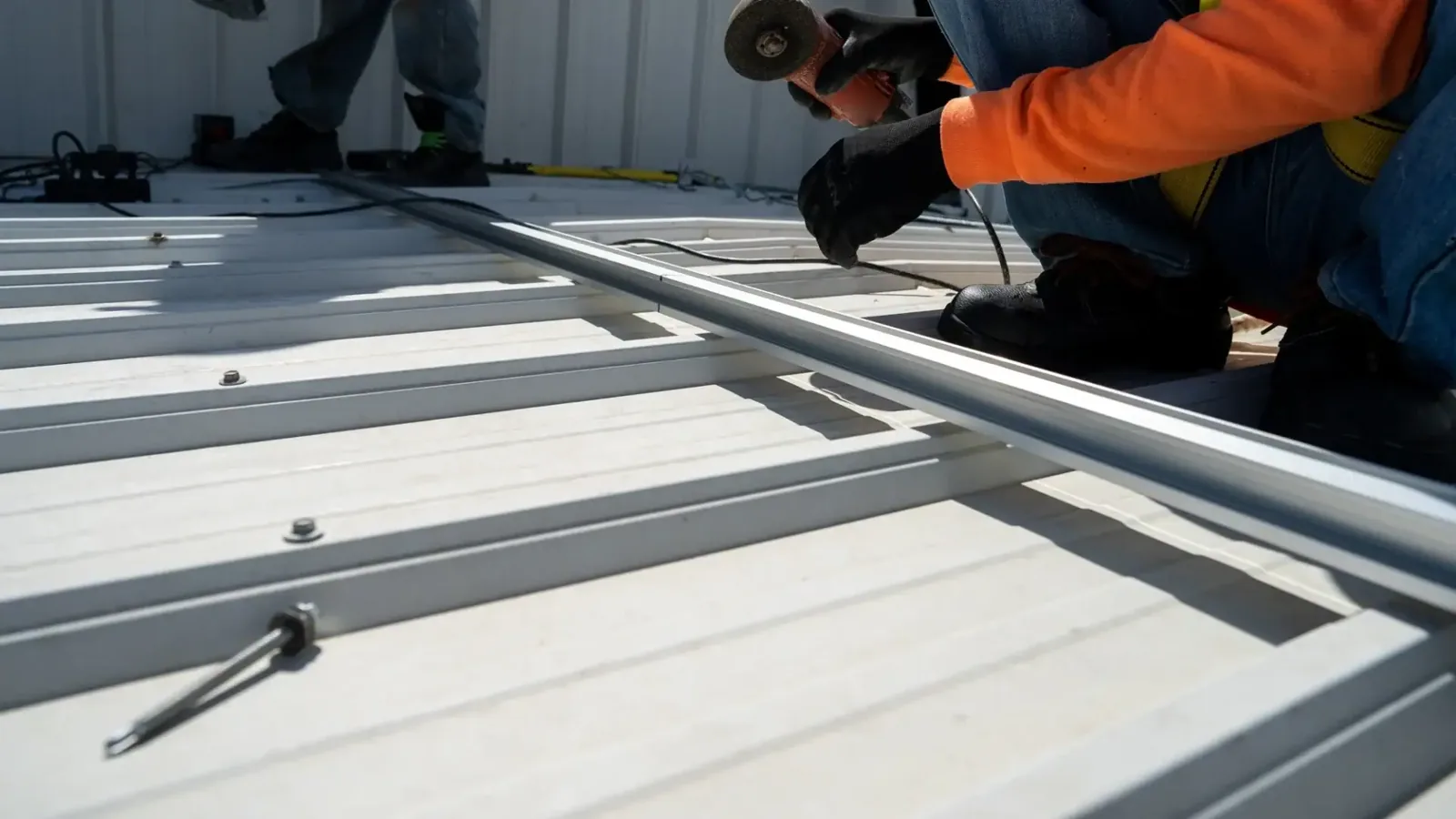
Mechanical, electrical, and roofing trades may share a curb or penetration. We confirm which party handles shutdown, movement, and restoration of each component. A phased roofing plan can identify access windows and temporary separation between work zones. The sequence remains tied to the actual assembly and the building's operating rules, with structural or interior work included only where the written agreement says so.
Document Work for the Next Visit
The closeout record lists the area examined, findings, material used, photographs, repairs, and any inspection limit. A drawing can tie a photo to the owner’s roof-zone name. If another symptom appears later, the property team can compare the same outlet or seam instead of treating a past patch as proof that the full elevation was corrected.
A maintenance inspection can revisit drains, fasteners, transitions, and completed repairs that matter to the system. Share the building use, roof plan, leak history, prior work, equipment changes, and entry rules before requesting service in India Hook. Those details help us define the initial area and note what remains outside the work boundary.
The service record can also note whether a claim inspection or photographic condition summary is needed. We preserve the visible condition and identify any test that remains pending, giving the property team a clear handoff for a manager, insurer, or later contractor without treating an estimate as proof of completed repairs.
Questions About India Hook
It describes regional connectivity, not a property's entry conditions. We confirm the gate, loading route, lift location, roof access, and operating restrictions with the site contact.
It can show the layers and condition at the selected point. We state the reason for the test and record its limit so one sample is not treated as a roof-wide finding.
Repeated defects, moisture across separate zones, or attachment concerns may justify a broader review. We compare those findings with repair history and the assembly before outlining options.
We identify the roofing tie-in and agree on movement and restoration responsibility with the equipment trade. The scope defines where one contractor hands the roof back to the other.
Arrange a Commercial Roof Review in India Hook
Send the building use, symptom, roof drawing, repair history, and access limits. We will identify the roof zone to inspect and prepare a repair or renewal scope from the findings.