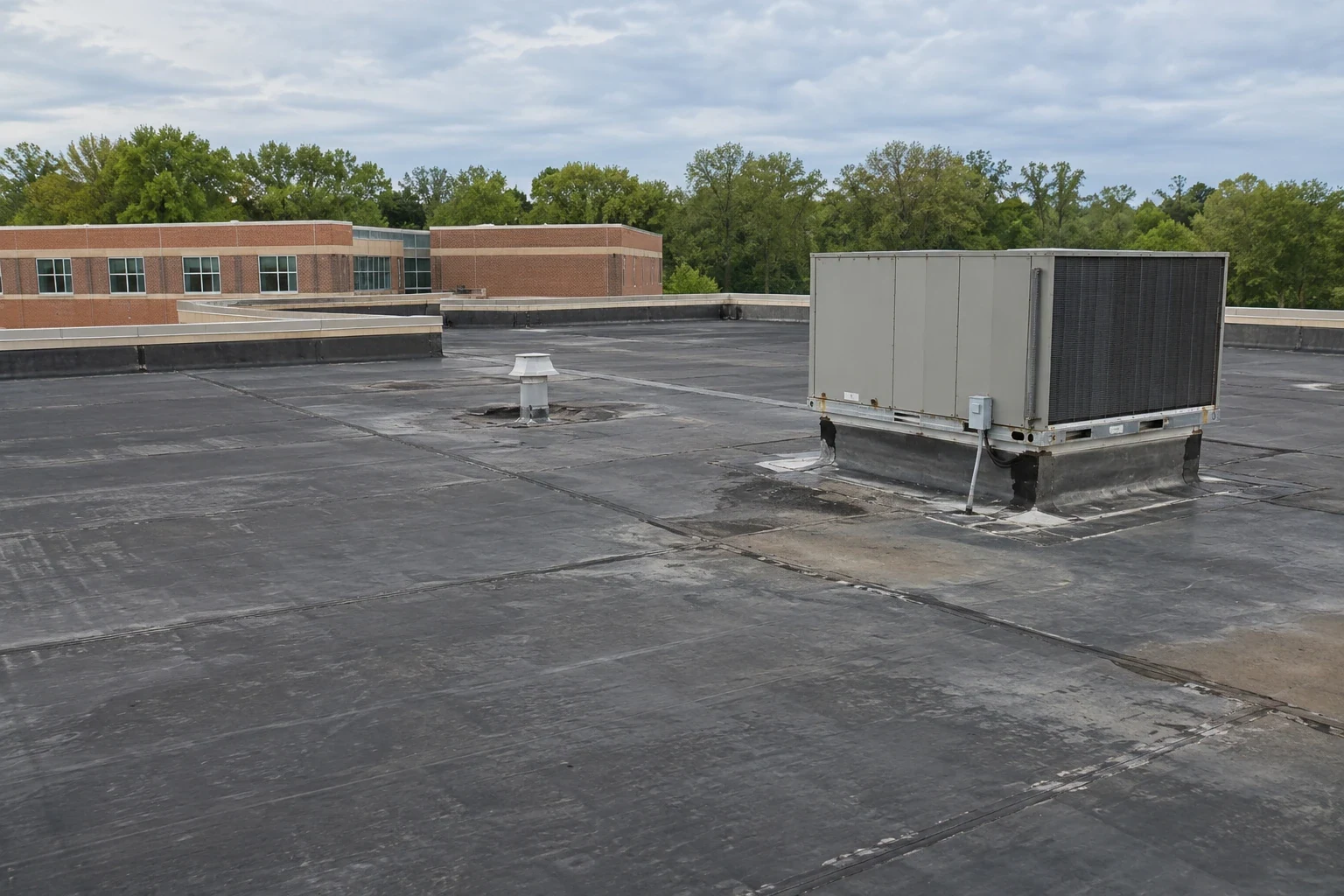
Commercial roofing for the Carowinds border district, with inspections and repair scopes set by each building's roof, access, and operation.
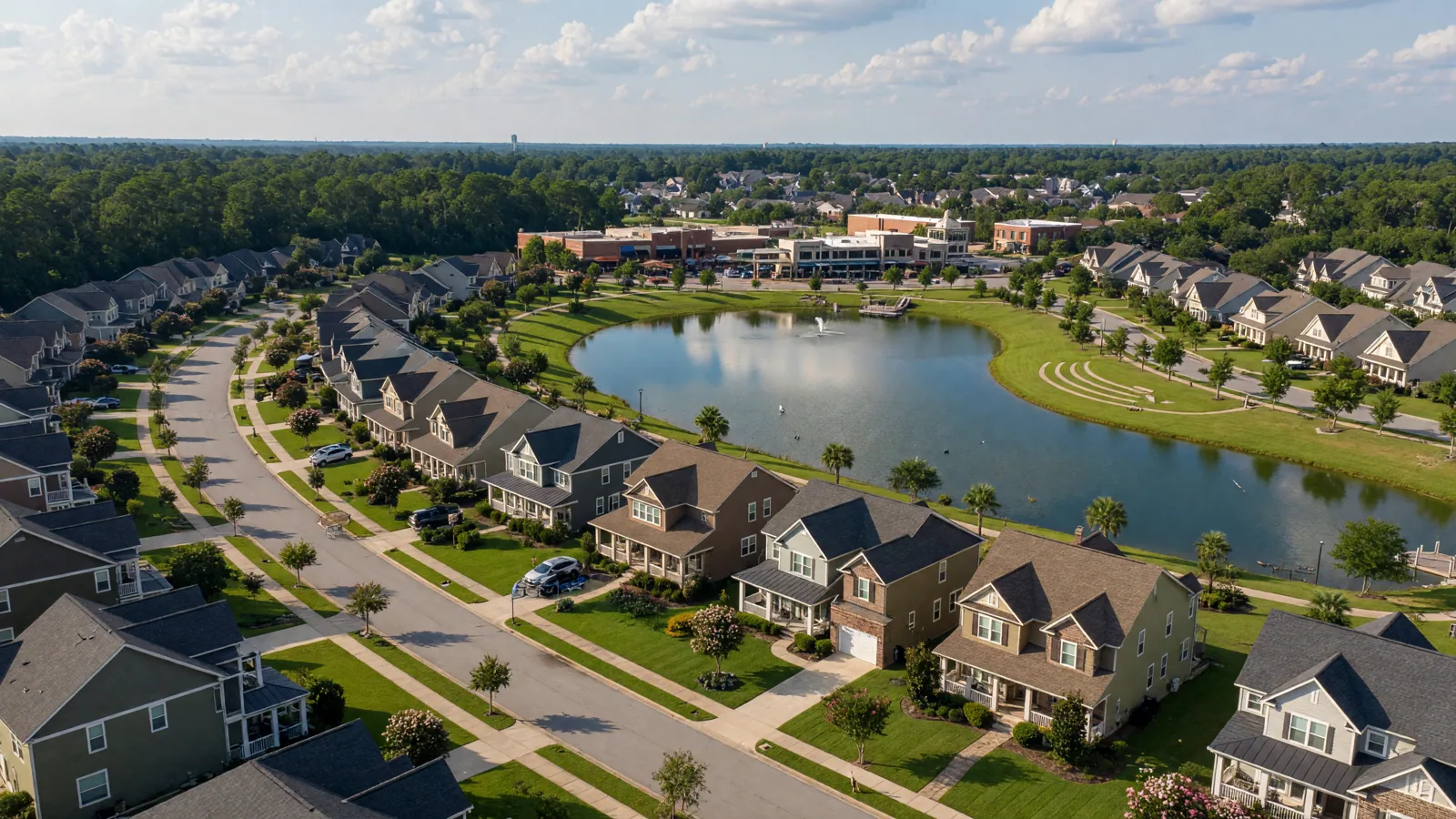
A commercial roof near the Carowinds Boulevard district may serve a hotel, restaurant, retail space, or office, and each use brings a different access plan. York County's I-77 South corridor includes these commercial uses near the Charlotte border, with the interstate linking the area to Fort Mill and Rock Hill. We inspect each property instead of treating the district as one roof. Nearby coverage includes Carowinds Boulevard and Steele Creek.
Start With the Building's Roof and Use
Before selecting a repair, we confirm the reported symptom, the space affected below, and any equipment or renovation near the suspected area. The roof walk checks membrane or metal, seams, penetrations, drains, curbs, edge conditions, and previous repairs within the agreed route. A commercial inspection documents what was visible and where access limits prevented a close review.
The corridor's hotels, restaurants, retail, and offices support a varied commercial market, not a single construction type. A hotel roof could include areas above guest rooms or service spaces; a restaurant or office has its own roof layout and operational constraints. We verify use, roof plans, materials, and entry rules with the property contact before defining an inspection route or protection plan.
I-77 connects the Carowinds area with Fort Mill and Rock Hill. At each property, we confirm delivery access, lift placement, and roof entry with the facility contact. We confirm available staging, overhead restrictions, loading routes, and any entrance that must remain open. If an adjoining renovation or equipment change is underway, the contact can identify its limits so we can inspect the related roof transition without assuming another contractor's scope.
Trace Water at Roof Transitions
A ceiling stain in a guest room, dining area, store, or office may come from a roof route that is not directly above it. We compare the report's timing and location with seams, wall transitions, curbs, skylights, and discharge points. A leak investigation identifies which detail was reviewed and whether its connection to the symptom is supported or still needs testing.
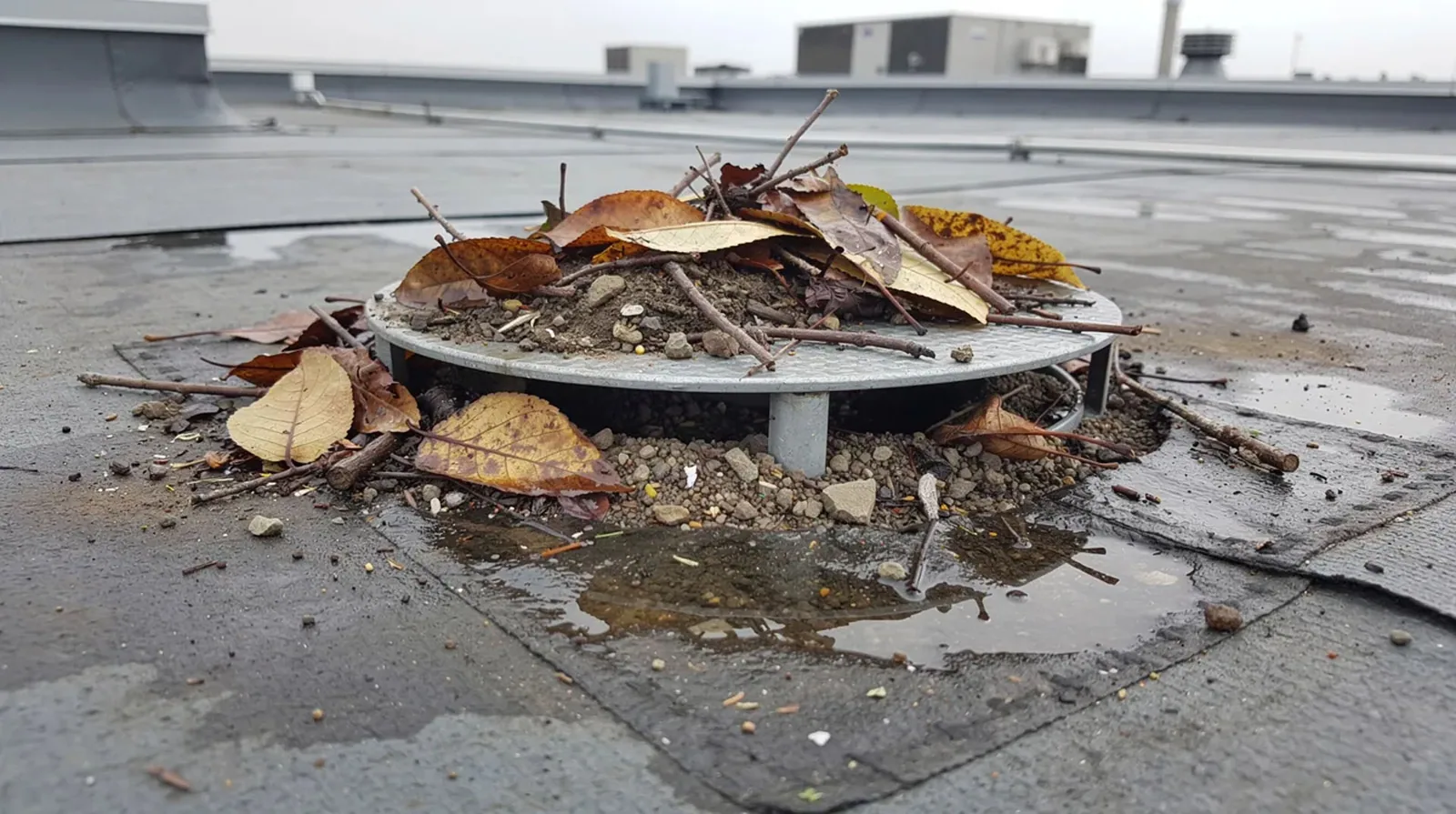
At a drain, we check the bowl, membrane connection, flashing, overflow, and visible discharge. A blocked opening differs from a low roof area or a failed tie-in. A drain repair addresses a confirmed roof-side problem, while concealed piping can require another trade. The work record marks the point where surface inspection ends so the proposal does not imply that hidden plumbing was included.
The Rock Hill market stays warm for an extended part of the year and receives recurring rain. We account for regular rainfall when planning how an exposed section will be closed if work pauses, then inspect the actual roof for storm-related changes. We base the diagnosis on actual slopes, outlet conditions, exposed material, and the path observed during the inspection.
Protect Guests, Staff, and Deliveries
Hotels, restaurants, retail, and office construction are part of the area's commercial context, so the property contact should identify guest, staff, tenant, and delivery paths affected by roof work. We agree on roof entry, staging, lift placement, material storage, and temporary barriers. A schedule names the active area and how it will be closed before the crew leaves that zone.
Where a building remains occupied, phased work can limit exposure to one part of the roof at a time. We identify the space below, any interior protection, and how the next phase begins. Material preparation, weather, and conditions found after removal may change progress. If wet insulation or a damaged deck appears, we protect the opening, photograph the new condition, and request approval before expanding the work.
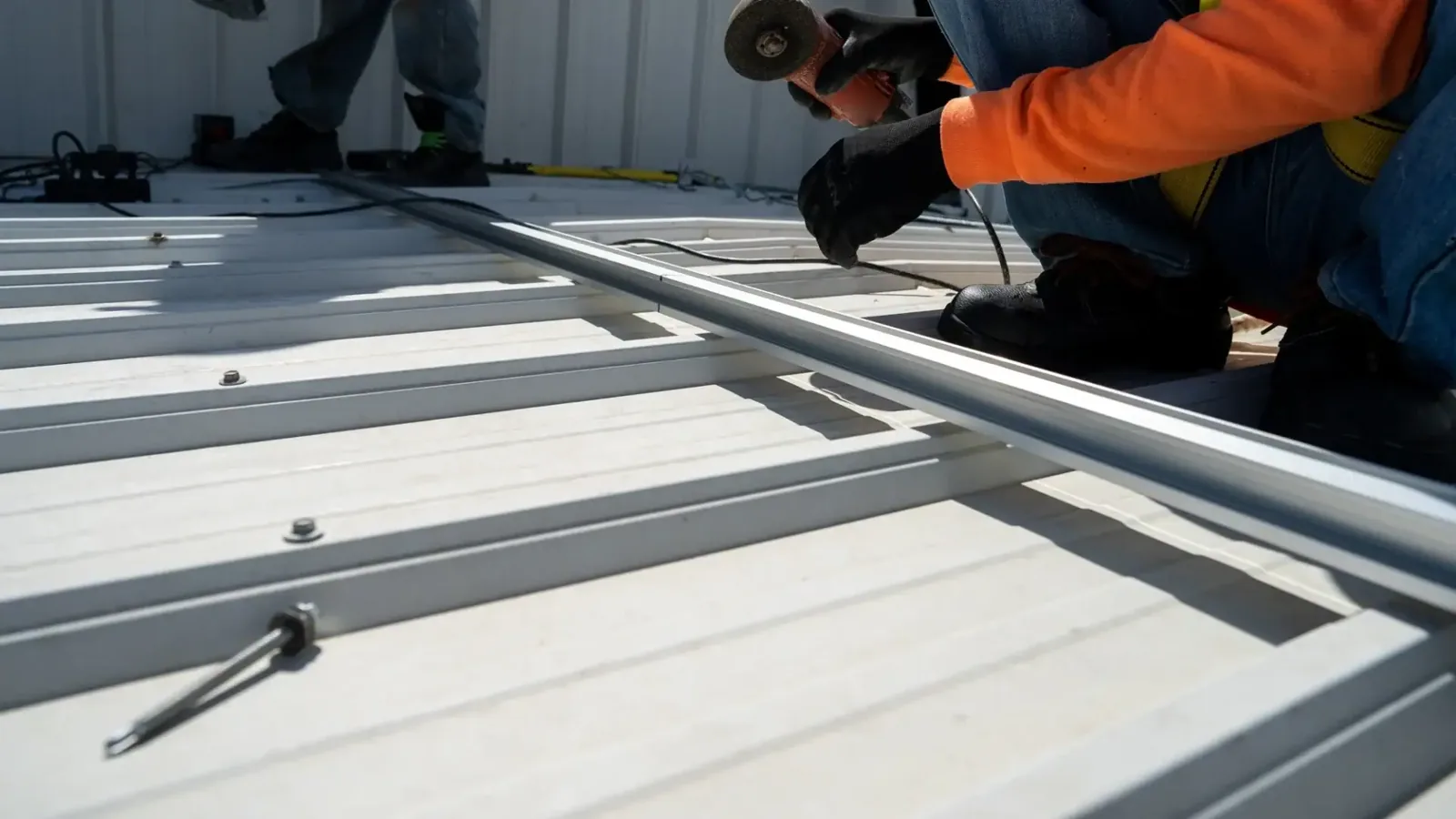
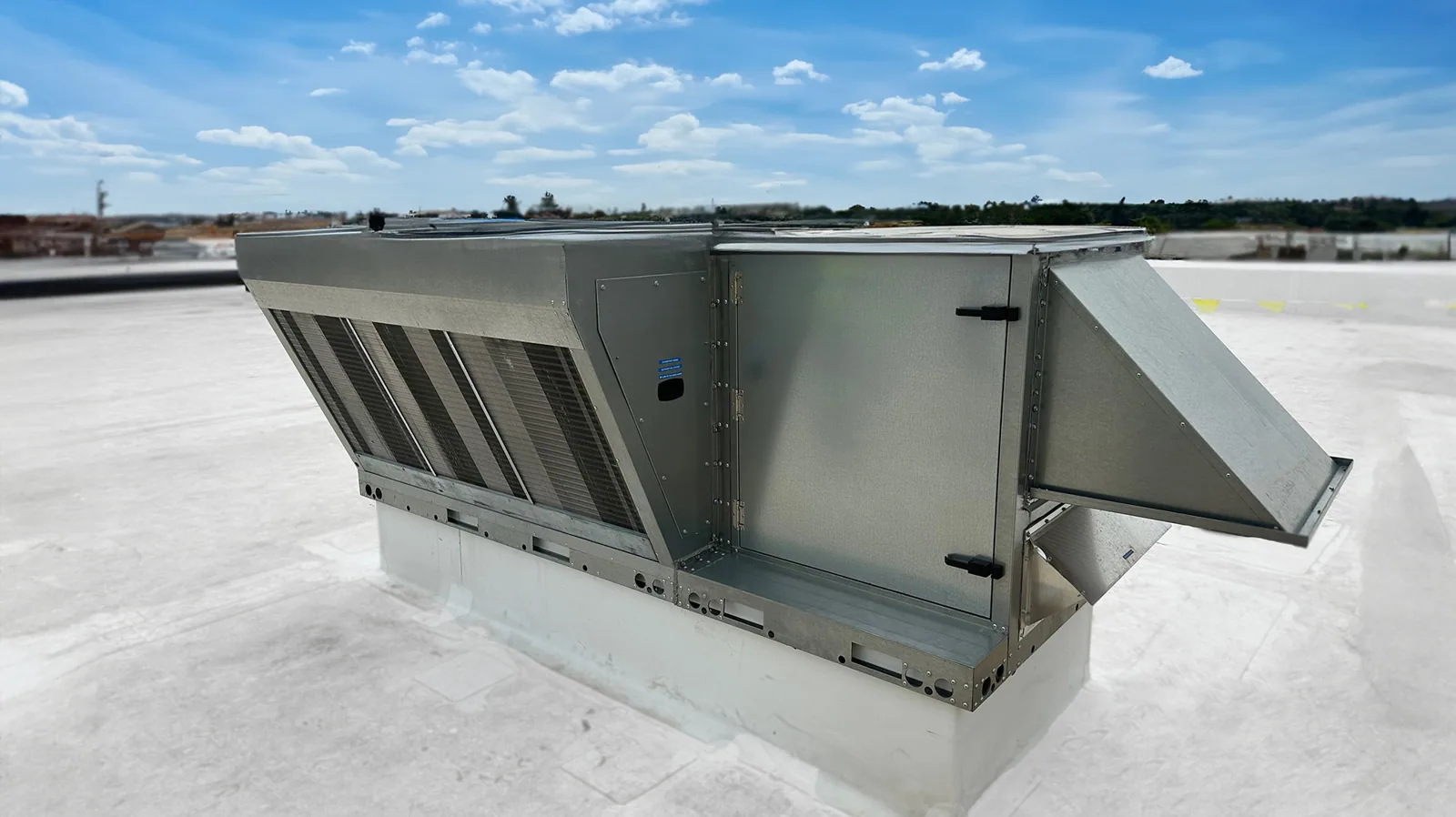
Equipment vendors may need to work near curbs, lines, or exhausts while roofing proceeds. We confirm which trade moves the equipment, who restores service, and when the roof connection is returned for flashing. A curb-flashing repair can address the roof-side transition once the equipment base and sequence are clear. The agreement lists mechanical or electrical work separately unless it is expressly included.
Compare the Work Before Authorizing It
One isolated opening can support a localized repair when the adjacent surface remains stable and accepts a compatible tie-in. Multiple leaks, loose edges, recurring seam separation, or moisture in more than one zone can lead to added testing or a renewal comparison. A repair estimate lists the section, preparation, materials, access, protection, and closure steps, with areas outside the inspection kept separate.
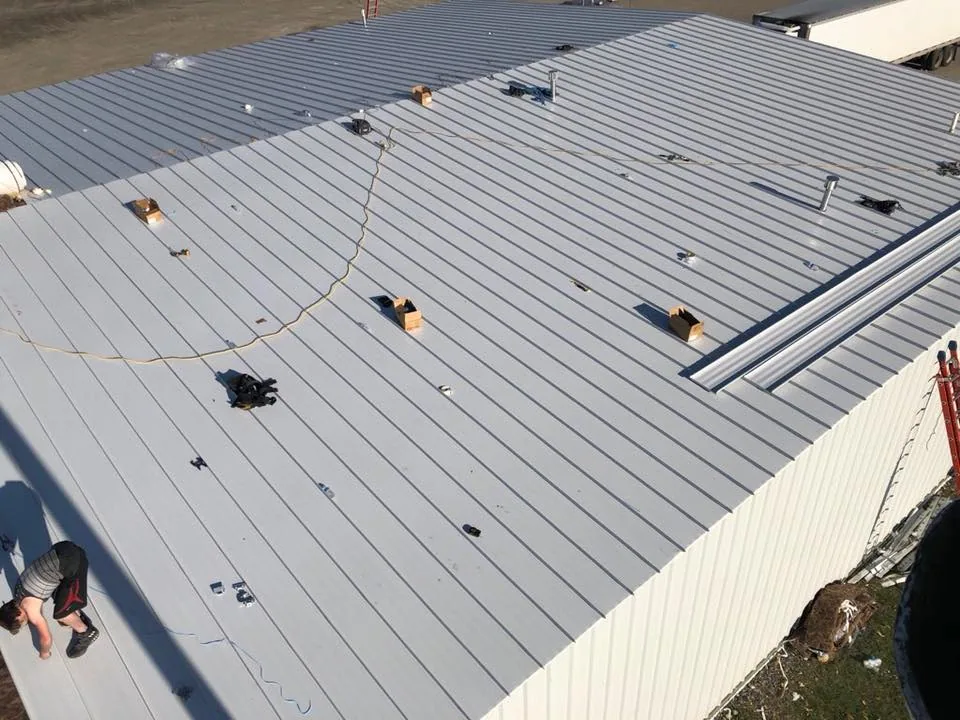
Cost and duration reflect the system, the length of repair, the number of curbs or transitions, working height, staging, disposal, guest or tenant protection, and what removal exposes. A recover option needs a review of existing layers, attachment, drainage, and insulation. Replacement adds removal and closure needs that can alter access and sequence. We identify assumptions before the owner compares options for a specific building.
If testing could change the recommendation, we name the question it answers and where it will be performed. An infrared survey can indicate patterns for closer review, while a test cut can reveal layers at a selected point. Neither finding automatically describes adjoining roof zones. The report ties the result to its location and explains whether additional inspection is needed before the scope expands beyond the original area.
Close Out Each Roof Area
Closeout records the roof zone, conditions observed, repair material, photographs, and any test or access limit. A roof plan can identify which part of a hotel, restaurant, retail property, or office was reviewed. That distinction matters when a later leak occurs in another room or a tenant project adds a new penetration. The completed record remains within the work actually performed.
A maintenance visit can revisit specified drains, seams, edges, and prior corrections according to the assembly and condition history. For a Carowinds district request, share the building's use, symptom, roof plan, equipment changes, and entry restrictions. The I-77 connection and Fort Mill/Rock Hill employment corridor provide context; the property's inspection sets the next decision.
When several locations are considered for a future capital plan, we keep each roof's observations separate. A condition at one hotel, restaurant, retail center, or office should not be carried to another building merely because both sit in the same corridor. A consistent record can still compare system, repair needs, access, and remaining uncertainty across the portfolio.
For a storm-related report, we can photograph displaced components, disturbed flashing, or punctures that are visible during the inspection. The record identifies the observed area and separates roofing conditions from damage that requires another trade to assess. If documentation is being used for an insurance discussion, we keep the inspection findings and proposed roofing work clearly stated without deciding coverage.

Questions About Carowinds District, Fort Mill
It changes which spaces and operations may need protection, but not the need to identify the actual assembly. We confirm access, occupancy, and the roof plan with the property contact.
We identify the active zone, entry route, staging area, and barrier needs. The sequence is set with the property's operating restrictions and may change if weather or concealed damage affects the work.
A roof plan, interior location, symptom timeline, prior repairs, equipment work, and access rules help establish a starting route. We confirm the suspected source in the field.
A program can group visits, but each property needs its own findings, access plan, materials, and work boundary. We keep the records distinct so one building's condition does not stand in for another's.
Set a Carowinds District Roofing Scope
Share the property use, reported issue, roof plan, recent equipment work, and access restrictions. We will identify the inspection boundary and outline repair or renewal options from the conditions found.